Can CBD Oil Actually Soothe Joint Pain and Inflammation?
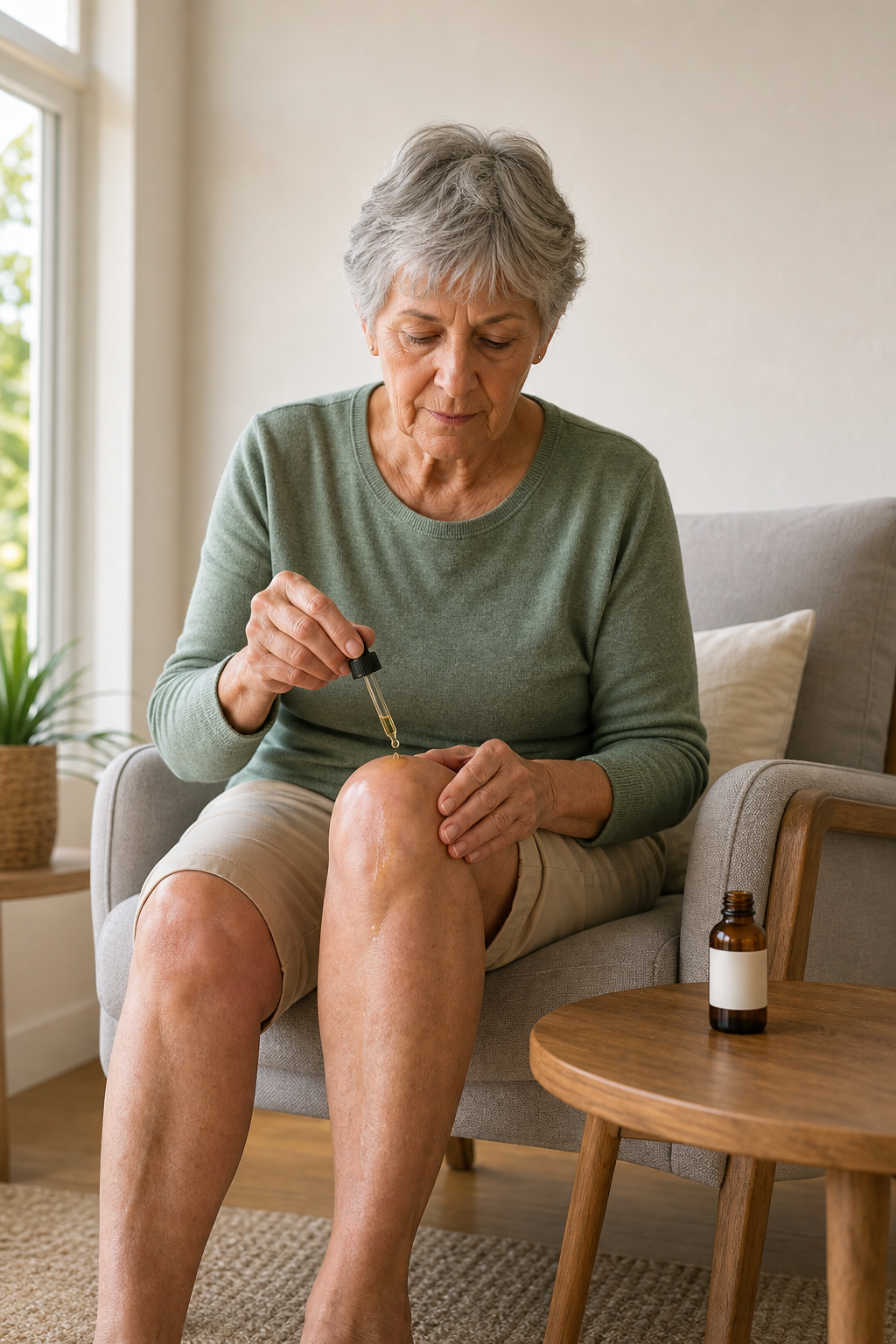
I'll never forget the first time a client asked me if she should try CBD oil for her knee pain. (This was back in 2017, when you couldn't walk into a pharmacy and see CBD for sale next to toothpaste.) She was frustrated, achy, and desperate for something that didn't upset her stomach. Fast-forward to today—CBD oil is everywhere, and the hype is hard to ignore. But does it actually help sore, inflamed joints? Or is it just another health trend sailing on wishful thinking?
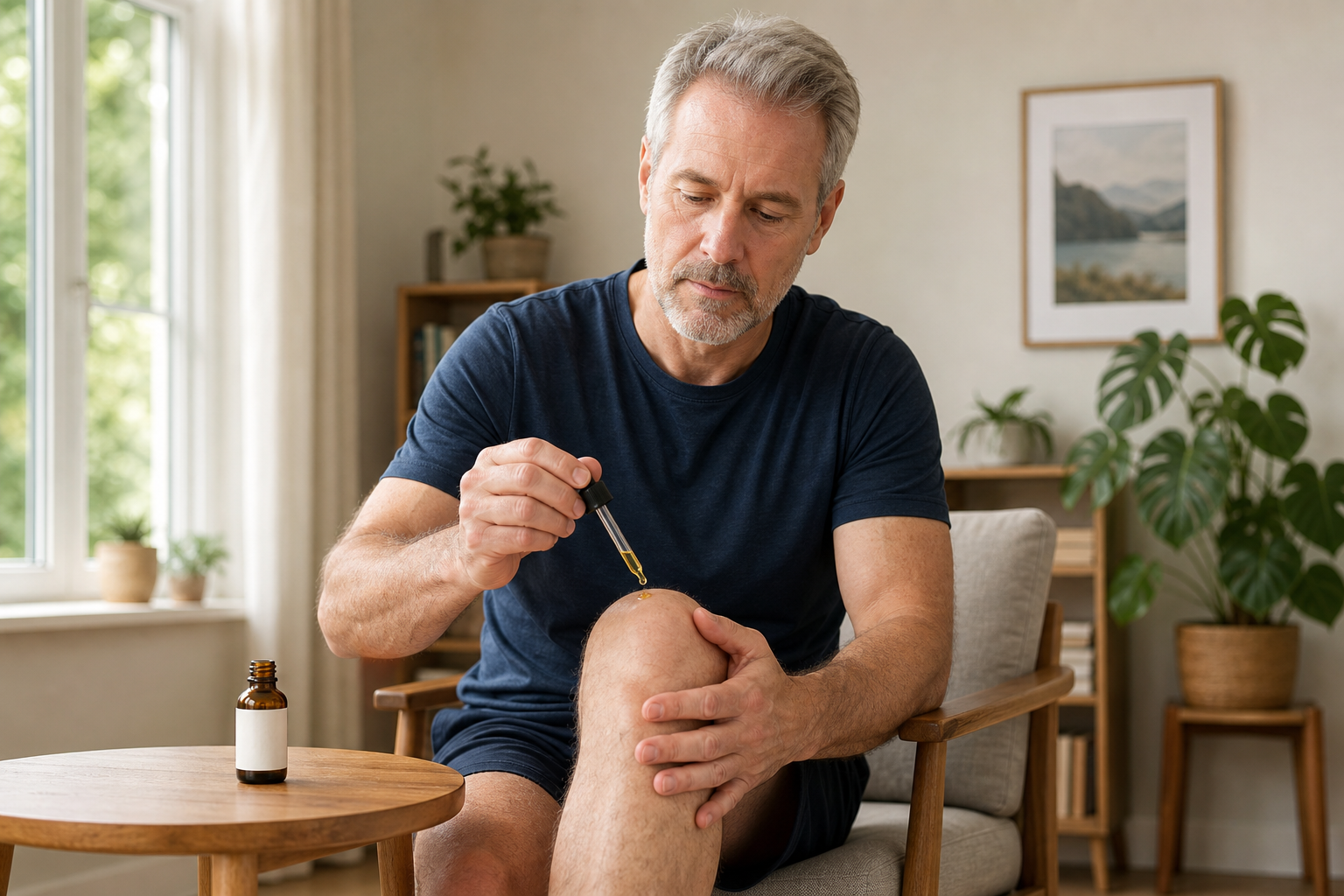
If you’re nodding along because you’ve tried the creams, pills, and even the ice packs stuffed in every drawer, you’re not alone. According to the CDC, nearly 24% of adults—about 58.5 million Americans—deal with arthritis or chronic joint pain. And as a guy who’s spent the last 15 years working with folks over 50, I see the day-to-day impact up close. The simple act of getting up from a chair or walking down stairs can become a real ordeal.
The Uncomfortable Truth About Joint Pain (and Why We’re All Looking for Relief)
Here’s the thing: Joint pain isn’t just about discomfort. It’s about lost mobility, sleep disruptions, and that constant background hum of “ugh.” For some, it’s osteoarthritis in the knees or hips (by far the most common). For others, it’s rheumatoid arthritis, past injuries, or good old-fashioned wear-and-tear.
I hear from readers every week about flare-ups that wake them at night, or stiffness that makes their favorite hobbies impossible. Pain relievers like NSAIDs (think ibuprofen) can help, but the long-term side effects—stomach issues, blood pressure spikes—make a lot of us nervous, especially as we get older. Enter CBD oil, stage left, with promises of calm joints and fewer pills.
CBD Oil 101: What Is It, Exactly?
Before we talk results, let’s clear up confusion. CBD, short for cannabidiol, is one of over a hundred compounds found in the cannabis plant. Unlike THC (the bit that gets you high), CBD is non-intoxicating—meaning you won’t feel ‘stoned’ or ‘out of it.’ Most CBD oil products are derived from industrial hemp, which is bred to contain tiny amounts of THC (legally, less than 0.3% in the U.S.).
Most folks take CBD oil sublingually—meaning, drops placed under the tongue for faster absorption into the bloodstream. Others opt for capsules, gummies, or topical creams. As a sports therapist, I get a lot of questions about topicals versus ingestibles. For joint pain, both methods come up again and again in conversation—and in the research.
How Might CBD Help Joint Pain and Inflammation?
Here's where it gets interesting. Your body has something called the endocannabinoid system—a network of receptors involved in regulating pain, immune function, and inflammation. (Honestly, when I first read about this in my coursework, I was intrigued and a little skeptical.) CBD interacts with these receptors, potentially dampening inflammatory responses and altering pain signals.
The science is evolving, but several mechanisms have emerged:
- Anti-inflammatory action: CBD may inhibit certain inflammatory cytokines. In animal studies—like a 2016 paper in European Journal of Pain—CBD significantly reduced joint swelling in rats with arthritis. Human data is less robust, but promising.
- Pain modulation: CBD appears to reduce nerve pain signals by acting on TRPV1 receptors (think of these as 'pain gatekeepers').
- Improved sleep and relaxation: Indirectly, better sleep can reduce pain perception. Several small studies (notably a 2019 Pain journal report) found that CBD helped chronic pain sufferers sleep more soundly.
But—and this is a big but—robust, large-scale human trials are still in their infancy. That doesn’t mean there’s no hope. It just means you should keep your expectations realistic—and always talk to your doctor before adding CBD if you’re on other meds (CBD interacts with some blood thinners, for example).
What Does the Actual Research Say?
Let’s cut through the testimonials and look at clinical data. A 2020 Arthritis Care & Research survey of over 2,600 patients found that 79% had tried CBD for arthritis pain, with over half reporting “significant improvement.” Of course, that’s self-reported—and placebo effect is real. But it’s notable how many people are giving it a go, especially those dissatisfied with NSAIDs or acetaminophen.
The real kicker: A randomized trial published in Current Rheumatology Reports (2022) found that topical CBD (250mg applied twice daily) led to modest but statistically significant reductions in knee osteoarthritis pain over 12 weeks. The catch? Benefits seemed clearest in people with moderate—not severe—symptoms. And dosing matters.
With oral CBD, the evidence is mixed. A 2020 meta-analysis in BMJ reviewed seven randomized trials and found “potential for benefit” but highlighted the need for standardized dosing and longer studies. Most experts agree: If you’re hoping for miracle results, you might be disappointed—but for some, especially those with milder pain, it’s a useful tool in the box.
Dosing, Safety, and What Actually Makes a Difference
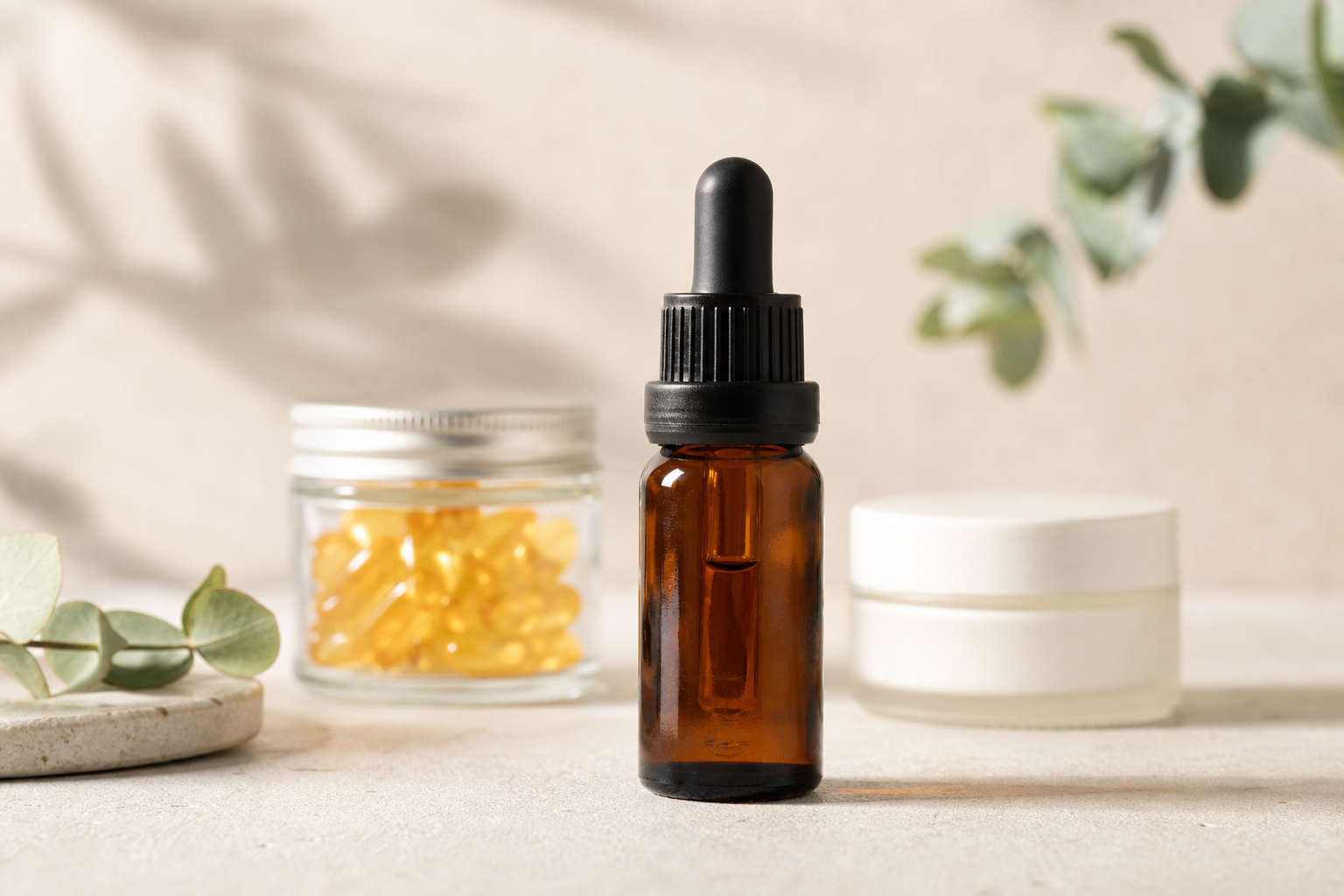
Here’s a question I field all the time: “How much should I take?” Unfortunately, there’s no universal answer. Most clinical studies use doses ranging from 20mg to 300mg daily. For joint pain, I’ve seen people start as low as 10mg twice daily and gradually work up.
I always recommend starting low, going slow, and keeping a simple symptom diary. Write down what you take, when you take it, and how you feel after a week or two. That’s how my mother-in-law finally figured out her sweet spot (she hovers around 30mg per day for her hands, and swears by it for knitting season).
Side effects? Generally mild—think dry mouth, fatigue, or sometimes diarrhea. Still, CBD can interact with other medications (especially blood thinners like warfarin and some seizure meds), so check with your doctor or pharmacist first. If your provider scoffs, ask them to look at the BMJ research; attitudes are changing fast.
CBD Oil for Joint Pain: What to Look For (and Watch Out For)
Not all CBD products are created equal. This is where a lot of people get burned. The CBD space can be like the Wild West—unregulated, full of bogus health claims, and surprisingly inconsistent lab results. Look for brands that provide third-party lab certificates (COAs) showing CBD and THC content—plus proof they’re free of heavy metals, pesticides, and solvents.
Full-spectrum oils (which include other hemp compounds) may offer more robust effects due to the “entourage effect,” but some folks prefer broad-spectrum (THC-free). The delivery method matters, too. Oils and tinctures absorb more quickly; capsules are most convenient; topicals are great for specific joints. I’ll be honest—I was skeptical of topicals until I saw a few clients with hand OA get real relief.
Product Mention: Voltaren Arthritis Pain Gel vs. CBD Topicals
If you’re wary of CBD or can’t find a trustworthy brand, there’s always the gold standard: Voltaren Arthritis Pain Gel. It’s FDA-approved, uses diclofenac sodium (a proven NSAID), and works locally without the GI side effects of oral meds. I still recommend it to clients with knee or hand OA who want non-prescription relief. But CBD topicals may be worth trying for those sensitive to NSAIDs—just know your source.
Real-World Strategies: Making CBD Part of a Broader Joint Pain Plan
If you’re hoping CBD is a magic bullet, you might be disappointed. But used wisely, it can absolutely be part of a broader plan—right along with physical therapy, smart supplements, and healthy daily habits.
Here are a few tips I’ve picked up (from both experience and reader emails):
- Try a heating pad before applying CBD topicals—moist heat may enhance absorption. (The Pure Enrichment PureRelief XL Heating Pad is a game-changer for big joints like hips and backs—extra-large, moist heat, and an auto-off feature so you can relax.)
- Don’t stop moving. Gentle, joint-friendly exercise—think walking, tai chi, or pool classes—keeps your synovial fluid flowing. Even if you need to take it slow, motion is better than rest.
- Build a supplement stack (with caution): Some folks find combining CBD with joint support supplements—like glucosamine, chondroitin, turmeric—offers more consistent improvement. Journal of Rheumatology has shown 1500mg glucosamine sulfate is well tolerated by most. Always check with your doctor, especially if you’re on multiple meds.
- Prioritize sleep. More rest means less inflammation. If CBD helps you sleep better, that alone is a win.
A little honest opinion: Most articles gloss over the fact that moving more—even if it hurts at first—is still the single most powerful thing you can do for stiff, painful joints. CBD might take the edge off enough to let you walk to the mailbox or stretch before bed. That’s often the real value.

Caveats and Red Flags—What CBD Oil Won’t Do
Okay, let’s bust a few myths. CBD oil will not “cure” arthritis. There’s zero evidence it can rebuild cartilage or reverse years of wear-and-tear. Anyone promising otherwise is selling snake oil. Likewise, if you see a $15 bottle of CBD oil with no third-party testing listed, run the other way. Quality matters more than quantity here.
Also, not everyone will respond. My own informal poll (after dozens of client trials) found about 1 in 3 people experienced “noticeable” joint relief with CBD. The rest? Either subtle improvement, or nothing at all. Genetics, dosage, and the type of pain all matter. That’s the reality—no magic bullets—but worth a try if you’re running out of options.
Comparisons: CBD Oil vs. Traditional Pain Relief
So how does CBD stack up versus traditional options? Here’s my honest take:
- NSAIDs (ibuprofen, naproxen): Still the most effective for acute flare-ups, but risky long-term (ulcers, kidney issues).
- Acetaminophen: Safer, but weaker for real inflammation.
- Topical NSAIDs (like Voltaren): Great for mild-moderate osteoarthritis, especially in hands and knees; less effective for deep or widespread pain.
- CBD oil: May help mild-moderate pain, especially for those who can’t tolerate NSAIDs, but evidence is still catching up. Works best as part of a plan—not a solo act.
One reader put it best: “CBD didn’t make my pain vanish, but it made it manageable enough to garden without gritting my teeth.” And that, to me, is a real win.
Getting Started: What Should You Try First?
If you’re curious, start with a reputable CBD oil—aim for full- or broad-spectrum, with a certificate of analysis. Consider starting at 10-20mg per day, assessing each week. Topicals are safest for localized pain, and combining with a heating pad or gentle movement can boost effects. Track your symptoms. Give it two to four weeks—most people know by then if it’s making a difference.
Still not sure? You have plenty of options. I recommend Voltaren Arthritis Pain Gel if you want a clinically proven topical, or the Pure Enrichment PureRelief XL Heating Pad as a safe, non-drug option for at-home pain relief. Both pair well with a gentle exercise routine—look for simple routines you can do at home, or check out support groups for tips.
Practical Takeaways (From Someone Who’s Actually Seen It Work... and Not Work)
I know the frustration of searching for real, lasting joint relief. I’ve watched CBD oil help certain clients regain a bit of movement—and leave others totally underwhelmed. If you try it, set realistic expectations, stick with high-quality brands, and use it alongside (not instead of) proven lifestyle tweaks. Always keep your doctor in the loop, especially if you’re juggling other medications.
Most of all, keep experimenting—safely—until you find what gets you moving again. If a dropper of CBD helps you sleep better, or a topical takes the edge off your morning stiffness, even small wins add up over time. And if it’s not your thing? That’s okay too—there are always new options on the horizon.
Stay curious, stay moving, and if you stumble onto something that actually works for your joints—drop me a line. I’m always rooting for you.
— James Chen, MS, CSCS
JointReliefReviews.com columnist
James Chen holds a Master's in Exercise Science and is a Certified Strength & Conditioning Specialist. He writes about evidence-based approaches to joint health and mobility for adults over 50.