
CBD Oil for Joint Pain and Inflammation: Separating Hype from Hope
If you'd told me five years ago that my clinic's most-asked question would be about cannabis extracts, I'd have said you were out of your mind. But here we are. Last month alone, I got nine emails from readers — and three phone calls from my own relatives! — all asking some version of the same thing: "Does CBD oil really help joint pain and inflammation, or is it just good marketing?"
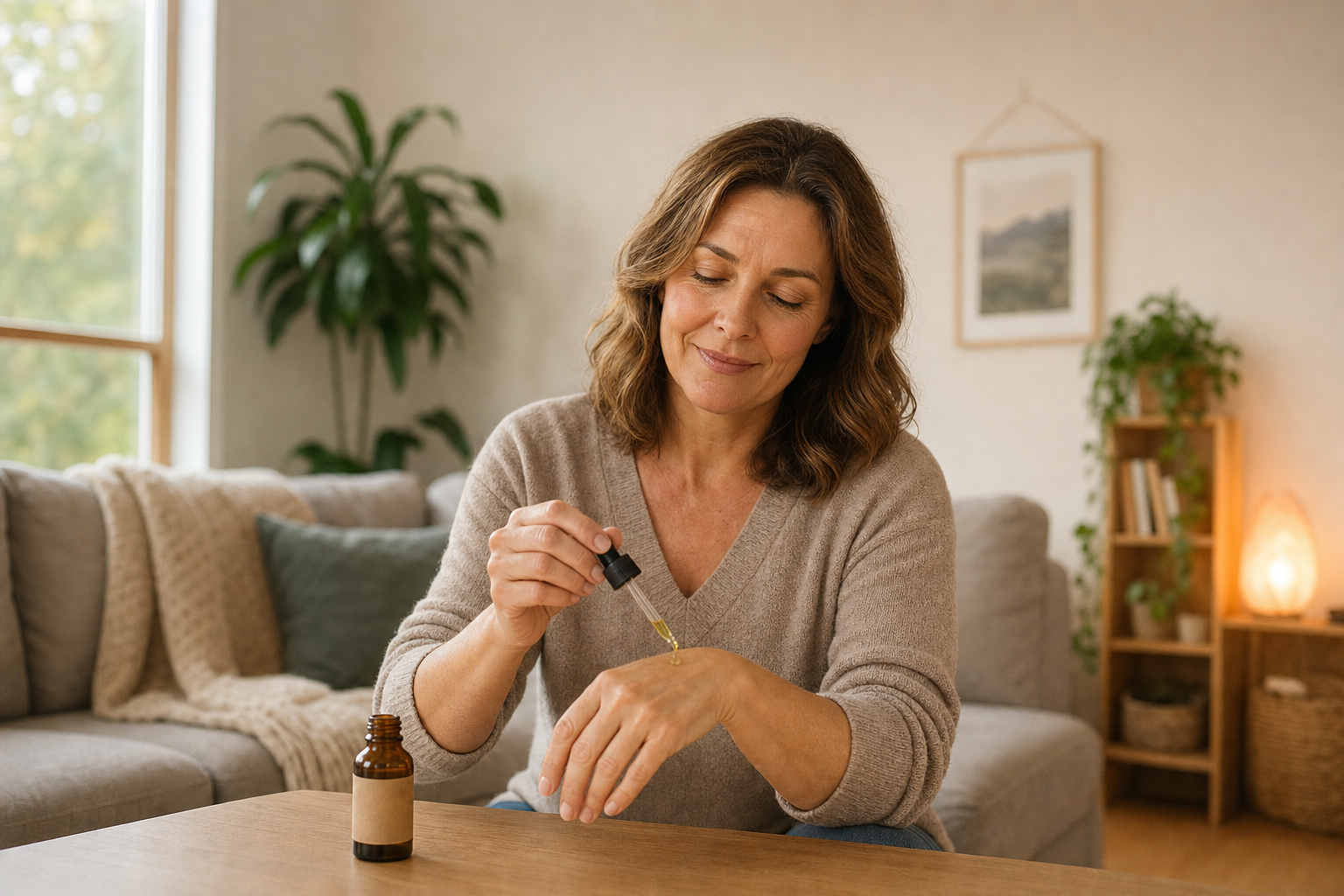
Here's the thing: if you're hobbling out of bed each morning, knees or fingers stiff as a board, you start eyeing any solution that might give you back a sense of normalcy. And with everyone from professional athletes to my neighbor's dog walker touting the miracle of CBD, it's no wonder the conversation has shifted from "is it legal?" to "is it legit?"
The Daily Grind: What Joint Pain Really Feels Like
Joint pain isn't just about a creaky knee or an achy shoulder. For my patients, it's the little indignities that add up: skipping a walk with the grandkids, dreading that first step out of a chair, even the mental fog that comes from being in pain day after day. Sometimes, the over-the-counter stuff stops helping. Sometimes, it messes with your stomach. And sometimes, you just want something — anything — that doesn't feel like a pharmaceutical sledgehammer.
If you're nodding along, you're certainly not alone. According to the CDC, over 58.5 million adults in the U.S. deal with some form of arthritis. That's one in four people. Imagine a stadium full of people wincing with every movement. Now, add a growing chorus of folks who've tried everything else and are wondering if CBD oil could be the missing piece.
What the Heck Is CBD Oil Anyway?
Quick crash course: CBD (cannabidiol) is a compound found in hemp and cannabis plants. Unlike its cousin THC, CBD doesn't make you high — even if your uncle at Thanksgiving is convinced otherwise. Most legal CBD comes from industrial hemp, is non-intoxicating, and is available in oils, capsules, topicals, and even gummies. We're focusing on the oil form here, but I see people combining different formats, especially for chronic pain.
CBD oil typically comes in dropper bottles — you place drops under the tongue (sublingual), add to a drink, or sometimes use it topically. Dosages are all over the place, ranging from less than 10mg up to 100mg per serving. And here's where it gets interesting: quality and potency can vary dramatically between products. (More on that later.)
Making Sense of the Science: Does CBD Oil Really Help Joint Pain?
I'll be honest — I was skeptical when CBD first hit the mainstream. I trained to trust published research, not marketing claims. But...the science, while still catching up, has some intriguing highlights.
- Animal studies: Back in 2016, a study in "European Journal of Pain" (Hammell et al., 2016) showed that topical CBD reduced joint swelling and pain behaviors in arthritic rats. Now, rats aren't people, but it was one of the first signs that CBD could have real anti-inflammatory power.
- Human clinical trials: The gold standard. Unfortunately, high-quality studies on humans with arthritis or chronic joint conditions are still rare. A 2020 review in "Current Opinion in Rheumatology" notes the evidence is "promising but inconclusive," calling for larger, longer-term trials.
- Patient experiences: This is where it gets muddy. I've had patients swear that CBD oil saved their sleep, let them cut down NSAIDs (like ibuprofen), or made their marathon training tolerable. The Arthritis Foundation's 2019 patient survey found that 29% of people with arthritis reported current or past CBD use, and most of those found it somewhat or very effective for pain.
So, does CBD oil work for everyone? No. But for some, it's a legitimate tool in the pain toolbox. (And pain management is almost never a "one size fits all" journey — that's the hard truth.)
How Does CBD Work for Joint Pain and Inflammation?
Here's where my inner science nerd gets excited. CBD interacts with something called the endocannabinoid system (ECS) — a network of receptors found throughout the body, especially the brain and immune system. The ECS plays a quietly massive role in regulating inflammation, pain perception, sleep, and even mood.
CBD doesn't bind directly to classic cannabinoid receptors (CB1, CB2) the way THC does. Instead, it seems to "nudge" the system — reducing inflammatory messenger signals, influencing pain pathways, and possibly dampening the sensation of pain itself. One 2018 review in "Frontiers in Pharmacology" described CBD as having "broad anti-inflammatory properties" relevant to joint disorders.
Will it erase bone-on-bone arthritis? No. But it may help with the inflammation, swelling, and nagging discomfort that make joint pain so draining. I remember when my mother-in-law, who has stubborn thumb arthritis, told me she could finally open jars again after starting a high-quality CBD oil. Was it a miracle? No. But for her, it was a meaningful change.

Choosing & Using CBD Oil for Joint Pain: What Works, What Doesn't
Here's where I see the most confusion (and, frankly, the most wasted money): not all CBD oils are created equal. The industry is still the Wild West. One study in "JAMA" (2017) found that 70% of online CBD products were mislabeled in terms of potency.
If you're considering CBD oil for joint pain or inflammation, here's my honest, practical advice:
- Look for third-party testing: Reputable brands will publish independent lab results showing actual CBD content, proof of no heavy metals/pesticides, and that THC is below 0.3% (the legal limit).
- Start low, go slow: Most people start with 10-20mg once or twice a day, adjusting upwards by 5-10mg if there's no benefit after a week. Some studies use 25-50mg/day for pain, but everyone metabolizes CBD differently.
- Watch for side effects: CBD is generally very well tolerated, but some folks get drowsy, dry-mouthed, or experience digestive changes. (Rare, but I've seen it in clinic.) Always talk to your doctor or pharmacist, especially if you take blood thinners or epilepsy meds — CBD can interact.
- Consider topical + oral combo: A few patients find best relief using both a CBD oil and a CBD cream/balm directly on sore joints. Just don't expect overnight miracles — give it 2-4 weeks of consistent use before judging results.
Not gonna lie: the cost can add up, so buy the smallest size first. If it doesn't help after a month, accept that it may not be your magic bullet. And please — skip the "gas station" CBD. Stick with established, transparent brands.
CBD Oil vs. Other Joint Relief Strategies: How Does It Stack Up?
I know this is unpopular, but CBD oil should almost never be your only approach to joint pain. It's best as part of a broader toolkit. Here's what I often recommend in my practice:
- Compression/support: For knees, a sleeve like the Modvel Compression Knee Brace can ease stress on joints and boost confidence during movement. More than 75,000 reviewers can't be wrong — and it's affordable enough to grab a pair.
- Topical anti-inflammatories: I'll often suggest Voltaren Arthritis Pain Gel for those needing stronger, FDA-approved relief, especially for hands, wrists, and knees. It's not "natural," but it's well-studied, with diclofenac sodium clinically proven for osteoarthritis.
- Lifestyle: Exercise (even gentle), weight management, and smart diet tweaks (think: Mediterranean-style, less processed food) can all reduce inflammatory load on the body. I can't count the number of patients who've found more relief from movement and nutrition than any supplement alone.
- Supplements: Look, the science on glucosamine/chondroitin is mixed, but some see real benefit. For a multi-ingredient approach, I've reviewed Glucosamine Chondroitin Turmeric MSM & Boswellia — it's a solid, affordable pick if you want to try the "all-in-one" route.
Is CBD oil better than all of these? Sometimes, but not for everyone. But for those who can't tolerate NSAIDs, or who need to layer therapies, CBD can be a valuable addition.
CBD Oil Dosing for Joint Pain: Realistic Expectations
Here's a point that gets glossed over in way too many articles: what works for your neighbor might not work for you. I had a reader last week who needed only 15mg daily for her knee, while another was up to 60mg split AM/PM before she noticed any change.
Most CBD oil bottles list dosage by total CBD in the bottle (e.g., 500mg, 1000mg). Divide that by the number of servings. Start at the lowest recommended dose, stick with it for a week, then titrate up if necessary. Track your pain, stiffness, and sleep in a journal — it's the only way to know what's working. And yes, you might have to experiment a bit.
One mild controversy in the field: some experts (myself included) believe that a "full-spectrum" CBD oil — containing trace cannabinoids and terpenes, not just isolated CBD — may offer greater relief thanks to the "entourage effect." But if you have drug testing concerns, stick to "broad-spectrum" or "CBD isolate" oils.
Side Effects, Safety, and the Doctor's Perspective
Biggest question I get: "Is it safe?" Generally, CBD is considered safe and non-intoxicating. The World Health Organization called it "well-tolerated" in their 2018 report. The most common side effects are sleepiness, dry mouth, and rare digestive upset. But — and this is key — it can interact with other meds. Blood thinners (like warfarin), certain seizure drugs, and some antidepressants may be affected. Please, please talk to your doctor or pharmacist before starting CBD, especially if you're on chronic meds.
And, not all CBD is legal everywhere — always check your local laws and source from reputable, lab-tested brands. A quality CBD oil shouldn't have more than 0.3% THC (the federal limit in the U.S.), so you won't get "high." If a product promises wild results or doesn't show lab data, run the other way.
What’s Missing from the CBD Conversation?
Most articles gloss over the sheer unpredictability of results. In my years as a physical therapist, I've seen natural products go from "snake oil" status to clinically respected options — but almost always as part of a bigger strategy. CBD is still finding its place. We need more head-to-head studies comparing it to NSAIDs, glucosamine, or even topical diclofenac. And patients need more guidance on realistic expectations.
If you're exploring CBD oil, think of it as a gear in your relief "engine," not the engine itself. And be open to adjusting your plan — pain is personal, and so is your response to CBD.
The Real Takeaways: Should You Try CBD Oil for Joint Pain?
- If you've tried other options and are frustrated with the results, a high-quality, third-party tested CBD oil is a reasonable, low-risk experiment for most adults.
- Start small, track your symptoms, and give it at least 2-4 weeks to gauge effect. Combine with movement, smart nutrition, and — if needed — physical supports like braces or topical gels.
- It rarely replaces traditional meds, but can help you cut down on NSAIDs or improve sleep and overall comfort.
- Always consult your doctor before starting CBD, especially if you take daily meds. Safety first, always.
Will CBD oil work for your joint pain? I can't guarantee it. But for many in my clinic, it's shifted the equation — not a miracle, but a genuine nudge toward better days.
Where to Next?
If you do decide to give CBD oil a try, do your homework, pick a reputable brand (third-party lab tested, clear labeling), and be patient. Joint pain rarely disappears overnight. But sometimes, the right addition at the right time is a game-changer.
And if you’ve used CBD for joint pain, send me your story. I love feedback — it helps my patients and readers see the full picture.
Wishing you less pain and more freedom, one step at a time.
Dr. Sarah Mitchell, DPT — Senior Health Editor, JointReliefReviews.com