CBD Oil for Joint Pain and Inflammation: What Actually Works (and What Doesn’t)
I’ll admit it: when my friend Lucy texted me at 9 p.m., clutching her knee and asking, “Linda, do you think this CBD oil actually helps joint pain or is it just snake oil?”—I laughed. Not at her pain (I’ve had my share), but because CBD is probably the most hyped remedy I’ve seen since glucosamine hit drugstore shelves in the 90s. The real kicker? More people in my inbox ask about CBD than about which knee brace to buy. And that says something.

Joint Pain Isn’t Just Annoying—It Can Be Downright Debilitating
If you’re sore, stiff, or struggling to make it down the stairs in the morning, you are not alone. I’ve spent over 20 years working with patients whose joints feel like rusty hinges—whether it’s from arthritis, old injuries, or just plain wear and tear. We’re talking millions of Americans with osteoarthritis alone (Arthritis Foundation says nearly 1 in 4 adults). And when flare-ups hit, even fetching a coffee mug off the bottom shelf can feel like a circus act.
Here’s where it gets tricky: traditional pain relievers like NSAIDs (ibuprofen, naproxen) work, but they’re not long-term heroes. They can irritate your stomach, raise blood pressure, and—trust me, I’ve seen it—cause kidney or heart trouble if you lean on them too hard. So, naturally, people turn to anything promising relief. Enter CBD oil.
CBD Oil: Miracle or Marketing?
Let’s rewind. CBD (cannabidiol) is a compound in the cannabis plant. And no, it won’t get you high—that’s THC, its rowdier cousin. CBD is legal in most states now, and you’ll find it in everything from gummies to lattes. But does it do anything for joint pain?
I’ll be honest—I was skeptical at first. Some of the early claims in glossy magazines felt a bit like “one weird trick” territory. But then patients started showing up, bottles in hand, swearing it helped with their knees, backs, and hands. So, I dove into the research. And here’s what I found.
What Does the Science Say About CBD and Joint Pain?
The short answer: It’s complicated, but there’s real promise. For example, a 2020 review in Current Opinion in Rheumatology found that CBD may reduce inflammation and pain in animal models of arthritis. Cool, but humans aren’t mice (if only joint pain was that simple). However, small human studies do exist—one in the European Journal of Pain (2016) showed topical CBD reduced pain and inflammation in rats with arthritis. Not a slam dunk, but a start.
But here’s the kicker: Most of the solid research so far is on animals or cells in a lab dish, not people. That doesn’t mean it’s useless—just that your mileage may vary. Anecdotally, though? I’ve met plenty of folks—patients, readers, even my mother-in-law—who swear by rubbing a CBD balm into sore hands or taking a few drops at bedtime for knee pain. (My mother-in-law, for the record, says it helps her sleep more than any pain pill ever did.)
How Does CBD Supposedly Work for Inflammation?
Here’s where my inner science nerd gets excited. CBD interacts with something called the endocannabinoid system (ECS)—think of it as your body’s internal chill-out regulator. The ECS helps balance pain, mood, inflammation, even sleep. CBD doesn’t bind directly to those classic cannabinoid receptors, but it seems to nudge them in a way that tamps down overactive pain signals and may quiet inflammation. There’s also evidence it reduces cytokine production—those pesky proteins that fuel joint swelling (see: Journal of Experimental Medicine, 2012).
Of course, this doesn’t mean CBD is a cure-all. Some folks notice big relief. Others...not so much. The quality of the product, the dose, your body’s quirks—all play a role. And, as with most things in medicine, there’s no magic bullet.
What to Know Before Trying CBD Oil for Joint Pain
Look, I’d be doing you a disservice if I said, “Just try CBD, it’s totally safe and works for everyone!” Real talk: There are things you absolutely need to consider before giving it a go:
- Talk to your doctor first. Especially if you’re on blood thinners, seizure meds, or have liver issues. CBD can interact with some prescriptions. (One of my regulars—let’s call her Jane—ended up with drowsiness because CBD boosted her sleep med’s effect.)
- Start low. Go slow. Doses in studies vary wildly, but most over-the-counter CBD oils suggest starting with 10-25mg and gradually increasing. More isn’t always better.
- Know your source. The CBD market is the wild west—some products are excellent, others...not so much. Look for brands that offer third-party lab testing. THC content should be under 0.3% for legality (and so you don’t accidentally get high before a work Zoom call).
- Topical vs. oral. Rubbing it right on the achy joint may work better for hands, knees, or elbows. Oral drops or capsules are more likely to help with widespread discomfort or sleep issues tied to pain.
I always tell people: If you haven’t tried other proven strategies—like gentle exercise, weight management, and anti-inflammatory foods—CBD is not your first line of defense. But for some, it’s a helpful add-on when nothing else does the trick.
How Do You Actually Use CBD Oil for Joints?
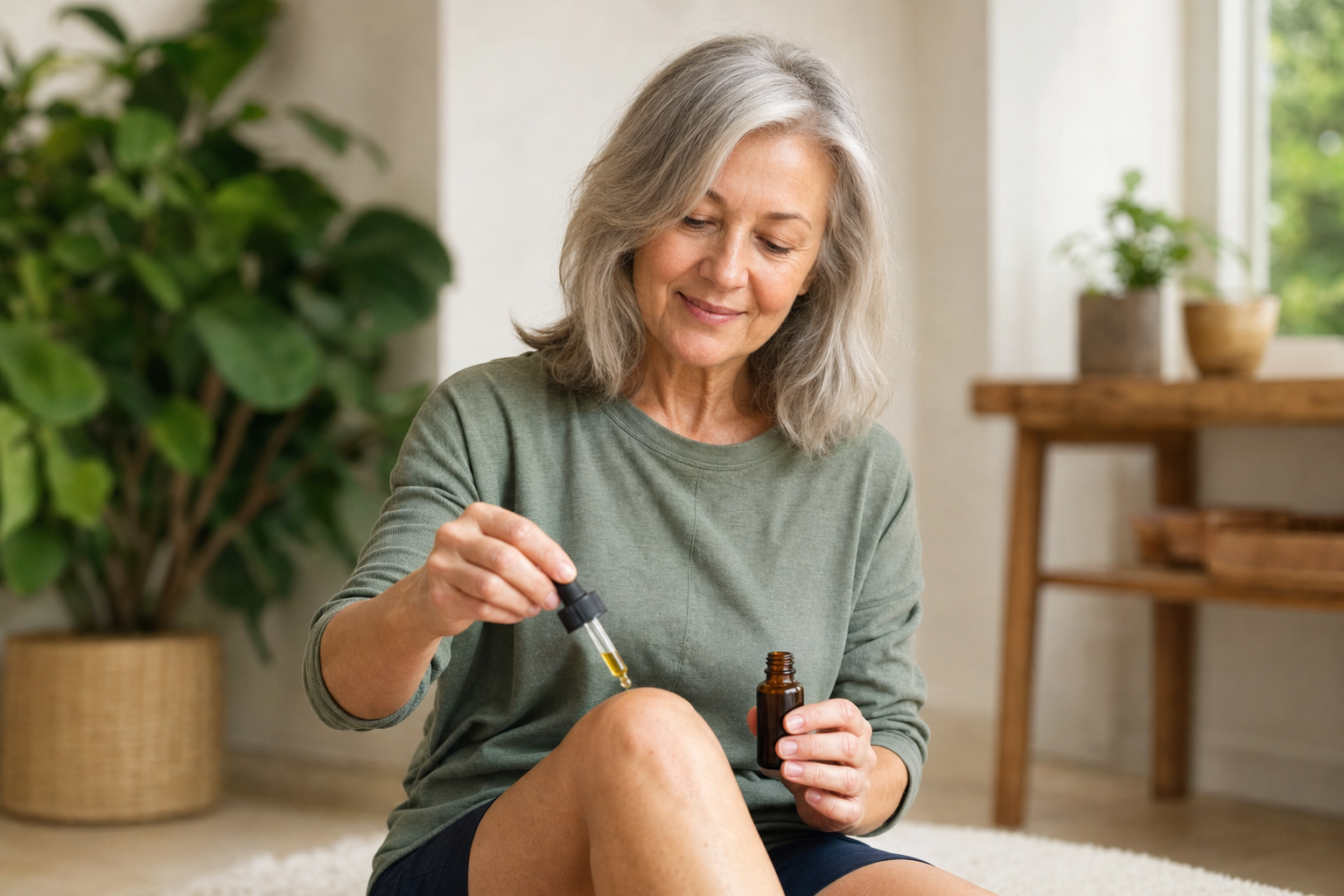
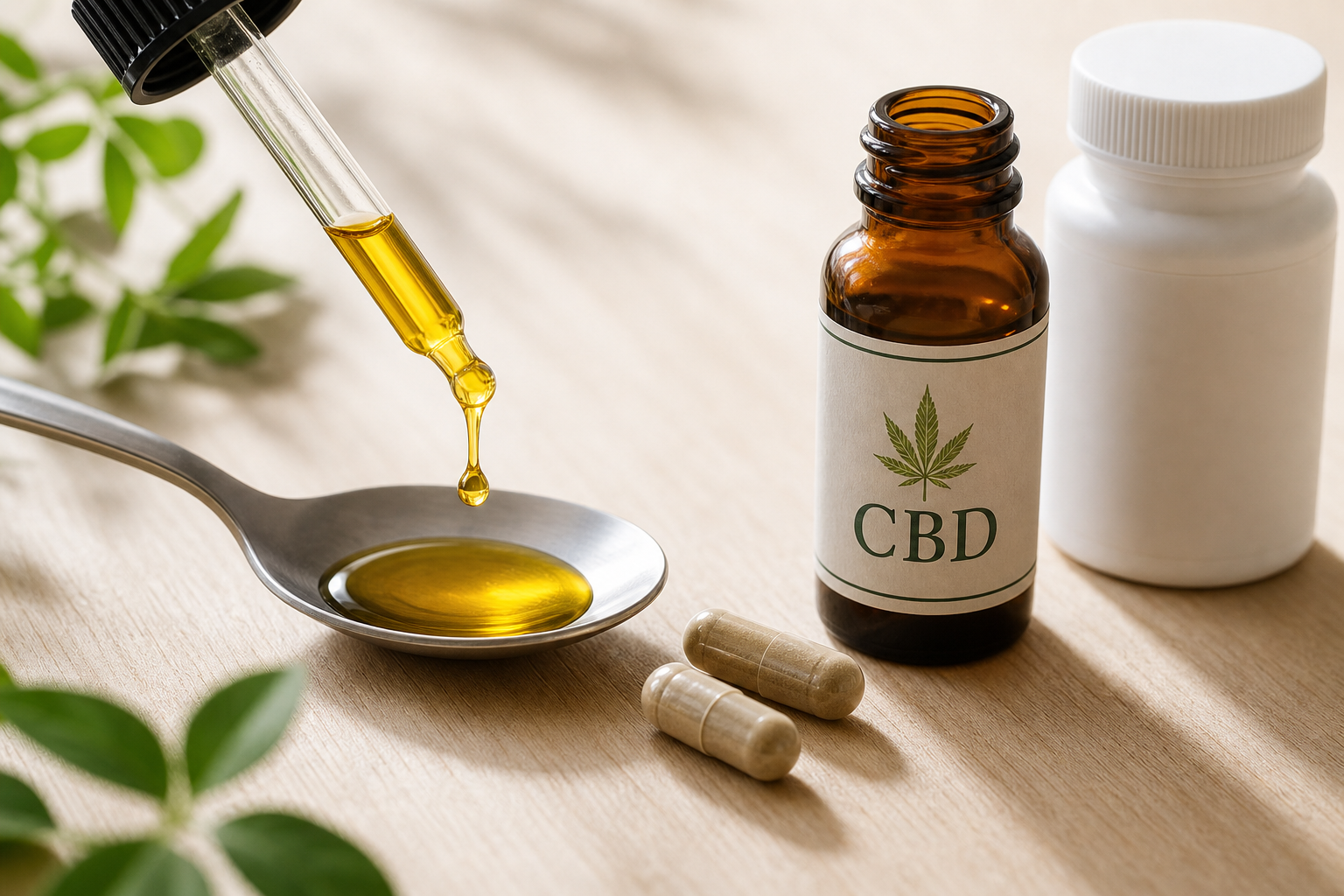
Most people start with a sublingual oil—meaning you place drops under your tongue and hold them there for 30 seconds before swallowing. This tends to kick in faster than swallowing capsules or edibles. Topical creams or balms can be massaged into sore joints (think hands, knees, wrists—where you can easily reach). In my experience, folks with hand arthritis swear by this route, as do runners nursing a cranky knee.
Dosages are all over the place. A lot of oils come in concentrations like 500mg, 1,000mg, or even 2,500mg per bottle. You might start with 10-20mg per dose and see how you feel after a week. If you aren’t sure, write down when you take it and how you feel afterward. I’ve had patients who notice a difference after a couple days, and some who need a few weeks for subtle shifts—less achiness, easier mornings, improved sleep.
And let’s be real—sometimes, the act of massaging a joint, CBD or not, does half the work.
What Does Real-World Relief Look Like?
Here’s an example: A reader named Paul (72, former softball coach) emailed me last month. He’d tried everything: OTC pain gels, generic glucosamine, even acupuncture. After a friend sent him a bottle of 1,000mg CBD oil, he started with 15mg twice daily. Within a week, his morning stiffness was noticeably less. That’s not a clinical trial, but it mirrors what I hear a lot: some degree of comfort, especially when combined with walking, stretching, or a little heat.
But it’s not universal magic. I had another patient, Maureen, who spent $120 on a fancy organic CBD tincture and felt absolutely nothing. Sometimes, expectations make a big difference, too—placebo effect is real, folks.

Are There Side Effects or Risks?
Most people tolerate CBD well. The most common side effects I’ve seen reported are drowsiness (especially at higher doses), dry mouth, and some mild digestive upset. Rarely, it can affect liver enzymes—why it matters to talk to your doctor if you’re on regular meds. And, since CBD can lower blood pressure a smidge, folks prone to dizziness should be cautious on new doses.
Another risk? Spending a small fortune on products that do nothing. The supplement market isn’t policed like prescription drugs. That’s why I usually tell people to stick with brands that have independent lab testing and clear dosing info. If you can’t pronounce the company’s name or find a certificate of analysis, move on.
How Does CBD Compare to Classic Joint Pain Remedies?
Now, I know this is unpopular, but I’m not here to say CBD is better than tried-and-true stuff like Voltaren Arthritis Pain Gel (diclofenac sodium topical gel). That’s an FDA-approved, clinically proven pain reliever for arthritis—and it works by blocking inflammatory substances right at the source. In fact, a big 2018 study in Arthritis & Rheumatology showed Voltaren was nearly as effective as oral NSAIDs, without most of the stomach risks.
But CBD has one big plus: minimal risk of GI bleeding, ulcers, or kidney strain. So, for folks who can’t tolerate NSAIDs, it’s worth a try. Some people even use both, especially if avoiding pills.
And honestly, combining lifestyle tweaks with something like a Modvel Compression Knee Brace for support and a quality CBD oil for inflammation covers multiple bases—mechanical support plus a shot at lowering those cytokines from both ends.
Tips for Getting the Most from CBD Oil (and What Most Articles Won’t Tell You)
Here’s the thing: CBD isn’t a magic wand. It works best with a smart routine—think movement, anti-inflammatory foods, and proper rest. I know, easier said than done when your knees ache, but even gentle stretches or using a resistance band in bed can help preserve mobility.
- Pair with movement: Even just five minutes of gentle walking after using CBD or a heating pad can boost joint lubrication. (Fun fact: Synovial fluid is like WD-40 for your knees, and movement keeps it flowing.)
- Mind your diet: Omega-3 rich foods (salmon, walnuts), berries, and green veggies are all linked with lowered inflammation. I had one patient who swore her hands hurt less after swapping processed snacks for almonds and spinach. The science backs her up more than CBD, honestly—but both together? Worth trying.
- Try targeted topical use: If your main hassle is morning stiffness in your fingers, a CBD balm might work better than swallowing an oil. You can also layer it with a proven topical like Voltaren (just space them out—don’t mix products right on top of each other).
- Keep expectations realistic: For some, CBD means less pain. For others, it’s better sleep or just a sense of calm. I’ve yet to meet anyone who was suddenly pain-free in both knees after a few drops.
Is CBD Oil Worth Trying for Joint Pain and Inflammation?
If you’re nodding along, frustrated by the daily grind of stiff, swollen joints and wary of popping more pills, CBD could be worth a gentle try. Does it work for everyone? Nope. Is it a game-changer for some? Absolutely. My bottom line: Start low, vet your product, and don’t toss out the basics that truly work—like activity, heat, or evidence-backed topicals.
For those who want simplicity, my mother-in-law will tell you her favorite pairing is a dropper of CBD at bedtime and a Pure Enrichment PureRelief XL Heating Pad on her knees. “If nothing else,” she says, “I sleep like a baby when the pain’s quiet.” (And honestly, that’s half the battle.)
Try a small bottle. Keep a journal. Don’t expect miracles, but do hope for comfort. And always, always run it by your healthcare provider if you’re unsure. Who knows? You might find that little bit of relief that helps you grab the coffee mug—or play one more hand of cards after dinner.
Linda Hargrove, RN, spent 20 years in orthopedic care before swapping scrubs for her laptop. She now writes practical, research-backed advice for people who want to move—and live—with less pain. You can find more of her honest takes at JointReliefReviews.com.