Tai Chi Benefits for Arthritis and Balance: Myths, Science, and Real Relief
I’ll never forget Marjorie, a patient in her late 70s, who shuffled into my clinic—worried about her knees and terrified of another fall. "Doc, if you tell me to do jumping jacks, forget it,” she joked, wincing as she sat. But what actually helped her? It wasn’t grueling workouts or another round of pain pills. It was—believe it or not—Tai Chi. And here's where it gets interesting: she almost didn’t try it, thinking it looked ‘too slow to do any good.’ Turns out, science is finally catching up with what my own patients have shown me: these slow, flowing movements can be a game-changer for joint pain and wobbly balance.
Why Chronic Joint Pain and Stumbling Balance Feel Like Unsolvable Problems
If you wake up every day dreading the first few steps, or if getting out of a chair feels risky, you’re in good company. Osteoarthritis and balance troubles are frequent companions—especially as we age. In my 12 years as a physical therapist, I’ve watched even the strongest-willed folks lose confidence after a fall or injury. The real kicker? It’s not just the pain. It’s the loss of trust in your own body. One patient told me, “I feel like a house of cards—one wrong move and I’m flat on the floor.” And most of you aren’t looking for a miracle cure. You want one thing: to walk and move without so much fear or stiffness.
Here’s the thing: traditional exercise advice rarely fits. High-impact moves can backfire. Even the best physical therapy exercises sometimes feel too intense when joints are flaring. That’s why so many people write off movement altogether—right at the moment their bodies need it most.
So, What Exactly Is Tai Chi? (And Why Should You Care?)
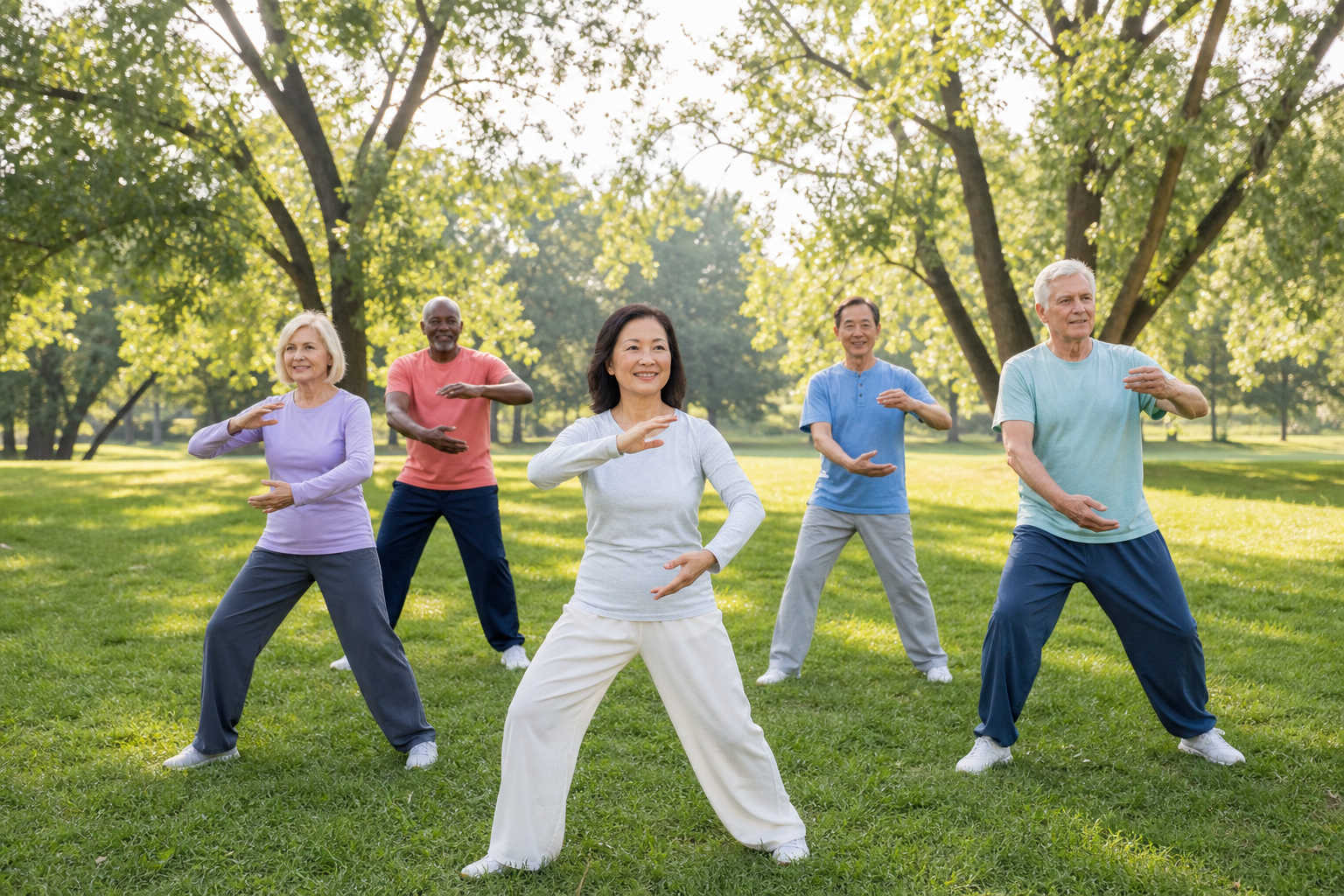
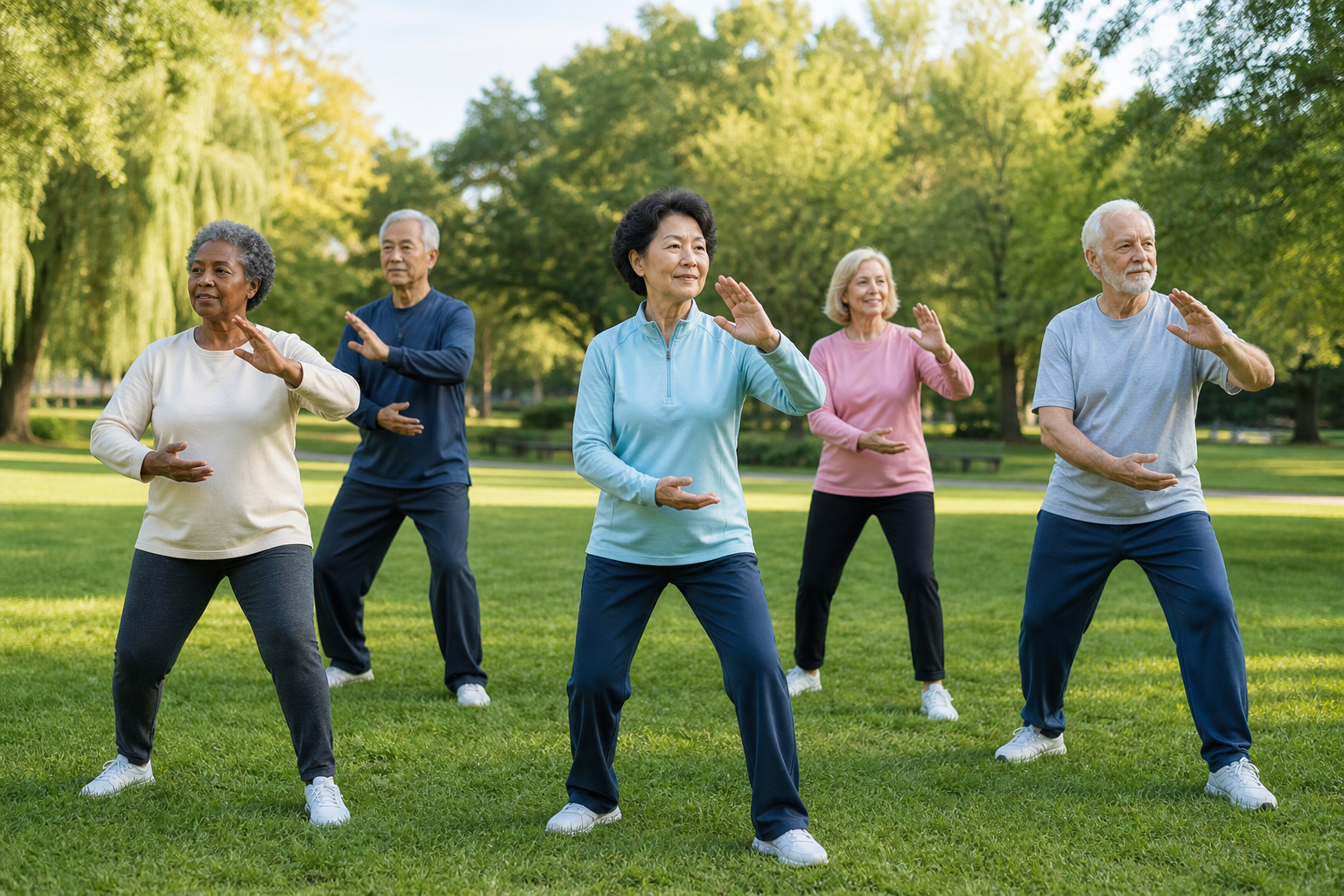
If you've ever passed a local park and spotted a group of folks moving in slow, synchronized motion, you’ve seen tai chi in action. Sometimes called “meditation in motion,” tai chi is rooted in ancient Chinese martial arts. But don’t let the martial part scare you—there’s not a single high kick or punch involved here. Instead, tai chi is a series of gentle, continuous movements, usually paired with deep, even breathing.
I'll admit—my first exposure was skeptical at best. I thought, "How can moving this slowly possibly build strength or help knees?" But the evidence, and my patients’ results, quickly changed my mind. Tai chi isn’t about brute force. It’s about control, awareness, and subtle strength—the sort that quietly builds up over time and transforms how you move and feel.
What the Latest Science Tells Us About Tai Chi for Arthritis and Balance
Let’s talk real numbers. Is tai chi just folklore, or is there actual science behind its benefits?
- Pain Reduction: A 2021 meta-analysis in Arthritis Care & Research looked at 15 randomized control trials. Result? People with knee osteoarthritis practicing tai chi saw up to a 30% decrease in pain ratings—comparable to, and sometimes better than, standard physical therapy.
- Improved Function: The same study found function scores (think: getting up from a chair, walking, stairs) improved by 20-25%. The improvements lasted even when tai chi was done just 2-3 times a week.
- Better Balance and Fewer Falls: Here’s my favorite stat: A large 2018 study in the Journal of the American Geriatrics Society tracked over 700 older adults. Regular tai chi reduced their risk of falls by almost half compared to a control group. That’s not a typo.
Now, no intervention works for everyone, and no, tai chi won't “cure” arthritis. But the fact that a low-impact, accessible practice can hold its own against big-name therapies? That’s worth a second look.
How Does Tai Chi Actually Help? The Mechanisms (Without the Jargon)
Let me break it down simply. Tai chi helps in a few concrete ways:
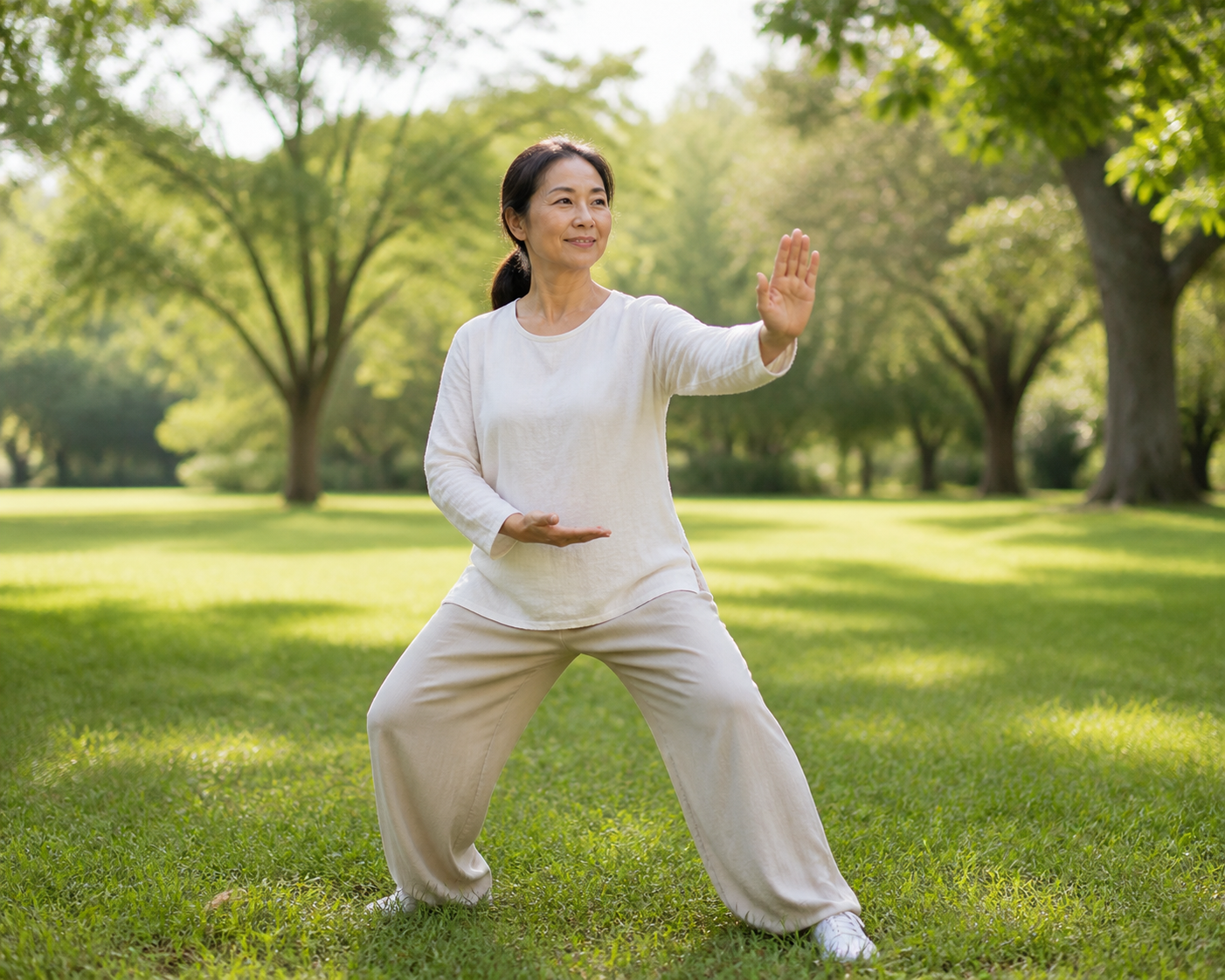
- Joint-Friendly Movement: Movements are slow, controlled, and non-jarring—unlike jogging, which can stress arthritic knees. The result? You get the benefit of moving synovial fluid (the joint lubricant) without aggravating inflammation.
- Muscle Activation & Proprioception: Tai chi sneaks in muscle work, especially around the hips, knees, and ankles. Standing on one leg (even briefly) trains “proprioception”—your sense of joint position—which is absolutely critical for balance.
- Mind-Body Focus: Maybe the most underrated benefit. Tai chi routines require attention to posture, weight shift, and breath. The mindful aspect actually calms the central nervous system, which helps dial down pain perception (yes, really—there’s MRI evidence from a 2016 BMJ Open paper showing less pain activation in tai chi practitioners).
- Reduced Fear of Movement: Pain breeds fear, and fear breeds more stiffness. Tai chi gently breaks this cycle. Many of my patients report feeling “safer” after just a few classes.
One caveat: Tai chi is a skill, not a magic bullet. Learning the rhythm and balance can be frustrating at first—especially if you’re unsteady. Go slow. I generally recommend starting with a reputable instructor (online or in person), or a DVD/book with clear, step-by-step guidance.
How to Make Tai Chi Work for You: Practical Tips from the Clinic
Alright, hands up if you’ve ever tried a new exercise and abandoned it after a week. (I see you.) Tai chi is different—but you still need a plan. Here’s what’s worked for my most successful patients:
- Start Small: Even 10 minutes, twice a week, can make a difference. One study in Physical Therapy (2019) found measurable mobility gains with just 2 weekly sessions for 8 weeks.
- Make It a Habit: Set a regular slot—after breakfast, or before your favorite TV show. Consistency matters way more than session length.
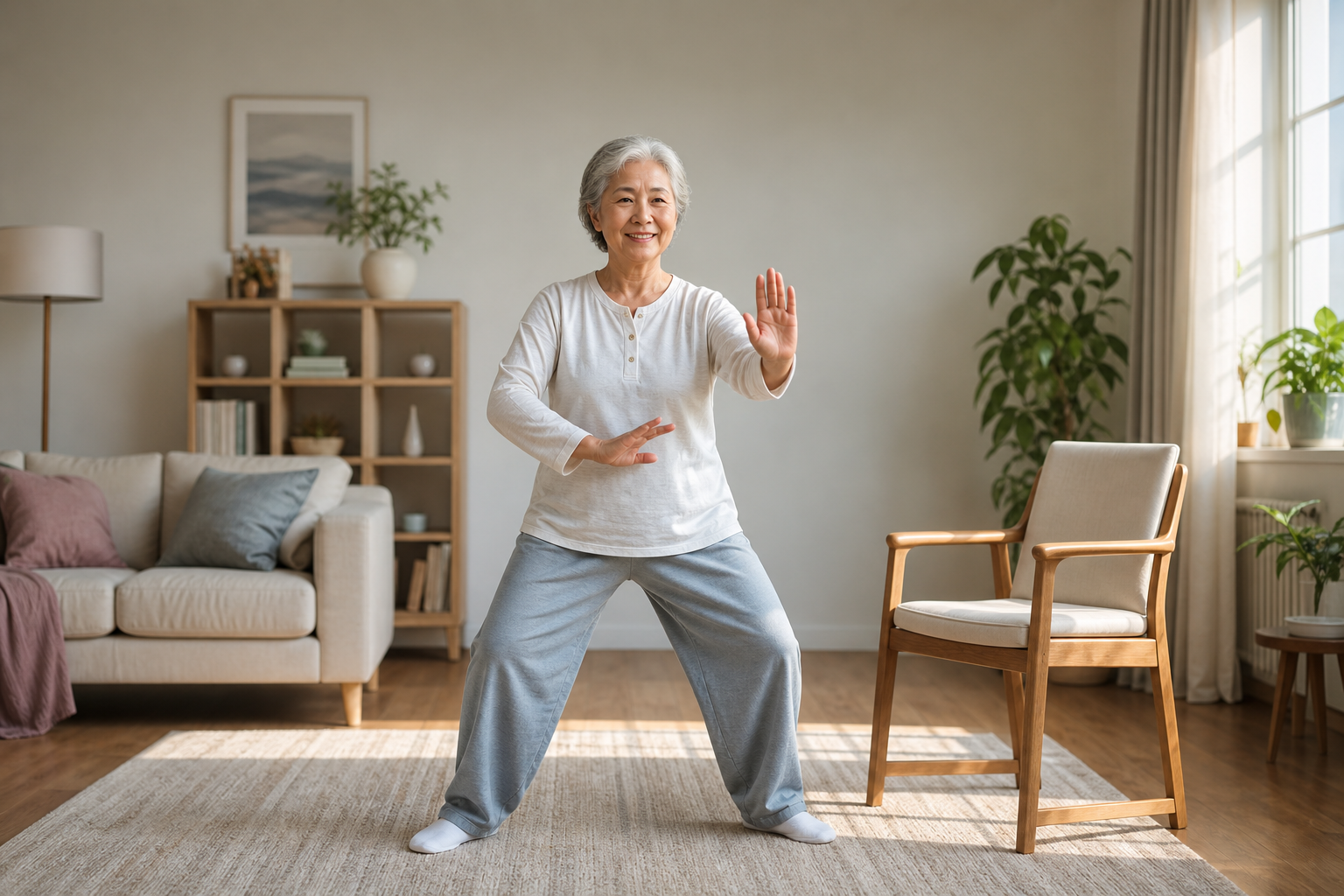
- Use Props for Confidence: If you feel wobbly, stand near a sturdy chair or countertop. Some of my patients even practice next to the couch, so they can sit if needed.
- Focus on Quality, Not Quantity: Tai chi isn’t about speed or repetitions. It’s about controlled movement. If you’re practicing one or two forms well, you’re on the right track.
- Track Your Progress: Keep a simple log: How did your knees feel? Were you steadier on your feet? This can be surprisingly motivating.
And if pain still limits your movement? Occasionally I recommend pairing gentle exercise with topical pain relief. Voltaren Arthritis Pain Gel can be a nice option before exercise sessions—especially for those cranky knees or wrists. It contains diclofenac sodium, which is clinically proven for arthritis pain and non-greasy (my mother-in-law now carries a tube in her purse).
What’s the Best Way to Learn Tai Chi (Especially with Joint Issues)?
Group classes are wonderful—if you have access and feel comfortable. But let’s be honest: not everyone loves crowds, especially if you’re self-conscious about your balance or mobility.
Don’t underestimate the value of at-home resources. Books like Treat Your Own Knees by Jim Johnson, PT, offer clear diagrams and progression plans. While the focus is broader than tai chi, the exercises often complement tai chi perfectly: strengthening key muscle groups, improving flexibility, and boosting your confidence before you even start a group class.
If unsteadiness is your biggest barrier, supportive knee braces can add another layer of security. I’ve had good results with the NEENCA Professional Knee Brace—especially for those early weeks of movement. Its side stabilizers and gel pads help keep the joint aligned and reduce that "giving out" feeling, without restricting gentle movement.
Deep Dive: Tai Chi Compared to Other Arthritis and Balance Interventions
This is where the debate gets lively. Is tai chi better than yoga? Is it as effective as physical therapy? Let’s look at the data—and my own clinical experience.
- Versus Yoga: Both focus on flexibility and balance. But yoga often demands kneeling, deep squats, or wrist loading—moves that can aggravate arthritis for some. Tai chi generally avoids these positions, making it friendlier for knees, hips, and wrists.
- Versus Walking or Cycling: Walking gets your heart pumping, but does little for proprioception or coordination. Cycling is low-impact, but won’t challenge your balance. Tai chi trains both.
- Versus Physical Therapy: PT is essential after acute injury or surgery. The best programs eventually layer on functional movement—much like tai chi. In fact, I sometimes blend tai chi principles right into my rehab routines.
And here’s a hot take: Most traditional “fall prevention” programs just aren’t engaging (think toe raises at the kitchen counter, over and over). Tai chi has staying power because it feels like a skill, not just an exercise prescription. My patients who stick with tai chi are almost always my most confident movers.
Limitations and Reality Checks
No approach is perfect. Tai chi is low-impact—but if you have severe joint instability or advanced neuropathy, you’ll want medical clearance first. (Talk to your doctor or physical therapist before starting any new exercise—especially if you’ve had recent falls or surgery.) And results don’t happen overnight. Expect a month or two before you notice big changes in pain or stability.
Also, watch for "miracle cure" marketing out there. Tai chi supports joint health and balance, but it’s not a substitute for medication management, healthy weight, or other medical therapies. It’s a tool—one that’s incredibly safe, but still just one part of a broader plan.
Main Takeaways (And Why I Keep Recommending Tai Chi)
- Research shows up to 30% pain reduction and 50% fewer falls with regular tai chi practice.
- The risk is very low—movements are slow, gentle, and adaptable to even the stiffest bodies.
- Stick with it: two to three sessions per week for 8-12 weeks delivers real-world results.
- Pair with pain relief tools or a supportive brace for extra confidence, especially early on.
- Above all: Consistency and patience matter most. Progress is measured in months, not days.
If you’re reading this and thinking, “Maybe I could do this,” you’re already halfway there. I promise—if my most skeptical, stiff, and anxious patients can find benefit in tai chi, there’s hope for you too. (And yes, Marjorie still sends me updates—her last email was a selfie from a walking trail, no cane in sight.)
Have questions about starting tai chi, or curious about bracing or pain relief options? Shoot me an email, or talk to your healthcare team. The goal isn’t perfection—it’s just moving through life with less dread and more confidence. And that’s a win in my book.
Dr. Sarah Mitchell, DPT — Senior Health Editor, JointReliefReviews.com