Tai Chi for Arthritis and Balance: A Nurse’s Honest Take
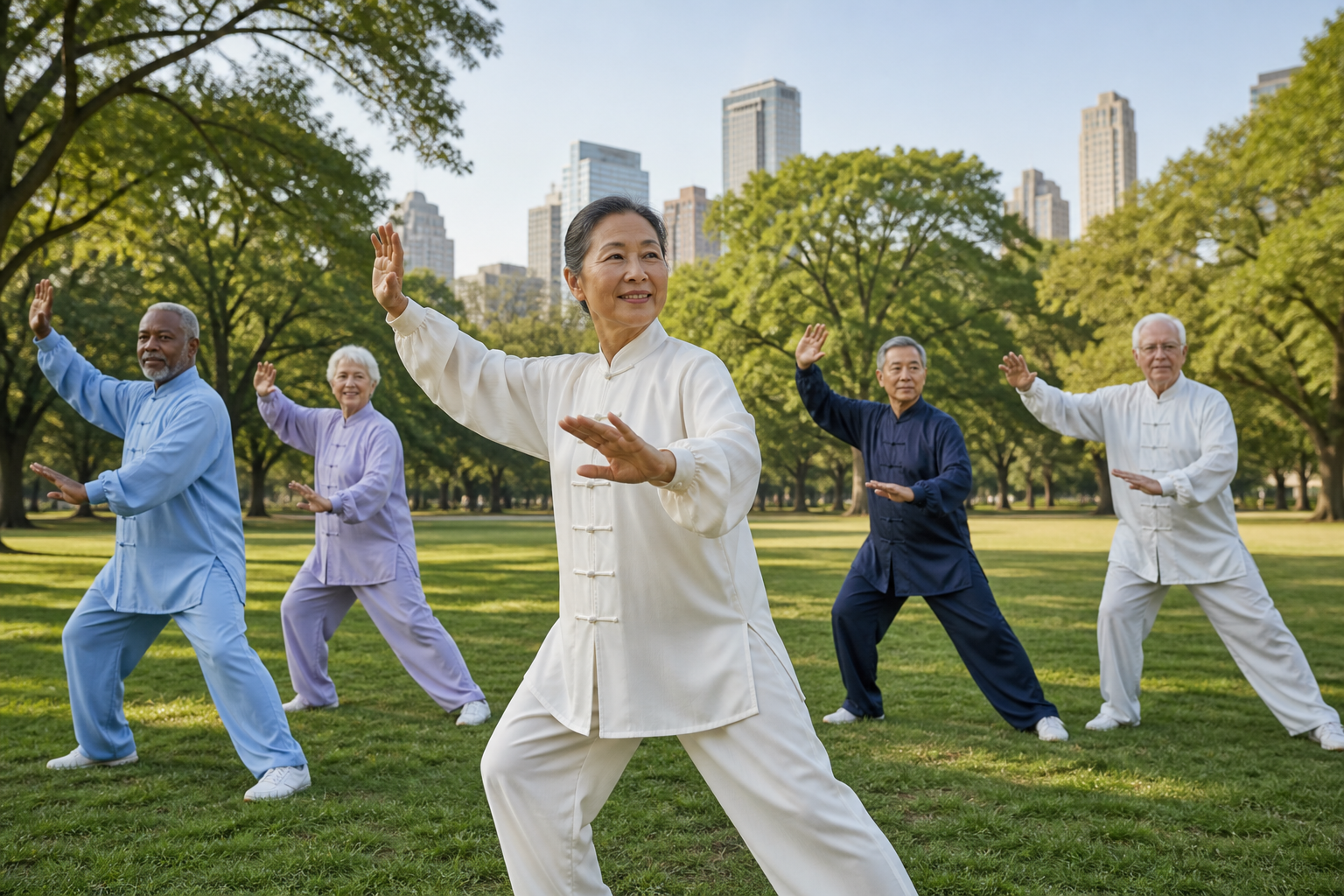
I still remember the look on my patient Ruth’s face. Early 70s, knees like rusted hinges, terrified she’d topple over on her next grocery run. Physical therapy had helped some, but every time she walked unaided, the fear was there—the wobble, the dread. Then one day, she burst into my clinic, beaming: “Linda, I joined tai chi.” I’ll be honest—I was skeptical. But a year later, Ruth’s balance was steadier than I’d seen in years. And she wasn’t alone. More and more, I hear the same story: tai chi is quietly changing lives for people with arthritis and balance issues.
The Truth About Living With Arthritis and Instability
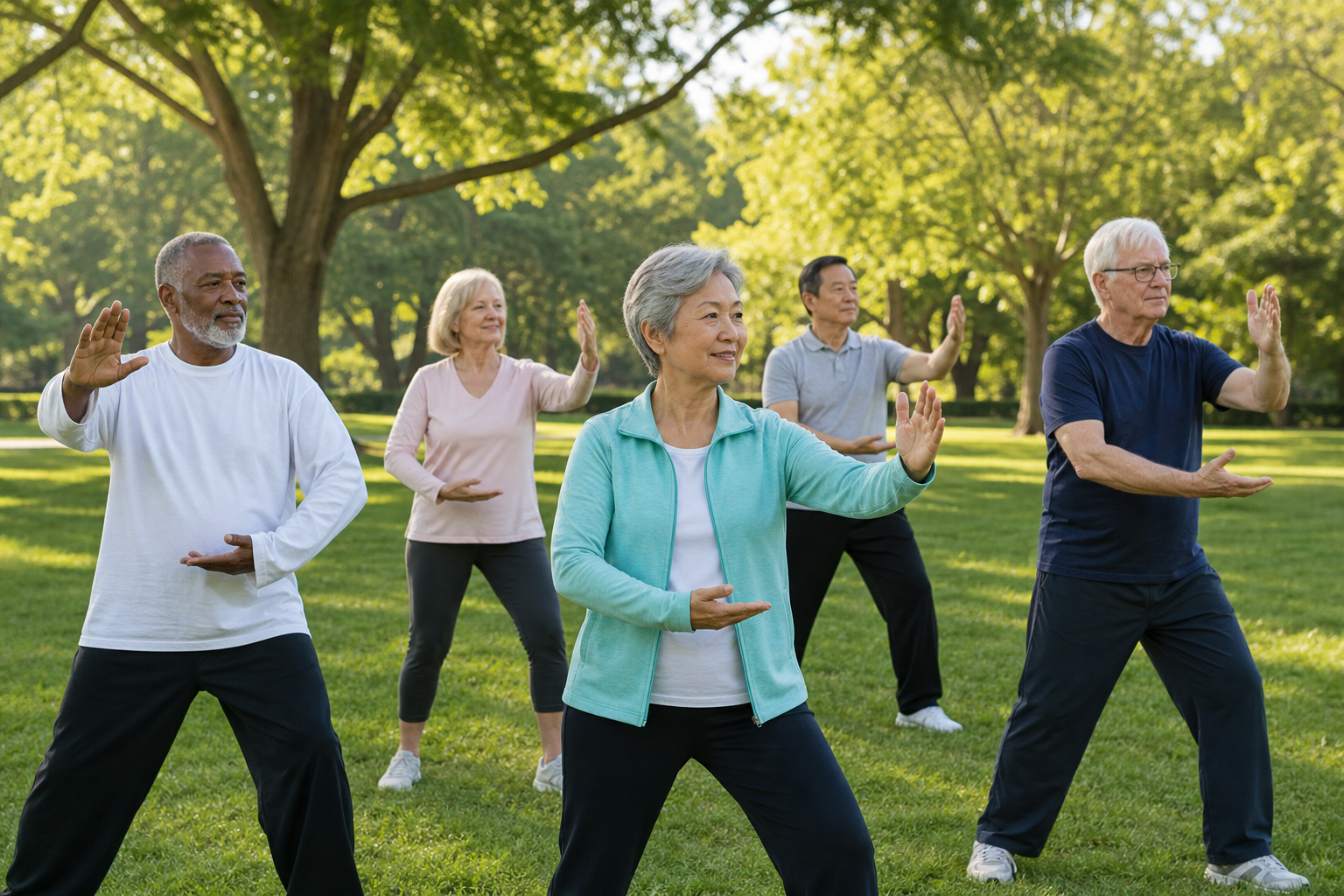
If you’re reading this after another night of aching joints, or a stumble that leaves your heart racing, you don’t need a pep talk. You need real answers. The pain isn’t just physical; it’s emotional, too. I’ve seen it in my patients—and my own family. My mother-in-law, for instance, refused to walk down her driveway for months after a minor fall. The frustration, the isolation, the slow shrinking of your world as you wonder, “What if I can’t trust my body?”
Joints get stiff. Muscles weaken. Even turning to grab the phone can make you question your balance. For people like Ruth—and, honestly, plenty of us past 50—the right exercise isn’t just about burning calories. It’s about keeping your independence.
So, What Is Tai Chi—Really?
Forget the Shaolin monks for a second. Tai chi is, at its core, a series of slow, flowing movements paired with deep breathing and a healthy dose of mindfulness. But unlike more strenuous activities, tai chi isn’t about pushing your limits. It’s about tuning in to your own body, moving gently, and building strength and flexibility without even realizing it.
This isn’t just some wellness trend. Tai chi is centuries old and has a mountain of research behind it—especially for arthritis and balance. In fact, the 2020 American College of Rheumatology guidelines actually recommend tai chi for knee and hip osteoarthritis. That’s not fluff. That’s gold-standard, peer-reviewed expertise.
Science-Backed Benefits of Tai Chi for Arthritis
Now for what everyone really wants to know: does it work? Look, I’ve read dozens of journal articles, and the answer is yes—with a few caveats. The biggies?
- Pain reduction: A 2016 meta-analysis from Arthritis & Rheumatology found tai chi could reduce arthritis pain intensity by up to 37% in as little as 12 weeks. That’s not magic—just gentle, regular movement.
- Improved function: According to a 2017 study in the Journal of Rheumatology, participants reported significantly better joint function and less morning stiffness after twice-weekly tai chi sessions.
- Less reliance on pain meds: Several studies hint that regular tai chi may let you dial back on NSAIDs or acetaminophen—not eliminate, but reduce. (Talk to your doctor before making changes, of course.)
The real kicker? Unlike some therapies, tai chi’s benefits last even after you stop formal classes—muscle memory, confidence, and flexibility all stick around to some degree. That’s powerful.
Tai Chi and Balance: Why It’s a Fall-Prevention Secret Weapon
This one gets personal for me. I’ve seen too many “simple” falls turn lives upside-down. So what does the research say?
A massive 2018 review out of BMJ Open looked at over 2,600 seniors and found that tai chi reduced fall rates by 31%—better than most structured balance training programs. Why? Because tai chi isn’t just standing on one leg or wobbling on a balance pad. It’s moving through space, shifting weight, coordinating limbs and breath—practicing the real-world stuff that keeps us upright.
If you’ve ever tried a “heel-to-toe walk” in PT and felt ridiculous (or worried someone was watching), tai chi feels different. More natural, yet somehow more challenging. I’ve had patients who struggled with standard balance drills stick with tai chi for years—because they actually enjoyed it.
Why Joints Love Tai Chi (Even When You’re Sore)
Here’s the thing: most exercise advice for arthritis sounds exhausting. “Move more!” “Just get out there and walk!” What if walking means throbbing knees, or you’re so stiff in the morning you can barely get out of bed?
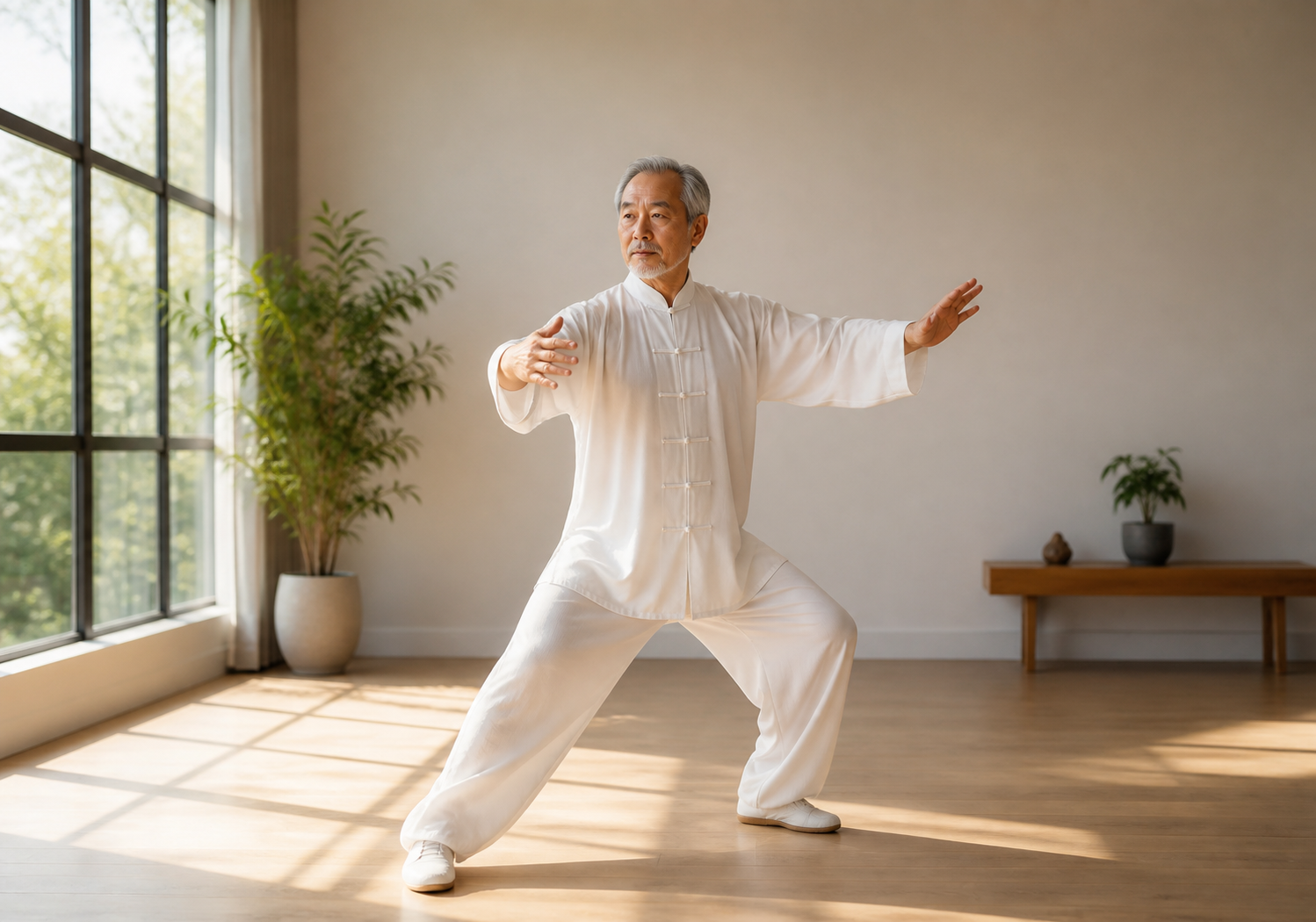
Tai chi meets your joints where they are. It encourages the flow of synovial fluid (think: your joints’ natural oil). The movements gently stretch and strengthen the muscles around your joints, improving support and reducing some of the grinding that leads to pain. And unlike jogging or high-impact aerobics, there’s virtually no pounding. That’s why I recommend it more than almost anything else, especially after joint replacement or when PT sessions end.
Some folks are nervous at first—worried about “messing up” the steps or looking silly. Don’t be. Most community classes are full of beginners, and the teachers are used to aches, creaks, and learning curves. (And let’s be honest—YouTube is full of senior-friendly routines if you want to try at home.)
Real World: How Tai Chi Helped My Patients (and Me!)
I’ve watched folks go from cane-dependent to confidently navigating curbs. One retired teacher told me, “I’m not afraid in the shower anymore.” Another, after six months, managed a weekend hike with his grandkids—nothing strenuous, just a flat park trail, but huge for him.
And yes, I’ve tried tai chi myself. I started learning the basics to help guide patients, but ended up sticking with it. My own mid-back stiffness (nurse life, right?) is noticeably better after a session, and my sleep scores on my fitness tracker improved as well.
Still, I wouldn’t call tai chi a miracle. It’s a tool—not a cure-all. You’ll have days when joints protest, and progress is slow. But the little wins add up. (If you’re nodding along, you’re not alone.)
How to Get Started—And Actually Stick With It
Here’s where most people get stuck: overwhelm. So let’s break it down.
- Find a class: Senior centers, the YMCA, and arthritis foundations often offer low-cost classes. Ask specifically about arthritis or beginner-friendly options. If crowds aren’t your thing, online programs abound—many free, some paid, all at your pace.
- Start slow: You don’t need to master a 24-form sequence right away. Even 10 minutes of basic moves (like “cloud hands” or “golden rooster stands on one leg”) can help.
- Wear what’s comfortable: No fancy gear required—just loose clothes and supportive shoes. I do recommend something non-slip, especially if practicing on tile or hardwood.
- Keep expectations realistic: Improvement comes in weeks, not days. Celebrate less pain after standing, or fewer stumbles when stepping out of the car.
I always tell patients: listen to your body. If you have a flare or new pain, pause and check in with your care team. Don’t “push through”—tai chi should never hurt.
Can Tai Chi Replace Physical Therapy, Bracing, or Meds?
I get this question a lot—and the honest answer is: sometimes yes, sometimes no. Tai chi can complement almost any arthritis treatment plan. But if your joint pain is severe or you’re struggling just to stand, it’s not a substitute for skilled therapy or good medical care.
That said, I often recommend blending tai chi with other tools. For example, my own knees love the support of a NEENCA Professional Knee Brace on days when I want extra stability—and yes, I’ve tested dozens over my career. (The NEENCA isn’t bulky, and the side stabilizers really do help when you’re practicing weight shifts or standing poses.) Not everyone needs a brace, but for some it’s a confidence booster, especially early on.
If pain flares up, I’m a fan of topical relief over pills. Voltaren Arthritis Pain Gel is something I keep in my own medicine cabinet. Diclofenac sodium, the active ingredient, has solid evidence for easing joint pain with less stomach risk than oral NSAIDs. (And it’s FDA-approved, which isn’t true for a lot of those “miracle” creams you see online.)
Want to geek out even further? The book Treat Your Own Knees by Jim Johnson is one I recommend again and again to patients who want a research-backed, no-nonsense guide to protecting and strengthening knees—could pair beautifully with tai chi. (It’s under $15 and written in plain English, not medicalese.) Just an option, not a must.
Digging Deeper: What the Experts Say (and What They Don’t)
Here’s something a lot of “miracle cure” articles won’t admit: tai chi is good for pain and balance, but it won’t remake bone-on-bone arthritis or fix severe deformity. The evidence is best for mild to moderate osteoarthritis and for those working on fall prevention or postural stability. That’s straight from the 2022 update in Arthritis Care & Research.
There’s emerging research around other benefits, too—like improved mood, better sleep, and even cognition. But for arthritis and balance, the data is strongest. If you’re hoping tai chi will make you leap up stairs or toss out your cane overnight, you’ll be disappointed. If you’re looking for a practical, sustainable way to stay active and steady, I think you’ll be pleasantly surprised.
And yes, all movement is good movement, but tai chi seems uniquely sticky—people keep it up, probably because it feels good and isn’t intimidating. I wish more primary care docs would prescribe it before pills, honestly.
What About Risks or Downsides?
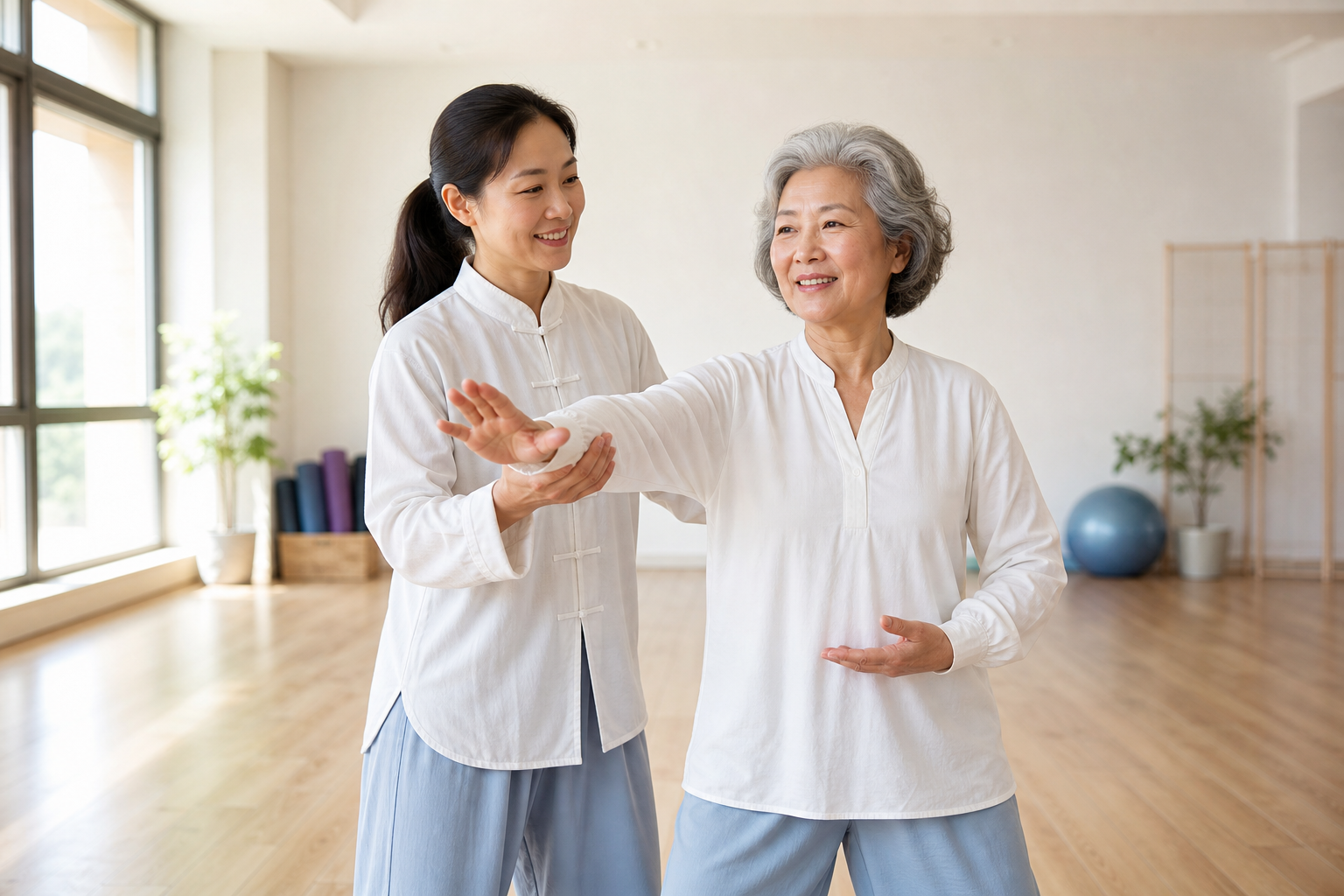
Most people tolerate tai chi extremely well. Falls during practice are rare (and classes are usually vigilant about safety), but nothing’s risk-free. If you have severe heart or lung disease, advanced neuropathy, or major mobility impairments, talk to your doctor first. Modify moves if you need to, and never be afraid to ask for a chair or support. Skip the flashy “martial arts” versions—stick to arthritis or senior adaptations.
And if any new joint swelling, fever, or unexplained pain crops up, pause and get checked out. No movement regimen should make you worse. That’s not just nurse-speak; it’s common sense.
Takeaways: What I’d Tell My Own Family (and Patients)
- Tai chi offers real, research-backed benefits for arthritis pain and balance—no magic, just gentle, persistent effort.
- Consistency matters more than perfection. Ten minutes a day beats one hour once a month.
- Pairing tai chi with thoughtful supports—like a knee brace or topical gel—can help you feel confident enough to get started (and keep going).
- It’s never too late. I’ve seen folks in their 80s start and stick with it.
If you’re tired of the joint pain tango and a little wary of new routines, tai chi might just be the sleeper hit you’ve been searching for. No pressure—just an invitation to move, breathe, and maybe, finally, feel a little steadier on your feet.
Bottom Line: Give It a Try
If you have questions or want class recommendations, drop me a note. I’ll be rooting for you—one slow, graceful step at a time.
Linda Hargrove, RN, spent two decades in orthopedic care and now helps everyday folks live better with joint pain at JointReliefReviews.com.