Tai Chi Benefits for Arthritis and Balance: My Deep Dive Into Gentle Movement
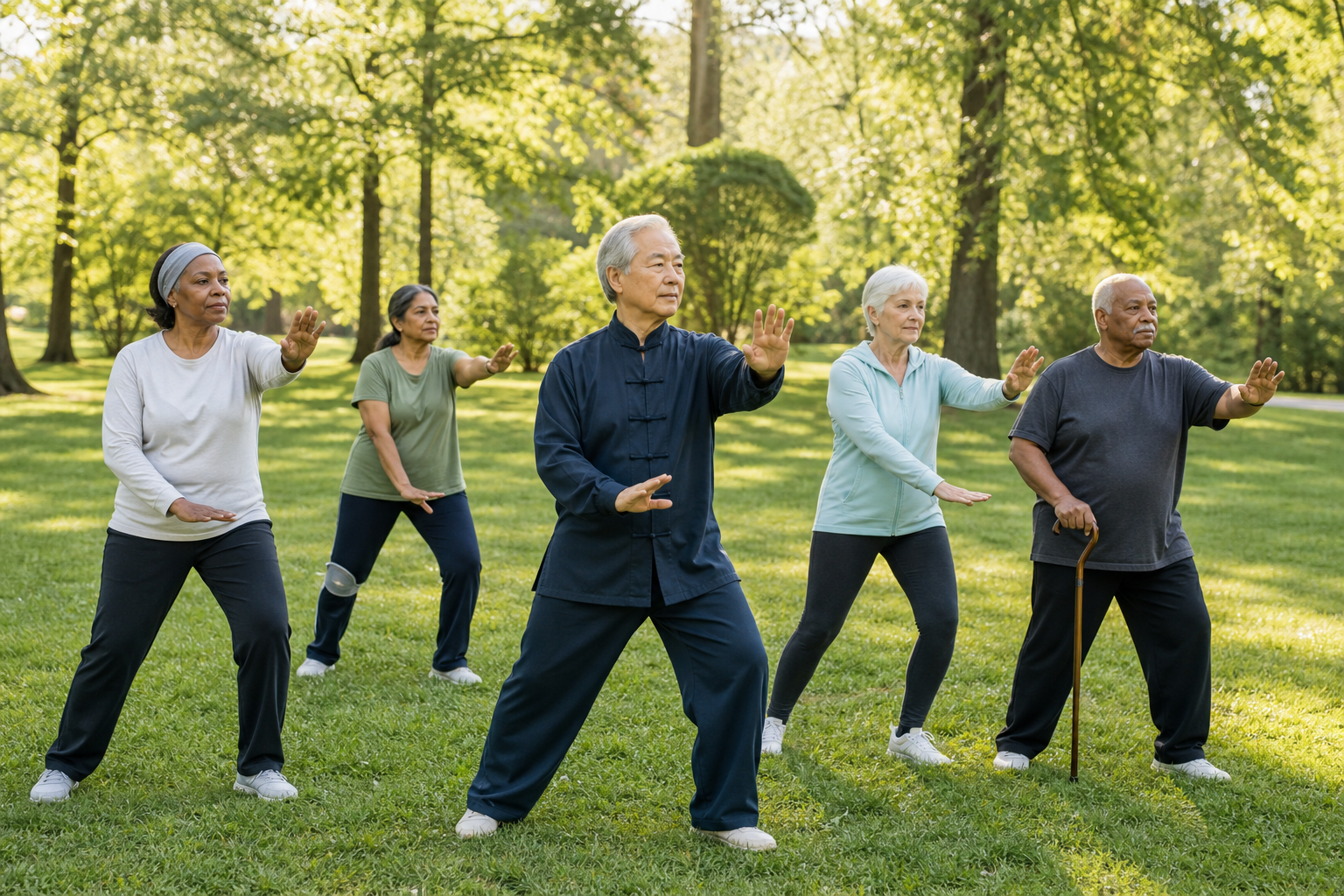
I’ll never forget watching my neighbor Eleanor, 72 and stubborn as they come, step gracefully through slow-motion movements at our local park. She’d been limping for years. Within two months of joining a tai chi class, she was walking straighter, smiling more—and insisting on carrying her own groceries again.

That’s not just a fluke. As someone who’s spent two decades reporting for Arthritis Today, I get emails every week from readers desperate for pain relief and stability. You want more than promises. You need to know: what works, what’s safe, and what’s realistic when your knees or hips feel like sandpaper. Tai chi keeps coming up—in research, in clinics, and yes, in real life.
Arthritis and Balance: Frustrating Realities
If you’re nodding along, you know the drill. Stiff mornings. Joints that ache before storms. That split-second panic when a wobble makes you grab the counter. (Been there, done that, more times than I want to admit.) Arthritis—osteo, rheumatoid, it almost doesn’t matter—robs you of easy movement and confidence.
And here’s the thing: Once you start favoring a joint or moving less, the muscles around it weaken. Your balance suffers. It’s a vicious cycle. About 50% of adults with knee osteoarthritis report recurring falls, according to a 2022 review in Arthritis & Rheumatology. Not fear-mongering—just the facts. But there’s real hope in interrupting this spiral. I’ve seen it firsthand.
What Exactly Is Tai Chi, and Why Does It Help?
On the surface, tai chi looks almost too simple: slow sweeps, gentle weight shifts, controlled breathing. But beneath that calm exterior, every move targets strength, flexibility, and, crucially, your brain’s balance circuits. (My physical therapist friends call it “moving meditation.” They’re not wrong.)
Traditional tai chi comes from ancient China, combining martial arts concepts with mindful movement. Most modern classes focus on health, not combat—think of it as yoga’s flowing cousin, minus the pretzel poses and floor work. And the evidence for joint health? It’s stacking up.
The Science: Tai Chi vs. Arthritis and Wobbly Ankles
If you’re skeptical—I was, too. But multiple randomized controlled trials, including a 2019 meta-analysis in The Journal of Rheumatology, found tai chi reduced pain and improved function in osteoarthritis patients almost as much as standard physical therapy.
- Pain relief: Participants practicing tai chi twice a week for 12 weeks reported up to 32% less knee pain on the WOMAC scale. (That’s not nothing.)
- Stiffness reduction: Joint stiffness improved by 20-25% over placebo or education-only groups.
- Balance gains: Here’s where it gets interesting. The 2018 BMJ review concluded tai chi cut fall risk by roughly 30% compared to controls—a huge deal if you’re afraid of falling.
It’s not magic. It’s about gentle loading of the joints, retraining proprioception (your body’s built-in GPS), and calming the nervous system. Even Harvard Medical School calls tai chi “medication in motion” for arthritis and aging balance. I’d argue they’re underselling it.
How Tai Chi Works: A Little Anatomy and (Gentle) Neuroscience
Let’s geek out for a second. When you shift weight from one leg to another during tai chi, you’re doing what physical therapists call “dynamic balance”—the key to walking safely, turning, even picking something off the floor. Each motion activates stabilizing muscles around your knees, hips, and ankles. Over time, these muscles get stronger:
- Quadriceps (front of thigh)
- Gluteals (your behind—crucial for fall prevention!)
- Core muscles
And here’s the kicker: Tai chi also boosts proprioception by challenging you to move slowly, with intention. That’s why even folks with neuropathy or mild cognitive impairment see gains. One 2020 trial in Frontiers in Aging Neuroscience found improved reaction time and postural control after just 8 weeks.
What About Inflammation and Joint Damage?
I know this is controversial, but moderate movement—even if your joints ache—doesn’t ‘wear them out.’ (Honestly, the old “rest is best” advice has caused more harm than good, in my opinion.) Movement like tai chi actually helps bathe your cartilage in synovial fluid, nourishing it and keeping it pliable. Gentle load = stronger, happier joints. The worst thing? Doing nothing.
Myths, Missteps, and What Most Articles Miss
Look, I’ve seen dozens of “easy arthritis exercises” articles, and most lump tai chi with chair yoga and gentle stretching. But the group aspect—community, accountability, peer support—makes a bigger difference than you think. In the Arthritis Foundation’s Tai Chi program, over 65% of participants reported they kept up their practice a full year later. That’s unheard of for most home exercise plans.
A reader emailed me last winter: “Karen, I’m too stiff for tai chi. Won’t I just embarrass myself?” Here’s my honest answer: There is no ‘too stiff.’ Every reputable class can be modified, with support, even sitting down if needed. The only embarrassment is not giving yourself the chance you deserve.
Getting Started: Real-World Tips (No Incense Required)
- Find a class near you. Senior centers, YMCAs, arthritis clinics, and even some churches offer beginner-friendly tai chi. Look for instructors with “Arthritis Foundation” or “Tai Chi for Health Institute” certification.
- Dress comfortably. No leotards required. Wear whatever lets you move and keeps you steady—supportive sneakers are perfectly fine.
- Start slow. Even 10 minutes a day can help. If standing is too hard, ask about seated modifications.
- Check in with your doctor. Especially if you have advanced arthritis, joint replacements, or issues with dizziness. Some medications (like blood pressure pills) may affect balance.
- Don’t expect instant miracles. It usually takes 2-6 weeks to notice changes in pain or steadiness. But almost every study shows some benefit within three months.
Now, if you’re managing active pain, sometimes gentle movement alone isn’t enough. When my knees act up after a rainy spell, I actually keep a tube of Voltaren Arthritis Pain Gel in my tai chi bag. No shame—it’s FDA-approved and gives just enough relief to let me focus. (As always, use as directed and check with your pharmacist if you’re on blood thinners or have sensitive skin.)

What If I Have “Bad Balance” or Use a Cane?
Here’s where I get a little passionate: Tai chi is especially for people with wobbles. In my years reporting for Everyday Health, I’ve interviewed instructors who start half their beginners holding the back of a chair. No shame, no rush. The slow tempo and constant single-leg shifts train your balance system on your timetable, not anyone else’s.
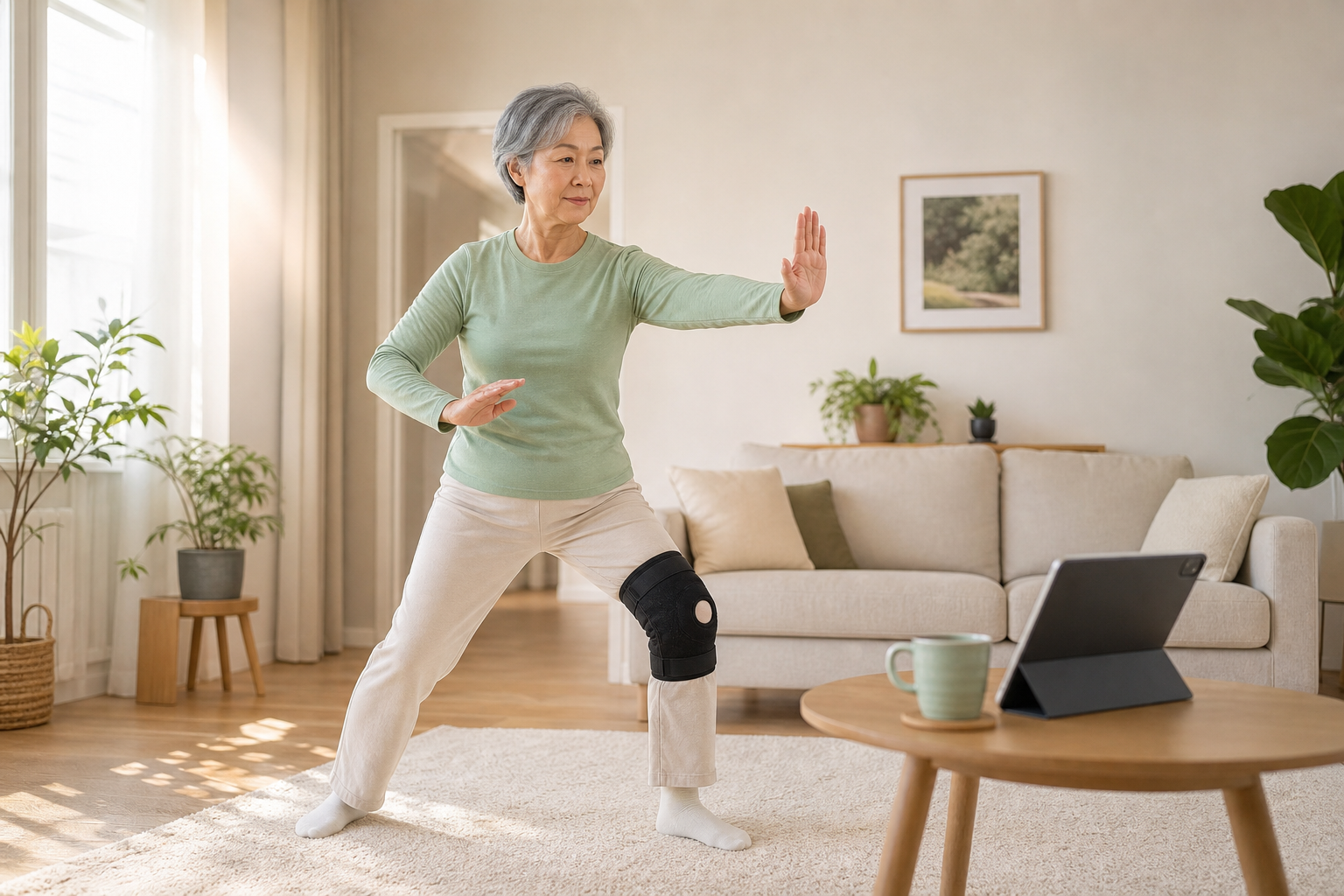
If you need extra reassurance—like my mother-in-law, who never quite trusted her knees—I sometimes recommend external support during practice. Medical-grade braces can provide stability without restricting movement. For folks with trickier knees, something like the NEENCA Professional Knee Brace offers side stabilizers and adjustable fit. It’s saved more than a few readers from giving up.
Home Practice: Resources That Actually Work
Not everyone wants to join a group—especially my introverted readers, or those who live far from urban centers. If that’s you, I can’t recommend Treat Your Own Knees by Jim Johnson enough. It’s not a tai chi manual, but it gives sensible, joint-friendly exercises (with stick-figure drawings, bless him) that fit perfectly as warm-ups or adjuncts. Combine with online tai chi videos—many are free, but always preview for safety cues.
Honest Limitations (and Why I Still Recommend Tai Chi)
Let’s be real: Tai chi doesn’t “cure” arthritis. Nothing does. It also may not be enough for severe joint deformities, active flares, or those with significant neurological disorders—though even then, modified movement is often better than none. If you have unstable joints or advanced osteoporosis, talk to your doctor or physical therapist first.
The real magic is in consistent, gentle practice. It’s not flashy. You won’t win any medals. But—like Eleanor, who now lords her improved balance over her bridge club—you might just rediscover mobility you thought was gone forever.
Fresh Takeaways: My Shortlist
- Tai chi is low-impact, adaptable, and clinically proven to help arthritis pain and balance—sometimes rivaling physical therapy.
- Group classes boost accountability and motivation, but home options (books, streaming) work, too.
- Start wherever you are: sitting, standing, using a chair—there’s a safe way for nearly everyone.
- Be patient. Benefits build gradually, but the payoff is real: less pain, better stability, more peace of mind.
- Layer with other tools if needed: topical relief, supportive gear, and safe home routines.
The Bottom Line—From My Mat to Yours
Look, starting something new can be scary, especially if your body’s already fighting you. But if you’re reading this, you care enough to try. Tai chi won’t be a miracle overnight, but it just might be a game-changer over weeks and months. Give yourself permission to move—gently, persistently, and with a little curiosity. Your joints (and your confidence) may thank you.
Any questions? Drop me a note. And if Eleanor can do it, so can you.
—Karen Whitfield, Health Journalist & Patient Advocate for JointReliefReviews.com