Why Resistance Bands Changed the Game for My Arthritic Knees
I'm not sure what's more humbling—trying to sneak up the stairs at a friend's house only to have my knees snap, crackle, and pop, or that moment years ago when I realized my patients felt the same embarrassment every time their joints acted up. I’ve spent two decades covering joint health for outlets like Prevention and Arthritis Today, and believe me, I’ve heard every knee story in the book. But the one thing that keeps coming up in my inbox? 'Karen, are resistance band exercises safe for arthritic knees? Can they really help, or am I just going to make things worse?'
The Unspoken Truth: Living With Knee Arthritis Hurts—Physically and Mentally
If you’re nodding, you’re not alone. Whether you’re dealing with the slow ache of osteoarthritis, those sharp twinges from old injuries, or just that heavy, ‘grindy’ feeling every time you stand up, I get it. My own journey with knee pain began after a rogue game of pickleball, but it’s really my readers—hundreds of them—who have driven this home for me. Most don’t want to run marathons. They just want to walk the dog, grocery shop without dreading the parking lot, or maybe get up from the couch without sounding like a bowl of Rice Krispies.
Here’s the thing: It’s not just the physical pain that’s troublesome. It’s the loss of confidence. That anxious, 'Will my knee give out?' question in the back of your mind. And if you’ve been told to 'just rest,' or even worse, 'exercise more' without any practical guidance—well, I hear you. That advice often does more harm than good, especially if you’re afraid you’ll make things worse.
Here’s Where the Science Gets Interesting: Why Resistance Bands May Be the Missing Link
First things first: I was skeptical the first time a physical therapist handed me what looked like a giant rubber band and told me it would 'change everything.' But then I started digging into the research. There’s a reason resistance band exercises have exploded in popularity in recent years—not just in fitness circles, but among rheumatologists and physical therapists. Several key studies back this up. In 2021, a randomized controlled trial in the Journal of Rheumatology found that older adults with moderately severe osteoarthritis who used resistance bands twice a week had not only less knee pain, but better balance and mobility, compared to those who did traditional bodyweight exercises alone.
And it’s not just about the pain. Bands promote something called proprioception—your body’s ability to sense where your limbs are in space. That’s crucial for arthritic knees, because good proprioception helps prevent falls and stumbles (the real nightmare scenario for anyone with joint issues).
But here’s the kicker: The magic isn’t in the band itself. It’s in the way resistance bands force your muscles (especially those pesky stabilizing muscles around your knees and hips) to work gently through a full range of motion—without putting massive pressure on the joint itself. Unlike heavy weights or deep squats, bands let you progress gradually, avoiding the boom-and-bust cycle of overdoing it one week and paying for it the next.
So, Are Resistance Band Exercises Really Safe for Arthritic Knees?
Short answer: Yes, if you do them right. (But—and this is a big but—form matters more than anything else.) The British Journal of Sports Medicine published a 2019 review showing that resistance exercises, when done with good form and moderate frequency, are not only safe for arthritic joints, but may slow the progression of cartilage loss. The key is slow, controlled movement and building up over time.
That said, if you have severe instability, recent knee surgery, or uncontrolled swelling, check with a physical therapist or your doctor before starting—a quick call can make all the difference. And if you ever feel sharp pain (not just muscle fatigue), stop immediately. You shouldn’t have to 'push through' anything that feels wrong in your joints.
Here Are My Go-To Resistance Band Exercises for Arthritic Knees (And How to Do Them Without Regret)
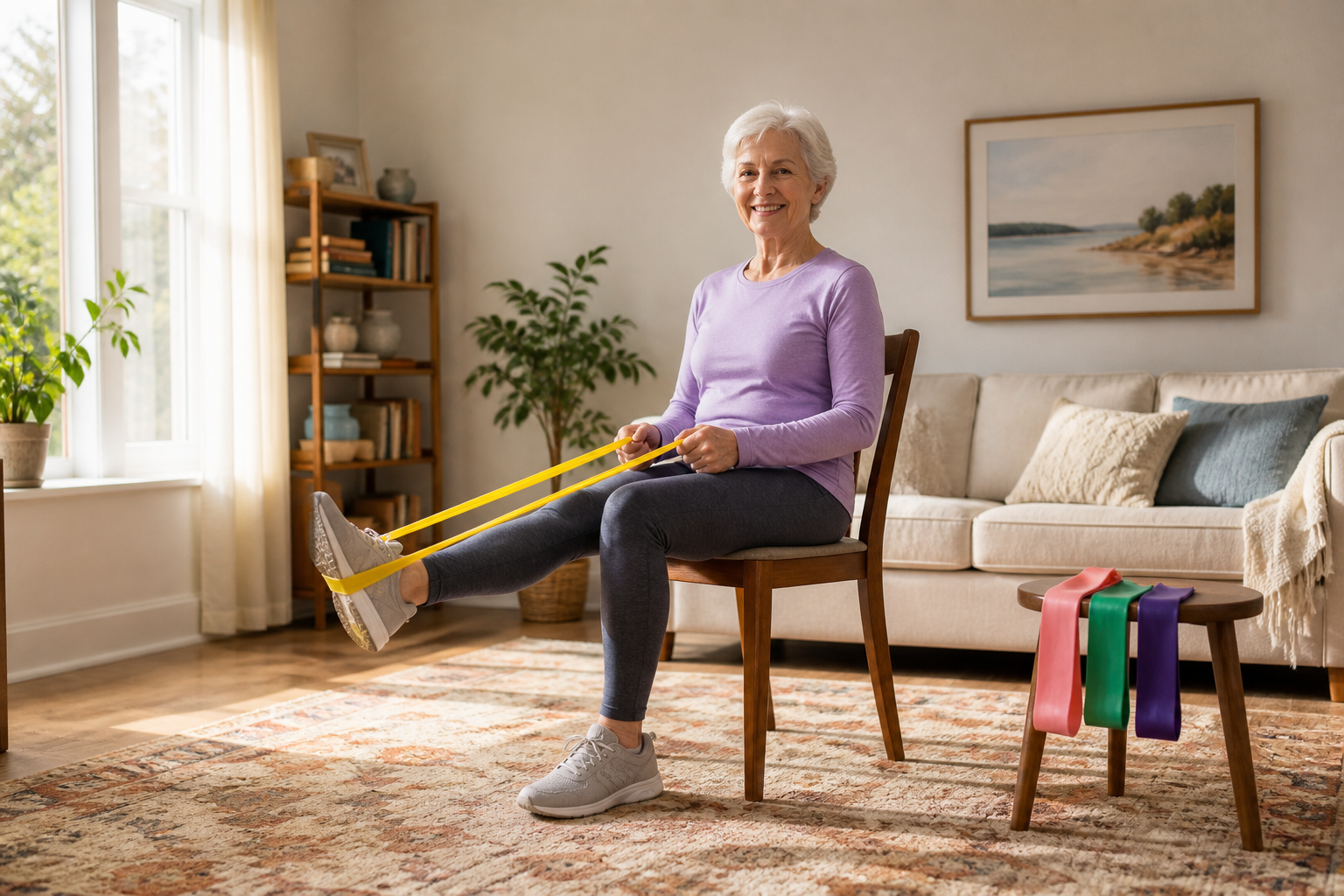
- Seated Leg Extension: Sit at the edge of a sturdy chair. Loop a band around your ankle and anchor the other end under the chair leg. Gently straighten your knee, pause for a second, then lower it. Start with 8-10 reps per leg. This targets your quadriceps—the powerhouse for knee support.
- Side-Lying Hip Abduction: Lie on your side, band looped around both thighs just above the knees. Lift your top leg up, keeping it straight, then lower. This wakes up your glutes and hips, which take pressure off the knee.
- Standing Hamstring Curl: Anchor the band at floor level behind you (I just use the couch leg), loop around your ankle, and gently bend your knee to bring your heel toward your butt. It’s great for the back of the thigh, which helps balance out quad strength.
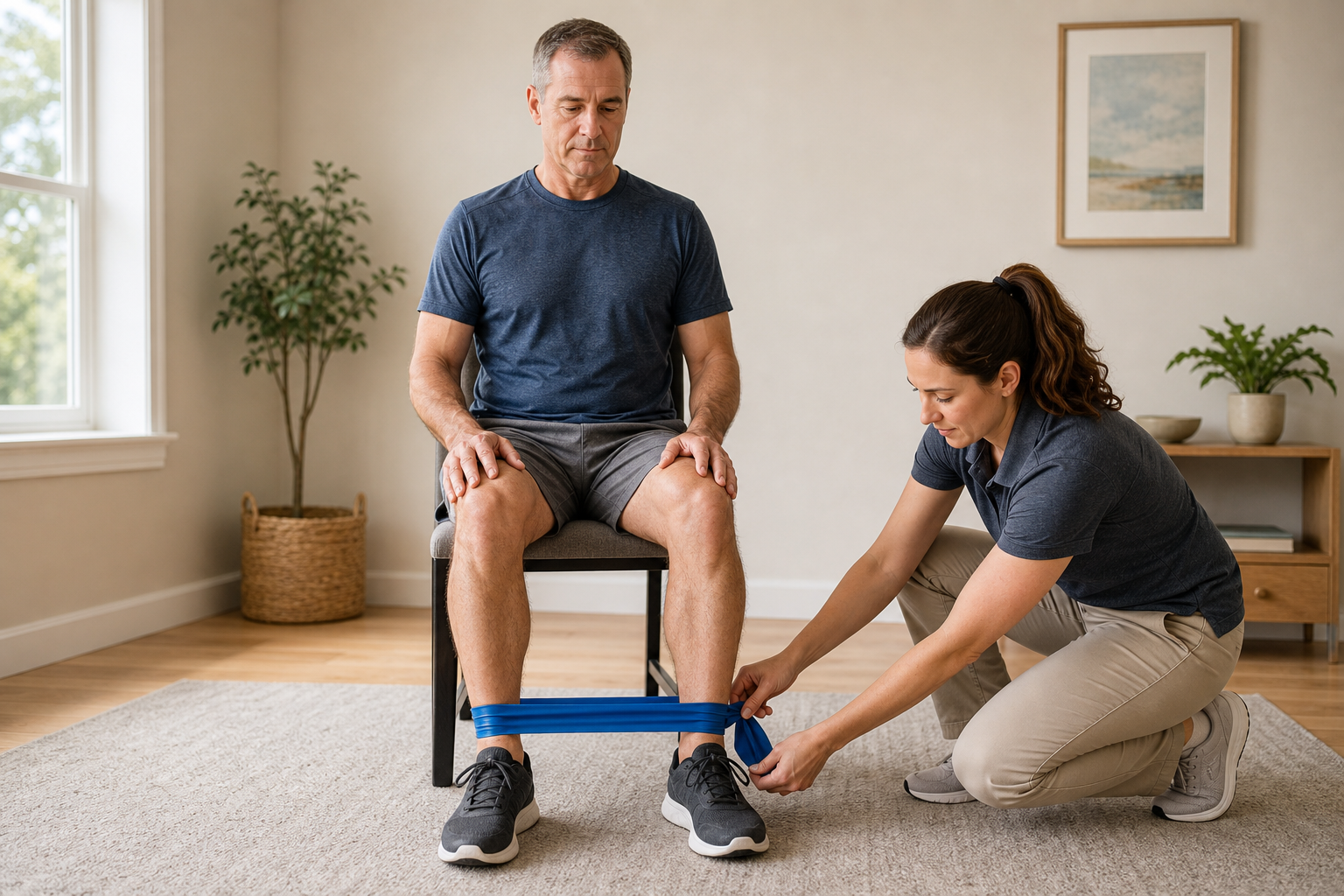
- Banded Step-Outs: With the band around both ankles, stand with feet hip-width apart and softly bent knees. Step one foot sideways, then the other, working your hips and glutes—crucial for knee alignment.
I usually do 1-2 sets of each, 2-3 times a week. If you’re new, once a week is plenty—think turtle, not hare. No need to be a hero.
Here’s my favorite thing: You can do these in your pajamas, watching Netflix. No gym required, no weird stares. Just steady, gentle progress.
The Common Pitfalls (And How to Avoid Them)
Look, I’ve made every mistake you can imagine. Snapping myself in the shin with a too-tight band? Check. Overdoing it and limping for three days? Guilty. Here’s what I wish someone had told me:
- Start with light resistance—I recommend the thinnest band, even if you think it’s 'too easy.' Fatigue should sneak up on you at the end, not knock you out in the first minute.
- Warm up—five minutes of gentle marching in place or slow heel digs makes a world of difference. Cold muscles are unhappy muscles.
- Don’t go too deep—if your knee angle feels awkward, or you’re compensating with your hips, dial it back. Quality over quantity.
- Track your pain—I keep a tiny notepad. If pain spikes after exercise, adjust. No shame in taking it slow.
I remember when my mother-in-law tried banded side-steps for the first time. She looked at me, half annoyed, and said, 'That’s it?' But after two weeks, she climbed the stairs without pausing halfway. Sometimes, the simplest changes build the biggest wins.
Mixing in Tools That Make Life Easier (Yes, Bands—But There’s More)
You don’t need a home gym to keep your knees happy. Cheap resistance bands from the drugstore can work just fine. But if you want a little more structure or motivation, here are a few resources that patients, readers, and even my husband have found genuinely useful:
- Treat Your Own Knees by Jim Johnson—this book is my north star for home knee care. It’s research-backed, packed with illustrations, and walks you through not just strength, but flexibility, endurance, and all the small tweaks that make band exercises safer and more effective. At $11, I gift it to everyone who complains about their knees at Thanksgiving. (Affiliate link, but I’d recommend it even if I didn’t get a nickel!)
- Modvel Compression Knee Brace—not gonna lie, I was wary about knee sleeves until a reader swore it let her walk her dog again. The light compression helps with proprioception. Just slip it on during band workouts or errands for a confidence boost. (Two come in a pack, and they wash easily.)
I debated mentioning topical pain gels (like Voltaren or diclofenac), but honestly, those are better for bedtime relief than active exercise. They’re not a substitute for building up your muscles and stability.
How Resistance Band Training Stacks Up Against Other Approaches
Here’s where you’ll find a little controversy. Some physical therapists still swear by old-school quad sets and wall sits. But the latest meta-analysis from Arthritis & Rheumatology (2023) found that dynamic, functional resistance—like banded moves—improves knee function and reduces pain more than static holds alone, especially in moderate arthritis. Plus, bands let you adjust resistance as your strength grows. Free weights are great (if you’re super careful), but bands win for portability and joint-friendliness. Walking is wonderful, but doesn’t always target the stabilizing muscles that protect the knee.
Yoga and Pilates? Fantastic complementary options—just avoid deep knee bends or any pose that feels unstable. Most of my readers see the best results by blending resistance band exercises with gentle walking or swimming. Variety keeps things interesting (and your knees less cranky).
Troubleshooting: Stiffness, Swelling, and Setbacks
Swelling after exercise isn’t rare, especially if you’ve been inactive. Try icing your knees for 10 minutes, and use a heating pad before your workout to loosen things up (I personally like the PureRelief XL for its moist heat). If swelling persists, or if you notice redness or hotness, pause your routine and call your doctor to rule out infection or flare. For run-of-the-mill stiffness, gentle stretching and a bit of patience go a long way.
If you miss a session or have a setback—don’t beat yourself up. I missed almost a month after a travel mishap, and it took two weeks just to feel like myself again. Start small, forgive yourself, and keep moving forward.

What About ‘Miracle Cures’ or Instagram-Perfect Routines?
Let me be blunt: There’s no single exercise, supplement, or device that will 'cure' arthritic knees. If someone tells you otherwise, run the other way. Real improvement comes from consistent, gentle effort and paying attention to your body. Resistance band exercises are a powerful tool, but they work best as part of a larger routine—think stretching, walking, and yes, a sensible day-to-day pace.
That said, I’ve also seen some folks overdo it after a few pain-free days. Remember: more is not always better. Respect your limits, and celebrate the small wins. (Walking to the mailbox without pain is a win!)
Questions I Hear Most—And Honest Answers
- How long before I feel results? Most people notice less pain and better stability within 2-4 weeks—if you’re consistent. That said, dramatic overnight results are rare, and plateaus happen. Patience pays off.
- Are there any band exercises I should avoid? Anything that causes sharp pain, deep bending beyond 90 degrees, or makes you feel wobbly. If in doubt, skip it or modify with a chair for support.
- What color band should I start with? The lightest resistance available (usually yellow or red). Move up only when the last few reps feel almost too easy.
- Can I use bands if I have a knee replacement? In most cases, yes—but check with your surgeon or physical therapist first. They may have specific precautions for your stage of recovery.
And this is important—these suggestions are meant to support, not replace, medical advice. If you have questions or significant health changes, bring them to your healthcare provider.
Takeaways: Practical Tips for Getting Back on Track
- Start slow, with easy resistance, and prioritize consistency over intensity.
- Focus on smooth, controlled movements—no jerking or racing through sets.
- Incorporate both knee and hip strengthening exercises for full-leg support.
- Use tools (like the Treat Your Own Knees book or knee braces) for structure and confidence.
- If you ever feel sharp pain or new swelling, pause and consult a professional.
I truly believe that gentle resistance band exercises—done thoughtfully and patiently—can help restore a sense of agency and hope, even when arthritis tries to take both away.
Look, nobody 'wins' at knee arthritis. But you can absolutely regain strength and function—one careful, gentle step at a time. If you try any of these exercises, or have your own success story, I’d love to hear about it.
Wishing you strong, happier knees,
Karen Whitfield
Veteran Health Journalist & Joint Health Columnist, JointReliefReviews.com