Why Does Joint Pain Hit So Hard After 60? (It's Not Just 'Old Age')
I still remember my mother-in-law calling me after her 61st birthday, sounding both frustrated and a little embarrassed. "Sarah, my knees just creak when I stand. And my fingers—don't get me started. Is this it? Am I just supposed to accept this?" If you're nodding along, you're not alone. The truth is, joint pain in women over 60 is so common that most doctors will simply shrug and say, "It's aging." But as a physical therapist who's treated hundreds of women in your shoes, I can assure you: there are real, specific reasons why your joints feel stiffer, achier, or even a little 'betrayed.' And knowing those reasons (not just chalking it up to time) can help you take actual steps to feel better.
The Reality of Living With Joint Pain
Before we talk about solutions, let's get brutally honest about the daily grind. It's not just about pain—it's the way it seeps into every routine. Getting up from the couch takes planning. Climbing stairs is a negotiation. Even opening a jar can feel like an Olympic event. I see it all the time: women who once hiked every weekend now hesitate to walk around the block. The mental toll is as real as the physical.
Worse, friends (and sometimes even doctors) may dismiss your pain as "just a normal part of aging." But here's the thing: pain is never something you just have to suffer through, and it's never 'normal' to the point where you should ignore it.
The Science: What Causes Joint Pain in Women Over 60?
If you want change, you need to understand the enemy. So, what actually causes these aches? It's a mix of hormones, wear-and-tear, and a dash of bad genetic luck. Let me break down the biggest culprits—backed up by real science, not just old wives' tales.
1. Osteoarthritis: The Heavy Hitter
This is the most common joint disorder, especially in women after menopause. You lose cartilage (the cushiony stuff at the ends of your bones), and the result is bone grinding on bone. According to the Journal of Rheumatology (2017), over 60% of women over 60 show radiographic signs of knee osteoarthritis—even if they're not all symptomatic.
Here's where it gets interesting: women are more prone than men (thanks, estrogen drop!) and the knees, hips, hands, and spine are the first to go. The pain is often worse after activity and first thing in the morning.
2. Inflammatory Conditions: It's Not Always 'Just Arthritis'
Rheumatoid arthritis, lupus, and other autoimmune disorders also spike in women after 60. I had a reader last month who'd been blaming her swollen finger joints on gardening—turned out, it was early RA. Women are statistically 2-3 times more likely than men to develop these. If you notice redness, warmth, or swelling that lingers, it's time to call your doctor. (Bloodwork can tell you more than a thousand Google searches.)
3. Hormonal Changes and Bone Density
Here's a detail most articles skip: Estrogen actually helps keep inflammation down and maintains joint health. After menopause, estrogen drops off a cliff. Bone density does too. That sets the stage for joint pain, stiffness, and—yes—even higher risk of osteoporotic fractures. According to Arthritis & Rheumatology (2018), postmenopausal estrogen loss is directly linked to increased joint pain and cartilage degeneration.
4. Old Injuries Come Roaring Back
Played tennis when you were 30? Twisted an ankle at 45? These "ancient" injuries have a sneaky way of making themselves known after 60. Scar tissue, instability, or even just a poorly healed ligament can set off a chain reaction of joint degeneration years later.
5. Muscle Loss (Sarcopenia)
This one is so under-discussed. Muscle is protective; it absorbs force and stabilizes joints. Women over 60 can lose up to 8% muscle mass per decade. That leaves joints exposed, so even everyday movements start to hurt. If you've noticed more flab and less tone, it's not just vanity—it's your joints crying out for help.
6. Weight Gain & Metabolic Syndrome
Extra weight is an obvious factor, sure. But here's a stat that might surprise you: For every pound of weight gained, your knees feel 4 pounds of extra pressure with every step. Let that sink in. Even small, gradual weight loss can make a massive difference in pain levels (BMJ, 2019 study: 10% weight loss = 50% reduction in knee pain severity).
7. Medications & Other Medical Conditions
Some blood pressure meds, cholesterol drugs, and even treatments for osteoporosis can cause joint pain as a side effect. Thyroid problems and diabetes can also attack the joints in sneakier ways. Bring a list of your meds to your next appointment, just in case. (I've caught more than a few "mystery" joint pains this way.)
A Deeper Dive: Why Women Get the Short End of the Stick
I know this is unpopular, but we can't ignore how women's anatomy and hormones set us up for extra wear and tear. Women tend to have wider hips, which shifts the angle at which the thigh bone meets the knee—a classic culprit for knee pain. Add in less muscle mass (on average) and the post-menopausal estrogen crash, and it's no surprise the stats are stacked against us.
I see three main patterns in my clinic: stubborn hand pain (think: opening pickle jars), knees that ache after even "good" activity, and back pain that comes and goes like a bad penny. Sound familiar?
Can Supplements and Devices Actually Help?
Okay, real talk. I get asked constantly about joint supplements and gadgets. Here's my take, based on both research and what I've seen in my clinic.
- Glucosamine & Chondroitin: The evidence is mixed, but a 2016 Cochrane review found some benefit for moderate knee pain—but only with at least 1500mg glucosamine sulfate daily. If you're expecting a miracle, you'll be disappointed. But it can be worth a try—just give it 2-3 months before judging efficacy, and always run it by your doctor (especially if you’re on blood thinners).
- Compression Braces: These are my quiet little game-changer for knee and hand pain. They don't 'heal' arthritis, but they do improve comfort and stability, especially when walking or during exercise. I often recommend the Modvel Compression Knee Brace for my patients who want affordable, everyday support. It's not fancy, but it works—and you get a pair for less than the cost of dinner out.
- Heating Pads: Moist heat can really loosen stiff joints first thing in the morning. The Pure Enrichment PureRelief XL Heating Pad covers both knees or your entire back and has a moist heat feature that honest-to-goodness feels like a spa day for your joints. (Just don’t fall asleep with it on—auto shut-off is non-negotiable for safety.)
I know someone is going to ask about CBD or turmeric. Here’s my honest answer: early research is promising but inconsistent. If you try it, track your symptoms and make sure your doctor is okay with any supplements.
What Actually Works? Smart Strategies from Decades of PT Experience
Now, let's talk about what you can actually do—today, tomorrow, next week—to manage pain and reclaim your life. No snake oil, no "miracle" cures. Just what works for real women who want to keep moving.
1. Gentle, Consistent Movement
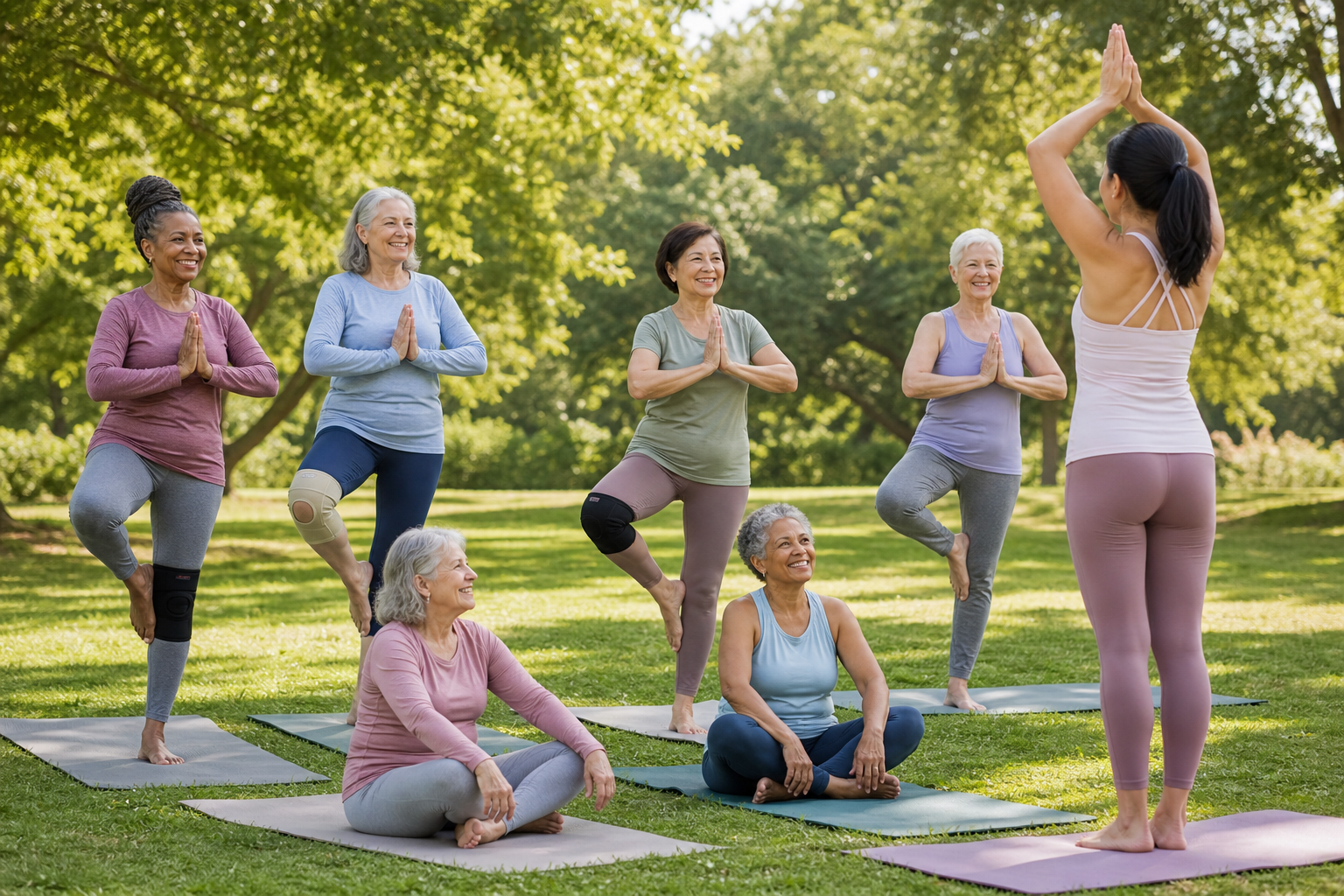
This is always my answer, even if it sounds counterintuitive. Joints love movement. The right kind, anyway. Swimming, cycling, and walking are gold standards. Tai Chi and yoga have surprisingly robust evidence for reducing pain and improving balance (see Arthritis Care & Research, 2020). Even stretching counts. Aim for 20-30 minutes daily—even in short bouts.
2. Smart Strength Training
You don't need barbells and CrossFit, I promise. Targeted, low-impact exercises (think sit-to-stand from a chair, wall push-ups, resistance bands) protect joints by re-building lost muscle mass. If you want structure, I often point people to Treat Your Own Knees by Jim Johnson—it's a plainspoken, research-backed guide with exercises designed for folks over 60. My mother-in-law swears by it.
3. Heat, Ice, and Therapy Tools
Use heat for stiffness and ice for swelling. Simple, yes—but it's amazing how often folks overlook this. Topical pain relievers (like menthol roll-ons) can help for spot relief. But long-term? Movement and muscle-building give you the biggest bang for your buck.
4. Weight Management (No Judgment, Just Facts)
I know—this one’s a sore subject. But even a 5-10% weight loss can halve knee pain symptoms, per the aforementioned BMJ study. Small, sustainable changes matter far more than crash diets. I tell my patients: focus on what you can add (veggies, lean proteins, more water), not what you “can’t have.”
5. Listen to Your Body, Not Just Your Doctor
Yes, I’m a healthcare provider. But nobody knows your pain like you do. If something feels "off"—especially if you have new swelling, redness, fever, or the pain wakes you up at night—push for bloodwork or imaging. Don’t accept "It’s just old age" as an answer if it doesn’t feel right. Your gut feeling matters.
Research Deep Dive: What’s on the Horizon?
For the curious, here’s a peek behind the curtain. There’s exciting work on stem cell injections for knees and hands, but the jury’s still out. Likewise, monoclonal antibody drugs for severe inflammatory arthritis are changing lives, but they’re specialist-only (and not without side effects). Physical therapy itself is evolving—telehealth, wearable sensors, personalized exercise apps. I can’t promise a magic bullet, but I do see slow, real progress in both research and the tools we have available.
Interesting tidbit: A 2022 meta-analysis in Annals of Internal Medicine found that regular use of knee sleeves reduced pain and improved function in women over 60 with moderate OA. Not a cure, but a real difference in daily life. Sometimes the simplest solutions are the best.
Key Takeaways: No, You’re Not Doomed to Achy Joints Forever
Here’s the real kicker: Joint pain after 60 isn’t just "bad luck." It’s a cocktail of hormonal shifts, wear-and-tear, muscle loss, weight changes, and sometimes, plain old genetics. But you have options. Movement (gentle and consistent) will always be the foundation. Add in muscle-building, a few well-chosen tools (like a good brace or a heating pad), and a little patience—you can absolutely improve your comfort and your confidence.
I won’t sugarcoat it: Some days will be easier than others. But I've seen women in their 70s regain strength, flexibility, and even hobbies they thought they'd lost. It’s all about persistence and being kind to your body. And never, ever settle for "just deal with it." There’s always something else to try.
Curious? Have Questions?
If you’re still unsure what’s causing your joint pain, talk with your doctor or a physical therapist (ideally someone who's seen a few knees in their time). And if you’re thinking of trying a supplement or device, check for interactions with your other meds—your pharmacist is a great resource, too. If you want to email me a question, I’m always happy to weigh in (my inbox is proof that joint pain isn’t going anywhere soon).
Wishing you less pain and more movement,
Dr. Sarah Mitchell, DPT
Senior Health Editor, JointReliefReviews