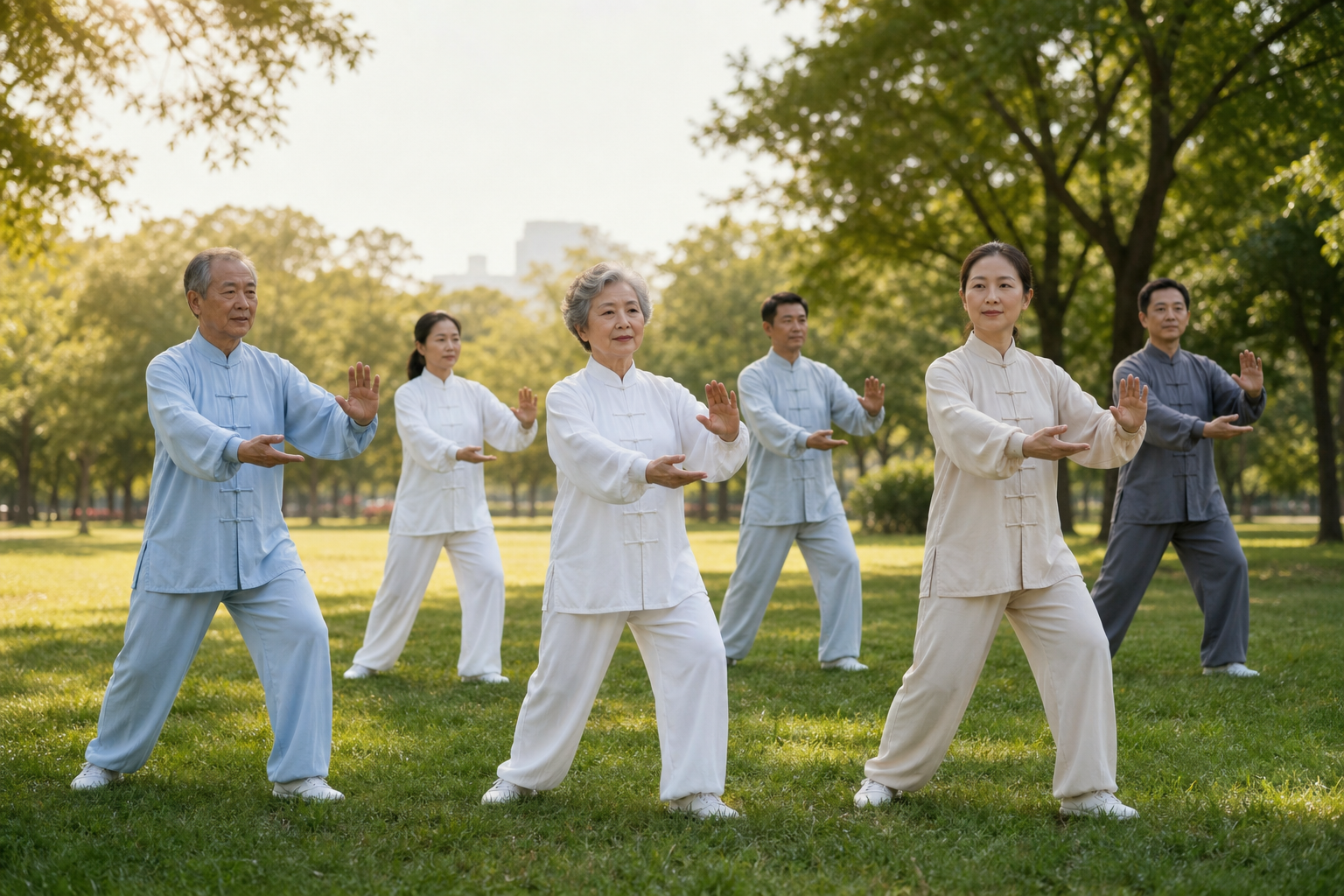
Tai Chi Benefits for Arthritis and Balance: The Surprising Power of Moving Slowly
Three years ago, a reader—let’s call her Sheila—wrote to me after her fall on a wet kitchen floor. She’d just started an ambitious New Year’s goal to walk every morning, but pain and fear of losing her balance kept winning out. “I feel ancient,” she confessed, “and I’m only 62.” Her doctor had tossed out tai chi as a suggestion. But Sheila wanted the real scoop: Was it actually going to help her aching knees and wonky confidence?
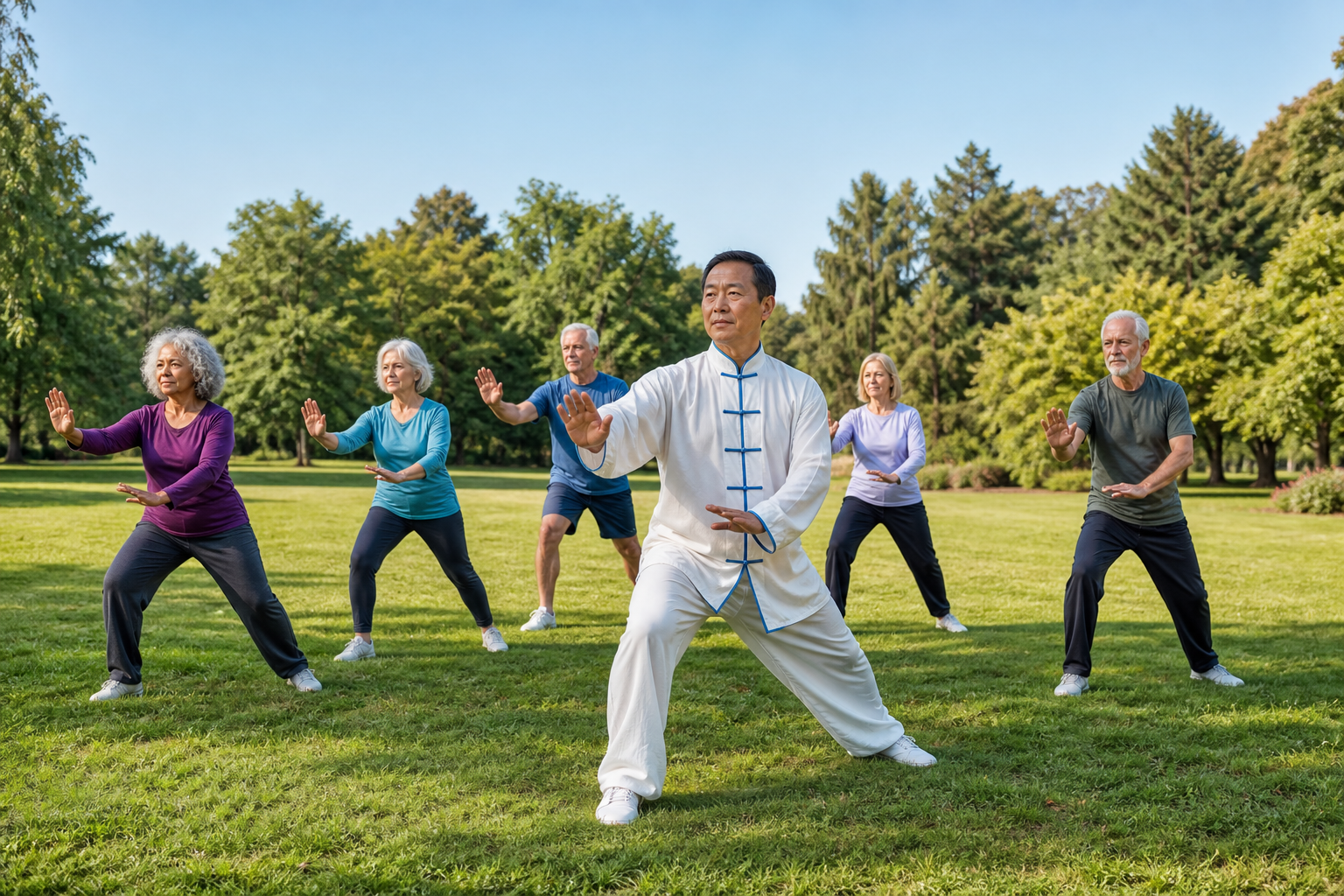
And here’s the thing: Sheila isn’t alone. If you’ve got arthritis, or if you find yourself hesitating at curbs (or even eyeing stairs with dread), you know that pain and wobbliness aren’t just inconvenient—they’re limiting. I see it every single week in my PT clinic. The stats are sobering: According to the CDC, 1 in 4 Americans with arthritis reports falling each year. Balance, it turns out, is just as crucial for independence as pain relief.
Why Tai Chi? (Spoiler: It’s Not Just for Old Movies)
I’ll be honest: My first exposure to tai chi was a grainy VHS of my grandmother flowing through something called “White Crane Spreads Its Wings.” I assumed it was a gentle hobby, not a legitimate therapy. I was wrong. Over the past decade, I’ve watched the research pile up—and I’ve seen my own patients change their lives with this practice.
If you’re skeptical, you’re not alone. But here’s where it gets interesting: Tai chi is one of the few non-drug treatments for arthritis that shows consistent benefits in large, high-quality studies. And it’s not just about feeling more ‘zen’ (though that’s a nice perk). Let’s look at the nuts and bolts.
How Does Tai Chi Actually Help Arthritis?
Think of tai chi as a moving meditation—a series of slow, flowing movements that challenge your muscles, joints, and brain. But unlike traditional exercise, there are no sudden jerks, no pounding, and no contortions. That’s why tai chi works beautifully for creaky, inflamed, or overused joints. A 2016 meta-analysis in Arthritis & Rheumatology found that tai chi can significantly reduce pain and stiffness in osteoarthritis patients, particularly those with knee arthritis.
Here’s what’s happening under the hood:
- Gentle, progressive movement: Tai chi gradually increases your joint range of motion without overloading sensitive structures.
- Low-impact, high-control: Unlike aerobics or jogging, there’s no pounding. It’s perfect for folks who wince at the thought of ‘working out.’
- Muscle activation: These movements engage your quadriceps, glutes, and calves—all the stabilizers that support arthritic knees and hips.
- Mind-body awareness: Tai chi teaches you to sense and correct poor movement patterns. (If you’ve ever caught yourself shifting all your weight to the ‘good leg,’ you know how easy bad habits form!)
But do people really feel the difference? The numbers say yes. A 12-week randomized trial in the New England Journal of Medicine (2010) found that participants with knee osteoarthritis who practiced tai chi twice weekly saw a 40% reduction in pain scores—and improved on every functional measure the researchers threw at them. That’s not a fluke.
Tai Chi and Balance: More Than Just Not Falling
If you’ve ever felt that little jolt of panic when you trip, you understand how precious balance really is. Arthritis throws a wrench into the works: achy joints, muscle weakness, and instability all add up to a greater fall risk. Balance training isn’t just nice—it may be the single most important thing you do to stay independent as you age.
Now, tai chi has a reputation for improving balance, but the science is even stronger than most people realize. A 2012 review in BMJ Open looked at 18 clinical trials and found that tai chi reduced fall risk by up to 43% in older adults. Those doing tai chi weren’t just standing steadier—they were regaining the agility and confidence lost to arthritis.
Why does it work? Here’s the short version:
- Every tai chi sequence is a mini-balance challenge. Shifting weight from one foot to the other, pausing, turning—these moves retrain your nervous system.
- Research shows tai chi increases proprioception (your body’s internal GPS). This is critical if arthritis has dulled your sense of position in space.
- It builds the lower body strength that keeps you upright, without the wear and tear of weights or machines.
I remember a client, Sam, who started tai chi after a nasty hip fracture. Six months later, he was hiking local trails again. He told me, “It’s like my brain learned how to balance all over again.” Anecdotal? Sure. But I’ve heard variations of that line at least a hundred times, and the data backs it up.
How Much Tai Chi Do You Really Need?
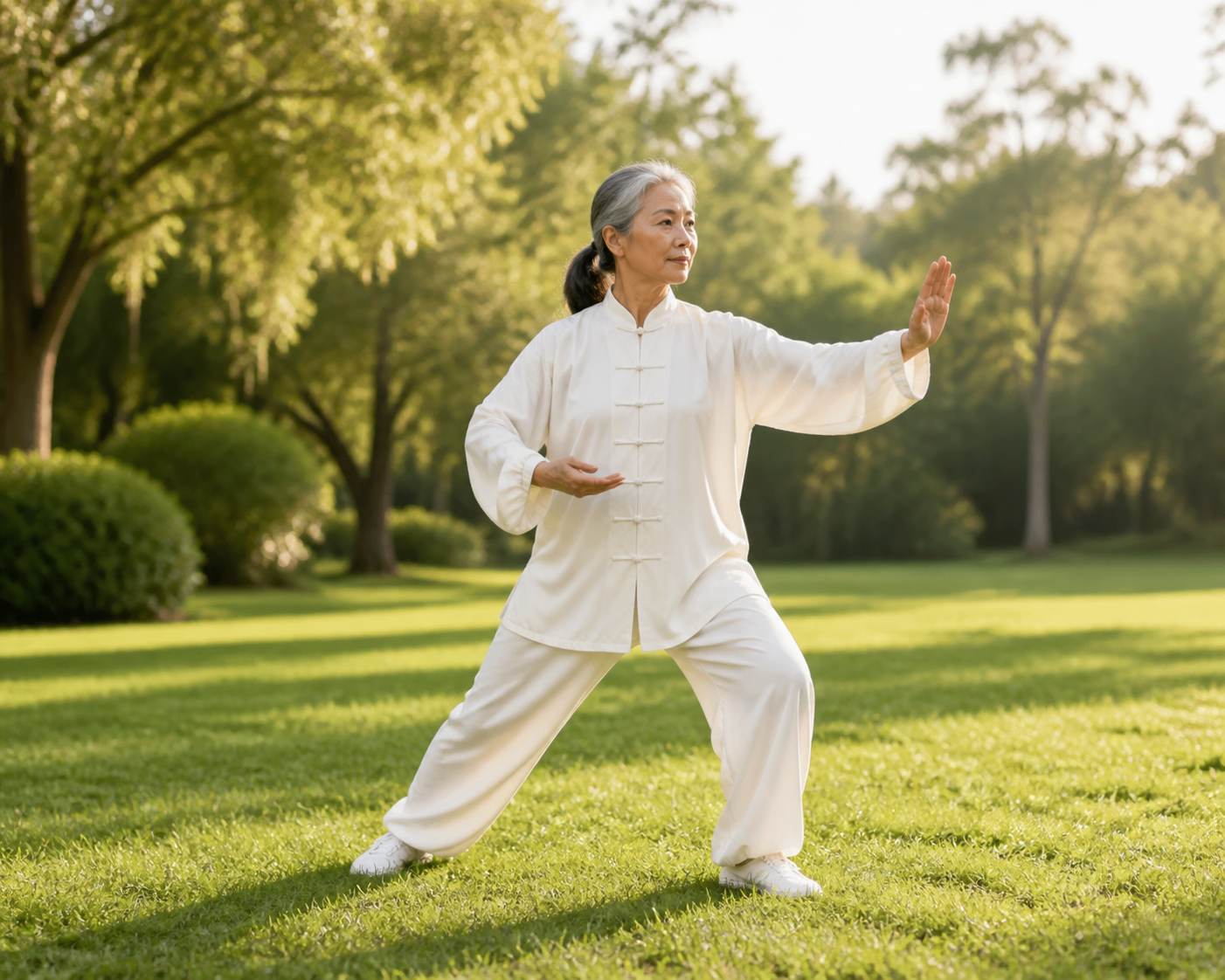
This is the million-dollar question. The good news: You don’t need hours a day or a lifetime of practice to reap benefits. Most of the research I’ve read—and the classes I recommend—use sessions of 45 to 60 minutes, two to three times per week. In fact, that 2010 NEJM study I mentioned above? Just 2 sessions per week for 12 weeks was enough to see big changes.
If you’re crunched for time or energy, even 10-15 minutes most days can make a real dent in stiffness and fear of falling. The key is consistency and focusing on quality of movement, not athleticism.
Can Tai Chi Replace Other Arthritis Treatments?
I get this question all the time. Short answer: No—tai chi is best as part of a multi-layered plan. It can absolutely replace or reduce the need for some pain meds (especially if you’re noticing fewer flares), but I still encourage folks to keep up with targeted strengthening, medication as needed, and—if you’re in the thick of a flare—topical relief like Voltaren Arthritis Pain Gel. That’s my go-to topical NSAID for stubborn joint pain because it’s FDA-approved, non-greasy, and proven to reduce pain in clinical trials (just check the 2016 Journal of Rheumatology for the full breakdown).
Look, if you’re using a knee brace for stability or pain—like the NEENCA Professional Knee Brace—you can actually enhance your tai chi practice by giving your joint a little extra protection while you learn new movements. I’ve had patients practice transitions at home using a brace and then gradually wean off as their strength and confidence rebounded.
Always check with your doctor before starting a new exercise routine—especially if you’ve had joint replacements, balance disorders, or are on certain medications.
What If You Can't Get to a Tai Chi Class?
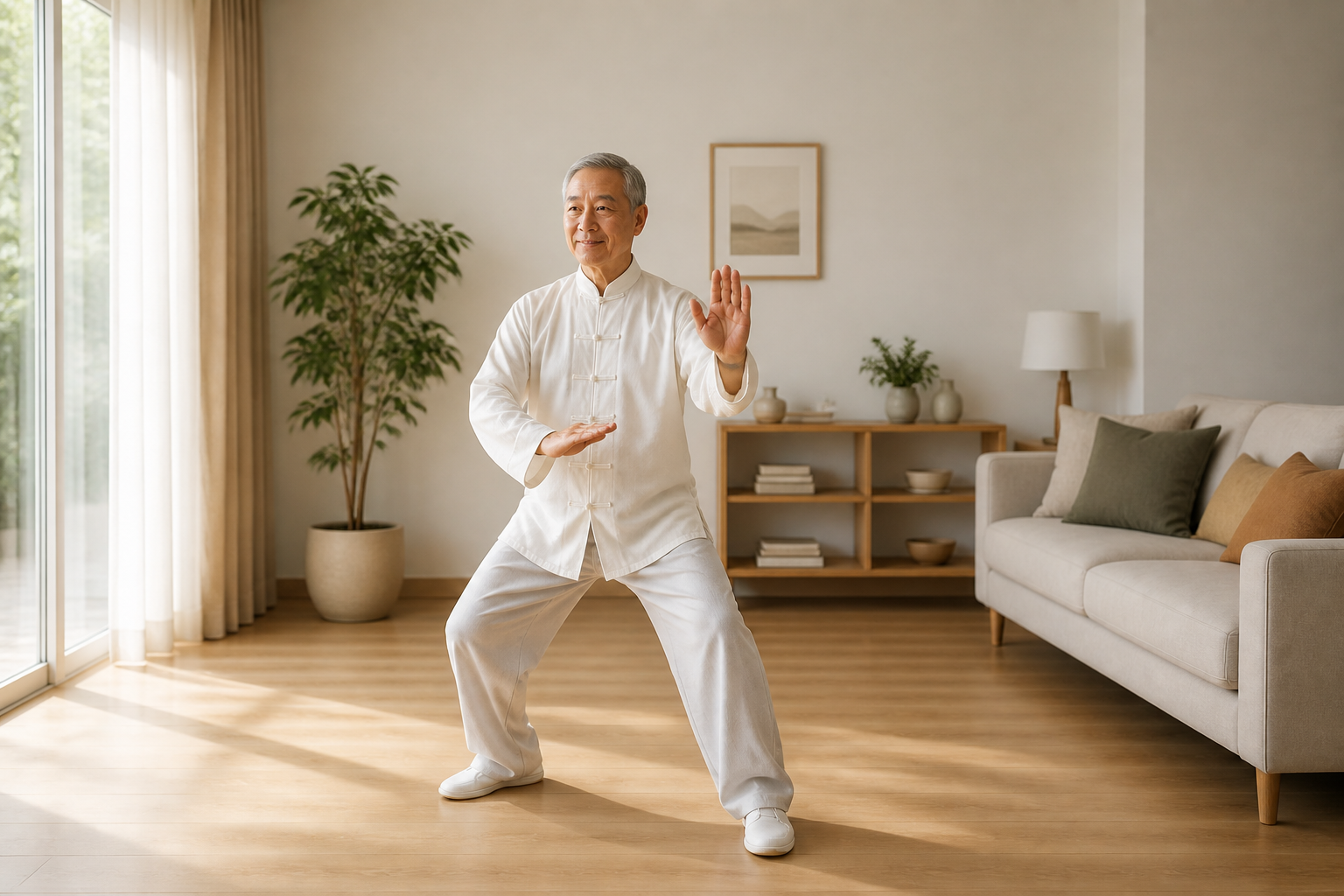
Not everyone has access to a great in-person instructor. Pandemic lockdowns taught us all the value—and the limitations—of online resources. But there are some excellent tai chi programs streaming these days, and I’m a fan of starting with gentle, arthritis-friendly sequences.
If your knees are especially grumpy, consider pairing your first practice with a heating pad like the Pure Enrichment PureRelief XL Heating Pad. Sometimes I recommend clients warm stiff joints for 10 minutes before moving—just enough to make those first slow steps feel less intimidating. (Don’t overdo the heat, and avoid if you have numbness or vascular issues—talk to your provider if unsure.)
Getting Started: My Honest Advice
- Look for “Tai Chi for Arthritis” or “Tai Chi for Balance” classes. These are specifically designed with joint safety and support in mind. If you don’t see those locally, online programs from certified instructors are the next best thing.
- Start small, but be regular. Five to ten minutes daily is better than a marathon session every two weeks.
- Forget about “doing it right” at first. Just keep moving, gently and with intention. Progress will come.
- Wear supportive shoes—or go barefoot on a safe surface. Find what feels most stable for you (I get this question a lot; there is no one-size-fits-all answer).
I know, it can feel intimidating—especially if group classes make you self-conscious. But I see the transformation over and over again: after a few weeks, people stand taller, move with more confidence, and—crucially—trust their bodies again.
How Tai Chi Compares to Other Popular Approaches
Let’s get real: There’s no shortage of balance and joint health programs out there. Yoga, Pilates, aquatic therapy, walking—each has strong points. But here’s why I keep coming back to tai chi for arthritis and balance:
- Accessibility: You don’t need fancy equipment or athletic prowess. Most sequences can be modified for any fitness level.
- Safety: Very low risk of injury, even for those with advanced arthritis.
- Social connection: Many classes foster community—a real factor in sticking to ANY activity.
- Whole-body challenge: Unlike chair-based exercises, tai chi integrates strength, flexibility, balance, and coordination into every movement.
One catch: Some people do better with more explicit strength training if severe weakness is present, or water-based exercise during acute pain flares. If tai chi is your first step away from inactivity, that’s a fantastic start—you can always layer on more later.
What About the Mental Health Side?
Here’s something most articles skip: the emotional impact of arthritis and loss of balance. Anxiety, fear of falling, and even depression are common—yet rarely addressed in typical PT. Tai chi, with its meditative pacing and group atmosphere, can ease stress and improve mood. Several studies (see the 2014 review in Clinical Interventions in Aging) report lower anxiety and depressive symptoms in arthritis patients practicing tai chi, possibly due to improved confidence and the structured, mindful nature of the movements.
Real-World Takeaways (and a Few Gentle Nudges)
If you’re nodding along, you’re not alone. Arthritis—especially with balance worries—can chip away at your independence and joy. Tai chi won’t cure arthritis, but it’s a tool I recommend to nearly every client looking to move better, hurt less, and worry less about falling.
- Tai chi’s benefits for arthritis and balance are backed by real science, not just tradition.
- Start small, be gentle, and give yourself a few weeks to notice changes.
- Pair tai chi with smart joint care: use a topical NSAID (like Voltaren), a supportive knee brace (the NEENCA is a standout), or a heating pad as needed to make starting easier and less painful.
- Talk to your healthcare provider for clearance—especially if you’ve had prior falls, joint replacements, or take prescription meds that affect balance.
I know this is unpopular, but: You do not need to “master” tai chi to see the benefits. You just need to start. The most powerful change isn’t in doing the perfect sequence—it’s in rebuilding your brain’s confidence, one steady breath and gentle movement at a time.
Wishing you stronger steps, steadier days, and a little less pain. If you try tai chi, I’d love to hear about your experience—email me anytime with your questions or stories!
- Dr. Sarah Mitchell, DPT, Senior Health Editor at JointReliefReviews