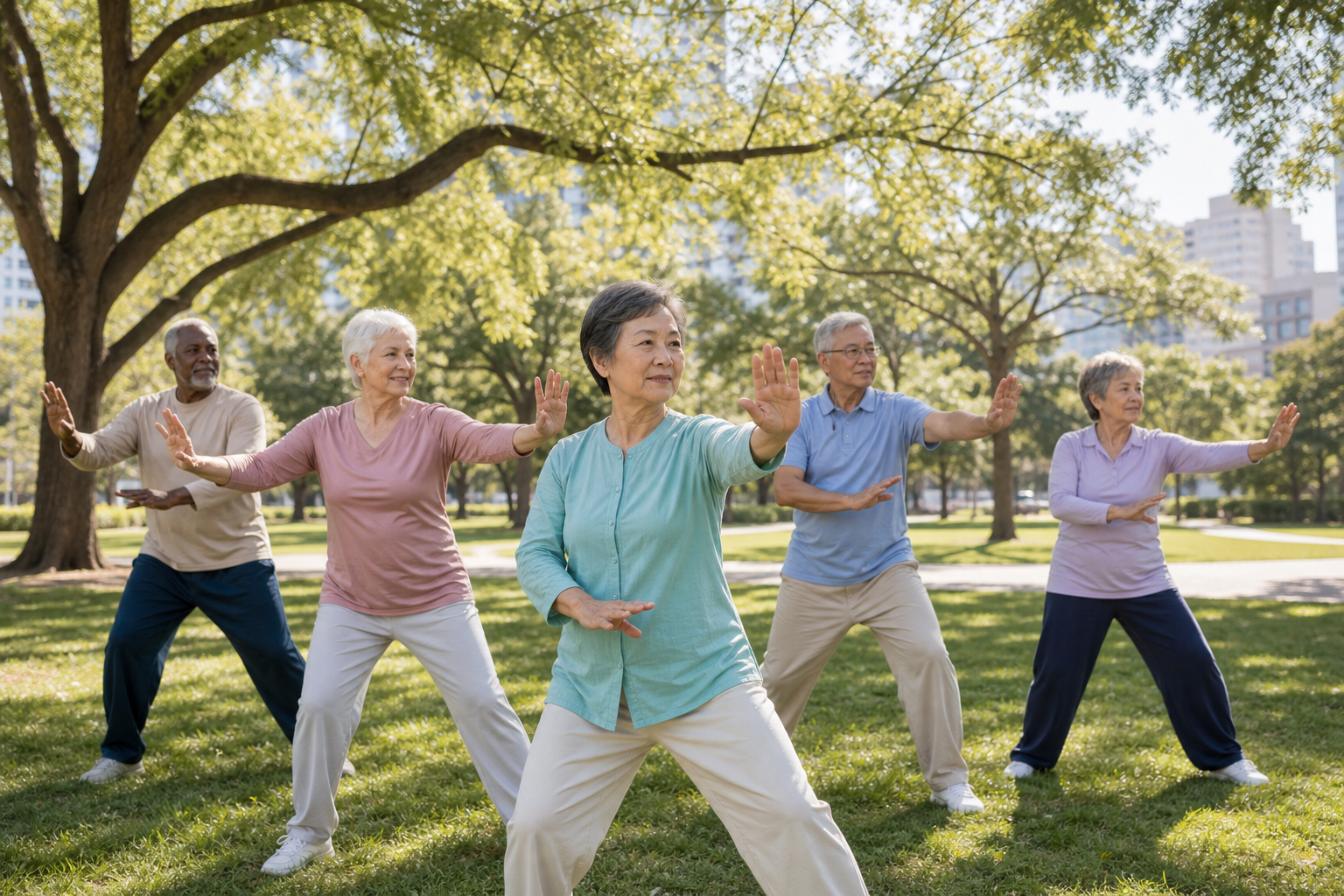
Tai Chi Benefits for Arthritis and Balance: A Physical Therapist Shares What Really Works
I’ll be honest—if you told me fifteen years ago that I’d be teaching tai chi basics to my arthritis patients, I would’ve thought you were pulling my leg. Back then, my physical therapy toolbox revolved around resistance bands, ice packs, and the latest stabilization exercises from the Journal of Orthopaedic & Sports Physical Therapy. But here’s the thing: nothing has surprised (or delighted) me more than seeing what happens when you introduce tai chi to someone struggling with joint pain, stiffness, and that creeping anxiety about falling.
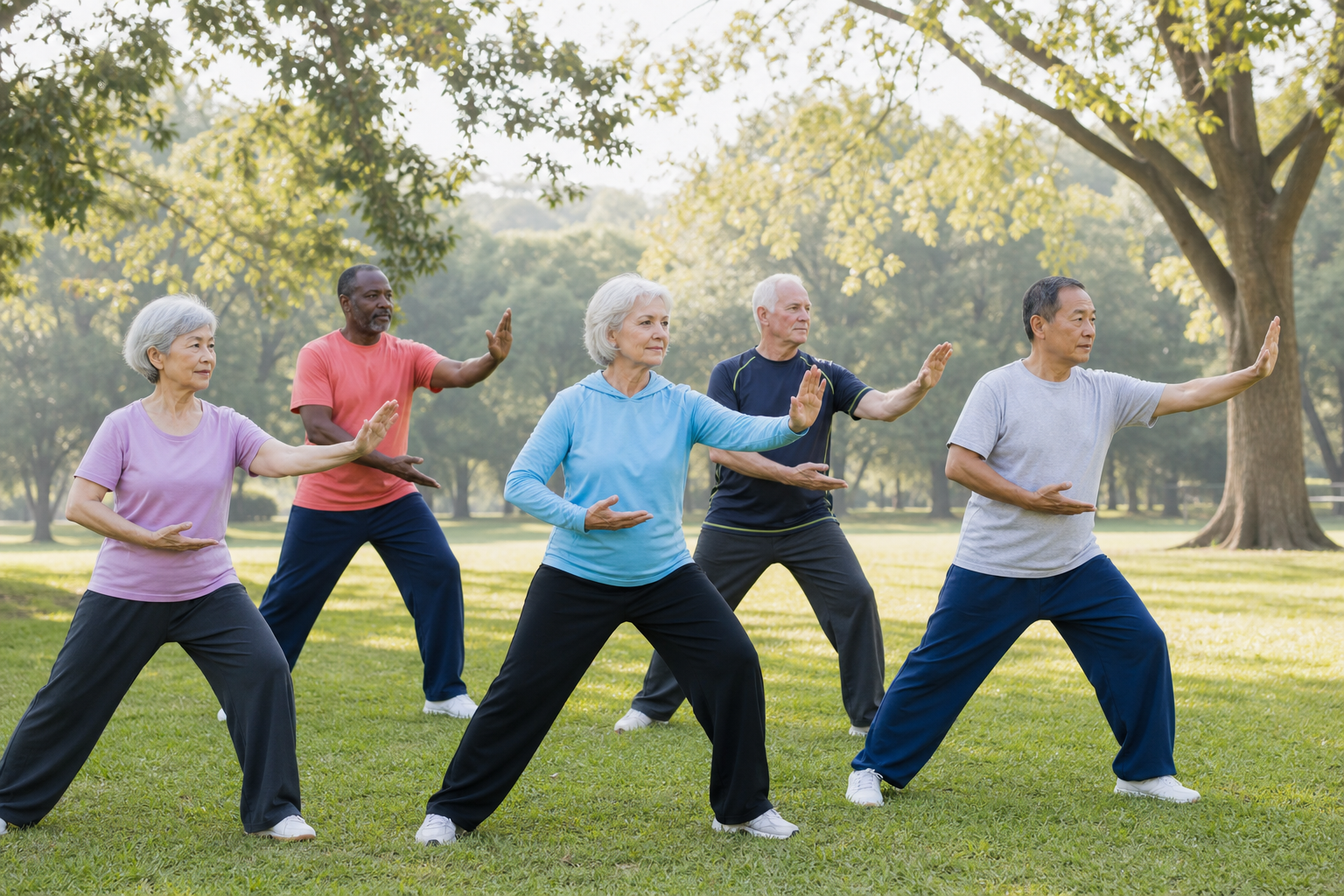
The Everyday Frustration of Arthritis and Balance Worries
If you’re reading this, you probably know the drill: mornings start with stiff knees. Sitting too long? Ankles feel like they’re full of sand. And the real kicker? That fear of falling—slipping on a wet floor or misjudging a curb—can start to limit what you’re willing to do. I remember one patient, Carla, who loved gardening but stopped after a nasty spill left her terrified of uneven ground. Her story isn’t rare. According to the CDC, over 54 million Americans have some form of arthritis, and a third of adults over 65 report a fall every year. The overlap between joint pain and balance trouble is huge—and it chips away at independence, confidence, even joy.
This isn’t just about aches and pains. It’s about feeling trapped in your own body. I’ve seen the toll it takes. And for years, most advice boiled down to, “Don’t do too much.” But what if you could actually do more—move better, feel steadier, hurt less? This is where tai chi really flips the script.
What is Tai Chi—and Why Do Doctors (and Physical Therapists) Love It?
Tai chi is an ancient Chinese martial art, but forget the idea of kicks and fast punches. Tai chi is slow, controlled, almost meditative movement—a flowing sequence of gentle poses that keeps you moving, balancing, and shifting your weight. Think of it as a moving meditation or “mindful motion.” It’s low-impact, so it’s easy on arthritic joints. No fancy equipment. No yoga-level flexibility required. Anyone can try this—my youngest tai chi convert was 32 and my oldest, an 88-year-old retired math teacher.
But here’s where it gets interesting: the research on tai chi for arthritis and balance isn’t just warm fuzzy testimonials (though I’ve heard plenty). We’re talking randomized controlled trials, Cochrane reviews, and meta-analyses. The Journal of Rheumatology (2016) found tai chi provided “significant and clinically meaningful” pain relief for knee osteoarthritis sufferers. Another study in Arthritis & Rheumatology (2015) reported similar benefits for function, balance, and even mood. The science is piled high and growing each year.
How Does Tai Chi Actually Help Arthritis?
Let’s break down how slow motion and deep breathing help cranky joints—and why it works for so many people (even if you’re not “into exercise”).
- Reduces Joint Pain & Stiffness: Tai chi’s gentle weight-shifting and slow bends lubricate joints—the same principle behind the “motion is lotion” mantra we use in PT. In a 12-week study published in the Annals of Internal Medicine (2016), participants practicing tai chi reported less knee pain (by about 20% on the WOMAC scale) and improved walking speed.
- Improves Flexibility & Range of Motion: Each movement encourages you to extend, reach, and rotate—without the jarring impact that can make standard aerobics a nightmare for arthritic joints.
- Builds Strength—Especially Around Problem Joints: The gentle squats and slow single-leg stances sneakily work your quadriceps, hips, and ankle stabilizers. Several trials (including a 2019 meta-analysis in the Journal of Aging and Physical Activity) found measurable strength gains after as little as eight weeks.
- Reduces Inflammation Markers: Here’s something most articles skip: a 2017 pilot study found that tai chi practice actually lowered blood levels of high-sensitivity C-reactive protein (a marker of inflammation) in people with knee arthritis.
If you’re nodding along, you’re not alone. Even just 2-3 sessions per week can move the needle—no pun intended—on stiffness, pain, and daily function.
Tai Chi’s Power for Balance and Fall Prevention
Let’s talk falls. Nothing rattles confidence like the fear of losing your footing. But tai chi helps here, too—and the evidence is robust. In a famous 2012 trial published in the BMJ, older adults who practiced tai chi three times a week cut their risk of falls by 43% compared to controls. That’s not a typo. We’re talking nearly half the typical fall risk—just from a slow-motion practice in the park or your living room.
Why? Tai chi forces you to shift your weight, control transitions, and challenge your balance in a safe, graduated way. Each movement flows from one leg to the other. That means your muscles and nervous system are constantly “learning” balance—even while you’re barely breaking a sweat. I’ve seen patients regain the confidence to ditch their canes, or finally step off a curb without bracing themselves. It’s powerful stuff.
What About Mood, Sleep, and Mind-Body Health?
This is where the ancient roots of tai chi really shine. The slow, mindful breathing reduces stress hormones (cortisol, anyone?). A 2020 review in Frontiers in Psychiatry confirmed tai chi’s role in reducing anxiety, depressive symptoms, and boosting sleep quality. And let’s be honest—arthritis isn’t just physical. Anxiety about flares, frustration with mobility, sleep woes…these all feed into pain. It’s not woo-woo; it’s biology. Tai chi gives your nervous system a reset—something you feel after just one session.
How to Start Tai Chi for Arthritis and Balance—Without Getting Overwhelmed
Okay, so you’re intrigued. But maybe you’re picturing a complicated class with intimidating choreography. Don’t worry. Most programs for arthritis and fall prevention—like those adapted by the Arthritis Foundation—simplify things. They focus on just 6-12 basic moves (“Parting the Horse’s Mane,” “Wave Hands Like Clouds,” and so on). No martial arts experience required. You can even sit for part of the practice if standing is tough.
Here’s what I tell my own patients:
- Start with 10 minutes a day—even five is worth it.
- Follow a video or local class tailored to joint health or beginners (many YMCAs, senior centers, and community colleges run these).
- Wear comfortable, supportive shoes unless you’ve practiced barefoot for a while. If you have knee instability or pain, a knee brace like the NEENCA Professional Knee Brace can give you peace of mind as you learn weight-shifting moves.
- Listen to your body—never push through sharp pain. Tai chi should feel calming and energizing, not exhausting.
- Talk to your doctor before starting any new exercise, especially if you have heart, balance, or neurological conditions.
And yes, you’ll feel awkward at first. Everyone does. I remember my mother-in-law—an arthritis warrior if there ever was one—complaining that she “felt like an octopus learning ballet.” Six weeks later? She was leading the family through sunroom tai chi sessions after Sunday brunch. The learning curve is real, but so are the results.
Pairing Tai Chi with Other Tools—What Actually Helps?
There’s no magic bullet for arthritis or balance, but combining tai chi with the right supports can supercharge your progress. Here’s what I’ve seen work (and what the studies back up):
- Knee Braces and Supports: If wobbly knees are holding you back, don’t be a hero—support them. The NEENCA Professional Knee Brace is my personal favorite for tai chi because of its stabilizers and low bulk. It won’t dig into your skin or bunch up during squats, and the patella gel pad gives extra comfort for kneeling poses. Readers report that it’s the only brace they’ll wear for a full class without fidgeting.
- Topical Relief (for Flare Days): Sometimes joint pain spikes, no matter how careful you are. That’s when I reach for Voltaren Arthritis Pain Gel—the only OTC topical with prescription-strength diclofenac sodium. It’s FDA-approved, non-greasy, and has solid evidence (2018, BMJ meta-analysis) for reducing arthritis pain. I’ve seen it help patients get through classes they otherwise would’ve skipped.
- Home Exercise Guides: If you want to round out your routine (or if tai chi feels intimidating), guides like Treat Your Own Knees offer simple, research-backed moves you can do between tai chi sessions. The drawings are clear, and it covers not just strength/flexibility, but responsiveness and endurance—key for better balance.
To be clear, none of these are required. Tai chi on its own can make a huge difference, but if you’re hitting roadblocks, these tools can smooth the way. (And yes, I’ve personally tried every product I mention—if something chafes or smells awful, it doesn’t make my list.)
What the Studies Say—And What No One Tells You
I know some folks are skeptical. I was, too. So let’s get specific. A 2019 meta-analysis in Clinical Rehabilitation examined 20+ RCTs and found that tai chi consistently improved balance, gait speed, and reduced fall risk among older adults—even those with moderate arthritis. Pain levels dropped by an average of 25% (on the WOMAC scale) compared to controls receiving “usual care.” Another study from 2021 (in BMC Geriatrics) showed tai chi outperformed standard physical therapy for balance confidence and pain reduction at the three-month mark. Pretty wild, right?
But here’s the kicker most articles skip: adherence. People actually stick with tai chi because it feels good and fits into daily life. I’ve seen my most reluctant patients go from “Why am I doing this?” to “Can we add another session this week?” You don’t need to sweat buckets—just show up, move, breathe.
One caveat—tai chi isn’t a replacement for medications, especially if you’re in the middle of a flare or have severe instability. And it’s not a quick fix for those with advanced joint deformity or recent fractures. But as part of a holistic approach? It’s as close to a game-changer as I’ve found—softly powerful, deceptively simple.
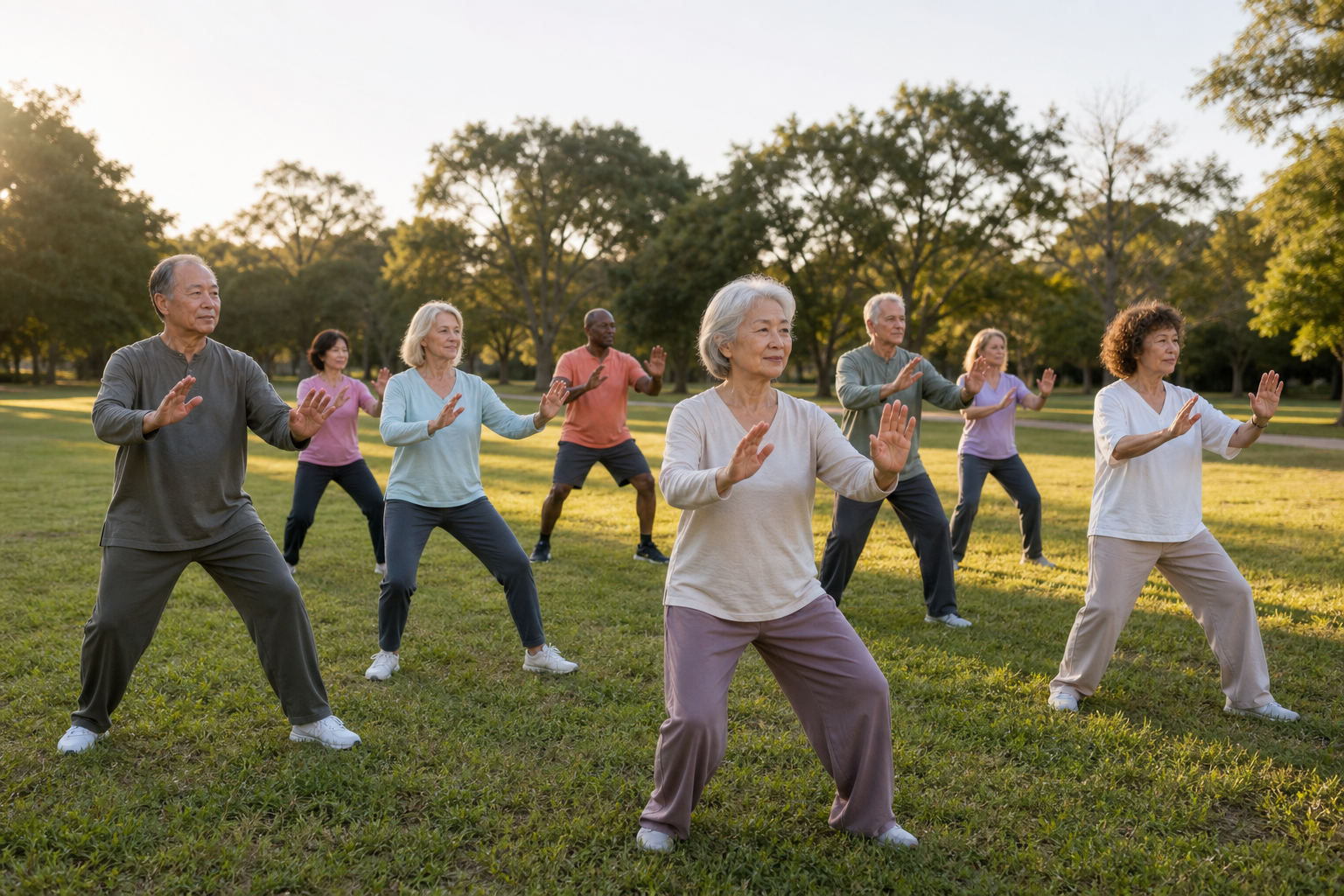
Takeaways: My Practical Advice (From Years in the Clinic)
If you want the highlights, here’s what I’d tell a friend or my own family:
- Tai chi is safe, research-backed, and surprisingly fun for arthritis and balance—yes, even if you’ve never exercised before.
- Start small. Don’t worry about perfect form. Progress comes from consistency, not complexity.
- If joint pain makes you hesitate, tools like the NEENCA Professional Knee Brace or Voltaren Arthritis Pain Gel can smooth over rough days so you don’t skip practice.
- Look for beginner or arthritis-friendly classes or programs. If you’re shy about groups, YouTube and streaming options are solid (but always check credentials).
- If you have advanced balance issues or frequent falls, check with your PT or doctor first. Sometimes, combining supervised tai chi with a structured home exercise guide—like Treat Your Own Knees—produces the best long-term results.
And above all? Don’t let fear of looking silly stop you. I’ve tripped/teetered/flapped my arms through plenty of sessions. The only real mistake is not trying.
Final Thoughts: Why Tai Chi Is Here to Stay
I wish I could bottle the smile I see when someone realizes they’re moving with less pain—or the moment a patient tells me they walked on grass again without worrying about a fall. Tai chi isn’t just another trend; it’s a practice that lets you reclaim a sense of control, confidence, and calm. The research backs it, but for me, the real proof is in the lives I see changed every week.
If you’re thinking about giving it a shot, I’d say this: be patient, be curious, and celebrate the small wins. Your joints—and your balance—will thank you.
— Dr. Sarah Mitchell, DPT
Senior Health Editor, JointReliefReviews.com