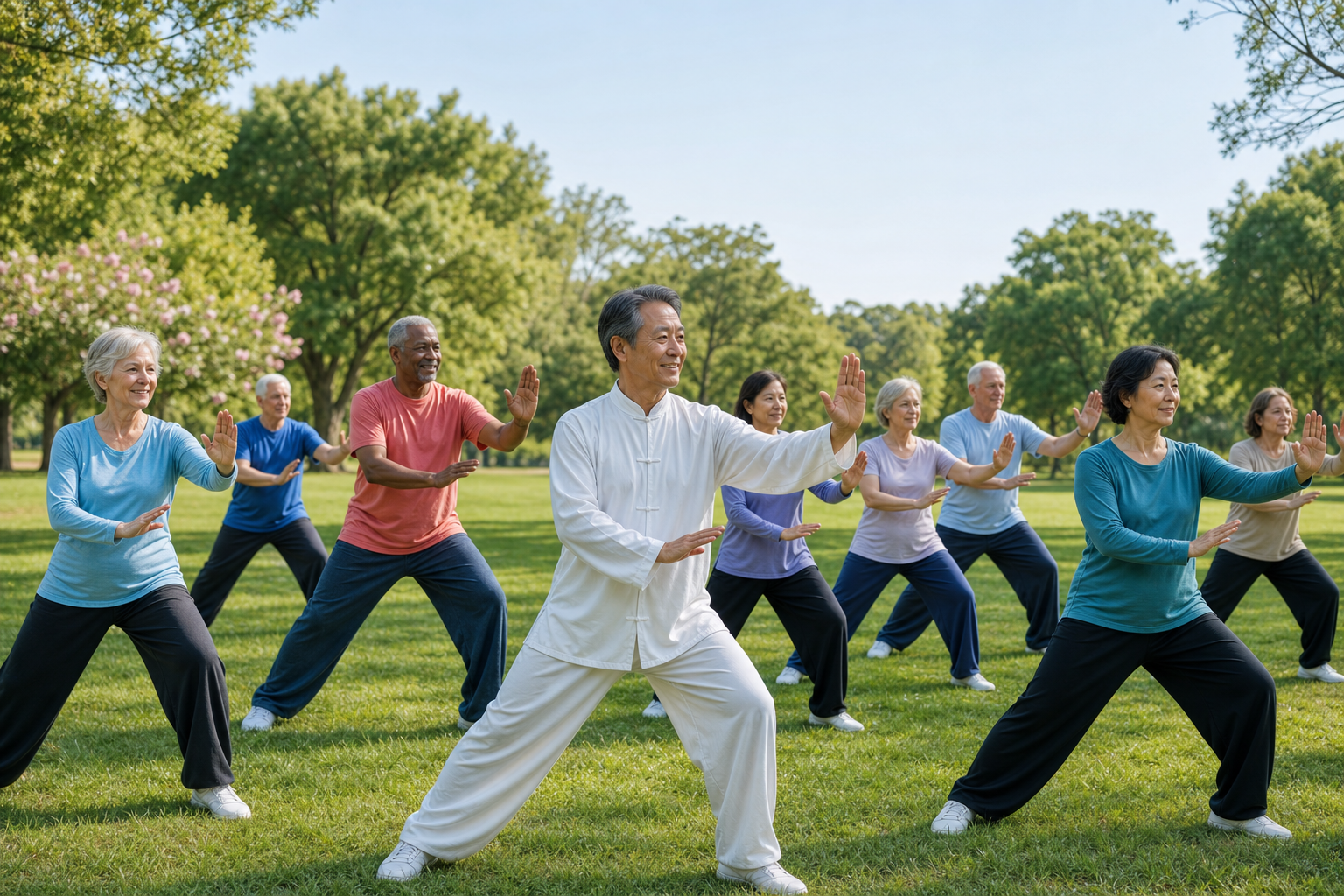
Tai Chi for Achy Joints and Wobbly Balance — More Than Just Ancient Wisdom?
I still remember my first run-in with tai chi. It wasn’t on some sun-dappled mountaintop (though wouldn’t that be nice?). No, it was in the rec center, wedged between chair yoga and water aerobics. A patient — 67, knee osteoarthritis, stubborn as they come — invited me to join her class. I’ll be honest: I was skeptical. Could something so slow and gentle really make a dent in joint pain or unsteady balance?
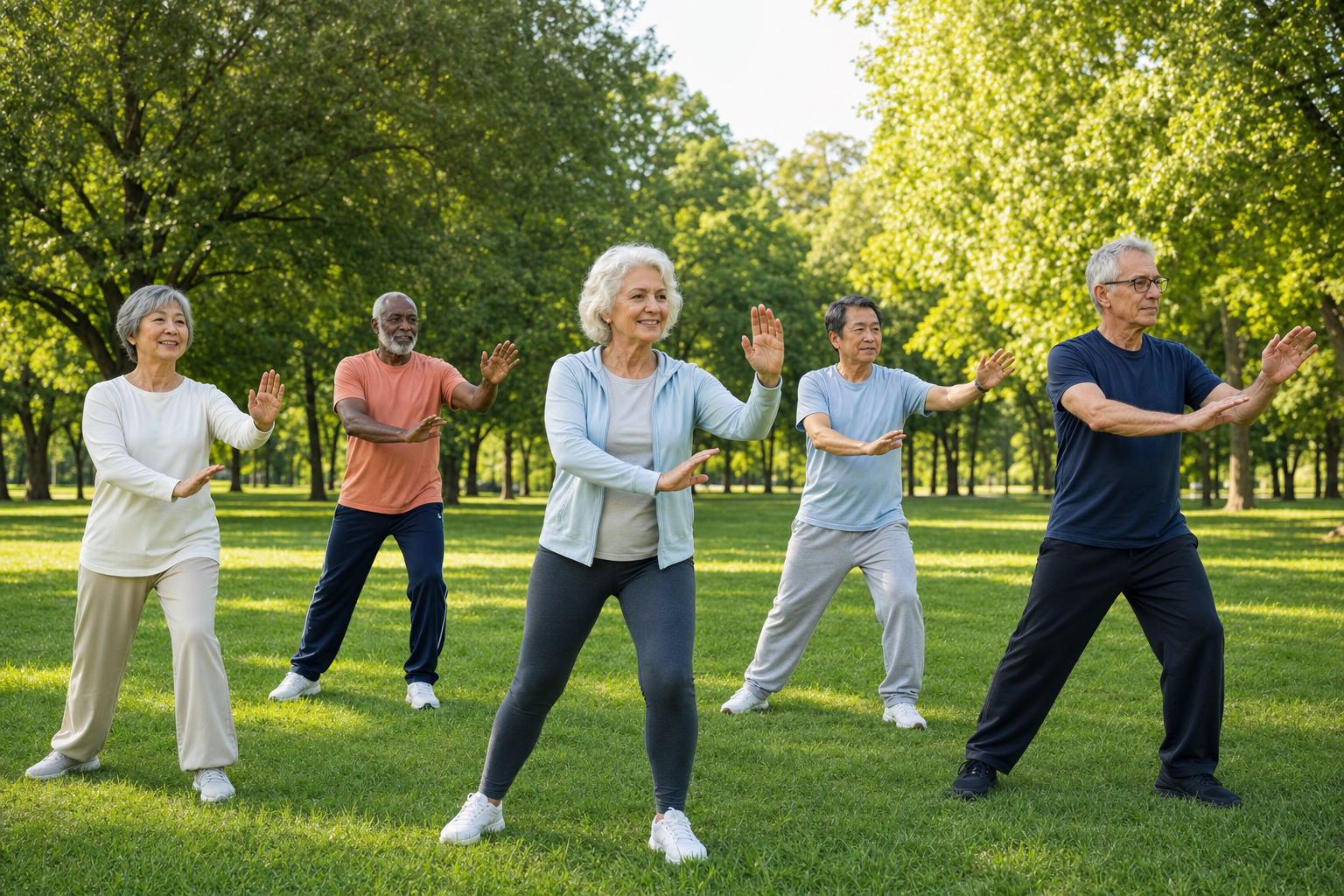
Turns out, I wasn’t just wrong — I was way wrong. Study after study has confirmed what practitioners have known for centuries: tai chi is a game-changer for arthritis and balance. And it’s not just about “feeling zen.” The clinical benefits are real, measurable, and (here’s the kicker) accessible to almost anyone, regardless of age or flexibility. You don’t need fancy shoes, you don’t need to be able to touch your toes, and you definitely don’t need to feel silly waving your arms around. Trust me: I’ve done it — and I recommend it to my own family.
Why Arthritis and Balance Problems Steal So Much Joy
If you’re reading this, I’m guessing you know the drill. Stiff knees that bark at you in the morning. Hips that snap, crackle, and pop when you stand up. Ankles that sometimes wobble for no reason, especially in the dark. Maybe you’ve already had a fall — a frightening, embarrassing moment that made you second-guess every step since.
The reality is unvarnished: arthritis and balance issues aren’t just about discomfort. They chip away at confidence, independence, and the simple joys of movement. The CDC estimates that 1 in 4 adults with arthritis report falling each year. If you’re nodding along, you’re not alone. Most folks think the answer is “take it easy,” but here’s the irony — gentle movement can often help more than rest. Enter: tai chi.
How Tai Chi Works (And Why Scientists Are Finally Paying Attention)
Let’s get past the stereotypes. Tai chi isn’t just “slow-motion karate” — it’s a centuries-old practice blending precise movements, deep breathing, and mindful focus. In China, it’s long been used not only for exercise but as medicine. Western researchers, at first, raised an eyebrow; now, they’re piling on with RCTs and meta-analyses faster than you can say “yang style.”
Here’s where it gets interesting. In 2016, the Annals of Internal Medicine published a head-to-head trial comparing tai chi with physical therapy for knee osteoarthritis. The results? Tai chi matched physical therapy for pain relief and function — and participants reported better mood and higher satisfaction. A 2020 meta-analysis in the Journal of Rheumatology found significant improvements in pain, stiffness, and physical function for people with knee OA practicing tai chi (compared to sedentary controls).
For balance, the evidence is even more compelling. One 2017 review in Arthritis Care & Research found that regular tai chi reduced fall risk by nearly 20% in older adults — even those with joint pain. That’s not marketing fluff; that’s hard data. The slow, controlled shifts in weight, the emphasis on posture, and the constant micro-adjustments all “train up” your nervous system in ways that classic exercise just doesn’t.
The Science Made Simple
- Joint-Friendly Movement: Tai chi puts minimal load on knees, hips, and ankles, making it safe for arthritic joints. The moves encourage gentle stretching — think mobility, not contortionist tricks.
- Balance Reboot: Every posture shift demands core activation and ankle stabilization. You’re constantly retraining the proprioceptors (those little sensors that tell your brain where your limbs are in space).
- Mood and Mindset: The breathwork, meditative focus, and rhythmic patterns can significantly reduce anxiety around movement — which, for anyone who’s taken a spill, is half the battle.
Of course, you should always run new exercise routines by your doctor first, especially if you have a heart condition, advanced arthritis, or any recent injuries. Safety isn’t just about not falling — it’s about building habits that fit your body’s reality.
What Does a Tai Chi Session Actually Involve?
I get questions like this at least once a week: “Do I have to wear robes? Is there bowing? Will I look silly?” Honestly, you can do tai chi in sweats and sneakers, in your living room, or on the back porch while your neighbors walk their dogs. Most community classes welcome total newbies, and there’s no such thing as “too old” or “too stiff.”
A classic session includes:
- Warm-Up: Gentle, joint-loosening movements — wrist rolls, ankle circles, shoulder shrugs. Often, these alone feel fantastic if you’re achy.
- Short Forms: These are sequences of postures (often with poetic names like “Wave Hands Like Clouds” or “Golden Rooster Stands on One Leg”) that flow together slowly. You’ll repeat, pause, breathe, reset. No rush, no pressure.
- Balance Challenges: Some forms specifically target single-leg stance, weight shifting, and turning — all crucial for fall prevention.
- Cool-Down: Deep breathing, gentle stretching, sometimes a moment of gratitude or meditation.
Most groups go 30-60 minutes. Online videos can be as short as 10-15 minutes. My advice? Start with whatever fits your attention span and comfort level, and build from there.
Real Results: What My Clients (and the Research) Say
I’ve seen patients go from stiff-legged shuffling to smooth, confident strides after 2-3 months of weekly classes. My favorite story? Frank, a 73-year-old who swore he’d “never do anything that looks like interpretive dance.” After three falls in one year, his daughter coaxed him into tai chi. By month four, not only had he stayed upright, his morning knee pain dropped from a 6/10 to a 2/10. He says he feels “less old.” That’s not a clinical term, but it’s one I’d put on a bumper sticker.
If you’re a data person, here are some numbers that might surprise you:
- Up to 36% reduction in arthritis pain after 12 weeks of tai chi practice (Rheumatology International, 2015)
- 25% reduction in fall rates among seniors practicing tai chi twice a week (BMJ Open, 2017)
- Improvements in walking speed, flexibility, and confidence across multiple randomized controlled trials
It’s not a miracle cure, but for a “gentle” exercise, the payback is real. The best part? Unlike some therapies, tai chi comes with virtually no downside — no medication side effects, no bruising, no post-exercise agony. (Warning: you might get relaxed enough to nap.)
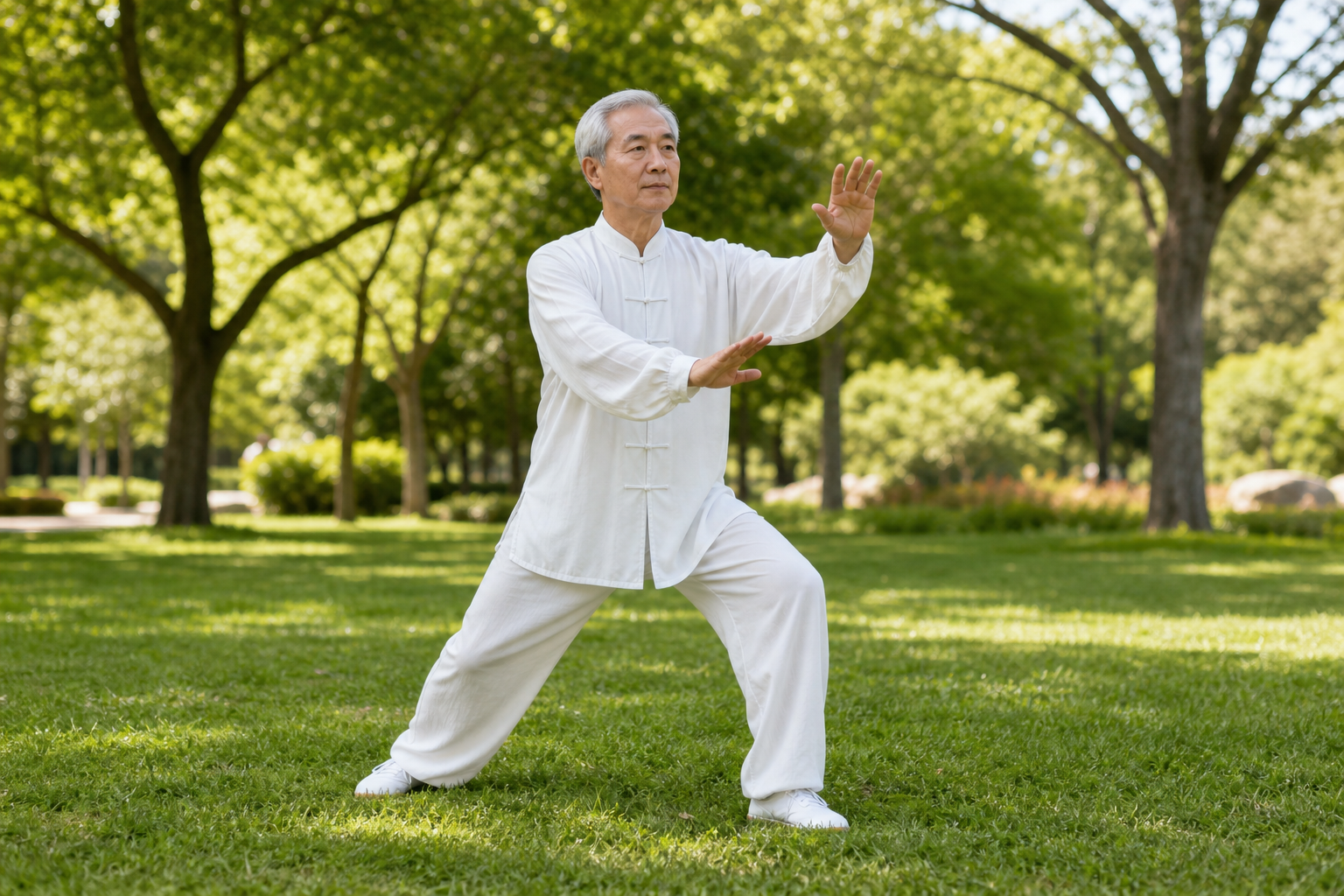
Building Your Own Tai Chi Habit — And Making It Stick
Here’s the honest truth: the biggest obstacle isn’t your knees or your balance. It’s consistency. I’ve seen folks get fired up for a week, then drop off when the novelty fades. The solution? Make it easy to start, and rewarding to continue.
Here are a few tricks that have worked for my patients (and for me):
- Find a class you like — not just one that’s “convenient,” but one where you actually enjoy the instructor. Personality matters.
- If in-person isn’t your jam, check out online options. YouTube has plenty, but I also point people to research-backed guides like Treat Your Own Knees by Jim Johnson. While it’s not strictly about tai chi, it includes simple, joint-friendly routines that pair beautifully with gentle movement.
- Set a trigger: morning coffee, after lunch, before bed. Attach tai chi to something you’re already doing — even five minutes counts.
- Recruit a friend or family member. Accountability (and a little shared laughter) goes a long way.
- Use supportive gear if needed. If you have knee instability, consider something like the NEENCA Professional Knee Brace for extra stability while you build strength. I’ve recommended it to patients who were nervous about single-leg stances — and they report feeling far less “wobbly.”
- Track your progress. Maybe it’s pain scores, step count, or “I made it up the stairs without grabbing the rail.” Any win counts.
Above all, don’t let the perfect be the enemy of the good. Even a little tai chi is better than none. And if pain is flaring (we all have those days), gentle heat with a pad like the Pure Enrichment PureRelief XL Heating Pad can take the edge off before you get moving. That combination — movement plus comfort — is often the spark people need.
My Honest Take: Is Tai Chi Enough for Arthritis and Balance?
Look, if someone told you, “Just do tai chi, and you’ll never need meds or a walker,” I’d call that wishful thinking. But as part of a bigger toolkit? I fully believe tai chi deserves top billing — right up there with physical therapy, anti-inflammatory routines, and smart joint supports. What gets underestimated is the confidence it builds. That, more than any one “stretch,” is what keeps people moving — and moving safely — for years.
Most articles won’t tell you this, but it’s not just about the physical gains. It’s about getting back a sense of agency over your body. That’s what matters. And if a handful of slow, graceful movements can do that — well, why not give it a fair shot?
Comparisons: How Does Tai Chi Stack Up to Other Arthritis Exercises?
Here’s a question I get at least once a month: “Why not just walk? Or do chair yoga?” Fair enough. Walking is fantastic for cardiovascular health and weight control. Chair yoga is unbeatable for accessibility, especially if your balance is severely limited. But tai chi offers a few unique perks:
- Sustained, mindful balance training: Unlike walking (which is mostly linear), tai chi challenges stability in all directions, on one and two legs, with constant weight shifts.
- Joint adaptability: The forms can be modified for nearly any arthritis severity. I’ve seen folks do tai chi from a chair, standing, or even leaning against a countertop at first.
- Mental relaxation: Tai chi’s meditative flow can lower cortisol and fight “pain catastrophizing” — the spiral of anxiety that makes pain feel worse.
Biking, swimming, and Pilates each have their place, too. The real secret isn’t which activity is “best,” but which one you’ll stick with. And on that front, tai chi’s social, gentle, and rewarding nature gives it a clear edge for many arthritis sufferers.
Quick FAQ: What People Ask Me About Tai Chi for Arthritis and Balance
- How often do I need to practice? Research says 2-3 times per week is enough for joint and balance benefits. Even 10-20 minutes per session adds up.
- Is it safe if I’ve already had a fall? Usually, yes — but talk to your doctor or physical therapist. Some movements can be adapted to be chair-based or supported if needed.
- Do I need a teacher, or can I just watch YouTube? Beginners benefit from hands-on guidance, but high-quality video programs can absolutely work. Just skip anything that looks acrobatic or pain-inducing.
- Will it help with other symptoms (like fatigue or mood)? Absolutely. Multiple studies show tai chi can improve sleep, reduce depression scores, and boost day-to-day energy — all of which reinforce balance and joint health.
Final Takeaways: What Would I Tell a Friend?
If you’re frustrated, sore, or just plain tired of being told to “do more exercise,” tai chi is worth a real shot. It’s forgiving for joints, powerful for balance, and — in my experience — surprisingly uplifting for mood and self-confidence. Most of my patients try it once “just to humor me” and end up sticking around for months. The hardest part is just starting. And I’ll say it (again): check with your physician or physical therapist before launching into any new exercise, especially if you have complex medical needs.
Don’t expect overnight miracles. But give it a fair 4-6 weeks, and track how you feel — mobility, pain, steadiness, sleep, mood. If you find a class or guide you like, latch onto it. If a supportive knee brace or a little pre-movement heat helps you get started, that’s not cheating — that’s being smart.
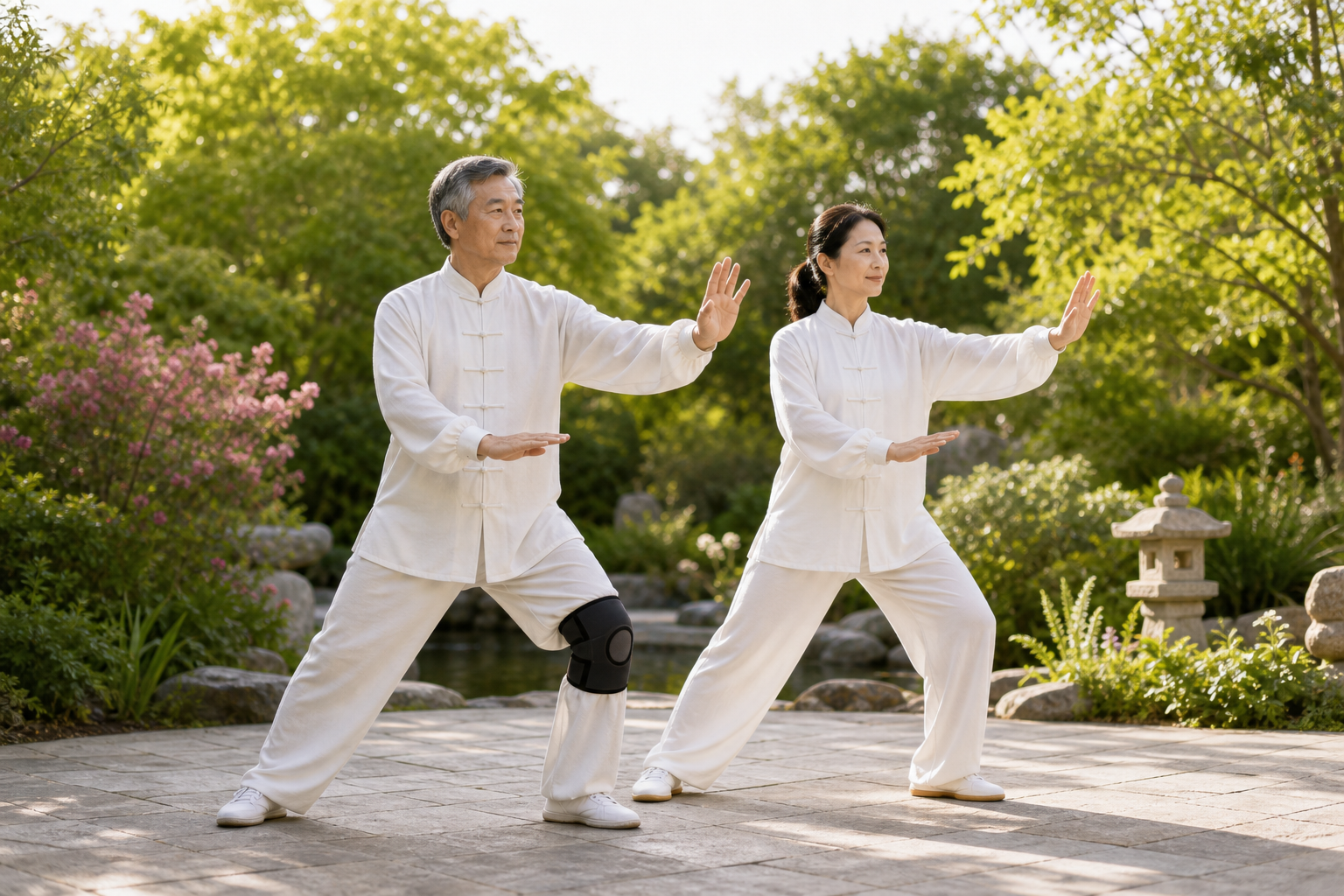
Most importantly: don’t let embarrassment keep you from trying. The world could use a little more slow, mindful movement — especially for those of us with creaky joints and a healthy dose of skepticism. If you have a tai chi story (success or struggle), I’d genuinely love to hear about it. Sometimes, what we need most is just a little encouragement and a sensible place to begin.
Warm regards (and strong knees),
Dr. Michael Torres, DC
Licensed Chiropractor & Certified Nutrition Counselor
JointReliefReviews.com