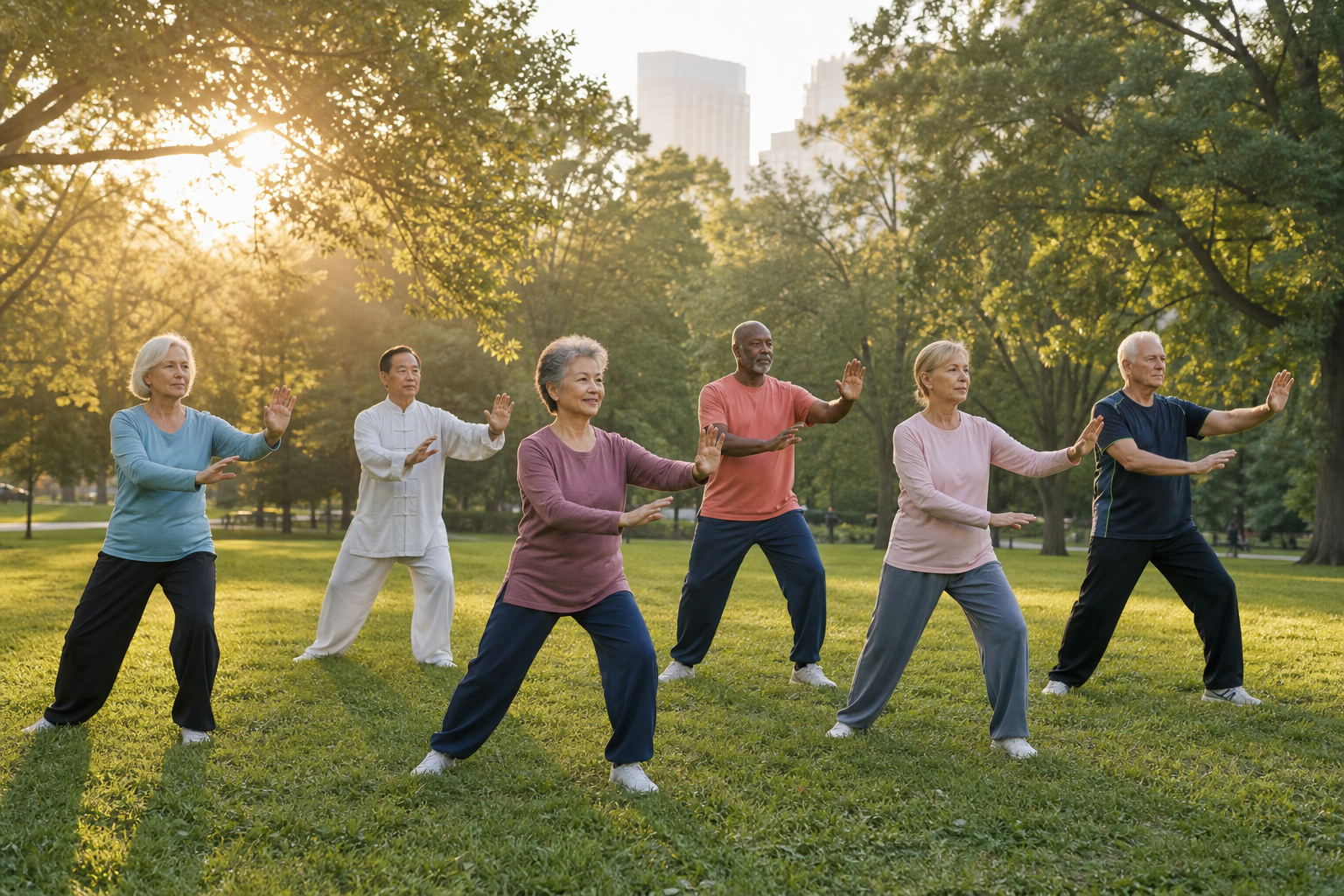
Tai Chi Benefits for Arthritis and Balance: Here’s the Real Story
I’ll never forget the day one of my regulars—let’s call her Dolores—walked into my office with a huge grin. She’d suffered with knee arthritis for years, the kind that wakes you up at 3am and makes every staircase a mini Everest. But that day, she didn’t need my arm to steady herself. The reason? Tai chi class, twice a week for three months. She told me, “Doc, it’s slow, it looks goofy, but I’m not scared of falling anymore.”
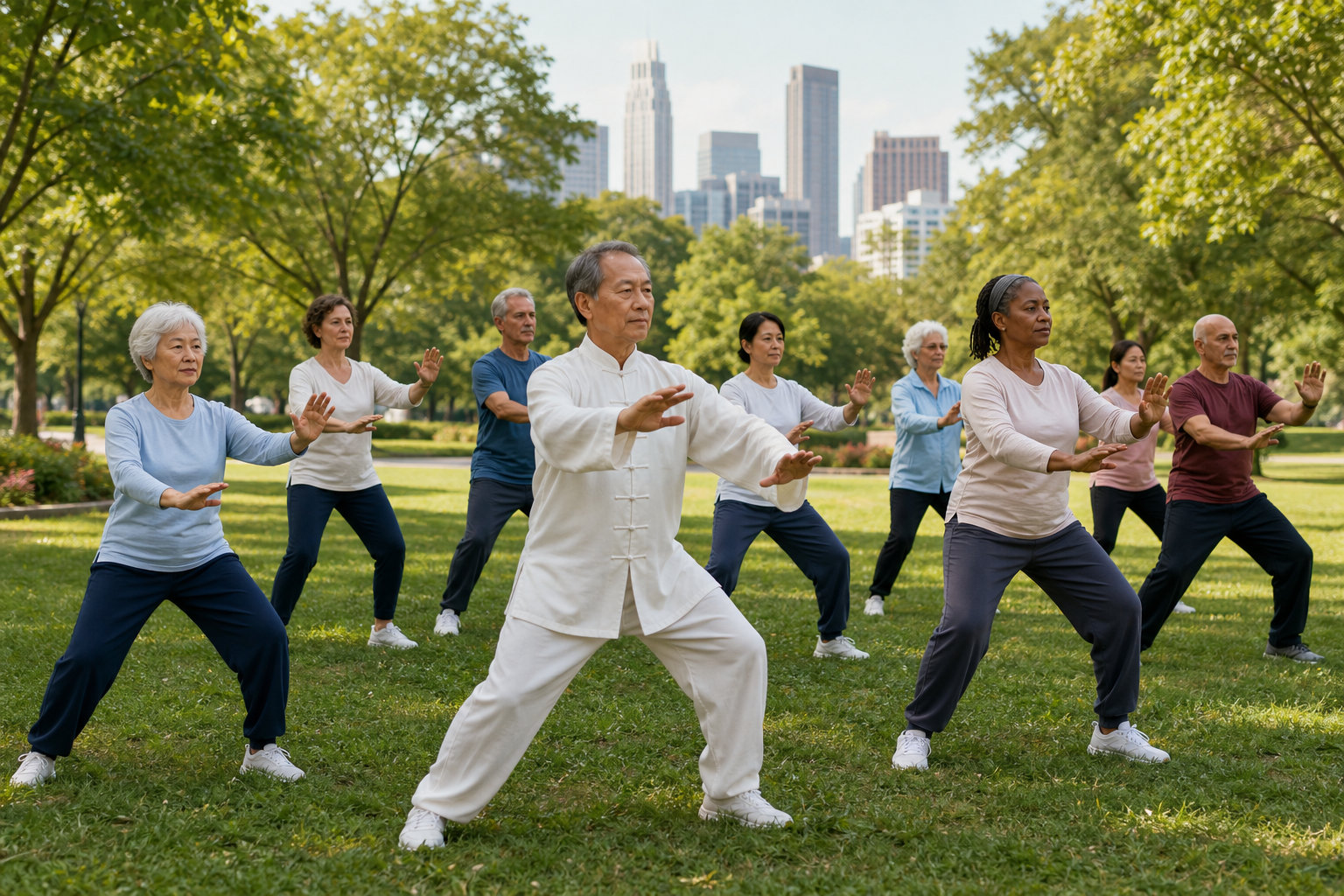
Why Do So Many of Us Feel Unsteady—and Achy?
If you’re nodding along, you’re not alone. Arthritis and balance issues are a brutal duo. According to the CDC, over 58 million Americans have arthritis (that’s 1 in 4 adults). For many, that means pain, stiffness, and the frustrating feeling that your own legs just can’t be trusted. I see it every week in my clinic. It’s not just the ache in your knees or hips; it’s the creeping fear of tripping on a stray rug, or wincing with every step. Sometimes, it’s even avoiding activities you love—gardening, walking the dog, or dancing at your granddaughter’s wedding—because you never know when things will “give out.”
And for those who deal with both arthritis and balance problems? The risk of falls, fractures, and losing your independence rises. Not to mention the constant undertow of anxiety. As a chiropractor and nutrition counselor, I’ve learned it’s not just about pain—quality of life is on the line.
Tai Chi: What Is It—And Why Are So Many Doctors Recommending It?
Let me be totally honest: I used to be skeptical. All those slow-motion moves and flowing postures? Looked a bit like interpretive dance at first. But here’s where it gets interesting. Tai chi isn’t just a fitness fad—it’s a centuries-old practice combining gentle movement, breathing, and mindfulness. The National Institutes of Health (NIH) calls it “meditation in motion,” and major organizations like the Arthritis Foundation and Mayo Clinic now list it as a legit therapy for joint pain and balance problems.
Tai chi is low-impact (no jumping, no sudden pivots, no pounding the pavement). Movements are controlled and deliberate, shifting your weight from leg to leg, improving body awareness, and encouraging you to move in ways that protect your joints. In other words, it’s about working smarter, not harder. And that’s exactly what most folks with arthritis and balance troubles need.
What the Research Actually Says: Tai Chi for Arthritis and Balance
Let’s get into the science (I promise, no jargon headaches). In 2020, a mega-review in the Annals of Internal Medicine looked at dozens of tai chi studies for knee and hip osteoarthritis. The kicker? Tai chi consistently reduced pain and improved physical function—sometimes just as much as (or better than) physical therapy sessions. Another 2019 trial in Arthritis & Rheumatology found tai chi was just as effective as traditional physiotherapy for knee arthritis over 12 weeks.
But what about balance? Here’s the thing: Balance isn’t just “muscle strength” or “good reflexes”—it’s a symphony involving your joints, inner ear, vision, and even your confidence. Tai chi ticks all those boxes. A 2017 randomized trial in the Journal of the American Geriatrics Society showed seniors who did tai chi twice weekly cut their fall risk by 58% over 6 months, compared to those doing stretching or basic exercise. That’s not small potatoes.
And it’s not just the elderly. I’ve seen guys in their 40s—construction workers, former athletes—benefit after ankle injuries or post-surgery, because tai chi is so adaptable.
How Does Tai Chi Actually Help Your Joints?
Here’s where the science meets common sense. Tai chi movements are slow and controlled, so you’re never “whipping” your joints around. That gives synovial fluid—the lubricant in your knees and hips—a chance to circulate without aggravating inflammation. There’s also evidence tai chi improves proprioception (your brain’s ability to sense where your body is in space), which is crucial for balance and avoiding falls—especially with arthritis, which can dull nerve signals.
And the mental side? Don’t underestimate it. Anxiety and chronic pain are old friends. Tai chi’s mindful breathing techniques help lower stress hormones (cortisol, adrenaline), which can amplify pain. Three separate studies in the BMJ between 2016 and 2021 linked tai chi training to improvements in mood, sleep, and overall quality of life for folks managing joint pain. Not bad for 15-30 minutes a day.
Want to Try Tai Chi? Here’s What Actually Matters
Look, I tell my patients: You don’t need fancy gear, flexible joints, or a background in martial arts. But you do need patience and consistency. I usually recommend:
- Start slow: Even 5-10 minutes a day is better than nothing. Many beginner videos online are joint-friendly.
- Find a class if you can: In-person or Zoom, having a real teacher helps with form and motivation. Ask about arthritis-adapted or “beginner” classes.
- Wear comfortable clothes: No tight jeans or heavy shoes. Flat-soled sneakers or barefoot on cushioned flooring works well.
- Check with your doctor or physical therapist: Especially if you have a history of falls, recent surgery, or severe pain. Tai chi is safe for most, but personalized tweaks matter—it’s not a cure-all.
(Quick story: My mother-in-law was convinced she’d “fall over like a tree” her first session. Instead, she found herself actually laughing—her teacher had everyone picture “moving through peanut butter,” not air. It made things click.)
Not Ready for a Group Class? Try Guided Resources at Home
Honestly, the commitment is the hardest part for most people, especially if you’re dealing with chronic pain. That’s why I sometimes recommend books with step-by-step routines. One that stands out—because it’s practical, doable, and doesn’t require gymnastics-level flexibility—is Treat Your Own Knees by Jim Johnson, PT. It’s not just about tai chi, but the gentle exercises inside are tailor-made for stiff, achy joints. Plus, the illustrations are so clear even my “I hate books” patients can follow along. For under $15, it’s a risk-free way to get started at home.
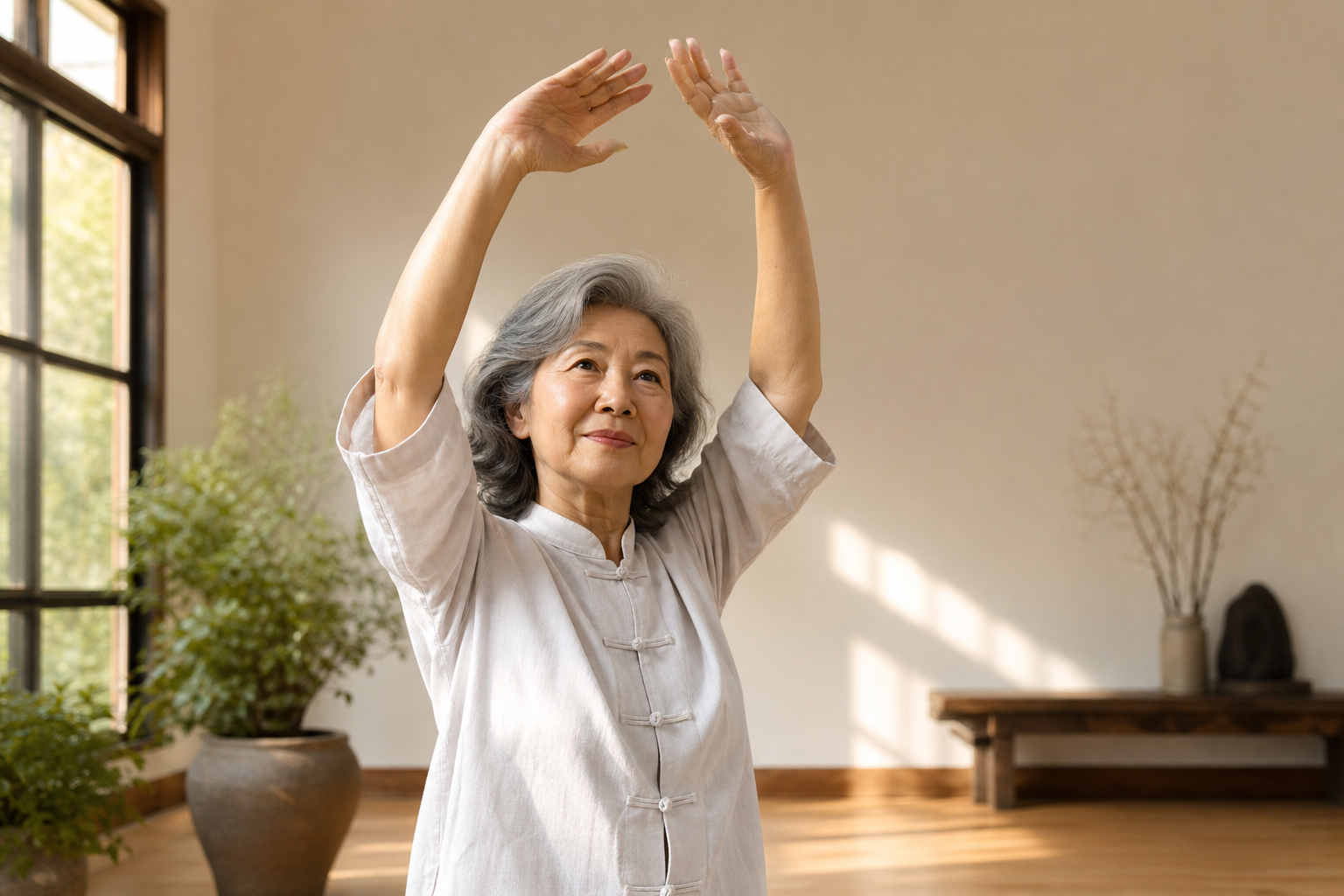
Tai Chi vs. Traditional Exercise: Why It’s Different (and Sometimes Better)
This is where I get a little pushback. Some folks think, “It’s just slow walking with jazz hands.” Not quite. Unlike treadmill walking or cycling, tai chi improves what physical therapists call “dynamic balance”—your ability to control your body during movement, not just while standing still. That’s the real-world benefit: navigating uneven sidewalks, slippery bathroom tiles, or reaching into a high cabinet without feeling off-kilter.
And tai chi is sneaky-good at building leg strength, especially the smaller stabilizer muscles most gym routines miss. A 2019 review in the Journal of Rheumatology found that even basic tai chi forms increased quadriceps strength and knee flexibility after just 8 weeks. You won’t bulk up, but you might find yourself getting out of bed or up from a chair with a lot less drama.
Pairing Tai Chi with Smart Pain Relief
Let’s be honest: Some days, even the thought of gentle movement can feel impossible. That’s when I turn to practical pain relief strategies to “open the door” to activity. A staple in my own household and clinic is Voltaren Arthritis Pain Gel. The active ingredient, diclofenac sodium, is FDA-approved (and it really does work for both hand and knee arthritis). I use it for temporary relief before tai chi sessions—a little goes a long way, and it’s non-greasy. Don’t expect magic, but if you need to “take the edge off” to get moving, this beats popping another pill. Of course, talk to your doctor or pharmacist before adding new products to your routine, especially if you take other meds.
What About Falls? Tai Chi’s Secret Advantage
Here’s the uncomfortable truth: Falls send over 3 million older Americans to the ER every year, often with life-changing consequences. Tai chi’s unique benefit is how it “rewires” your reflexes. By practicing weight shifts, controlled pivots, and mindful stepping, you’re teaching your brain and body to react more nimbly if you start to stumble. In my experience, this kind of “balance intelligence” is the best insurance policy against falls—way more than fancy walkers or rubber-soled shoes.
Plus, tai chi classes are safe spaces. You’re encouraged (even applauded!) to move at your own pace. That confidence translates into everyday life. I had one gentleman, 78 years young, who told me, “For the first time in a decade, I stopped hugging the handrail.” Honestly, that’s the stuff that matters.
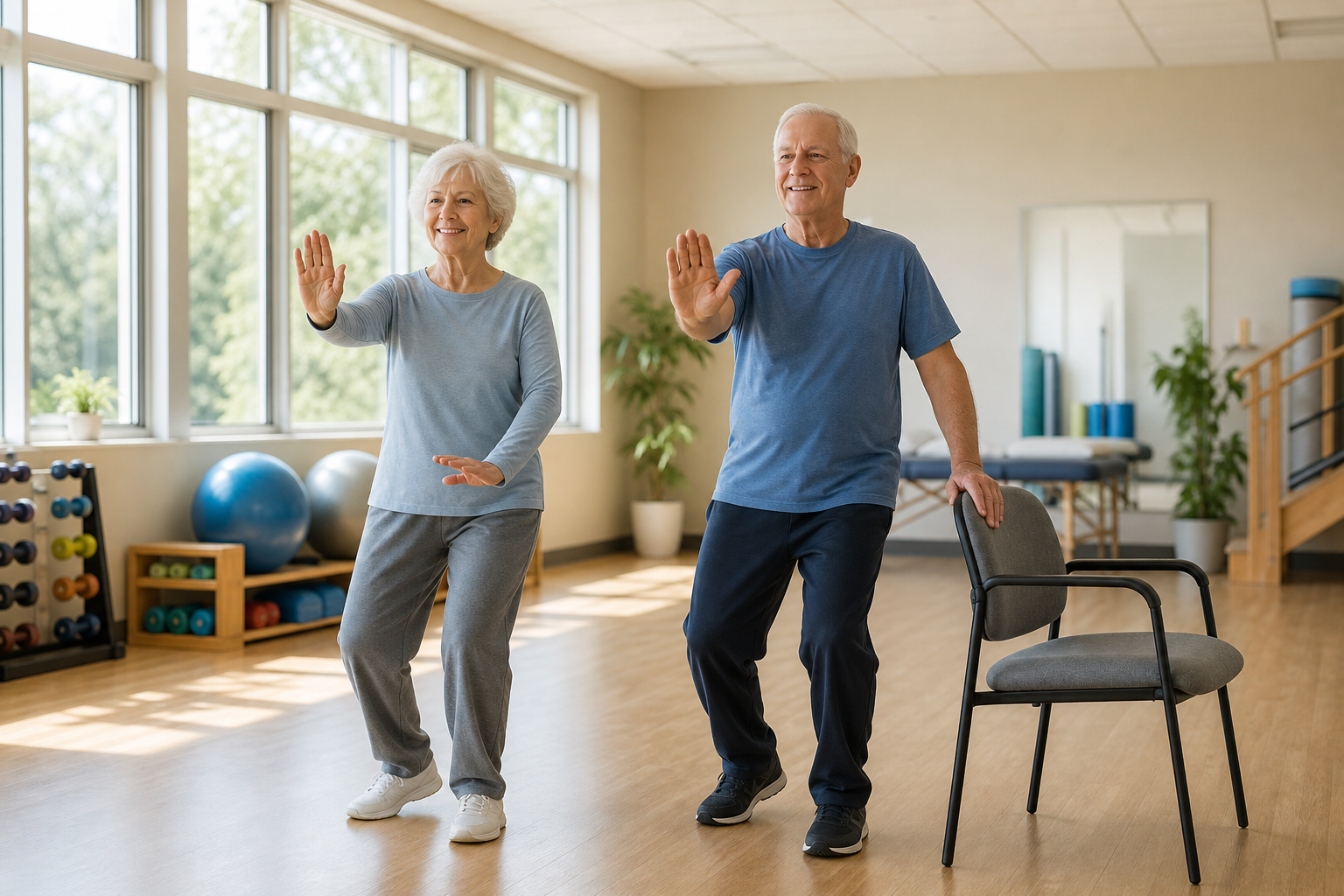
Can Tai Chi Help All Types of Arthritis?
This is where the conversation gets nuanced. Most research focuses on osteoarthritis (wear-and-tear arthritis), especially in the knees and hips. But small studies also suggest tai chi can help with rheumatoid arthritis and other inflammatory types—primarily by easing stiffness and improving mood. It won’t reverse joint damage, but for many, it makes the journey a little more comfortable.
Of course, tai chi isn’t a substitute for medical treatment. If you struggle with severe pain, joint instability, or rapid swelling, see your rheumatologist or orthopedist. Sometimes, a tailored knee brace—like the NEENCA Professional Knee Brace—can provide the added stability you need for both everyday activity and tai chi. I like NEENCA because it combines medical-grade support with flexibility; the patella gel pad takes pressure off the knee, and the adjustable straps mean it doesn’t migrate down your leg mid-class (a common complaint with cheaper braces).
Will You See Results? (And How Long Does It Take?)
I wish I could snap my fingers and promise instant relief. Realistically, most people notice changes in pain and balance within 4-8 weeks of regular practice—aim for 2-3 sessions per week, 20-30 minutes at a time. Some see benefits sooner; others need a few months. What matters is sticking with it, celebrating little wins (like walking to the mailbox with confidence), and adapting as you go.
And yes, “sticking with it” is the hard part. That’s why I recommend setting reminders, making it a social activity, or picking up a resource like Treat Your Own Knees to keep things fresh. Remember, missing a day isn’t failure—it’s just life. Get back in the groove as soon as you can.
Key Takeaways: Tai Chi for Arthritis and Balance
- Tai chi is gentle on joints but powerful for reducing arthritis pain and improving balance.
- Research consistently supports its benefits—sometimes matching or exceeding standard physical therapy.
- Start slow, use pain relief tools like Voltaren Gel on bad days, and consider a knee brace like NEENCA for extra support if needed.
- Consistency beats intensity every time. Just keep moving, however imperfectly.
- Talk to your healthcare provider before starting if you have other health concerns or major mobility issues.
So, Should You Try Tai Chi?
I’ll leave you with this: I’ve seen tai chi give people their confidence—and fun—back. It’s not about becoming a kung fu master. It’s about waking up with less pain, moving a little easier, and not living in fear of the next misstep. If you’re curious, give it a go. Maybe bring a friend, or start with a YouTube video in your living room. And if you need a nudge, those first small improvements (less stiffness, steadier steps) are often all the motivation you’ll need to keep going.
If you have questions—or a tai chi success story—send me a note. I love hearing what works (and what doesn’t) in the real world.
—Dr. Michael Torres, DC
Chiropractor & Certified Nutrition Counselor
JointReliefReviews.com