Low Impact Exercises for Seniors with Arthritis: Real Relief Without the Risk
Three years ago, a patient named Carol (72, retired teacher, forever gardener) looked up at me and asked, “Is it true that every step I take now just wears out my knees faster?” She winced as she said it—fearful and frustrated. I hear versions of that question every single week in my clinic. And the answer, thankfully, is a resounding NO. But if you’re living with arthritis, every move can feel like a risk. That’s why picking the right types of exercise—low impact, gentle, and joint-friendly—makes all the difference.

Why Low Impact Really Matters When You Have Arthritis
Arthritis isn’t just a little stiffness in the morning. It’s pain, swelling, and a nagging sense that your joints are plotting against you. The CDC estimates over 58 million Americans live with some form of arthritis. If you’re reading this, I’d wager you already know the drill: stairs become Everest, grocery bags feel heavier, and your favorite tennis game is a bittersweet memory.
But—and this is crucial—complete rest is not the answer. In fact, several major studies (see: Arthritis & Rheumatology, 2021) show that gentle, consistent movement actually helps reduce joint pain, improves function, and slows progression of osteoarthritis. The trick is avoiding high-impact activities (think: jogging, jumping, or anything that leaves your joints throbbing after).
Low impact doesn’t mean “no intensity” or “boring,” by the way. Ask my mother-in-law, who still swears by her water aerobics classes at 79. It just means you’re working with your body, not against it.
What Exactly Is a Low Impact Exercise?
Simply put, low impact exercises are movements that minimize the force transmitted through your joints. That’s why these activities are gold for seniors with arthritis. They allow you to build strength and flexibility without grinding sensitive cartilage or stressing already-inflamed areas.
Common low impact moves include:
- Walking (especially on soft surfaces or tracks)
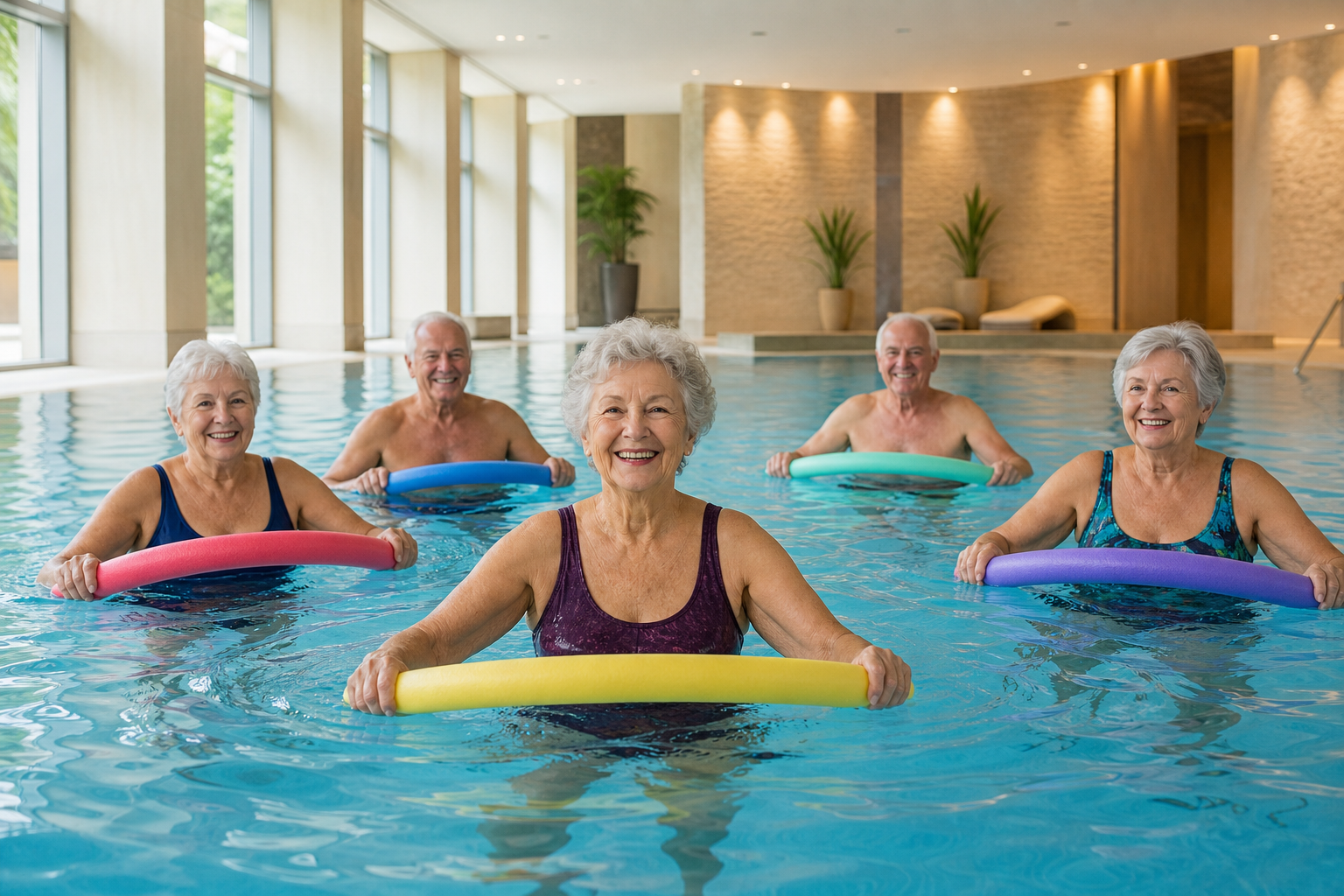
- Swimming/water aerobics (the buoyancy is a game-changer)
- Stationary cycling
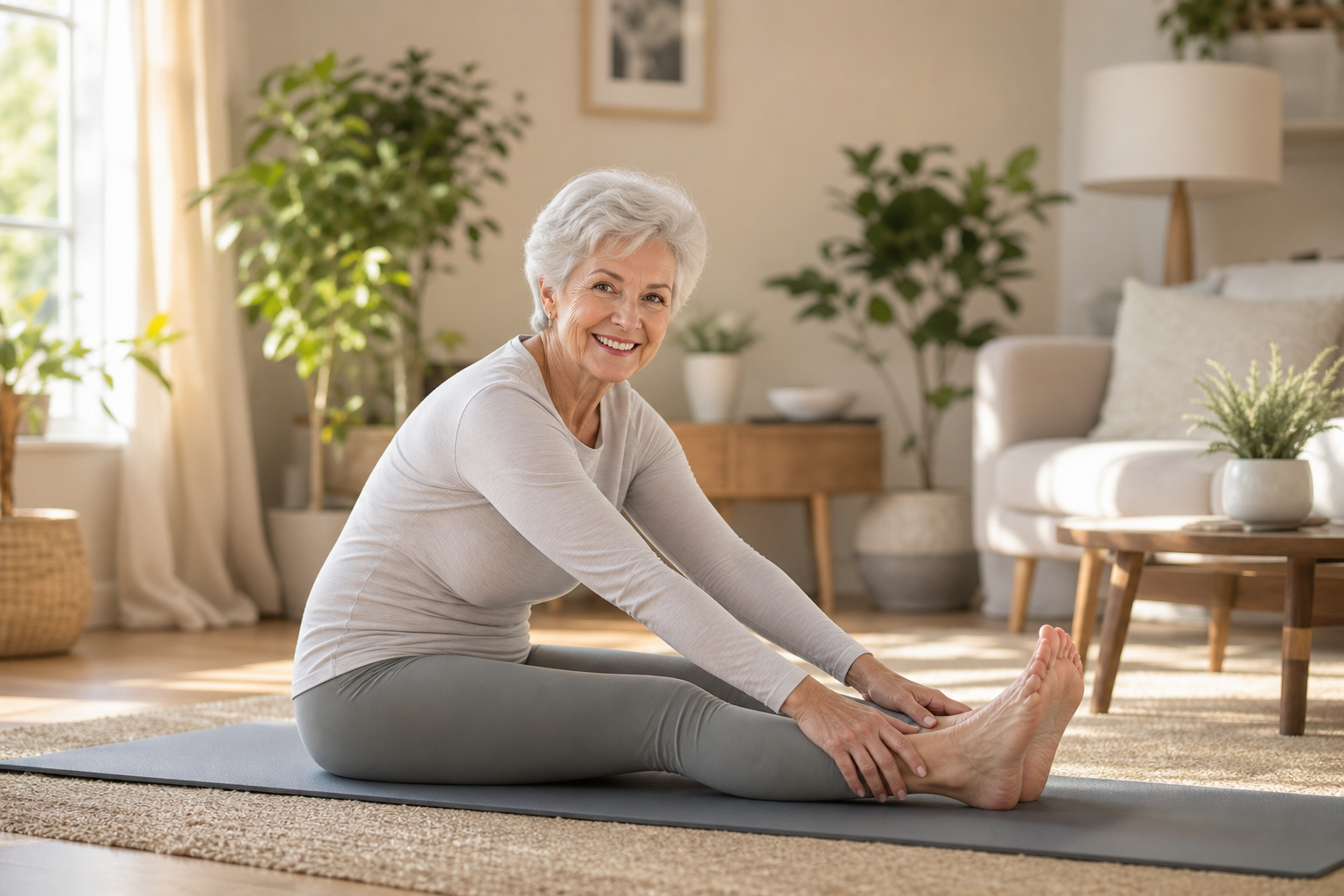
- Chair yoga and stretching
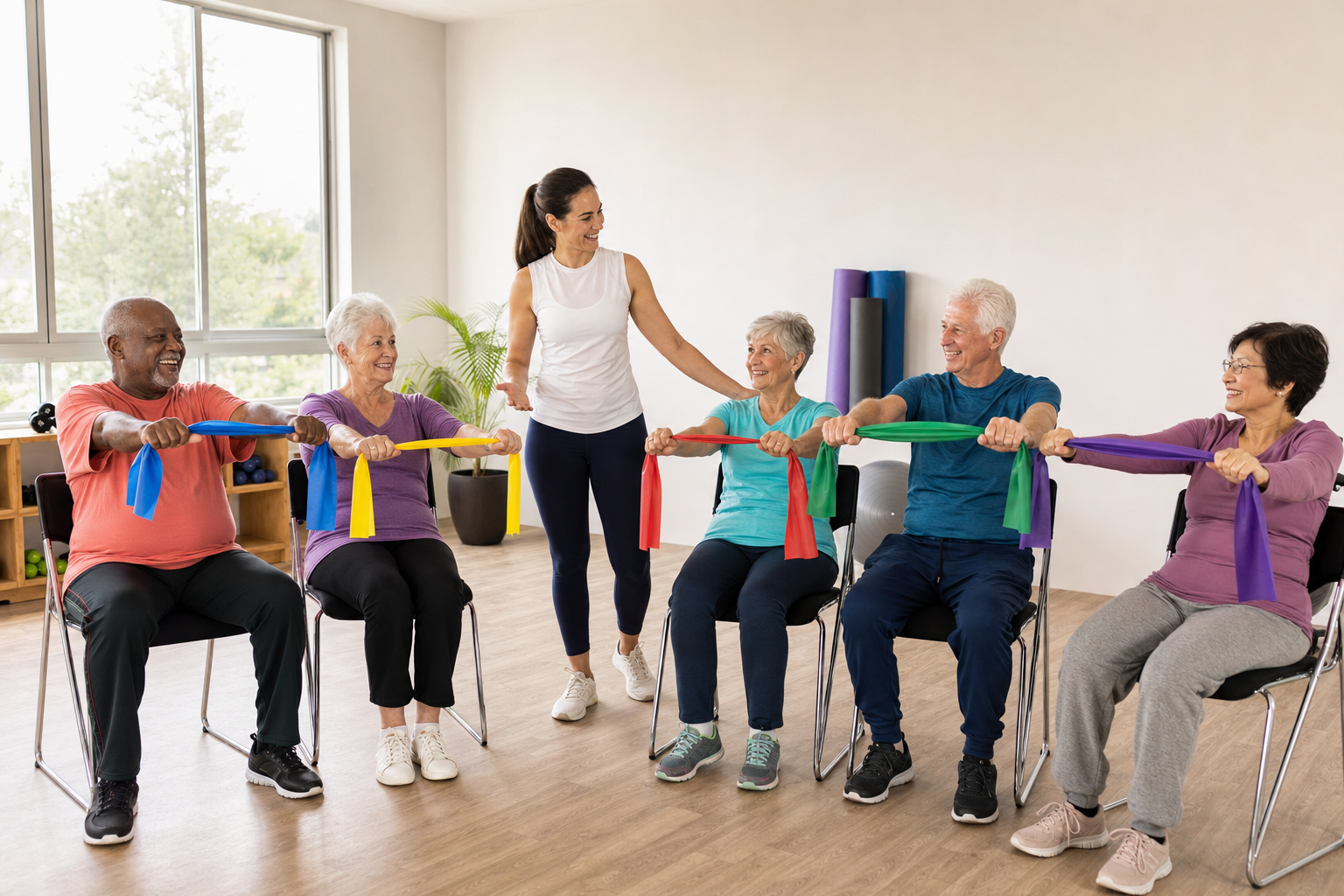
- Light resistance band training
- Gentle Pilates
Here’s the thing: not all exercises—even “gentle” ones—will suit every arthritic joint. I’ve seen patients thrive with walking, while others find an elliptical machine triggers their knee pain. The goal is always comfort, safety, and listening to your body (not just your inner drill sergeant!).
How Arthritis Affects Your Exercise Choices
If you’re nodding along, you’re not alone. Arthritis, whether osteoarthritis or rheumatoid, brings a frustrating double-bind: you need movement to keep joints lubricated and muscles strong, but movement can also trigger pain if you pick the wrong type or intensity.
The best low impact exercises for seniors with arthritis share three things:
- Minimal weight-bearing (less pounding on hips, knees, ankles)
- Controlled range of motion
- Adaptability (easy to scale up or down day to day)
And look, everyone’s arthritis is a little different. What worked for your neighbor’s hips might not fly with your cranky shoulders. That’s why I suggest starting slow and keeping a simple movement log (even a sticky note will do). You’d be surprised how quickly you’ll spot patterns—"Mondays after water aerobics, I sleep better. After walks over 20 minutes, my right knee yells at me." That’s real-world data you can use.
Top Low Impact Exercises I Recommend for My Senior Patients
Now let’s get specific. Here are the routines and movements I’ve seen work best, both in the research and in my own practice:
1. Walking (Soft Surfaces, Steady Pace)
It sounds basic, but walking is probably the single best low impact exercise for most seniors. A 2019 meta-analysis in the Journal of Orthopaedic & Sports Physical Therapy found that people with knee osteoarthritis who walked at least 150 minutes a week reported significantly less pain and improved mobility over three months. The key? Avoid concrete. Go for grass, a level track, or even treadmill walking if you prefer controlled conditions.
If you need extra support, a medical-grade knee brace can make a real difference. My patients who use the NEENCA Professional Knee Brace tell me they feel steadier and recover faster after walks—especially those with mild-to-moderate arthritis. (And yes, I’ve tested it myself after a winter slip left me limping—works as advertised.)
2. Water Exercise (Swimming, Aqua Jogging, Water Aerobics)
Look, if you have access to a pool, use it. Water supports your body weight, slashes joint stress, and provides gentle resistance for muscle building. Multiple studies (including a 2020 paper in BMJ Open Sport & Exercise Medicine) show significant improvements in pain, strength, and flexibility after as little as eight weeks of aquatic exercise programs for seniors with arthritis.
Not a swimmer? No problem. Even simple noodle-supported walking or gentle flutter kicks can pump synovial fluid into your joints—nature’s own lubricant.
3. Chair-Based Exercises
On days when standing feels risky, chair exercises shine. I’m talking about seated marches, gentle arm circles, seated leg extensions, or even modified yoga stretches. The secret is consistency over intensity. I often recommend Jim Johnson’s excellent book, Treat Your Own Knees. He breaks down do-able home routines—think 10 minutes a day, not hour-long marathons. My favorite bit: his diagrams are so clear, even my 80-year-old dad found them easy to follow (and he’s usually allergic to exercise guides).
4. Resistance Band Work
Lightweight, affordable, and surprisingly effective. Resistance bands let you build muscle without picking up heavy weights or risking a fall. Focus on slow, controlled movements: bicep curls, shoulder presses, side leg lifts—all from a standing position or seated if you’re unsteady. I usually start my older patients with the lightest band, and we progress as tolerated. Strengthening the muscles around your joints is one of the few ways to actually reduce load on arthritic areas long-term.
5. Gentle Range-of-Motion Stretches
Think neck tilts, ankle circles, wrist rolls, and gentle trunk rotations. The Arthritis Foundation (and my own experience) both agree: daily ROM exercises keep joints lubricated and help prevent “morning freeze.” Even five minutes a day can make a difference over a few weeks.
How to Exercise Safely With Arthritis—My Top Tips
I know, sometimes advice from doctors or magazines just feels impossible. “Just move more!” is close to useless if your knees ache after a single flight of stairs. But after seeing hundreds of seniors over the years, here’s what actually works:
- Start with a warm-up: Even five minutes of slow walking or gentle stretches can get your joint fluid moving. This preps your body for any activity.
- Listen to pain—but don’t fear it: Mild discomfort is okay. Sharp pain is your stop sign. On flare-up days, swap in lighter or shorter routines.
- Support your joints as needed: Braces, compression sleeves, or heating pads can help you feel more comfortable pre- or post-exercise. On days with more stiffness, I often suggest using a heating pad before stretching. The Pure Enrichment PureRelief XL Heating Pad is a clinic favorite—the moist heat option penetrates deeper, which my older patients swear by for early morning stiffness.
- Build up gradually: 5–10 minutes is a win. Add a few minutes each week, not each day.
- Check in with your doctor or physical therapist: Especially before starting new routines, or if you have heart/lung issues, severe arthritis, or recent joint replacements. (Seriously, get professional clearance if you’re not sure. Safety first.)
What About Medication or Supplements?
I’m a big fan of movement as medicine, but let’s be realistic—sometimes, joints need extra backup. Topical NSAIDs like Voltaren gel can help take the edge off before or after exercise, but always ask your doc if it’s right for you, especially if you’re on blood thinners or have skin sensitivities. And be wary of “miracle” joint supplements—most don’t live up to the hype. (I could write a whole separate rant on glucosamine and chondroitin, but I’ll spare you—short version: some people benefit, most don’t, and results take months if at all. Save your money for a good heating pad or a quality knee brace.)
How Do Low Impact Exercises Actually Help Your Arthritis?
Here’s where it gets interesting. The science behind low impact exercises isn’t just theoretical. When you move, even gently, you:
- Increase synovial fluid flow, which lubricates joints (like WD-40 but for your body)
- Strengthen surrounding muscles, reducing pressure on vulnerable cartilage
- Boost circulation, helping remove inflammatory waste products
- Trigger endorphins—your body’s natural painkillers
- Improve balance and coordination, lowering your risk of falls
One of my favorite studies (Arthritis Care & Research, 2017) demonstrated that people who did low impact exercise three times a week saw a 24% reduction in reported pain and a 35% improvement in joint function after just 12 weeks. That’s not just “feel good” advice—that’s hard data.
How to Motivate Yourself When Pain or Fatigue Says 'No'
This is the real kicker. Even with the best plan, arthritis fatigue and pain can zap your motivation. My suggestion? Pair exercise with something enjoyable—music, a favorite podcast, or a walking buddy. Track your progress (even just jotting down, “Walked 10 minutes, less pain today” adds up over time). And celebrate small wins: “I made it around the block. That’s progress.”
Many of my patients join gentle group classes at their local community center or senior center. Peer support does wonders, trust me—there’s something magical about moving with others who get what you’re experiencing.
What About the 'No Pain, No Gain' Mentality?
I know this is unpopular, but I’ll say it anyway: Seniors with arthritis should never follow the “no pain, no gain” mantra. That advice was made for bodybuilders, not grandparents. For arthritic joints, pain is a sign you’ve gone too far. Progress comes from regular, gentle consistency—not heroics. Can you push a little on good days? Absolutely. But always respect your limits and know that rest and recovery are just as important as movement.
My Top Tools for Safer, More Comfortable Low Impact Exercise
Quick, honest rundown—these are products I’ve recommended for years, and they’ve stood the test of time with both my patients and my own stubborn joints:
- NEENCA Professional Knee Brace: Side stabilizers and a gel pad offer real support, especially for unstable or achy knees. Adjustable, so you can customize the fit. After a few weeks, most people notice less swelling post-walk.
- Treat Your Own Knees (Jim Johnson): A clear, research-based home exercise plan. Especially good if you want to improve strength and flexibility but have no clue where to start. My patients appreciate the easy diagrams.
- Pure Enrichment PureRelief XL Heating Pad: Prepping with moist heat can make those first movements of the day a little less daunting. Covers plenty of area and shuts off automatically—peace of mind for forgetful moments.
Fresh Takeaways for Seniors Ready to Get Moving
Low impact exercise won’t cure arthritis, but it will improve your quality of life. At any age. Whether you’re starting from the couch or getting back to your favorite pool routines, the biggest hurdle is often just taking that first step (or stretch!).
My advice? Start with what feels possible today. Give yourself permission to rest. And if you’re ever unsure what’s safe, ask a pro—your doctor, physical therapist, or even a trusted instructor at the local Y. You might be surprised by what your body can do, even with creaky joints.
Stay curious, stay kind to yourself—and keep moving. Your future self will thank you.
Dr. Michael Torres, DC, is a licensed chiropractor and certified nutrition counselor who’s spent over a decade helping patients move better and live pain-free. He writes for JointReliefReviews.com. Have a burning question about arthritis, exercise, or natural pain relief? Email me—I read every note.