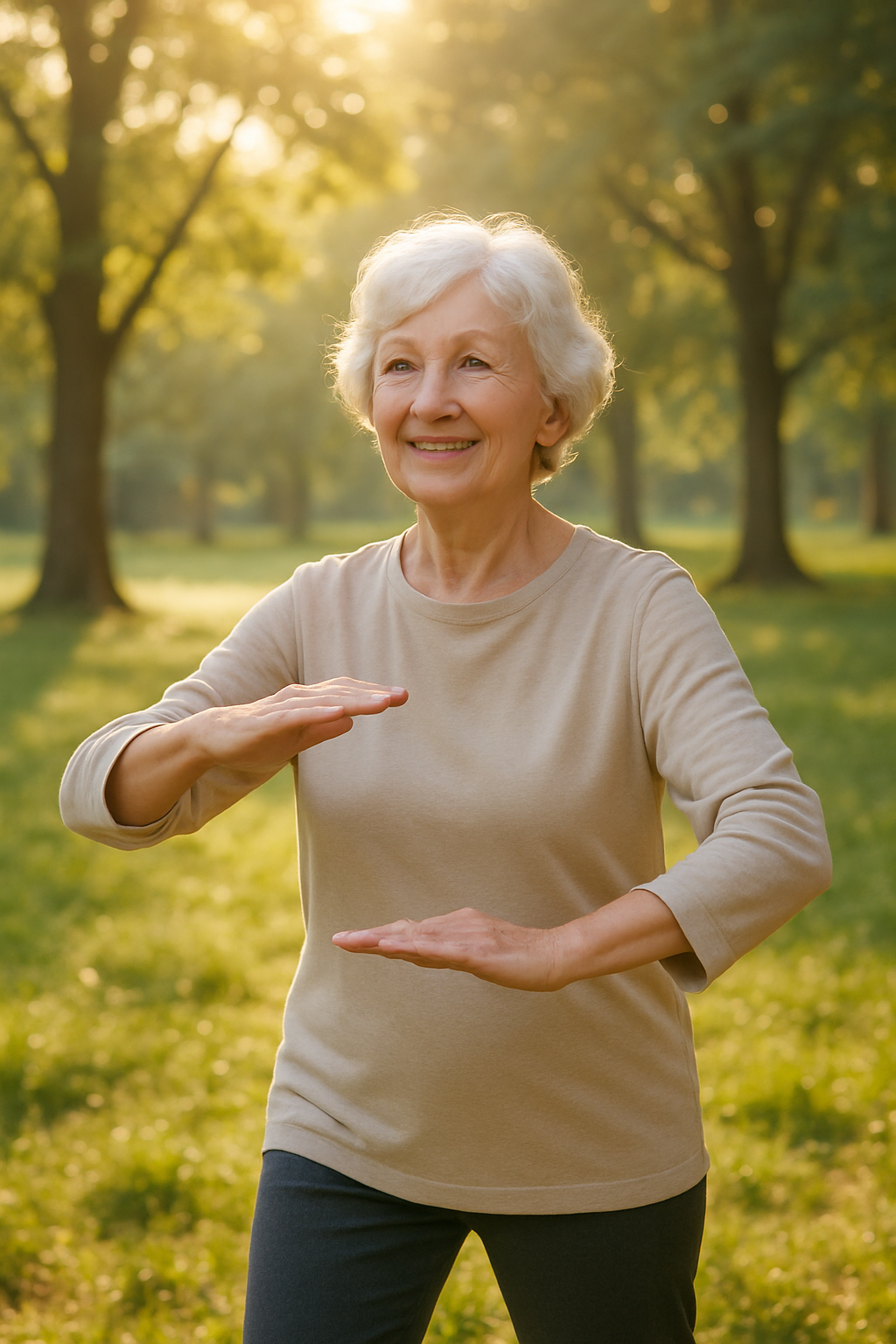
Tai Chi Benefits for Arthritis and Balance: What Real People (and Real Studies) Show
I’ll never forget one Tuesday afternoon about six years ago. A new patient, Ellen, shuffled into my clinic, cane in hand, her knees grumbling at every step. She winced as she sat. “Sarah, is there anything gentle that can help?” I asked if she’d ever considered tai chi. She laughed—“That’s just slow dancing for old folks, right?” If you’re thinking the same thing, well, you’re in good company.
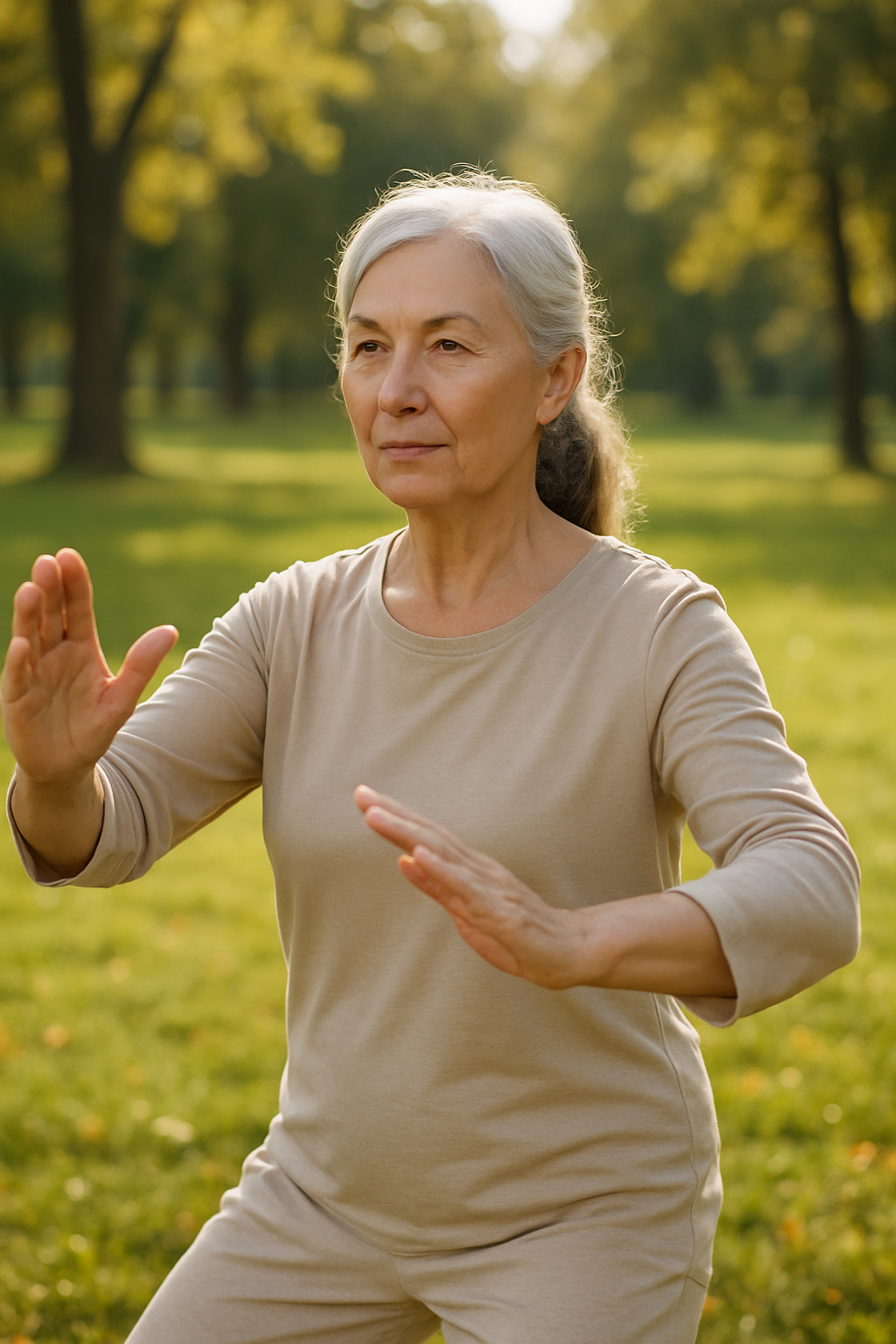
The Reality of Living with Arthritis and Wobbly Balance
Let’s be honest: arthritis isn’t just about pain. It’s the frustration of hesitating before stairs, watching friends quickly cross a parking lot while you strategize every step, or feeling your confidence waver because you worry you’ll stumble. More than half my patients over age 60 tell me the anxiety about falling is sometimes worse than the ache itself. If you’re reading this and nodding, you’re not alone. The stats are sobering: the CDC estimates that one in four Americans over 65 falls each year. Add arthritis into the mix? The risk shoots up even higher.
I hear from patients daily who just want to “move like myself again.” Some tried medications, others gave up after tough physical therapy sessions, and plenty are (understandably) wary of jumping into group yoga. Here’s where tai chi sneaks in as a genuine game-changer.
What Makes Tai Chi Different? (And Why Do Rheumatologists Recommend It?)
Look, I’m a physical therapist, not a tai chi instructor. I was skeptical at first. But then I started digging into the research. The Journal of Rheumatology (2016) ran a review: over a dozen studies, hundreds of participants with knee osteoarthritis. The finding? Tai chi consistently improved pain, stiffness, and—most notably—balance. And not just “I can stand for ten seconds” balance. We’re talking fewer falls, better confidence walking outside, and less reliance on support devices.
Here's the thing: tai chi isn’t just waving your arms in slow motion. The movements—gentle as they are—challenge your core, your ankles, your hips, and even those small stabilizer muscles you didn’t know you had. There’s a reason the Arthritis Foundation officially endorses tai chi, and why classes have popped up at almost every senior center I've visited in the past decade.
The Science in Plain English: How Tai Chi Helps Arthritis and Balance
Let’s break it down. Tai chi serves up a triple-threat for arthritis:
- Low-Impact Strengthening: Tiny, controlled movements build muscle without pounding your joints. No jumping, no kneeling, no sudden shifts.
- Improved Proprioception: That’s the “where’s my foot?” sense—crucial for avoiding trips and tumbles. Tai chi forces your brain and body to communicate more effectively.
- Gentle Flexibility: I’ve seen patients who haven’t touched their toes in years get closer after three months of regular practice. The secret? Repeated, mindful motion—not forced stretching.
One 2012 Arthritis & Rheumatology meta-analysis (1,100+ participants) found tai chi not only reduced knee pain, but also cut fall risk by 31%. That’s not a typo. For every three folks prone to falling, one fewer hit the ground after sticking with tai chi for four months. If you’re like me and want numbers: that’s as good or better than most balance-training equipment or group physical therapy outcomes.
What About the Mental Side? Tai Chi’s Surprising Mood Benefits
This part hardly gets talked about. But I see it every week: patients who start tai chi often report better sleep, less anxiety, and a brighter outlook. A 2015 study in the BMJ showed that, compared to standard stretching, tai chi cut depression scores by 17% in older adults with arthritis. Imagine feeling steadier and actually looking forward to moving again. That’s the real kicker for me.
Getting Started: Tips from My Clinic (and What to Expect)
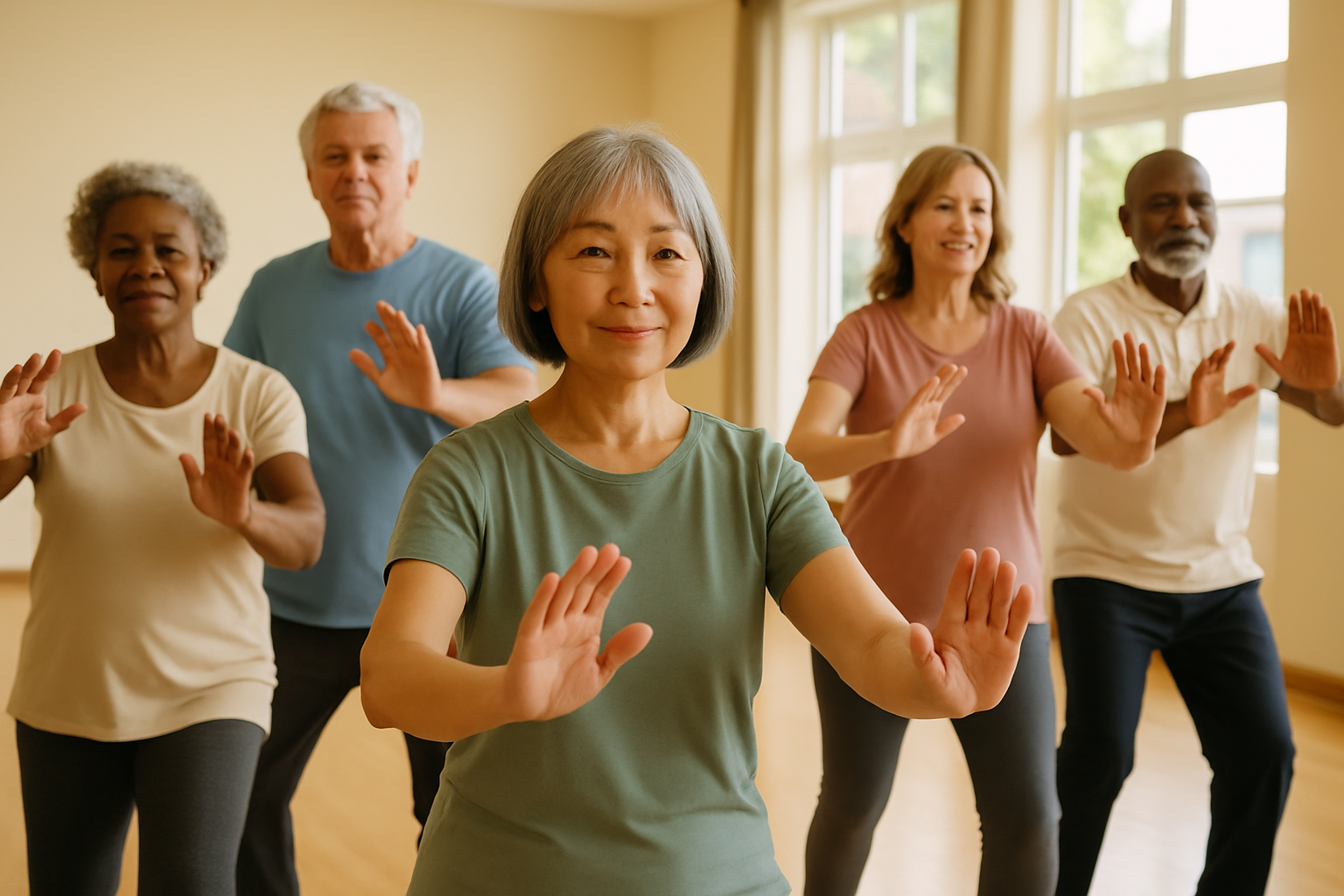
If you’re reading this thinking, “But my knees are really bad,”—take heart. Most tai chi routines for arthritis are specifically adapted for joint issues. In fact, the most popular program in the United States—Dr. Paul Lam’s Tai Chi for Arthritis—was developed with help from rheumatologists and physical therapists. Movements can be done standing, holding a chair, or even seated.
Here’s my quick-start blueprint, distilled after guiding dozens of beginners:
- Start Small: 10-15 minutes a day is plenty. Even twice a week delivers benefits.
- Find a Class (If You Can): Community centers, YMCAs, and senior services almost always offer beginner sessions. Can’t get out? There are fantastic online videos—just make sure the instructor is certified, ideally with arthritis focus.
- Listen, Don’t Force: If something hurts, modify or pause. Tai chi is about control, not heroics.
- Consistency Beats Intensity: Think of it like brushing your teeth—regular, gentle practice wins every time.
And don’t be surprised if the first few sessions feel awkward. I tell every patient: everyone looks a little silly at first. The magic is in showing up anyway.
What My Patients Say (And What the Data Misses)
This is where the science only takes you so far. I’ve watched folks go from clutching the walls in fear to moving confidently through a crowded room. One reader (shout-out to Mike!) emailed last winter: “Sarah, for the first time in years, I walked to the mailbox without worrying about every crack in the sidewalk.”
Will you suddenly leap up stairs? No. But the subtle gains—less swelling, better sleep, more confidence—add up. And sometimes, that’s more valuable than a new medication.
Are There Downsides? (Here’s What Most Articles Gloss Over)
I know this is unpopular, but tai chi is not a miracle. It won’t rebuild cartilage or replace lost joint space. And for folks with severe balance problems, I always recommend starting with supervision—either a class or with a physical therapist’s oversight. If you’re worried about aggravating a specific injury (or you have recent joint replacement), talk to your doctor first. Safety trumps all.
One other thing: some folks get frustrated by the “slowness” of progress. That’s normal. Unlike high-intensity exercise, changes sneak up gradually—but they’re real. Three months seems to be the magic window in my practice.
Practical Tips: Combining Tai Chi with Other Relief Strategies
Over the years, I’ve learned that the best results come when tai chi is part of a bigger toolkit. On stiff days, heat therapy can make getting started much easier. I often suggest my patients try the Pure Enrichment PureRelief XL Heating Pad for gentle warmth pre-exercise—especially if morning stiffness is a beast.
Supportive braces can also be a lifesaver, especially if your knees feel unstable during practice. I’ve reviewed dozens, and medical-grade options like the NEENCA Professional Knee Brace are head and shoulders above drugstore sleeves. The patella gel pad and side stabilizers truly do make a difference for those first few weeks of tai chi—several patients have told me it’s the only way they feel safe enough to keep moving.
And if you want an at-home blueprint—practical exercises, diagrams, and a bit more structure—I can’t recommend Treat Your Own Knees by Jim Johnson enough. It’s not just about tai chi, but it does bridge the gap between movement, strengthening, and real-world function for arthritic knees. I’ve given away a dozen copies to friends and they all rave.
What the “Big Studies” Don’t Show: The Intangibles
Confession: There are benefits I see in clinic that just don’t fit neatly into a research chart. Things like “I feel like I belong again” or “I’m proud when my grandkids see me trying something new.” That sense of agency and connection—especially in group tai chi classes—has ripple effects on overall health. If you’re isolated or frustrated, giving tai chi a chance can sometimes open doors you didn’t realize were there.
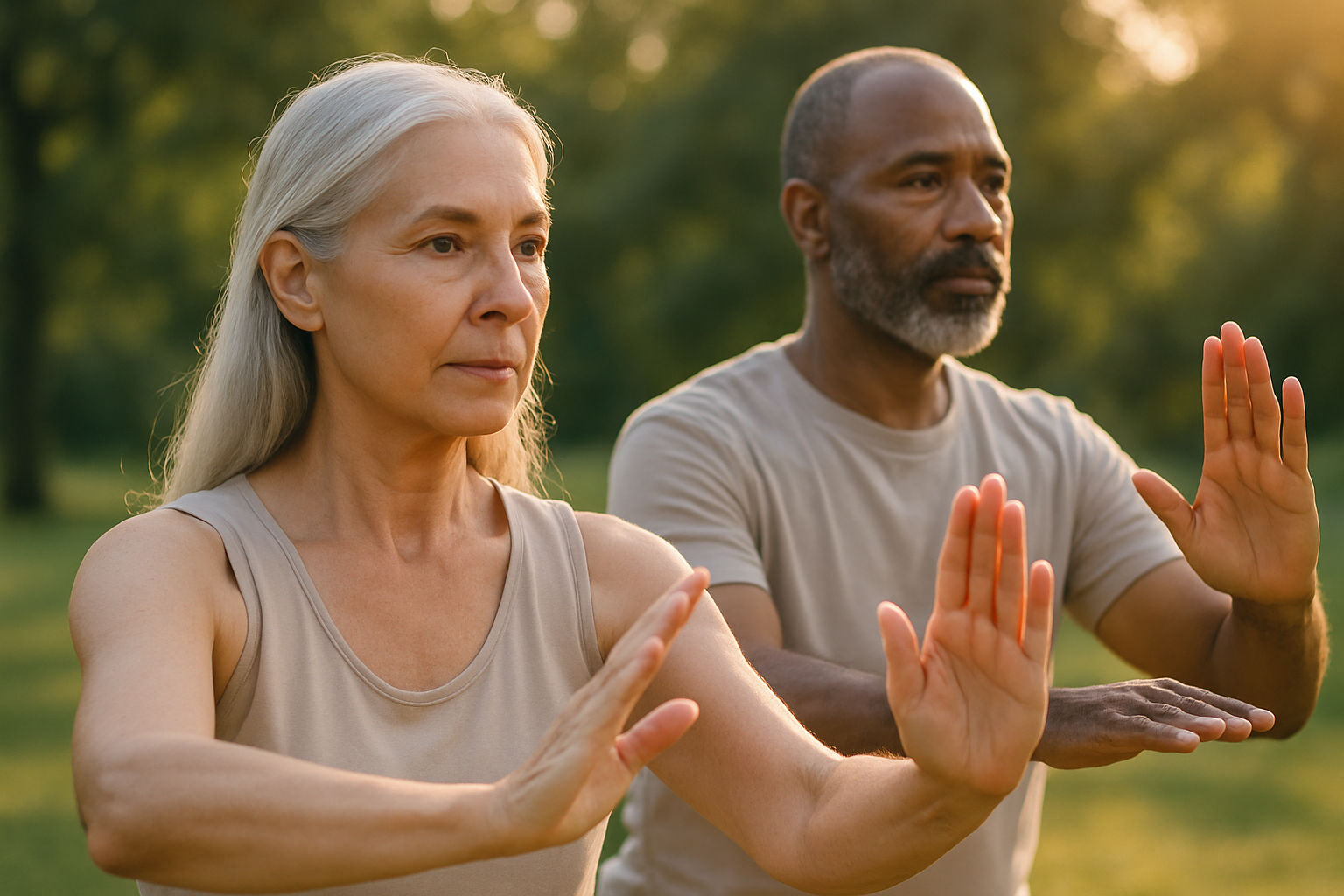
Quick Recap: What to Remember About Tai Chi for Arthritis and Balance
- Tai chi’s benefits are backed by serious research: less pain, more balance, and fewer falls—even after just a few months.
- The practice is safe for most, adaptable for almost anyone, and requires no fancy equipment (but a supportive brace or gentle heat doesn’t hurt).
- Progress may be slow, but it’s steady—and often comes with a bonus of improved mood and confidence.
- If you’re worried it’s “too late” to start, it isn’t. Some of my favorite success stories began in their 70s and 80s.
- Check with your doctor before jumping in, especially if you have a history of falls or complex joint issues.
Final Thoughts: My Honest Take as a Physical Therapist
If you’d told me a decade ago that I’d spend this much time encouraging my patients to try tai chi, I would have laughed. But here we are. The combination of clinical research and real-world success stories is just too strong to ignore. You don’t need fancy gym memberships or impossible poses—just a little patience and the willingness to keep showing up. And if today is the day you decide to give it a try? Well, I’m cheering you on from here.
Let me know if you have questions, or if you’ve found a tai chi class that’s made a difference in your life. Every story helps someone else take the first step—and that’s what matters most.
Dr. Sarah Mitchell, DPT — Senior Health Editor, JointReliefReviews
Licensed Physical Therapist | 12+ Years Clinical Experience