How to Stay Active with Chronic Joint Pain: Real Strategies from an Orthopedic Nurse
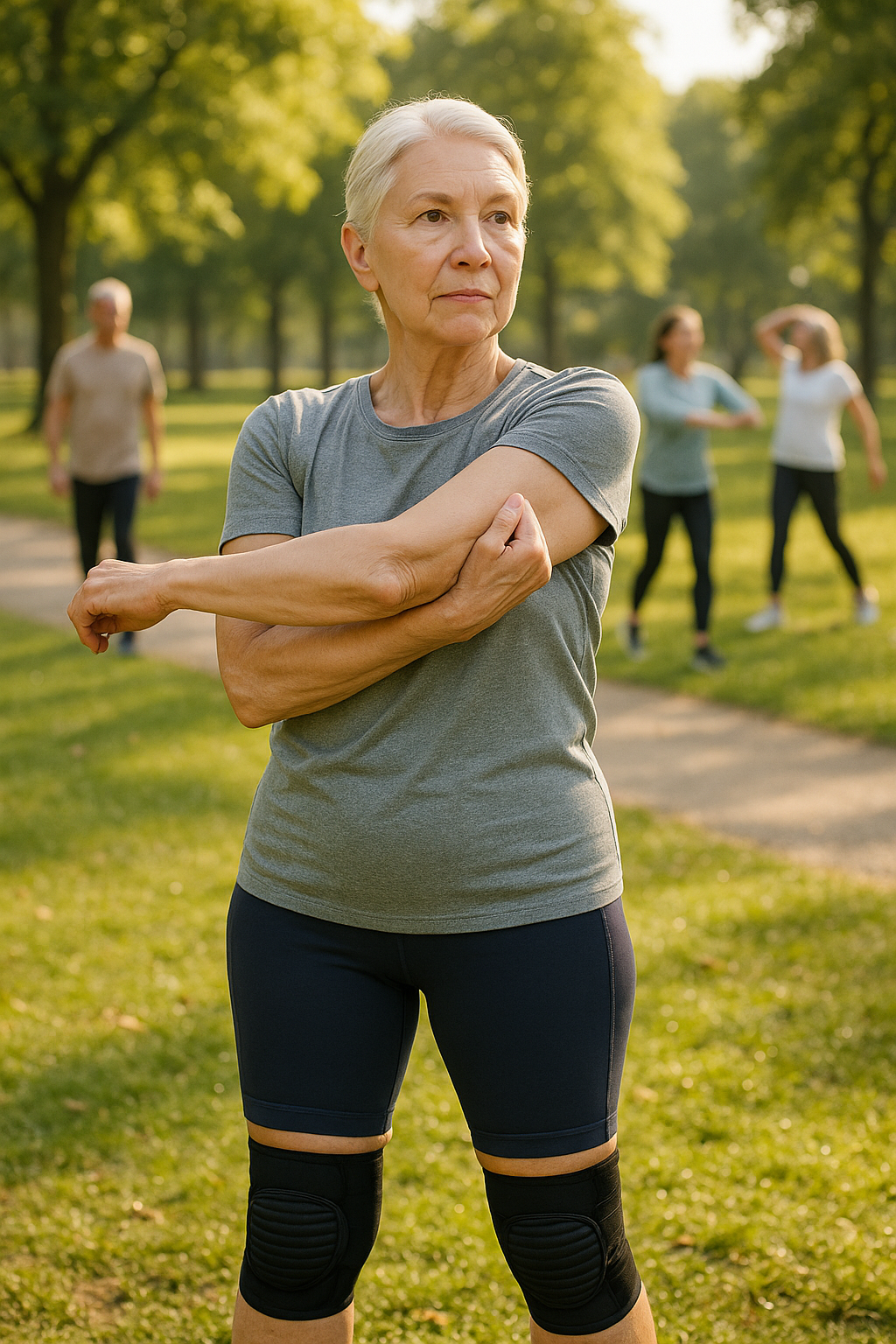
I’ll never forget a patient I saw in 2014 — let’s call her Margaret. Seventy, whip-smart, fiercely independent. But joint pain in her knees and hands had her worried she’d lose her morning walks and — worse — her gardening. Her fear wasn’t about pain. It was about losing the life she loved.
If you nodded reading that, you’re not alone. The first thing I want you to know? You’re not lazy. You’re not weak. Living with chronic joint pain — whether it’s osteoarthritis, rheumatoid arthritis, or some mystery your doctor still hasn’t named — is work. Every step, every reach, every squat to pick up a dropped sock. I know, because for two decades I helped people fight through it, and (I’ll be honest) my own knees now creak like haunted floorboards by noon.
The Hidden Battle: Why Staying Active Hurts (and Why It Matters So Much)
Here’s the kicker: movement is one of the best things you can do for sore, stiff joints. But it’s also the thing that feels most impossible when you wake up already aching. The science backs this up — regular, gentle activity helps lubricate joints, maintain muscle strength (which literally supports those aching knees and hips), and even helps slow progression of conditions like osteoarthritis. The Journal of Rheumatology has run at least three studies since 2018 showing that people with knee OA who stick to consistent low-impact exercise report less pain and better function over 12-24 months. That’s huge.
But here’s the thing: “just move more” sounds like a sick joke when you wake up stiff, throbbing, and worried a wrong move might land you in bed for a week. Most articles gloss over that part. I won’t.
What’s Actually Going On In Your Joints?
Let’s do a quick science detour (I promise to keep it simple). In a healthy joint, cartilage cushions the bones, synovial fluid lubricates movement, and the surrounding muscles act like shock absorbers. Chronic joint pain — whether from wear-and-tear (osteoarthritis), inflammation (rheumatoid, psoriatic), or injury — throws this system out of whack. Cartilage may get thin or ragged, inflammation can flood the joint, and muscles around the area actually start shrinking (atrophying) if you avoid moving because of pain.
But — and this is the wild part — gentle movement can actually encourage your body to produce more synovial fluid. It helps keep the supporting muscles from wasting away. Studies (BMJ, 2022) show that even tiny amounts of activity — 5-10 minutes, several times a day — beat long sedentary stretches. It’s less about willpower, more about “nudging” your body throughout the day.
Game-Changer #1: Start Small (and I Mean Small)
Here’s a secret: the all-or-nothing mindset is your enemy. I can’t count the number of patients (or, honestly, nurses) who threw themselves into ambitious routines, only to flare up and quit. Instead...
- Wake up and do gentle ankle circles or knee bends before getting out of bed. (Seriously, it helps.)
- Set a timer for every 45-60 minutes. Stand up, sway, gently stretch. You don’t have to “exercise” — just move a little.
- Try “movement snacks” — five minutes of walking around the house a few times a day beats a single, intimidating exercise session.
One of my favorite recommendations, especially for knee pain: the routine from Treat Your Own Knees by Jim Johnson. It’s a slim, no-nonsense book packed with straightforward exercises (the single-leg raise, quad sets, mini-squats) that build strength without fancy equipment. I’ve used it with everyone from skeptical grandpas to my yoga-obsessed neighbor, and the results are more impressive than you’d think for a book under twelve bucks.
Don’t Ignore Pain — But Don’t Let It Be the Dictator
Quick reality check: “no pain, no gain” is garbage advice for chronic joint issues. Sharp, stabbing, or swelling pain? Back off. But mild discomfort, as you gently move? That’s often safe — and sometimes necessary — for progress. The Arthritis Foundation sums it up well: aim for "pain you can tolerate," not "pain you don't feel." If pain spikes and lingers past 24 hours, you pushed too hard. If you’re unsure, talk to your doctor or physical therapist. (Yes, even if you feel silly calling for advice. That’s what they’re for.)
Making Movement Less Miserable: Practical Tools I Actually Use
This part is where most “helpful” articles start cramming in products. So here’s my promise: I’m only mentioning things I actually keep at home or have seen work for real people, not just Amazon reviewers (though I do trust 75,000 reviews more than I trust marketing copy).
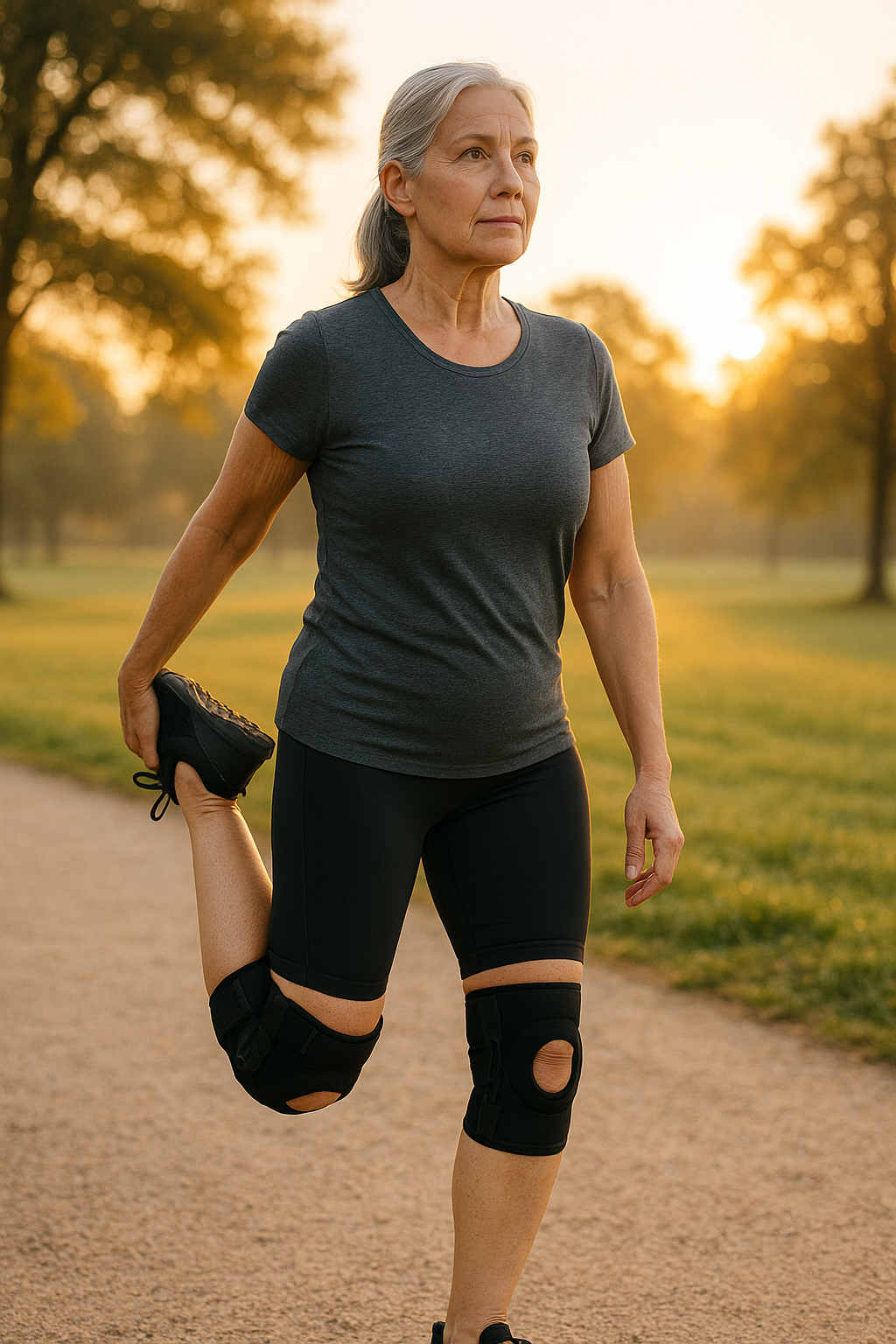
- Compression Gear: Not a miracle, but for achy knees, elbows, or wrists? A good sleeve can make you feel more stable and less afraid of “giving out.” Personally, I like the Modvel Compression Knee Brace. It’s sold as a pair (rare), doesn’t slide down, and actually feels comfortable. For under $15, it’s worth a shot — especially when you want to walk the dog or climb stairs without second-guessing every step.
- Soothing Heat: I’m not gonna lie — I used to dismiss heating pads as “nice, but not necessary.” Now, I keep the Pure Enrichment PureRelief XL Heating Pad next to my bed. The moist heat setting is a game-changer on cold mornings or after a long day. Extra points for the XL size (covers hips, back, even both knees at once) and the auto shut-off, which has saved me from a few close calls in my half-asleep state.
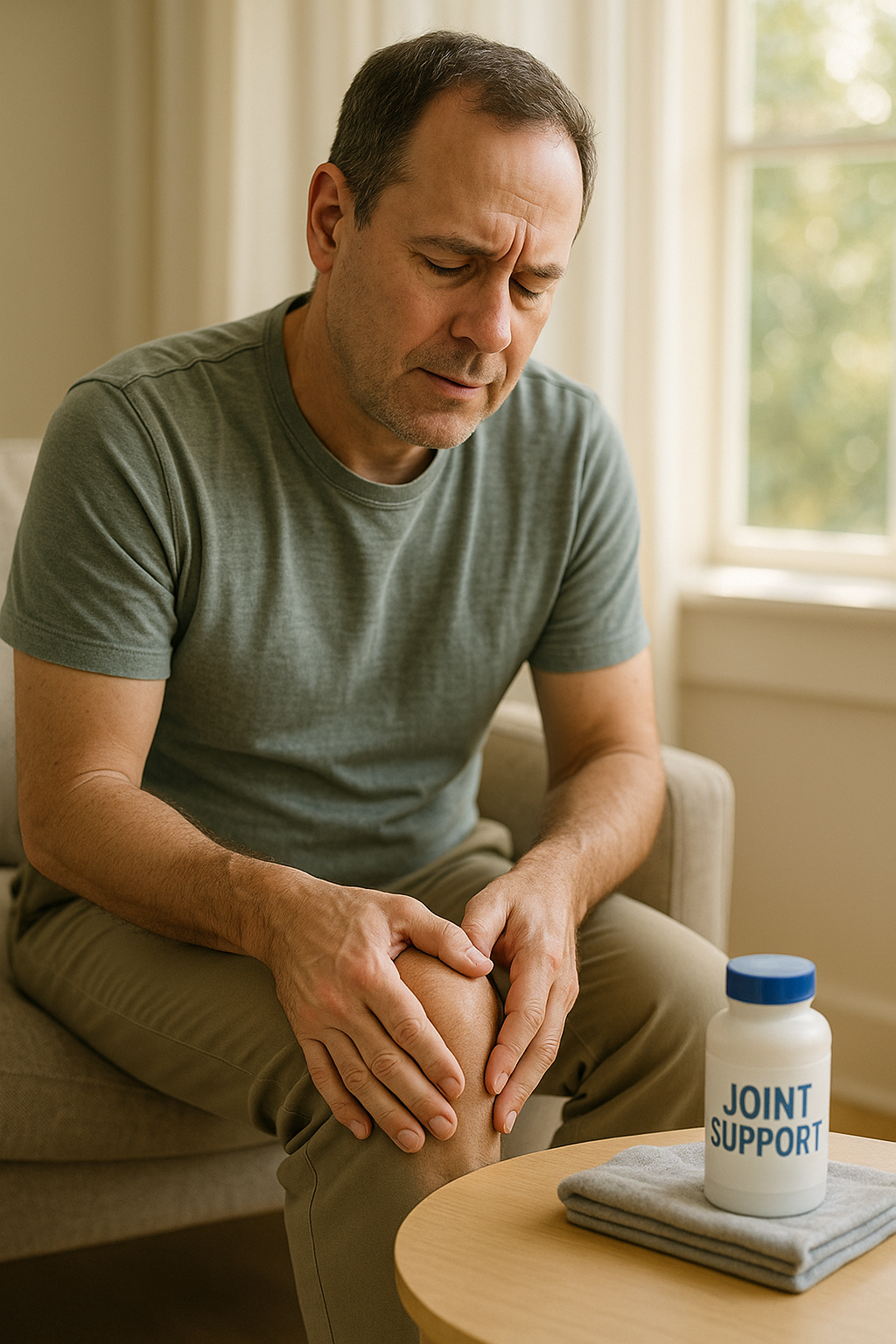
- Supplements: Here’s where it gets controversial. Glucosamine and chondroitin? The research is mixed, but if you’re curious, choose a reputable brand. (I lean toward Nature Made — look for "USP Verified" on the label.) But it’s no quick fix, and it doesn’t work for everyone. Save your money if you’re hoping for an overnight miracle.
Of course, always check with your doctor before starting a new supplement or making big changes, especially if you take other meds or have health conditions like diabetes or kidney issues.
Low-Impact Movement Options That Aren’t Boring
You don’t have to join a gym or sign up for a senior swim class (unless you want to). Here’s what’s worked for my patients — and for me:
- Walking: The gold standard, as long as you respect your own pace. Invest in decent shoes. Side note: if walking hurts, try shorter, more frequent outings — three 10-minute strolls can be easier than one big loop.
- Water exercise: Lap swimming isn’t the only option. Walking in waist-deep water, gentle aerobics, or even pool noodle “bicycling” can reduce joint stress by up to 70% (Arthritis & Rheumatology, 2021).
- Chair yoga and Tai Chi: You don’t need to touch your toes. These practices boost flexibility, balance, and even confidence, which (I swear) is half the battle some days.
- Simple home routines: Remember Margaret? She built her own “joint gym” in her living room: resistance bands, a sturdy chair, and a rolled-up towel. “It’s my arthritis boot camp,” she joked. And it worked. She’s still gardening.
The real trick: consistency beats intensity. A missed day doesn’t mean you’ve failed. Two minutes here, five there, ten tomorrow — it all adds up, especially when you stop punishing yourself for not doing “enough.”
Mindset Shifts That Make a Difference
Alright, let’s get real for a minute. The hardest part isn’t always the pain. It’s the frustration. The guilt. The sense that you used to do so much more, and now you “should” be able to power through. That thinking? It’ll sap your motivation just as fast as a bad flare-up.
Instead, celebrate the small wins. Maybe today’s victory is standing up every hour. Maybe it’s doing a set of quad curls in the middle of your favorite TV show. Maybe it’s putting on your walking shoes, even if you only make it to the mailbox. That counts.

What About “Bad” Days?
This is what most exercise plans ignore: some days, your body just says no. That’s okay. Give yourself permission to rest, use your heat pad, or take a little extra pain relief (as directed). On those days, I focus on tiny movements — stretching my wrists, circling my ankles, even just deep breathing. The point is to stay in conversation with your body, not to bully it.
One last thing: it’s okay to ask for help. Ask a friend to join you, find an online support group, or loop your PT into your daily routine. Everyone needs a cheerleader, and sometimes, you might need a gentle push or a new idea. That’s not weakness. That’s wisdom.
Honestly? There’s No “One Size Fits All”
Here’s what two decades in ortho taught me: what works wonders for one person is useless for another. Don’t get discouraged if your neighbor swears by turmeric tea or swears off stairs. You are not them. Experiment, tweak, and — above all — keep moving. Your joints (and your spirit) will thank you.
Final Takeaways: My Real-World Checklist
- Break up long stretches of sitting. Even two minutes of movement makes a difference.
- Start as small as you need to. Progress isn’t linear.
- Try tools like compression sleeves or heat pads to make movement less miserable.
- Mix up your movement — walking, water, chair stretches. Variety helps.
- Forgive yourself on “bad” days. Tomorrow is another chance.
- Run any new regimen by your doctor, especially with supplements or if you have other health conditions.
And above all — don’t wait for the pain to vanish to start moving. Sometimes, the movement is what nudges the pain into the background just enough for you to reclaim a little piece of your day. I’ve seen it happen, again and again — with Margaret, my own mother-in-law, and now, with myself. You can do this. I’m rooting for you, creaky joints and all.
Linda Hargrove, RN — Orthopedic Nurse (Ret.), Health Writer, JointReliefReviews.com