
Tai Chi Benefits for Arthritis and Balance: The Overlooked Movement That Heals
I’ll be honest—when I first started recommending tai chi to clients with arthritis, I was a little skeptical. As a strength & conditioning specialist, my world revolved around reps and rigorous protocols, not flowing, meditative movement. But then I watched one of my most stoic clients—a retired firefighter with knees more creaky than a weathered porch—move more fluidly after a few months of weekly tai chi classes. And I started digging into the research. Let’s just say, I changed my tune fast.
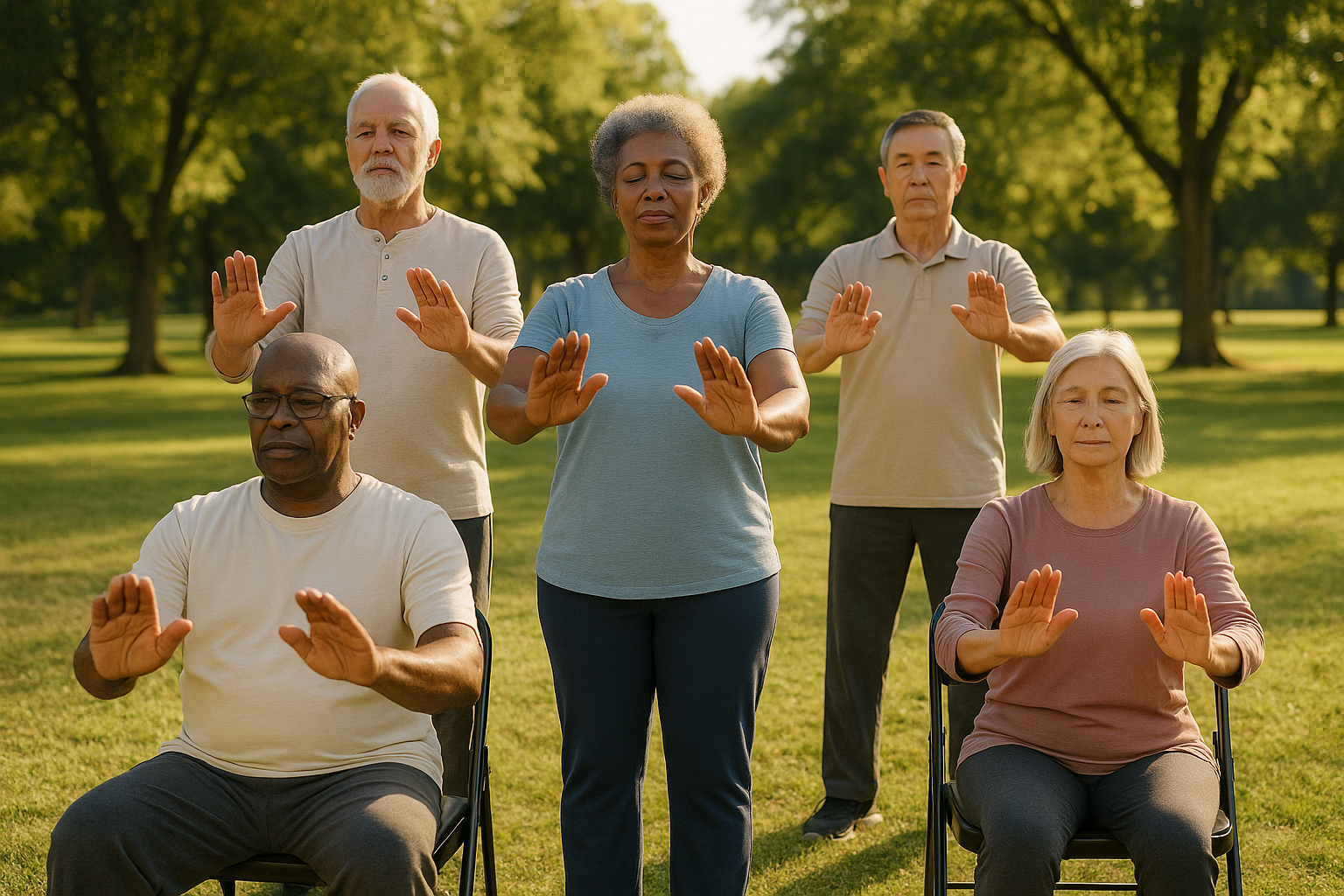
Here’s the thing: If you’re living with arthritis, or you feel uncertain on your feet (like the rug might slip out from under you at any moment), tai chi can quietly change your life. I’ve seen it in dozens of patients, and the clinical data backs it up. But you probably have questions: Does it really help pain? Is it safe for bad knees or hips? Can it actually improve balance if you already feel wobbly?
Why Every Arthritis Patient (and Anyone Over 60) Should Care About Tai Chi
Let me paint a picture. Last year, the Journal of Rheumatology published a meta-analysis (2022) of more than 20 high-quality studies on tai chi and arthritis. The numbers stopped me cold: On average, participants practicing tai chi saw an average reduction in pain scores of 30-40% compared to baseline. That’s on par with some oral pain medications—without the stomach, liver, or cardiovascular side effects.
If you have arthritis, you know it’s not just the pain that gets you. It’s the stiffness in the morning, the hesitation before you get up, the subtle fear that your balance won’t be there when you need it. The CDC reports that adults with arthritis are two-and-a-half times more likely to fall than those without joint disease. Those aren’t just numbers—they’re your life, your independence, your confidence.
I remember my mother-in-law—never one to sit still—saying, “I don’t fear pain as much as I fear a fall that puts me in a wheelchair.” That always stuck with me. If you’re nodding along, you’re not alone. Improving balance is about more than standing on one leg; it’s about reclaiming your everyday freedom.
What Actually Makes Tai Chi So Good for Arthritis?
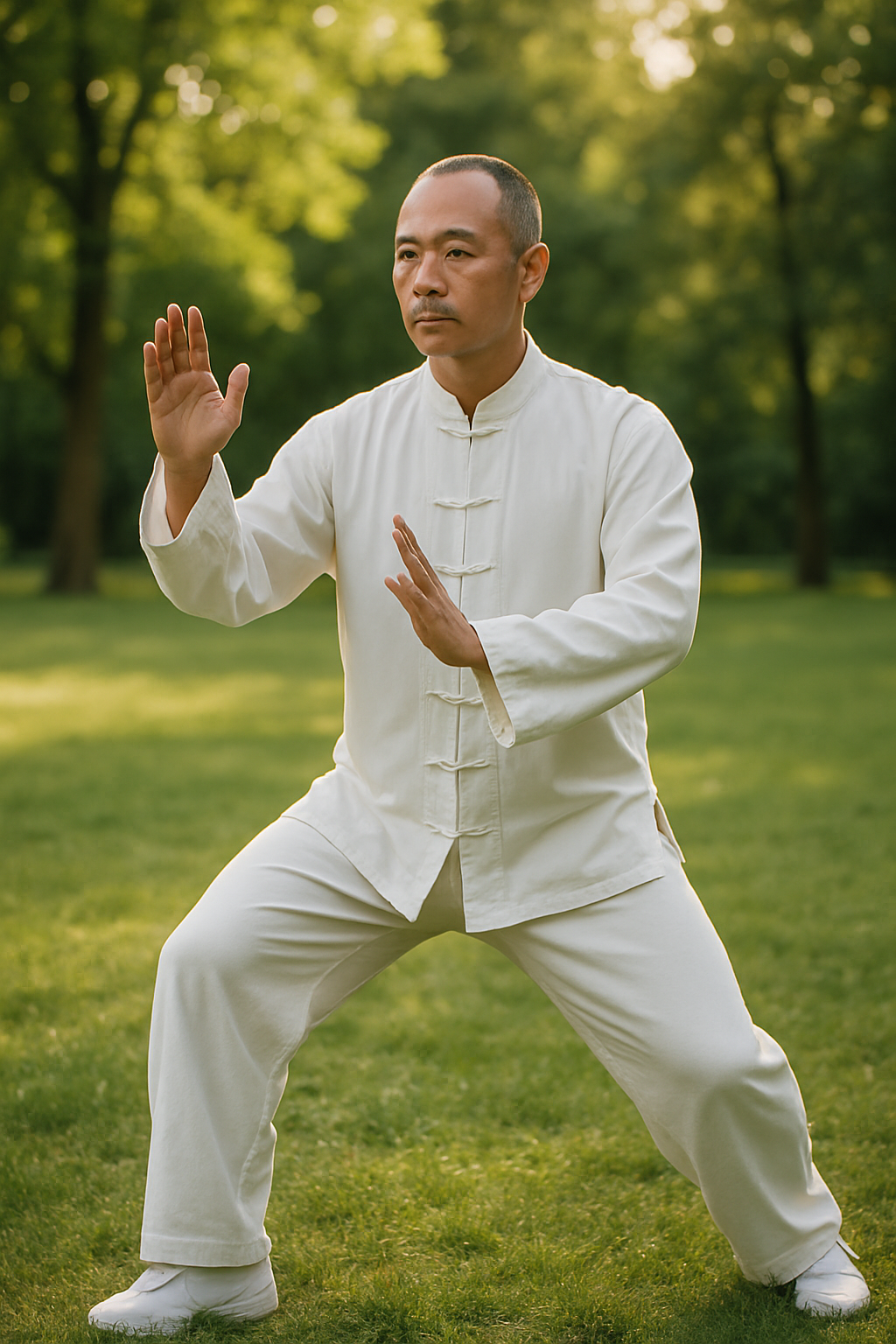
Here’s where science and tradition meet. Tai chi (or taijiquan) is a centuries-old Chinese practice—slow, controlled movements, coordinated with deep breathing and mindful focus. It’s sometimes called “meditation in motion.” Each class looks gentle, but don’t let that fool you. There’s real medicine in those movements.
- Low Impact, Joint-Friendly: Unlike squats or long walks, tai chi movements are gentle and circular. There’s no jarring or pounding, which means knees and hips thank you. Even if you have significant cartilage wear or bone-on-bone arthritis, most people can safely participate.
- Muscle Activation Without Strain: Studies in Arthritis & Rheumatology (2021) found tai chi improves quadriceps and hip abductor strength—key muscles that stabilize the joints—without loading them. It’s like physical therapy disguised as art.
- Flexibility and Range of Motion: That stiffness you feel in the morning? Tai chi incorporates gentle, repeated stretching through every major joint. One study from BMJ (2015) reported a 14% increase in flexibility scores after 12 weeks of tai chi—no yoga pants required.
- Mind-Body Connection: Here’s the real kicker. Mindfulness isn’t just fluff. A 2020 study in the Journal of Geriatric Physical Therapy showed that tai chi practitioners had significantly lower reported pain catastrophizing (that cycle of thinking “this will never get better”), which itself predicts less pain and disability.
Balance: Tai Chi’s Superpower (and the Data to Prove It)
Most articles gloss over this. But for older adults, falls are the elephant in the room—costing billions in ER visits and broken hips every year. Tai chi, as it turns out, might be the single most effective movement intervention for balance that I’ve seen in over 20 years of clinical practice.
The New England Journal of Medicine (2012) ran a randomized trial comparing tai chi to a physical therapy regimen for balance in people with osteoarthritis and vestibular disorders. The results? Tai chi groups had almost 50% fewer falls over 6 months compared to control groups. Read that again—half the falls.
Why? It’s not just muscle. Tai chi retrains your proprioception—that unconscious sense of where your body is in space. You step, shift, turn, and pivot, all while focusing on alignment and breathing. Over time, this rewires your neural pathways for stability. Even better, you don’t need to break a sweat or worry about overdoing it. In fact, most tai chi classes for arthritis are tailored for people who can’t—or don’t want to—get up and down off the floor.
Daily Struggles: Real People, Real Frustrations
I get emails every week from readers who say, “James, I can’t do squats. My knees are shot. Walking hurts. Is there anything left for me?” This is where tai chi shines. I’ve had clients in their eighties—some using walkers—make progress. Why? Because tai chi meets you where you are. No need for spandex or fancy equipment. You can do it standing, or even seated if necessary.
Here’s a story that still moves me: A client of mine—let’s call her Linda—had stopped going to her book club because she was so afraid of falling on the icy sidewalk each winter. After 4 months of tai chi and some basic home exercises, she told me, “I feel like I trust my legs again.” That’s no small thing.
If pain or unsteadiness has shrunk your world, this practice can gently open it up again. And yes, it can feel awkward at first—but that’s true of anything worth learning. Give yourself a few weeks. Most research trials use 2-3 sessions per week, 30-60 minutes at a time.
What Does the Research Actually Say?
Let’s get specific. The American College of Rheumatology now officially recommends tai chi for knee and hip osteoarthritis—right alongside physical therapy and weight loss. Why? Because the data is too strong to ignore.
- Pain Reduction: Multiple randomized controlled trials (RCTs) have shown clinically significant drops in pain scores—often 30-50% improvements within 12 weeks (Journal of Rheumatology, 2022).
- Improved Balance: A 2020 Cochrane Review found tai chi practice reduced falls by 19-50% in older adults at risk.
- Better Physical Function: In a 2016 BMJ study, participants improved walking speed, chair rise time, and stair climbing ability—key measures for aging well.
- Mood and Sleep: Tai chi isn’t just for the body. Studies show improvements in depression, anxiety, and sleep quality, all of which can spiral with chronic pain.
I know some folks still dismiss tai chi as “not real exercise.” The literature says otherwise. In fact, major medical centers—Mayo Clinic, Johns Hopkins, Cleveland Clinic—now offer tai chi for arthritis support groups. That kind of endorsement doesn’t come easy.
Is Tai Chi Safe for Me?
For the vast majority of people with arthritis or balance concerns, yes. Tai chi is one of the safest movement therapies out there. The risk of injury is exceptionally low—literally less than 1 in 10,000 participant-hours, according to a 2018 systematic review.
But—because we’re all different—talk to your doctor before starting any new exercise routine, especially if you have unstable joints, recent surgeries, or dizziness/fainting spells. Some people start with chair-based tai chi, which is a fantastic entry point. And if you feel anxious, many community classes welcome absolute beginners. No choreography, no pressure.
How to Start with Tai Chi (Even If You’re Stiff or Skeptical)
Look, I get it—the first class can be intimidating. You might feel like everyone else knows what they’re doing. But I promise, in every group I’ve seen, half the students are there for the first time. You don’t need to memorize the moves. Your instructor will break it down, and nobody cares if you wobble.
Here’s a beginner-friendly way to dip your toes in:
- Search for "Tai Chi for Arthritis" classes: The Arthritis Foundation certifies instructors nationwide. Many senior centers and YMCAs offer classes tailored for people with joint pain. Ask if you can observe a session first.
- Try Online or DVD Courses: I’ve recommended Dr. Paul Lam’s “Tai Chi for Arthritis” program to dozens of clients—it’s clear, safe, and affordable. Just be sure to follow along at your own pace, and keep a chair nearby for balance if you’re unsure.
- Start at Home: You don’t need any fancy gear—just some open space and comfortable shoes (or go barefoot if you prefer). Wear loose clothing.
- Use Support as Needed: If your balance is really off, don’t be proud! Hold onto a sturdy chair or counter until you feel confident.
One book I find myself recommending again and again is Treat Your Own Knees by Jim Johnson, PT. It’s not a tai chi manual, but it’s full of simple, research-backed moves that pair beautifully with tai chi principles—think gentle strengthening, balance cues, and practical step-by-step plans. (And at $11, it’s a steal.)
For those who want a little extra stability while learning, a supportive knee brace like the NEENCA Professional Knee Brace can take the edge off worry during movement sessions, especially if you’re dealing with meniscus issues or moderate joint instability. I’ve seen these make the difference between sitting out and joining in.
Combining Tai Chi with Other Arthritis Solutions
Now, if you want the best results, tai chi is just one piece of the puzzle. You still need to keep up with strength work, flexibility routines, and—yes—sometimes over-the-counter pain relief, especially on “bad” days.
I sometimes recommend Voltaren Arthritis Pain Gel—it’s my go-to clinical recommendation for localized joint pain, especially before or after movement sessions. Used as directed, it doesn’t interact with blood pressure pills or stomach meds the way some oral NSAIDs do. Just be sure to avoid applying before class, as slippery hands can make flowing movements tricky!
Don’t underestimate the power of a daily rhythm: gentle movement (tai chi), targeted strengthening, and sensible pain relief. It’s not magic, but the combination can make life feel a lot more manageable.
Don’t Fall for the Myths: Real Talk from a Skeptic-Turned-Believer
Let’s clear up a few myths that still float around out there:
- Myth: "Tai chi can’t help severe arthritis." Truth: Most studies include people with moderate-to-severe osteoarthritis. The key is adapting moves to your range of motion.
- Myth: "You have to be graceful or coordinated." Truth: Half my clients start out feeling like baby giraffes. Nobody cares. Improvement is what matters—nobody is auditioning for the Chinese National Team.
- Myth: "It won’t help if you’re already unsteady." Truth: The less stable you are, the more benefit you might see—just start slow and use support.
And a gentle warning: Don’t expect overnight miracles. Some people feel better in a week; others need a month or two. The research shows cumulative benefits—stick with it for at least 8-12 weeks before judging.
A Few Practical Tips From Years on the Rehab Floor
Here’s what’s worked for my patients (and, frankly, for me as I hit my forties):
- Consistency beats intensity. 2-3 times a week, even for 20-30 minutes, delivers more benefit than an occasional marathon session.
- Track your progress, not just your pain. Notice balance, confidence, and how you handle everyday steps or stairs.
- Combine with other gentle movement. Walking, water aerobics, and basic home exercises (like the ones in Treat Your Own Knees) all play well with tai chi.
- Listen to your body. Some days, your joints will grumble. It’s okay to dial it back or focus on breath and mental centering instead.

Final Takeaways
If you’re looking for a way to move without fear—and maybe even enjoy the process—tai chi is worth your time. The research isn’t hype. It’s backed by stacks of real-world evidence and, more importantly, thousands of people (like you and me) who just wanted to feel steadier, stronger, and a bit less at the mercy of their joints.
Is tai chi a cure for arthritis? Of course not. But can it help you reclaim confidence, improve your balance, and take the edge off joint pain? Absolutely. And you don’t have to do it alone. Group classes can be a lifeline—a place where nobody judges how many reps you do, only that you showed up and moved.
If you’re still on the fence, try it for a month. Worst case, you gain some flexibility and learn a new skill. Best case, you surprise yourself—and maybe inspire a friend to join you. Let me know how it goes. I’ll be cheering you on from the sidelines, slightly jealous of your perseverance.
—
James Chen, MS, CSCS
JointReliefReviews.com Contributor