Low Impact Exercises for Seniors with Arthritis: What Really Works (And What’s a Waste of Time)
My mother-in-law, June, used to joke that her knees could predict rain better than the local weatherman. She isn’t alone—if you’re over 65, odds are good you know that stiff, creaky feeling all too well. Arthritis pain isn’t just a nuisance. It can chip away at your independence and make simple things—like gardening or walking the dog—feel like Olympic events. But here's the thing: the right kind of movement can actually reduce pain, improve flexibility, and even help you avoid falls. And you don’t need to run marathons—or, let’s be honest, even jog a block—to feel the difference.

So, what are the best low impact exercises for seniors with arthritis? I’ve spent years diving into the research for Arthritis Today and Everyday Health, but the most meaningful lessons have come from patients (and family) who made movement work for them—despite the aches, the setbacks, and the occasional doctor who said “just rest.”
Why Movement Matters (Even When It Hurts)
Here’s what many people get wrong: rest might feel good in the short run, but too much of it leads to weaker muscles, stiffer joints, and—no surprise—worse pain. In fact, a 2020 review in the Journal of Rheumatology found that seniors with osteoarthritis who did low-impact exercise three times a week had significantly less pain and better function than those who stayed sedentary.
But it’s not just about pain. Regular, gentle movement improves balance, helps with sleep, and can even lift your mood. (I've seen this firsthand with my father, whose spirits always brighten after his water aerobics class—even if he grumbles on the way there!) The trick is finding exercise that soothes your body instead of aggravating it.
What Exactly is 'Low Impact'?
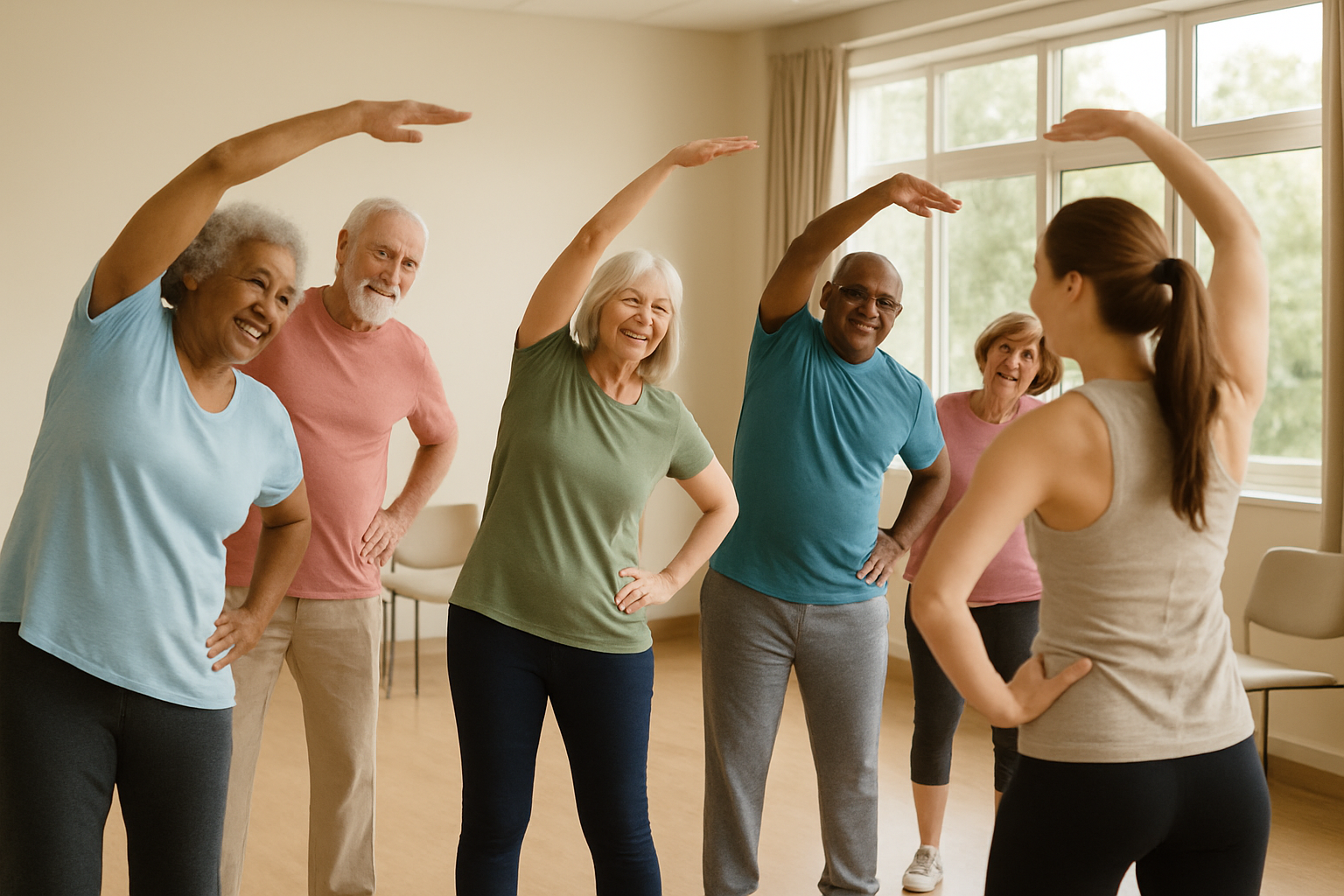
Low impact doesn’t mean “no work”—it means avoiding jarring, pounding, or twisting motions that can stress sensitive joints. Think walking, cycling, water aerobics, chair yoga, or tai chi. If you wince watching it, it’s probably not low impact. And no, you don’t have to contort yourself into a pretzel; standing stretches and simple resistance moves count, too.
The Best Low Impact Exercises for Arthritic Joints
I like to break these down by joint. Not every routine works for every body, so experiment—but always talk to your doctor or physical therapist before starting something new, especially with a flare or recent injury.
- Walking: Yes, it’s basic, but it works—and you can do it almost anywhere. A 2022 study in Arthritis & Rheumatology tracked over 1,200 older adults and found those who walked at least 3,000 steps a day (about 30 minutes) reported substantially less knee pain.
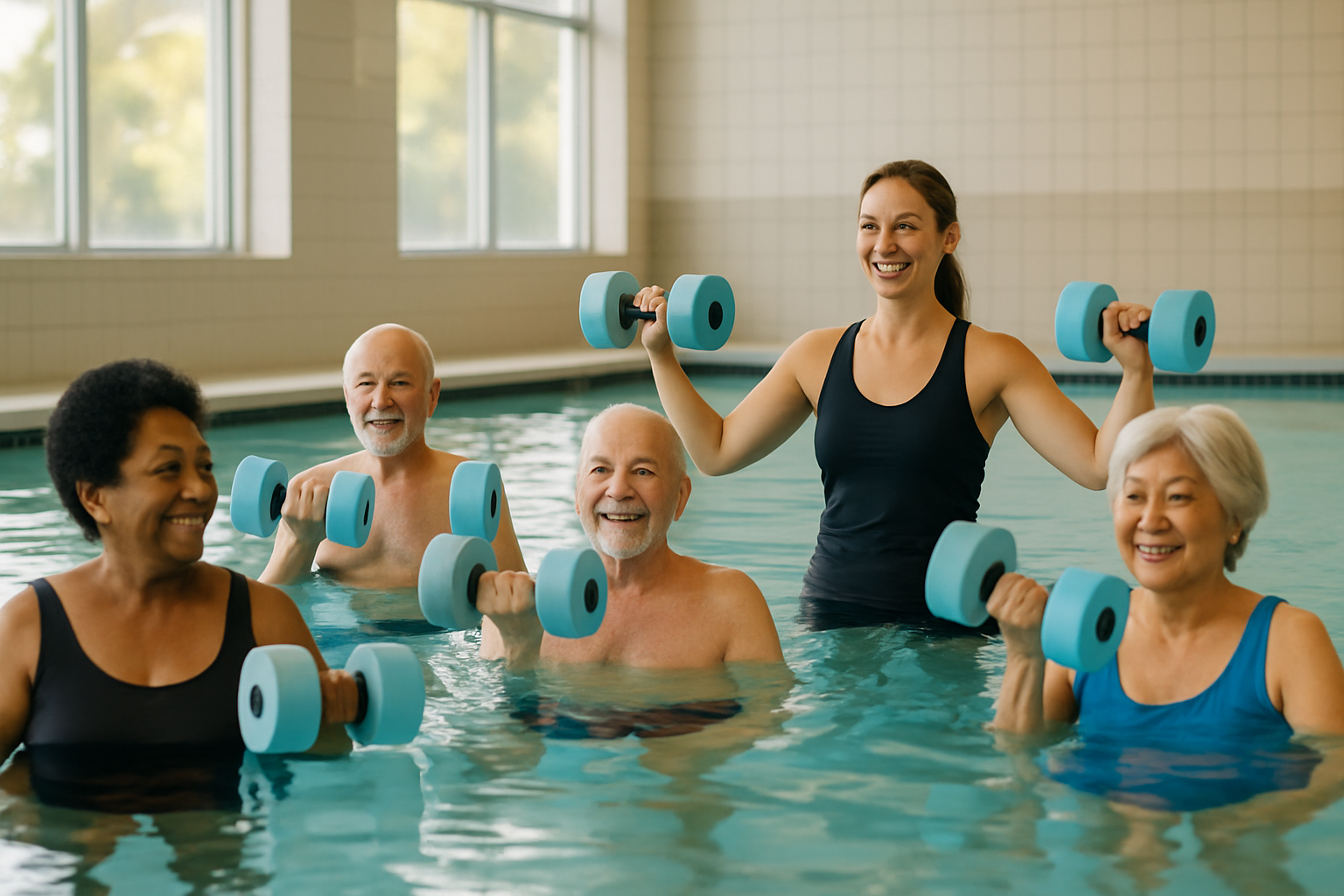
- Water Exercise: Buoyancy is a game-changer. Swimming laps, gentle water aerobics, or even just walking back and forth in a pool reduces impact on knees and hips. Many YMCAs offer arthritis-specific classes.
- Chair Yoga or Gentle Yoga: These styles focus on slow, controlled movements. I remember a reader, Sally, telling me her balance improved dramatically after 6 weeks of a chair yoga DVD—no downward dogs required.
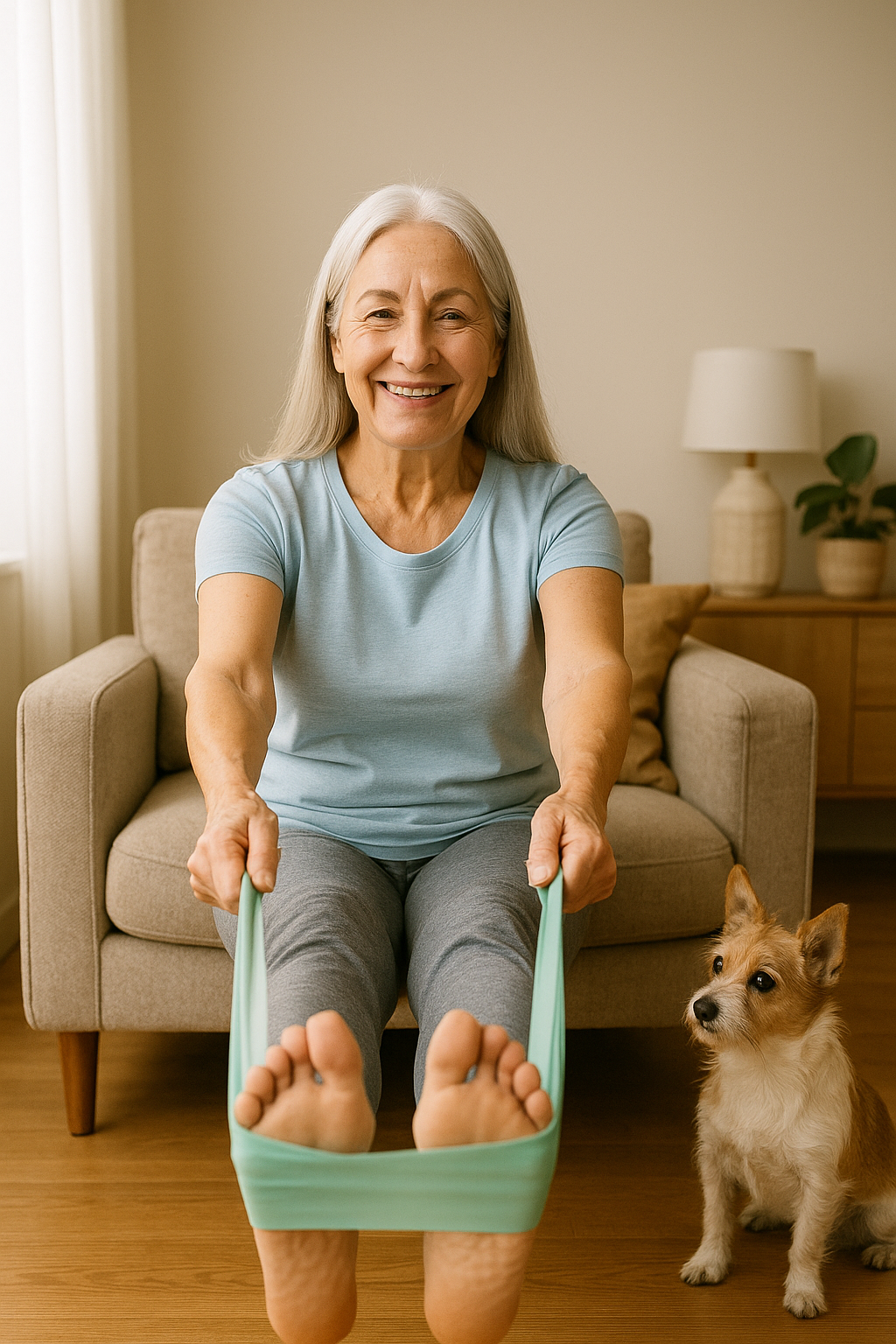
- Resistance Band Work: Light resistance bands offer strength training without heavy weights. Even two sets of ten repetitions, two to three times a week, can make a difference. Most physical therapists I’ve interviewed recommend yellow or red bands to start (lightest resistance).
- Seated Leg Lifts and Knee Extensions: These classics target the quadriceps, which support the knees. If you struggle with getting up from a chair, strengthening these muscles can help.
- Tai Chi: The slow-motion movements may look odd at first, but there’s strong research behind it. A 2016 trial in the journal BMJ showed adults with knee osteoarthritis who practiced tai chi twice weekly had less pain and better function after 12 weeks.
How to Exercise Safely With Arthritis
Look, I wish I could say exercise is always painless, but the reality is, some soreness is normal when you start. The goal is to avoid sharp or lingering pain. Here’s what’s worked for the folks I’ve interviewed (and my own stubborn family):
- Start slow. Ten minutes is plenty when you’re just getting going. Build up gradually, and mix rest days as needed.
- Warm up first. A little heat and gentle movement—marching in place, shoulder rolls—can get joints ready.
- Use supportive gear. Soft, supportive shoes are essential. For knees, a high-quality brace can make movement feel safer and less painful. I’ve personally tried several, but the NEENCA Professional Knee Brace stands out for its side stabilizers and a surprisingly comfortable patella gel pad—that’s what my own dad wears for his daily walks.
- Apply heat or ice after exercise. Many seniors swear by a heating pad for post-walk relief. The PureRelief XL Heating Pad is a reader favorite (and big enough to wrap around both knees at once!).
- Modify when needed. Can’t stand for long? Try chair-based versions. Have a cane or walker? Keep it nearby and use it as needed—no shame, only smart planning.
What the Research Really Says (No Miracle Cures—But Real Results)
I know there’s a lot of hype out there—magic supplements, gadgets, one-size-fits-all programs. The truth? The only thing that consistently helps most people with arthritis is regular, appropriate movement.
Here are a few findings that stuck with me over the years:
- Strength Matters. A 2018 meta-analysis in Osteoarthritis and Cartilage found that seniors who did simple strength training (think: resistance bands, chair squats, leg lifts) improved pain and function nearly as much as those who did aerobic exercise.
- Consistency Beats Intensity. Many folks think “no pain, no gain.” But the best results came from regular, gentle activity—not pushing to exhaustion. Just 20-30 minutes a day, most days of the week, was enough for real improvement.
- Group Classes Boost Motivation. Several large trials, including the MOVE-IT Study (2021), showed seniors stuck with exercise longer when they participated in small groups—especially arthritis-specific community classes. Consider checking your local rec center or senior center.
I’ll be honest—I was skeptical about chair exercise DVDs at first. But after watching my neighbor, Ed, who’d given up golf due to hip pain, regain confidence (and a pretty mean swing) after 8 weeks of chair-based stretching and band routines…well, I changed my tune.
Real-World Routines: What I Recommend Most Often
Not everyone wants to join a gym or swim laps. So here’s a sample weekly routine I’ve pieced together from what works for real people—plus a few research-backed tweaks.
- Monday/Thursday: 15-20 minute walk in the park (or around the house if needed). Do a few standing calf raises and wall push-ups after.
- Tuesday/Friday: Chair yoga video—15 minutes. If you need a good intro, look for "gentle arthritis routines" on YouTube (SilverSneakers has quality options).
- Wednesday: Water aerobics or simply walking laps in the pool—20 minutes.
- Saturday: Resistance band session—seated leg extensions, bicep curls, and gentle side leg lifts. Two sets of 8-10 reps each, with a yellow (light) band.
- Sunday: Rest or choose your favorite gentle stretch. Self-care counts!
And if you’re looking for a step-by-step plan (especially if your knees are giving you grief), my favorite starter guide is Treat Your Own Knees by Jim Johnson. It’s affordable, it’s loaded with clear illustrations (even my tech-averse aunt could follow), and best of all, it’s genuinely research-based—these aren’t just exercises pulled from thin air.
Mistakes to Avoid (I See These All the Time)
I know this is unpopular, but too many articles gloss over the realities of aging joints. Here’s what I see trip people up, again and again:
- Jumping into high-intensity classes. Zumba might look fun, but those quick pivots are murder on arthritic hips and knees.
- Ignoring pain signals. Discomfort after activity is normal, but sharp, stabbing, or lingering pain means dial it back. (Call your doctor if pain doesn’t fade in a few days.)
- Skipping warm-ups and cool-downs. Your joints need gentle prep. Five minutes of slow marching or shoulder circles before, and a heating pad after, can make all the difference.
- Unrealistic expectations. You won’t undo years of wear-and-tear overnight, but you can feel looser, stronger, and more confident in a matter of weeks. Progress, not perfection.
Helpful Tools and Little Extras
The real kicker? Sometimes it’s the little things that keep you moving. I’ve seen people toss in the towel because the pain felt overwhelming, not because they couldn’t physically do the moves. A few practical tools can make a world of difference:
- Knee braces: As I mentioned earlier, the NEENCA Professional Knee Brace has gotten rave reviews from my readers with meniscus issues or moderate arthritis. (Just don’t wear it all day—let your muscles do some of the work, too!)
- Heating pads: The PureRelief XL Heating Pad is big enough for backs, hips, or both knees. Moist heat feels especially soothing for post-exercise soreness.
- Simple guides: I can’t say enough about Jim Johnson’s Treat Your Own Knees—it walks you through specific steps, so there’s no guesswork. (Just one affiliate link per product, I promise—that’s my rule for transparency.)
My Final Thoughts and Takeaways
Look, arthritis is a stubborn companion, but it doesn’t have to keep you trapped. The secret isn’t in the fanciest new device or a miracle cure—it’s in making movement safe, sustainable, and yes, even a little bit fun. Start slow. Celebrate small wins. And don’t go it alone—enlist a friend, a local class, or a trusted expert to keep you accountable.
If you’re nodding along, you’re not alone. Every week, readers email me about finding joy in gentle routines and rediscovering activities they thought were lost to joint pain. You can do this—and on days when moving feels impossible, a little warmth, a supportive brace, or a simple guide can nudge you back on track.
And if you have a favorite move or routine that changed your relationship with arthritis, I want to hear about it. Seriously—email me. Your story could help the next senior find hope, too.
Wishing you strong joints, steady steps, and a little less pain on the path ahead,
Karen Whitfield
Veteran health journalist (Arthritis Today, Prevention, Everyday Health)