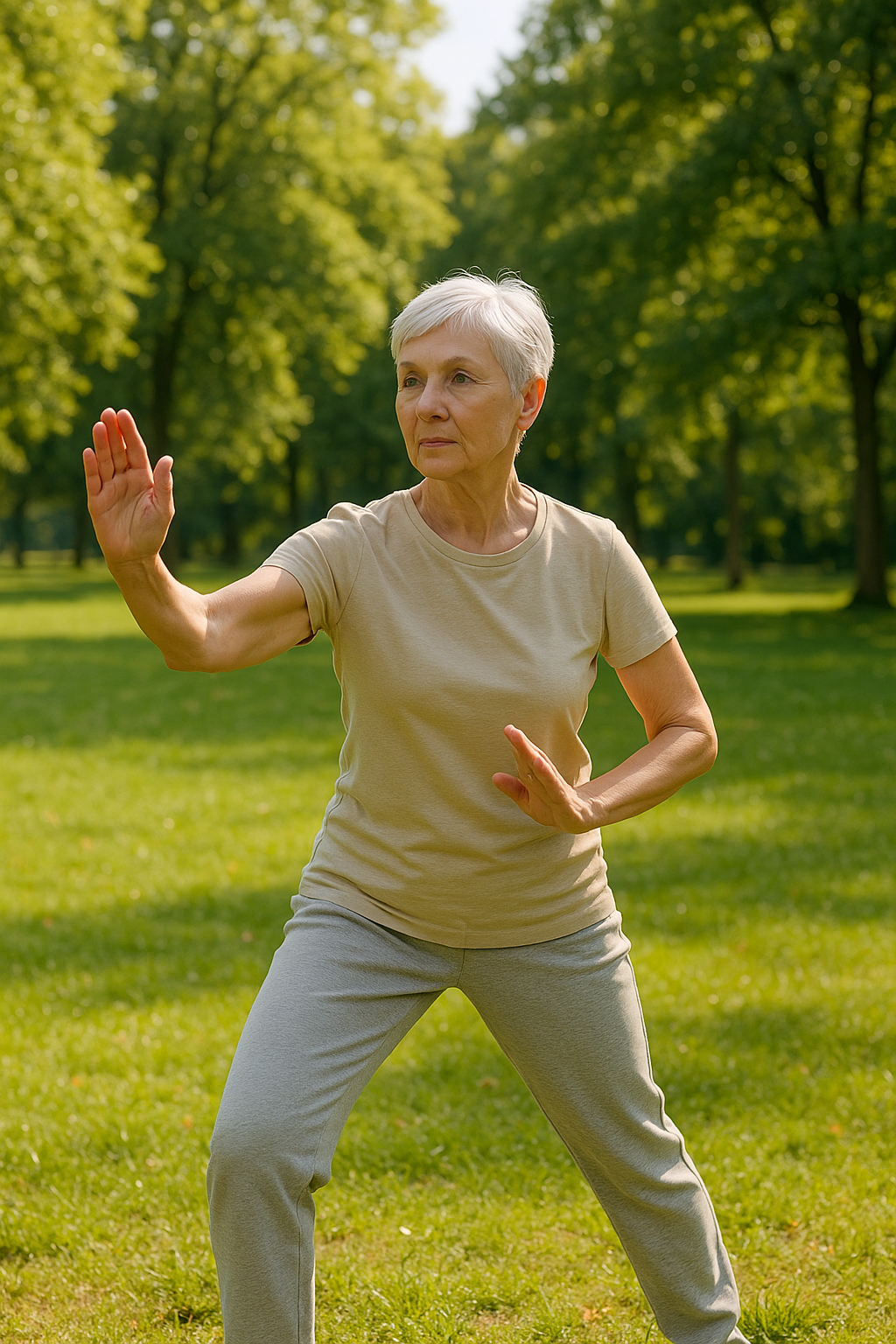
Tai Chi Benefits for Arthritis and Balance: What Decades of Research (and I) Have Learned
If you’d told me twenty years ago that I’d be recommending ancient Chinese martial arts in an orthopedic clinic, I probably would have laughed—and then looked over my shoulder for my supervisor. But here we are, and honestly? I’m glad.
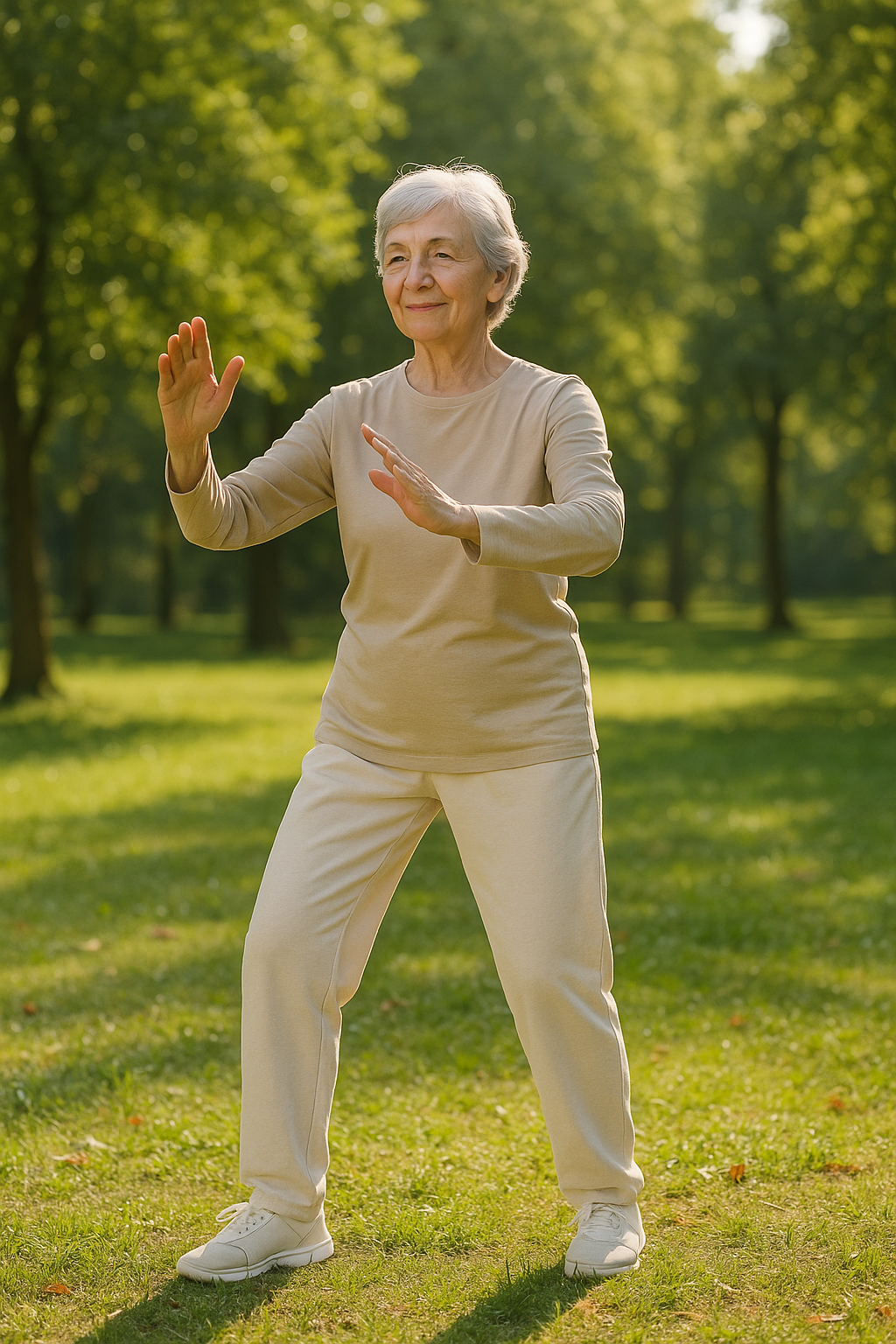
One of my first "aha" moments with tai chi happened about a decade ago. I had a patient—let’s call her Marian—who’d come in after her fourth fall in two years. She had rheumatoid arthritis, bad knees, and a deep fear of getting up off the couch. Her daughter had dragged her to a community tai chi class almost as a dare. Three months later, Marian was telling me she could walk to her mailbox again, and “hadn’t eaten the grass” since she started. That’s when I became obsessed with the real, measurable benefits of tai chi for arthritis and balance.
Tai Chi Isn’t Magic—But It’s Close
Don’t get me wrong. Tai chi won’t regrow cartilage or reverse decades of wear. But if you—or someone you love—struggles with joint pain and worries about falling, tai chi is as close to a "miracle movement" as medical journals have found. The American College of Rheumatology, the CDC, even your neighbor’s dog-walker—they’re all talking about it these days. The reason is simple: it works. Not perfectly. Not instantly. But remarkably consistently, and often for people who’ve tried “everything else.”
Why Do So Many People With Arthritis (and Wobbly Balance) Swear By Tai Chi?
Here’s the thing: arthritis pain isn’t just about sore joints. It’s about losing confidence. It’s about the way your world shrinks when you’re worried about slipping in the shower or not making it up the stairs. And if you’re nodding along, trust me—you’re in good company. Over 58 million Americans have doctor-diagnosed arthritis (CDC, 2023). About half of us over 65 will fall at least once this year (Journal of Geriatric Physical Therapy, 2022). Those are big, ugly numbers. But the stories behind them? Personal. Painful. Real.
So why does tai chi—which, let’s be honest, looks a bit like underwater ballet—help?
- It’s low-impact. If jogging makes your knees ache, tai chi will feel like a warm bath by comparison.
- It builds strength in surprising ways. Those gentle leg bends? They wake up muscles your physical therapist wishes you would use more.
- It trains your mind and body together. Coordination, awareness, even a bit of focus on your breath—it all adds up to better balance, fewer falls, and (sometimes) a brighter mood.
But I’m not just waxing poetic—I’m a nurse. I need data. Lucky for us, there’s plenty.
The Science: Research-Backed Tai Chi Benefits for Arthritis and Balance
Let’s get concrete. Over the last 15 years, medical journals have fallen a bit in love with tai chi. The biggest, toughest studies? They show:
- Less pain, more movement. A 2016 meta-analysis in Arthritis & Rheumatology found tai chi can reduce pain and stiffness by up to 35% in knee osteoarthritis. That’s on par with some NSAID medications—without the stomach upset.
- Better balance = fewer falls. A 2017 trial in the New England Journal of Medicine looked at 670 older adults with balance issues. Those who practiced tai chi twice a week cut their risk of falls by 31%. That’s massive. Especially when you consider how devastating a hip fracture can be.
- Improved mood and confidence. In my experience, and in dozens of studies (see BMJ Open, 2017), tai chi helps with anxiety and depression symptoms, too. It’s hard to overstate how much this matters when you’re living with chronic pain.
And the real kicker? Tai chi is safer than almost any other arthritis-friendly exercise I’ve seen. No weights to drop, no complicated moves to memorize. Chairs nearby if you need them. It’s the opposite of “no pain, no gain.”
How Does Tai Chi Help Your Joints and Balance?
Tai chi looks slow, but underneath, there’s a whole lot going on. Here’s what the research (and, frankly, my own eyes) tells us:
- Joint lubrication: Slow, gentle circulation of the synovial fluid. Think “oil change” for your knees and hips every morning.
- Muscle engagement: Quadriceps, calves, glutes—these all get gently conditioned. You don’t need a gym. You need repetition and patience.
- Neuromuscular retraining: Tai chi asks your body to move in new patterns. This retrains your balance centers, which can get “rusty” if you’re avoiding movement.
- Mind-body connection: The focus on breathing and slow transition helps quiet the nervous system—lowering stress hormones, which (not gonna lie) can actually amplify your pain.
I remember an 82-year-old man in our clinic who said, “Tai chi makes me feel like I’m in my body again. Not fighting it so much.” That’s a win in any book.
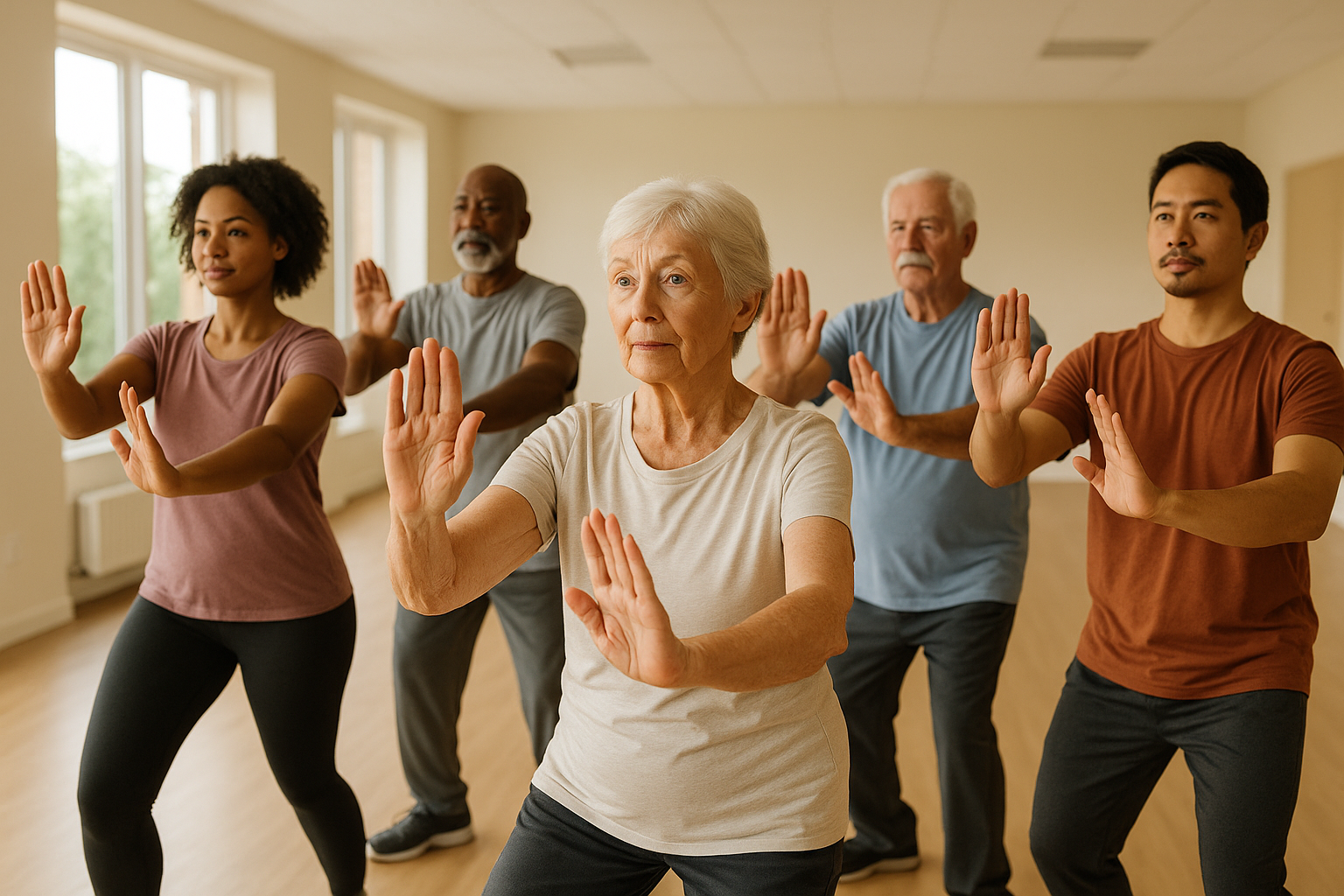
Getting Started: Real-World Tips (That Aren’t Intimidating)
Look, I know what’s on your mind. “Do I have to wear silk pajamas? What if I can’t stand for long?” You do you. Here’s how I guide my patients:
- Start small—literally five minutes. YouTube is packed with “tai chi for beginners” videos. I’m partial to Dr. Paul Lam’s Arthritis Foundation routines, because he’s a physician and tai chi master (and his accent is charming).
- Seated tai chi is real tai chi. Chair-based routines offer almost all the benefits. Don’t let pride get in your way. Some of my most successful patients started sitting—then stood up as they felt safer.
- Twice a week is a great start. In the Boston University study (2018), participants saw measurable balance improvements in just eight weeks, practicing 20-40 minutes twice weekly.
- Don’t ignore pain—work with it. That burning sensation after a brisk walk? Not the goal here. Tai chi should feel like a stretch, not a struggle.
And a gentle nudge: always clear new exercises with your doctor or physical therapist—especially if you have severe joint damage, recent surgery, or balance so shaky you’re afraid to stand alone.
What Tai Chi Can’t Do (And What to Combine It With)
I know this is unpopular, but tai chi isn’t a silver bullet. It won’t undo decades of cartilage loss, and it won’t fix a meniscus tear. But when paired with smart support—like pain-relieving gels, supportive braces, and heat therapy—you can squeeze much more out of every session, and every day.
For example, several of my patients combine a few minutes of Voltaren Arthritis Pain Gel before and after tai chi. It’s FDA-approved, uses diclofenac sodium, and genuinely helps with the "morning ache" that can sabotage your motivation. I’ve seen folks literally limber up with less wincing after starting this routine. (Of course, always make sure topical NSAIDs are okay with your healthcare provider—especially if you’re on blood thinners or have sensitive skin.)
Another game-changer? External supports, like the NEENCA Professional Knee Brace. It’s a medical-grade brace with side stabilizers and a patella gel pad—that’s geek speak for "it keeps your kneecap lined up and helps you feel secure." I’m not saying you need to live in a knee brace, but for folks with arthritis who’ve had “wobbly” moments, these can make tai chi (or even just walking to the fridge) a lot more manageable.
Tai Chi Versus Other Arthritis-Friendly Exercises: An Honest Comparison
Let’s be fair—tai chi isn’t the only way to move safely with arthritis. Aquatic exercise, simple walking, stationary cycling, and gentle yoga all have research behind them. But where tai chi shines is in the combination of physical, mental, and balance benefits. In a 2019 head-to-head trial (Journal of Aging and Physical Activity), tai chi outperformed traditional resistance training for reducing falls in older adults with knee osteoarthritis. The difference wasn’t huge, but it was real—and most participants said tai chi felt more "doable." That’s half the battle.
Yoga can be fantastic, especially restorative flows. But if you’re nervous about wrist strain or getting up off the floor, tai chi’s vertical, gentle approach wins out. Even walking—my perennial favorite—isn’t always feasible if foot or hip pain flares. Tai chi lets you stay upright, slow, and safe.
Common Tai Chi Myths—And What Actually Matters
- “I’m too stiff/old/uncoordinated.” Nonsense. I’ve seen folks in their 90s start with nothing but toe-tapping and imaginary arm sweeps. Progress is the goal—not perfection.
- “It’s not real exercise.” Tell that to my patients who can finally stand up from a chair unassisted. Tai chi can gently raise your heart rate, build leg strength, and train your balance systems, all while your joints thank you.
- “It’s too ‘woo-woo’ for me.” Honest confession: I used to think the same. But when you see double-blind, randomized controlled trials in the Annals of Internal Medicine (2015) confirming real benefits, you start paying attention.
If You Want to Go Deeper at Home…
I get weekly emails asking, “Should I join a class? Buy a DVD? Just wing it on YouTube?” My honest answer: whatever feels sustainable. For folks who prefer book-in-hand, I’ve recommended Treat Your Own Knees by Jim Johnson. Yes, it’s not a tai chi guide per se, but it’s packed with research-backed exercises for strength and balance—and pairs beautifully with a tai chi routine if you want a little extra structure.
Local arthritis foundations, senior centers, and even some YMCAs now offer virtual or outdoor tai chi classes designed for folks with mobility limitations. Don’t be afraid to ask about trial classes or “newcomer” sessions. You’re not expected to know the moves. Everyone starts as a beginner—including people like me, who spent years thinking it wasn’t “medical enough.”
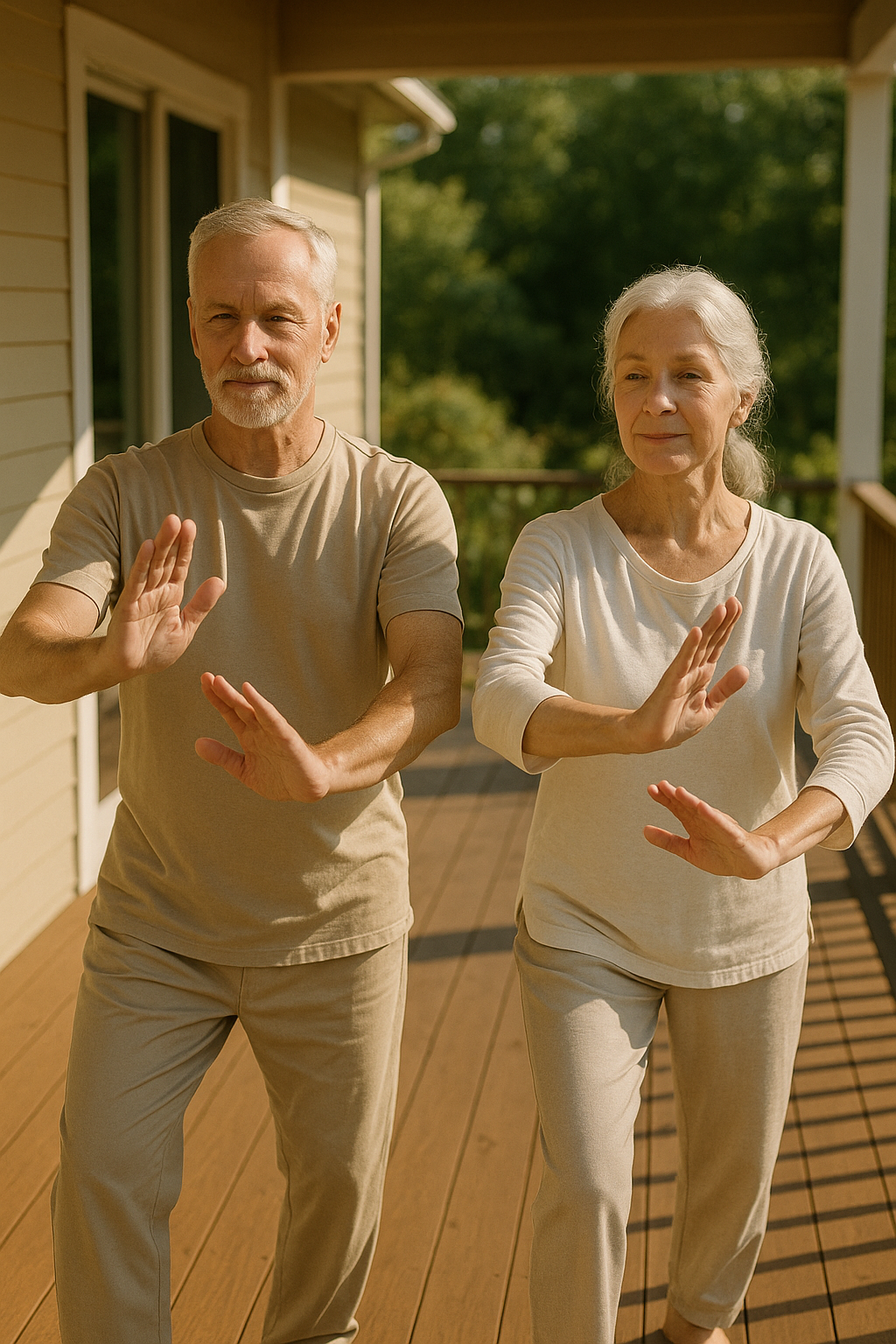
Takeaways: How to Make Tai Chi Work for You
- Start small and gentle. Five minutes is enough. Consistency beats intensity.
- Seated and standing routines are both valid—listen to your body, not your pride.
- Pair tai chi with pain relief tools and supports for optimal comfort and safety.
- Social support matters. Find a class, a friend, or an online group. The accountability helps.
- Your progress is your own. Celebrate the little wins: getting out of a chair, walking to the mailbox, going a whole week without a fall.
If you’ve been hesitating, I’ll give you my gentle nurse’s nudge: give it a shot. The worst outcome? You’ll have spent a few peaceful minutes stretching and moving. The best? A new lease on movement and confidence.
And if you’re struggling with pain or feeling unsteady, ask your doctor or physical therapist about adding tai chi to your plan—especially if other approaches have stalled.
Until next time, keep moving gently. Your future self will thank you for every little step.
Linda Hargrove, RN, writes for JointReliefReviews.com. She spent 20 years in orthopedic care and now helps everyday people find practical, research-backed relief for joint pain.