How to Stay Active With Chronic Joint Pain: Real-Life Strategies that Actually Work
Three years ago, I watched my mother-in-law give up her Saturday walks. Her knees, she said, just couldn’t take it anymore. She used to call those walks her 'moving meditation.' That stuck with me—because when chronic joint pain takes something simple and joyful away, it’s not just your joints that ache. It’s your sense of self.
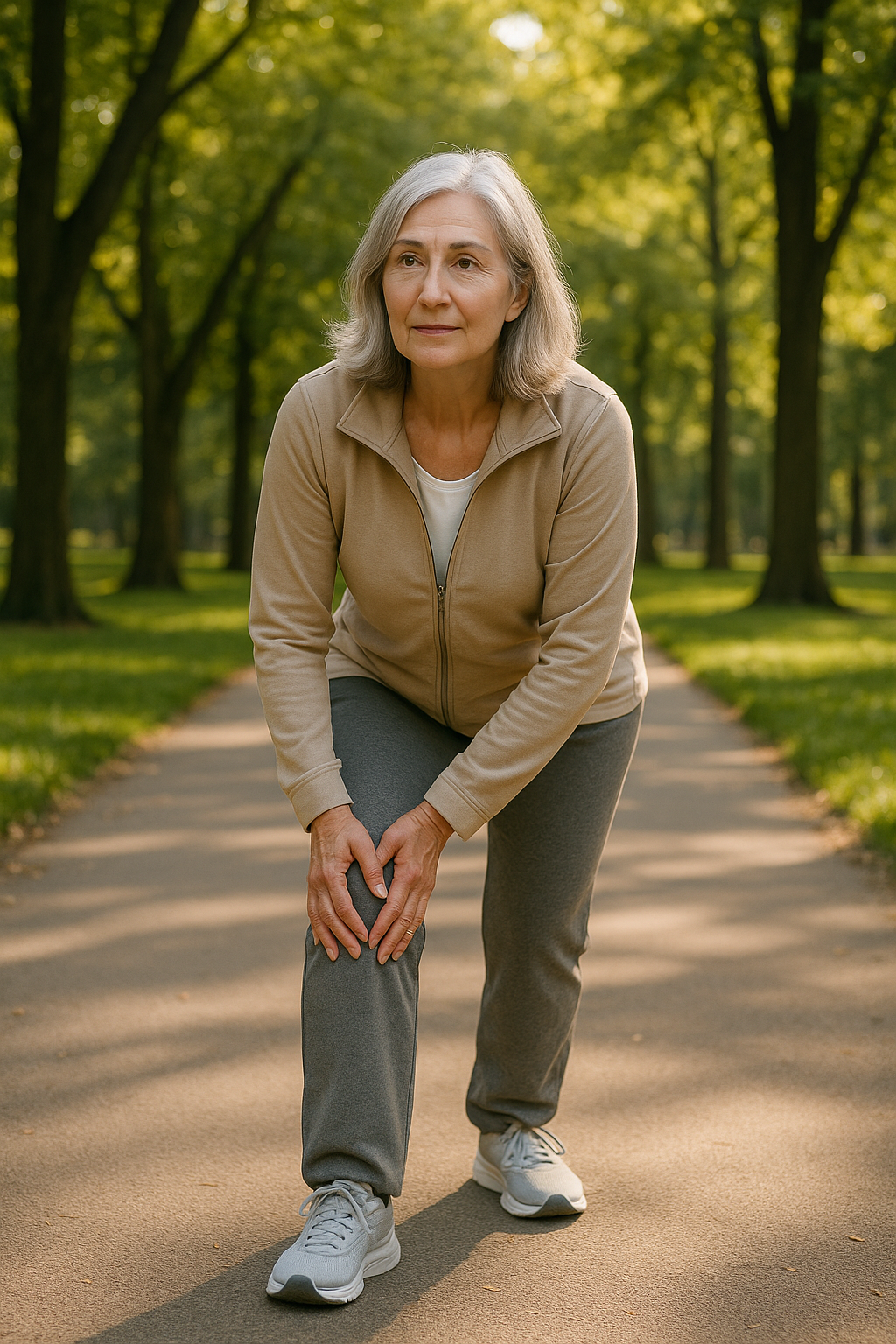
Look, if you’re reading this, odds are you know that giving up movement isn’t the answer. But it’s also not as easy as 'just keep moving,' either. I hear from readers every week who are frustrated—sometimes even ashamed—that they can’t stay as active as friends, or keep up with their grandkids. Let me say this clearly: you aren’t lazy or weak. Chronic joint pain is a thief, yes, but with the right tools and some honest adjustments, it doesn’t have to steal your movement entirely.
Why Joint Pain Feels Like a Wall—And How Science Explains It
Joint pain isn’t picky. It might be your knees, hips, hands, back, or all of the above. Arthritis in all its forms—osteo, rheumatoid, psoriatic—tops the list, but old injuries, gout, and even Lyme disease can leave you hurting. The Journal of Rheumatology reported in 2021 that nearly one in four adults worldwide deals with some form of chronic joint pain. That’s an epidemic-level problem.
And here’s the kicker: pain isn’t just pain. It’s a signal that changes how you move, how you think, and even how you feel about yourself. People with chronic joint pain are three times more likely to develop anxiety or depression, according to Arthritis Care & Research (2019). That spiral—less movement, more pain—can be brutal.
But—and this is the good news—movement is one of the few things proven to help. Regular, gentle activity keeps joints lubricated, muscles strong, and even tempers the pain signals in your brain. The catch? You have to do it differently than you did at 25.
The Science: Movement as Medicine (But Not All Movement Is Equal)
Let’s clear this up: 'No pain, no gain' doesn’t apply here. In fact, it’s dangerous. What the research supports is finding a zone—a type and amount of movement that gets you active without pushing your joints to the breaking point.
- Low-impact exercise is king. Walking, swimming, cycling, Tai Chi, and gentle yoga made pain and function improve in dozens of studies—see the 2022 meta-analysis in BMJ Open if you like deep dives. Water-based movement is especially good for knees and hips, since buoyancy cuts the stress.
- Strength training matters more than you think. Even tiny muscles play a big role in stabilizing your joints. One large 2018 review in Arthritis & Rheumatology found that people who did simple resistance exercises 2-3 times a week reported 20% less pain—and better balance, too.
- Range of motion isn’t optional. Stiff joints just get stiffer. That’s why gentle stretching, every day, can actually reduce your pain flare-ups over time.
But here’s where the conventional wisdom falls apart: You don’t have to do a 60-minute workout for it to count. Ten minutes here, fifteen there—consistency is what makes the difference.
How to Actually Move More—Even When Everything Hurts
Now, advice is easy; follow-through is not. I’ve seen so many patients and readers burn out when they try to go from zero to hero. So here’s how I counsel people (and how I manage my own creaky wrists and knees):
1. Break It Up
Forget the idea that activity has to be all at once. The CDC’s arthritis guidelines actually recommend short, frequent bursts—think 10 minutes of walking after breakfast, plus a gentle stretch during your TV show, and a quick strength routine before bed. It counts, trust me.
2. Warm Up Smarter
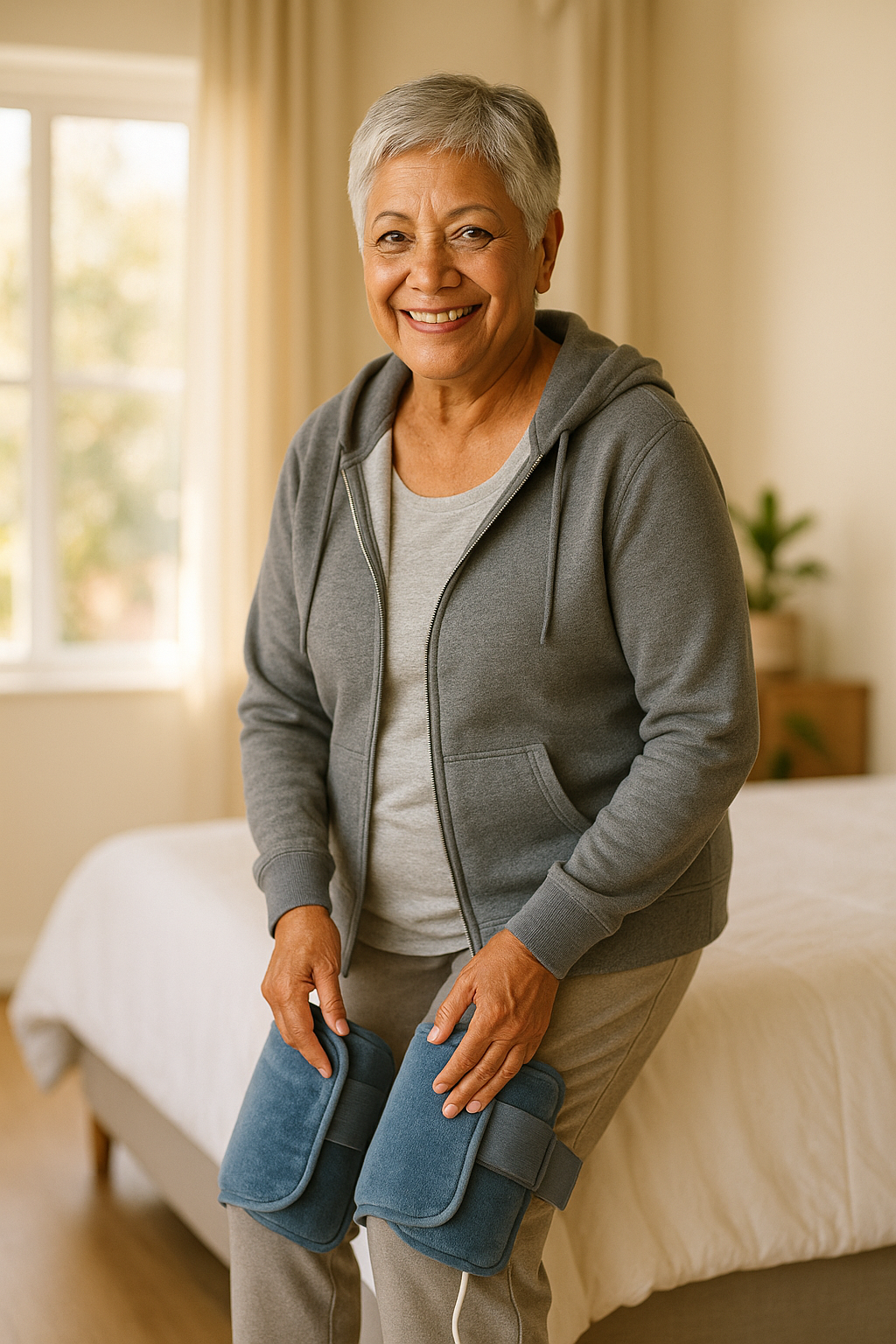
Stiff joints hate surprises. Start with a warm compress or a moist heating pad for 10-15 minutes. My current favorite is the Pure Enrichment PureRelief XL Heating Pad. It’s extra-large (seriously—covers my entire lower back or both knees at once), heats up fast, and has a moist heat option that feels like it’s melting the pain out. I park myself on the couch with this while I plan the day’s movements.
3. Choose the Joint-Friendly Moves
Look, you don’t have to run a 5K. Walking (flat or slightly inclined), pool exercises (I’m a huge fan of water aerobics, even if you’re not a swimmer), and gentle cycling are all excellent. For my knees, I used the routines from Treat Your Own Knees by Jim Johnson—clear, research-backed exercises that don’t require fancy equipment. I’ve recommended this book to dozens of readers, and more than a few have emailed back to say it was a game-changer.
4. Use Support (and Don’t Feel Weird About It)
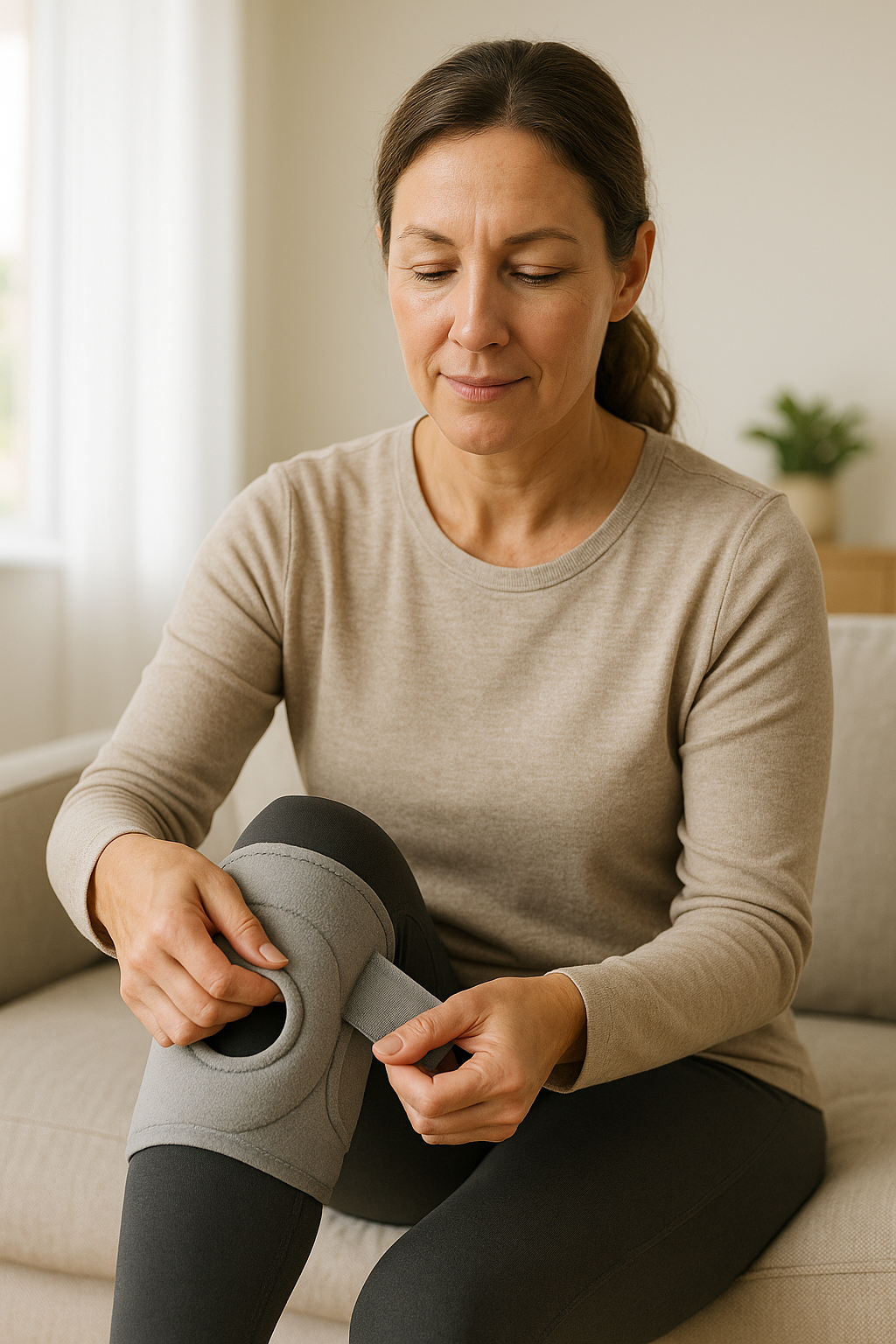
This one’s big. Braces, compression sleeves, canes, and even trekking poles—I’ve tried them all, and so have plenty of folks I trust. My go-to for knee days is the Modvel Compression Knee Brace. It’s affordable, breathable, and doesn’t slip down (which is rarer than you’d think). And unlike those old-school, scratchy knee sleeves, this one actually feels good to wear.
5. Listen to Your Pain (But Don’t Let It Boss You Around)
Here’s where it gets tricky. There’s a huge difference between 'good pain' (the burn of a gentle stretch) and 'bad pain' (sharp, shooting, or swelling). The Australian clinical guidelines (2023 update) suggest using a pain scale—aim to stay below a 5 out of 10 during and after activity. If it spikes, dial things back. If it’s a gentle ache or stiffness that fades after moving, that’s usually safe.
And talk to your doctor or PT before trying anything new, especially if you have more complex conditions like RA, lupus, or a history of joint replacements. I’ve seen too many people push too hard, too fast.
Little Habits That Make a Big Difference
Small changes add up. If you’re nodding along, you’ve probably already tried the 'walk more' advice. But have you:
- Swapped shoes? Supportive soles (not too soft, not too hard) can cut knee and hip pain dramatically—there’s solid research from Arthritis Care & Research (2020) on this. My personal trick: keep a pair of slip-ons by the door, so walking in the house doesn’t turn into tip-toe agony.
- Used timers? Every hour, stand and do a single minute of gentle movement: ankle circles, shoulder rolls, a wall push-up. It breaks up stiffness—and weirdly, feels more doable than a long session.
- Tracked progress (not perfection)? There are free habit apps, but even a sticky note on the fridge works. On rough days, I mark any movement as a win. Over time, you’ll see a pattern—and celebrating that is motivating in itself.
Supplements and Topicals: Hype vs. Hope
I get more questions about joint supplements than almost anything else. Here’s my take (and I know this is a little controversial): Most supplements aren’t miracle workers, but a few have real data. Glucosamine sulfate (1,500mg daily) and chondroitin (800-1,200mg daily) have modest but real effects for some people, especially for knees. The Annals of the Rheumatic Diseases 2015 review found a small but significant pain reduction compared to placebo. MSM (methylsulfonylmethane) may help some, too.
But not all brands are created equal. If you want to try a supplement, look for USP verification—like Nature Made Glucosamine Chondroitin Complex with MSM. I trust that brand for purity and consistency. Still, talk to your doctor before starting anything new, especially if you’re on blood thinners or have diabetes—they can interact with other meds.
Topical options like menthol rubs or capsaicin creams can take the edge off during activity, though their effects are usually short-lived. But hey, when you’re desperate to get out for a walk or garden for an hour, every little bit helps.
What About Pain Flares? Managing Setbacks Without Losing Momentum
I’d love to say there’s a fix that keeps you pain-free forever. But let’s be real: flares happen. Here’s what’s worked for me and for dozens of readers over the years:
- Rest doesn’t mean total immobility. Even on bad days, gentle range-of-motion—like ankle pumps or wrist circles—helps.
- Moist heat and ice are your friends. Heat before movement, ice after if you notice swelling. (I keep both in my freezer and closet, like a joint pain toolkit.)
- Communicate with your people. This is underrated. Let your family and friends know when you’re having a tough spell—ask for help, or just let them know you’re taking it slower.
Comparing Tools and Approaches: What Actually Works?
I’ve trialed every gadget and 'miracle cure' under the sun, but these are the ones I come back to—because the research and real-world feedback back them up:
- Heating pad: For pre-movement stiffness or as a daily ritual, the Pure Enrichment PureRelief XL is top notch. Moist heat gets deeper into the joint—great for prepping knees, back, or hips.
- Exercise guide: I’m still recommending Treat Your Own Knees (Jim Johnson)—especially for anyone overwhelmed by conflicting advice. Simple, illustrated routines you can do at home.
- Compression support: The Modvel Compression Knee Brace is affordable, easy to wear, and gets rave reviews from readers with arthritis, meniscus tears, or lingering sports injuries.
Notice what’s not on that list: expensive supplements without clinical backing, complicated workout programs, and anything that promises to 'cure' arthritis.
Fresh Takeaways: What I Tell My Family and My Readers
I know you want a magic bullet. I wish there was one. But what’s worked—really worked—for my mother-in-law, my readers, and myself boils down to this:
- Tiny, regular movement is better than heroic effort. Every stretch, every walk around the kitchen table, counts.
- Use the tools and supports that make movement easier. There’s no shame in using a brace, heating pad, or supplement if it helps you participate in life.
- Flare days aren’t failures. They’re part of the rhythm. The key is coming back—however gently—when you can.
And honestly? The most important thing is not giving up on yourself. I still have days where my morning walk is a shuffle, not a stroll. But every bit of movement keeps those joints more resilient for tomorrow.
If you’re looking for more personalized strategies—or just a little encouragement—send me a note. I love hearing from readers, and I promise: whatever your pace, you’ve got this.
Stay moving, stay hopeful, and be kind to your joints (and yourself).
Karen Whitfield
Veteran health journalist, daughter, wife, and eternal optimist about aging well