
Tai Chi Benefits for Arthritis and Balance: The Surprising Truth (From an RN Who’s Seen It Work)
I’ll never forget the look on Mrs. Thompson’s face—late 70s, knees that ached with every step, terrified of falling ever since her first big tumble. She told me, “Linda, I’m scared to even go to the grocery store.” Two years later? She was leading her local tai chi group, moving with a grace that, honestly, put me to shame.
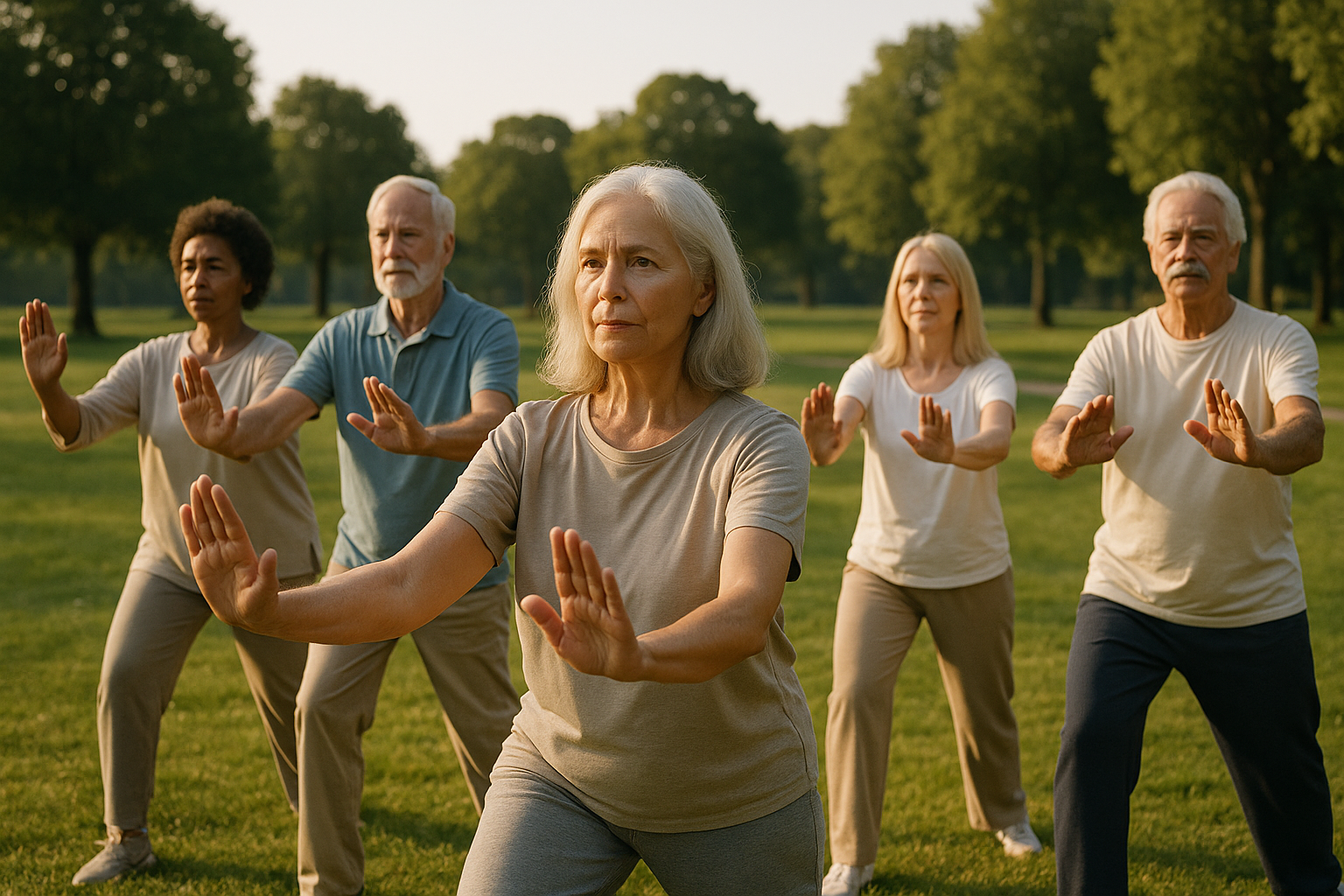
That story isn’t a fluke. Arthritis and balance problems drag down millions—if you’re nodding along, you’re not alone. One in four adults with arthritis report falling each year (CDC, 2022). And let’s be honest: the fear of falling can shrink your world to four walls and a worn-out recliner. But what if a slow, meditative activity could loosen your joints, build balance, and hand some of your confidence back?
Let’s Talk About the Daily Struggle
Most people picture arthritis as just joint pain. But it’s the unpredictability—the sharp twinges, the unsteady steps, the nights you lie awake counting aches instead of sheep—that really wear you down. I worked as an orthopedic RN for two decades. The stories rarely changed: folks want less pain, more movement, and above all, not to feel so vulnerable to a simple sidewalk crack.
Balance, in particular, is a sneaky thief. It’s not only about standing on one leg; it’s the confidence to carry groceries, walk the dog, or just get out of a chair without a small prayer.
Why Tai Chi? Here’s the Thing:
If someone had told me 20 years ago that a slow-motion martial art would be a game-changer for my arthritis patients, I’d have rolled my eyes. Now? The evidence (and experience) is impossible to ignore.
Unlike high-impact classes that leave your knees screaming, tai chi is gentle. It flows. The Harvard Medical School Special Health Report on tai chi (2022) flat out calls it “medication in motion.” That’s not marketing hype—just look at the clinical data.
What Is Tai Chi, Really?
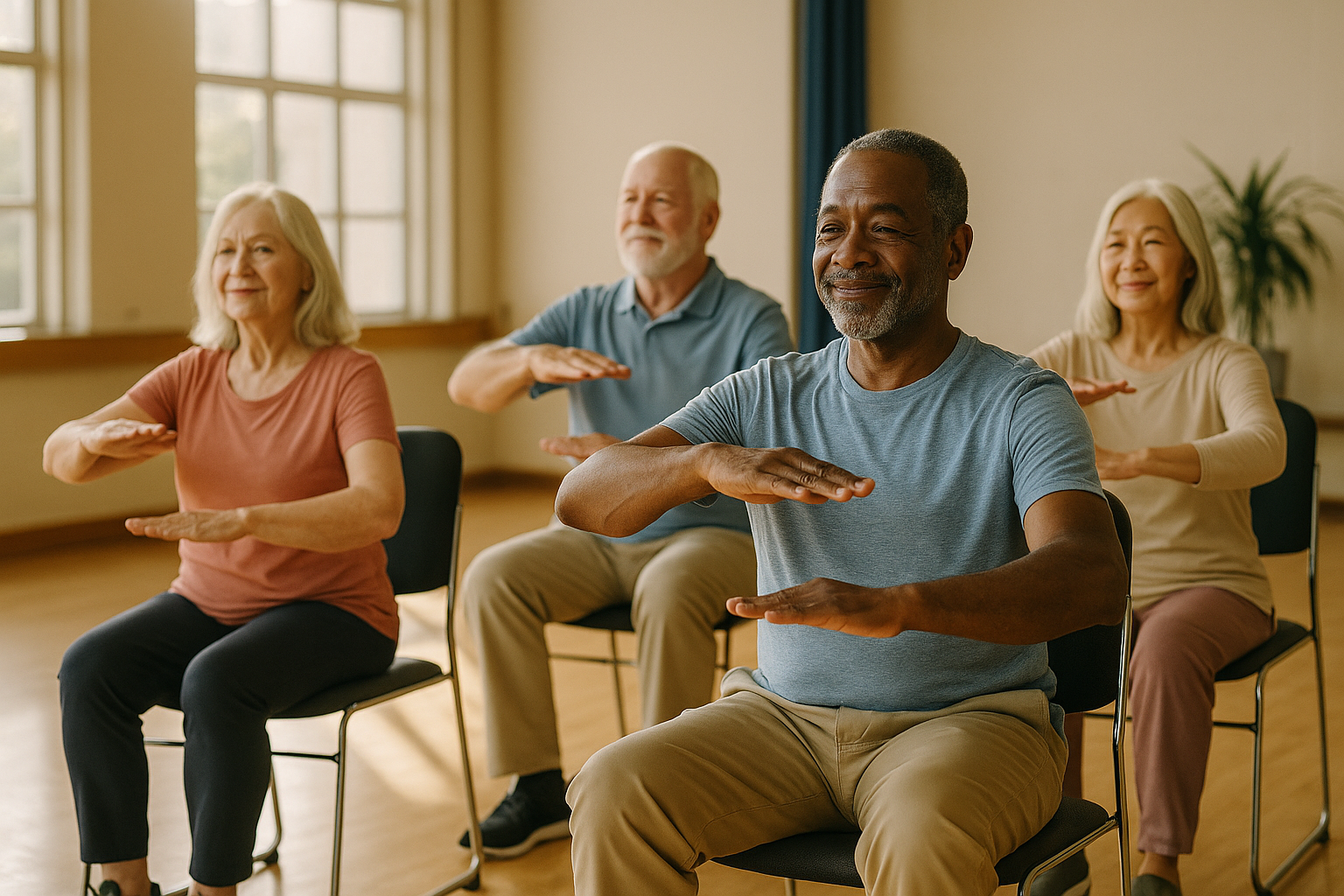
Don’t picture kung fu fights or Olympic-level athleticism. Tai chi is a series of slow, deliberate movements linked with deep breathing and focused awareness. It’s sometimes called “moving meditation.” You can do it standing or—even better for arthritis—sitting down. No fancy gear, no gym memberships, no intimidating choreography.
Arthritis and Tai Chi: What the Science Says
Here’s where it gets interesting. The Journal of Rheumatology (2016) published a meta-analysis of 15 tai chi studies, most on osteoarthritis of the knee. The upshot? Participants doing tai chi saw double the pain reduction compared to control groups. Double. Think about that.
Another classic: A 2010 Arthritis & Rheumatology trial with 40 adults (average age: 65, all with knee OA) split them into tai chi or physical therapy. The tai chi group improved more in pain, function, balance, and even depression symptoms after just 12 weeks.
But the real kicker? The effects went beyond the joint. Several studies show better mood, less stiffness, and improved sleep. (I’ve had plenty of patients tell me the same—some even say tai chi makes their morning routine possible again.)
Balance: The Forgotten Benefit
Here’s what most blogs won’t tell you—arthritis and poor balance go hand in hand. Aches make you walk differently, which weakens muscles, which makes you wobblier… see the vicious cycle?
In 2017, a massive Cochrane review found that tai chi cut fall rates by up to 43% in older folks. That’s not a typo. What’s more, it seems especially helpful for those with arthritis, because it gently builds up all those little stabilizer muscles you’ve probably forgotten you have.

How Does Tai Chi Actually Work?
The science is catching up to what practitioners have said for centuries. In my nerdy nurse way, here’s what we know:
- Joint Support: Slow, weight-shifting moves gently lubricate joints—think of it as oiling a rusty hinge. The motion cues your body to pump synovial fluid, which is nature’s joint grease.
- Muscle Strength: Yes, even slow motion can build muscle! Studies using MRI and DEXA scans show improved quadriceps and calf strength in regular tai chi groups (BMJ Open Sport & Exercise Medicine, 2018).
- Balance and Coordination: The constant shifting of weight challenges proprioception (your body’s sense of position in space). Plus, tai chi encourages mindful movement, which science links to fewer stumbles (Journal of Aging and Physical Activity, 2021).
- Pain Pathways: Mind-body practices like tai chi seem to quiet areas of the brain involved in pain processing—MRI scans back this up. That doesn’t mean “it’s all in your head,” but the brain matters.
- Flexibility & Range: The arc-like motions open up hips, knees, and ankles without aggressive stretching—which is a blessing if touching your toes sounds like science fiction.
I know what you’re thinking: “Sounds great, but can beginners really do this?” The answer is yes. I’ve walked dozens of ‘never-exercised-in-my-life’ folks through their first class, and most are smiling (not grimacing) by the end.
Real People, Real Results
A reader—let’s call him Bill—emailed me last spring. Early 60s, bad knees, and a family history of nasty falls. He started with 10 minutes of seated tai chi a few mornings a week (YouTube videos, nothing fancy). Six months later, he told me, “For the first time in years, I don’t need both hands to get out of my chair.” That’s no miracle cure, but it’s a genuine shift in how someone lives day-to-day.
I’ve had a few skeptics, too. One gentleman insisted tai chi was “just waving your arms around.” Three weeks in, he admitted, “My legs are sore in places I didn’t know I had. But I haven’t tripped on the front steps since I started.”
Practical Tips to Start Tai Chi (Even With Arthritis)
- Start Small: You don’t need an hour. Even 10-15 minutes, a few days a week, can make a difference. Consistency is key—not intensity.
- Look for Arthritis-Friendly Classes: The Arthritis Foundation has a tai chi program. Local YMCAs and parks often offer modified classes that skip the deep bends.
- Try Online Videos: I’m a fan of Dr. Paul Lam’s Tai Chi for Arthritis series. Clear instructions, gentle pacing, no pressure.
- Use Support When Needed: It’s perfectly fine to do tai chi near a sturdy chair or countertop. I’ve had folks practice hand movements only while seated—still helpful!
- Listen to Your Body: If something hurts (sharp, burning pain), stop. Talk to your rheumatologist or primary doc before starting any new exercise if you have severe arthritis, joint replacements, or unstable joints.
- Track Progress: Write down how far you can walk, how many stairs you take, or how often you trip. It’s easy to miss subtle improvements if you’re not looking for them.
Should You Use Anything With Tai Chi?
This part gets personal. I often suggest pairing tai chi with a joint-friendly topical—a little boost for achy days. Voltaren Arthritis Pain Gel (with diclofenac sodium, just like the prescription stuff I used to apply for inpatients) can help take the edge off pain so movement feels doable. No miracles, but it buys you the comfort window to practice.
For those struggling with knee instability, I’ve seen people use the NEENCA Professional Knee Brace. It’s not a substitute for exercise, but extra support can help you feel more secure—especially in the early weeks when your knees are still learning the ropes. (Full disclosure: I do get a small commission if you buy through those links, but I only recommend products I’ve seen help real people.)
Diving Deeper: Tai Chi vs. Other Arthritis Exercises
I get this question a lot: “How does tai chi stack up to, say, yoga or water aerobics?” They all have their place. But here’s what stands out about tai chi:
- No Getting on the Floor: Huge plus for those with bad hips or knees.
- Zero Equipment: No mats, no resistance bands, no swimsuits needed.
- Mental Clarity: Several studies (BMJ, 2017) found tai chi boosts not just balance, but also attention and mood. That “moving meditation” aspect is real.
- Accessibility: You can do it standing or sitting, at any pace. I’ve taught folks in wheelchairs—just arm movements can help with shoulder mobility.
But don’t let me oversell it. Tai chi isn’t magic. If your arthritis is severe, or your balance is very poor, you’ll want to start slow and maybe consult with a physical therapist first. And for building sheer muscle mass, resistance training still rules the roost. But as a bridge from barely moving to moving better? Tai chi’s in a league of its own.
The Mind-Body Bonus
We don’t talk enough about the emotional side of arthritis. Chronic pain is isolating. Tai chi classes (especially in-person) offer gentle social interaction, a sense of achievement, and—for many—a way to feel present in their bodies again. I really do believe this is half the magic.
And if you’re the type to roll your eyes at “mindfulness,” let me say: I was, too. Now I see how much it matters. Slowing down, tuning in, even if just for 10 minutes, rewires your relationship with pain.
So, Should You Try Tai Chi?
If you’re living with arthritis and worried about falls—or just tired of feeling stiff and unsure—tai chi deserves a spot on your radar. It’s gentle, evidence-backed, and honestly, a lot more doable than most “lifestyle” changes people try to sell you.
And you don’t have to go it alone. If you want a structured, research-backed home program (with no jargon and stick-figure-friendly drawings), I’m a big fan of Treat Your Own Knees by Jim Johnson, PT. It’s not strictly about tai chi, but it’s the best primer I know for gentle exercises that actually help (and it gets passed around my family like a secret weapon).
Final Thoughts (and a Little Nurse Wisdom)
Will tai chi make your arthritis vanish? No. But will it help you move with less pain, reclaim some balance, and maybe even rediscover a little joy in your body? Very likely—if you give it a fair shot.
The hardest part is starting. But if Mrs. Thompson (and Bill, and dozens more) can do it, you can, too. Just put on some comfy clothes, find a video or a class, and start moving—slowly. Your joints (and nerves) might just thank you.
Stay gentle with yourself—and if you have any questions, you know where to find me. I love hearing your stories, skepticism and all.
Linda Hargrove, RN, is a retired orthopedic nurse and health writer who helps people find real, research-backed relief from joint pain—one step (or tai chi pose) at a time.