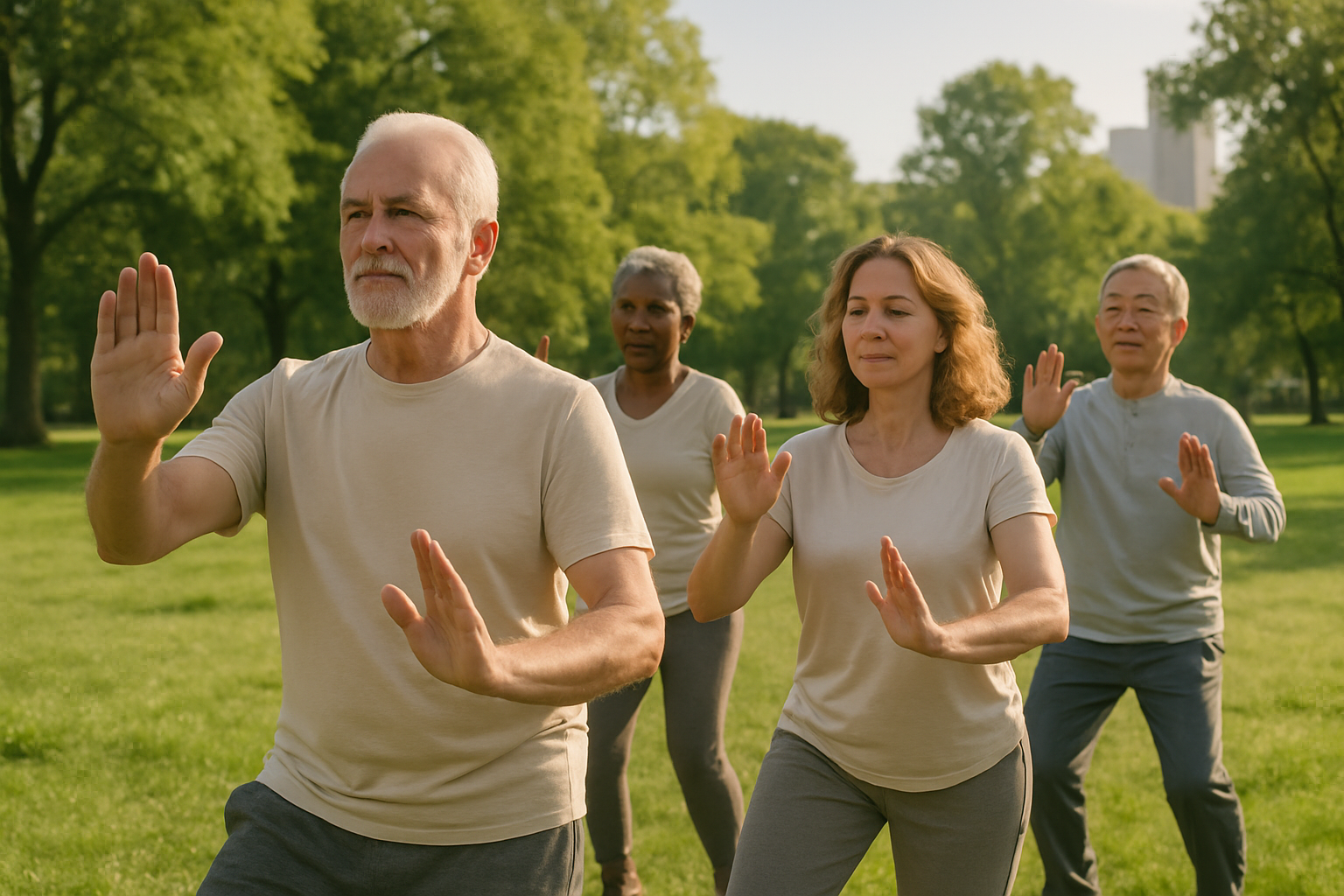
Tai Chi Benefits for Arthritis and Balance: My Honest Nurse’s View
If you’d told me ten years ago that I’d be recommending “moving meditation” to stubborn ranchers and tough-as-nails grandmas, I probably would’ve laughed. But here we are. A few weeks ago, a patient’s husband (a retired cop, no less) told me his nightly tai chi routine “kept him out of a wheelchair.” Frankly, it’s hard to ignore stories like that—or the avalanche of real research piling up behind them.
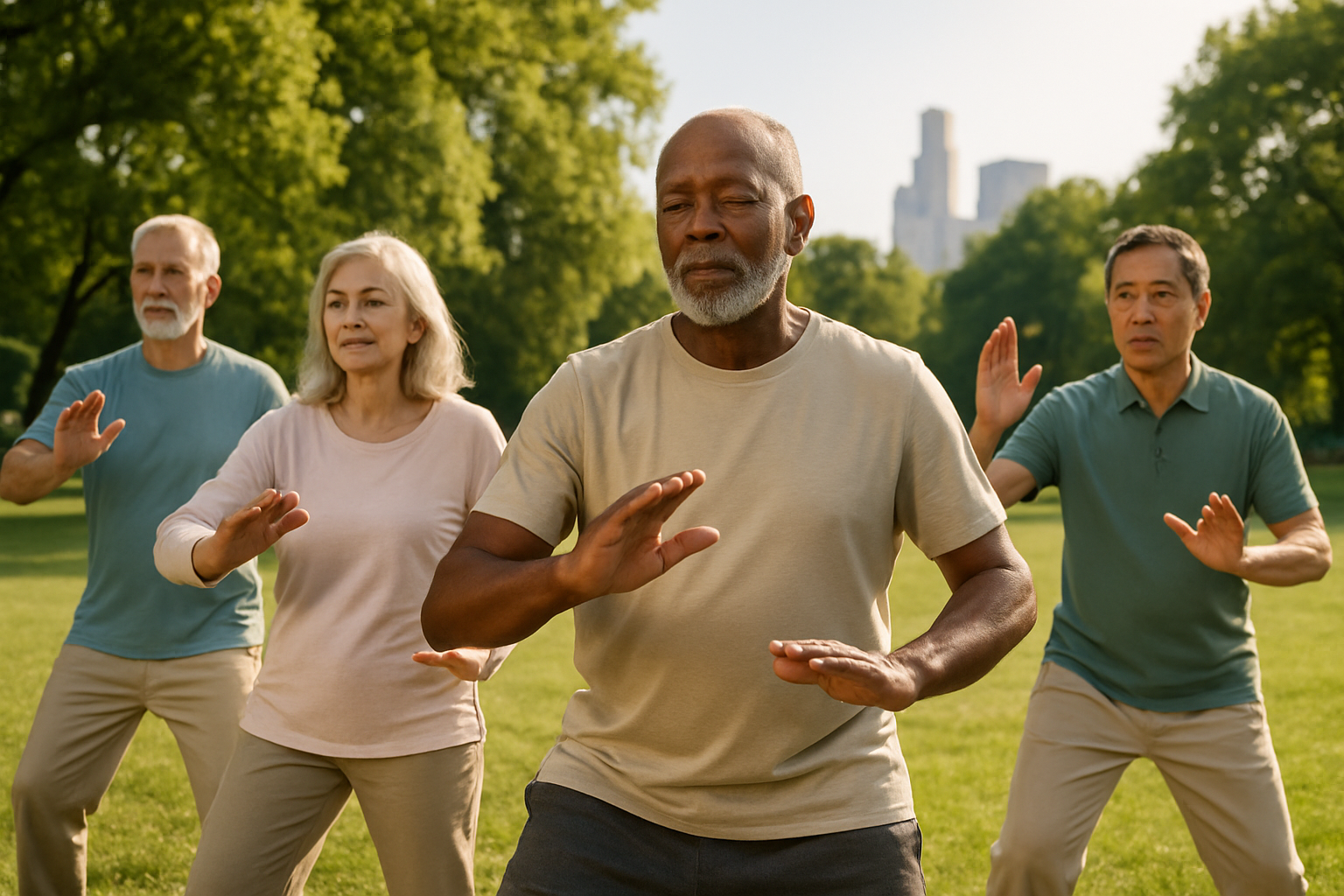
The Real Struggle: Arthritis, Wobbly Balance, and Everyday Frustration
If you’re reading this, chances are simple things aren’t so simple anymore. Stairs become a gamble. Your knee (or hip, or ankle) reminds you it’s there every time the weather changes. And the fear of falling—let’s be honest—can rob you of confidence you didn’t even realize you had. Most people don’t talk about the emotional toll, but I see it all the time: folks scaling back on their favorite activities, saying “no” more than they want, all because of pain and instability.
Here’s the thing: I’ve worked in orthopedic care for two decades, and I’ve watched an entire generation of patients search for relief—sometimes bouncing between PT, surgery, pills, and all sorts of gadgets. The truth? There isn’t a magic bullet. But there are practical, low-risk things that can help, and tai chi is near the top of my list. Let’s break down why.
How Tai Chi Works Its Magic (And What Science Says)
I’ll be honest: When I first heard of tai chi, I pictured slow-motion dance moves in a misty Chinese garden. Turns out, that’s not too far off. But the real “magic” is how it blends gentle movement, focused breathing, and balance training all in one. It’s easy on joints but surprisingly powerful for retraining your whole body.
Let’s get nerdy for a moment—because the research is genuinely impressive. One 2016 meta-analysis in the Journal of Rheumatology pooled results from 13 randomized controlled trials: Tai chi reduced pain scores by over 30% in people with osteoarthritis. That’s on par with some prescription drugs (minus the side effects).
But here’s where it really shines: balance. Falls are a nightmare for anyone with arthritis—and tai chi isn’t just gentle, it’s specifically designed to challenge and expand your stability. In fact, a 2021 study published in Arthritis & Rheumatology tracked older adults practicing tai chi for 12 weeks. Their rate of falls dropped by 58%. Not a typo. That’s a massive improvement.
If you’re nodding along, you’re not alone. I get emails almost weekly from readers who’ve tried everything and finally found confidence (and a little joy) in these flowing movements. And here’s a little-known bonus: there’s evidence tai chi can lower blood pressure, improve mood, and even help you sleep better (BMJ, 2015 review) – unexpected perks for anyone dealing with chronic pain.
Breaking Down the Benefits (No Hype, Just Facts)
- Pain Relief: Regular tai chi (usually 2-3 sessions per week) has been shown to lower joint pain scores for knee and hip arthritis. Most studies use 45-60 minute sessions, but even 20 minutes a day can help.
- Better Balance: The “single-leg stance” and slow weight shifts train your body to react faster, which means fewer stumbles and more confidence on uneven ground. My mother-in-law, who used to white-knuckle her way down the porch steps, now moves like she owns the place.
- Stronger Muscles: Tai chi looks gentle, but maintaining those postures builds leg and core strength. Several randomized trials have shown measurable increases in lower body muscle after just 8-12 weeks.
- Flexibility: The constant gentle motion helps loosen stiff joints. I often suggest it to patients who struggle with traditional stretching—tai chi “sneaks in” the mobility work without feeling forced.
- Mental Benefits: Not gonna lie: mood and sleep matter, especially when pain’s part of daily life. Multiple studies link tai chi to less anxiety and better rest.
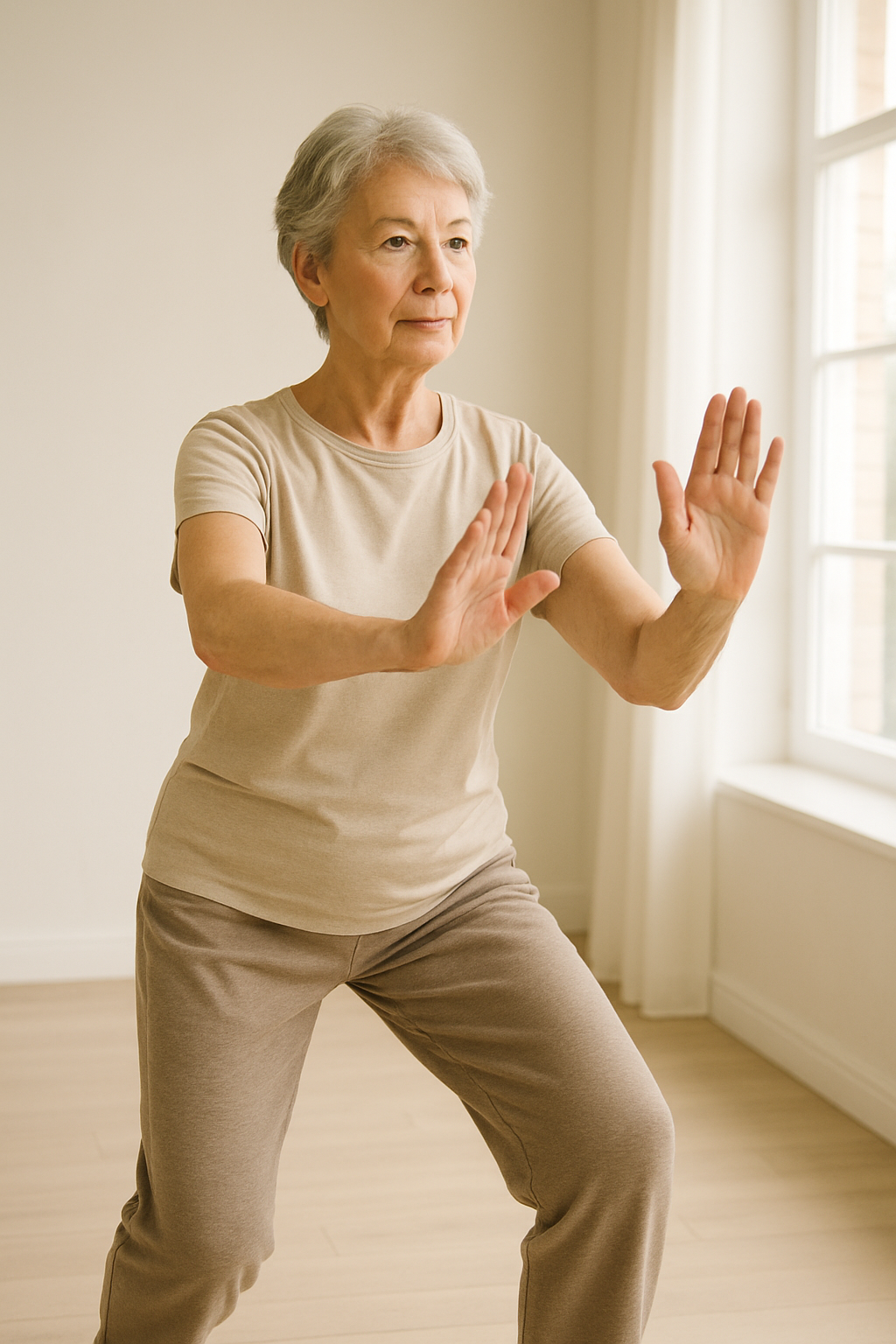
Okay, But—Is Tai Chi Safe If I Already Hurt?
This is the big question I get: “What if my knees are already shot?” Or: “Am I too stiff to start?” Look, I won’t sugarcoat it. If you’re flaring badly—or can barely get out of a chair—go slow. But the beauty of tai chi is its flexibility. Classes (even online ones) often show standing and seated versions. Movements can be scaled to your comfort level. And unlike running or high-impact aerobics, there’s almost zero risk of aggravating arthritis if you respect your limits.
Of course, check with your doctor or physical therapist before beginning any new exercise—especially if you have joint replacements, severe instability, or uncontrolled medical issues. Most rheumatologists are actually big fans of tai chi for this group. And if a certified instructor isn’t in the cards, YouTube is packed with beginner classes. (Tip: Look for videos from “Tai Chi for Arthritis” or “Dr. Paul Lam”—these are designed for true beginners with joint pain.)
Practical Tips: Getting Started with Tai Chi When You Have Arthritis
- Start Slow (No, Slower): You’ll want to rush, but resist. Focus on form, balance, and breathing rather than speed. Even 10-15 minutes counts at first.
- Wear Support: If your knees feel unstable, I sometimes recommend a medical-grade brace. The NEENCA Professional Knee Brace has been a game-changer for several of my arthritis patients—solid support, but flexible enough for gentle movement. (It’s not magic, but it helps people feel safer.)
- Don’t Skip Warm-ups: Gentle ankle circles, wrist rolls, and a little walking loosen stiff joints. Most tai chi classes include this but, if you’re solo, set aside 2-3 minutes for it.
- Stay Consistent: The real change isn’t from one class—it’s from sticking with it. The best results in the studies came after 2-3 months. Make a calendar reminder, or better yet, join a class where someone expects you!
- Modify as Needed: If a position hurts, switch to a simpler version. Tai chi isn’t “no pain, no gain.” Listen to your joints—they’re wiser than you think!
The Honest Limitations: Tai Chi Isn’t a Cure—But It’s a Tool
Look, I know some people want the “one thing” that fixes everything. Tai chi isn’t that. It won’t regrow lost cartilage or erase severe deformity. What it can do is give you safer movement, less pain, and a surprising boost of confidence. I’ve watched too many folks—folks who had almost given up on exercise—find new energy (and friendships!) in local tai chi groups.
And if you’re dealing with moderate to severe pain, tai chi pairs well with other joint relief strategies. Several of my readers swear by using a topical pain gel like Voltaren Arthritis Pain Gel before their sessions to keep things comfortable. Real talk: it’s one of the few OTC products with FDA backing for arthritis pain, and—according to a 2020 review in Annals of Internal Medicine—works better than oral NSAIDs for some folks.
How Does Tai Chi Compare to Other Arthritis & Balance Solutions?
This is where things get interesting. Physical therapy, yoga, water aerobics—there’s no shortage of movement options out there. Here’s how tai chi stacks up, based on both the science and what I’ve seen on the “front lines.”
- Tai Chi vs. Yoga: Both are low-impact, but yoga often involves getting up and down from the floor—a big obstacle for severe knee or hip pain. Tai chi stays upright, and most poses can be done next to a chair for support.
- Tai Chi vs. Walking: Walking is great for cardio, but it doesn’t train balance or coordination the way tai chi does. Plus, repetitive pounding can aggravate arthritic joints if you’re not careful.
- Tai Chi vs. Physical Therapy: PT is (and always will be) gold-standard for post-injury or severe arthritis, but it’s usually short-term. Tai chi can be a sustainable, social, long-haul approach that keeps folks active long after formal PT ends.
- Tai Chi vs. Group Exercise Classes: I love a good water aerobics class, but not everyone has a nearby pool—or wants to wrangle a swimsuit. Tai chi has a low barrier to entry: no equipment, no special clothing, just enough space to make a snow angel.
Bottom line: If you want a way to move that’s easy on the joints, improves balance, and doesn’t require a fancy gym, tai chi is tough to beat.
Extra Help: Complementary Tools for Joint Relief
If you’re getting serious about reclaiming mobility, a few supportive tools can make a world of difference. My two “starter kit” picks for arthritis patients trying tai chi:
- Supportive Knee Brace: As I mentioned, the NEENCA Professional Knee Brace is worth a look—especially if your knees wobble or give out. Adjustable straps, side stabilizers, and a gel pad around the kneecap = comfort plus support. Don’t over-tighten. (And of course, check with your provider if you have circulation issues.)
- Pain-Relieving Gel: If flares derail your motivation, the Voltaren Arthritis Pain Gel is my go-to. Just rub it in before or after practice. I’ve watched people who “couldn’t even bend their knee” make serious progress once their pain was under better control.
The point isn’t to mask pain and push through recklessly—but to give yourself every chance for success.

Takeaways: What I Tell Patients (And What I’d Tell My Family)
I’ve sat across from hundreds of people, from ex-football players to retired teachers, looking for one thing: hope. If you’re still reading, maybe you’re hoping too. Here’s my honest advice, nurse to patient:
- Tai chi won’t cure arthritis, but it can absolutely change your daily life for the better—less pain, stronger balance, maybe even new friends.
- Start slow. Respect your body. If you need to modify or use a chair, do it. The goal is progress, not perfection.
- Consider small investments in comfort and safety—whether that’s a good knee brace or a proven pain gel. You deserve a fair shot at feeling better.
- Above all, stick with it for 8-12 weeks. Most of the research (and real-world stories) say this is where the magic happens.
If you try tai chi, drop me a line—I really do love hearing your stories. And if you’re still skeptical, that’s okay. But if you’ve been waiting for a gentle, evidence-based step back toward independence, tai chi is worth a serious look.
Warm wishes and healthier joints,
Linda Hargrove, RN
Registered Nurse, Joint Relief Reviews
20 years in orthopedic care, patient advocate, health writer