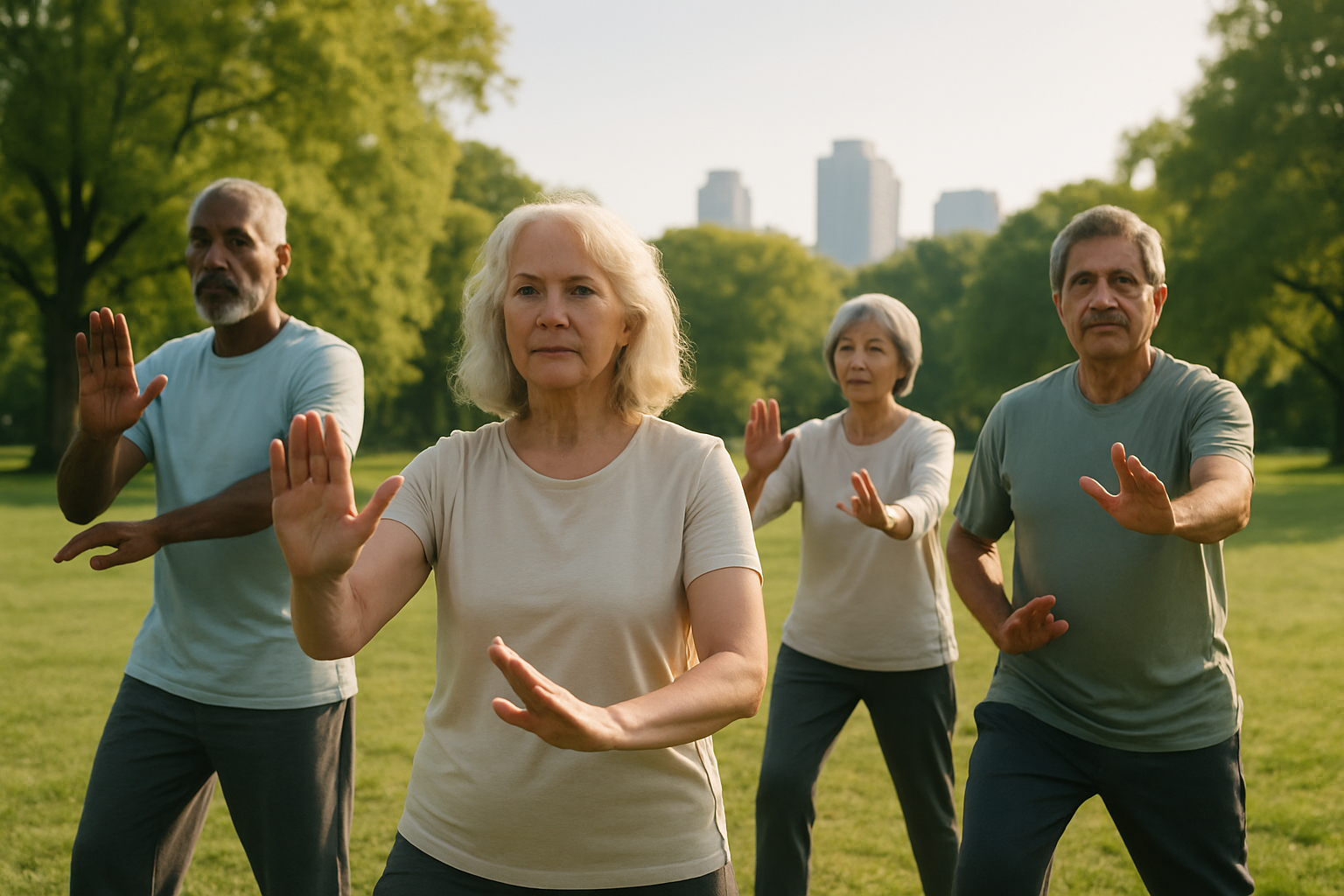
Tai Chi Benefits for Arthritis and Balance: How Gentle Movement Can Change Your Joints (And Your Outlook)
"How do you keep moving when it hurts just to get out of bed?" A patient asked me this after her knee arthritis flared up for the third time that month. It was 7 a.m., her coffee was barely finished, and she was already dreading the stairs at work. If you’ve ever traded your favorite walk for another night on the couch, I get it. Arthritis pain and fear of falling can shrink your world fast.
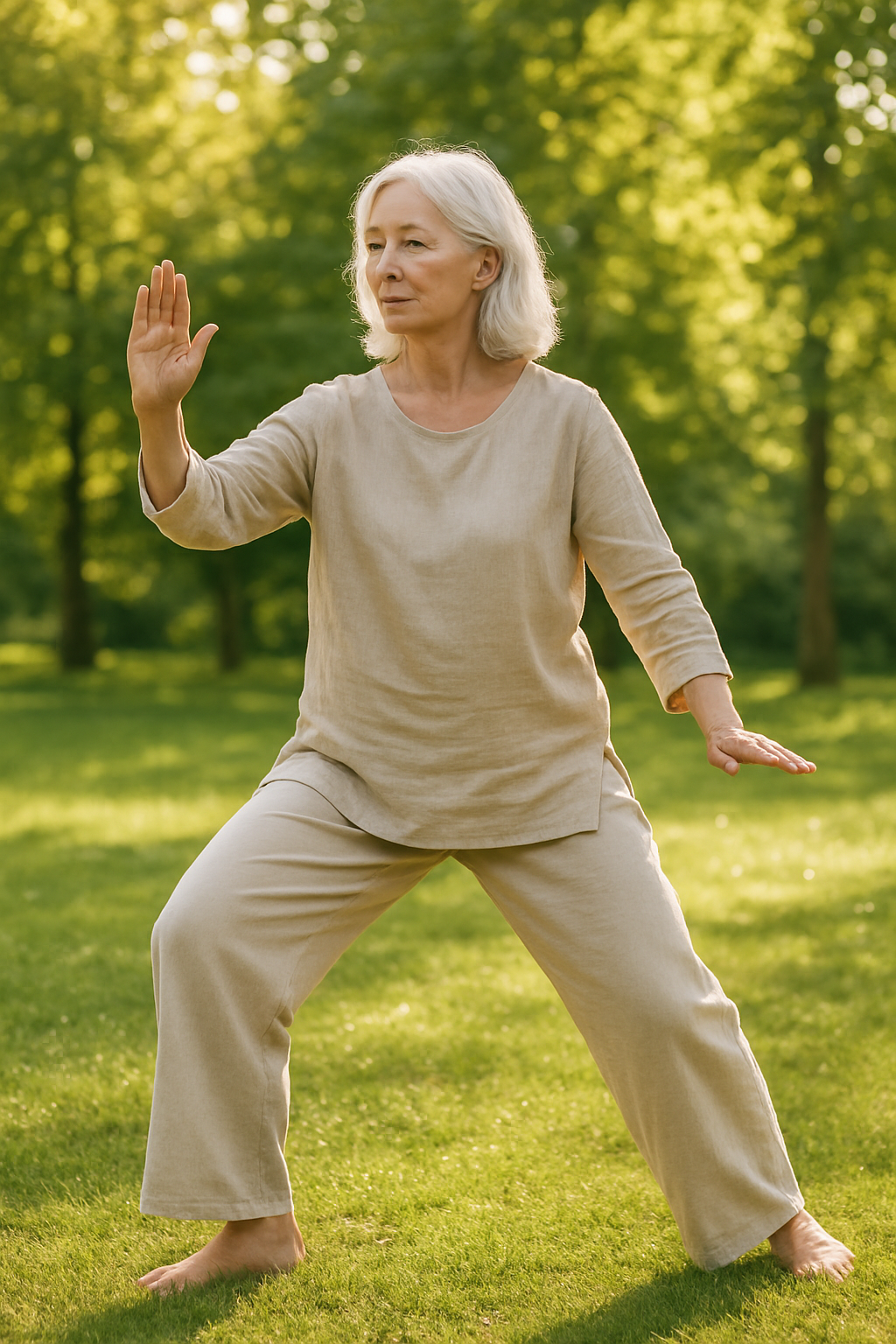
Here’s the thing: Most of my patients assume improvement comes from more medication or another round of physical therapy exercises. But I’ve watched tai chi—yes, those slow, flowing movements you see in parks—do something almost magical for joint pain, stiffness, and balance. It’s not a miracle cure. But some days, it’s pretty close. If you’re reading this, maybe you’re wondering: could something this gentle really work? I was skeptical at first too.
Why Arthritis Steals Balance and Confidence
Let’s talk about the daily reality: osteoarthritis affects over 32.5 million adults in the US, according to the CDC. And balance concerns? Up to 45% of adults with arthritis report at least one fall every year (see Arthritis Care & Research, 2019). It isn’t just pain—the joint stiffness, muscle weakness, and even fear of falling make you less likely to walk, go shopping, or keep up with grandkids. The less you move, the worse it gets. It’s a vicious cycle.
I watched my own mother-in-law go from hiking every week to hesitating at the curb after her hip arthritis diagnosis. She was only 68. That loss of confidence isn’t just in your head—it’s a real physical risk. Reduced balance actually increases your chances of falling and getting injured (BMJ, 2017).
What Makes Tai Chi Different (and Why It Actually Works)
Here’s where it gets interesting. Tai chi is a centuries-old Chinese practice, but forget the mystical talk. It’s essentially slow, weight-shifting movements done while standing. What struck me in the research—and what I see in my clinic—is that tai chi isn’t just "gentle exercise." It combines mobility, strength, proprioception (your body's sense of position), and a surprising amount of mental focus.
- Low Impact: Movements are slow, controlled, and non-jarring—perfect for cranky knees, hips, or ankles. You can do it standing, or even seated if needed.
- Whole-Body Engagement: Every movement coordinates arms, legs, and your trunk. No muscle is left behind.
- Balance Re-training: The constant weight-shifting subtly challenges your balance system—without scary or risky moves. This is what most "fall prevention" exercise programs miss.
- Mind-Body Connection: Tai chi involves mindful movement, which helps calm anxiety and fear of falling. More on that in a minute.
Back in 2016, a major review in the Journal of Rheumatology looked at 9 randomized controlled trials. The verdict? Tai chi provided “significant improvements” in pain, function, and even physical performance for people with knee osteoarthritis. Not a little improvement—up to 32% reduction in pain scores after 12 weeks.
And the balance benefits? One 2012 NEJM study (yes, the New England Journal of Medicine) found that people with balance issues due to knee OA saw nearly a 40% reduction in fall frequency after starting tai chi. That’s not small potatoes.
The Science: What’s Actually Happening in Your Joints
Now, I’m a stickler for real mechanisms. Here’s how tai chi helps—without magic or wishful thinking:
- Lubricates stiff joints: Slow, full-range movement boosts synovial fluid (think: oiling a squeaky hinge). A 2018 Arthritis & Rheumatology study showed improved joint mobility after just 8 weeks of twice-weekly tai chi.
- Strengthens supporting muscles: Tai chi targets the quadriceps, glutes, and deep core—essential muscle groups for stabilizing joints. Even light resistance (like holding your arms up for several minutes) builds endurance.
- Retrains balance reactions: Those gentle weight shifts? They wake up your proprioceptors (balance sensors in your joints), making you less likely to trip or stumble.
- Cuts “catastrophizing”: Mindful movement trains your brain to stop fixating on pain and fear, reducing stress hormones that can worsen inflammation. I know, this sounds fluffy—but it’s measured in real studies.
Most articles gloss over this, but here’s something I remind every patient: The best exercise for arthritis is the one you’ll actually do. Tai chi feels doable, so people stick with it. That’s half the battle.
What to Expect: Getting Started (Even When You’re Stiff)
Look, starting something new when you’re sore, tired, or nervous about falling is daunting. I’ve seen folks try to go "all in"—then quit after one class because they couldn’t remember the movements. Here’s my advice (and some real talk):
- Start small: Even 5 minutes a day at home is fine. I often recommend practicing just the "opening" and "closing" forms at first.
- Seated is okay: If your balance is really shaky post-surgery (or you’re just having a high-pain day), you can still practice the arm movements while seated. It counts.
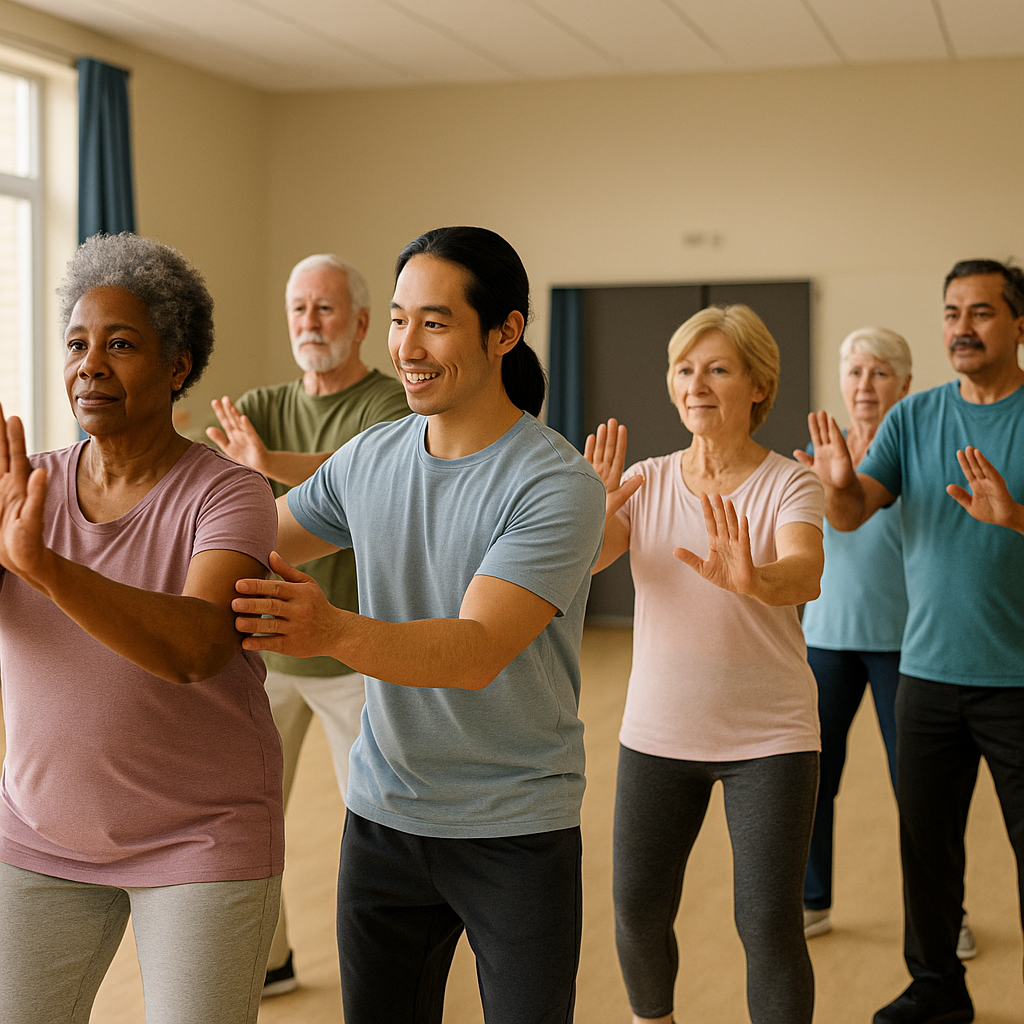
- Look for arthritis-friendly instructors: Some instructors are certified in programs like “Tai Chi for Arthritis” (look for Dr. Paul Lam’s curriculum)—they know how to modify for tricky knees or hips.
- Don’t worry about perfection: Honestly, most beginners look a little lost for the first month. You’ll get the hang of it. It’s about movement—not choreography.
A reader emailed me last week: "Do I need fancy clothes or equipment?" Nope. Loose, comfortable pants and a flat shoe with a flexible sole is all you need. No leotards required.
How Often to Practice (And How Fast Will You See Results?)
The million-dollar question: how often is enough? In the largest studies, benefits show up with 2-3 sessions per week, 30-60 minutes each. But even shorter daily practice (10-15 minutes) can help if you’re consistent. Most of my patients notice less stiffness and more confidence with stairs in about 4-6 weeks. Pain scores drop more gradually—think 8-12 weeks for real, lasting change.
And if you stick with it for 6 months? That’s when the magic happens. I had a client, Margaret, who went from using a walker after a fall to dancing at her granddaughter’s wedding. Not a sales pitch—just slow, steady improvement.
Is Tai Chi Really Safer Than Other Exercises?
I know some folks are nervous about group classes or "exercise" in general. The risk of injury with tai chi is incredibly low—about 1-2 minor incidents per 1,000 participant-hours, per the Journal of Aging and Physical Activity (2015). Compare that to over 27 injuries per 1,000 hours with high-intensity aerobics.
But check with your doctor or physical therapist if you have uncontrolled blood pressure, severe osteoporosis, or recent surgeries. And if you’re on balance-challenging meds, ask about fall precautions. Safety first—always.
Pairing Tai Chi With Other Supports (What Actually Helps?)
Here’s where real-world experience matters. Tai chi is a foundation, but most people do even better with added supports—especially in the early weeks when pain or instability is high. Here’s what I often suggest:
- Topical relief: A non-greasy gel like Voltaren Arthritis Pain Gel can be a game-changer for morning stiffness. It’s clinically proven, FDA-approved, and I’ve seen patients use it before class to make movement more comfortable. Just don’t use it on broken skin.
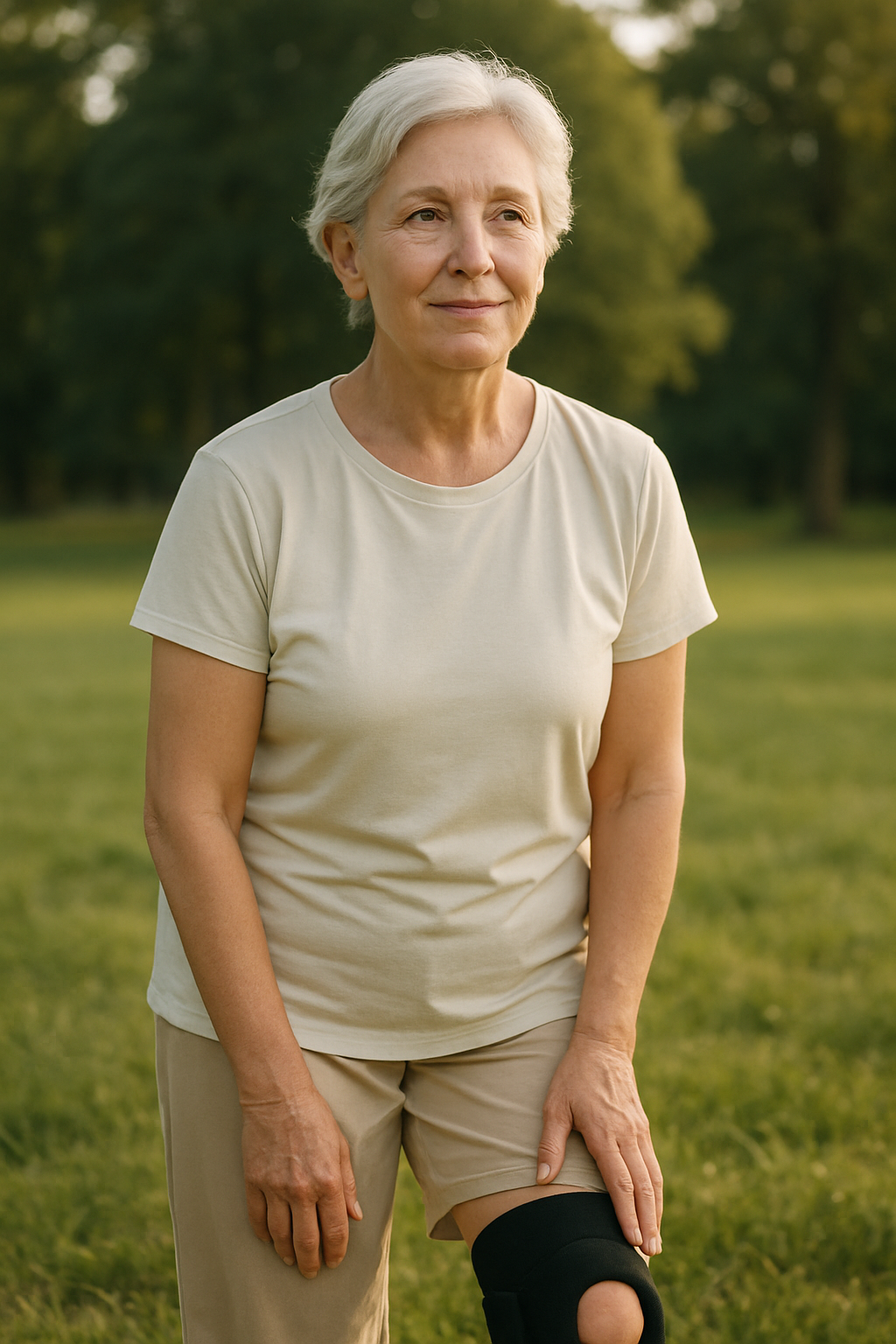
- Joint support: If your knees feel unstable during weight shifts, something like the NEENCA Professional Knee Brace gives gentle compression and side support. I like this one because it doesn’t bunch up or cut off circulation—plus that patella gel pad is surprisingly comfortable. Use it during practice or for long walks.
- Educational resources: I’ve lost count of how many times I’ve recommended Treat Your Own Knees by Jim Johnson, PT. It’s loaded with simple, research-backed exercises (including tai chi prep moves) and helpful drawings. Great if you like to understand the "why." No, it’s not just for knees—but it’s especially good if that’s your hot spot.
Most folks benefit from combining these supports for at least the first month. And yes, talk to your medical provider before adding new products or exercise routines—especially if you have complex health issues or take multiple medications.
How Does Tai Chi Stack Up Against Yoga, Walking, or Physical Therapy?
I get asked this all the time: why tai chi instead of yoga, Pilates, or just more walking? Here’s my honest, slightly controversial take:
- Yoga: Wonderful for flexibility, but many poses put a lot of stress on arthritic or unstable joints—think deep knee bends or full weight on your wrists. Most beginner yoga classes aren’t tailored for severe arthritis.
- Walking: Crucial for heart health and mood, but high-impact on cartilage. If uneven surfaces make you anxious or it’s icy outside, it’s hard to be consistent.
- Physical Therapy: I’m a PT, so no shade here! But the truth is, most folks stop doing their "boring" home exercises after a few weeks. Tai chi feels like a class or community, so people are more likely to stick with it.
It’s not either-or. In fact, I encourage my patients to combine walking and short tai chi sessions for best results. I’m also a realist—do what you enjoy and can safely repeat.
Tips for Finding a Good Tai Chi Class (In-Person or Online)
Not all tai chi is arthritis-friendly. Here’s what I tell my clients (and what I told my own mother-in-law):
- Look for "Tai Chi for Arthritis" or "Seated Tai Chi" classes at your local senior center, Y, or community college.
- Ask about the instructor’s experience with joint replacements, balance disorders, or older adults. This matters more than fancy certifications.
- Online is okay! There are excellent YouTube classes and DVDs—just preview first to make sure they move slowly and offer modifications. Don’t be shy to pause and rewind.
- If you have hearing or vision issues, email the instructor for tips before signing up.
And if you’re worried about feeling out of place or "slowing the group down," trust me—you’re not alone. Most classes are filled with folks just like you, and the atmosphere is welcoming by design. You won’t be the only one who forgets which way to turn!
Frequently Asked Questions (Real Ones From My Patients)
- Will tai chi cure my arthritis? Nope. But it can reduce pain, improve function, and help you move with less fear. It’s about better—usually far better—not perfect.
- What if I can’t stand for long periods? Start with 2-5 minute sessions and rest as needed. Seated tai chi is a legitimate option, especially after surgery or flare-ups.
- Is it hard to learn? Parts can feel awkward at first, but most routines repeat the same handful of movements. Stick with it for a month—you’ll be amazed how quickly your body (and brain) adapt.
- Can I practice at home? Absolutely. I recommend in-person for beginners (safer, more social), but home practice is great for maintenance. Just clear a safe space and start simple.
- Is it safe for joint replacements? Generally, yes—but run it by your surgeon or PT first. Tai chi is low-impact, but early after a joint replacement, limits may apply.
Key Takeaways: Why Tai Chi Deserves a Spot in Your Joint Care Routine
If your world has gotten smaller thanks to arthritis or fear of falling, tai chi offers a gentle way back to confidence. The science is strong: less pain, better balance, and improved quality of life—without side effects or pricey equipment. Start slow, use supports when needed, and don’t let perfectionism stop you from moving. Even the most skeptical patients (and yes, therapists) have become believers after a few months of trying it for real.
Final Thoughts
If you’re still on the fence—or if you’ve tried everything else and nothing "sticks"—why not give tai chi a fair shot? Worst case, you get a gentle stretch and a few laughs. Best case, you regain a little freedom and a lot of hope. Either way, your joints (and your future self) will thank you.
Have questions? Curious about specific moves for your condition? Shoot me an email or ask your PT—they’ll be thrilled you’re taking this step.
Wishing you strength, steadiness, and a few moments of peace with every practice.
— Dr. Sarah Mitchell, DPT
Senior Health Editor, JointReliefReviews