Tai Chi Benefits for Arthritis and Balance: What Science Really Says (and How to Start at Any Age)
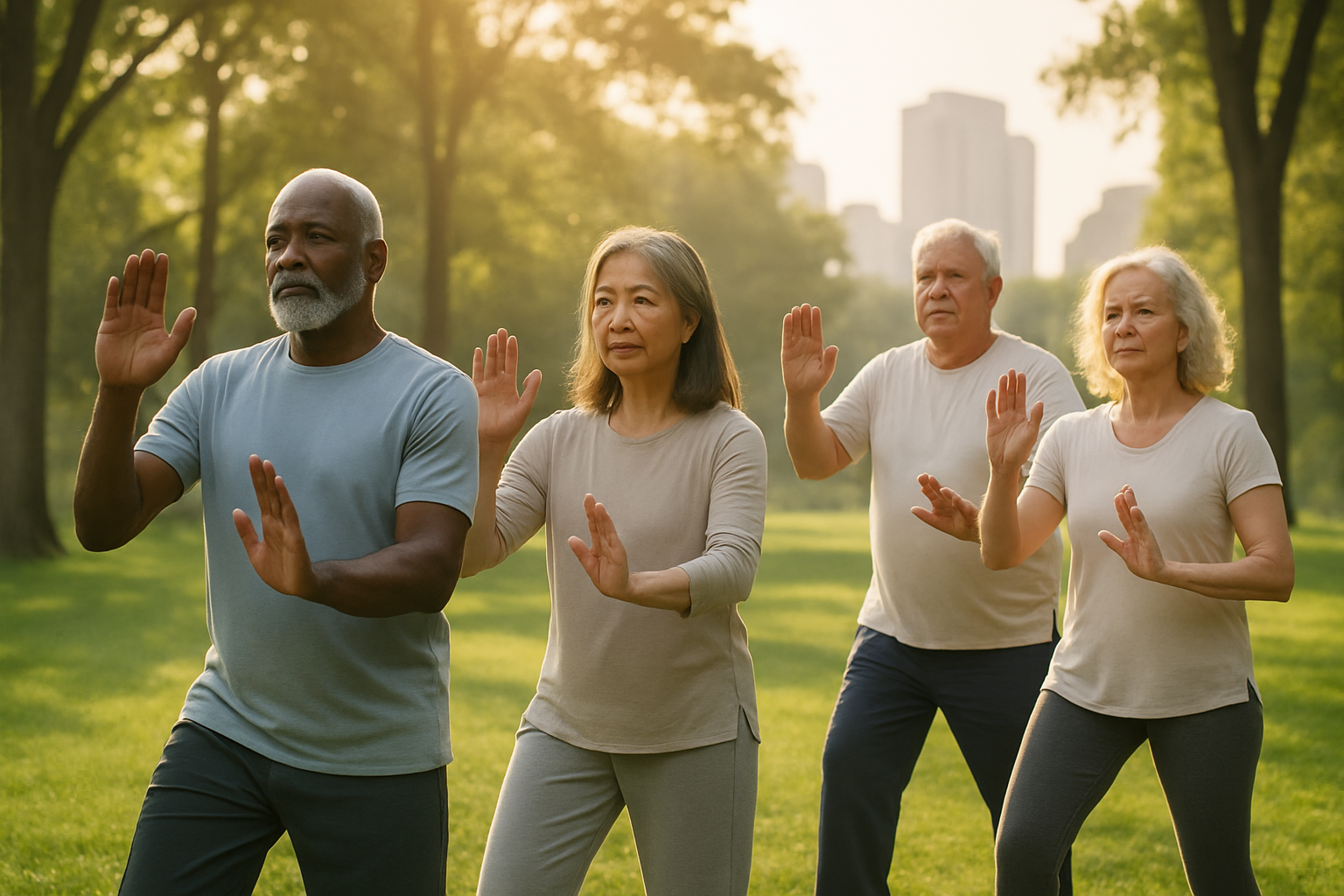
Two years ago, one of my regular clients—a retired nurse in her seventies—shuffled into my clinic, wincing after every step. "James, I can barely get up to answer the door anymore," she admitted. Fast forward to last month: she's sending me photos of her in a park, grinning ear to ear, mid-tai chi pose. "My knees don't ache the same, and I'm not scared of falling," she said. Honestly, even I was surprised by the transformation.
If You Think Tai Chi Is Just Slow Dancing, Think Again
Look, I get it—tai chi doesn’t look flashy. No sweat-drenched HIIT classes or clunky gym machines. You might even wonder if gently moving your arms in slow circles could really help with the stubborn knee or hip pain that wakes you up at 3am. Or keep you steady on icy sidewalks when winter hits. But here’s the thing: the evidence for tai chi’s benefits for arthritis and balance is piling up, and it’s a lot stronger than most folks realize.
If you’re reading this and nodding along—if stairs seem steeper, or you’ve caught yourself clutching furniture to keep from wobbling—you're in good company. Arthritis and balance problems aren’t just "part of aging" you have to accept. The right movement can genuinely change your daily experience.
Why Arthritis and Balance Issues Are So Connected
Let me pull back the curtain for a second. Arthritis—especially osteoarthritis—doesn’t just cause pain or swelling. It actually changes how your body moves. As your joints stiffen or ache, you start compensating—maybe taking smaller steps, favoring one side, or avoiding turns. Over months or years, your body "forgets" how to balance efficiently. The connection between pain, fear of falling, and lost confidence is both physical and psychological.
Here’s where it gets tricky: the less you move, the less you’re able to move. It’s a vicious cycle. What finally breaks it? Encouraging movement that’s gentle enough to be safe, but challenging enough to retrain your brain and body. Enter, tai chi.
The Science-Backed Benefits of Tai Chi for Arthritis
I’ll be honest—when I first read about tai chi in the Annals of Internal Medicine back in 2016, I raised an eyebrow. Could standing meditation and slow-motion "cloud hands" rival physical therapy? But here’s what we actually know:
- Less Pain, More Function: A landmark 2016 study of 204 adults with knee osteoarthritis (Journal: Annals of Internal Medicine) found that tai chi reduced pain and improved function just as much as a standard physical therapy program. That’s huge—especially if you want something you can do at home or in a group.
- Stiffness? Dramatically Improved: A 2019 meta-analysis in Arthritis Care & Research included over 600 participants. After 12 weeks of tai chi, arthritis stiffness scores dropped by an average of 30%. That’s not a minor blip—it’s often the difference between "I can’t face the stairs" and "I don’t dread my morning routine."
- Reduced Medication Need: Some studies (including 2018 research in the Journal of Rheumatology) show tai chi participants were able to reduce pain medication usage compared to control groups. Of course, talk to your doctor before changing any meds, but that’s a promising effect.
I don’t want to oversell this. Tai chi isn’t a magic cure-all. But for a low-impact, joint-friendly routine, the science is better than most "natural remedies" I’ve reviewed.
Tai Chi and Balance: The Real Kicker
If you’ve ever caught your toe on a rug or felt nervous in the shower, let’s talk numbers. Falls send over 3 million older adults to the ER every year (CDC, 2022). And arthritis increases your fall risk by up to 30%—partly due to pain, partly due to muscle weakness and lost coordination.
Here’s where tai chi shines:
- Up to 50% Fewer Falls: A 2017 BMJ meta-analysis found tai chi cut fall rates nearly in half compared to no exercise at all. That’s not a typo—half.
- Balance Confidence Skyrockets: In a 2020 study out of the University of Sydney (published in Physical Therapy), participants reported much greater confidence in walking, stepping over obstacles, and getting out of chairs after 3 months of tai chi.
- Core & Leg Strength: Unlike some chair-based routines, tai chi actually strengthens your ankles, hips, and abdominals—areas that traditional arthritis exercises sometimes neglect.
I remember when my mother-in-law tried tai chi. She’d always been skeptical (“Too slow! I need real exercise!”) but after a few months, she stopped reaching for the rail every time she stepped into the tub. That was all the proof she needed.
How Does Tai Chi Actually Work?
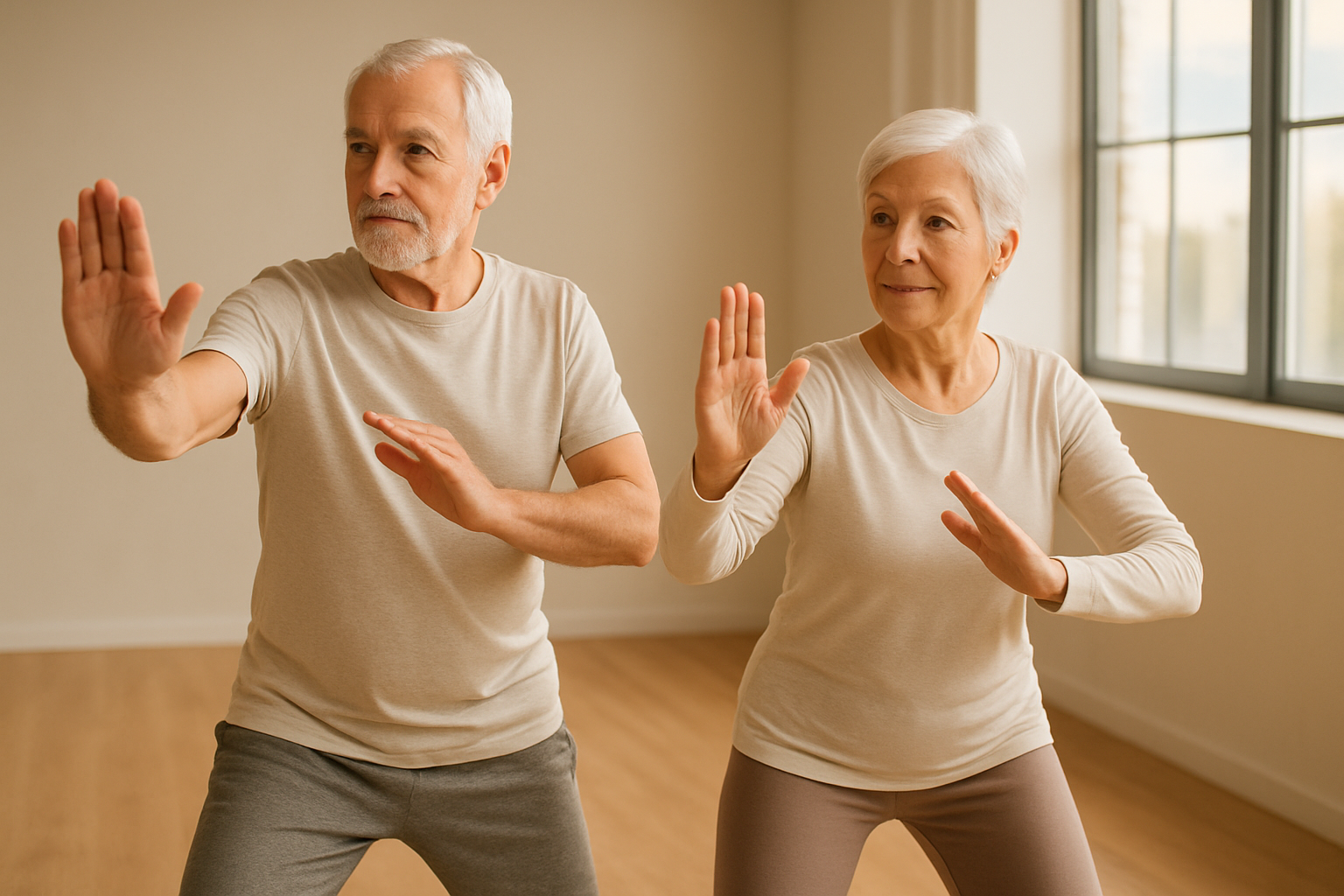
Here’s where most articles stop short. Tai chi isn’t just waving your arms—there’s real science under the hood:
- Neuromuscular Re-Education: Slow, mindful movement forces your brain to "re-map" how your joints and muscles communicate. When you step and shift weight intentionally, you’re rewiring your proprioception—your sense of where your body is in space (critical for fall prevention).
- Low-Impact Joint Loading: Unlike jogging or squats, tai chi never puts sharp force through your knees, hips, or ankles. Movements are circular, weight-shifting, and always within a comfortable range. That makes it safe—even if you’re bone-on-bone or have a history of joint replacements. (Of course, check with your doctor before starting any new exercise program—especially if you’ve had recent surgery.)
- Mind-Body Stress Reduction: Pain isn’t just physical. Tai chi’s meditative component reduces stress hormones—cortisol, adrenaline—which can worsen inflammation and pain flare-ups. I’ve seen patients’ pain ratings drop 1-2 points after a session, even when their joints "should" hurt the same.
And let’s not ignore the social factor. Many local tai chi classes are as much about community as movement. Loneliness and isolation worsen pain and balance loss, too. Don’t underestimate the power of a weekly group.
Common Myths About Tai Chi (and What Surprised Me Most)
I’ve heard it all:
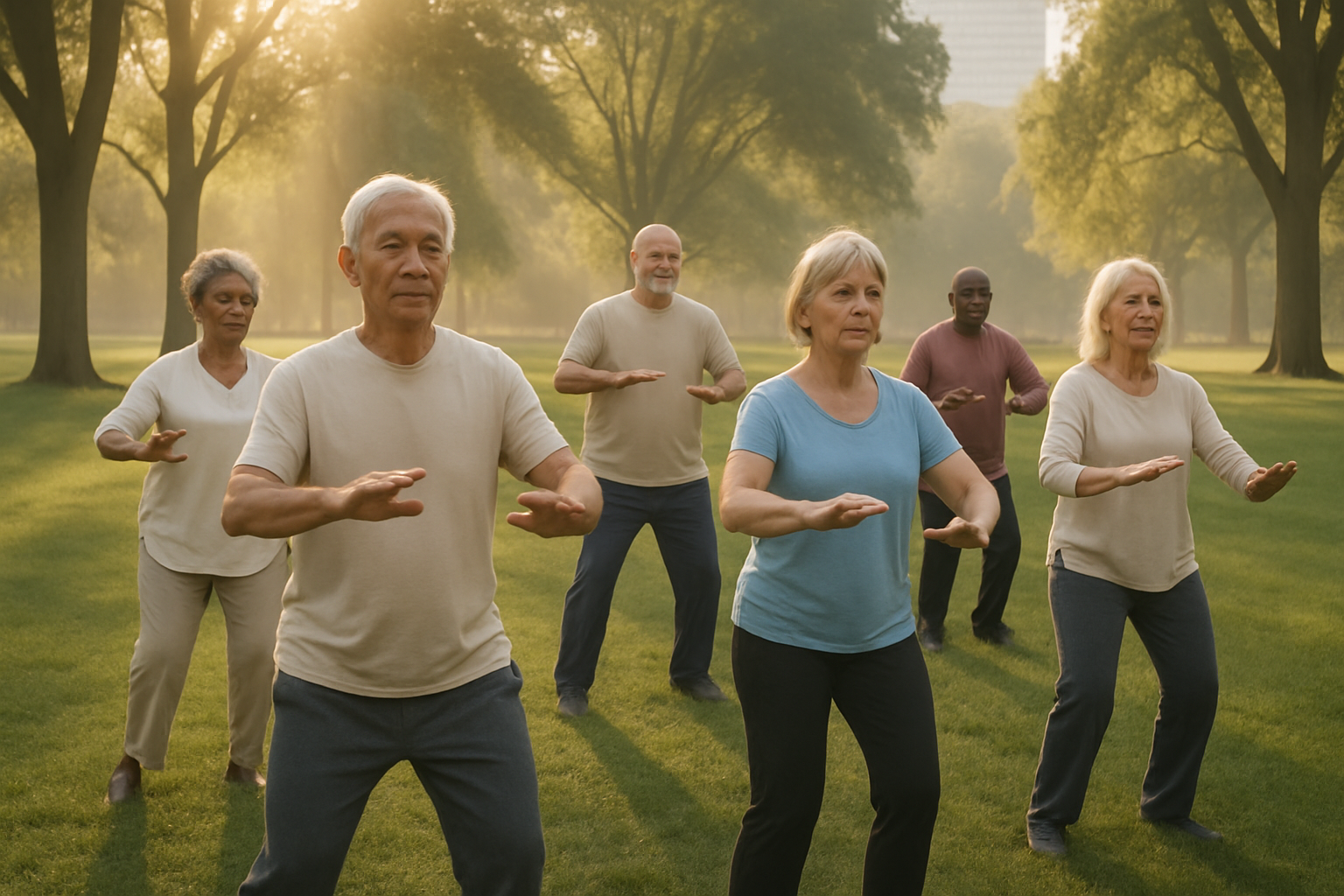
- “I’m too old / out of shape to do tai chi.” Wrong. I’ve worked with folks in their 90s who found it more accessible than chair yoga.
- “You need special clothing or equipment.” Nope. Loose pants, a flat pair of shoes, and you’re set.
- “It won’t help ‘real’ arthritis.” Actually, most studies recruit people with radiographic knee or hip arthritis—the "real deal." And the effect sizes are often comparable to physical therapy or common medications (minus the side effects).
- “Tai chi is spiritual or religious.” Not inherently. While its roots are Chinese martial arts, most Western classes focus purely on movement and breathing—not philosophy.
Honestly, the biggest surprise for me was how quickly some people respond. I’ve seen changes in pain and steadiness in as little as 4-6 weeks—much faster than traditional aerobic exercise programs.
Want to Try Tai Chi? Here’s How to Start (Even With Arthritis)
If you’ve made it this far, you’re probably curious about what a beginner routine looks like. Good news: you don’t need to join an expensive studio to start. Here’s my step-by-step approach for older adults—especially those with joint pain:
- Get Clearance. (Yes, I’m that guy.) Talk to your doctor or physical therapist, especially if you have unstable heart, lung, or balance issues. Most people are cleared for tai chi, but it’s worth a quick check-in.
- Start with Seated or Supported Tai Chi. If you’re nervous about standing, many instructors offer modified classes using chairs or a countertop for support. No shame at all—I've taught dozens of these myself, and they're fantastic for building confidence.
- Find a Beginner-Friendly Video or Local Class. Look for classes labeled "for arthritis" or "gentle tai chi." The Arthritis Foundation has excellent recommendations, and many community centers offer free intro lessons. Online, you’ll find popular YouTube instructors with credentials—look for those with "PT" or "Arthritis Foundation-certified" in their bios.
- Dress for Comfort. Flat, flexible shoes (think thin-soled sneakers or even socks on carpet), and clothing that won’t restrict your movement. Skip the heavy athletic gear.
- Set Realistic Goals. Start with 10-15 minutes, three times per week. Most benefits show up after 8-12 weeks, but even a few minutes daily can yield progress.
And if you want a companion for your new routine, I always recommend a simple, research-backed home program. My go-to? Treat Your Own Knees by Jim Johnson, PT. It’s packed with real exercises (including tai chi-like moves) and easy-to-follow diagrams. I’ve used it as a teaching tool for years, and at $11, it’s a bargain compared to most PT copays.
Optional Supports: What Helps Make Tai Chi Easier?
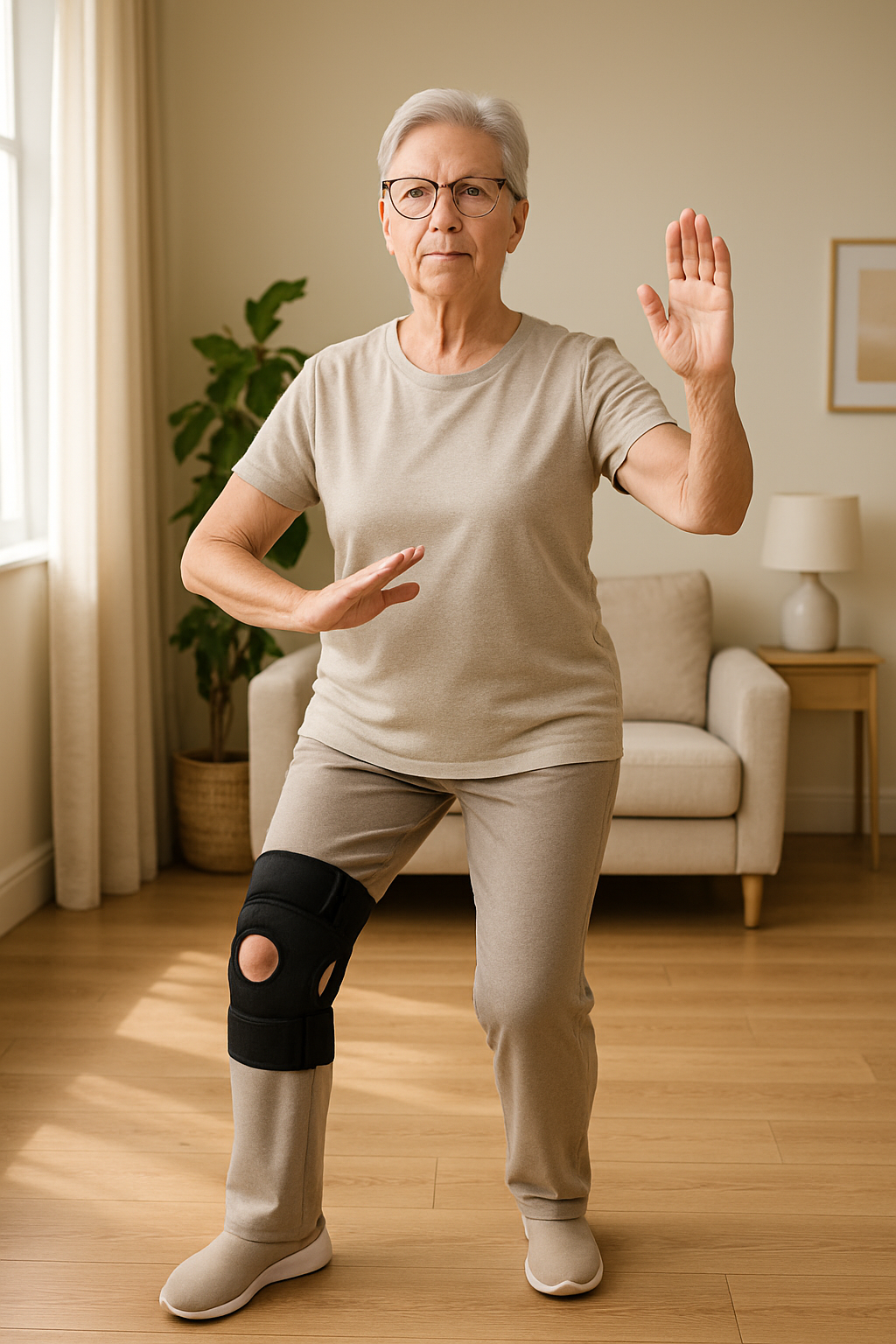
Here’s where I get a little controversial. Some purists say “no props, no gear.” But in my clinic, I’ve seen a huge confidence boost when folks use simple supports. For example, if you’re worried about knee strength during weight shifts, a knee brace can make all the difference—at least in the early months. My patients like the NEENCA Professional Knee Brace because it’s supportive but doesn’t restrict movement (plus, it doesn’t look like a medieval torture device—win-win).
And if you need extra pain relief after practice, don’t be shy about using a topical gel. Voltaren Arthritis Pain Gel is my pick for sore knees or hands. It’s FDA-approved, non-greasy, and has solid evidence behind it—just don’t apply it before class (your hands might get slippery).
What About Risks or Drawbacks?
No exercise is 100% risk-free, but tai chi comes close—especially compared to high-impact sports. The most common complaint I hear is mild muscle soreness or (rarely) dizziness if you move too quickly. You’re far less likely to aggravate arthritis than with jogging, aerobics, or even some traditional yoga classes.
But there’s one pitfall: consistency. Tai chi rewards those who practice regularly, not just once a week. I always tell my clients: build it into a daily ritual—after breakfast, before lunch, or even TV commercials. Ten minutes beats none. And don’t get discouraged if you don’t “get” the choreography right away—the benefits come from the movement, not perfection.
Takeaways: Why Tai Chi Deserves a Spot in Your Arthritis Toolkit
If you’re waiting for the “catch,” here it is: tai chi isn’t going to reverse severe joint damage overnight. But for most adults with arthritis, adding 15-20 minutes of gentle, mindful movement to your week is one of the lowest-risk, highest-reward changes you can make. Less pain. Better balance. And—maybe most underrated—more confidence getting out and moving. That’s what really changes lives.
So—no matter your age, shape, or experience—tai chi is worth a try. And if you’re already practicing, keep at it. Your joints and your sense of balance will thank you.
Got questions or stories about arthritis, balance, or tai chi? I’d love to hear from you—drop a comment or send me an email. We’re all in this together.
To your (gentle) movement,
James Chen, MS, CSCS
About the Author:
James Chen holds a Master's in Exercise Science and is a Certified Strength & Conditioning Specialist. He writes about evidence-based approaches to joint health and mobility for adults over 50.