
Tai Chi Benefits for Arthritis and Balance: The Surprising Truth from an RN
I’ll never forget Joan. She was just 62, but her knees ached so badly from osteoarthritis that she needed help getting out of a chair. Not exactly what anyone imagines for their retirement years. One day, she showed up to our clinic positively glowing. What changed? She’d started attending a local tai chi group—and within weeks, she was walking steadier and sleeping better than she had in years. I’ll admit, I was skeptical at first. But after two decades in orthopedic nursing (and hundreds of similar stories), I had to dig in. Could tai chi really help with arthritis and balance, or was it just another gentle exercise fad?
Arthritis and Balance Problems: Why You’re Not Alone
If you’re reading this with a heating pad pressed to your knee, take heart. You’re absolutely not alone. The CDC estimates over 58 million Americans have doctor-diagnosed arthritis. That’s one in four adults. And as mobility decreases, the risk of falls and fractures shoots up. A 2022 report in the Journal of the American Geriatrics Society found that adults with knee or hip arthritis are up to 67% more likely to suffer a fall every year. It’s a double whammy: pain and stiffness sap your confidence, making you move less, which only weakens your balance further.
That cycle? Brutal. I’ve seen it play out in my own family and with countless patients. The loss of independence, the constant worry about the next misstep—nobody prepares you for that. And let’s be honest, not everyone can tolerate high-impact exercise or spends hours in a gym. This is where tai chi—yes, the slow-motion martial art you’ve seen in parks—entered the conversation.
What Exactly Is Tai Chi? (And Is It Really for Me?)
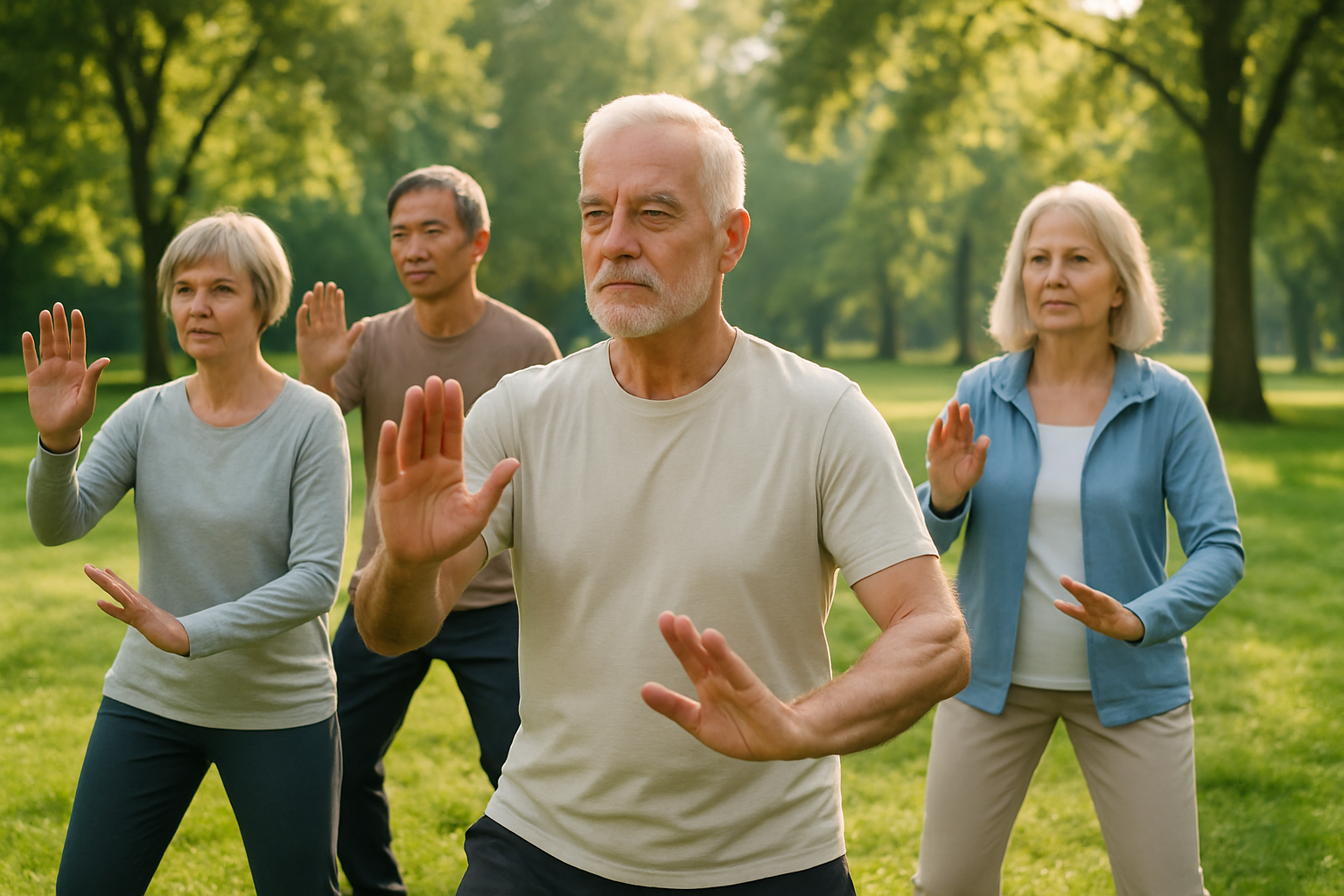
Tai chi (pronounced "tie-chee") originated centuries ago in China as a martial art. It’s not about breaking boards or high kicks—thank goodness. Instead, it’s a series of slow, flowing movements synchronized with deep breathing and mental focus. You might see a group in your local park moving in near-perfect unison, almost like a graceful dance. There’s no pounding, no sweating buckets, and absolutely no competition. That’s a big deal for folks with painful joints or anyone worried about falling.
Honestly, I used to think tai chi was "too gentle" to do much for real joint pain. That was before I read the studies (and watched my own mother-in-law’s posture transform after two months of classes). Turns out, there’s a mountain of research behind it.
The Science: Tai Chi for Arthritis Pain Relief
Let’s get specific. A 2020 review in Arthritis & Rheumatology pooled nine high-quality studies totaling over 500 adults with knee osteoarthritis. Tai chi practice (typically 1-3 times per week, 45-60 minutes) led to significant reductions in pain and stiffness, with results holding steady for months. Some participants cut their pain scores nearly in half. And it wasn’t just "feeling good"—there were measurable improvements in walking speed and function, too.
Another standout? The 2016 Boston study published in the Annals of Internal Medicine that compared tai chi head-to-head with a full-blown physical therapy program for knee OA. After 12 weeks, pain relief and function were nearly identical. (Yes, you read that right—gentle tai chi matched the gold-standard PT.) Plus, tai chi practitioners had better mood and less depression. Now that’s a bonus, if you ask me.
How does it happen? There’s no magic. Tai chi strengthens the muscles supporting your joints—especially the quadriceps, hips, and core—without overstressing delicate cartilage. The focus on breath and body awareness also helps "retrain" your brain’s pain signals, reducing the physical and emotional toll of arthritis. If you struggle with nagging pain, you know that’s half the battle.
Tai Chi’s Secret Weapon: Improved Balance (and Fewer Falls)
Here’s where it gets really interesting. Balance and stability aren’t just “nice to have” if you have arthritis—they’re essential. Weak ankles, tight hips, and sluggish reflexes make every step a gamble. The good news? Tai chi is one of the best-researched exercises for balance in older adults.
A massive 2017 meta-analysis in BMJ Open found that regular tai chi practice reduced the rate of falls by a whopping 43% compared to control groups. That’s not a typo—nearly half. How? Each move requires gentle weight shifting, single-leg standing, and "micro-adjustments" that gradually strengthen stabilizer muscles and sharpen coordination. Plus, the mental focus helps you react faster (and with more confidence) if you do wobble.
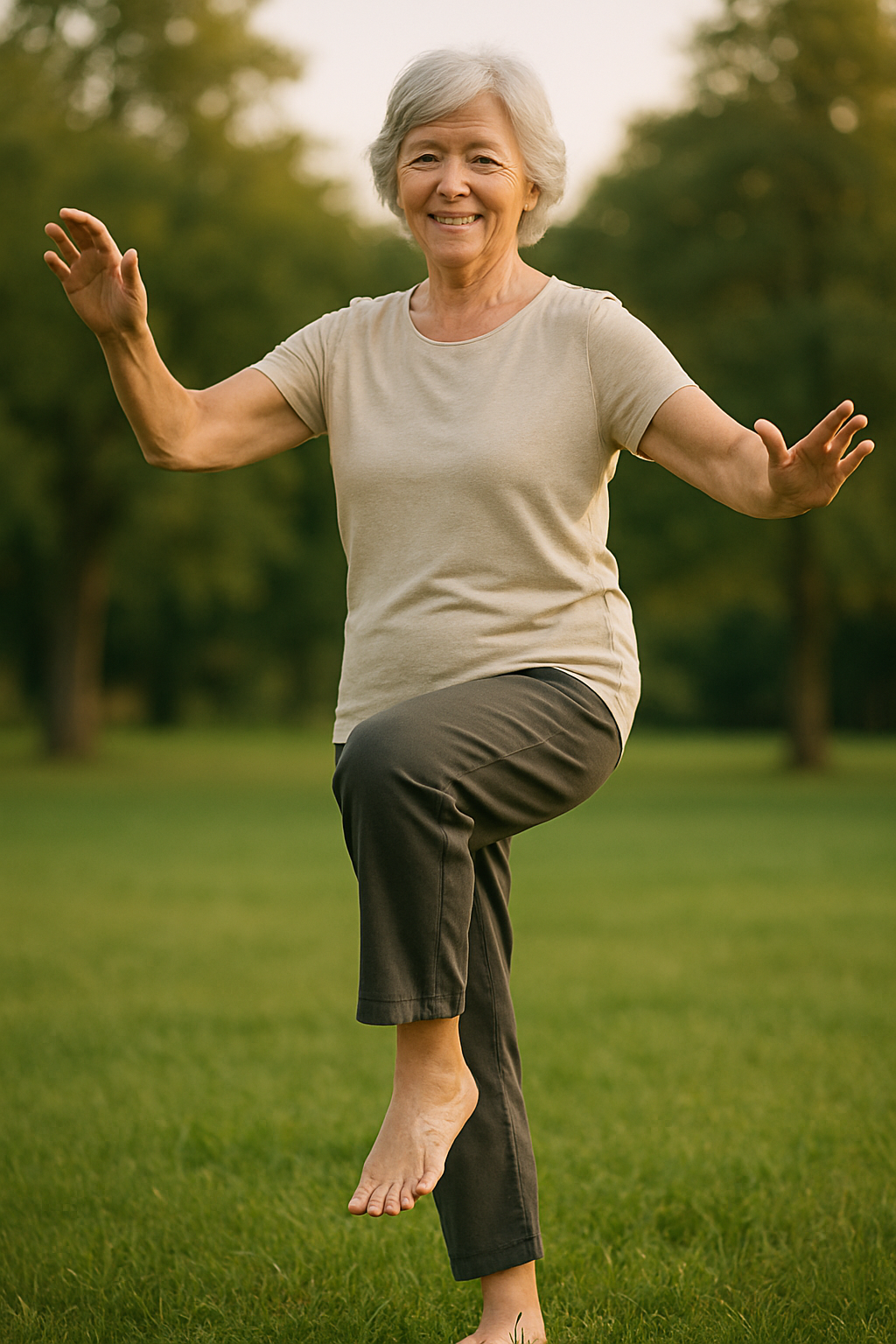
To put this in perspective, one of my readers (let’s call him Mike) was told by his doctor to “be careful with stairs.” After six months of twice-weekly tai chi, he emailed me to say he now takes stairs without gripping the rail—and hasn’t fallen in over a year. That’s the kind of transformation that goes beyond pain scores and study graphs.
So…Is Tai Chi Safe If You Have Severe Arthritis?
I get this question every month. The answer? With rare exceptions, yes. The movements are low-impact and can be modified for almost any ability level—even seated versions exist. However, consult your doctor or physical therapist before starting, especially if you have severe joint instability, recent surgery, or problems with dizziness. I’ve worked with several folks who started tai chi in wheelchairs and gradually progressed to standing moves. Don’t let “I’m not flexible” hold you back.
One overlooked bonus: Unlike most exercise classes, tai chi instructors are used to adapting sequences on the fly. If you can’t squat deeply or have a joint replacement, just flag your instructor—they’ll have a workaround ready.
How to Get Started: No Silk Robes Required
Alright, so you’re curious. Now what? First off, you don’t need any fancy gear. Comfortable clothes, supportive shoes (or bare feet if you prefer), and a bit of open space are all you need. If you can find a local class—even better. The accountability and camaraderie are half the fun. Look for instructors certified in programs like Tai Chi for Arthritis (often run through community centers, YMCAs, or senior centers).
If in-person classes aren’t an option, there are excellent online resources and DVDs. (Full disclosure: I’m not a fan of YouTube free-for-alls—bad form can do more harm than good. Stick with reputable sources.) Books like Treat Your Own Knees by Jim Johnson, PT, include tai chi-inspired routines and clear illustrations, and the author’s practical, no-nonsense approach is a breath of fresh air.
What About Pain Flare-Ups?
I won’t sugarcoat it: Some people worry that any movement will “make things worse.” In my experience, tai chi’s gradual pace almost always makes it safer than traditional exercise. But—if your pain spikes, listen to your body. Rest, ice, and talk with your provider. For recurring flares, topical relief like Voltaren Arthritis Pain Gel can be a game-changer; it’s FDA-approved, non-greasy, and a staple in my own medicine cabinet (and yes, I’ve recommended it to plenty of tai chi classmates after a little too much enthusiasm).
If you’re worried about stability, some folks I know swear by supportive braces for extra confidence in early weeks. The NEENCA Professional Knee Brace is medical grade, easy to adjust, and doesn’t feel like you’re wearing a medieval armor suit. Again, not mandatory—but sometimes, a little extra support makes it easier to stick with the routine.
Expert Tips: Maximize Tai Chi’s Benefits for Arthritis and Balance
- Start Slow. Even just 10 minutes a day can make a difference. Consistency trumps intensity, every time.
- Focus on Form, Not Speed. Tai chi is about precision and mindfulness. Rushing undermines the benefits—and makes injury more likely.
- Breathe. If you’re holding your breath, you’re working too hard. Gentle, deep breathing calms your nervous system and enhances pain relief.
- Track Your Progress. Keep a journal. Note pain levels, balance, mood—even sleep. It’s motivating to look back and see real improvements.
- Connect with Others. Even virtual groups can boost accountability and motivation. I’ve seen lifelong friendships form in tai chi circles.

What Tai Chi Can—and Can’t—Do
I know some articles promise the world: “Reverse Your Arthritis Overnight!” That’s not reality. Tai chi won’t regrow cartilage, cure severe deformities, or replace medication for aggressive disease. But—here’s the honest upside: For most people with mild to moderate arthritis, it can dramatically decrease daily pain, improve balance and confidence, and restore some of that lost independence. Sometimes that’s the difference between dreading stairs and conquering them. If you’re nodding along, you get it.
As for balance, the evidence is clear: Tai chi beats most other gentle exercises (like walking or stretching) for real-world fall prevention. Combine it with smart pain management and practical supports, and you’ve got a foundation for living, not just coping.
Ready to Give Tai Chi a Try?
I’ll leave you with this: My toughest, most skeptical patients have been the biggest converts. They stuck with it for a month—not every day, just a couple times a week—and noticed they slept better, stood taller, and worried less about the next fall. I’ve even taken a few classes myself (and yes, I wobbled at first—nobody cares!).
If you’re dealing with joint pain or feeling unsteady, consider tai chi as a gentle, proven tool. Pair it with smart supports—a good brace, targeted topical relief, or a clear exercise plan—and you’re stacking the deck in your favor. Ask your primary care doc or PT before jumping in, especially if you’ve had recent surgery or falls. But don’t let fear or age stop you. You might be surprised what’s possible from a few mindful minutes a day.
Still have questions? Send me a note—my inbox is always open to fellow arthritis warriors.
Linda Hargrove, RN
Orthopedic Nurse & Health Writer
JointReliefReviews.com