How to Protect Joints While Gardening: Real Strategies from a Chiropractor
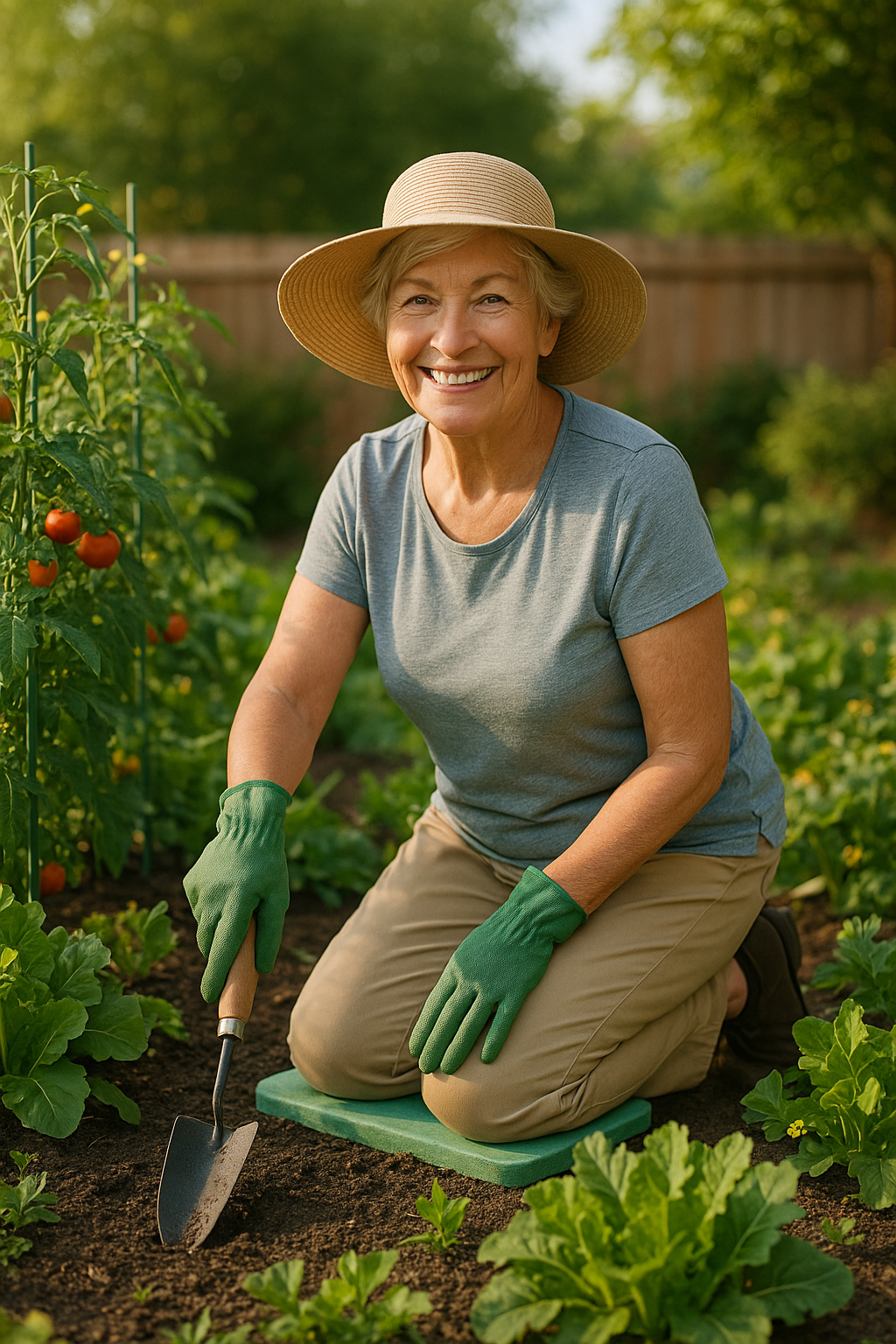
I still remember my neighbor Susan shuffling over last spring—hands caked with dirt, knees creaking, face twisted into a stubborn blend of pride and pain. “Mike,” she groaned, “am I too old for tomatoes?” Not a chance. But let’s be real: gardening isn’t exactly gentle on our joints, especially if you’re over 50 or already feel those morning twinges. If you’re nodding along, you’re definitely not alone. More than 54 million adults in the U.S. have some form of arthritis, and you better believe they’re not all hanging up their trowels.
Why Do Gardeners Get Achy Joints?
Here’s the thing: gardening is a sneaky workout. Hauling mulch, squatting to weed, lugging watering cans—these motions pile up. Most folks don’t think twice until their fingers, knees, or hips start protesting. And the science backs it up: a 2020 Journal of Rheumatology study found that frequent kneeling and repetitive hand movements are among the biggest risk factors for osteoarthritis flare-ups in older adults.
Sometimes pain means actual joint damage, but honestly, it’s often just irritated tissues. Tendons, ligaments, those little cartilage pads—they all bear the brunt when we overdo it. Over years, those micro-injuries can add up, especially if you have a family history of joint trouble (my own dad’s hands could predict rain better than any app).
The Most Vulnerable Joints in the Garden
- Knees: All that kneeling and squatting puts tremendous pressure on the joint surfaces and menisci.
- Hands and fingers: Tight gripping, pulling weeds, and repetitive pruning can aggravate arthritis or tendinitis.
- Lower back: Bending and lifting—especially with bad form—strains the spine and supporting muscles.
- Shoulders: Reaching overhead or digging can set off rotator cuff pain, especially if you’re already a bit stiff.
And let’s be honest, sometimes it’s all of the above by August.
How Science Says You Can Protect Your Joints in the Garden
I’ll be honest—most online advice for gardeners is either too vague (“take breaks!”) or too optimistic (“just stretch more!”). Here’s what I tell my own patients, based on real research and, yes, a little bit of trial and error in my tomatoes patch.
1. Optimize Your Body Mechanics Like a Pro
Think of gardening like a sport. That means form matters—a lot. Want proof? A 2019 study in Arthritis Care & Research followed 200 seniors and found that those who practiced safe bending and squatting techniques reported 30% fewer pain flares.
- Bend at the hips, not the waist. Hinging from your hips (not rounding your spine) protects your lower back and knees. It feels weird at first, but it works. Try it next time you pick up a pot.
- Alternate tasks. Weed for 10 minutes, then stand to prune, then water. Repetitive movement is the enemy—mix it up.
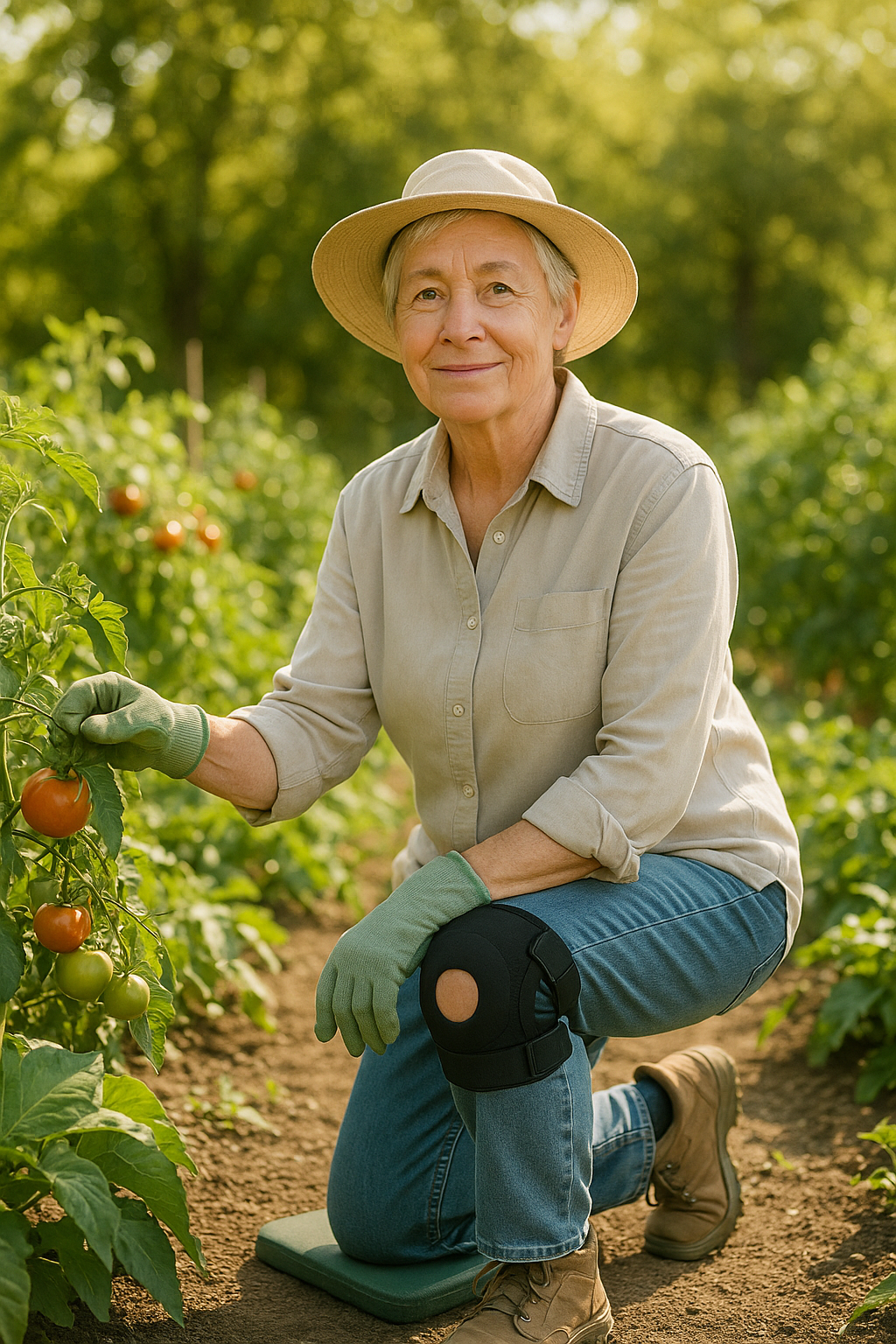
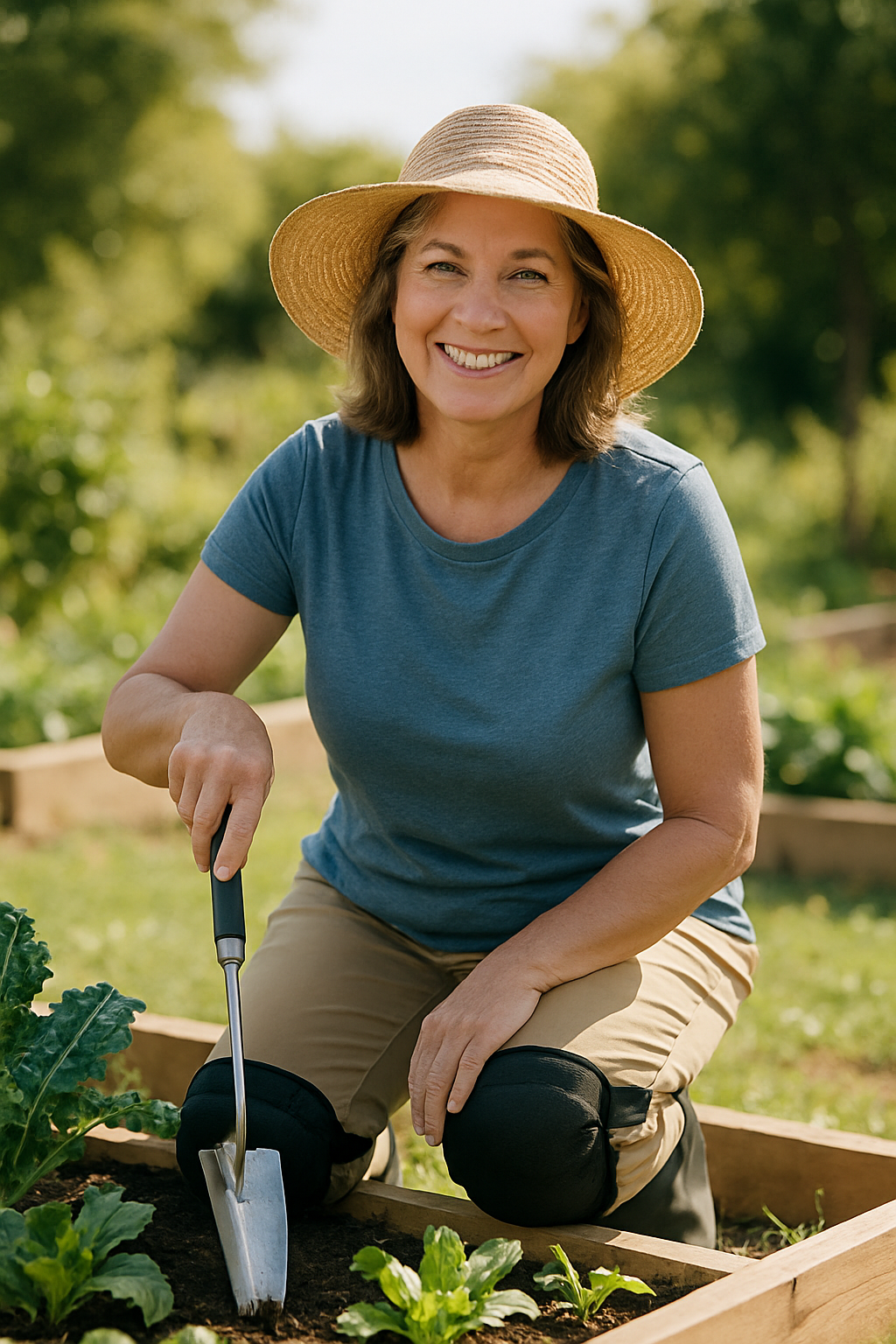
- Kneel smart. Always use a pad or a rolled-up towel under your knees. The joint surfaces weren’t designed for hours on bare ground.
Look, you don’t need a master's degree in ergonomics. But tuning in to your body and adjusting the way you move? That’s game-changing.
2. The Gear That Really Reduces Joint Strain
This is where most folks get it wrong—they think fancy, expensive tools will save their joints. Honestly, you don’t need to remortgage the house. Here’s what I actually recommend:
- Padded kneelers or knee pads: Invest in a thick, waterproof kneeler or even a basic foam pad. Don’t kneel directly on concrete or packed soil.
- Long-handled tools: The longer the handle, the less you have to bend. Look for ergonomic grips, too.
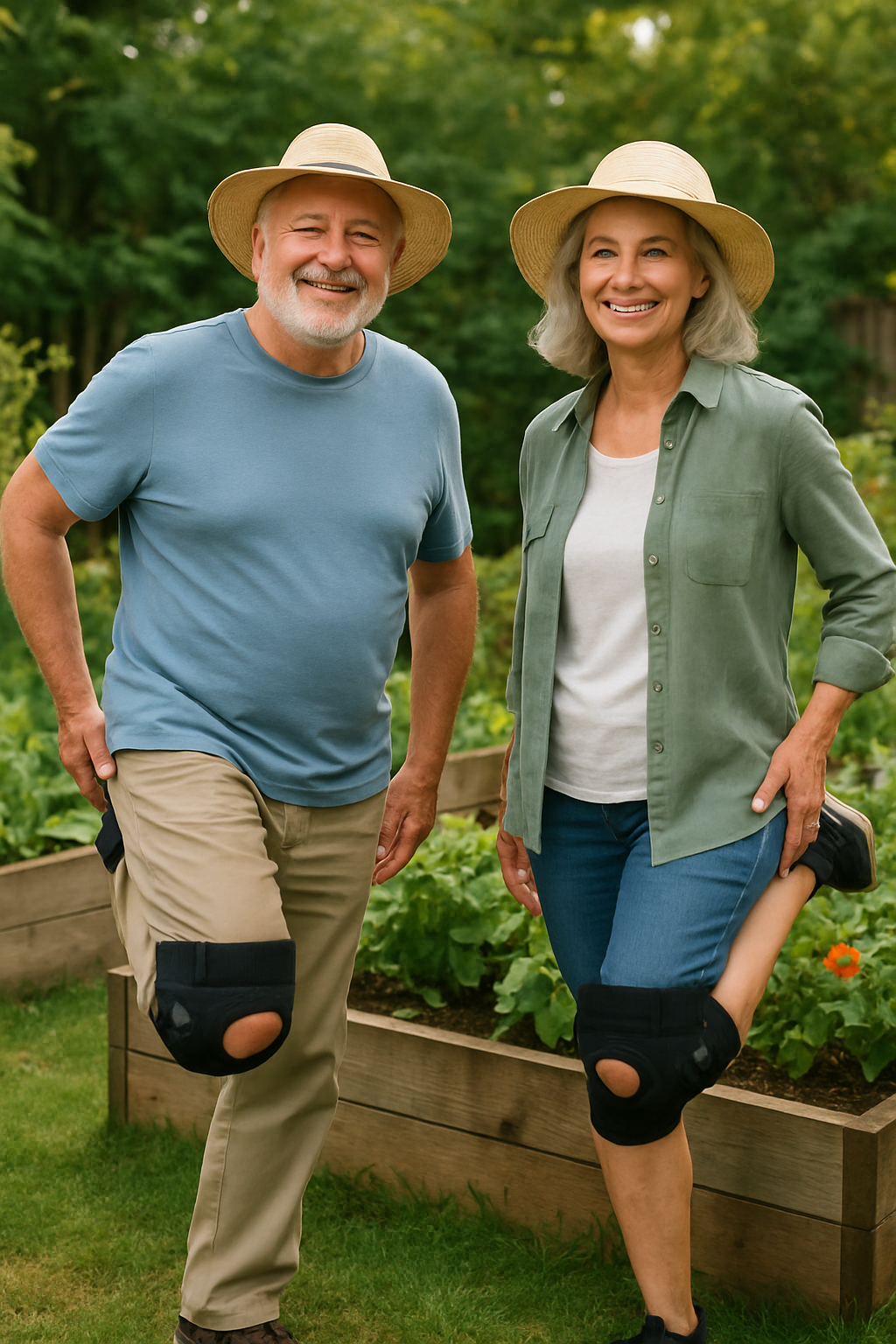
- Compression knee sleeves: If you’ve ever woken up with aching knees after a day in the yard, this one’s for you. A good knee sleeve supports the joint, gently compresses swelling, and keeps you stable on uneven ground. I’ve personally tested several, and the Modvel Compression Knee Brace is a bestseller for a reason—it’s breathable, stays put (no annoying sliding), and you get a pair for under $20. Several of my patients swear by these in the growing season.
- Gloves with good grip: Not just for thorns—proper gloves reduce stress on arthritic fingers.
And no, you don’t need every gadget on the market. Sometimes, a pool noodle over a shovel handle is just as good as a pricey “ergonomic” tool. Get creative—and don’t be afraid to modify.
3. Make Your Garden Work For You
Here’s where things get interesting. You can actually design your garden to be joint-friendly. Raised beds—game-changer. They bring the work up to a comfortable height (less bending, less back pain). Container gardens or hanging baskets can make a world of difference if your hips are cranky or your balance isn’t what it used to be.
Widen paths so you can use a wheelbarrow rather than hauling bags by hand. Place tools within arm’s reach wherever possible. One patient of mine keeps a five-gallon bucket on casters as a mobile seat/toolbox—genius.
4. Warm-Up (Yes, Really) Before You Garden
I know, I know. It sounds ridiculous. But a five-minute warm-up—gentle squats, wrist stretches, shoulder rolls—can make a massive difference. Research in BMJ Open Sport & Exercise Medicine (2022) found that a brief warm-up cut reported joint pain by 22% in middle-aged gardeners over a 6-month growing season. Trust me, your joints will thank you.
5. Stretching and Mobility Drills: Do They Help?
This one’s mildly controversial in my circles. Some folks swear stretching is the answer; others say it’s overrated. My take? The right kind of stretching—dynamic, not static—helps loosen up stiff joints, especially first thing in the season. Focus on gentle wrist circles, ankle pumps, quad stretches, and hamstring curls. Skip the “reach-and-hold” routines that make you feel like a pretzel.
6. Ice, Heat, and Quick Relief After Gardening
Not gonna lie, even with perfect form, some soreness is inevitable. Here’s how I recommend bouncing back:
- Apply ice or a cold pack to hot, swollen joints for 10-15 minutes. That’s especially helpful after heavy work or if you have arthritis flares.
- Use moist heat for stiff muscles or chronic aches. Something like the Pure Enrichment PureRelief XL Heating Pad is a clinic favorite—extra-large so it covers your back or both knees at once, with a moist heat option that penetrates deeper than dry heat. I keep one in my office and at home. Just don’t fall asleep with it on—auto shut-off is a must!
- Topical menthol rubs for quick, localized pain relief. Biofreeze has been around forever for good reason: menthol numbs, cools, and calms irritated nerves. Their Biofreeze Roll On is what I stash in my garden shed—no mess, no sticky hands, just icy relief in seconds.
If you’re dealing with persistent swelling, joint instability, or severe pain, pause your garden chores and talk to your doctor. Sometimes, it’s a sign of something more serious than overuse.
7. Do Supplements Really Help Joint Health?
Here’s a spicy take—supplements aren’t magic, but there’s real data to support some of them. Glucosamine sulfate (at 1500mg per day) has shown moderate benefit in slowing knee osteoarthritis in several studies (see Arthritis & Rheumatology, 2016). And chondroitin may help with mild pain. If you want a trusted option, I usually point folks to Nature Made’s formulation—USP verified, no sketchy fillers. But—and this is key—talk to your doctor or pharmacist before starting any supplement, especially if you’re on blood thinners or have allergies.
Digging Deeper: When to Worry About Joint Pain
Look, a little soreness after a weekend in the yard is normal. But here’s my red flag list—don’t ignore:
- Sudden, severe swelling or bruising in a joint
- Sharp, stabbing pain that doesn’t improve with rest or ice
- Locking, catching, or “giving out” sensations (think torn meniscus or ligament injury)
- Fever, chills, or redness (possible infection—big deal)
If any of that sounds familiar, stop gardening until you get checked out. Better to miss a week now than a whole season later.
Other Smart Habits for Lifelong Gardening
I’ve covered a lot, but let’s wrap with some habits that aren’t revolutionary—but work wonders:
- Stay hydrated. Seriously. Joints are mostly water, and dehydration makes everything ache more.
- Don’t skip meals. Low blood sugar means sloppy movements and higher injury risk.
- Schedule rest days after heavy garden sessions. It’s what pro athletes do—why not gardeners?
- Keep a pain journal. Jot down what flares things up and what helps—patterns emerge fast, and it helps you spot what to scale back next time.
And yes, sometimes you just need to ask for help or use that rolling garden stool instead of toughing it out. No shame—just more time to enjoy what you love.
Real Talk: Why Protecting Your Joints Matters
Look, I’ve seen too many patients give up their gardens because the pain outweighs the joy. That’s not the ending I want for you. With the right body mechanics, gear, habits—and a willingness to adapt—you can keep planting, pruning, and harvesting well into your golden years.
If you try only one thing this season? Pick better gear and pay attention to your form. If you want to go further, layer in heat/ice, gentle stretching, and consider a little joint support—compression sleeves, heating pads, or a dab of menthol go a long way.
And if you have a favorite tip or product, shoot me an email. I’m always looking for more wisdom from fellow gardeners—sometimes, you all have the best hacks.
Dr. Michael Torres, DC, is a licensed chiropractor and certified nutrition counselor specializing in musculoskeletal health and natural pain management. He writes for JointReliefReviews.com and has spent over a decade helping people move pain-free—from the clinic to the garden.