
Tai Chi for Arthritis and Balance: My Honest Take
If you’d told me ten years ago that I’d be championing tai chi to my clients with arthritis, I probably would’ve laughed. Back then, my head was buried in strength and conditioning protocols, powerlifting routines, and the latest in physical therapy tech. But here’s the thing: the more I worked with adults over 50, the more I saw how conventional exercise sometimes just didn’t fit—especially for those with creaky knees and wobbly balance. Enter tai chi.
The Surprising Power of Slow
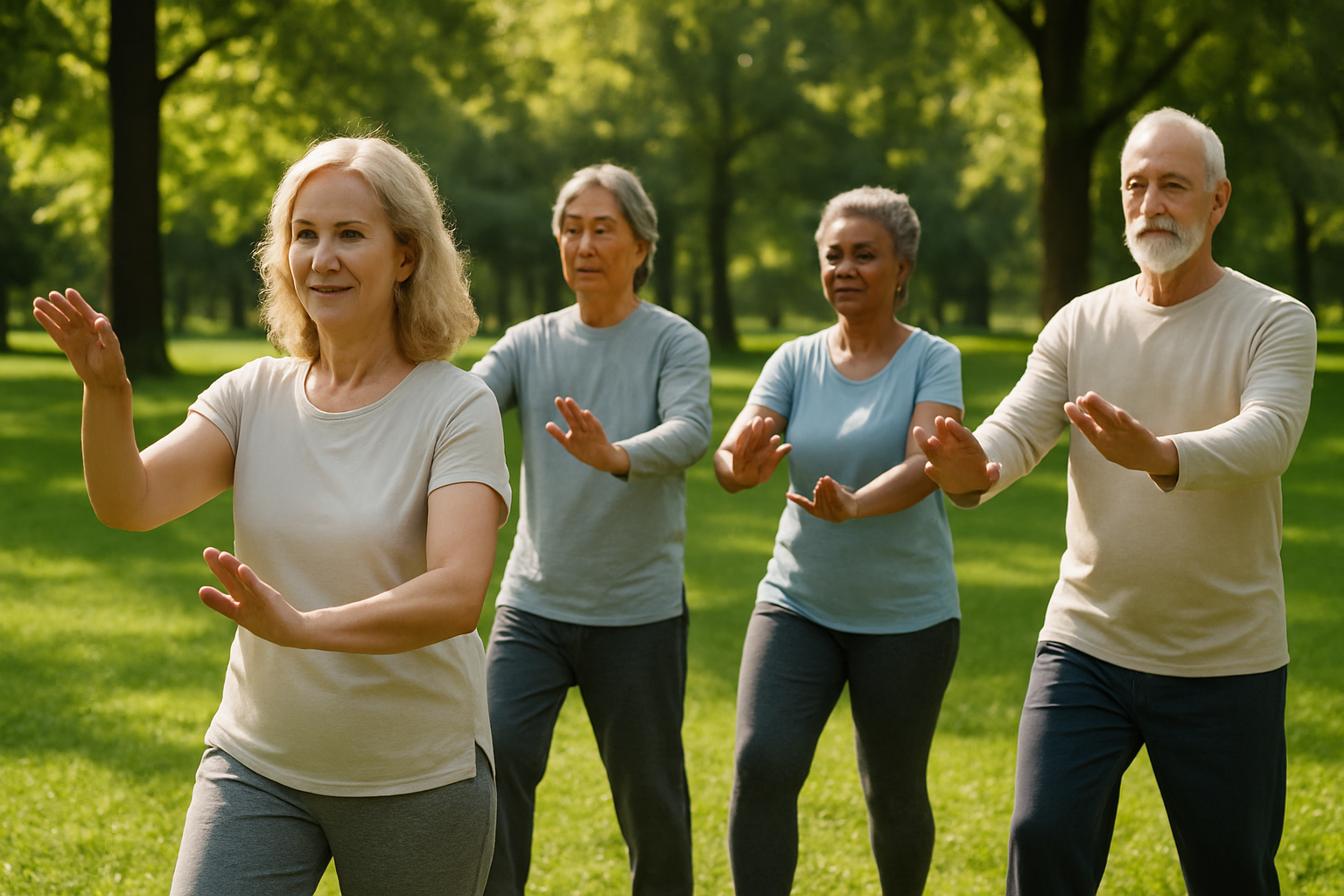
I remember a client—let’s call her Marie, 67, two knee replacements, lifelong arthritis. She couldn’t do her old aerobics classes, and walking even half a mile was painful. On a lark, she tried a community center tai chi class. Three months later, she told me her morning stiffness was half what it used to be and, even more impressive, she hadn’t stumbled in weeks.
Sound anecdotal? Sure. But Marie’s story isn’t unique. The science is piling up, and it’s catching physical therapists’ attention (mine included). According to a 2021 Journal of Rheumatology review, tai chi reduces pain and improves physical function in knee osteoarthritis by up to 32%. That’s from randomized controlled trials—not just testimonials.
Why Arthritis and Balance Go Hand-in-Hand
If you’re nodding along, you’re not alone. Arthritis isn’t just about pain; it’s about unpredictability. Stiff knees, aching wrists, hips that give out on a rainy day. And as we age, our sense of balance naturally declines—muscle loss, slower reflexes, you name it. Add joint pain, and every curb or staircase can start to feel like an obstacle course.
Research from Arthritis & Rheumatology (2019) found that adults with osteoarthritis are nearly twice as likely to report falls in a 12-month span compared to those without OA. That’s not just scary—it’s costly, both literally and emotionally. But what if there’s a way to move safer, without pounding your joints?
The Science: How Tai Chi Works on Joints and Stability
Look, I’ll be blunt—tai chi isn’t magic. But it’s built on principles that make a ton of sense for aging joints:
- Gentle, weight-shifting movements: This isn’t yoga or Pilates; tai chi’s slow transitions mimic natural walking and standing, retraining your body’s balance “autopilot.”
- Low impact, high repetition: Each session reinforces proprioception (your sense of where your body is in space), which is crucial for avoiding falls.
- Joint-friendly strength: While it looks easy, there’s subtle muscle engagement in every movement—especially around the knees and ankles—helping to stabilize those cranky joints.
- Focus and mindfulness: Let’s not discount the mental side. Mindful movement reduces stress, which actually has a biochemical impact on inflammation (see: 2017 Mindfulness meta-analysis in BMJ).
And here’s where it gets really interesting: A 2018 meta-analysis in the British Journal of Sports Medicine found tai chi was at least as effective as physical therapy for knee osteoarthritis. That’s wild—the “gentle” exercise holding its own against PT. The researchers noted improvements in pain, function, and quality of life. Plus, people stuck with it; compliance was better than most gym routines. That matters.
What Can You Realistically Expect?
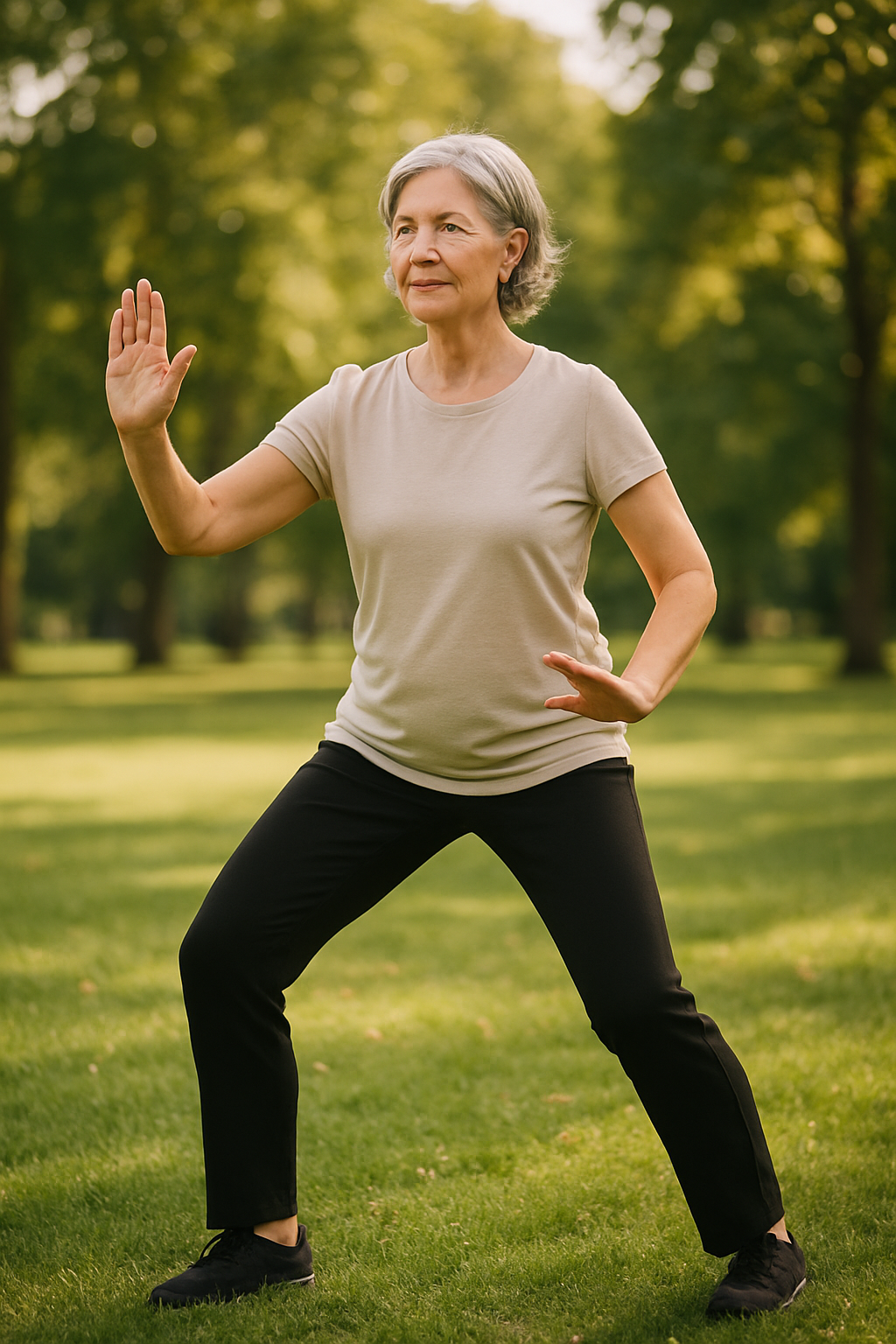
I’m not going to promise miracles. Tai chi won’t regrow cartilage (despite what some websites claim). But, based on what I’ve seen and the data I trust, here’s what many people experience over 8-12 weeks of regular practice:
- Less morning and movement-related joint pain (especially knees, hips, hands)
- Reduced stiffness (a big one for rheumatoid arthritis, according to a 2020 Clinical Rehabilitation study)
- Noticeably better balance—particularly when changing direction or on uneven ground
- Greater confidence moving around, leading to more activity (that virtuous cycle!)
- Lower stress—several studies report improvements in mood, sleep, and anxiety
Here’s the real kicker: It’s not just about what you gain, but what you avoid. Fewer falls, fewer pain flare-ups, less reliance on anti-inflammatory meds. For some folks, that’s life-changing.
Is Tai Chi Safe for Everyone?
Generally, yes. It’s one of the lowest-risk movement modalities I’ve ever recommended. But—big but—if you have severe mobility limitations, active joint swelling, or balance so poor you need a walker, get clearance from your doctor first. Also, if your main issue is severe back pain or unstable surgical joints, you’ll want supervision from a PT or certified instructor.
How to Start: Practical Tips for Beginners
You don’t need silk pajamas or incense. Really. I tell clients to wear whatever lets them move freely, preferably flat shoes with some grip. Most community centers have beginner classes, and many arthritis foundations sponsor free or low-cost programs. Don’t be intimidated—everyone looks a little silly at first.
Home practice is viable, too. There are plenty of online videos now, but look for classes tailored to joint pain or older adults. The movements should be slow, deliberate, and never forced.
Pro Tip: Pair Tai Chi with Gentle Pain Relief
Here’s something a lot of people miss: Even with tai chi, you might need some extra help managing discomfort, especially in the first month. My mother-in-law swears by Voltaren Arthritis Pain Gel—it’s one of the only OTC topicals with solid clinical backing for arthritis (diclofenac sodium, FDA-approved, over 4,600 reviews on Amazon last I checked). Use it pre-class if your knees are acting up, but don’t skip movement just because you’re a bit achy. Movement is medicine.
Comparing Tai Chi to Other Exercise for Arthritis & Balance
I get this question a lot: “Why not yoga or just go for walks?” Good question. Walking is great for aerobic health and weight management, but if you have knee or hip OA, long walks can aggravate pain. Yoga has its place, too, but many poses put joints in extreme ranges—problematic if you’re stiff or inflamed.
Tai chi sits in the “just right” zone: challenging enough to improve strength and balance, gentle enough to avoid flares. Plus, you’re constantly shifting weight, training your brain and body to respond to real-life stumbles. That’s why the American College of Rheumatology specifically names tai chi (not yoga or Pilates) in its 2019 guideline for osteoarthritis management.
If you want to double down on joint support during tai chi or everyday activities, something like the NEENCA Professional Knee Brace can help. I’m picky about braces, but NEENCA’s side stabilizers and patella gel pad do a solid job reducing knee pressure and keeping you confident on your feet. (Don’t wear it 24/7, though—your muscles still need to work!)
Real World Results & Common Mistakes
Not gonna lie—some folks drop out after a couple of classes. Why? They expect instant pain relief or get frustrated by the slow pace. Here’s my tough love: tai chi is a skill. The graceful movements you see in the park? Those take weeks to feel natural. Stick with it. Even twice-weekly sessions show benefits by week 8 (Journal of Aging and Physical Activity, 2022).
Most common mistakes I see:
- Locking the knees (keep a soft bend!)
- Trying to memorize sequences instead of focusing on weight transfer
- Pushing through sharp pain—never do this; modify or rest
- Skipping warm-up (joint circles, slow marches, etc.)
Maximizing Benefits—My Favorite Routine
You don’t need to master 108 forms. For arthritis and balance, most benefit comes from 5-10 simple movements repeated slowly. My go-to sequence for beginners:
- Commencement (basic weight shift, focus on posture)
- Parting the Wild Horse’s Mane (opens hips, gentle knee bend)
- White Crane Spreads Its Wings (balance challenge, gentle arm movement)
- Wave Hands Like Clouds (smooth lateral weight transfer)
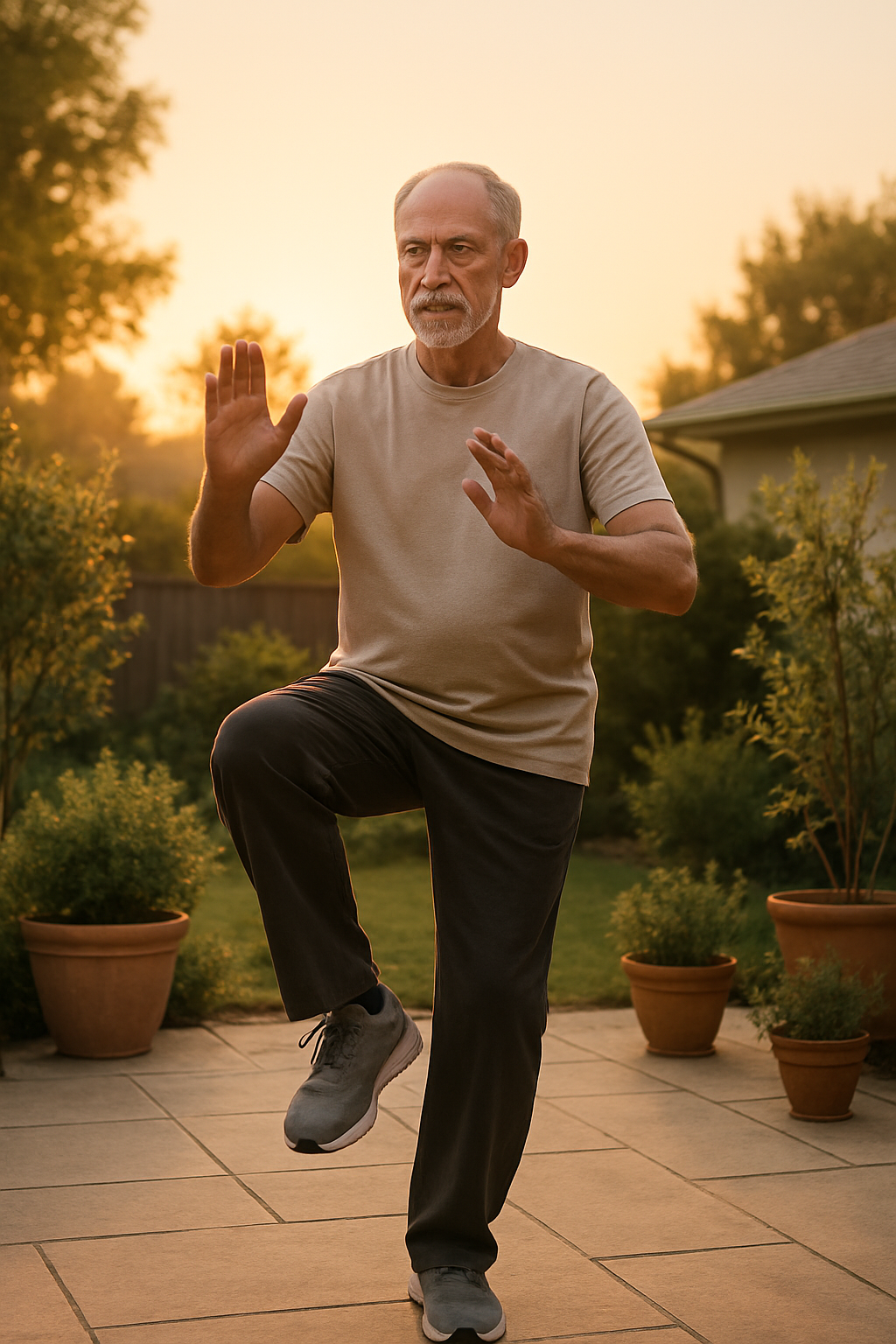
- Golden Rooster Stands on One Leg (if you can, with a support nearby!)
Practice each for 1-2 minutes, repeat the set. That’s 10-15 minutes, which is enough to “wake up” your balance centers and lubricate the joints. If you want a handy reference, Treat Your Own Knees (by Jim Johnson, PT) includes some tai chi-inspired mobility work—super affordable and easy to follow.
Takeaways—And What Most Articles Won’t Tell You
Most fitness trends come and go. Tai chi has stuck around for centuries—not because it’s flashy, but because it works for real bodies, especially those of us with more mileage. It’s not going to reverse arthritis, but it absolutely can make daily life less painful and a lot less scary (especially if you’re worried about falling).
So, here’s what I tell my clients:
- Start slow, stick with it, and expect small wins at first
- Pair tai chi with other joint-friendly habits (braces, topical gels, smart footwear)
- Listen to your body—moderate soreness is okay, sharp pain isn’t
- Find community (even online); it keeps you accountable
- Talk to your doctor or physical therapist if you have major medical issues—personalized advice always beats internet wisdom
If you’ve been sitting on the fence, maybe it’s time to give tai chi a real shot. You might just surprise yourself.
Let’s Keep Moving
I’d love to hear your stories—what’s helped, what hasn’t, what you wish you’d known before starting. Keep moving, stay curious, and don’t let arthritis or balance anxiety sideline your life.
James Chen, MS, CSCS
Exercise Science, Certified Strength & Conditioning Specialist
JointReliefReviews.com