Tai Chi and Arthritis: The Surprising Connection That Got Me Hooked
Some years back, one of my most determined clients shuffled into my clinic, both knees aching with every step. She grimaced through the first set of quad exercises and blurted out, “James, there’s got to be a gentle way.” That’s when I first suggested tai chi, half-expecting an eye roll — instead, she signed up for a local class the next week. Fast forward three months: her pain scores dropped, she was steadier on her feet, and (the real kicker) she started hiking again. And she’s not alone.
Why Arthritis and Balance Issues Are More Than Just Annoying
If you wake up stiff, dread stairs, or worry about falling — you’re in good company. The CDC estimates that nearly 1 in 4 adults in the U.S. live with doctor-diagnosed arthritis. And after 50, loss of balance isn’t a minor inconvenience; it’s a real safety risk. One fall can turn a manageable ache into a cascade of ER visits, surgery, and months of rehab (I’ve seen this scenario too many times). The frustration isn’t just physical. Losing your “get up and go” affects confidence, social life, and — let’s be honest — mood.
Here’s the thing: Most standard exercise advice (“just move more!”) doesn’t cut it for folks dealing with creaky joints and wobbly ankles. That’s why tai chi keeps cropping up in research — it’s slow, low-impact, and, when done right, shockingly effective.
What Is Tai Chi, Really?
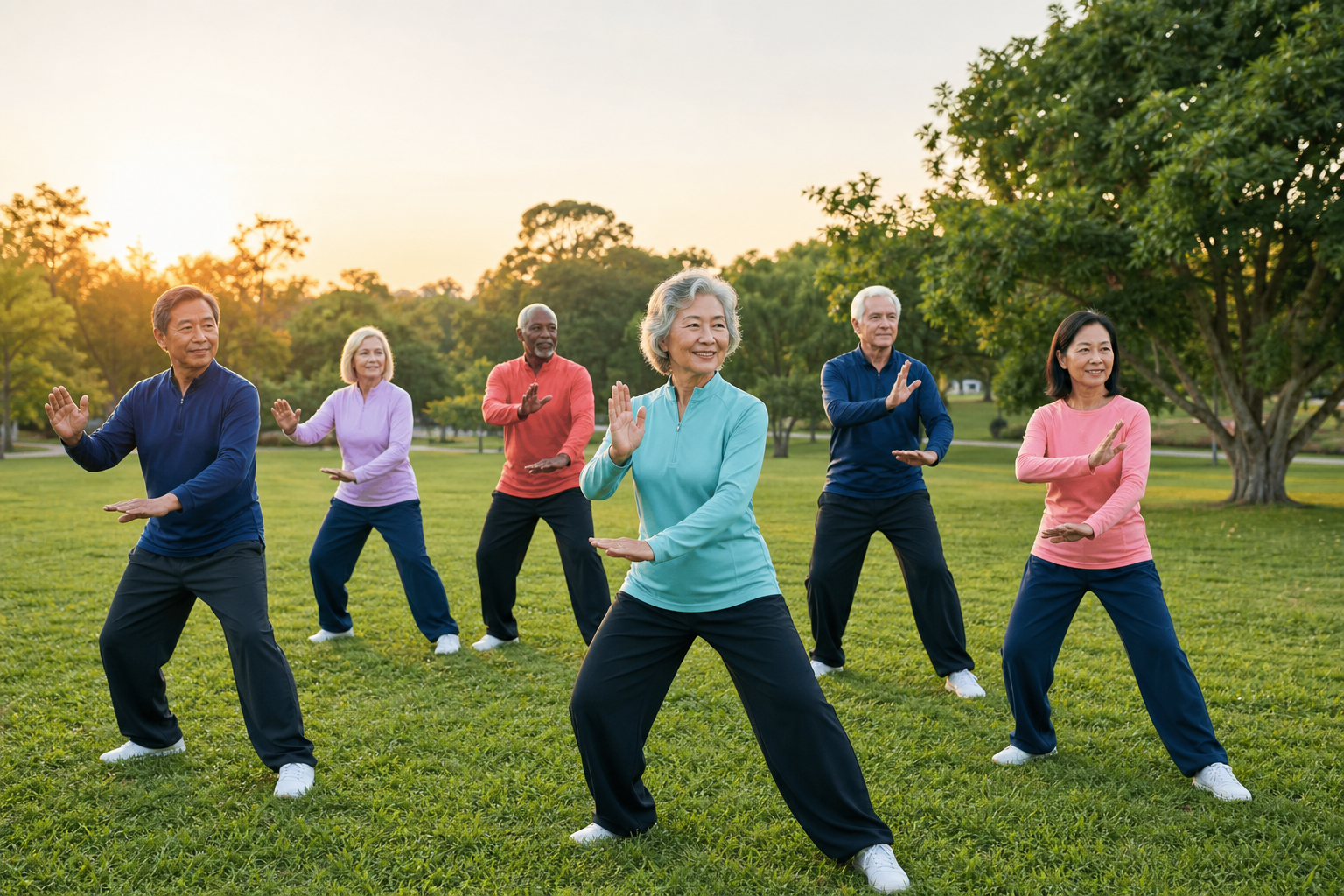
If the word conjures up images of slow-motion kung fu in a sunrise park, you’re not wrong. Tai chi (or tai chi chuan) is a traditional Chinese practice combining deliberate movement, balance, breathing, and focus. But forget the mystical hype — the benefits are measurable, and the learning curve isn’t nearly as steep as you’d think. There are dozens of styles (Yang, Wu, Chen), but for arthritis and balance, the differences matter less than consistency and good instruction.
The Hard Numbers: Tai Chi's Proven Benefits for Arthritis
Let’s zero in on the data. In 2010, the New England Journal of Medicine published a landmark trial: 40 patients with knee osteoarthritis practiced tai chi twice a week for 12 weeks. Their pain — measured on the WOMAC index — fell by around 30%. Stiffness and function also improved. Not bad for an activity that looks like slow dancing with invisible partners.
But that’s just one study. A 2021 meta-analysis in Arthritis Care & Research pooled results from 14 trials and over 800 patients. The summary? Tai chi “produced significant, clinically relevant improvements in pain, stiffness, and physical function” for knee and hip osteoarthritis. Many folks reported feeling better after just 6-8 weeks.
And — this part always gets people’s attention — the improvements rivaled those from popular arthritis medications, with none of the usual side effects (looking at you, stomach issues from NSAIDs).
Wait, How Does Tai Chi Actually Help?
- Improved Joint Range of Motion: Those deliberate weight shifts? They gently coax stiff knees and hips into a wider range, without jarring impact.
- Muscle Activation — and Not Just the Big Muscles: Tai chi nudges the small stabilizers around the ankles, knees, and hips — muscles that standard walking or cycling often ignore. That’s critical for both pain and balance.
- Circulation Gets a Boost: A 2012 study in BMJ Open found tai chi increased peripheral blood flow in older adults, likely aiding joint nutrition and healing.
- Neuromuscular Training: In plain English: the brain learns to communicate better with your muscles, improving coordination and confidence.
If you’re nodding along, you’re not alone. This is what I see in real clients — not just abstract data points in a journal.
Tai Chi for Balance: The Underappreciated Superpower
This is where tai chi really shines, and where (honestly) I probably sound like a broken record to my older clients. A 2017 review in Journal of the American Geriatrics Society found regular tai chi practice slashed fall risk by up to 43% in adults over 65 with balance issues or a history of falls. I’ll be honest — I was skeptical at first. But the studies just keep stacking up.
Why does it work? Because tai chi trains what scientists call “proprioception” — your body’s internal GPS. Those gentle shifts, single-leg stances, and weight transfers? They teach the nervous system to anticipate, adjust, and recover from stumbles. That’s real-world balance, not just standing on one leg in a therapy room.
And here’s where it gets interesting: Even people with advanced arthritis (think bone-on-bone knees) can tolerate these movements, because they’re so low-impact and adaptable. I remember my mother-in-law — who once needed the handrail for a single stair — reporting she could now carry her own groceries and turn quickly without grabbing the wall. No, tai chi isn’t a magic bullet — but it’s about as close as I’ve seen in decades of rehab and training.
What Does a Real Tai Chi Routine Look Like?
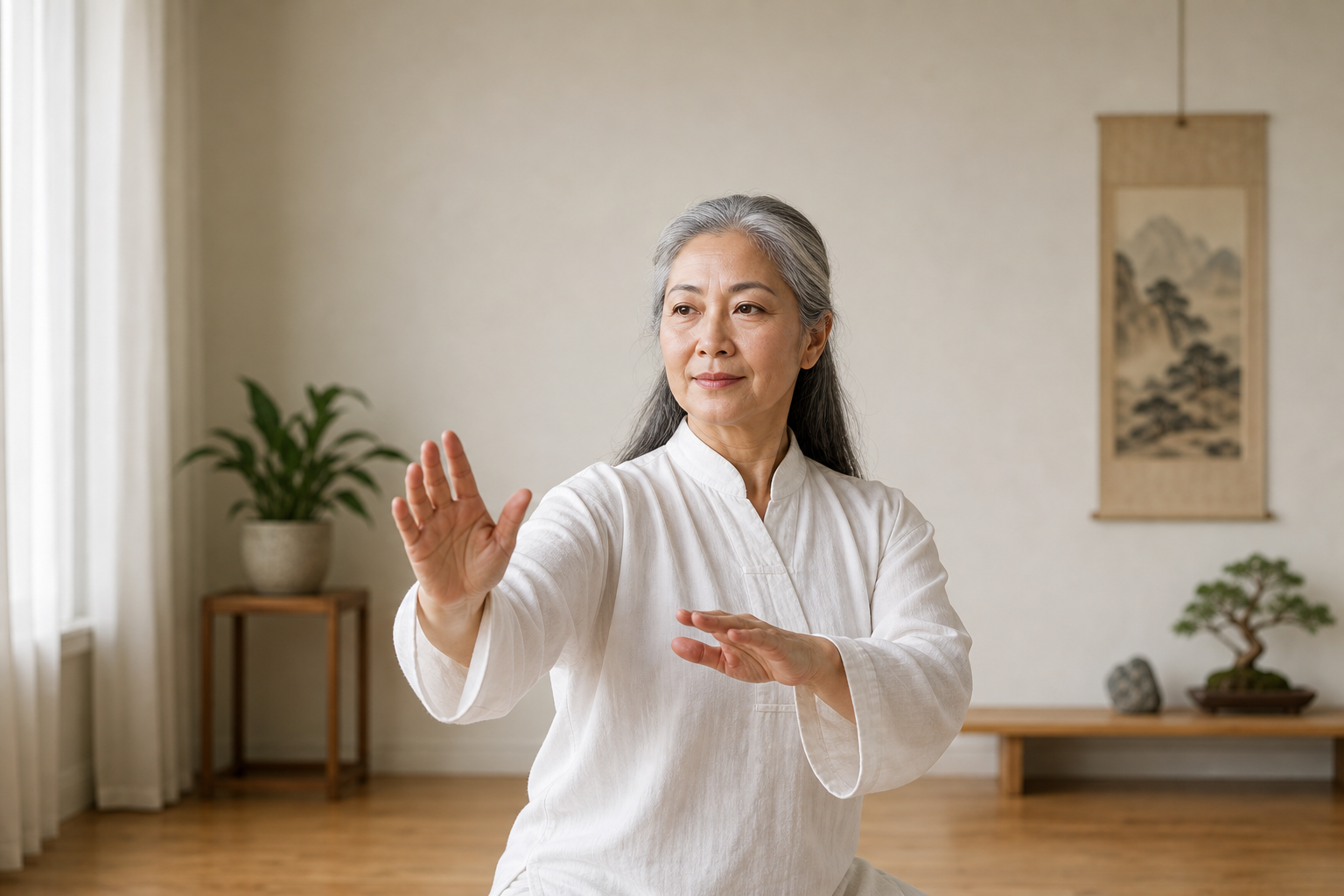
Most classes begin with gentle warm-ups: rolling the shoulders, circling the wrists, shifting weight side to side. You’ll see flowing movements with names like “Parting the Wild Horse’s Mane” or “Wave Hands Like Clouds” — the names sound silly, but the effect is real. Key points:
- Session Length: Most research protocols use 45- to 60-minute classes, 2-3 times per week.
- Home Practice: Even 10-15 minutes a day, following online videos or DVDs, can make a difference. Consistency is more important than perfection.
- Adaptability: Movements can be done standing, sitting (for those with severe mobility limits), or even holding onto a chair for support. I’ve had 80-year-olds and post-surgical patients both succeed.
Now, I know finding a good instructor or class isn’t always possible. If you’re going solo at home, start very easy — and if you notice sharp pain, stop and talk to your doctor. Safety first, always.
What About “Side Effects” or Downsides?
Here’s the good news: Tai chi is one of the safest forms of exercise for older adults with arthritis. In fact, a 2020 review in BMJ found no serious adverse events in over 1,400 participants across multiple studies. That said, a few caveats from my own practice:
- If you have unstable joints (severe ligament damage or recent joint replacement), check with your orthopedic team before starting.
- Some folks get frustrated by the choreography — it’s okay to focus on just a few moves at first.
- If you’re on balance-challenging medication, use a chair or rail for support.
Otherwise, the most common "side effect" is a smile and a surprising sense of calm.
Beyond Tai Chi: Supporting Your Progress with Practical Tools
Look, tai chi is fantastic — but there are days when your knees still bark, or you need a little extra support between sessions. Over the years (and after reviewing more joint products than I can count), a few have genuinely helped my clients bridge the gap. Here’s what’s been most useful for folks just starting out, or for those who want to make the most of their tai chi journey:
- Topical Pain Relief: Some mornings, my joints feel like they’ve been trampled by a herd of elephants. For clients like me (and probably you), Voltaren Arthritis Pain Gel is the only OTC anti-inflammatory gel I’ll personally vouch for. It’s FDA-approved, clinically proven, and actually penetrates deeper tissues. I use it before or after tai chi practice if things feel creaky. Always follow the instructions, and check with your doc if you’re on blood thinners or have GI issues.
- Knee Support for Peace of Mind: If you’re working on balance but worry about giving out mid-move, a medical-grade brace like the NEENCA Professional Knee Brace can make a world of difference. The side stabilizers and patella pad actually reduce wobbles without restricting movement. I’ve had multiple clients say it gave them the confidence to finish a class — or even just to take a longer walk safely.
That’s two product recommendations I feel good about. There are dozens more on the market, but these are the ones I’ve seen get real-world results — and actually help people stick with tai chi long enough to see benefits. No hard-sell here; they’re just useful tools in the toolbox.
Integrating Tai Chi Into Your Daily Life (Even If You've Failed Before)
I get emails every month from readers who start with great intentions but lose steam after a few weeks. Look, I get it — new habits are tough. Here’s what helps most of my clients stick with it long enough to see results:
- Find a buddy. Accountability is magic for consistency.
- Set a cue (right after breakfast, after your favorite show) so practice becomes automatic.
- Don’t sweat the choreography. If you only master two moves and repeat them, that’s still progress.
- Track your pain and balance on a calendar — seeing improvement keeps the momentum going.
- Give yourself grace. Bad days happen. The next one is a fresh slate.
And yes, celebrate even the smallest wins. I had a client who, after eight weeks, could get out of her car without twisting awkwardly or grabbing the door for dear life. That’s real impact.
Comparing Tai Chi to Other Arthritis & Balance Strategies
This might ruffle a few feathers in the rehab world, but here’s the truth: Tai chi isn’t the only game in town. But it’s the most accessible for many with arthritis and balance issues. Let’s look at the usual suspects:
- Physical therapy “prehab” routines: Fantastic, but often limited to a few sessions and intimidating outside the clinic.
- Yoga: Great for flexibility, but even gentle classes can involve deep knee bends or weight-bearing that aggravates arthritis. Tai chi is easier to modify.
- Strength training: Essential — especially for long-term joint health — but can be tough on painful days. Tai chi gives you movement options even when other workouts feel impossible.
- Group classes: Social support is huge, but not everyone feels safe in a gym. Tai chi can be done solo at home, with zero equipment.
If you’re already seeing a physical therapist, ask if they incorporate tai chi moves into your rehab. Many modern clinics do — with good reason.
Okay, But What If My Arthritis Is Severe?
That’s the million-dollar question — and the reason I recommend a research-based home exercise guide like Treat Your Own Knees by Jim Johnson, PT. If standing tai chi is too much right now, start with chair exercises to build basic strength (and confidence). Once you feel steadier, you can transition to standing moves or short tai chi routines. Most folks underestimate how much progress is possible in just a few months.
And if you’re dealing with a flare-up, don’t force it — rest, adjust, and return to tai chi when your pain calms down. Recovery isn’t linear, and that’s okay.
Key Takeaways (That Most Articles Miss)
- You don’t need to be “flexible” or “fit” to start tai chi — most people begin with limited mobility.
- Clinically significant arthritis relief can show up in as little as 6 weeks. But you have to stick with it.
- Balance gains translate to real-life confidence: fewer stumbles, steadier steps, more independence.
- Pairing tai chi with smart pain relief tools (like Voltaren Gel) and simple supports (like NEENCA brace) makes it easier to stay consistent.
- Start small, celebrate every win — and don’t worry about looking “perfect.”
And if you ever feel discouraged, remember this: Some of the steadiest, happiest movers I know started off more wobbly and skeptical than you.
Final Thoughts — And an Invitation
Tai chi isn’t a miracle cure. But for arthritis and balance? It’s as close to a “secret weapon” as I’ve seen in real-life practice and study after study. The beauty is in its accessibility — you don’t need equipment, fancy clothes, or even a gym membership. Just a little curiosity and a willingness to move.
If you’ve tried every lotion, pill, and therapy without lasting success, it may be time to slow down — literally — and give tai chi an honest shot. And if you need support, don’t be shy about using a brace or topical gel to get through those tougher days. That’s not weakness; it’s smart self-care.
Feel free to email me your questions — or your own tai chi stories. I love hearing what’s working (and what’s not) for readers around the world. Here’s to steadier, more confident movement for all of us.
James Chen, MS, CSCS
Exercise Scientist & Joint Health Writer
JointReliefReviews.com