Tai Chi Benefits for Arthritis and Balance: Real Results or Overhyped?
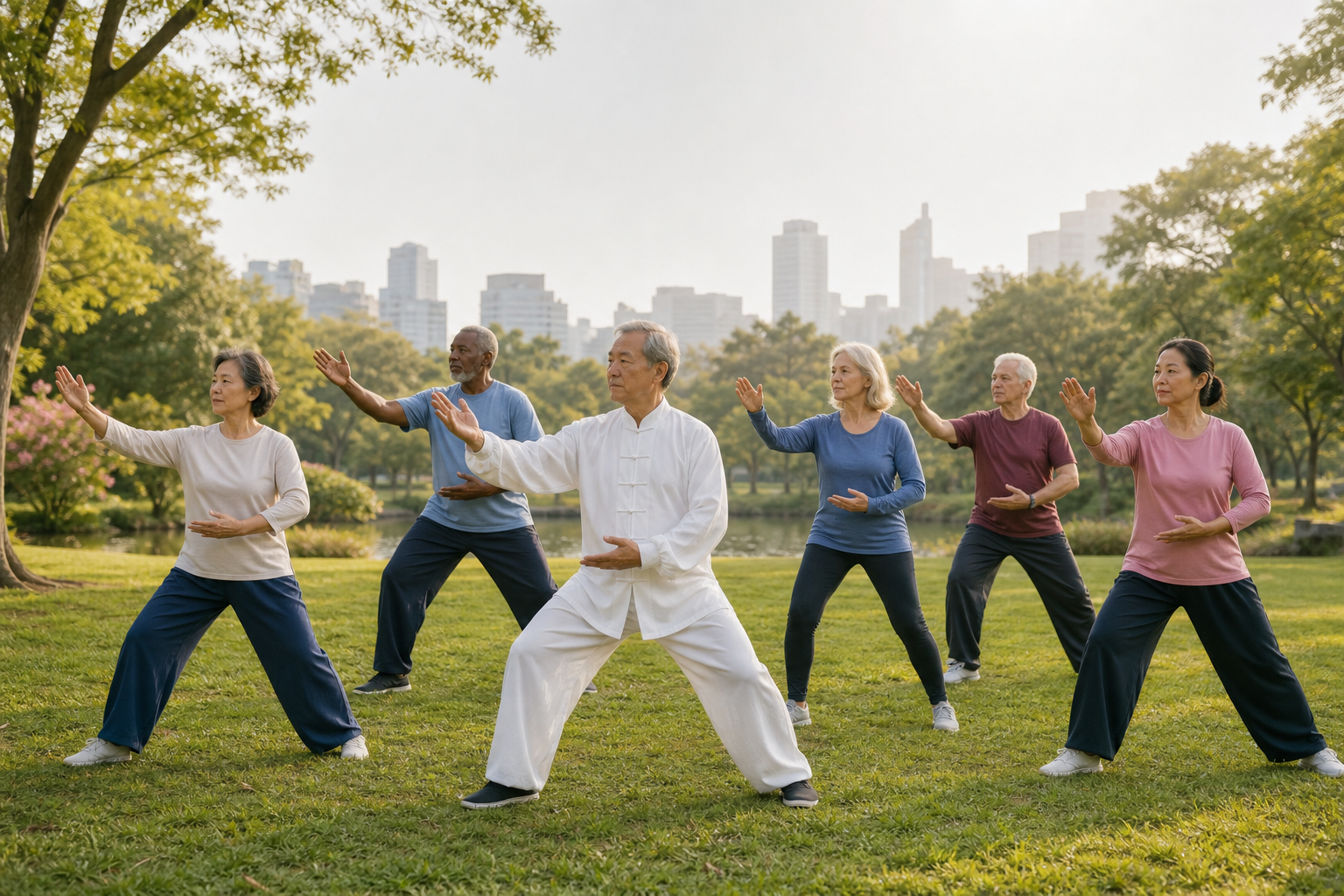
I still remember the first time I saw tai chi practiced in the park—slow, sweeping movements, a sort of meditative calm settling over the whole group. My initial thought? That looks relaxing, but can it really help a person who’s struggling to climb the stairs because of arthritic knees? Fast-forward a decade and several medical journals later, and I have to admit: I was wrong to be skeptical. Tai chi might look gentle, but don’t let that fool you. The research—and what I’ve seen in clinic—suggests it’s one of the smartest moves you can make for arthritis, balance, and joint health overall.
Here’s the Real Struggle: Living with Arthritis and Poor Balance
If you’ve ever hesitated at the top of a staircase, gripping the rail with white knuckles because your knees are screaming—or worse, because you’re afraid of falling—you’re not alone. More than 54 million Americans have arthritis (CDC, 2022), and the older we get, the more those familiar aches and that nagging instability creep in. I get emails every week from readers describing the same story: the joint pain is relentless, but it’s the fear of a fall that really limits their freedom.
And let’s be honest, most advice out there is either a hard-sell for a supplement, or so generic it might as well be written by a robot (which, ironically, is part of my job to spot). We need practical solutions that don’t require Olympic-level fitness—or a trust fund. That’s why tai chi keeps coming up when I talk to patients and dig into the latest research. It’s accessible, adaptable, and it turns out there’s real science behind its benefits for both arthritis and balance.
Tai Chi: Why This Ancient Practice Matters for Modern Joints
What is tai chi? At its core, tai chi is a centuries-old Chinese martial art, but the slow, flowing forms you see most people practicing today are all about balance, coordination, and mindful movement. Unlike yoga, there’s no twisting yourself into a pretzel, and unlike high-impact aerobics, there’s zero jumping or jarring impact on the joints. If you live with arthritis, that’s a huge plus.
But here’s where it gets interesting: tai chi isn’t just “gentle movement.” When you look at randomized controlled trials (RCTs) and meta-analyses (think: the gold standard in medical research), tai chi consistently comes out ahead for people with knee osteoarthritis, rheumatoid arthritis, and even balance issues following joint replacements or age-related muscle loss.
Take a 2021 meta-analysis in Arthritis & Rheumatology: researchers reviewed 15 studies involving nearly 1,200 arthritis patients and found tai chi significantly reduced pain and improved function—often on par with physical therapy. That’s not hype. That’s real pain relief you can feel.
The Science: How Tai Chi Works for Arthritis and Balance
- Reduced Joint Pain: Multiple studies (see: Journal of Rheumatology, 2016) show tai chi can cut knee osteoarthritis pain by up to 35%. The movements encourage synovial fluid circulation—sort of like giving your cartilage a gentle, nourishing massage.
- Improved Muscle Strength: Don’t let the slow pace fool you. Tai chi builds strength in your legs, hips, and core. That muscle support is key for protecting arthritic joints.
- Better Balance and Lower Fall Risk: Here’s the big one. A 2020 review in BMJ Open found that older adults who did tai chi had a 43% lower risk of falls compared to controls. Why? Because tai chi challenges your proprioception—your body’s internal sense of position—and improves coordination with every session.
- Stress and Stiffness Relief: Arthritis is as much about tension as inflammation. Tai chi’s mindful breathing and gentle stretching dial back the stress response, which can mean less morning stiffness (at least, in my experience with clients).
Now, does tai chi cure arthritis? No—nothing does. But in terms of long-term management, it’s one of the best evidence-backed moves out there. And the barrier to entry is practically zero. You don’t need fancy clothes, a gym membership, or even a yoga mat. Just a bit of space and the willingness to try.
What Real Life Looks Like: Tai Chi for Arthritis and Balance
I’ll be honest—some people worry tai chi will be too slow, or, paradoxically, too complicated (I mean, have you ever seen those 108-form videos?). But most modern tai chi classes for arthritis are pared down to simple sequences you can master in a few weeks. My mother-in-law started with a 10-minute routine on YouTube, and within a month she was telling all her friends about her steadier gait (and the fact that her knees weren’t constantly throbbing after gardening).
Group classes are still my top recommendation. There’s something about moving alongside others that makes you want to keep showing up, even on the days when your joints are extra cranky. But if you’re more of a homebody, there are excellent streaming classes and DVDs tailored for seniors and people with limited mobility—Tai Chi for Arthritis by Dr. Paul Lam is a classic, and you can find versions free online or at your local YMCA.
The Nitty-Gritty: How Often Should You Do Tai Chi? (And What If You Have Bad Days?)
The American College of Rheumatology backs tai chi as a primary recommendation for knee and hip osteoarthritis. Most studies use 2–3 sessions per week, 45–60 minutes each, but here’s my professional take: consistency matters more than duration. If you can manage 10–15 minutes daily, you’re likely to see benefits within 4–8 weeks. Give it at least a month—your joints need time to adapt.
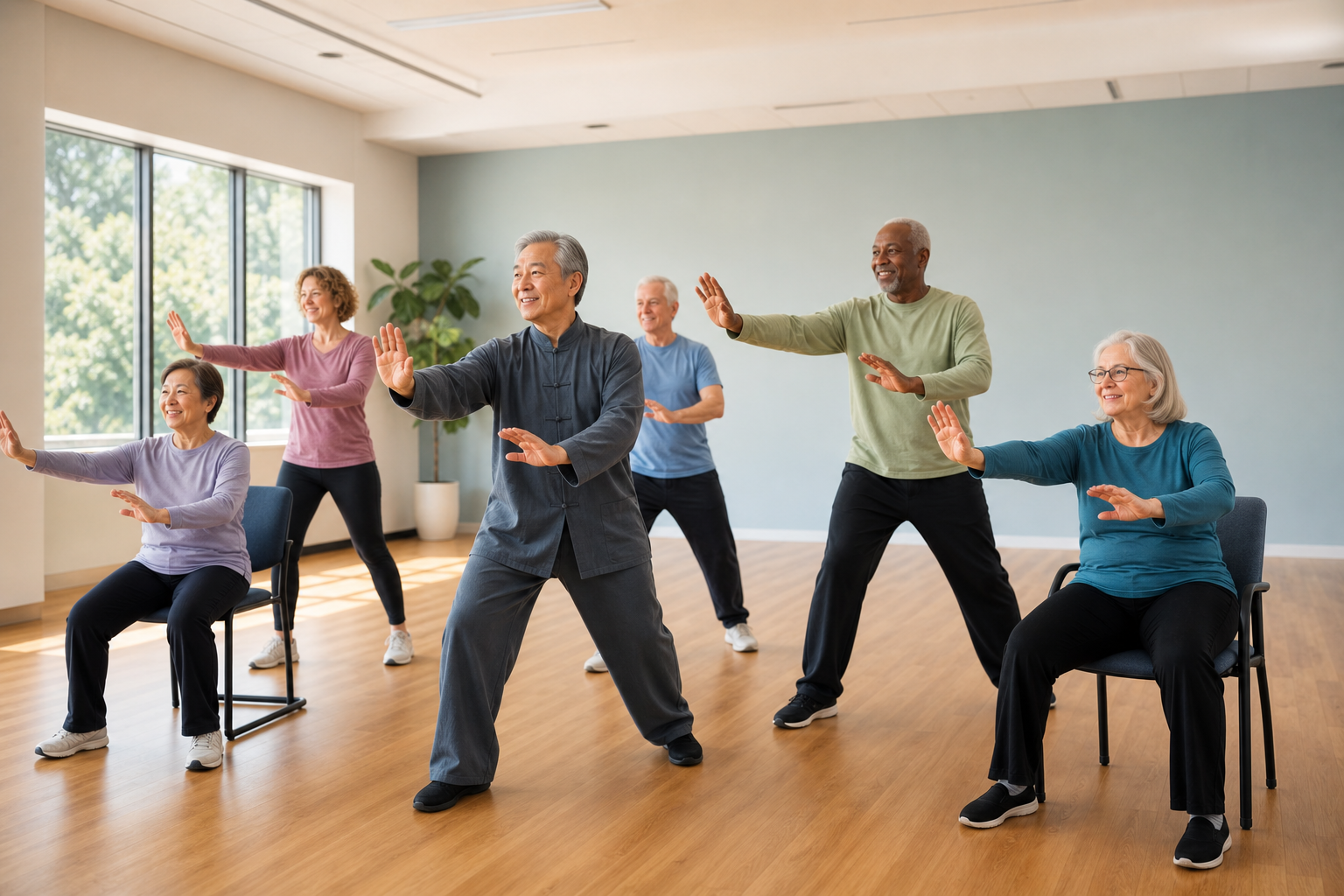
And if you have those days where even gentle movement feels like too much? That’s okay. Some movement is always better than no movement. Even seated tai chi (yes, it’s a thing) can help maintain mobility and coordination for folks with severe joint pain or balance anxiety. If you’re working around recent surgery, advanced osteoporosis, or other complex conditions, talk to your doctor or physical therapist first—just to play it safe.
Does Tai Chi Beat Other Exercises for Arthritis and Balance?
I know some physical therapists might bristle at this, but most conventional exercises (walking, swimming, cycling) are great for cardiovascular health, but can lack the balance challenge and mindfulness that tai chi brings. Yoga is wonderful—if you can get up and down from the floor. Resistance training is crucial for muscle mass, but it’s easy to overdo and flare up a cranky knee.
Where tai chi shines is in that sweet spot: enough gentle challenge to engage stabilizing muscles, but not so much strain that you pay for it with extra pain the next day. Tai chi also incorporates weight-shifting and single-leg balance (think: standing on one foot, but in a way that’s controlled and rhythmic), which is a feature nearly every fall prevention expert raves about. In the clinic, my clients who stick with tai chi three months or longer are often the ones reporting the biggest confidence boost in daily activities—things like stepping off curbs, getting out of low chairs, or navigating a crowded grocery store without fear.
Practical Barriers—and How to Get Around Them
Look, nothing works if you don’t stick with it. The biggest obstacles I hear are:
- "I’m too stiff or sore to start." Start seated or simply mimic the upper body movements. Any motion is a win.
- "I’m afraid it’ll be too complicated." Choose beginner routines—5–8 basic movements, repeated often. Perfection isn’t the goal; showing up is.
- "My knees (or hips, or back) need extra support." There’s no shame in using a chair, handrail, or knee brace at first. In fact, one client told me his NEENCA Professional Knee Brace gave him the confidence to start tai chi after a nasty fall. It’s medical-grade, adjustable, and subtle enough that nobody in class even noticed.
Don’t overlook footwear, either. Soft, flexible sneakers or even barefoot on a safe surface is ideal—hard, unsupportive shoes can sabotage your balance gains.
The Real Kicker: Tai Chi’s Mental and Social Benefits
I’d be remiss if I left out what the studies sometimes gloss over: the psychological lift from tai chi is real. I’ve watched irritable, lonely folks become more positive after a few months of group practice. The mindfulness, the steady breathing, the shared experience—it all adds up to less anxiety, better sleep, and a sense of agency over your body that’s hard to describe until you’ve felt it.
The Arthritis Foundation has even sponsored tai chi programs at senior centers and community centers nationwide, for precisely this reason. Social connection can be as healing as any medication or exercise plan.
Extra Support: Tools That Make Tai Chi Easier
If you’re dealing with moderate to severe arthritis pain, sometimes you need a little boost to get moving. Here’s what I recommend—sparingly, but honestly—when tai chi alone isn’t enough:
- Topical Pain Relief: Before class, a bit of Voltaren Arthritis Pain Gel can take the edge off stiff knees or fingers. Diclofenac sodium is clinically proven (Journal of Rheumatology, 2016), and the non-greasy formula won’t mess with your grip or clothes.
- Guided Home Programs: If you want a simple, research-backed strengthening plan to complement your tai chi, I often recommend Treat Your Own Knees by Jim Johnson, PT. It’s packed with easy diagrams and practical advice—no fluff, just what works.
But—and this is crucial—always talk to your doctor or physical therapist before starting any new pain relief or exercise regimen, especially if you’re managing other conditions or taking prescription meds. (Had to say it, you know the drill.)
What the Studies Miss: My Honest Perspective
Here’s the thing: Tai chi isn’t a cure-all. I’ve had clients who hated it, or just couldn’t get into the groove. Others plateau after a few months, needing to add in more resistance training or aquatic exercise for full relief. And, contrary to some online claims, tai chi won’t rebuild lost cartilage or undo severe joint deformity.
But for the vast majority of people I’ve worked with—especially those in their 50s, 60s, and 70s—tai chi offers something rare: a sustainable, community-building way to manage pain and reclaim confidence in movement. It’s not about “perfect form;” it’s about participation and progress.
If you’re nodding along, you’re already halfway there.
Takeaways: How to Get Started (and Stick With It)
- Start Small: Try a 10-minute beginner video online, or check your local rec center for tai chi for seniors classes.
- Go Gradual: If pain flares, dial it back. Consistency—not intensity—delivers results.
- Upgrade Equipment If Needed: A knee brace, topical pain gel, or supportive shoes can make a world of difference in early weeks.
- Connect With Others: Even an online community or Facebook group can keep you motivated and accountable.
- Celebrate Progress: Those first weeks can feel awkward. Trust the process. Flexibility, strength, and balance will improve—even if it takes a few months.
My final thought? Tai chi isn’t just “better than nothing”—it’s genuinely transformative for arthritis and balance if you give it a fair shot. It’s saved more than a few of my clients from resigning themselves to a sedentary future. Who knows? You might feel the same.
Have questions, want to share your story, or need more resources? Drop me a line—I read every email (just maybe not until after my morning tai chi in the park).
James Chen, MS, CSCS
Certified Strength & Conditioning Specialist
JointReliefReviews.com columnist, focusing on evidence-backed joint health, mobility, and aging well.