
Tai Chi Benefits for Arthritis and Balance: What the Research (and My Patients) Reveal
I’ll never forget Mary, one of my favorite patients—a retired librarian in her late 60s. She walked in limping, her right knee swollen from years of osteoarthritis, frustrated by the way stairs and curbs seemed to gang up on her. But here’s the twist: six months after picking up tai chi at her community center (against her skeptical husband’s advice, I might add), she glided into my office, noticeably steadier, her pain scores cut in half. She was beaming. That’s the kind of transformation tai chi can deliver—and I’ve seen it more than once.
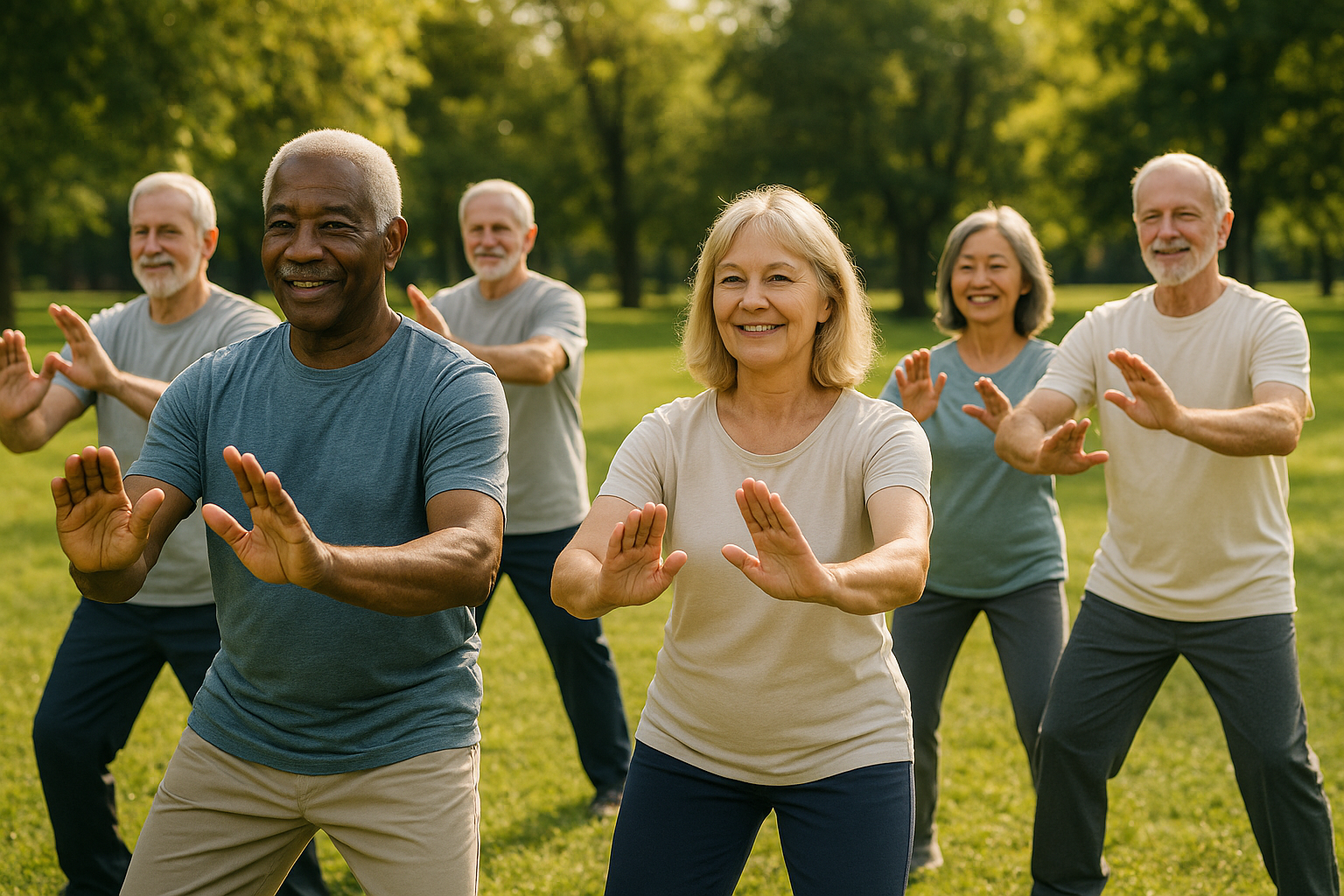
Arthritis, Balance, and the Daily Grind
If you’re reading this, chances are you know exactly what I’m talking about. Aching joints. That jolt of anxiety when stepping onto wet pavement. Worrying you might topple over just doing chores. Arthritis goes beyond pain; it can chip away at your confidence and independence, often dragging balance issues along for the ride.
Most of my patients aren’t looking for a miracle—they just want to garden, play with their grandkids, or walk around the block without feeling like their body’s betraying them. And frankly? That’s a realistic goal. Especially when tai chi comes into play.
What Is Tai Chi—and Why Does It Help With Arthritis?
Picture this: slow, flowing movements. Deep, focused breathing. Mindful attention to the here and now. That’s tai chi in a nutshell. It’s an ancient Chinese martial art, but don’t let the “martial” part intimidate you—modern tai chi is all about gentle repetition, fluid movement, and (here’s where science gets interested) building both physical and mental resilience.
Now, you might be wondering: “How can waving my arms in slow motion possibly fix my knees or help me balance?” Fair question. The answer lies in how tai chi works on multiple levels at once: strengthening muscles, lubricating joints, tuning up your nervous system, and—maybe most crucial—restoring trust in your own body.
Let’s Talk About the Evidence
Look, I’m a data guy. I sift through the findings, not just the hype. So here’s where the numbers get interesting. In 2016, a landmark trial published in Annals of Internal Medicine randomized 204 older adults with knee osteoarthritis into two groups: one did tai chi, the other physical therapy. After 12 weeks, both groups improved—but tai chi held its own against PT for pain relief, function, and even mood. In fact, the tai chi group kept improving at 24 weeks, reporting less stiffness and more confidence with balance.
And that’s not a fluke. The Journal of Rheumatology published a meta-analysis in 2013, pooling data from over 500 patients: tai chi led to significant improvements in pain scores, joint stiffness, and physical function, especially for knee OA. The American College of Rheumatology even lists tai chi as a recommended nondrug approach—right up there with exercise and weight loss.
Where Balance Fits In
Alright, here’s the real kicker. Balance declines naturally as we age, but arthritis makes it worse: stiff joints, weak muscles, and a fear of falling. That’s a nasty combo. Tai chi tackles this head-on. Each session challenges your center of gravity, your proprioception (fancy word for “body awareness”), and your postural muscles. In the 2012 NEJM study on Parkinson’s patients, tai chi cut fall rates by a whopping 67% compared to stretching. Now, if it works there, imagine what it can do for you.
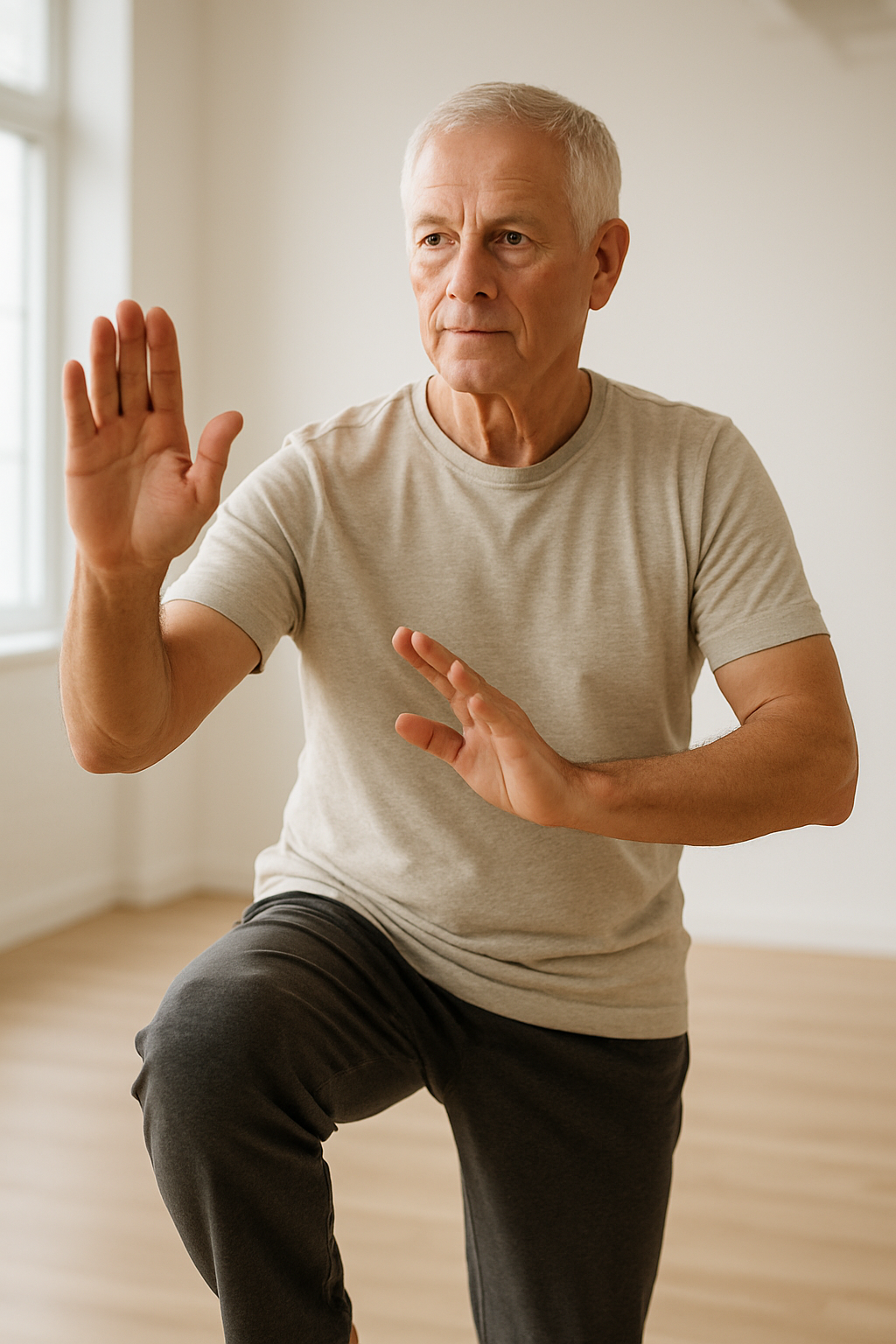
How Does Tai Chi Work Its Magic?
This is where I get nerdy. Here’s my breakdown of tai chi’s secret sauce:
- Gentle, Weight-Bearing Movements: These strengthen your quads, hips, and ankles without pounding your joints (unlike, say, jogging).
- Dynamic Balance Practice: Every shift of stance is a rehearing of balance control—far more effective than “just standing” on one leg.
- Joint Mobility and Lubrication: Slow, circular motions keep your synovial fluid moving, which is what your cartilage craves.
- Neuromuscular Coordination: Tai chi is like physical therapy in motion: it trains your brain and body to act as a team again.
- Stress Reduction: Can’t skip this piece—relaxation lowers inflammation. The mind-body link is real.
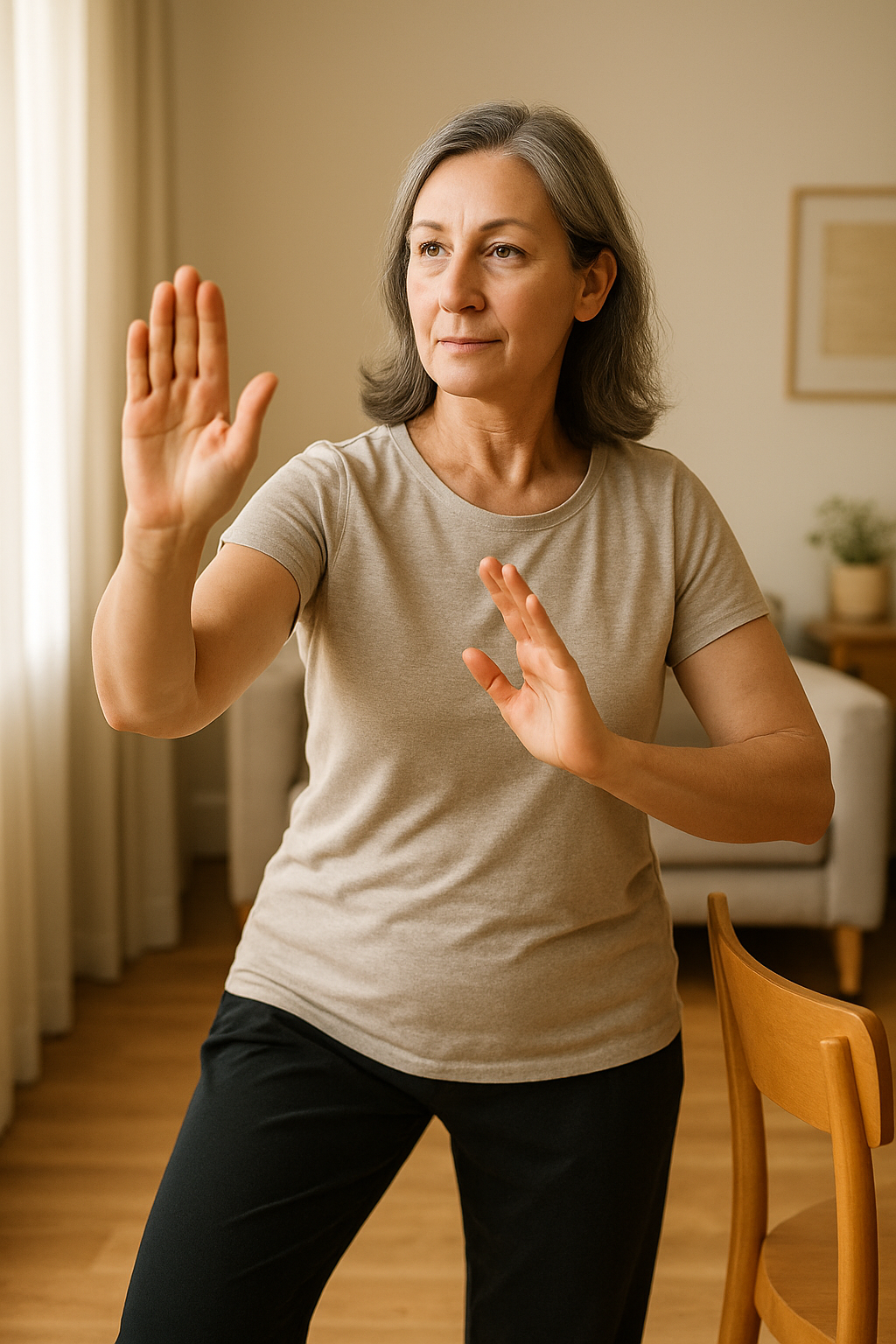
And for anyone who’s worried, “But I’m not flexible enough”—hear this: tai chi is beginner-friendly. Movements can be modified for anyone, even if you need a chair (I did this with one of my stubbornest patients, Bill, who grumbled for three weeks before finally admitting it helped).
What Tai Chi Can and Can’t Do for Arthritis
I know some folks promise the moon. Here’s the reality: tai chi won’t regrow cartilage. It won’t erase bone-on-bone arthritis. But it absolutely can reduce chronic pain, cut down on joint stiffness, and help you feel steadier on your feet—often after just a couple months. You might still need your medication or supportive devices, and that’s okay. The best approach is a blend.
And if you’re like me—a little skeptical at first—I get it. I used to think tai chi was “just moving slow.” Turns out, it’s a masterclass in mindful balance and joint care. Even the CDC backs its use for fall prevention.
Getting Started: My Top Tips
Ready to try tai chi? Here’s what I tell my patients (and my own family):
- Check with your doctor, especially if you have heart issues, uncontrolled blood pressure, or severe balance problems.
- Look for classes taught by certified instructors—arthritis-adapted tai chi is a plus. (Think “Tai Chi for Arthritis” led by Paul Lam, MD—his program is evidence-based.)
- Start slow: 20–30 minutes, 2–3 times a week is ideal. Don’t push through sharp pain. Gentle is the goal.
- Wear lightweight, flat-soled shoes—or go barefoot indoors if safe.
- Use a sturdy chair for balance support if needed. Many community centers and YMCAs offer “seated” or “gentle” classes.
And don’t be surprised if the first few sessions feel awkward. Everyone looks a bit lost at first—give it 4-6 weeks, and you’ll notice the difference: less pain, better posture, and yes, fewer stumbles.
Real Stories, Real Progress
Here’s where I get personal. Carol, a 72-year-old with rheumatoid arthritis, used to call me after every flare-up. She started tai chi on my nudge. Six months later, she told me, “I haven’t fallen once. And my hands feel looser.” She didn’t toss her meds, but she did regain her confidence. Another patient, Jerry, said his nightly knee throbbing faded after three months of twice-weekly classes. The science and the stories line up.
Tai Chi Plus: Blending with Modern Arthritis Tools
Let’s be honest—tai chi is amazing, but sometimes you need a little extra help, especially during flare-ups or bad weather. I’m all for combining approaches. For instance, on days when my knees sounded like Rice Krispies, I reached for Voltaren Arthritis Pain Gel (it’s diclofenac-based, FDA-approved, and clinically proven to reduce arthritis pain—plus, no greasy mess). Use it before or after tai chi for that extra edge.
Another tip: struggling with knee stability? Several of my readers have raved about the NEENCA Professional Knee Brace. The side stabilizers make it a game-changer if you’re nervous about wobbly joints during movement practice. Just don’t over-rely—think of it as training wheels while you build muscle and confidence through tai chi.
And a book that’s dog-eared on my shelf: Treat Your Own Knees by Jim Johnson. It’s loaded with DIY exercises (many of which overlap with tai chi stances) and clear drawings. I keep recommending it because it builds the “why” behind the moves you’ll be learning.
How Tai Chi Compares to Other Exercises
Here’s where I ruffle a few feathers: walking and swimming are great, but they don’t address balance and neuromuscular coordination quite like tai chi. Yoga is fantastic, but some postures can be tough on arthritic wrists or knees. Tai chi, though? It’s adaptable, meditative, and safe for most joints—plus, you don’t need fancy equipment or a gym membership.
The American College of Sports Medicine agrees: tai chi stands out for fall prevention and chronic pain control, especially in older adults with joint issues. The 2017 BMJ Open review even found it boosted self-efficacy (the “I can do this” mindset) in over 800 seniors.
Potential Downsides and Considerations
Let’s keep it real: tai chi is low-risk, but not risk-free. If you have severe osteoporosis, recent fractures, or unstable cardiovascular issues, run the idea by your doctor. Some patients with advanced neuropathy or balance disorders need extra supervision—so don’t jump in alone if you know you’re at high risk. And, as always, if a movement hurts, skip it. There’s no gold star for powering through pain.
Fresh Takeaways and Next Steps
So—tai chi won’t grant you superhero knees, but it can absolutely tip the scales toward less pain, better balance, and a more hopeful outlook. Blend it with smart, evidence-backed tools (like arthritis gels or a sturdy knee brace), and you’re stacking the deck in your favor. The hardest part is starting. But once you do, you might find yourself looking forward to that next slow-motion “wave hands like clouds”—just like Mary, Carol, and so many others.
If you try tai chi, I want to hear your story—seriously, email me! Every journey is different, but the science (and my decades in the clinic) say you’re likely to feel the benefits. Keep moving, stay curious, and be kind to yourself as you go.
Talk to your healthcare provider before starting any new exercise regimen, especially if you have medical conditions or a history of falls.
Dr. Michael Torres, DC, is a licensed chiropractor, certified nutrition counselor, and regular columnist for JointReliefReviews.com. He’s spent the last decade helping people move better, hurt less, and age on their own terms.