Tai Chi Benefits for Arthritis and Balance: What Most People Miss
I’ll never forget the first time I watched a patient go from clutching the therapy rail—knuckles white, face tense—to moving through a tai chi sequence with nothing but a soft, steady confidence. She was 73, battling knee osteoarthritis and a long-standing fear of falling. Six months later? She announced she felt steadier on her feet than she had in a decade. If you’re nodding along, you’re not alone—this is the sort of transformation that keeps popping up in my clinic, and it’s what drew me deep into the research on tai chi for arthritis and balance.
Let’s Be Honest: Living With Arthritis Isn’t Just About Pain
If you’re fighting arthritis, you know it’s not just the pain—it’s the unpredictability. One wrong move, one moment of lost balance, and suddenly you’re staring at the floor, praying nothing’s broken. I see this fear all the time in my practice. People shrink their world, stop gardening, avoid stairs, skip social events. Not because they want to, but because their bodies feel like traitors.
But here’s the thing: Movement—done safely—can be your best ally. The real kicker? It doesn’t have to be high-impact or exhausting. In fact, for many of my patients with joint pain, gentle is better. That’s where tai chi shines.
What Is Tai Chi (and Why Are Doctors Suddenly Talking About It)?
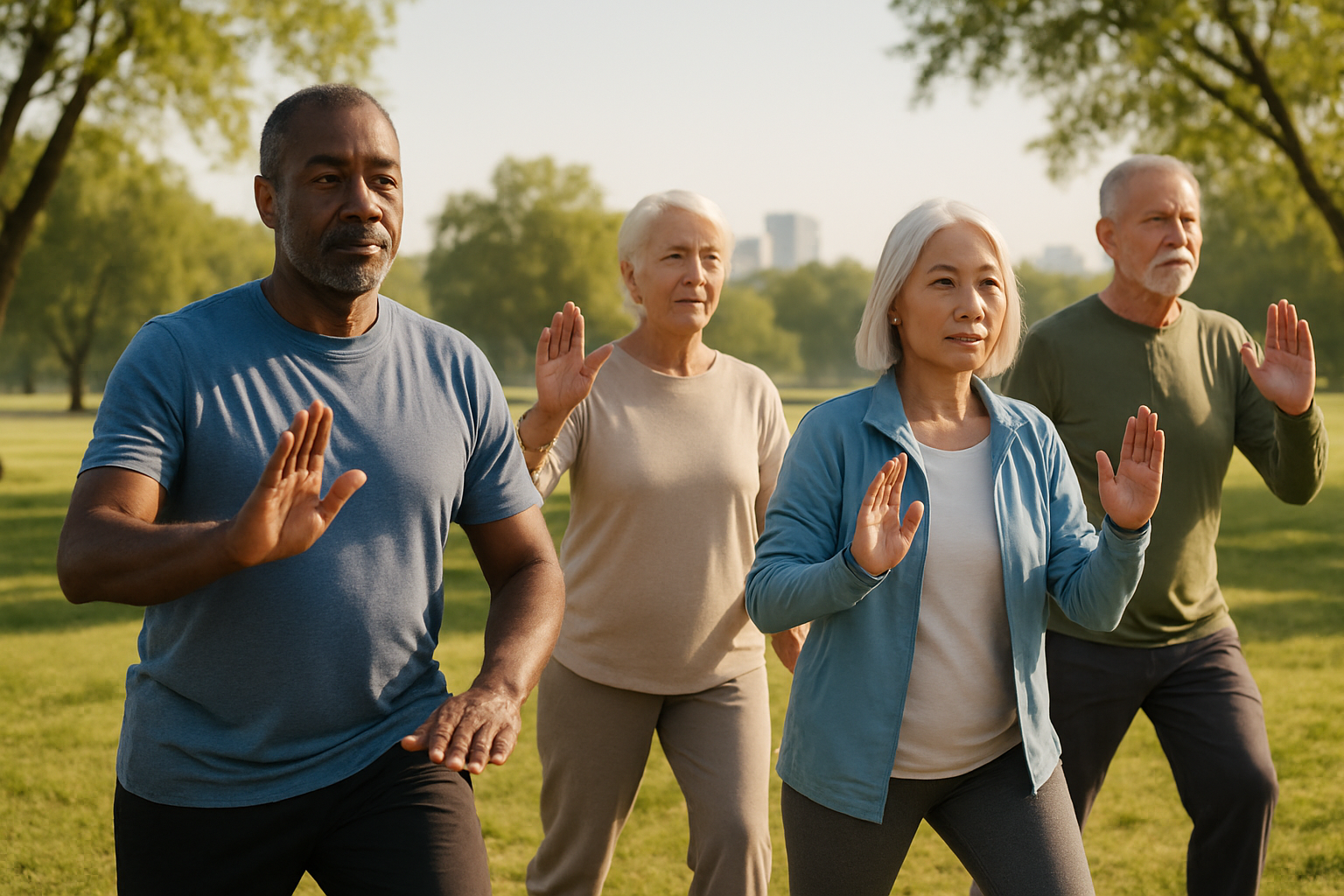
Tai chi started as an ancient Chinese martial art, but these days you’re more likely to spot it in parks than on battlefields. Think slow, sweeping movements—almost like moving underwater. Controlled breathing. A focus on posture and awareness.
Back in 2016, the BMJ published a fascinating meta-analysis: Tai chi outperformed physical therapy for knee osteoarthritis pain, particularly after 12 weeks (Wang et al, 2016). I’ll be honest—most PTs, myself included, were a little skeptical. But study after study has backed this up, and the American College of Rheumatology now recommends tai chi as a first-line adjunct for knee and hip OA. Not a footnote. Front and center.
How Tai Chi Actually Helps Arthritis
Here’s where it gets interesting. Tai chi isn’t magic—it’s just well-designed movement:
- Improves Joint Range of Motion: Gentle repetition slowly increases flexibility in stiff joints. (Think oiling a rusty hinge, but the oil is movement itself.)
- Reduces Pain: In one 2015 Arthritis & Rheumatology study, tai chi lowered pain scores by 25% in just 12 weeks. That’s on par with NSAIDs—without the GI side effects.
- Builds Lower Body Strength: You’re supporting your own weight (safely), which helps stabilize wobbly knees and hips.
- Decreases Inflammation: A 2020 analysis in the Journal of Rheumatology showed tai chi can lower serum inflammatory markers in people with OA.
I know this is unpopular, but most articles gloss over the fact that you do need to practice regularly—2-3 times a week, at least—to see these benefits. Sporadic classes? You’ll get some relaxation but not the strength or pain relief you deserve.
Why Tai Chi is a Game-Changer for Balance
Now, let’s talk about falls. Statistically, adults over 65 with arthritis are 2.4x more likely to suffer a serious fall than their peers (CDC data, 2023). That’s… a lot. And it’s not just about muscle strength—it’s coordination, reaction time, even confidence.
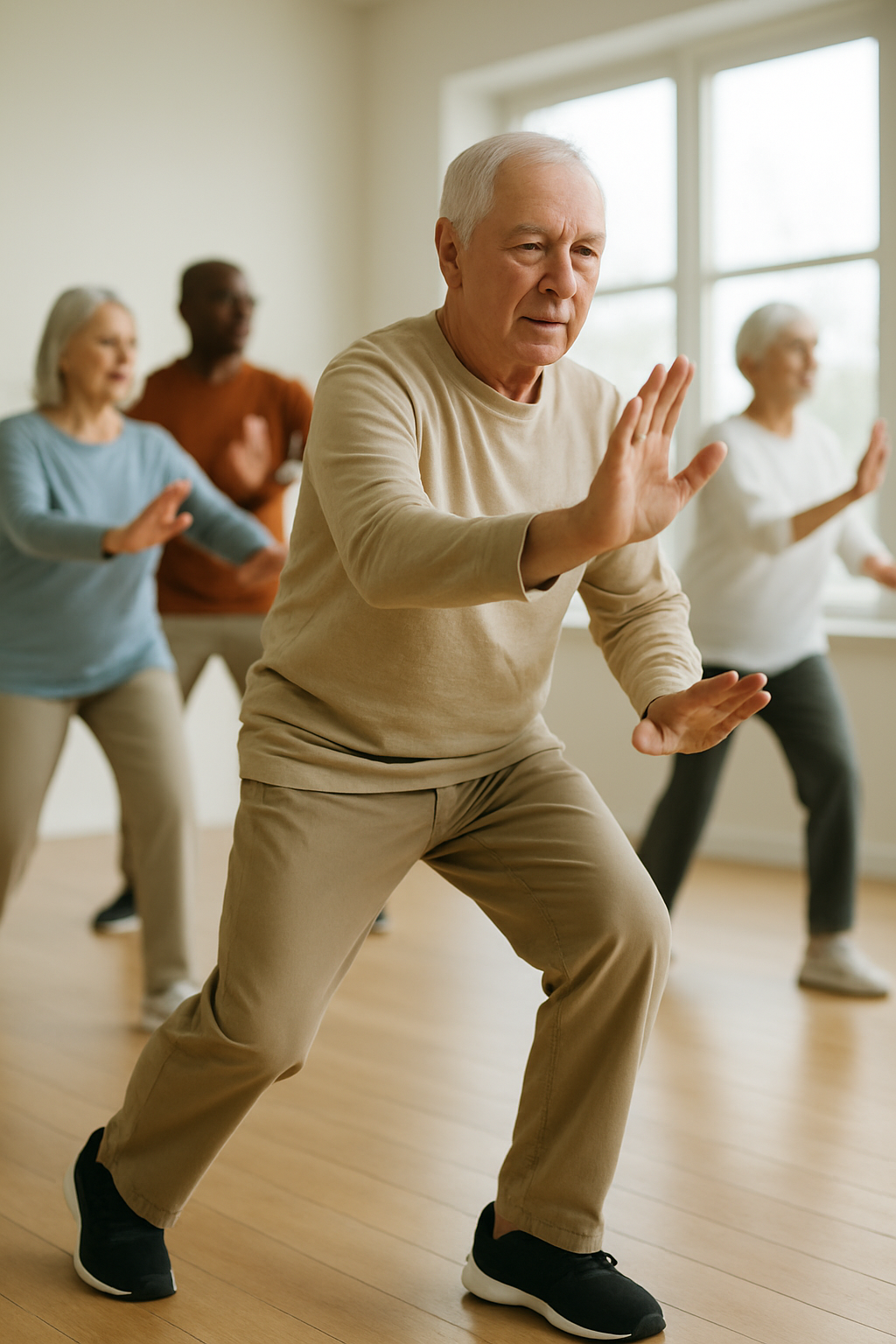
Tai chi addresses all of these. Every movement demands gentle shifting of weight from one leg to the other, slow core engagement, and micro-adjustments that retrain your internal sense of where your body is in space (what we call proprioception). After a few weeks, many folks start to "catch" themselves mid-stumble—almost automatically.
Just last month, a reader emailed me: “I can finally walk across my living room rug without bracing for disaster.” That’s the sort of feedback that no pill can buy.
What the Science Actually Says About Balance
Quick story: In 2012, researchers at Tufts split 197 older adults with knee OA into two groups—one did tai chi, the other did standard PT. Both groups improved, but the tai chi group had significantly fewer falls over a 6-month follow-up. Not only that, but their balance scores (yes, we actually test this with timed standing and gait measures) jumped by 30% versus 15% for traditional exercise (Annals of Internal Medicine, 2012).
And look, not every study is perfect—some show smaller effects, especially in advanced stages of OA or severe balance impairment. But I’ve yet to see a downside in my own practice. Tai chi is low-impact, requires zero equipment, and adapts beautifully to all ability levels.
Making Tai Chi Practical: What You Need to Know
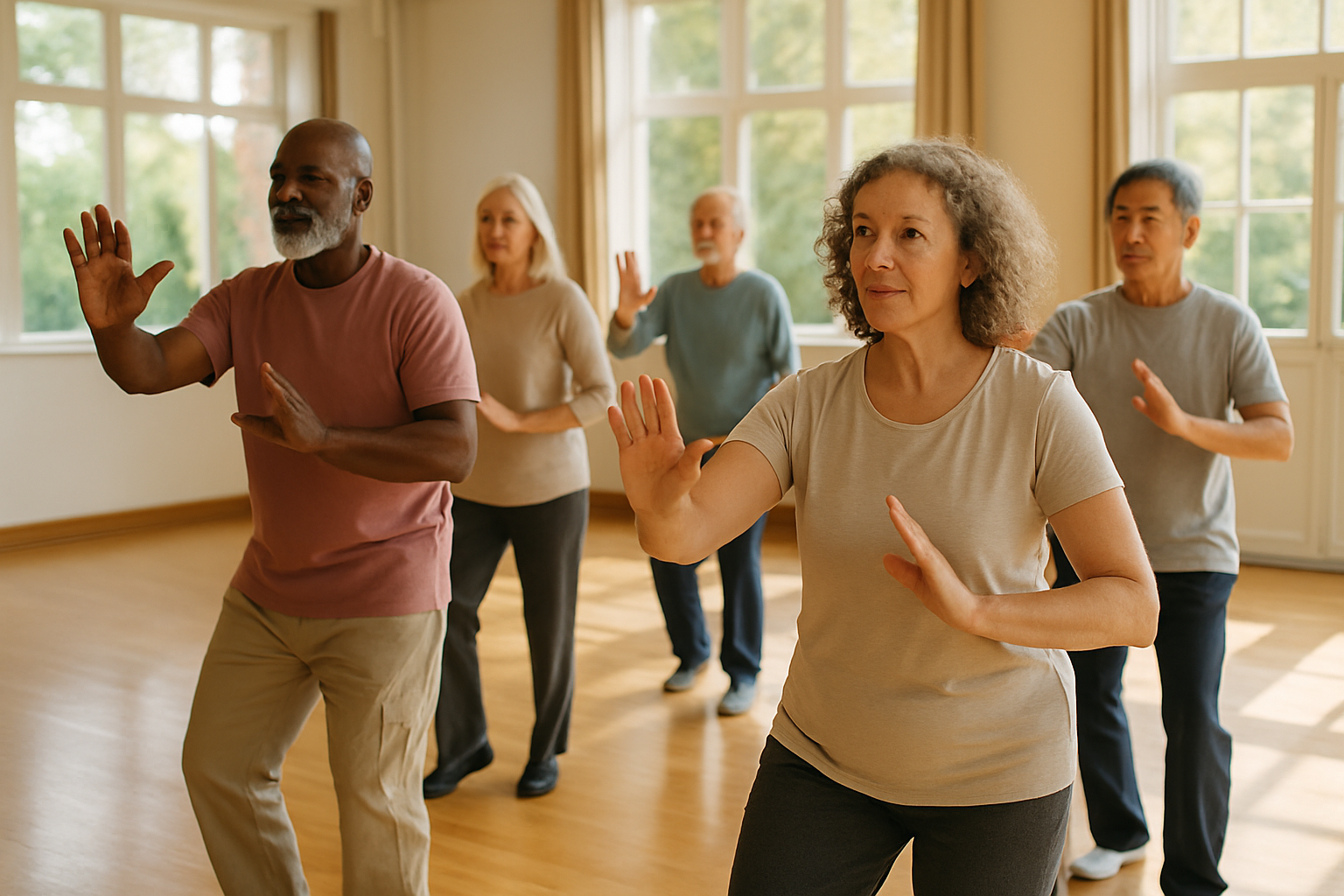
If you’ve never tried it, tai chi can look intimidating—like a cross between dance and slow-motion shadowboxing. But don’t let appearances fool you. The best tai chi routines for arthritis and balance focus on just a dozen foundational moves. In fact, the "Tai Chi for Arthritis" program developed by Dr. Paul Lam (an Australian physician and tai chi master) is specifically designed for joint safety and ease.
Here are a few tips I give my patients:
- Start Seated, If Needed: Many instructors will modify routines, letting you try movements from a sturdy chair until you’re ready to stand.
- Small Steps Are Fine: There’s no prize for deep lunges. Even tiny weight shifts train the nervous system.
- It’s About Consistency, Not Intensity: 20 minutes, 2-3 times a week, beats one marathon session every month.
And for folks who worry about embarrassing themselves in a class? There are excellent video programs—some even on YouTube—for absolute beginners. But if you prefer a detailed, structured approach, I often recommend the book Treat Your Own Knees. While not strictly tai chi, it dovetails beautifully with gentle movement routines and is perfect if you want to build a home practice.
But… Is Tai Chi Enough for Severe Arthritis?
Here’s where I get real. Tai chi is phenomenal for mild to moderate arthritis and those who want to prevent falls. But if you’re already struggling to stand or walk across a room, you might need extra support while you rebuild strength.
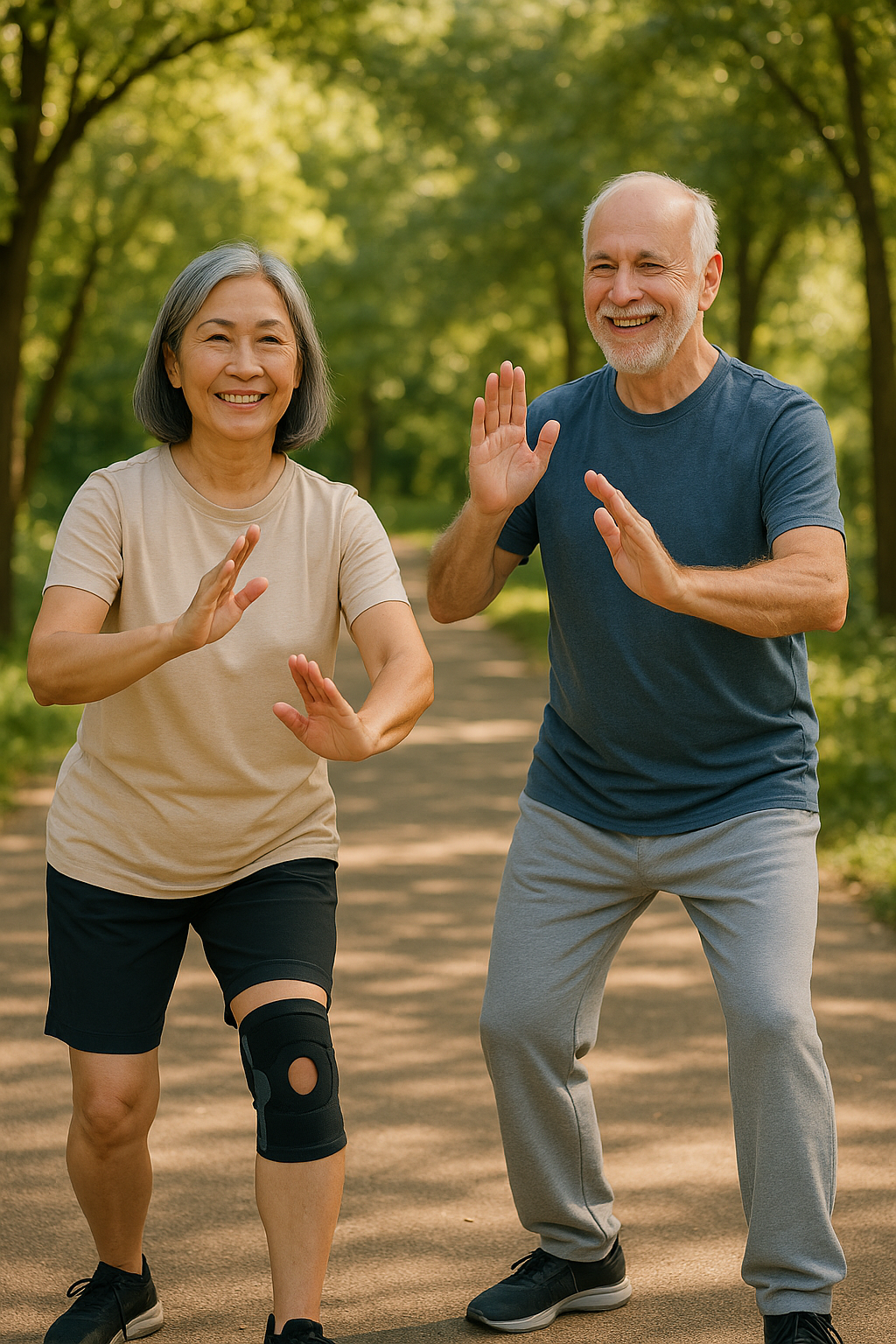
That could mean using a medical-grade knee brace like the NEENCA Professional Knee Brace—I’ve seen this model help patients feel safer in their first few months, especially with side stabilizers and a gel pad to cushion sensitive joints. Or, if swelling and pain flare up after exercise, a topical like Voltaren Arthritis Pain Gel may take the edge off, so you’re not tempted to skip your next session. Always talk to your doctor before adding new routines or supports, especially if you have other medical conditions.
Deep Dive: Comparing Tai Chi to Other Exercise Therapies for Arthritis
Let’s address the elephant in the room. Is tai chi better than yoga, or walking, or basic strength training? The answer is—sometimes. It depends on your goals, pain levels, and mobility.
- Yoga: Incredible for flexibility and mindfulness, but poses can put more strain on wrists, knees, or hips than tai chi does, particularly in “down dog” or “warrior” positions.
- Walking: Excellent for cardiovascular health, but doesn’t train balance or proprioception the way tai chi does. Plus, walking doesn’t directly address flexibility or body awareness.
- Strength Training: Essential for joint support, but can be intimidating or painful for arthritic joints—especially without expert supervision.
Here’s why I often start patients with tai chi: It ticks all the boxes—balance, joint safety, pain relief, and confidence. Then, once they feel stronger, we layer in targeted strength training or aerobic activity as tolerated. It’s not a silver bullet, but it’s the best "on ramp" for most beginners.
What to Expect (And What Not To)
Now, I wish I could tell you tai chi will cure arthritis. It won’t. But it will change your relationship with your body—and your balance—for the better, if you stick with it.
Here’s what I typically see in clinic over 3-6 months:
- Reduced pain (average 20-30% drop on pain scales)
- Fewer near-falls and stumbles (patients report more confidence going out alone)
- Noticeable improvement in daily activities—getting out of chairs, carrying groceries, even going up stairs
- For motivated learners, improved mood and sleep (the mindfulness aspect is real!)
But if you skip weeks at a time—or rush through movements without focusing on posture—you probably won’t see dramatic results. Consistency and patience are everything.
Fresh Tips for Getting Started
If you take nothing else from this, take these:
- Try a live class, even just once, to get feedback on form (many senior centers offer free intro sessions). If that’s not possible, start with a video for beginners—Dr. Paul Lam’s "Tai Chi for Arthritis" series is a safe bet.
- Pair your tai chi with simple home exercises—many of which you’ll find in Treat Your Own Knees (I know, but it really is that useful).
- If balance is a big concern, don’t be afraid to use a sturdy chair or brace like the NEENCA for extra support—better safe than sorry while your muscles relearn new patterns.
Bottom Line: Tai Chi for Arthritis and Balance Is Worth Trying
I’ve worked with dozens—maybe hundreds—of patients who thought they were “too stiff,” “too old,” or “too far gone” for something like tai chi. Most ended up surprising themselves. The worst outcome? A few folks got bored and switched to another activity. The best? Regained confidence, better sleep, and far fewer aches and pains.
Look, no one therapy fits everyone. But if you’re frustrated with meds, worried about falls, or just want to feel more in control of your body again, tai chi is absolutely worth a shot. And if you’re still on the fence, talk to your doctor or PT—chances are, they’ll back me up.
So, what’s the next step? Try a gentle routine. Pair it with smart supports if you need them. And—because I say this to every patient—celebrate every small victory, even if it just means standing up a little taller today than you did yesterday.
Sarah Mitchell, DPT
Senior Health Editor, JointReliefReviews
Physical Therapist | Osteoarthritis & Mobility Specialist