
Tai Chi Benefits for Arthritis and Balance: A PT's Honest Take
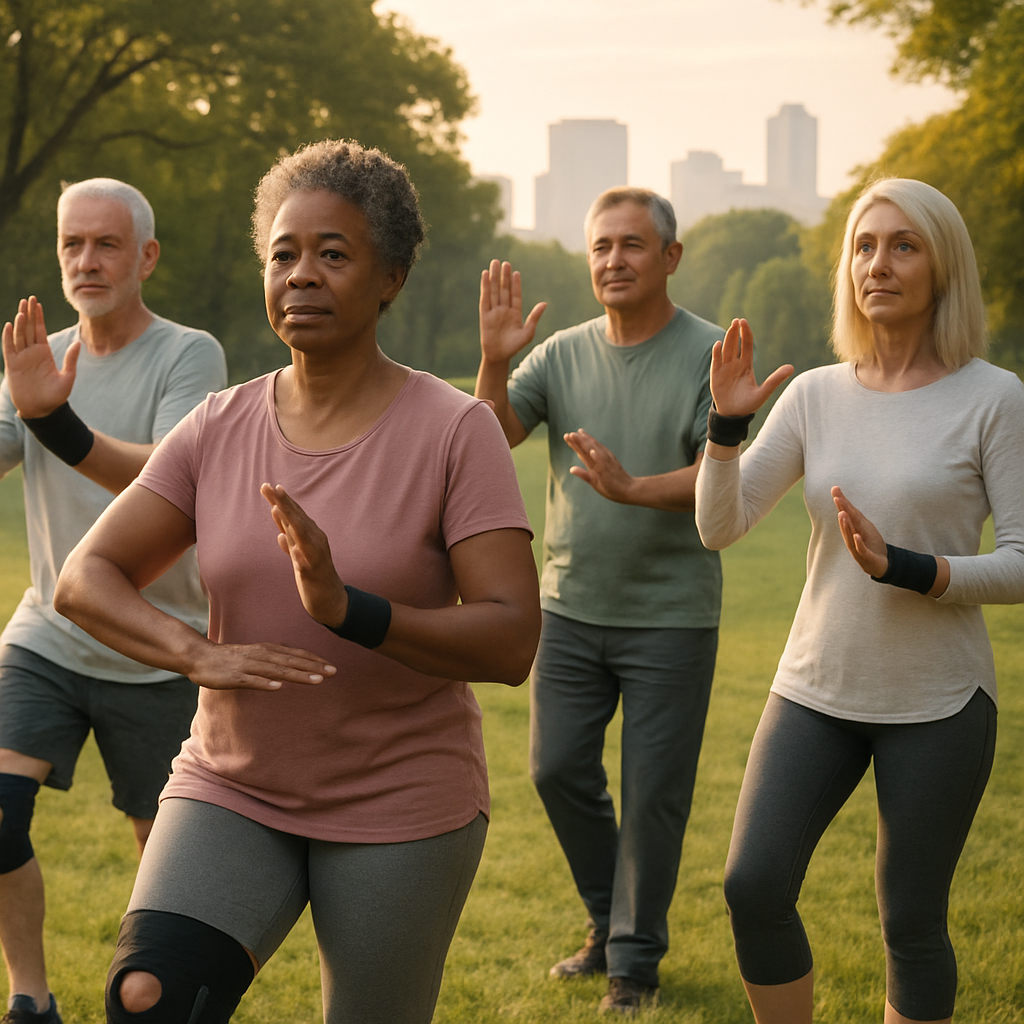
If you’d told me ten years ago that my stiffest, most pain-riddled clients would count a meditative martial art among their top pain relief strategies, I would have raised a skeptical eyebrow. But here we are—my Wednesday morning tai chi group is packed with folks who, not so long ago, could barely make it up the stairs without wincing. That’s the kind of surprise that keeps me hooked on this work.
The Daily Struggle (And Why I Get It)
Let’s be honest: If you live with arthritis, there are mornings you dread the first step out of bed. Knees creak, hips bark, balance feels like a bad joke. In my own practice, I've seen patients stare at the floor after a fall and wonder if they'll ever trust their body again. Chronic pain isn’t just physical—it chips away at your confidence, your social life, your sense of safety. I’ve heard this hundreds of times: “I’m afraid I’ll fall in the shower.” Or, “I gave up walking to the mailbox because the pain just isn’t worth it.”
Here’s the thing: Traditional exercise advice often sounds like "work harder, push through," which—frankly—can be discouraging when your joints just don’t cooperate. That’s why tai chi caught my attention in the first place. It’s gentle, forgiving, and, as research keeps showing, surprisingly powerful.
What Exactly Is Tai Chi?
For the uninitiated, tai chi (taiji) is an ancient Chinese practice originally developed for self-defense. Today, it's more about slow, flowing movements coordinated with deep, mindful breathing—a sort of moving meditation. Imagine gliding your arms through water, shifting your weight with purpose, sinking into each stance as gracefully as you can. No punching, no running, no jumping—just gentle, continuous motion.
But don’t mistake "gentle" for “easy.” I remember the first time I joined a class—I was out of breath by the third form! There’s a focused intent to each posture, even as it looks effortless from the outside.
What the Science Actually Says
I’m a data nerd at heart. So when I started recommending tai chi, I wanted more than anecdotes. The evidence? Let’s just say it’s stacking up.
- Arthritis Pain Relief: Multiple randomized controlled trials (RCTs) have shown significant pain reduction and improved function for people with osteoarthritis, especially of the knee. A 2021 meta-analysis in Arthritis Care & Research pooled data from 15 studies and found tai chi reduced pain by 30% on average—on par with standard physical therapy.
- Better Joint Flexibility: Participants practicing tai chi 2-3 times per week showed improved knee range of motion and less morning stiffness after just 8 weeks (2018 study, Journal of Rheumatology).
- Balance & Fall Prevention: Now here’s where it gets interesting. In a major 2017 study published in the BMJ, older adults doing tai chi had a 43% lower risk of falls over 6 months compared to no-exercise controls. That’s a game-changer, considering falls are a leading cause of injury in people with arthritis.
- Mental Health Perks: Not to be overlooked—tai chi cuts anxiety and improves sleep, which matters more than most realize. Chronic pain and insomnia are, unfortunately, best friends.
Most articles won’t tell you this, but the greatest benefit I see isn’t just physical—it’s the visible boost in confidence. When my older clients realize they can shift their weight safely, reach overhead, or squat down for the garden, something lights up.
How Does Tai Chi Help Arthritis and Balance?
Here’s the science (without the jargon): Tai chi trains your body to move smoothly and symmetrically. The slow, controlled transitions from one stance to another mean you’re constantly practicing shifting weight and stabilizing joints. This activates deep stabilizer muscles around your hips, knees, and ankles—the ones that quietly prevent falls and take pressure off damaged cartilage.
And because you’re not pounding the pavement or pushing to exhaustion, inflammation actually tends to decrease—not increase. There’s less joint swelling, fewer flares, and for many, a genuine sense of ease that builds over weeks and months. I’d compare it to oiling a rusty hinge: gentle motion, done regularly, keeps things gliding where they used to grind.
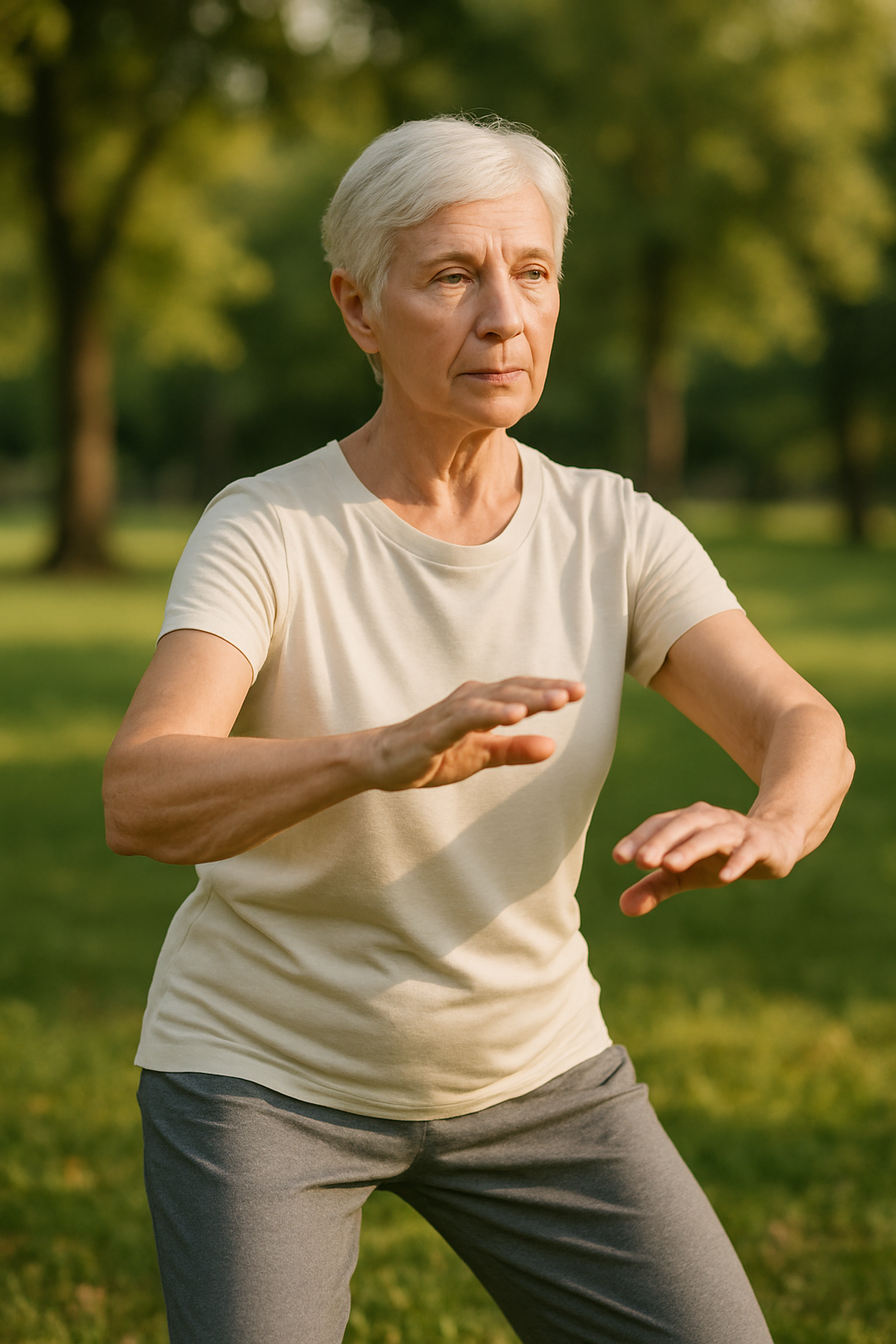
There’s also a brain connection. Tai chi builds proprioception—your awareness of where your body is in space. That means steadier steps, quicker reaction times, and a better sense of your own limits. As a physical therapist, I can’t overstate how valuable that is for fall prevention.
What About Evidence for Specific Types of Arthritis?
Most research focuses on osteoarthritis (OA), particularly of the knee and hip. But I’ve also worked with folks who have rheumatoid arthritis and even psoriatic arthritis seeing modest benefit—mostly in pain and function, less so in swelling. For severe inflammatory arthritis with active joint destruction? Tai chi should be adapted carefully and always discussed with your rheumatologist first. Safety first, always.
Getting Started: What You Can Expect
Here’s what my patients usually ask (and what I tell them):
- Do I need to be fit or flexible? Nope. Tai chi meets you where you are—no splits or headstands required.
- What if I use a cane or walker? You can still participate. Many teachers offer adapted movements, and chair-based tai chi is absolutely a thing. I’ve taught it myself.
- How often is ideal? Studies show benefit with as little as 2 sessions per week, 30-45 minutes each. But honestly, even 10 minutes a day—consistently—can make a difference.
- Does it hurt? Tai chi shouldn’t cause joint pain. If any move feels wrong, skip it or ask for a modification. Pain = stop, always.
Look, you don’t need fancy clothes or a membership. Comfortable shoes, loose pants, and a patch of floor are plenty. But if you want extra stability for your knees, a quality knee brace can make the early weeks much more comfortable. I’ve seen many patients stick with tai chi longer when they have support—especially if they’re nervous about joint wobbles or a history of buckling.
Personal tip: The NEENCA Professional Knee Brace is a favorite in my clinic—medical-grade, stable, and surprisingly breathable. Not a must-have, but I’ve genuinely seen confidence (and attendance) go up when people aren’t worried about their knees giving out.
What About Home Practice?
In-person classes are wonderful for community and feedback, but let’s be real—not everyone has a class nearby. The pandemic taught us that online tai chi is absolutely viable. Just make sure you’re following a teacher who emphasizes slow, mindful progression and joint safety.
If you’re the self-guided type, or if you want to supplement group classes, I’m a fan of books that break tai chi down into accessible steps. Treat Your Own Knees by Jim Johnson isn’t exclusively tai chi, but it includes stepwise movement strategies, home exercises, and pain science insights I wish every arthritis patient had. (It’s $11 well-spent, if you ask me.)
Troubleshooting: Common Roadblocks and How to Overcome Them
I’ll be honest—starting tai chi can feel awkward. You might feel silly, uncoordinated, or just frustrated that your mind wanders. That’s normal. Most of my clients report the first 2-3 sessions are the hardest, but the curve is gentle. Stick with it, even when progress feels slow. In tai chi, “progress” often isn’t how low you squat or how high you lift your leg, but how steady and present you feel in your own body.
If standing is tough for long periods, alternate sitting and standing moves. If you’re easily distracted, remind yourself every rep counts—no need to “clear your mind” perfectly. And if joint pain flares after class, cut your session short and ice afterward—sometimes less truly is more, at least early on.
Why Tai Chi Over Other Forms of Exercise?
I’m a fan of any movement you’ll actually stick with—yoga, swimming, walking, you name it. But tai chi is uniquely suited for arthritis and balance issues. Here’s why:
- Zero-impact—no jumping, no jarring.
- Movement in all planes, not just forward/backward. This builds true functional balance.
- Constant weight shifting and core activation—unlike stationary cycling or seated exercise.
- Built-in mindfulness practice, which is huge for pain control and stress reduction (don’t underestimate this!).
Most physical therapy routines don’t address the “whole person” like tai chi does. You get strength, flexibility, balance, and a sense of calm—all in one package. That’s rare.
Are There Any Risks?
Here’s my professional disclaimer: Tai chi is incredibly safe, but caution is key if you’re new, have severe balance problems, or are prone to falls. Start with supervision, use a chair if needed, and avoid slippery floors. And—this is important—talk to your doctor or physical therapist before starting any new exercise program, especially if you have recent joint replacements, unstable medical conditions, or uncontrolled pain. Safety first, always.
Blending Tai Chi with Other Pain Relief Tools
Some of my most successful arthritis clients layer tai chi with other pain management strategies. On stiff days, a heating pad before or after practice can make movement less daunting. I like the Pure Enrichment PureRelief XL Heating Pad for the job—extra-large, moist heat option, and reliable auto shut-off, which is important if you dose off after a session. Just be sure to set a timer!
I’m not suggesting you “ditch” your other treatments. Tai chi works best as part of a toolkit—one that might include medication, bracing, physical therapy, or even the occasional ice pack. What matters is finding a routine that feels empowering, not overwhelming.
What I Tell My Patients—and My Family
Full disclosure: My own mother-in-law took up tai chi after her second knee surgery. She was skeptical ("How can moving so slow actually do anything?"). Six months later? She swears it rescued her gardening hobby, improved her sleep, and helped her trust her "wobbly" knee again. That’s why I recommend it—not because it’s trendy, but because it works for real people with real aches and fears.
Takeaways—What to Actually Do Next
- Try a beginner tai chi class in your area, or test an online video series that prioritizes safety and clarity.
- Start with 10-15 minutes, 2-3 times a week, and build up if it feels good.
- If your knees feel unstable, consider adding a supportive brace like the NEENCA, or modifying with a chair until your muscles catch up.
- Supplement your tai chi with gentle stretching, heat therapy, and whatever other tools help you stay consistent. Consistency beats intensity, every time.
And don’t judge your progress by how you look—judge it by how you feel. The real kicker? Most people discover benefits where they least expect: better sleep, steadier moods, and a newfound willingness to challenge themselves beyond arthritis.
If you’re nodding along, you’re not alone. Tai chi isn’t a miracle cure, but for many, it’s the missing puzzle piece. Give it a try—you might be surprised by what your body can still do.
— Dr. Sarah Mitchell, DPT
Senior Health Editor, JointReliefReviews.com