
Tai Chi Benefits for Arthritis and Balance: What Science (and My Patients) Have Taught Me
It was a sunny Saturday in late spring when a patient of mine—let’s call her Linda—walked into my clinic with a smile I hadn’t seen in years. She’d been struggling with knee arthritis for over a decade, shuffling carefully to avoid falls. But that day? Something had changed.
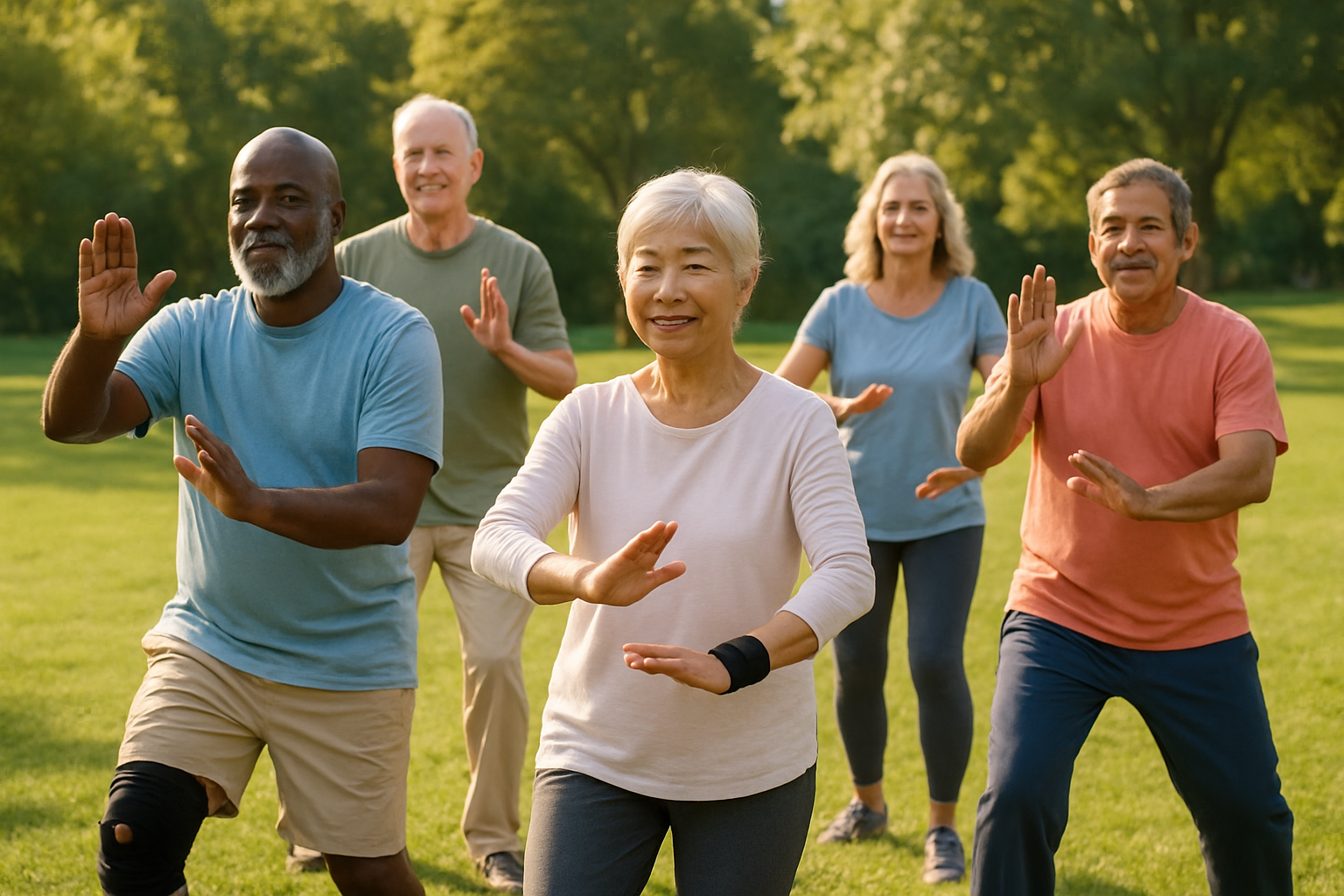
She told me, "James, I went to a tai chi class at the park. I didn’t think I’d make it past five minutes. But not only did I finish—I felt steadier on my feet than I have in ages."
Here’s the thing:
Stories like Linda’s aren’t rare. If you’re living with arthritis—or just worried about losing your balance as you age—tai chi might sound almost suspiciously simple. But the research backs it up, and I’ve seen the benefits firsthand with dozens of clients over the years. (Not gonna lie: I was skeptical at first too.)
Why Arthritis and Balance Are So Tightly Linked
Knee or hip pain, stiff hands in the morning, a twinge in your ankle after too much walking—these are facts of life for millions with arthritis. But here’s where it gets interesting: arthritis doesn’t just hurt. It makes us less steady on our feet. One 2017 study in Arthritis & Rheumatology found that people with osteoarthritis were twice as likely to fall compared to those without joint pain. (That checks out—if you’ve ever flinched mid-step because your knee screamed, you know what I mean.)
Impaired balance isn’t just about muscles or reflexes. Chronic pain changes the way our brains process movement. As a result, we become cautious—maybe even a little anxious—about every step. That fear leads to less activity, weaker muscles, and, ironically, even worse balance. It’s a nasty cycle, but it’s not unbreakable.
What Is Tai Chi? (And Why Do Researchers Love It?)
Tai chi (“tie chee”) is a mind-body exercise from ancient China. Imagine slow, flowing movements—almost like a dance, but gentle. No high kicks, no lunges, no wild yoga poses. Just continuous motion, focusing on posture, weight transfer, and breath. If you’ve ever seen a group of folks moving in sync at the park, that’s probably tai chi.
But here’s the kicker: tai chi is incredibly accessible. You don’t need fancy gear. You don’t need to drop to the floor. Most classes are led standing, and moves are easily adapted for limited mobility. In fact, in my experience, the hardest part is just showing up the first time.
What the Science Actually Says About Tai Chi for Arthritis
Let’s cut to the chase: is tai chi just a pleasant hobby, or is there hard evidence behind it?
The answer: both. Dozens of randomized controlled trials have dug into tai chi for arthritis and balance. Here’s the short version:
- Less pain and stiffness: A 2016 meta-analysis in the Journal of Rheumatology found tai chi reduced pain intensity by up to 30% in people with osteoarthritis (usually knees and hips). That’s comparable to some mild pain meds—without the side effects.
- Improved balance and fewer falls: The BMJ published a review in 2019 showing tai chi could slash fall risk by roughly 20% in older adults, especially those with joint pain. Why? Because each movement emphasizes single-leg balance and shifting your center of gravity—exactly what arthritic joints need retraining in.
- Better mood, less fear: Several studies show less anxiety about falling, and even improvements in depression scores. Let’s be honest—when you feel more stable, you often feel more confident.
And for the skeptics: tai chi isn’t a magic cure. But for the right person? It’s a game-changer. Especially when combined with other self-care strategies.
How Does Tai Chi Actually Help Your Joints?
Okay, let’s dig into the mechanisms—because I know some of you want the details, not just the headlines.
- Low-impact movement: Unlike running or even brisk walking, tai chi is joint-friendly. Movements are slow and controlled. That means less pounding on already-irritated cartilage and less inflammation after class.
- Strengthening (without realizing it): You’re holding postures and shifting weight, which gently builds the quadriceps, glutes, and core. Stronger muscles = less pressure on damaged joints.
- Proprioceptive training: This is a fancy way of saying "your body gets better at knowing where it is in space." Tai chi asks you to feel the ground through your feet, adjust your stance, notice tiny wobbles—and react before you tip.
- Mindfulness: One underrated benefit: tai chi forces you to slow down and check in with your body. This kind of focus has been linked in the research to lower pain perception (2018, PAIN journal) and less anxiety.
And because tai chi can be adapted (chairs, railings, even water if you want to try aqua tai chi!), nearly anyone can get started—even if climbing stairs is a challenge.
What Does a Tai Chi Routine Actually Look Like?
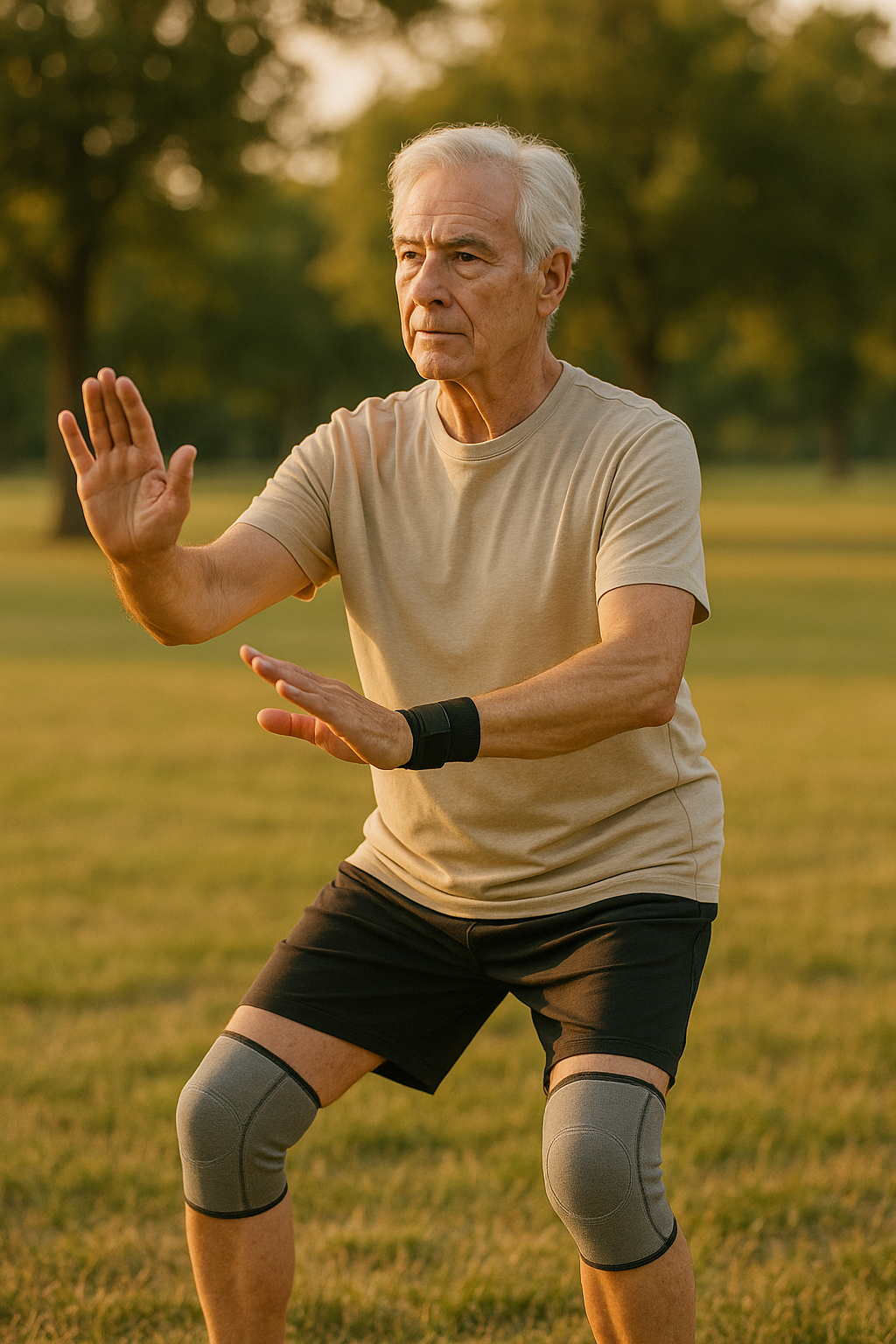
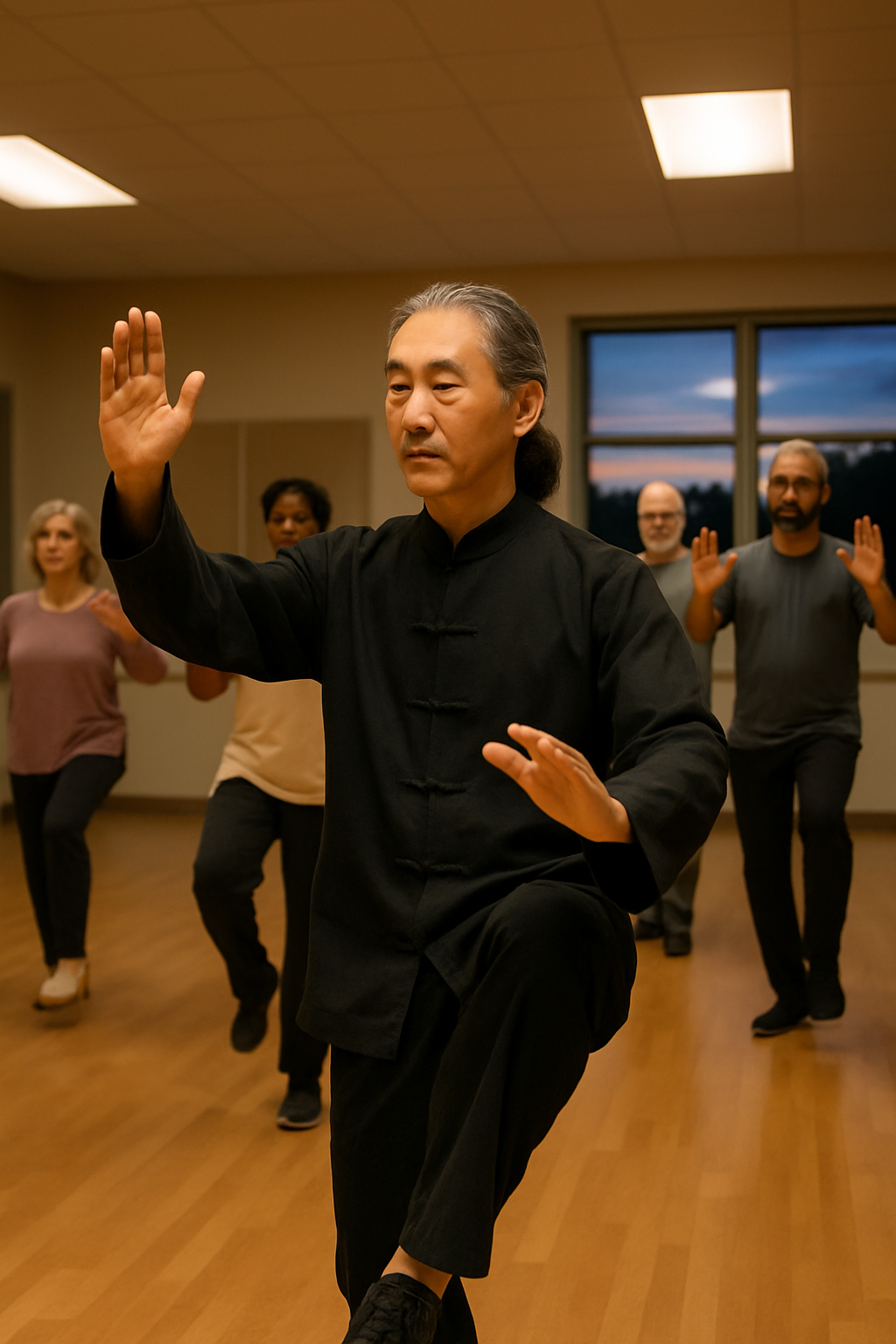
You might be picturing fancy kung-fu movies, but the reality is much simpler. Most arthritis-adapted programs start with a warm-up, some basic weight shifts, and a few signature moves: “Wave Hands Like Clouds,” “Parting the Wild Horse’s Mane,” and “Golden Rooster Stands on One Leg.”
That last one—balancing on one leg while sweeping your arms—is a classic for a reason. Every time I teach it to a new group, at least one person wobbles, laughs, and says, “Wow, I didn’t realize how much this challenges my balance!” That’s good. It means you’re working the muscles and reflexes that save you from stumbles in the real world.
Classes usually last 45-60 minutes, but there’s zero shame in starting with 10-15. In fact, for people with moderate pain, short daily sessions are safer than pushing too hard.
Tips for Getting Started (and Sticking With It)
Here's the advice I give family, friends, and—frankly—myself:
- Look for qualified instructors. The Arthritis Foundation has a Tai Chi program specifically designed for joint protection. Some YMCAs and community centers offer similar classes, often free or low-cost.
- Adapt, adapt, adapt. Can’t stand for long periods? Chair-based tai chi is legitimate and effective. Need extra support? Hold a countertop or sturdy chair in the beginning. Don’t push through joint pain—work around it.
- Track your progress. One of my favorite tools for clients is a simple balance test: stand on one leg, eyes open, time yourself. Do this every week. Most people see real improvement after 4-6 weeks of regular practice.
And let’s be real—sometimes joint pain flares up anyway. For those days, non-drug tools can help you stay active. I’ve recommended Voltaren Arthritis Pain Gel to hundreds of patients for spot relief. It’s got diclofenac, the gold-standard topical NSAID, and unlike old-school creams, it doesn’t have that overpowering menthol smell. (Just remember: check with your doctor before starting any new pain reliever, even over-the-counter.)
Pairing Tai Chi with Other Arthritis-Friendly Tools and Routines
Most articles will tell you, "Just do tai chi and you’ll be fine." I wish it were that simple. In reality, the best results come when you combine movement therapy with smart supports.
For example, if your knees buckle or ache during weight-shifting exercises, a good brace can make all the difference. The NEENCA Professional Knee Brace is my go-to for clients with moderate to severe knee arthritis. It’s got side stabilizers and a patella gel pad that keeps things feeling secure but not locked up. One reader emailed me last month: “James, I never thought I’d finish a full tai chi class again, but this brace gave me back the confidence to move.” That’s the difference the right gear can make.
If you’re more of a DIY type, or you prefer to learn at home before joining a group, I’m a big fan of Treat Your Own Knees by Jim Johnson. It’s not specifically about tai chi, but it’s packed with simple, research-backed exercises to support joint function. I’ve used his routines as a baseline for clients who are nervous about movement or need extra prep before group classes. (Again, nothing replaces a doctor or PT’s advice—use books as a supplement, not a substitute.)
Tai Chi vs. Other Exercises: How Does It Stack Up?
If you’re nodding along, you’re not alone—but maybe you’re wondering, “Why not just walk or swim instead?”
Truth is, all movement is good movement if you stick to it. But—here’s where tai chi shines for arthritis and balance:
- Lower injury risk: Fewer sudden twists or high-impact landings mean less chance of aggravating joints.
- Builds balance and strength—simultaneously: Yoga can help with balance, and walking builds endurance; tai chi does both, all in the same routine.
- Community aspect: Group classes foster social connection, which (as the Journal of Gerontology showed in 2022) directly supports both mood and mobility in older adults.
And let’s not ignore the elephant in the room: many folks with arthritis get bored or frustrated with “exercise routines.” Tai chi, thanks to its meditative flow and real-world functional focus, tends to stick.
Key Takeaways: My Honest Advice After Years in the Trenches
- Tai chi is safe, adaptable, and effective for most people with arthritis. It targets both pain and balance—two birds, one stone.
- Consistency matters more than intensity. 10 minutes daily trumps a single marathon session every weekend.
- Pair movement with the right supports: pain gels, sturdy braces, and home exercise guides all have a place in your toolkit.
- Talk to your doctor or PT before starting any new exercise—especially if your arthritis is severe or you’ve had a recent fall.
- Most importantly: Find what makes you feel good. Tai chi might be that missing link.
The Bottom Line—And a Little Encouragement
I’ll be honest: There’s no one-size-fits-all answer for arthritis or balance problems. But tai chi is as close to a “universal recommendation” as I give these days. It’s gentle, effective, and—if you give it a chance—oddly fun. You might wobble at first. You might feel awkward. But I’ve seen enough Lindas transform their confidence to know it’s worth sticking with.
Start slow. Use the supports that work for you. And if the first class isn’t magic, give yourself another try. Progress is rarely linear—but every step (or shuffle) counts.
Stay strong, keep moving, and you might surprise yourself.
James Chen, MS, CSCS
Joint health columnist & exercise specialist