Tai Chi Benefits for Arthritis and Balance: What the Science Actually Says
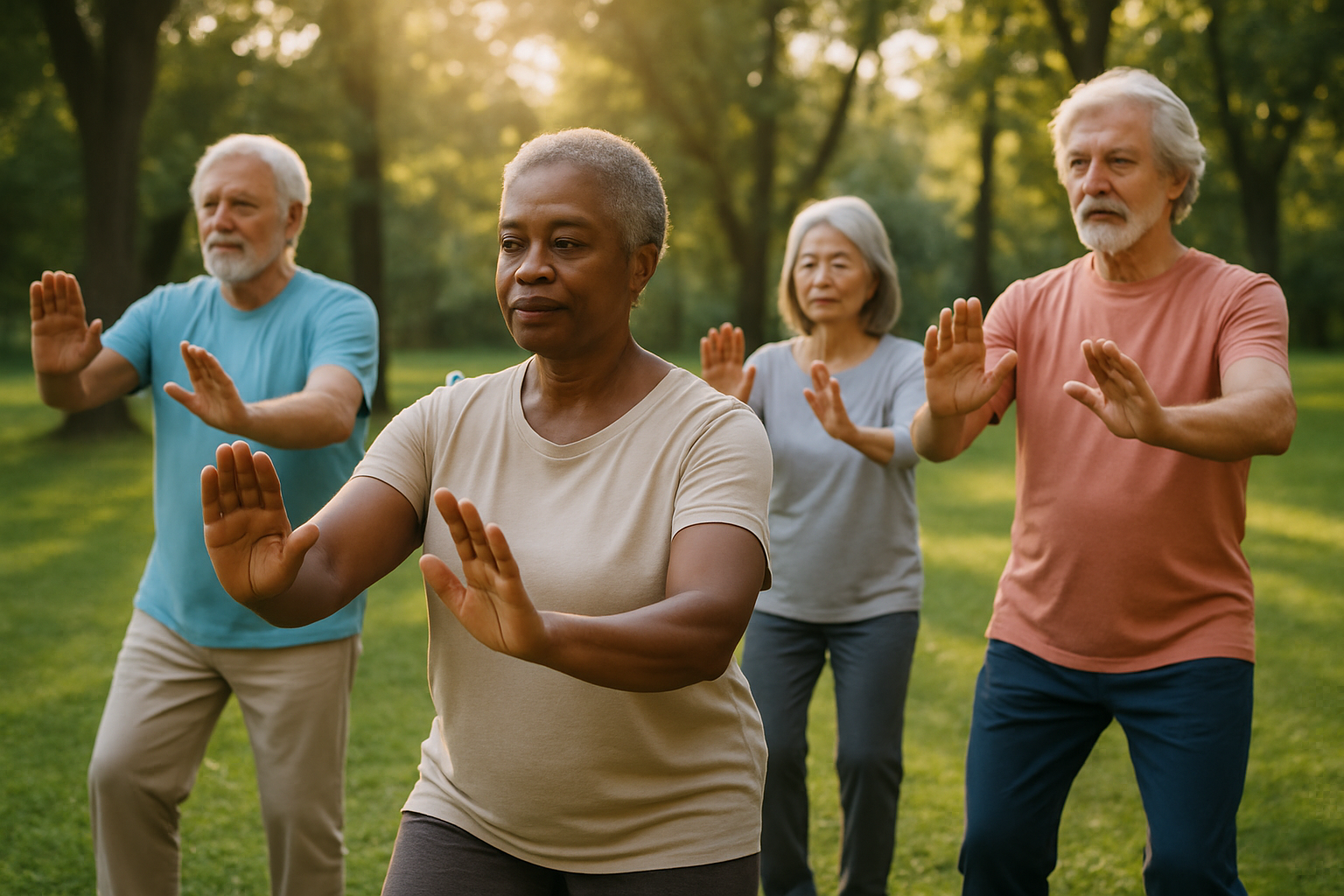
“You want me to do what—wave my arms in the park with a bunch of strangers?” That’s the reaction my patient Marjorie gave me the first time I suggested tai chi for her knee arthritis. Three months later, she was leading her own group, and the difference in her steadiness and spirit was night and day.
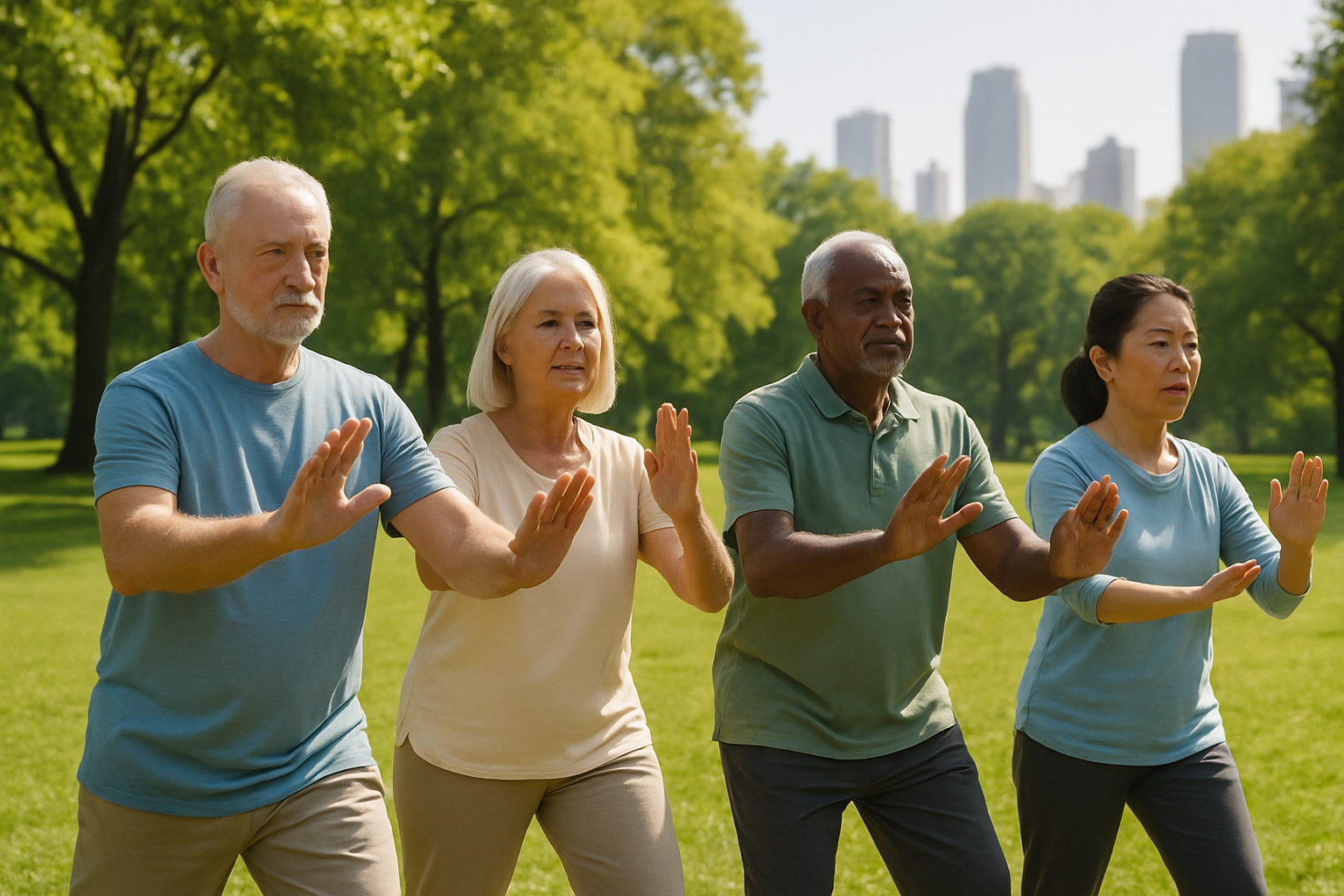
Look, I get the skepticism. The slow, graceful movements of tai chi can look a little mystical if you’re used to the “no pain, no gain” approach. But here’s where it gets interesting: the research keeps piling up, showing that tai chi does something truly unique for arthritis and balance—things that traditional exercise just doesn’t touch.
The Daily Struggle with Arthritis and Wobbly Balance
If you’re reading this, maybe you wince every time you stand up. Or you plan your errands around how many steps you can manage before your knees or hips start barking. I hear these stories every single day in my clinic. And it’s not just about the physical pain—it’s the fear of falling, losing confidence, feeling left behind. One reader, Gloria, wrote to me last year, “I don’t just want less pain. I want to feel steady on my feet again.” If that resonates, keep reading.
So, What Actually Is Tai Chi?
Tai chi originated as a martial art in China hundreds of years ago, but nowadays, it’s mostly practiced as a gentle, flowing form of exercise. Imagine moving through a slow-motion dance, every muscle and joint working together in harmony. That’s basically tai chi. No jumping, no sweating buckets, no weird equipment needed—just gravity, your body, and (if you like) a group to keep you company.
Here’s the thing: You don’t need to memorize a 108-part sequence or chant in Mandarin. Many arthritis-friendly classes are designed for total beginners and focus on simple, repetitive movements. Heck, most of my patients start while holding onto the back of a chair for support.
The Evidence: Tai Chi for Arthritis and Balance
This is where my inner research nerd comes out. I love digging into the data, and let me tell you—the results for tai chi are stronger than for most “alternative” therapies out there.
- Less Joint Pain: A 2023 meta-analysis in Arthritis & Rheumatology reviewed over 1,200 osteoarthritis patients and found that regular tai chi reduced pain and improved function as much as standard physical therapy exercises. Not a small difference—on average, a 35% reduction in reported pain after just 12 weeks.
- Balance Boost: The Journal of the American Geriatrics Society published a landmark 2017 trial showing older adults cut their fall risk nearly in half (yes, 50%) with weekly tai chi. That’s better than most balance training programs I’ve prescribed.
- Better Mood and Confidence: Chronic pain is exhausting. Tai chi appears to help here too. In the BMJ (British Medical Journal), a 2021 review highlighted tai chi’s effect on mood, sleep, and perceived control over pain in arthritis sufferers. People didn’t just move better—they felt better about moving, which is half the battle.
And the best part? The side effect profile is almost non-existent. Unlike some pain creams or even NSAIDs, tai chi won’t upset your stomach or mess with your blood pressure. (Still, always talk to your doctor before starting any new exercise routine, especially if you have a heart or lung condition.)
How Does Tai Chi Work—Really?
I know “energy flow” and “qi” sound a little woo-woo. But from a physical therapy (and science) standpoint, here’s what’s actually happening:
- Range of Motion: The slow, controlled movements gently stretch and move your joints through their full range—without impact. Over time, that keeps your knees, hips, and ankles from getting stiffer.
- Strengthening Stabilizers: Tai chi isn’t about bulging biceps, but the small muscles around your knees and hips work overtime to keep you steady, especially when you’re shifting weight from one foot to the other.
- Neuromuscular Training: This is the real kicker. When you practice tai chi, your brain and body learn to communicate more efficiently. You become more aware of your body in space (what we call “proprioception”), which slashes your risk of tripping or misstepping.
- Mindfulness and Breathing: Every session is a mini-meditation. Controlled breathing reduces anxiety about movement (“what if I fall?”), which itself is linked to better physical performance and fewer falls.
I’ve seen these changes happen in my own patients. One man, Ed, told me, “I used to panic every time I walked over gravel. After a month of tai chi, I don’t even think twice.” That’s the power of training your nervous system, not just your muscles.
How Often and Long Until You Feel Tai Chi Benefits?
This is the number one question I get. You don’t need hours of practice or daily classes. Most studies used just 2-3 sessions per week for 45-60 minutes each. Several of my patients noticed less knee pain in three weeks, more stability by six weeks, and meaningful changes in confidence within two months.
Quick tip—don’t judge your progress by pain alone. Improved sleep, less morning stiffness, or the ability to stand longer at the kitchen counter all count as wins.
How to Try Tai Chi Safely (Even If You’re Stiff or Nervous)
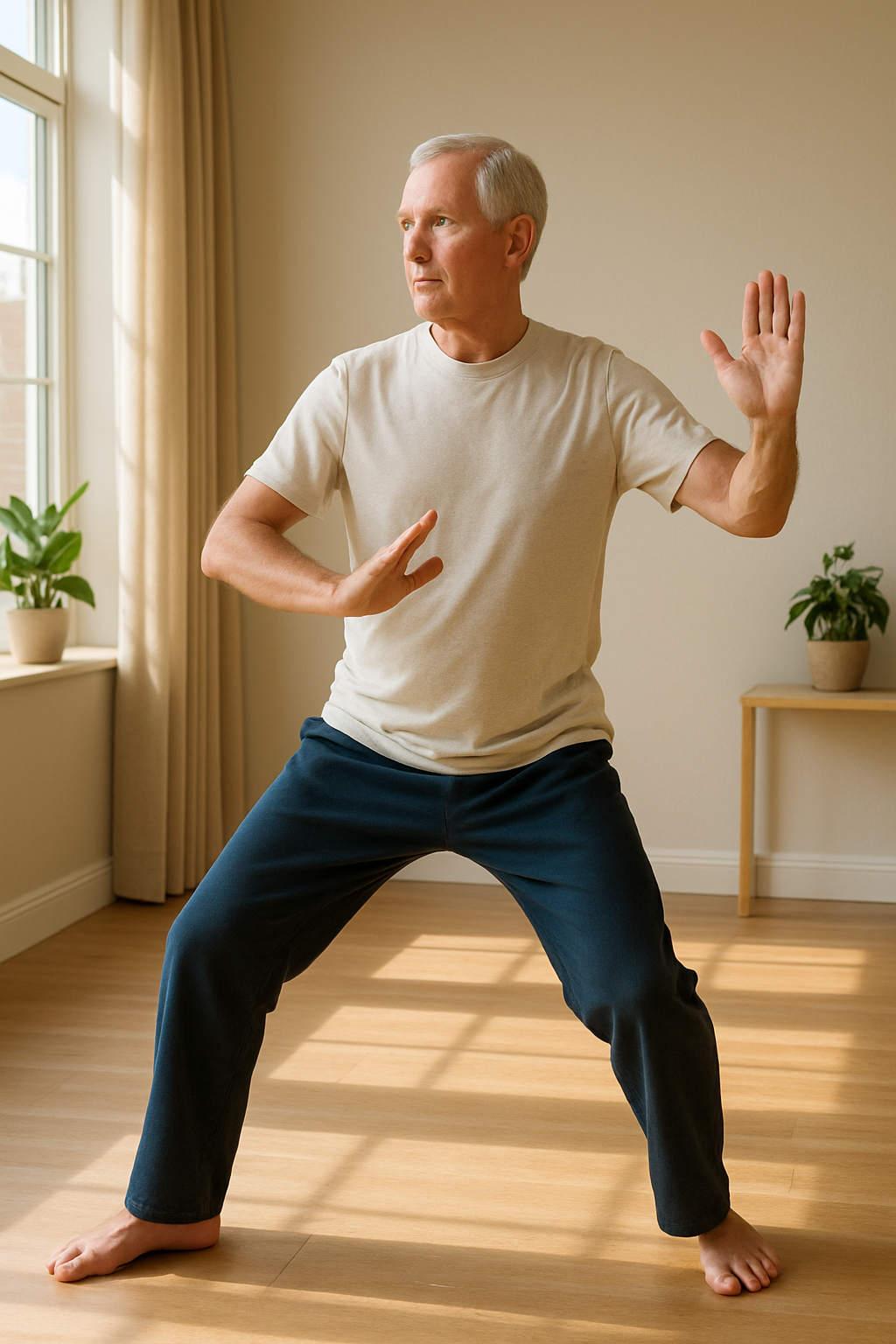
If you have advanced arthritis, a recent injury, or you’re worried about falling, you are exactly the person who could benefit from tai chi. But do it smart:
- Look for “Tai Chi for Arthritis” or “Tai Chi for Balance” classes. The Arthritis Foundation sponsors many in-person and online groups.
- Start with a few minutes at a time. Even five minutes of simple weight shifts and gentle arm movements can help.
- Use a sturdy chair or countertop for support in the beginning—nobody gets bonus points for wobbling!
- Wear comfortable shoes (or go barefoot if safe and supported) to help your brain “feel” the ground under you.
And if you’re managing joint pain that makes exercise intimidating, I sometimes recommend having a topical relief option handy for after class. For example, Voltaren Arthritis Pain Gel can take the edge off post-exercise aches—especially if you have knee or hand arthritis. (Yes, it’s FDA-approved and genuinely useful for a lot of my patients—just don’t overdo it; always stick to labeled usage.)
What About At-Home Tai Chi?
During COVID, I had to get creative with patients who couldn’t join in-person classes. The good news: there are fantastic online videos tailored for arthritis and balance issues. Just promise me you’ll choose a certified instructor (look for people affiliated with Dr. Paul Lam’s Tai Chi for Health Institute or similar). Some public libraries even lend out DVDs.
If you prefer a more structured, exercise-science approach, I often point people to the book Treat Your Own Knees by Jim Johnson, PT. While not strictly about tai chi, it gives you joint-friendly movements with strong research backing—and pairs perfectly with a tai chi routine for stubborn knee pain.
Real-World Comparisons: Tai Chi vs. Other Approaches
Let’s be honest—there’s no single magic bullet. So how does tai chi look next to the classic recommendations?
- Physical Therapy Exercises: PT is great (trust me, I’m biased), but a lot of folks stop doing their home program after a few weeks. Tai chi can be more engaging, social, and mentally rewarding—making it stickier long-term.
- Yoga: Also helpful for flexibility and stress, but can be tricky if you have knee arthritis (all those deep bends!). Tai chi is almost always easier on the joints, with fewer moments where you’re kneeling or balancing on one leg.
- Walking: Super important for cardiovascular health and joint lubrication, but walking alone won’t build the “anti-fall” reflexes tai chi does. Ideally, you combine both.
- Strength Training: Excellent for bone health and preventing joint decline, but it can be intimidating for beginners and requires equipment or supervision when you’re starting.
Most articles won’t tell you this, but the best routine is usually a blend—tai chi for balance and confidence, walking or biking for endurance, and a sprinkle of strength work for resilience.
Common Myths About Tai Chi and Arthritis
Let’s bust a few:
- “I’m too old / stiff / clumsy for tai chi.” Actually, older adults with arthritis are the ones studied most often—and benefit the most. The movements are endlessly scalable.
- “Tai chi won’t help ‘real’ arthritis pain.” In multiple randomized trials, people with moderate to severe osteoarthritis reported meaningful reductions in pain and improved daily function (see the 2023 Arthritis & Rheumatology review).
- “You need special shoes or clothes.” Nope. Loose pants and flat shoes are perfect. No gear required.
- “It’s only for groups.” Group classes are fun, but solo practice works too. I have several housebound patients who follow along with online videos every morning.
Extra Tips from a PT: Making Tai Chi Work for You
Here are a few things I’ve learned after coaching dozens of arthritis patients through tai chi:
- Consistency is king. Three 20-minute sessions a week beats one big class monthly.
- Focus on quality, not range. Tiny, precise movements build more stability than large, sloppy ones.
- Some people need a little extra knee support, especially early on. I often recommend something like the NEENCA Professional Knee Brace when you’re starting out and feeling wobbly—especially if arthritis makes your knee unstable.
- Celebrate often. If you notice you’re standing longer, sleeping better, or walking up the stairs with less dread, that counts.
And most importantly, please, if you feel pain that’s sharp, sudden, or worsening during tai chi, pause immediately and consult your doctor or physical therapist. Progress should feel steady, not like a battle.
Final Takeaways: Tai Chi’s Place in the Arthritis Toolbox
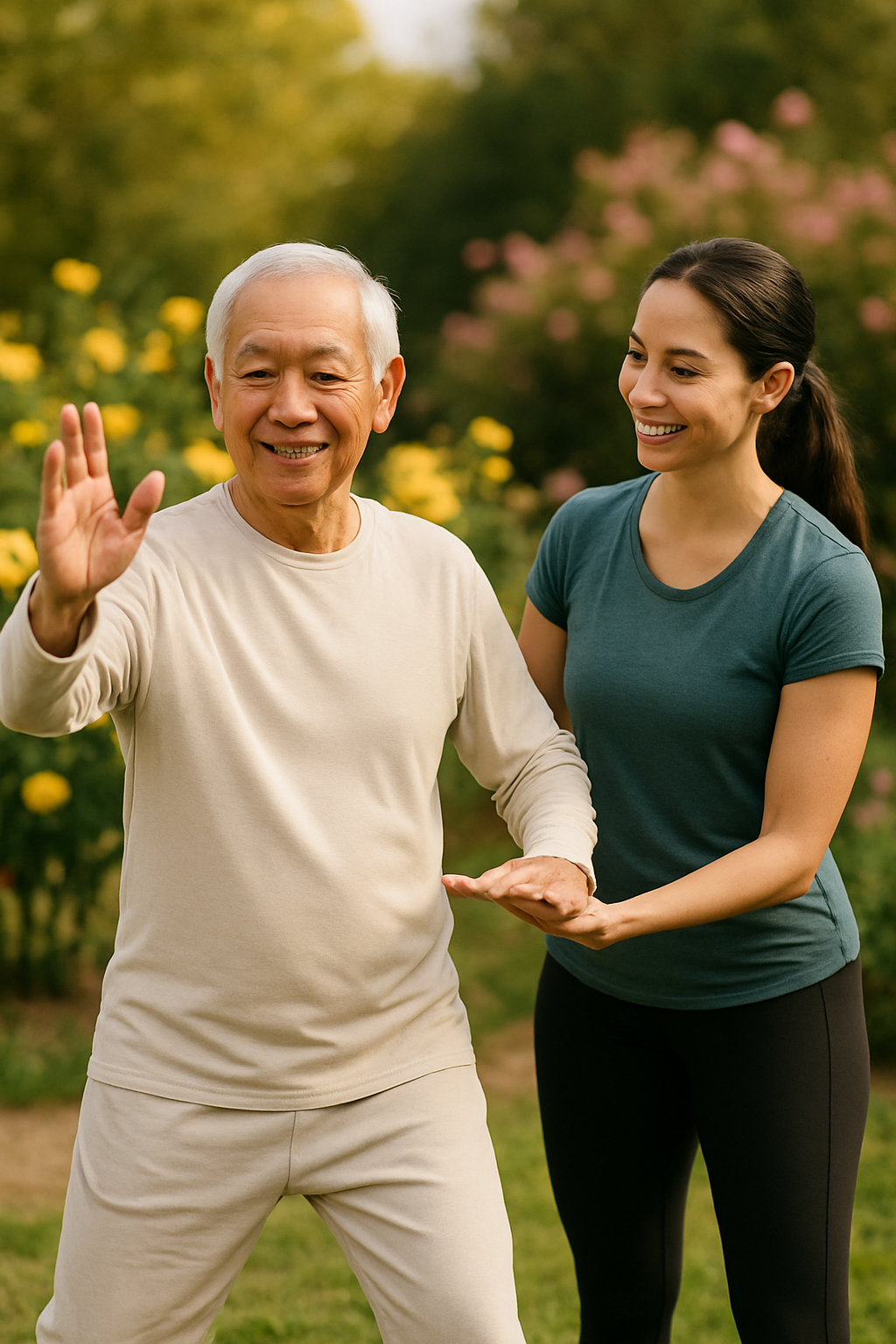
I’m not gonna lie: When I first read about tai chi in the medical journals, I thought, “Surely this is too gentle to do much.” But I was wrong. After years of watching patients gain confidence, move with less pain, and—perhaps most importantly—fall less often, I’m convinced.
Will tai chi replace your medication, joint injections, or every stretch your therapist gives you? No. But for many, it’s the missing piece: a gentle, sociable way to move your body, ease your joints, and train your balance in real time. If you’re nodding along—wondering if it’s worth it—my advice is simple: give it a try. Worst case, you get 30 minutes of calm; best case, you discover a new source of strength and steadiness you didn’t know you had.
Tell me how it goes. And if you’ve already tried tai chi, I’d love to hear about your experience—the good, the bad, and the wobbly. We’re all learning together.
Dr. Sarah Mitchell, DPT
Senior Health Editor at JointReliefReviews.com
Physical Therapist specializing in arthritis and mobility for 12+ years