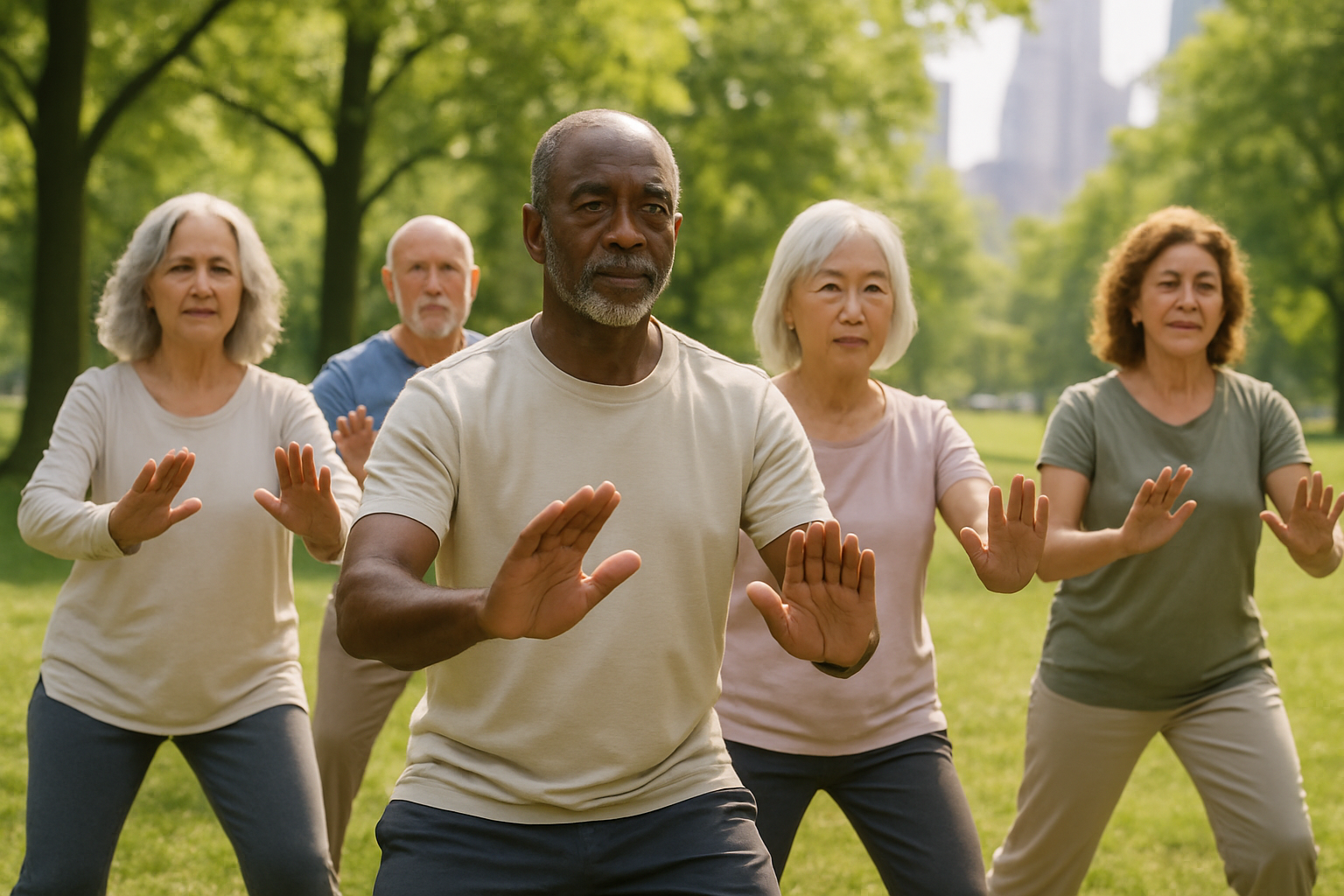
Tai Chi Benefits for Arthritis and Balance: Not Just Slow Dancing
I’ll confess: the first time I saw a tai chi class, I thought, “That’s sweet, but how much good can waving your arms around really do?” Years later, after helping dozens of arthritis patients reclaim their confidence (and their footing), I changed my tune in a big, humble way.
And if you’re rolling your eyes, thinking movement this slow can’t possibly help with pain or balance—believe me, you’re in good company. My own mother-in-law, a former dancer who prided herself on graceful movement, scoffed at the suggestion until she tried it after her first knee flare-up. Now she’s the one dragging her friends to class every Tuesday morning.
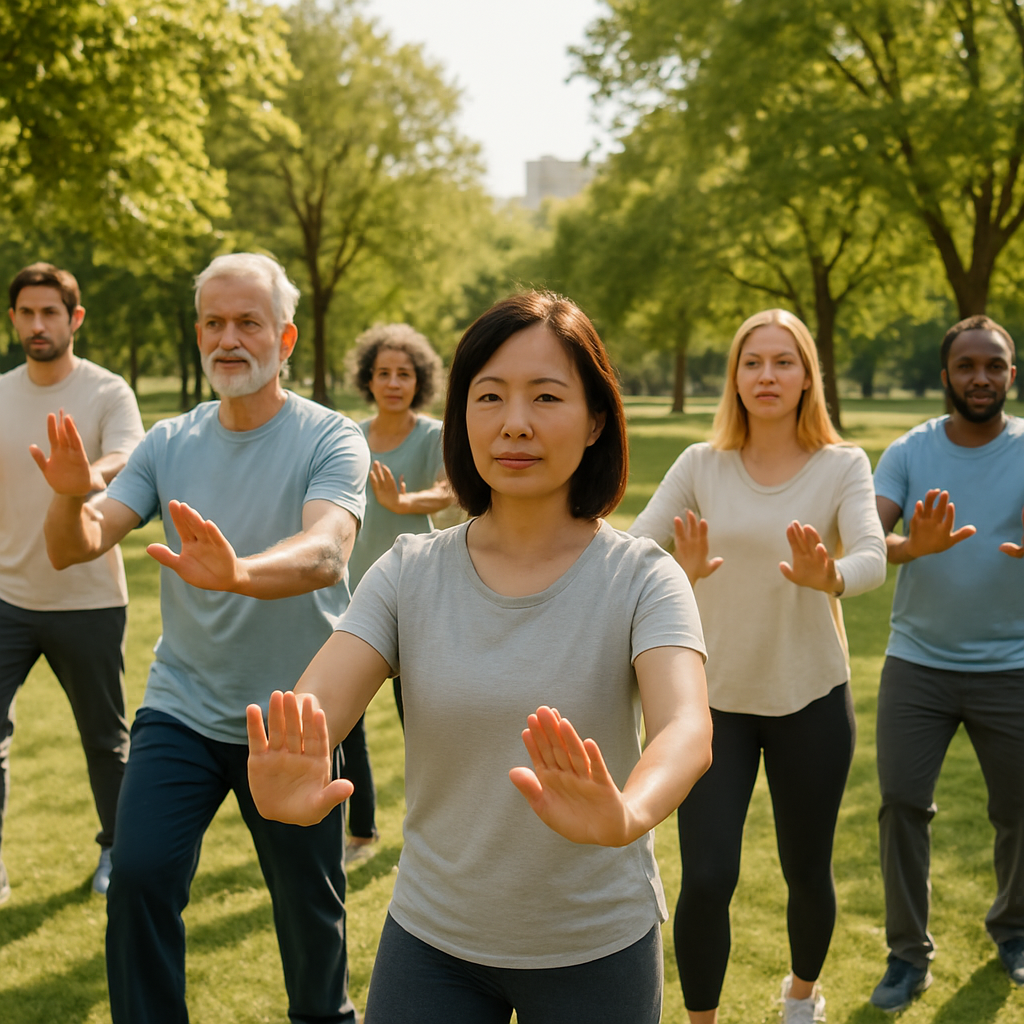
Living with Arthritis: It’s More Than Just Pain
If daily joint stiffness or unpredictable pain have you feeling like you’re walking on eggshells, you’re not alone. According to the CDC, over 58 million adults in the United States have been diagnosed with some form of arthritis. I’ve heard it described as “the ache that never clocks out.” But here’s the thing: it’s not just about discomfort. The fear of falling, losing independence, or simply dreading that next painful step can be equally disabling.
Balance issues are a sneaky sidekick to arthritis. The Joint Commission Journal on Quality and Patient Safety found that people with knee or hip arthritis are up to 2.5 times more likely to experience falls. And every year, I see the same pattern: folks cutting back on activities they love—not because of pain, but because they’re worried about stability. (If you’ve found yourself avoiding a favorite trail or skipping the stairs, I get it. That anxiety is real.)
So, What Makes Tai Chi Different?
Let’s take a closer look. Tai chi isn’t just “gentle exercise”—it’s a unique blend of slow, purposeful movement, mindful breathing, and focused attention. Originating from ancient Chinese martial arts, it’s now widely recommended by organizations like the Arthritis Foundation for its low-impact, joint-friendly approach. And—here’s where it gets interesting—the research backs up what practitioners have been saying for centuries.
The Science: Tai Chi for Arthritis Relief
Does it really work? Short answer: yes, for many people. Multiple randomized controlled trials—my gold standard as a clinician—have found significant improvements in pain, stiffness, and physical function. One of the largest, published in Arthritis & Rheumatology in 2016, followed 204 adults with knee osteoarthritis. After 12 weeks of twice-weekly tai chi, participants reported a 36% reduction in pain scores and improved function on the WOMAC scale (that’s the tool many rheumatologists use to track arthritis symptoms).
Another review in the BMJ pulled data from over 500 patients and found that tai chi not only reduced pain, but also improved quality of life scores—sometimes as much as traditional physical therapy. That’s a big deal, especially for those of us who have seen patients bounce between medications or tough-it-out until surgery seems like the only option.
What About Balance?
This is where tai chi shines. The slow, shifting weight transfers, gentle knee bends, and attention to posture all combine to challenge your body in subtle, meaningful ways. A 2022 meta-analysis in the Journal of Geriatric Physical Therapy found tai chi participants saw a 43% reduction in fall risk compared to controls. Think about that: nearly halving your risk of a tumble—without high-impact moves or a gym membership.
I’ve watched patients who once clung to their walkers progress to moving with more confidence—sometimes within a few months. One reader in her late 60s wrote to tell me, “Tai chi is the first exercise that made me feel safe again on my feet.” That safety, that sense of control, is priceless if you’re battling arthritis-related instability.
How Does Tai Chi Help Joints and Balance? (The Mechanisms in Plain English)
Here’s the short version: tai chi works because of the way it integrates gentle movement, muscle control, and sensory feedback. But let’s get specific:
- Joint-Friendly Range of Motion: Movements are slow, controlled, and rarely take joints to their maximum range. This can help lubricate the joint (thanks to increased synovial fluid flow) without aggravating cartilage or causing micro-injuries.
- Muscle Strength Without Strain: The sustained postures and gentle resistance work the quadriceps, hamstrings, calves, and core—critical for knee support. Unlike weight lifting, you’re less likely to trigger a flare-up.
- Proprioception Training: This fancy term means “your body’s ability to sense its position in space.” Tai chi demands constant, subtle adjustments—not only making your balance better, but retraining the nervous system after years of guarding painful joints.
- Calm for the Mind: Anxiety about falling or pain can cause you to tense up, worsening symptoms. The meditative aspect of tai chi—slow breathing, focused attention—actually lowers cortisol. That’s why so many people finish class feeling lighter both physically and mentally.
- Social Connection: Not a mechanism, per se, but let’s be real: isolation makes everything worse. Joining a tai chi group is a gentle way to combat that.
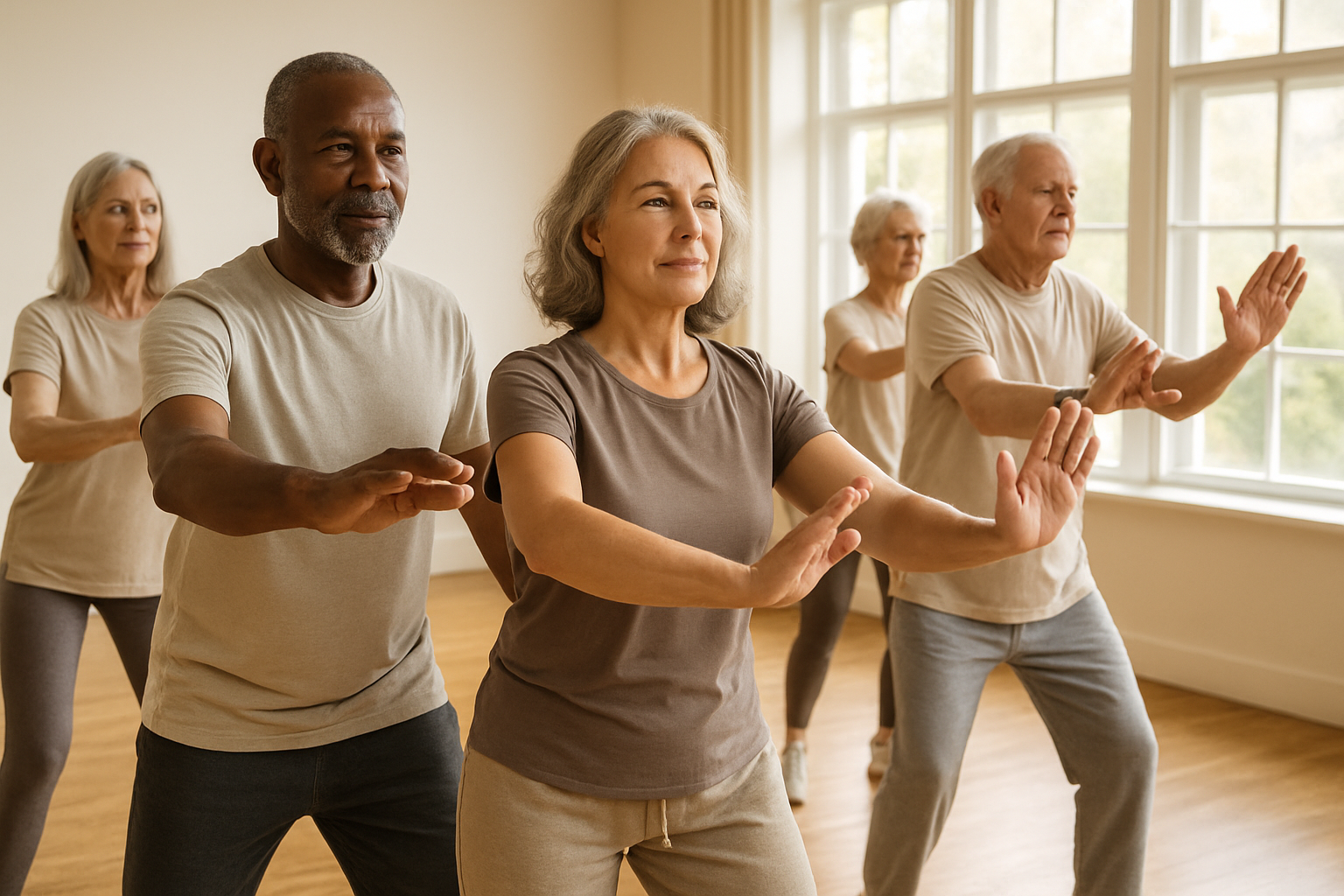
Getting Started: Real-World Tips from the Clinic Floor
Okay—maybe you’re convinced to give this a try. But nobody wants to feel out of place, or worse, do something that aggravates their joints. Here’s what I’ve learned after watching dozens of first-timers:
- Start Slowly, Watch Your Knees: Find a beginner-friendly class—ideally “Tai Chi for Arthritis” or “Tai Chi for Fall Prevention.” The moves are modified specifically for joint protection. If you’re at home, look up Dr. Paul Lam’s routines on YouTube (his credentials are impeccable).
- Wear Supportive Shoes or Go Barefoot: Whatever makes you feel stable. Some of my patients swear by non-slip yoga socks.
- Mind the Surface: Use a flat, non-slippery surface. If you’re practicing on hard tile, consider an anti-fatigue mat (especially if your knees or hips are sensitive).
- If It Hurts, Modify: Tai chi should never cause joint pain. If a position feels wrong, skip or adapt it. Talk to your doctor or physical therapist if you’re unsure—especially if you have recent joint replacements or severe instability. Safety first, always.
- Set the Mood: A little music, some sunlight, and a quiet space do wonders. You don’t need incense and chanting—just an environment that feels calm and distraction-free.
But look, even with the gentlest movement, arthritis can act up—especially at the start. Some people find using a topical pain reliever, like Voltaren Arthritis Pain Gel, helps soothe sore knees or hands before or after a session. Voltaren contains diclofenac sodium (the same medicine in prescription gels), and I’ve seen it recommended by rheumatologists for years. Just follow the directions, and always check with your doctor if you have concerns, especially if you’re on other NSAIDs.
How Often Should You Practice?
Here’s the honest, evidence-backed answer: even one or two sessions a week can produce benefits—especially if you stick with it for at least 8 to 12 weeks. The key is consistency, not intensity. In the 2016 Arthritis & Rheumatology study I mentioned earlier, participants practiced one-hour classes twice a week. Some added short “home practice” sessions, but the group effect was strong enough on its own.
If you’re short on time, even 10-15 minutes daily can help reinforce balance and ease tension. I sometimes recommend pairing tai chi with another gentle practice—like a quick walk or some of the exercises in Treat Your Own Knees by Jim Johnson, PT. That book is refreshingly simple, with sketches that demystify knee-safe moves. It’s not tai chi per se, but it complements balance and flexibility training beautifully.
Common Concerns: "Am I Too Old? Too Stiff? Too Nervous?"
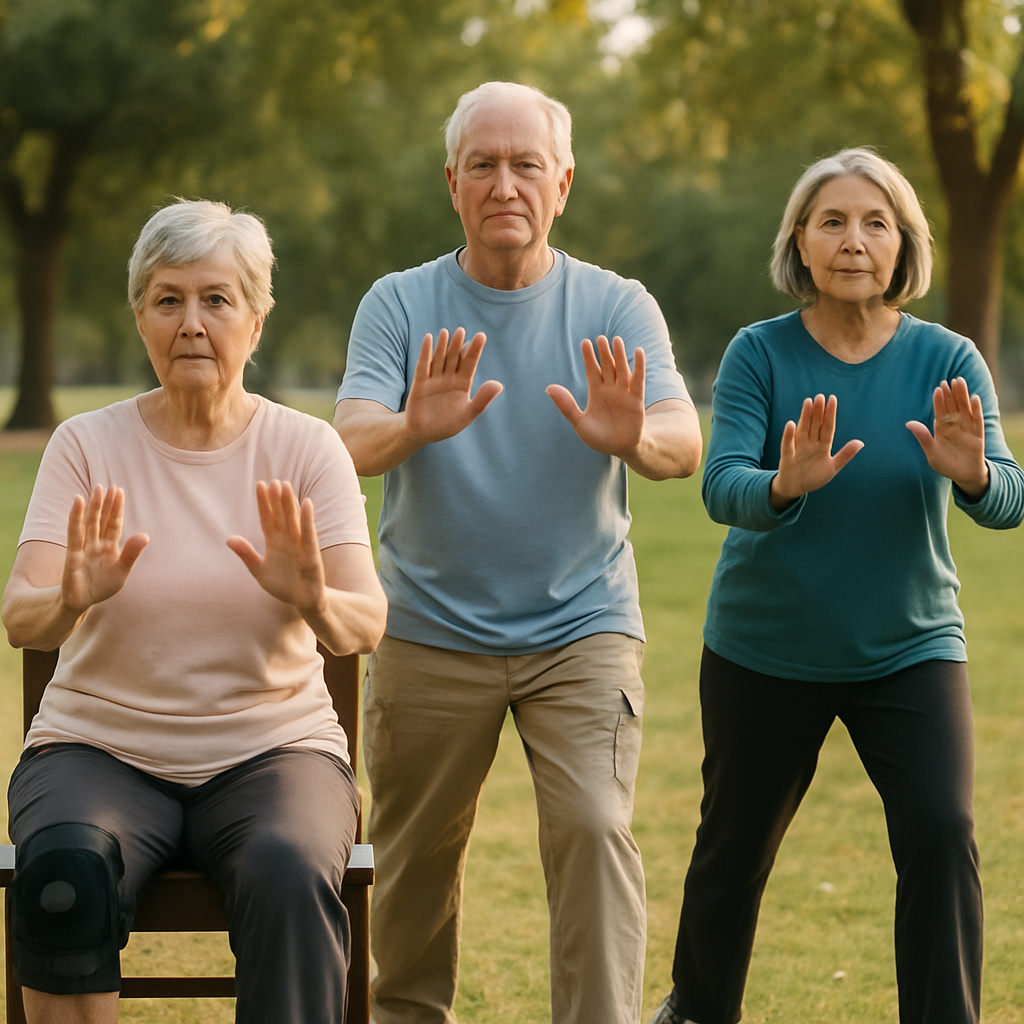
If you’re asking these questions, you’re in good company. I’ve met folks in their 80s (and even one 90-year-old!) who started tai chi after a bad fall or surgery. The beauty of tai chi is its adaptability. Movements can be done standing, sitting, or even holding onto a chair for extra support. Many community centers offer “chair tai chi” classes for this very reason.
The biggest hurdle is usually mental—overcoming the fear that you’ll look silly, or that it’s too late to start something new. I get emails every month from readers who waited months or years, only to wish they’d started sooner. Please, don’t let perfection be the enemy of progress.
Tools That Can Help Make Tai Chi (and Daily Life) Safer
A quick note about supportive gear: If you’re recovering from an injury, dealing with unstable knees, or just want some peace of mind, a medical-grade knee brace like the NEENCA Professional Knee Brace can be a game-changer. The side stabilizers and patella gel pad add comfort and confidence—especially during the weight-shifting parts of tai chi. Just remember, braces are tools, not crutches. Use them to support your movement, not replace it.
And if you have questions about fit or safety, ask your physical therapist. (I’ve seen too many folks buy a random sleeve online, only to find it slides down or pinches in the wrong spots!)
What the Experts Say (And Where They Disagree)
Most reputable sources—rheumatologists, geriatricians, the National Institute on Aging, the American College of Rheumatology—endorse tai chi as a frontline exercise for arthritis and balance. But, and here’s a little controversy, not every doctor is on board. Some worry that unsupervised tai chi could lead to falls, especially for folks with severe neuropathy, vision issues, or advanced joint damage.
My advice? Think of tai chi as one tool in your toolkit. Check with your healthcare team, especially if your balance is already severely impaired. For most people with mild to moderate arthritis, the risk is low—and the benefits can be enormous.
Fresh Takeaways: What I Tell My Patients and Readers
- Tai chi isn’t a cure, but it can be a powerful support. For arthritis, it eases pain and stiffness; for balance, it trains both body and mind to move with confidence.
- The key is gentle consistency. No need to “push through” pain. Progress happens with repetition, not force.
- Supportive tools help. A trusted pain gel, a sturdy knee brace, or an evidence-based guide like the “Treat Your Own Knees” book can set you up for success.
- Community matters. Whether it’s a group class or a video series, don’t go it alone. Accountability and encouragement make a difference.
- It’s never too late. I’ve watched the most skeptical, stiff, or anxious folks blossom into regulars who look forward to every class. You might surprise yourself.
Final Thoughts: What’s Next?
Look, if you’ve been waiting for a sign, consider this it. Tai chi doesn’t require fancy gear or long commutes—just a willingness to try, and maybe a little courage to step outside your comfort zone. Whether you go to a class, follow along with a free video, or just practice a few movements in your living room, every attempt is a step toward easier movement and greater confidence.
If you have questions about pain, safety, or finding the right modifications, talk to your doctor or a physical therapist—especially if you’ve got other health conditions. But don’t let fear or uncertainty keep you stuck. Your joints, and your sense of balance, will thank you.
Wishing you many smooth, pain-free steps ahead. And if you see a beginner struggling in class, give them a smile—they could be me, or my mother-in-law, or the next person whose life is quietly changed by this ancient practice.
Linda Hargrove, RN, spent two decades in orthopedic care and now helps everyday people navigate joint pain and mobility challenges with practical, research-backed solutions.