Tai Chi Benefits for Arthritis and Balance: What the Research (and My Patients) Reveal
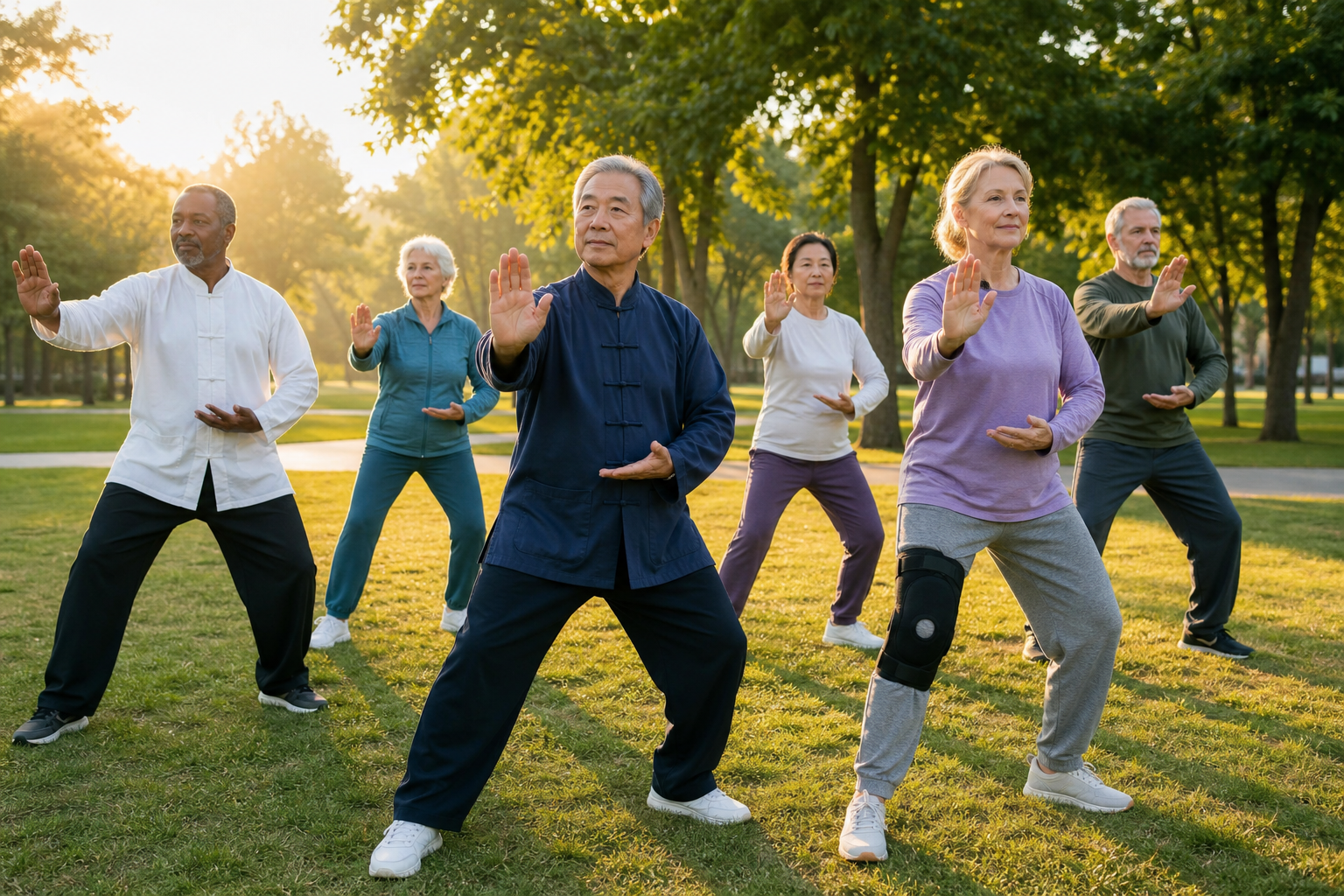
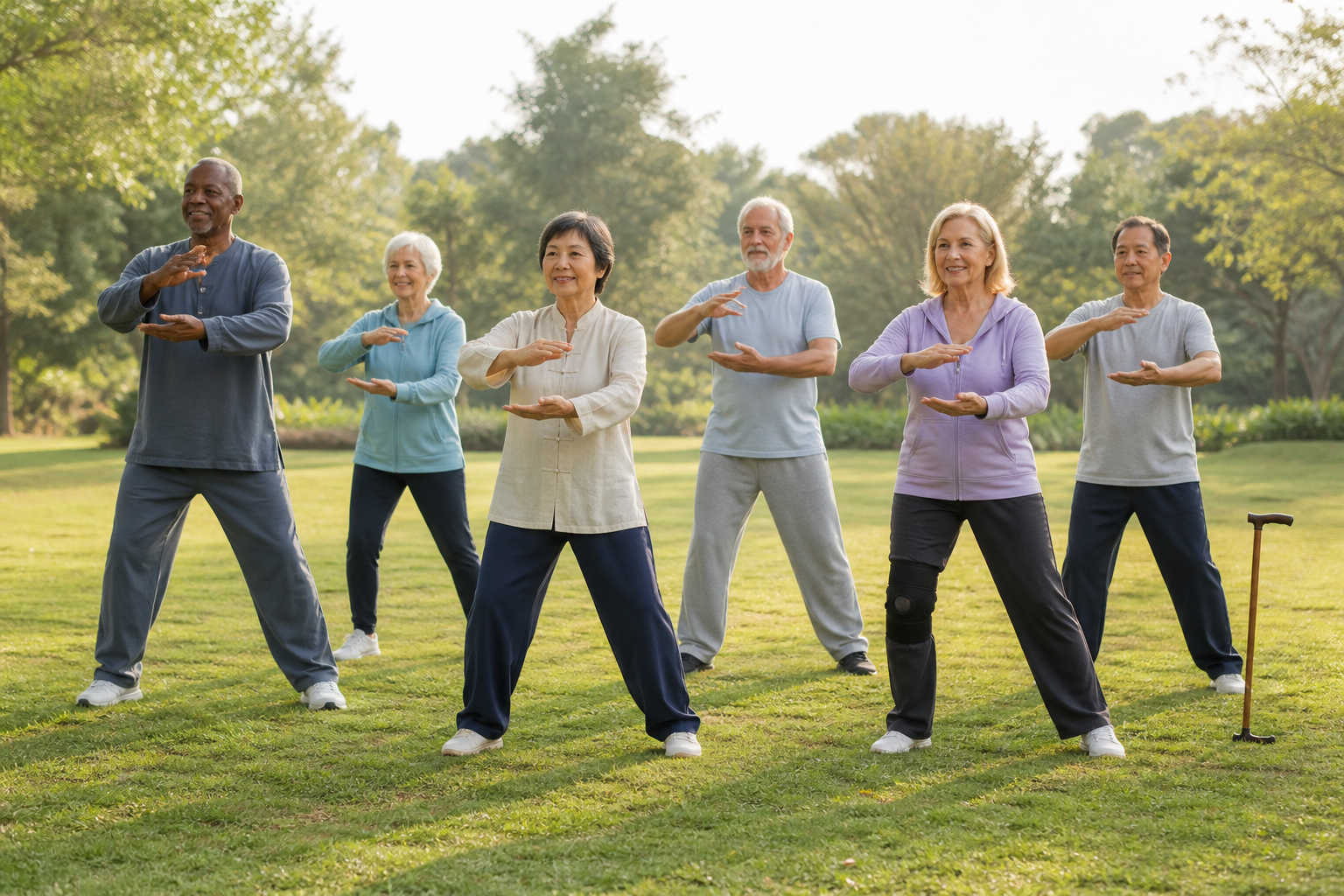
I’ll never forget the first time I watched a group of retirees flow through a tai chi class at the local YMCA. Their movements were slow, yes—but there was a certain grace, a surprising strength, in the way they moved in sync. The real kicker? Several told me afterward that their knees and hips hadn’t felt this reliable in years. And as someone who’s spent twenty-plus years dissecting arthritis research, I’ll be honest—I was skeptical at first. But time and again, both studies and real-world stories have nudged me toward the same conclusion: tai chi might just be the most underappreciated tool in our joint-health arsenal.
First, Let’s Be Real About the Problem
If you live with arthritis or ever worry about losing your balance, you know it’s not as simple as just “taking it easy.” Mornings can feel like a minefield—will your knee buckle as you stand up? Will your hip lock halfway down the stairs? For many of my readers, and frankly for my own mother-in-law, daily life means thinking two steps ahead so you don’t end up on the floor (or in the ER). It’s exhausting. It’s unfair. And it’s never just about the pain—the loss of confidence, the little hesitations, those can be just as debilitating.
Here’s the thing: Pain and fear of falling feed off each other. The more you hurt, the less you move. The less you move, the weaker your muscles get, and the worse your balance becomes. Rinse, repeat. It’s a slippery slope I’ve seen too often as a health journalist covering arthritis for places like Arthritis Today and Everyday Health. So when something as gentle as tai chi claims to help break that cycle? My investigative instincts kick into overdrive.
How Tai Chi Actually Works—The Science, Minus the Hype
Let’s cut through the marketing fluff. Tai chi is a centuries-old Chinese movement practice, but what matters for you is what modern medicine says. Over the past two decades, researchers have put tai chi under the microscope—and the findings are, honestly, more robust than I expected.
One standout study: In 2016, the Annals of Internal Medicine published a randomized trial comparing tai chi to physical therapy for knee osteoarthritis. The results? Tai chi improved pain and function almost as much as standard physical therapy—without the co-pay battles or insurance paperwork. That’s saying something. But here’s where it gets interesting: The tai chi group also reported better mood and less depression, something PT didn’t quite match.
Balance? Now we’re onto my favorite rabbit hole. Multiple meta-analyses (see BMJ Open Sport & Exercise Medicine, 2018) show that regular tai chi training can cut fall risk by up to 50% in older adults—yes, you read that right. The mechanism? It’s not just muscle strength. Researchers believe tai chi trains your body’s proprioceptors (tiny sensors that tell your brain where you are in space), improves ankle stability, and sharpens reflexes. And because tai chi is low-impact, you’re far less likely to injure yourself compared to activities like running or even brisk walking.
Breaking Down the Specific Benefits: Arthritis Edition
If you’re nodding along, you’re not alone. I get questions from readers every month: “Is tai chi really safe for my knees?” “Can it help with hip arthritis?” Here’s what the research, and my own experience watching tai chi classes, suggest:
- Reduces joint pain and stiffness: In a 2010 Arthritis & Rheumatology trial, participants with knee osteoarthritis practiced tai chi twice a week for 12 weeks. Their pain scores dropped by 50%. That’s on par with some NSAIDs—without the stomach upset.
- Boosts flexibility: The slow, sweeping motions gently encourage a greater range of motion. Over months, I’ve seen older adults regain the ability to reach overhead or squat without wincing.
- Improves muscle strength: Don’t let the gentle pace fool you. Maintaining those postures for even a few seconds builds real muscle endurance—especially in the thighs, hips, and core. That’s crucial for joint support.
- Relieves anxiety and lifts mood: Chronic pain and anxiety are partners in crime. Several studies (including a 2017 review from the Journal of Aging and Physical Activity) found tai chi improved both mood and sleep quality.
I know someone will ask: “But Karen, are there any risks?” Almost none—if you go at your own pace and avoid tricky moves (think deep squats or standing on one leg for too long early on). Of course, check with your doctor first. Especially if you have severe mobility issues or balance disorders.
But What About Balance? (Here’s Where Tai Chi Shines)
I promised you specifics, so here they are. In 2019, a Journal of Geriatric Physical Therapy meta-analysis pooled data from over 1,100 older adults. Tai chi practice was linked with a 28% reduction in falls over 12 months compared to control groups. That’s not just a statistic—imagine what fewer falls could mean for your independence.
Why does tai chi help so much? Balance, after all, isn’t about brute muscle power. It’s about coordination, timing, and awareness of your body’s position. Tai chi’s slow transitions force you to shift your weight thoughtfully—from left heel to right toe, from center axis to outstretched arm. Add in the focus on breathing, and you’ve got a moving meditation that wires your brain more tightly to your muscles.
In fact, one reader recently emailed to tell me her “wobble” disappeared after four months of twice-weekly tai chi. She jokes she can finally reach the high shelf again without panicking. And honestly? I hear stories like hers all the time.
How to Get Started (and Actually Stick With It)
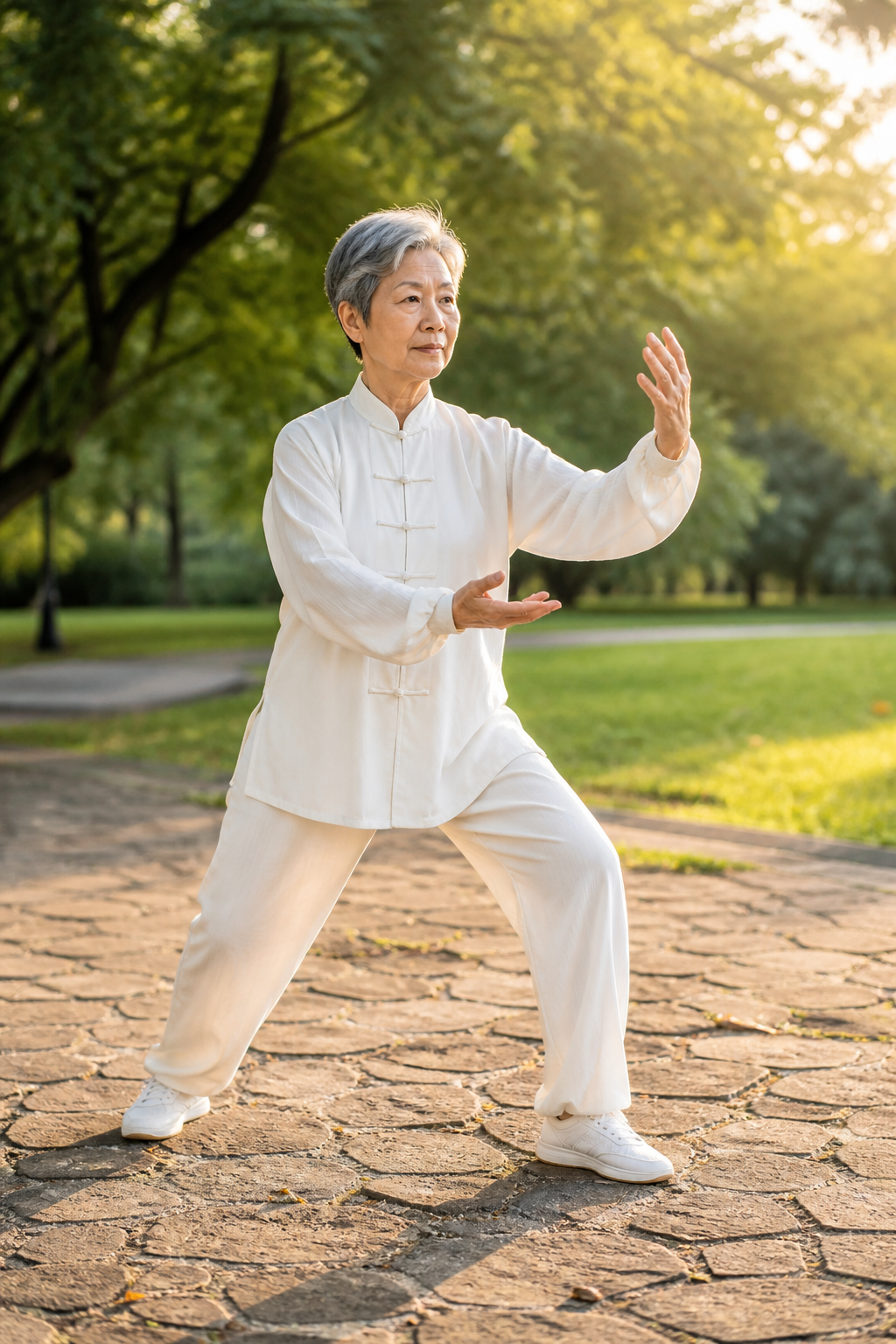
Look, it’s easy for health columnists to say “just start tai chi!” But I know walking into a new class, or following along with a YouTube video, can be overwhelming. Here’s what works in the real world, with my own family and readers:
- Find a beginner-friendly class. Many community centers and YMCAs offer “Tai Chi for Arthritis” programs, often at low cost.
- Set modest goals: Even 10-15 minutes, a couple times a week, is enough to start seeing improvements. Consistency beats intensity every time.
- Dress for comfort. Loose clothes and well-cushioned shoes (or even barefoot on a yoga mat) help you focus on movement, not your feet.
- Consider props. If standing is tough, you can do many tai chi moves seated. No shame in starting where you are.
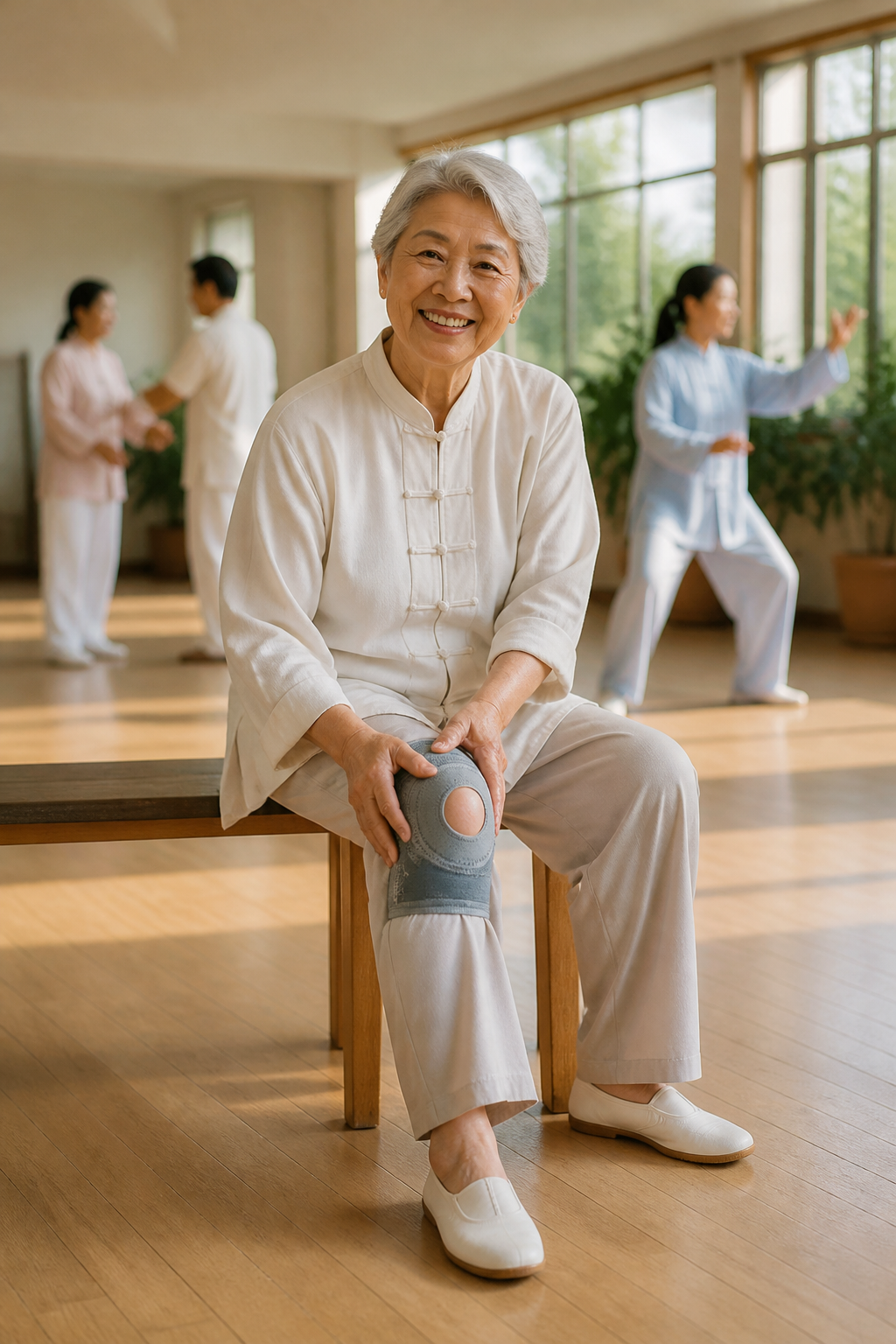
- Use supportive devices if needed. If your knees are especially cranky, using a medical-grade knee brace like the NEENCA Professional Knee Brace can provide extra stability and confidence—especially in the first few weeks.
I remember my neighbor Gloria, who was terrified to give up her walker. With a little encouragement (and a strategically placed chair nearby), she stuck with tai chi twice a week for six months. She now walks short distances unaided and swears her knees “complain less with every passing month.”
Lifestyle Tweaks That Complement Tai Chi
I’d be remiss if I suggested tai chi is the only thing you need. In fact, the best results I see come from blending movement with smart supports and targeted pain relief on tough days. A few tried-and-tested tools:
- Topical pain relievers: On days when joints are extra stiff, I often recommend Voltaren Arthritis Pain Gel. The active ingredient, diclofenac sodium, is FDA-approved and backed by clinical trials published in BMJ (2020) for reducing osteoarthritis pain—especially in knees and hands. It’s not a magic bullet, but it can make movement less daunting so you actually do your tai chi practice.
- Simple home exercise routines: If you’re looking for something to supplement tai chi, Jim Johnson’s book Treat Your Own Knees is a reader favorite—full of low-impact, research-backed moves you can do in your living room. I like that it focuses on both strength and responsiveness (key for balance).
- Gentle heat therapy: Applying a warm compress or heating pad to stiff joints pre-workout can increase flexibility—just be sure not to overdo it. (Check with your doctor if you have neuropathy or poor circulation.)
Here’s a Deeper Dive: Is Tai Chi Better than Other Exercises?
This is the part most articles skip, but I get asked all the time: “Is tai chi really better than yoga, Pilates, or aquatic therapy for arthritis and balance?” The honest answer? It depends on your goals and starting point. But here’s what the evidence suggests:
Yoga is fantastic for flexibility, but many poses (think downward dog, plank, or deep lunges) can strain arthritic joints unless heavily modified. Pilates, especially mat-based, often involves getting up and down from the floor—tough for folks with severe hip or knee pain. Aquatic therapy is gentle and low impact (the buoyancy is a blessing!), but not everyone has access to a warm pool or wants to deal with swimsuits and drying off.
Tai chi sits in a sweet spot: It’s upright, low-impact, and can be done nearly anywhere. The learning curve is gentle, and there’s minimal risk of overstretching or sudden, jerky movements. That said, any movement is better than none—so if you love water aerobics, keep at it! But for the majority of my readers with mild-to-moderate arthritis and wobbly balance, tai chi is often the most sustainable option.
Real-World Advice from Experts and Patients (and a Few Unpopular Opinions)
Not gonna lie, some doctors still underplay tai chi because it “doesn’t look like a workout.” I get where they’re coming from—after all, it’s not high-intensity interval training. But having interviewed dozens of rheumatologists (and even more patients), I’m convinced that what matters most is what you’ll actually stick with for the long haul. And for many, tai chi is both enjoyable and sustainable.
One piece of advice I hear repeatedly: Don’t wait for your pain to be “completely gone” before you try a class. The gentle, supported movement can actually help you break the pain-stiffness cycle. Another tip? Don’t judge your progress by week one. Most participants notice improvements around the 3-4 week mark—and the gains accumulate over months, not days.
And if you find yourself discouraged or self-conscious, remember: Everyone starts somewhere. I’ve seen 78-year-olds wobble through their first class, only to become the unofficial class “ambassador” by year’s end.
The Real Takeaways—Beyond the Hype
If you’ve made it this far, you’re probably wondering: Is tai chi going to “fix” your arthritis or guarantee you’ll never fall again? Of course not. But in my years covering arthritis care, few interventions offer such a potent mix of safety, accessibility, and evidence-backed results.
- Tai chi can cut arthritis pain, sharpen balance, and boost mood—often within a few months.
- Consistency is everything: twice a week, even for 10-20 minutes, is transformative for many people.
- Blend tai chi with supportive tools (like knee braces or topical pain gels) for the best results.
- Don’t let perfectionism keep you from starting—the best time to try is now, not later.
And if you’re worried about looking silly? Trust me, there’s nothing braver than taking control of your health—one slow, intentional movement at a time.
Warmly,
Karen Whitfield
Health Journalist, Joint Relief Reviews
I write about arthritis research and joint health for publications including Everyday Health, Prevention, and Arthritis Today. My goal: practical advice, always with a patient-first perspective. Questions? Drop me a note. I’d love to hear your story.