Tai Chi Benefits for Arthritis and Balance: My Honest Take (and What the Science Says)
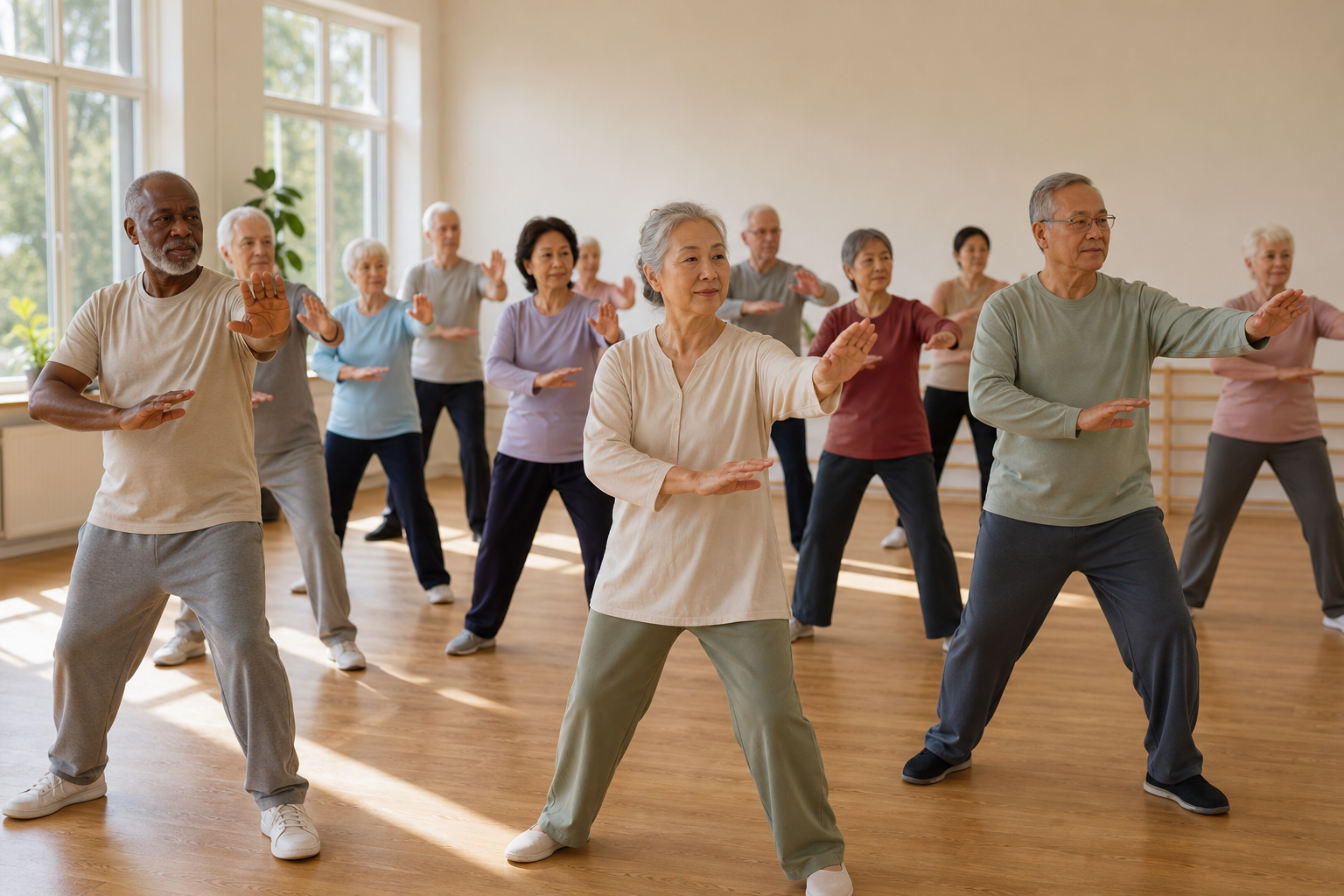
It was a muggy Thursday in July when I dragged my skeptical self to my first tai chi class. This was years ago—well before it became mainstream for arthritis. I remember a dozen people moving in slow, synchronized motion, not a single yoga mat in sight. There was a gentle hum of chatter, and a couple of folks easily in their seventies smiling as they floated through postures. The instructor, a retired nurse named Carol, saw me eyeing the exits and said, “Don’t worry, you’ll get the hang of it. Most people feel better in a few weeks.” I wasn’t convinced. But here’s the thing: she wasn’t wrong.
Why Arthritis and Balance Go Hand-in-Hand (and Why It Can Feel Like You’re Fighting Gravity)
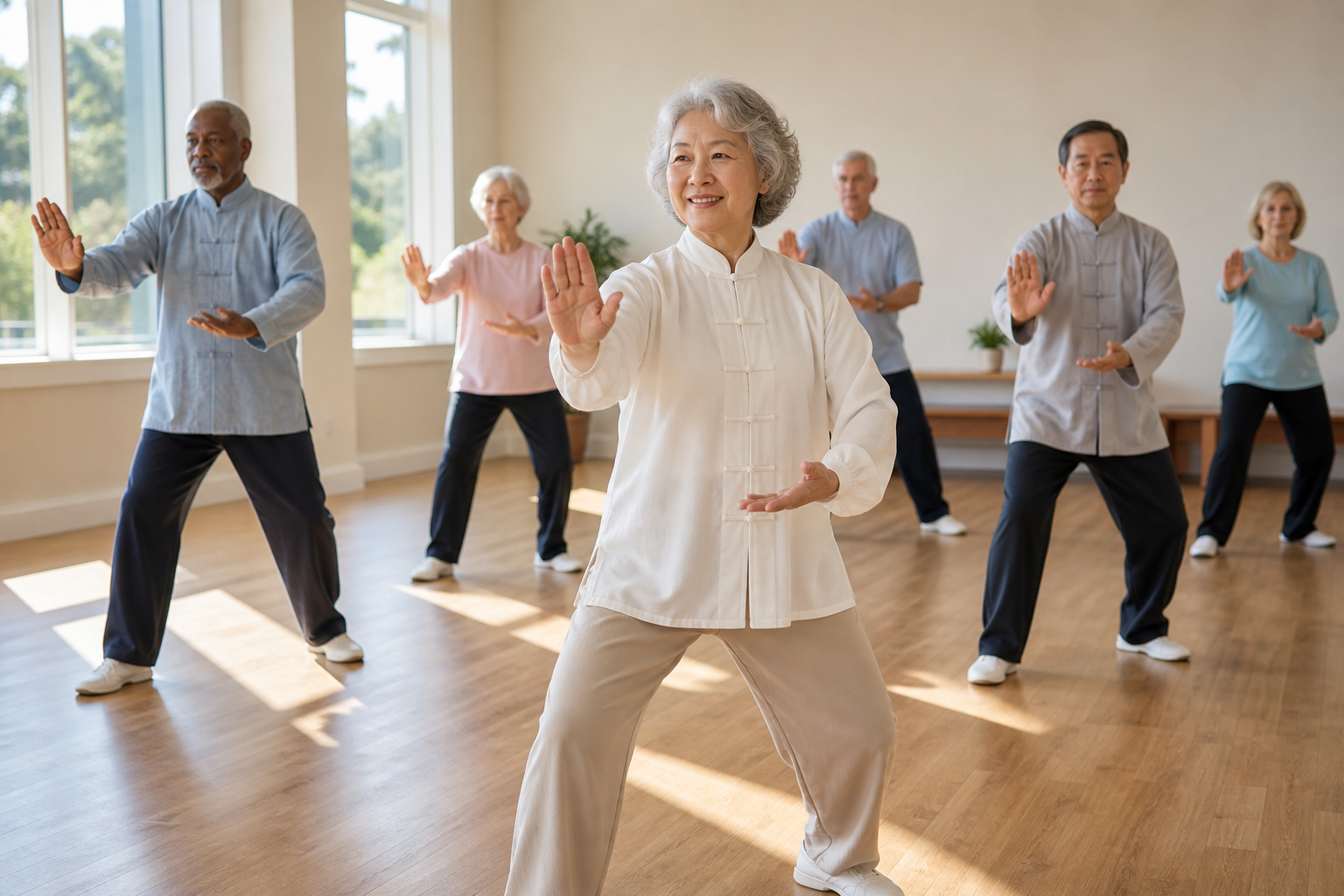
If you’re reading this, I’m guessing stiff knees or aching hips aren’t new territory. For a lot of my older clients, it’s not just the pain—it's the creeping worry about falls. That moment on the stairs where your knee wobbles, or the quick catch when standing up too fast. Sound familiar? You’re not alone. According to the CDC, more than 1 in 4 adults over 65 falls each year, and joint pain is a big factor in why.
Here’s where tai chi comes in. Unlike pounding the treadmill or trying to squat with a cranky knee, tai chi is slow, controlled, and—honestly—sneakily effective. But don’t take my word for it. Let’s break down what the research actually says, and how you can use this ancient art to keep moving, balanced, and (hopefully) a little less sore.
The Science: Tai Chi and Arthritis Pain Relief
First, some numbers—and not just from small pilot studies. The New England Journal of Medicine published a landmark study in 2010 with 40 patients suffering from knee osteoarthritis. Those who did tai chi twice weekly for 12 weeks reported significantly less pain, better physical function, and less depression compared to the control group who just got standard arthritis education. That’s a big deal. It’s not just about feeling calmer—it’s measurable improvement.
Another major one: The Journal of Rheumatology (2016) pooled data from 12 randomized controlled trials (that’s the gold standard, by the way). Their findings? Tai chi led to reduced joint pain and morning stiffness, and people were able to move better and do more with their bodies. No magic. Just gentle, consistent motion, probably the safest "medicine" most of us can try without a prescription.
Why does it work? It’s partly the movement itself. Tai chi involves slow, weight-shifting steps and deliberate transitions that take your joints through healthy ranges of motion. And you’re never pounding your cartilage into oblivion. Plus, you’re strengthening stabilizing muscles (think quads, glutes, and core) without stressing the joints—something even physical therapists like me have to applaud.
If you want the biochemistry: tai chi seems to lower levels of interleukin-6 (IL-6), a marker of inflammation. Arthritis & Rheumatology (2015) showed regular tai chi practice may actually dampen some inflammatory pathways—not as much as prescription drugs, but enough to notice day-to-day.
Tai Chi for Balance: Real Gains, Real Results
Bare minimum: tai chi makes you more aware of where your body is in space. There’s a fancy term for it—proprioception—but in plain English, it’s why you can step off a curb or shift your weight without falling. Older adults, especially those with joint problems, often lose this sense. That’s why you trip over the dog or catch your foot on the garden hose.
Here’s what’s wild: A 2012 review in the BMJ (British Medical Journal) found that regular tai chi cut the risk of falls by up to 20% in older adults. And for those with a history of prior falls or diagnosed balance issues? The benefits were even greater. I’ve seen it firsthand. My mother-in-law, after a hip replacement, managed to stay upright all winter long after picking up tai chi—something she hadn’t done in years.
It’s not just about standing on one leg, either. The gentle shifts and rotations in tai chi activate the ankle, knee, and hip stabilizers—muscles you barely notice until they’re weak. Many of my clients report better confidence walking, especially around tricky corners or on uneven ground. That’s the real payoff—less fear, more freedom.
How Exactly Does Tai Chi Work?
The movements look simple—almost too simple—but there’s a method to the magic. Here’s what’s happening under the hood:
- Joint Lubrication: Gentle circles and weight-shifting help circulate synovial fluid (think: joint oil), which reduces stiffness.
- Muscle Strengthening: Even slow squats or lunges fire up key stabilizers, especially in the legs and glutes. You’re building strength without heavy loads.
- Balance Training: Constant shifting improves your ability to recover from slips and stumbles.
- Mind-Body Connection: Focused breathing and movement reduce stress hormones (cortisol), which can worsen inflammation.
And here’s the kicker: You don’t need to wear spandex or have a fancy fitness tracker. Most classes are done in comfy clothes, barefoot or in socks, at your own pace.
Can You Really Do Tai Chi If Your Knees Are Bad?
I get this question at least once a week. "James, my left knee’s bone-on-bone, can I even try this?" Short answer: Usually, yes. Longer answer: listen to your body, and check with your doctor before starting any new activity, especially if you have advanced arthritis, recent surgery, or other health issues. There’s no shame in modifying movements. In fact, a good instructor will show you how to make it work for you—even if you need to sit for parts.
One of my neighbors swore off all exercise after a meniscus tear, convinced anything but swimming would "ruin" her knees. Not only did she join a weekly outdoor tai chi group in the park, but six months later she could bend down to pick up her grandkids—without that look of dread.
Getting Started: What You Actually Need (and What You Don’t)
You don’t need incense, silk pajamas, or even a gym membership. Here’s what helps:
- Comfortable, flat shoes: Unless your instructor says barefoot is okay. Support matters if your arches are cranky.
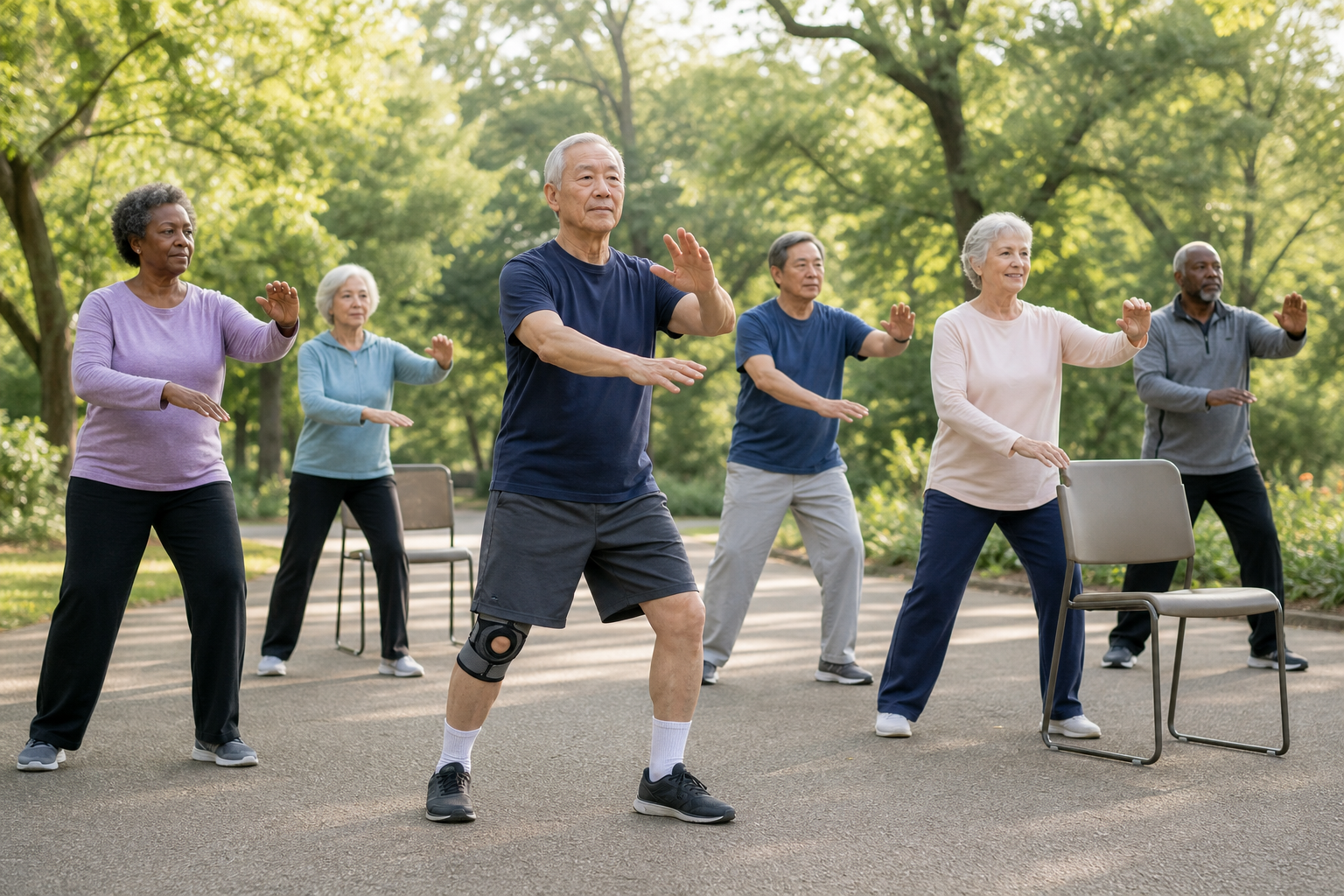
- Support for cranky joints: If your knees are tricky, I genuinely like the NEENCA Professional Knee Brace. It’s got side stabilizers and a gel pad around the kneecap—not gonna lie, it’s more comfortable than half the braces I’ve tested. And you can wear it discreetly under loose pants.
- Chair (optional): For seated modifications, or just to take breaks. No shame in starting slow.
- Guidance: A local community center class is great, but if that’s not an option, books like Treat Your Own Knees by Jim Johnson include research-backed home routines to build strength and flexibility—tai chi fits right in with those principles.
What don’t you need? Fancy gear. Mirrors. Judgment. If you can breathe and move—even a little—you can start. And yes, a YouTube video works in a pinch, but I do think having a real instructor, even just once to check your form, is worth every penny. There’s a world of difference between "sort of moving your arms" and actually feeling that gentle weight shift through your hips and ankles.
Expert Tips for Tai Chi Success (and How to Avoid Pitfalls)
Here’s my short list after years of observing—and stumbling through—beginner classes:
- Pace yourself: The biggest mistake? Trying to "exercise" instead of "practice." Go slow, notice the details, and accept that it might feel awkward at first.
- Start with 10-15 minutes: You don’t need an hour. Even five minutes a day—just walking through a routine—can make a difference for joint lubrication and balance.
- Modify, modify, modify: It’s not a performance. If your shoulder pinches, lower your arms. If your knees bark, don’t sink as deep. Listen to your body’s signals.
- Consistency beats intensity: Three times a week for 15 minutes trumps one hour on Sundays. It’s about regular input, not heroics.
- Support any sore joints after practice: Some people find a topical pain reliever, like Voltaren Arthritis Pain Gel, can take the edge off if you feel tender after. It’s FDA-approved and actually does penetrate to reduce inflammation—not just numb the surface.
And please—if you get dizzy, short of breath, or pain that feels sharp or alarming, stop and call your doctor. Safety first, always.
The Other Side: Where Tai Chi Doesn’t Work Miracles
Here’s where most articles gloss over reality: if you have severe, bone-on-bone arthritis, tai chi won’t regrow cartilage. It’s not a substitute for joint injections or surgery when you truly need them. The benefits are real, but gradual. Think "slow melt" of pain and stiffness, not "overnight fix." That said, a lot of folks—myself included—have been surprised by just how much better daily function can get over a few months.
Also, not every instructor is equal. I’ve seen some so-called “tai chi for arthritis” classes devolve into fast, jerky movements that do more harm than good. Look for certified teachers (check local arthritis associations for recommendations) and don’t be afraid to ask about their experience with joint issues. If something feels off, trust your gut.
What’s the Real-World Payoff? (Stories From Clients, Readers, and My Own Family)
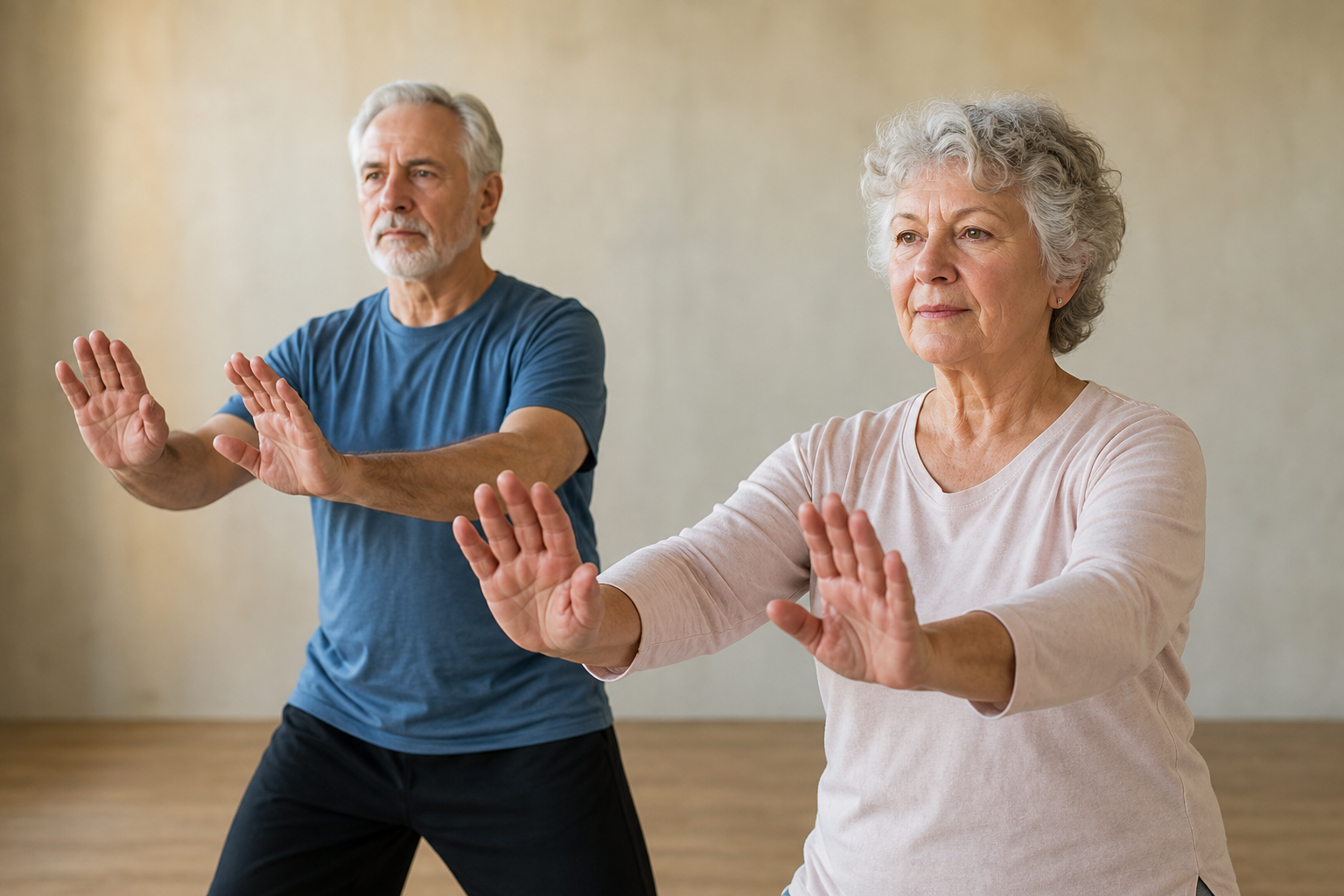
I’ll never forget a client I worked with last year, “Linda.” She was 68, two knee surgeries behind her, and terrified of falling. She’d stopped walking her dog and barely left the house by winter. Fast-forward four months of twice-weekly tai chi—she was back at the local farmer’s market, steady on her feet even when jostled by a crowd. Her secret? She didn’t just do tai chi in class. She practiced little balance drills from her warm-up every day, sometimes while brushing her teeth.
I hear versions of Linda’s story all the time. People who regain confidence climbing stairs, squat further in the garden, or even dance at their granddaughter’s wedding. These aren’t rare “miracle” cases—they’re the norm when you stick with it. That’s what keeps me recommending tai chi, even when the trendiness dies down.
The Bottom Line: Should You Try Tai Chi for Arthritis and Balance?
Look, I’m not here to sell you a miracle. If you’re tired of rigid routines, frustrated with joint pain, or just want to feel steadier on your feet, tai chi is one of the lowest-risk, highest-reward practices you can try. Science backs it up. My clients back it up. (And if you’ve ever talked to a tai chi instructor, they’ll talk your ear off about the benefits!)
Will it solve everything? No. But it might help you move with less pain, tackle daily life with more confidence, and—this is huge—enjoy moving again. Pair it with the right support for your joints, a practical exercise plan (Treat Your Own Knees is a solid starting point), and a willingness to go slow. That’s a winning combo in my book.
And if you spot me in the back of class, still wobbling through “White Crane Spreads Its Wings,” give me a nod. We’re all beginners at something.
Take care of those joints, stay curious, and don’t be afraid to try something new. If you have questions about tai chi, arthritis, or anything mobility-related, send me a note—I genuinely love hearing from readers who want to move better for life.
James Chen, MS, CSCS
Certified Strength & Conditioning Specialist, Exercise Science Columnist
JointReliefReviews.com