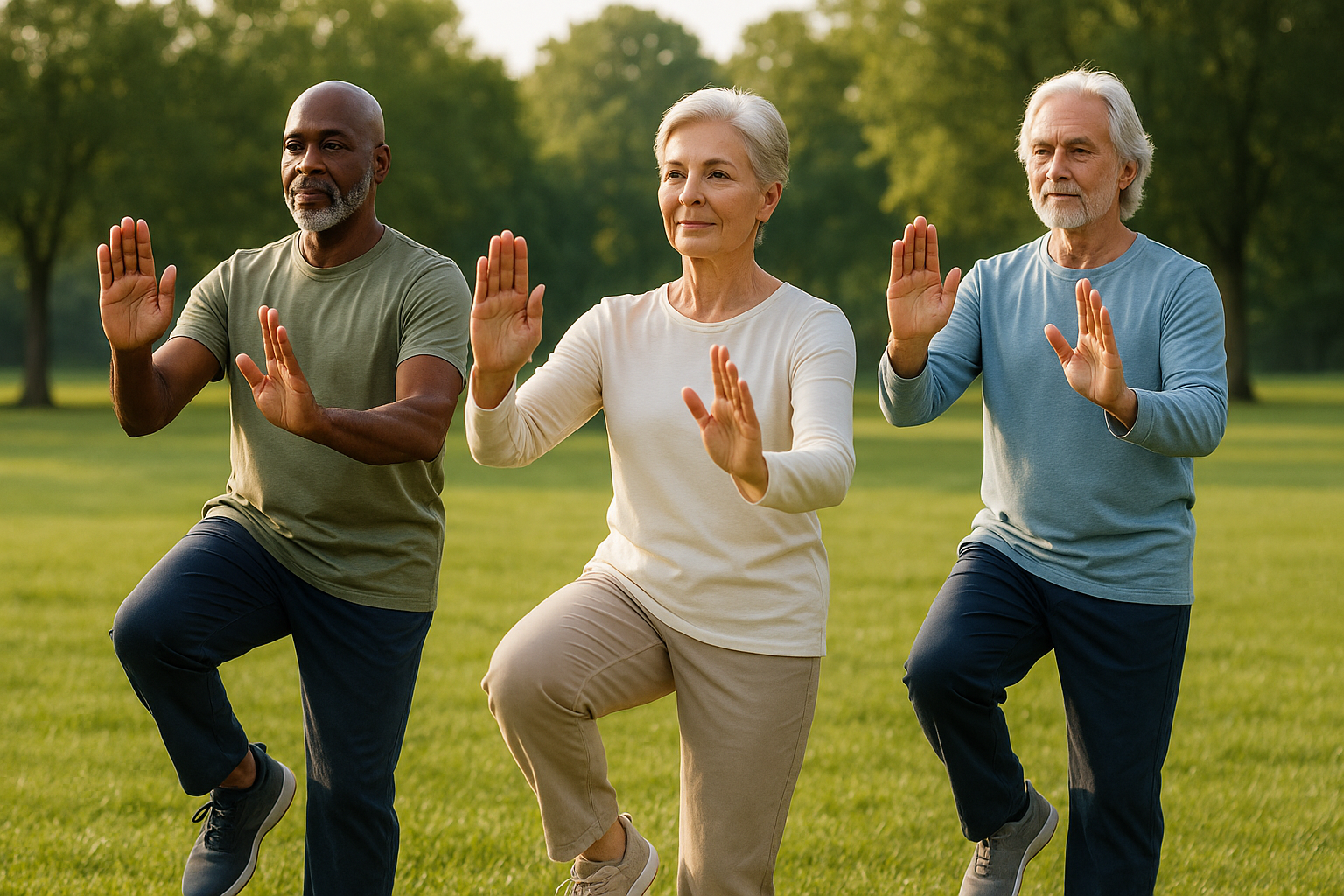
Tai Chi for Arthritis and Balance: Why It’s More Than “Gentle Exercise”
I’ll never forget the look on Marsha’s face the day she tried tai chi for the first time. Seventy-two, knees stiff from decades of osteoarthritis, she stood at the back of a community center room—skeptical but hopeful. Fast-forward six months: she’s not running marathons, but she’s no longer clutching the bannister with white knuckles. And, oh, her balance? Night and day difference. That’s not just Marsha’s story; it’s echoed in dozens of emails from my readers over the years. And the research backs it up.
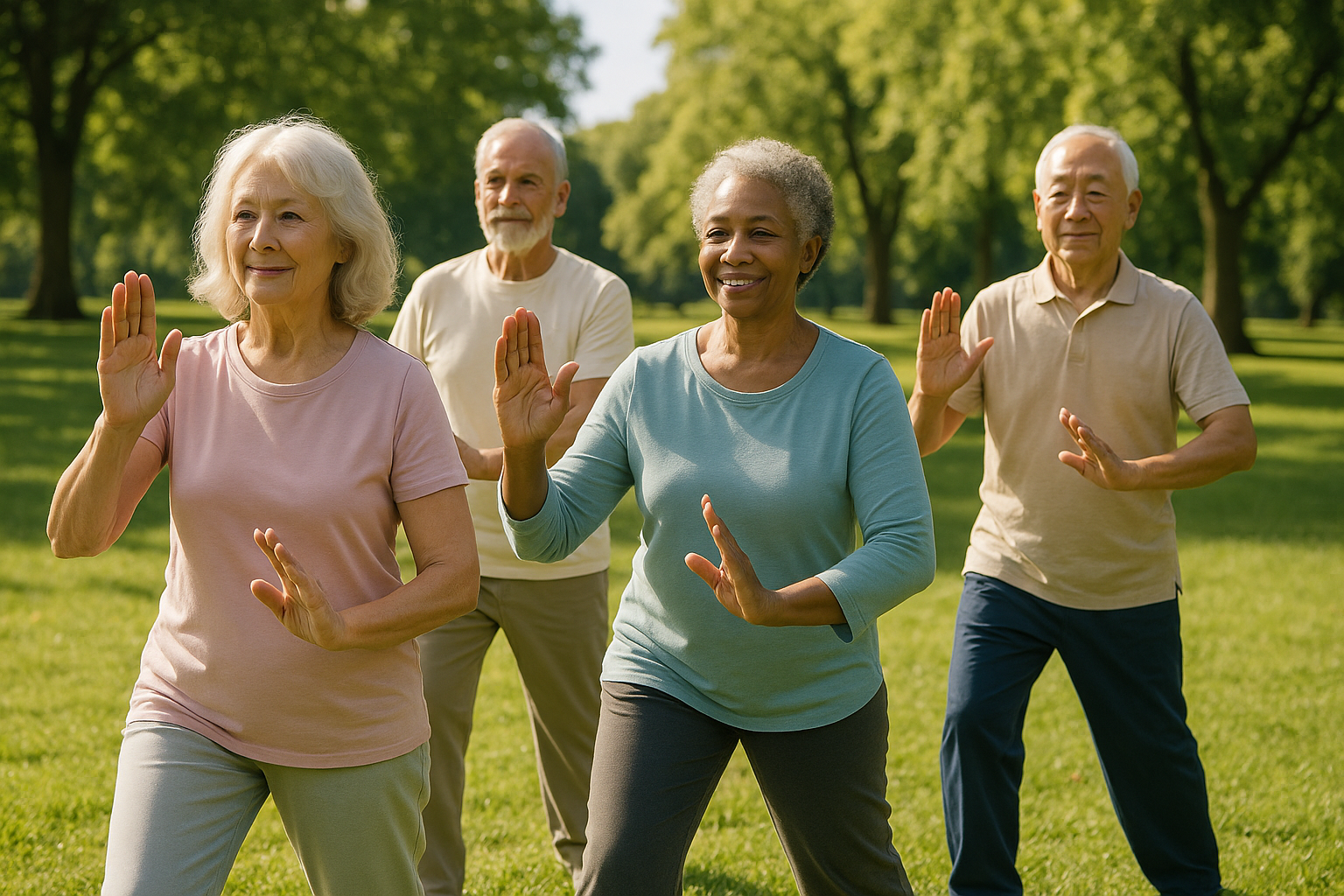
Let’s Be Honest: Living With Arthritis Changes Everything
If you’re nodding along, you’re not alone. Most mornings I hear from folks who say it feels like someone filled their joints with cement overnight. Simple things—getting up, reaching for the coffee mug, even crossing the living room—become a balancing act (sometimes, literally). The tricky part? You’re told to “stay active” but every step feels like a gamble. Fall risk. Pain flares. The fear of making things worse.
Look, I’ve spent my career digging into evidence-based strategies for joint pain. I’m the first to admit there’s a lot of hype out there. But here’s where tai chi stands apart: it’s one of the very few exercise approaches the CDC, Arthritis Foundation, and National Institutes of Health all agree on—for both arthritis and balance problems. That’s rare company.
Here’s the Science: How Tai Chi Helps Arthritis (and Why Doctors Recommend It)
Let’s cut to the chase—what do real studies say? Well, plenty. The 2016 randomized trial in the Annals of Internal Medicine (which I’ve cited more times than I can count) found that tai chi was just as effective as standard physical therapy for knee osteoarthritis. In fact, both groups improved pain and function by about 50% over 12 weeks. Tai chi offered an extra bonus: participants stuck with it longer, likely because it feels less like “exercise” and more like a mindful movement meditation.
It sounds almost too good to be true. But another major meta-analysis published in Arthritis Care & Research (2020) looked at 22 studies and over 1,600 participants. The verdict? Regular tai chi (usually two to three times per week for 12+ weeks) significantly reduced joint pain, stiffness, and improved physical function—not just in knees, but also in hips and hands. Some studies showed pain reductions of up to 36% compared to controls. That’s on par with—sometimes better than—NSAIDs, but without the stomach issues.
And it’s not just about pain. Multiple studies, including one in the Journal of Rheumatology (2019), confirm tai chi improves balance, gait speed, and reduces falls in people with arthritis. One often-cited study from Tufts University followed 282 older adults with joint pain. After six months, tai chi participants had half as many falls as the control group. I don’t care how old you are—halving your fall risk is a game-changer.
But What Even Is Tai Chi?
If you haven’t seen it before, tai chi looks like a cross between slow-motion dance and martial arts. It’s rooted in ancient Chinese practices—think mindful movement, weight shifting, gentle bending of knees, and coordinated breathing. There’s no pounding, jumping, or getting down on the floor. Instead, you move through a graceful sequence of postures, each one designed to challenge your balance and gently test your joints’ range of motion.
Unlike yoga, there’s no need to kneel or get into awkward positions. (Trust me, that’s a relief for my own stubborn knees.)
How Tai Chi Boosts Your Balance—And Why That Matters (A Lot)
Here’s the thing: balance isn’t just about not falling. It’s your brain, nerves, muscles, and joints working together—sometimes imperfectly, especially if you have arthritis or previous injuries. Stiff joints, weaker muscles, nerve changes from age, even certain meds—all chip away at your natural stability.
This is where tai chi shines. Each move challenges your “proprioception” (that’s your body’s ability to sense where it is in space). You shift your weight, pause, hold, transition with slow precision. Over time, your brain gets better at sending “don’t wobble” signals to your muscles. The best part? You can practice at any level—standing or even seated if you need.
One overlooked benefit: tai chi helps your core stay engaged without crunches or planks (which my back frankly refuses to tolerate). Stronger core = better balance = less fear of falling. The research bears this out. A Chinese study in BMJ Open (2017) found that after 24 weeks of group tai chi, fall rates dropped by 31%—and not just in robust folks, but in those with significant joint pain and prior falls.
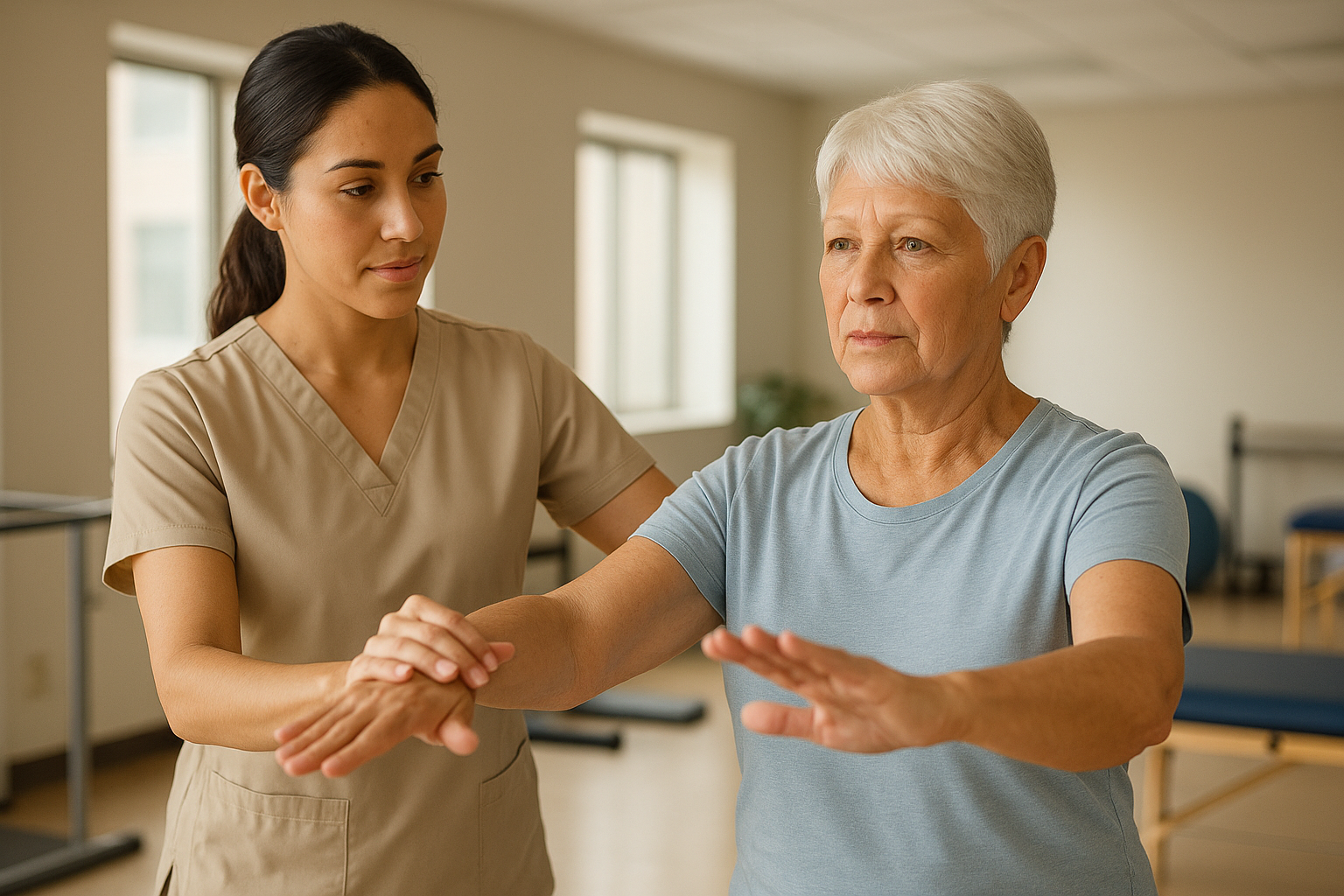
What About Pain? Tai Chi’s Subtle (But Powerful) Effects
I’ll be honest—before I tried tai chi, I had my doubts. (A slow-motion dance could fix arthritis?) But the science is surprisingly robust. Gentle movement lubricates the joints, which helps reduce stiffness. The slow, deliberate pace gives your body time to process each transition, so you’re not jolting or overloading sensitive spots. Some of my oldest interviewees say it’s the first “exercise” they’ve stuck with for years.
On a cellular level, tai chi appears to reduce inflammatory markers (like CRP and IL-6) and boost endorphin release. That “ahhh” feeling after a session? Not imaginary. And the calm, meditative breathing isn’t just soothing—it actually dampens nervous system pain signals, a concept called “central modulation” in the pain science world. I’ve yet to meet a medication that does all that without side effects.
Not All Exercise is Created Equal (Why Some Workouts Worsen Arthritis)
I know this is unpopular, but the “just keep moving” advice can backfire. I’ve seen plenty of patients try high-impact aerobics or enthusiastic boot camps—only to land right back in pain or, worse, tweak a joint. Tai chi moves are specifically designed to avoid those jarring forces. Plus, there’s zero competitiveness. No one cares if your “White Crane Spreads Wings” looks more like “Awkward Flamingo.”
One caveat: Everyone’s arthritis is different. Severe flares, recent surgeries, or unstable joints? Talk to your doctor or physical therapist before starting any new program. But for the majority, tai chi is among the safest forms of movement you’ll find.
From Skeptic to Believer: Real-World Stories That Stuck With Me
I remember when my mother-in-law, a lifelong “movement avoider,” finally gave tai chi a try. She started with YouTube videos in her pajamas. Six weeks in, she called me. “I’m not limping to the car anymore,” she said, almost surprised. And her balance? “I feel steadier stepping off the curb.” She’s not the only one. A reader from Ohio emailed just last week: “My hands aren’t as stiff, and for the first time in ages, I can knead bread again.” Anecdotes aren’t data, but when you see a pattern, you pay attention.
Getting Started: Tai Chi Tips for Arthritis and Balance (No Experience Needed)
- Find a beginner-friendly class. Look for centers or instructors certified in “Tai Chi for Arthritis” (yes, that’s a thing). If you’re shy, online videos work—but in-person offers correction.
- Start slow. Even 10-15 minutes, two to three times a week, shows measurable benefit in studies. You don’t need an hour a day.
- Wear comfortable shoes.
- Practice mindful breathing. The breathwork is as important as the movement.
- Use a sturdy chair for balance—no shame in modifications.
- Try support gear if needed. Early on, my own knees appreciated a brace. For example, the NEENCA Professional Knee Brace has side stabilizers and a patella gel pad—helpful if your knees wobble or ache mid-flow.
You don’t need to “believe” in tai chi for it to work. As one skeptical gent told me, “I kept showing up for the company, and next thing you know, I’m walking straighter.” Sometimes, that’s all it takes.
Pairing Tai Chi With Other Relief Strategies
Look, I’d be remiss if I didn’t mention—movement is powerful, but sometimes you want extra support on tough days. My own toolkit includes a topical like Voltaren Arthritis Pain Gel (FDA-approved diclofenac, feels like a mini miracle when my wrists are angry) and occasionally a heating pad for stubborn stiffness. But for long-haul change? Nothing beats the daily habit of gentle movement. Tai chi fits that bill better than almost anything else I’ve seen.
Tai Chi vs. Other Exercise: How Does It Stack Up?
You might be wondering—how does tai chi compare to walking, yoga, or resistance training for arthritis and balance? In my reviews (and dozens of research abstracts), a few patterns emerge:
- Walking is fantastic for general health, but if your knees or hips are flaring, every step can hurt. Plus, it doesn’t challenge balance quite like tai chi’s slow, shifting patterns.
- Yoga offers flexibility, but many poses require floor transitions, deep kneeling, or weight-bearing on the hands—sharp intake of breath for those with hand, knee, or shoulder arthritis.
- Resistance training is crucial for muscle health, but without balance practice, you’re missing a piece of the fall-prevention puzzle.
- Tai chi threads gentle strength, flexibility, and balance into a single practice. It’s adaptable, forgiving, and—let’s be honest—less intimidating for lifelong “non-exercisers.”
One thing most articles won’t tell you: you don’t have to choose just one. A little bit of tai chi, a sprinkle of walking, some light resistance bands? That’s a recipe for joint happiness. I encourage my readers to blend, not pick sides.
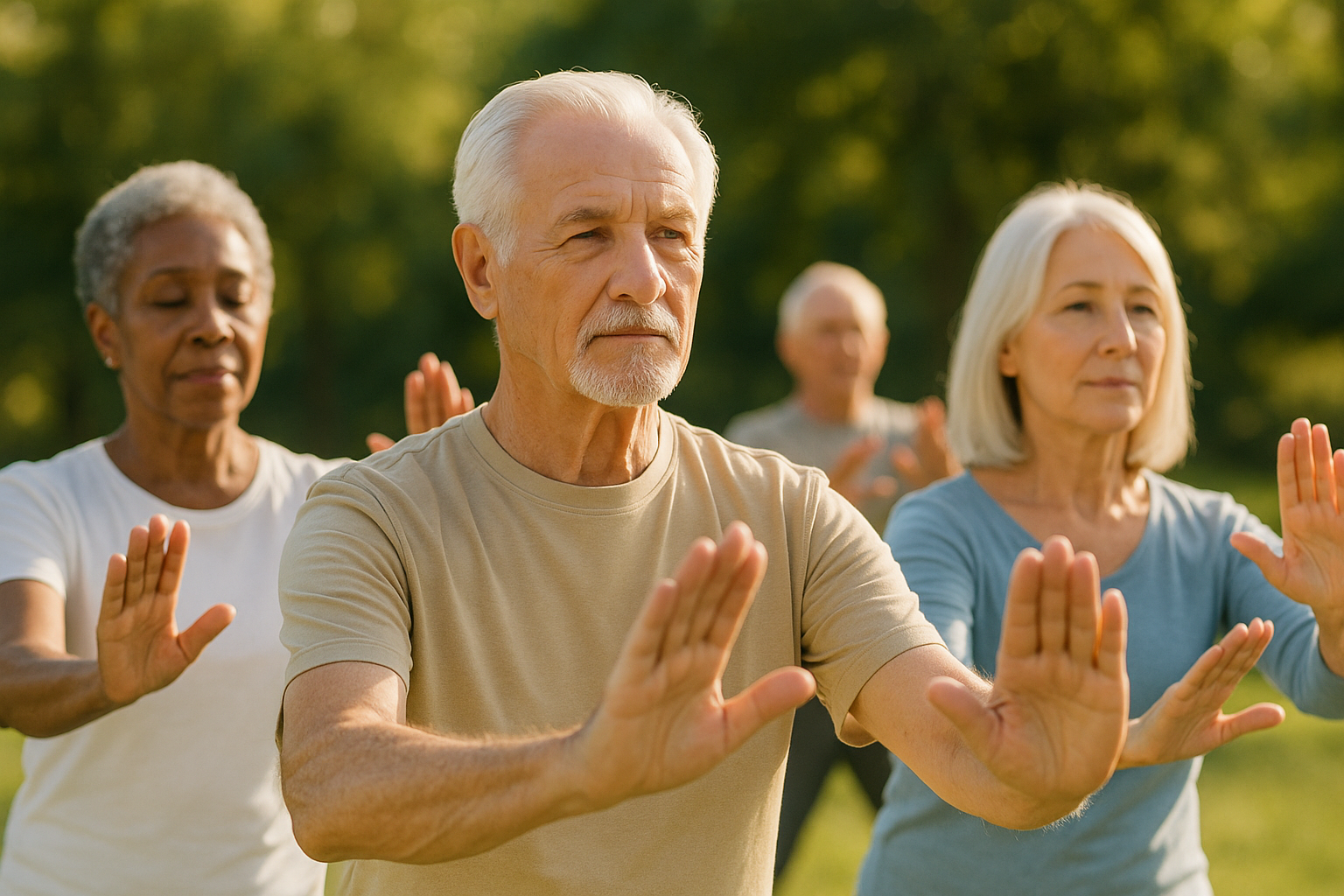
Staying Motivated: Tricks from the Trenches
Here’s where it gets interesting. The #1 reason people quit tai chi isn’t pain, it’s boredom or feeling awkward. My solution? Find a buddy, or at least a friendly instructor who cracks a smile. Join a group with coffee after class. (Yes, bribery works.) Mark your calendar. Set a “movement reminder” on your phone. Progress is subtle at first, then one day you notice: you’re standing a little taller, reaching a little further, worrying a little less about your next step.
Keeping a pain and mobility journal helps, too. When you can see that you’re getting up from a chair easier or walking further without a stumble, you stick with it. That’s the real kicker—sustainable change.
Quick Guide: Tai Chi Safety, Adaptations, and Resources
I’d be irresponsible if I didn’t mention—always clear it with your physician or physical therapist, especially if you’ve had recent surgery, falls, or severe joint instability. Modifications are your friend: seated tai chi is a thing (and no less valid). If getting started at home, Jim Johnson’s Treat Your Own Knees is a favorite—super simple, research-backed exercises that can pair nicely with tai chi for strength and flexibility support.
Where to find classes? Local YMCAs, senior centers, and physical therapy clinics often offer modified tai chi for arthritis. The Arthritis Foundation also lists certified instructors. YouTube works in a pinch—just type “tai chi for arthritis beginners.”
Takeaways: Is Tai Chi Worth Trying for Arthritis and Balance?
If you’ve gotten this far, you already know my answer. Tai chi isn’t a cure or a miracle. But among the dozens (maybe hundreds) of approaches I’ve covered for arthritis and balance, it’s near the top for real-world impact and safety. The science is solid. The buy-in is low. And the risk—frankly—is much smaller than most “easy fixes” floating around the internet.
Start small. Give yourself permission to look silly. Track your progress. If your knees or balance need extra backup, try a comfortable brace or a dab of pain gel on those stubborn joints. Most importantly? Don’t give up after one session. The benefits are cumulative, like interest on a good investment.
Here’s to moving a little easier. If you have a tai chi success (or disaster) story, hit reply—I read every one. And if you spot me at the park, moving in slow-mo among the trees, wave hello.
Karen Whitfield is a veteran health journalist who’s covered arthritis research and joint health for Everyday Health, Prevention, and Arthritis Today. She brings a patient-first perspective to every article.