Tai Chi Benefits for Arthritis and Balance: A Nurse’s Honest Take
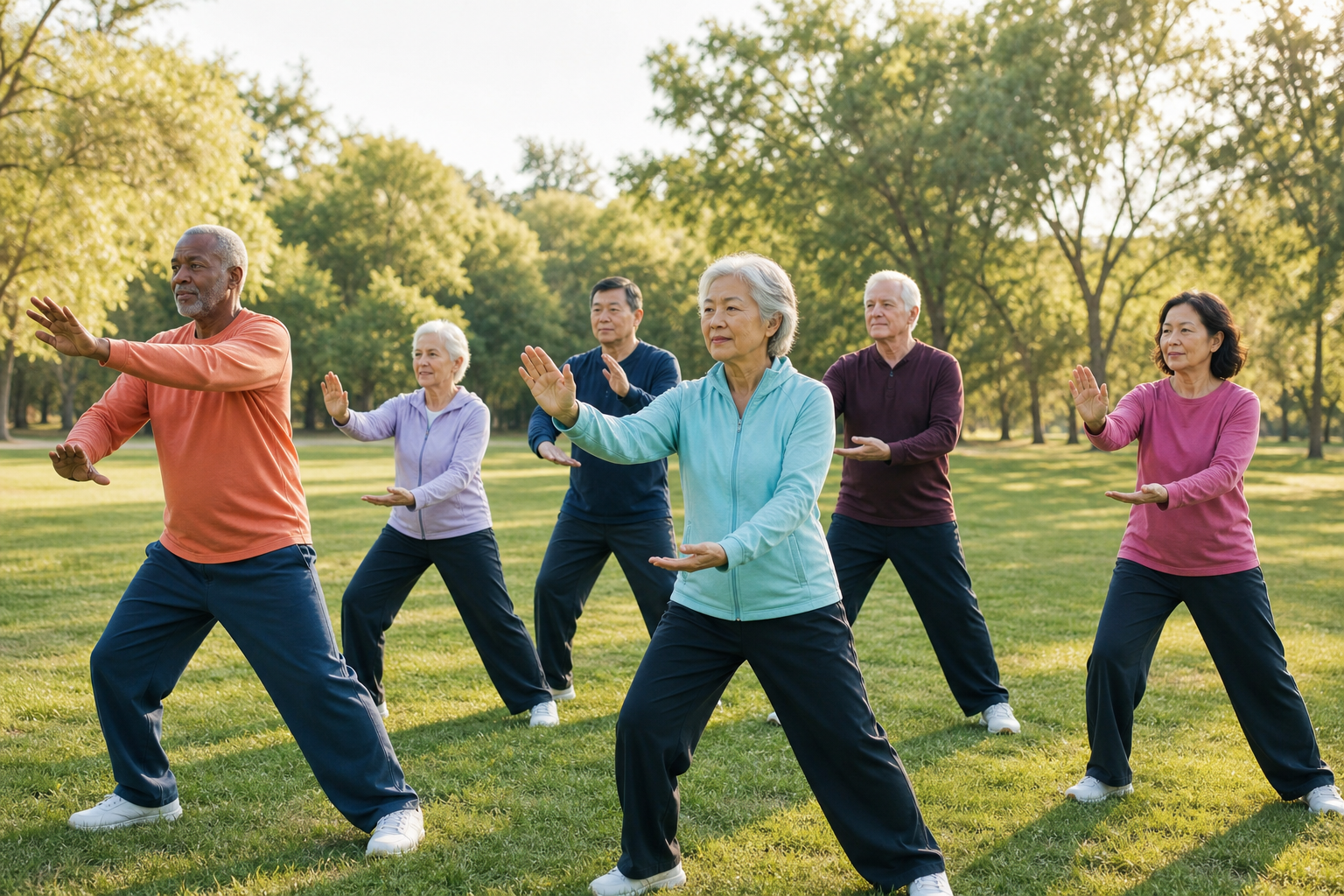
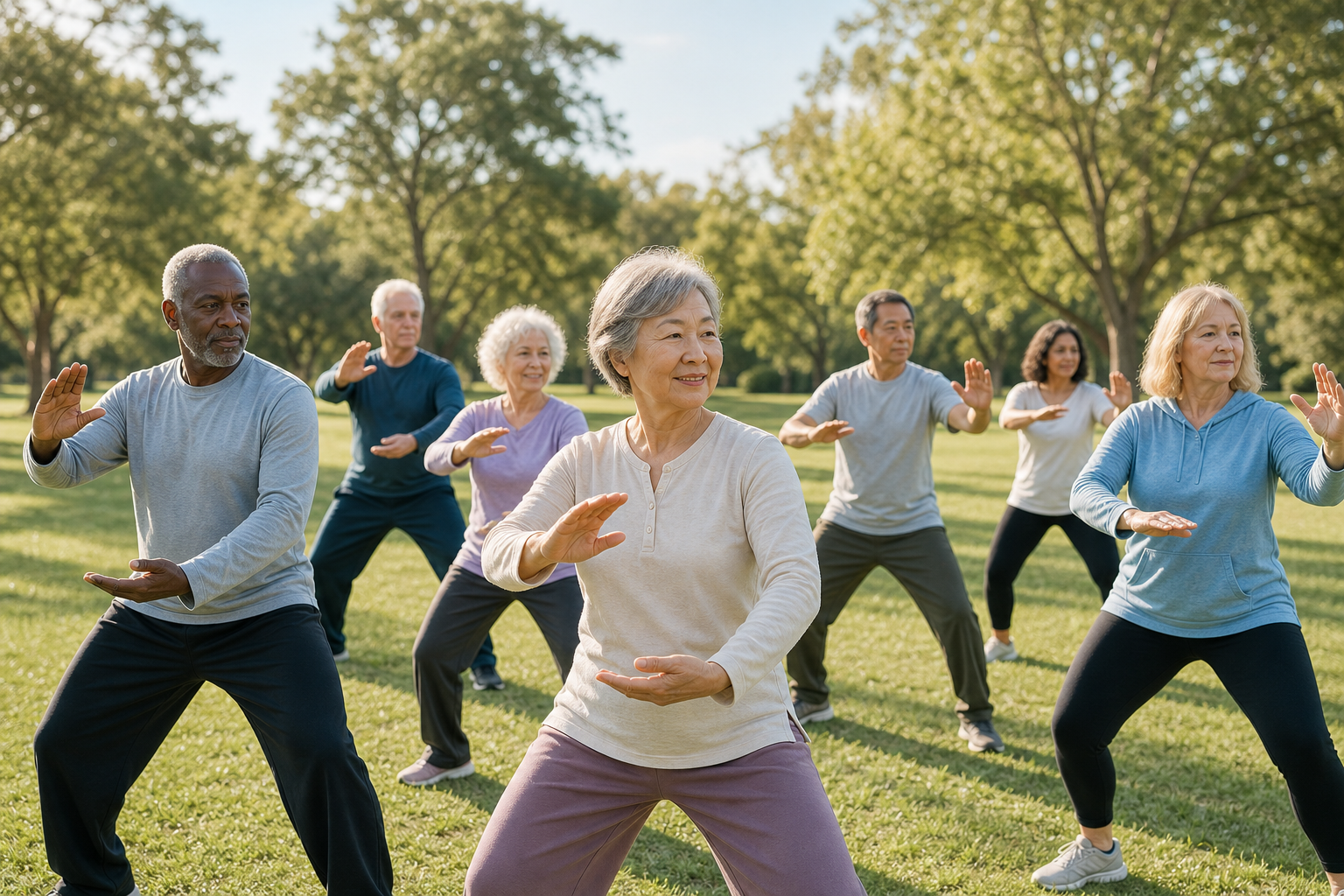
"You’re seriously telling me slow-motion kung fu helps knee pain?" That was my husband’s response the first time he saw my Saturday morning tai chi group in the park. I can’t blame him. A decade ago, I’d have said the same thing. I spent 20 years in orthopedic nursing, and I was a hard sell on anything that looked more like dance class than physical therapy. But then I started seeing the research—and more importantly, the small but mighty changes in real people’s lives.
The Daily Struggle: Pain, Stiffness, and That "Wobbly" Feeling
If you’re reading this, you probably know what I mean. The grind of joint pain—especially in the knees, hips, or hands—can turn a trip to the grocery store into an obstacle course. And then there’s balance. That jittery unease stepping off a curb, or the mini-heart attack you get when you almost trip on the bath mat. For my patients, losing a sense of steady footing was as stressful as the pain itself. (Ask anyone who’s taken a spill. The fear of falling can be worse than the bruise.)
The real kicker? Most folks don’t want to pop more pills or sign up for high-impact aerobics. They want something gentle—but with actual results. This is where tai chi quietly shines.
So, What Is Tai Chi—and Why Do Doctors Recommend It?
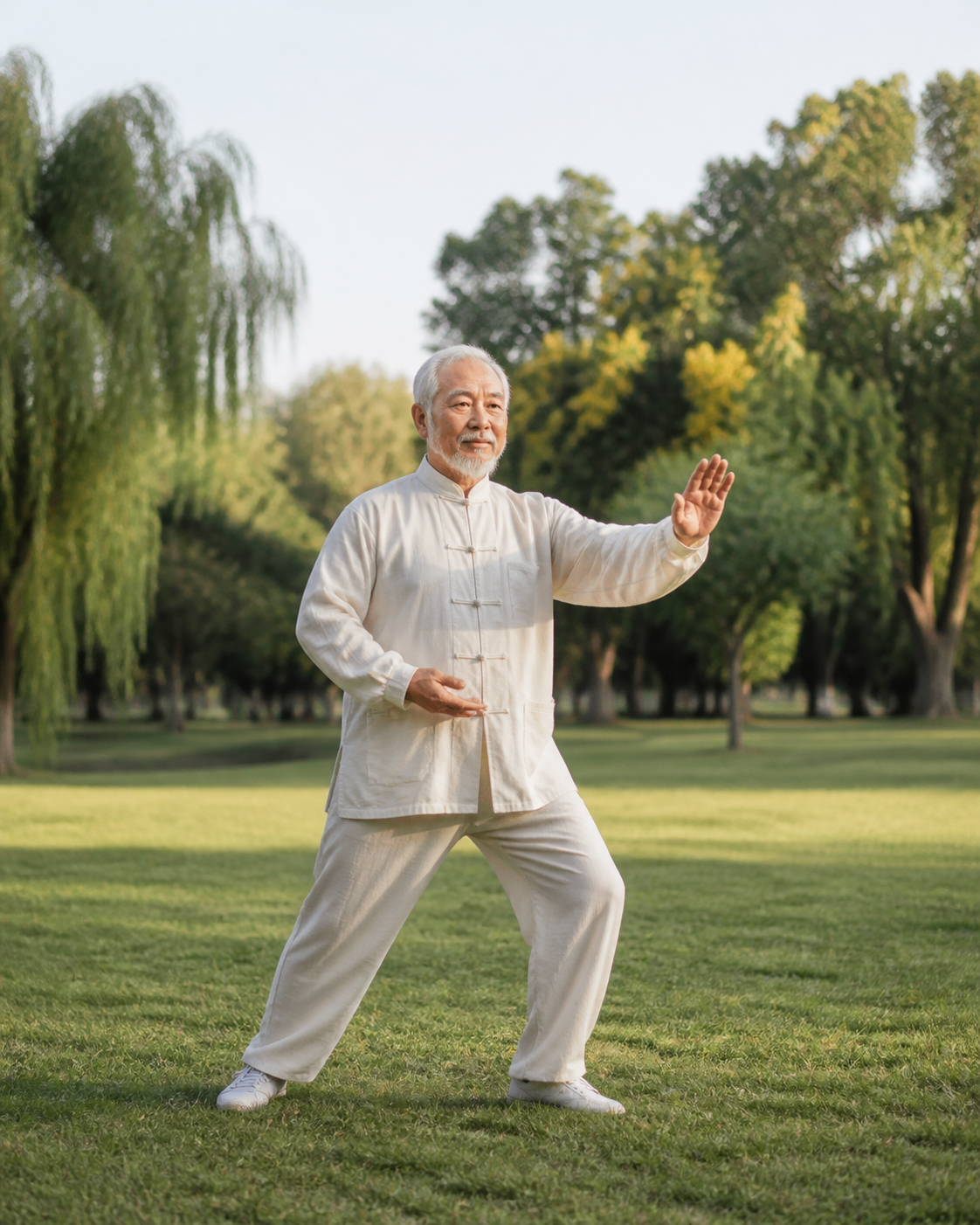
Think of tai chi as a moving meditation. It started as a Chinese martial art, but today it’s mostly practiced for health, not combat. The routines involve slow, flowing movements that shift your weight, stretch your joints, and gently work your muscles—all while focusing on your breath and posture. No jumping, no crunches, no need for fancy gear (though, if you’re like me, you’ll want comfy shoes).
But here’s where it gets interesting: Over the last 20 years, researchers have put tai chi under the microscope. And the Journal of Rheumatology, BMJ, and Arthritis & Rheumatology have published actual randomized controlled trials. Not just “my friend tried it” stories—real data.
What the Science Says (And Doesn’t Say)
Let’s dig into the numbers:
- Arthritis Relief: A 2016 BMJ meta-analysis looked at over 500 people with knee osteoarthritis. The verdict? Tai chi reduced pain and improved physical function—sometimes as much as physical therapy. (No, really. The difference in WOMAC pain scores was statistically significant.)
- Balance: A 2020 study in Arthritis & Rheumatology found tai chi improved balance scores by 22% in older adults after 12 weeks. That wasn’t just "feeling steadier"—it was fewer falls, too.
- Flexibility + Mood: Some bonus benefits: improved joint flexibility and (this surprised me) lower anxiety and depression scores in people with arthritis.
But here’s the truth most headlines skip: Tai chi is not a miracle. If you’re hoping for overnight pain relief, you’ll be disappointed. The gains are real but gradual—think "a little better after a few weeks," not "pain-free in two days." Also, some people need extra support, especially if their knees are really unstable (more on that in a bit).
The Magic Is in the Movement
I remember one patient—a retired firefighter named Ken—who limped into class on a cane, convinced he’d "never get this right." But the group teacher had a saying: "As long as you’re moving, you’re doing it right." That’s the beauty. Tai chi isn’t about perfection. Even if you can’t bend low or balance perfectly, every gentle shift helps retrain your joints, muscles, and (maybe most importantly) your brain.
Here’s why it works:
- Weight Shifting: The slow steps and side-to-side movements help your body practice balancing—without the fear of falling.
- Gentle Range of Motion: Every motion wakes up stiff joints. Unlike standard stretching, you’re moving through your pain-free range—no forcing, no tears.
- Mind-Body Training: Focusing on breath and posture actually quiets pain signals in the brain (Stanford’s 2015 fMRI study showed reduced activation in pain-processing areas during tai chi practice).
How to Get Started—Even If You’re Stiff, Sore, or Nervous
Look, you don’t need to join a fancy studio. Here’s what I tell readers (and my own family):
- Find a true beginner’s class—ideally one focused on joint health or seniors. Local YMCAs, community centers, and even libraries host these. The Arthritis Foundation also lists programs.
- Try an online video—but pick ones led by certified instructors. (I’m partial to Dr. Paul Lam’s “Tai Chi for Arthritis” series. It’s slow, clear, and built specifically for folks with limited mobility.)
- Go at your own pace. Ten to fifteen minutes, two to three times a week, is enough to start. Listen to your body. If your knees or hips need a break, sit for part of the practice.
- Support those joints. Especially if your knees wobble or buckle. That’s where a sturdy knee brace can make a huge difference. The NEENCA Professional Knee Brace is one I’ve seen work well for tai chi newcomers—it’s supportive but flexible enough for gentle movement. (One of my readers called it her “security blanket” for group class.)
Of course, check with your doctor before starting any new exercise routine—especially if you’re recovering from recent surgery or have balance disorders.
Troubleshooting: When Tai Chi Isn’t “Easy”
I won’t sugarcoat it: the first few sessions can feel awkward. You might struggle to shift weight or worry you’ll topple over. My tip? Use a sturdy chair or countertop for support, at least at first. (Ken, my cane-wielding patient, started with both hands on a countertop. Six months later, he was gliding through forms, cane-free.)
And if pain flares up, try alternating tai chi with heat therapy. Products like the PureRelief XL Heating Pad are great for post-practice soreness—especially for the back or larger joints. That moist heat penetrates deeper than old-school rice socks, in my experience.
Is Tai Chi “Enough” for Arthritis and Balance?
Here’s the thing: For mild-to-moderate knee or hip arthritis, tai chi absolutely holds its own against traditional physical therapy. (That BMJ study I mentioned? Tai chi outperformed stretching-only groups for pain reduction at 12 weeks.) But for severe joint damage, you may need to combine it with other treatments—targeted strength exercises, NSAIDs, or even injections.
As for balance, the evidence is robust. A 2018 Journal of Geriatric Physical Therapy paper found tai chi reduced fall risk by nearly 40% over six months for adults over 65. That’s huge. But if you’re already unsteady on your feet, add in safety strategies: declutter walkways, avoid loose rugs, use a brace or cane as needed.
How Tai Chi Compares to Other Arthritis Exercises
Most of my patients want to know: "Should I do tai chi or just stick to walking?" Here’s my medicated, slightly controversial take:
- Tai chi is gentler than yoga or Pilates for folks with bad joints. (No awkward floor transitions. No twisting into pretzel shapes.)
- Walking is great for cardiovascular health, but it won’t improve balance or joint flexibility the way tai chi does. In fact, long walks sometimes aggravate knee pain if you’re already inflamed.
- Strength training is still crucial. Tai chi helps, but it’s not a substitute for targeted leg strengthening. (If you want a research-backed home plan, the book Treat Your Own Knees by Jim Johnson, PT is a gem. Clear, illustrated, and designed for non-athletes.)
Most people—myself included—see the best results by mixing tai chi with low-impact strength work and some daily movement (even just puttering around the house).
Practical Tips for Sticking With It (Even on the Bad Days)
Let’s be honest, motivation comes and goes. Here’s what’s helped my readers (and me):
- Recruit a friend. Accountability matters. Even if you only practice together once a week, it makes a difference.
- Track your progress. It could be as simple as jotting down, “Stood up from chair with less pain today.” Small wins add up.
- Make it a ritual. My neighbor—age 78—does her tai chi every morning after feeding the cat. Rain or shine. It’s as routine as brushing her teeth.
- Forgive the off-days. Miss a class? No big deal. This isn’t a willpower contest. Just start again when you can.
Who Should Be Careful?
Tai chi is wonderfully safe, but if you have severe balance problems, advanced osteoporosis, or recent joint surgery, talk to your doctor first. Ditto if you’ve had recurring falls or are on meds that affect coordination. You may need a personalized plan or a "seated" tai chi version.
The Takeaways: My Honest Nurse’s Checklist
- If your joints are stiff, sore, or unstable, tai chi is a low-risk, evidence-backed way to improve both arthritis pain and balance over time.
- Start slow, use support (physical or emotional), and be patient with yourself. The benefits are cumulative, not instant.
- Mix tai chi with other joint-friendly habits—gentle strength work, supportive gear like the NEENCA Professional Knee Brace, and heat for flare-ups.
- Real progress happens in months, not days. But I’ve seen too many "hopeless" cases turn the corner to doubt this practice. (Even my skeptical husband eventually joined in. He claims it’s just for the "leg stretch," but I’ve caught him working on his balance.)
Final Thoughts
If you’re nodding along, you’re not alone. Tai chi isn’t magic, but it’s as close to a "gentle reset button" as I’ve found for stiff, achy joints and wobbly balance. If you give it a real shot—ten minutes here, fifteen minutes there, week after week—you just might look up one day and realize you feel steadier, lighter, maybe even a bit younger.
And if you stumble a little? That’s not failure. That’s your body learning. I’m cheering you on from my side of the screen.
Linda Hargrove, RN — 20-year orthopedic nurse, joint pain writer, and forever student (and occasional klutz) in tai chi class.