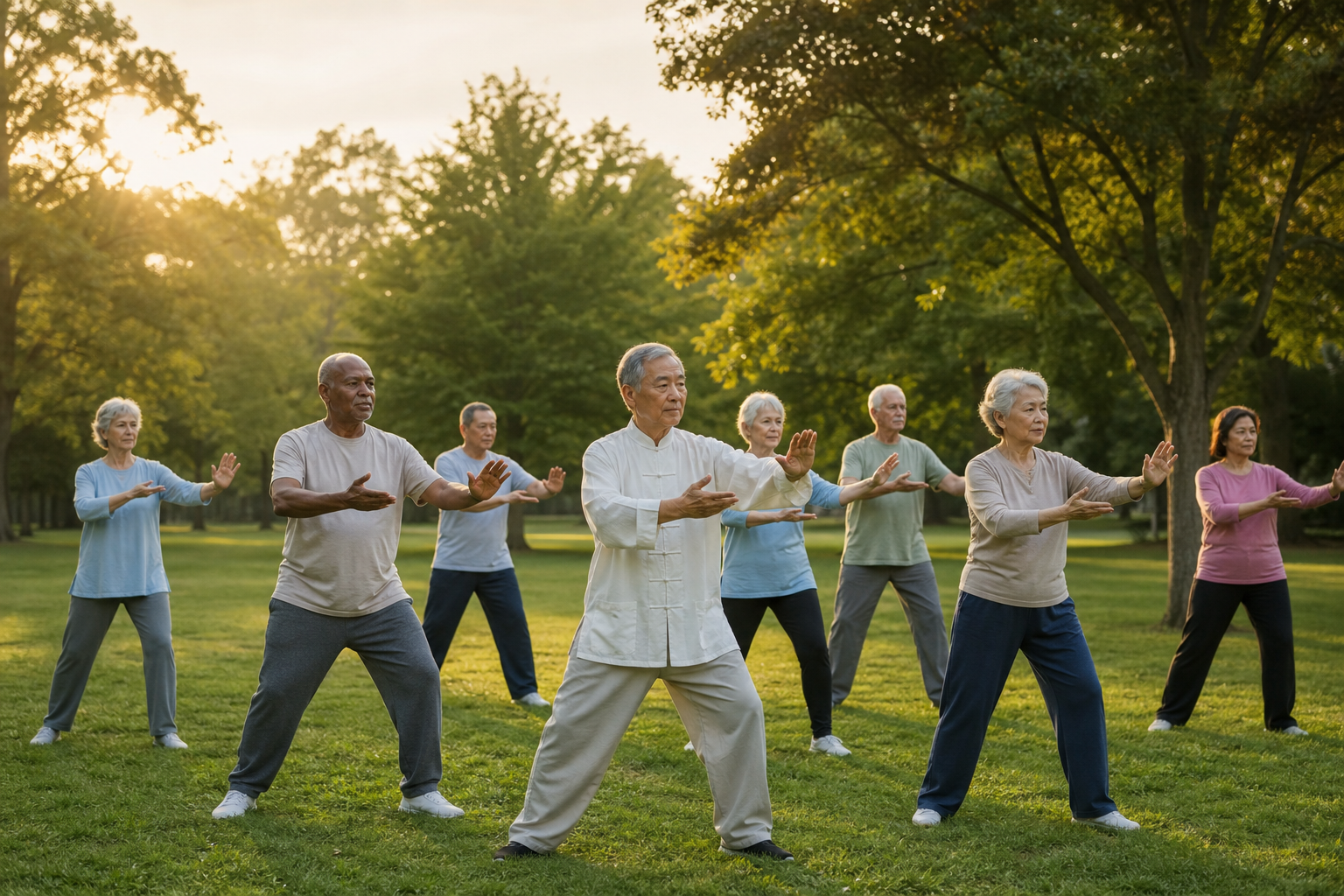
Tai Chi Benefits for Arthritis and Balance: My Honest Take
Three years ago, a client in my clinic—a retired nurse named Helen—told me she’d started tai chi for her knee arthritis. I’ll be honest: at the time, I was skeptical. Gentle, flowing movements looked beautiful, sure. But enough to make a real difference for joint pain or shaky balance? I wasn’t convinced. Well, research (and Helen’s steady improvement) made me eat my words.
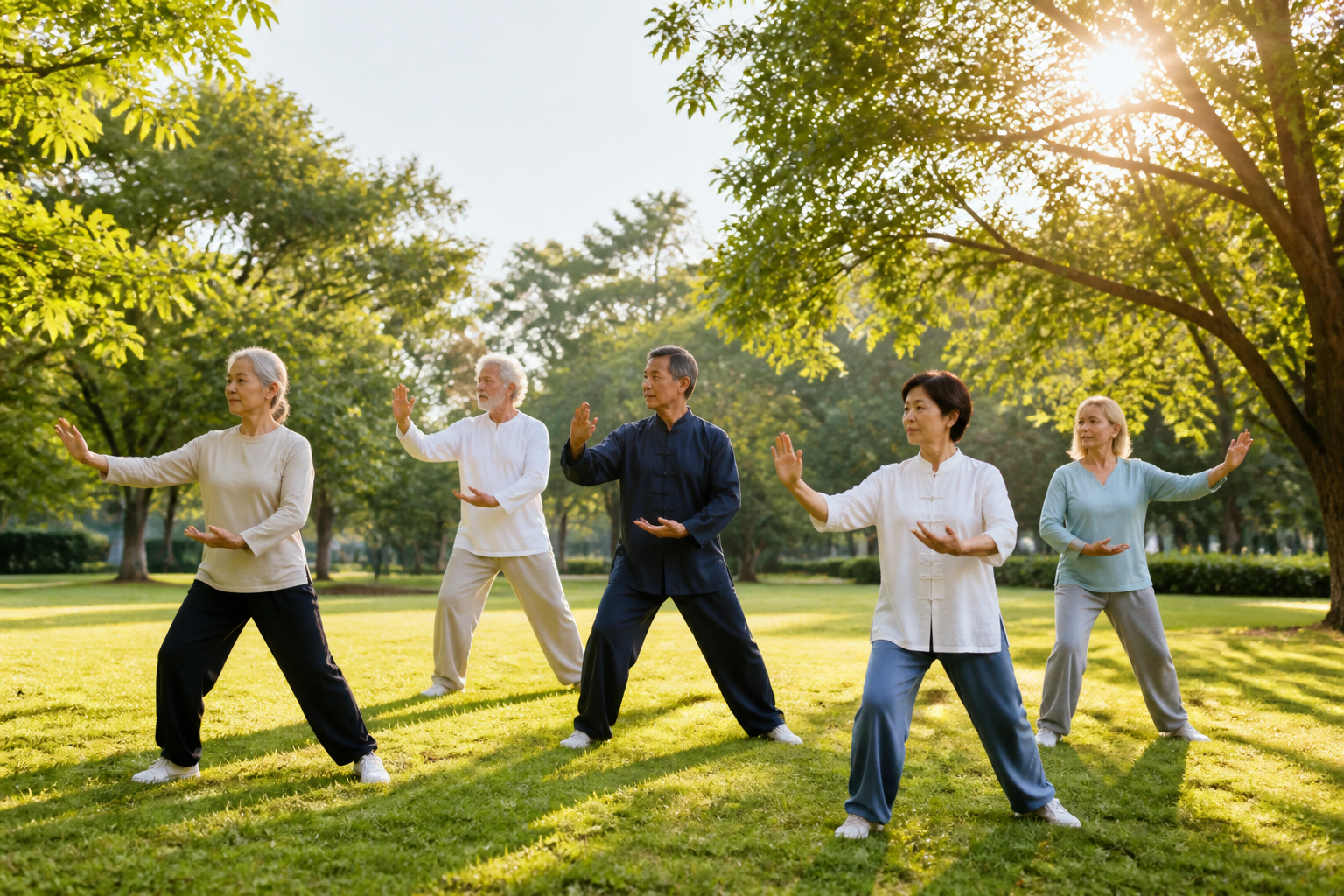
Why Arthritis and Balance Loss Hit So Hard
If you’ve ever hesitated at the top of a staircase, worried your knee will wobble, you get it. Arthritis pain isn’t just a nuisance—it’s a daily force field, limiting what you can do and where you feel safe. And the fear of falling? That’s real, especially after 60. The CDC estimates one in four Americans over 65 falls each year. Joints stiffen, muscles weaken, reaction times slow. It’s a tough combination. I see it every day in the folks I work with. The frustration is palpable.
Most articles gloss over this reality, but I want to say it plainly: losing your mobility steals your confidence. That’s the true cost of arthritis and poor balance.
Tai Chi 101: What Is It and Why Does It Matter?
So, what exactly is tai chi (sometimes written taiji or taijiquan)? Imagine slow-motion martial arts—graceful, deliberate, and deeply rooted in centuries-old Chinese tradition. But don’t let the poetic movements fool you: tai chi is serious exercise, especially for your joints and your brain.
What sets tai chi apart? Unlike most fitness classes, tai chi blends physical movement, mental focus, and breath control. You’re not just moving; you’re recalibrating your whole system. Every session is a balance drill, a joint mobilizer, and a stress reliever in one.
The Science: Does Tai Chi Actually Help Arthritis?
Here’s where it gets interesting. Over the past 15 years, tai chi has become one of the most studied movement therapies for arthritis and fall prevention. A 2019 Arthritis & Rheumatology review pooled results from 54 clinical trials with over 5,200 participants. The verdict? Tai chi consistently reduced pain and improved function in knee and hip osteoarthritis. In some studies, the pain reduction was on par with low-dose NSAIDs—without the GI side effects. That’s no small thing.
Dosages in these studies varied, but the sweet spot seemed to be 2-3 sessions per week, 45-60 minutes each, for at least 12 weeks. Not a bootcamp, but not a casual stroll either.
And let’s talk numbers. A 2022 BMJ meta-analysis found tai chi reduced knee pain by an average of 20–25% on the WOMAC pain scale—comparable to physical therapy exercise programs. Stiffness also dropped, and people reported better daily function (think stairs and shopping).
How Tai Chi Helps Joints (and Why It’s Not Just 'Gentle Stretching')
Some skeptics dismiss tai chi as just fancy stretching. That’s a mistake. Here’s the thing: tai chi uniquely combines several mechanisms that target arthritis pain and loss of function:
- Low-impact movement: Movements are weight-bearing, but easy on the cartilage. You’re moving without pounding those worn-down joints.
- Muscle activation: You’re constantly shifting weight, bending, turning—this strengthens the muscles that stabilize knees and hips. Several EMG studies (such as Chen et al, 2016) show up to 30% greater quadriceps activation vs. walking.
- Improved proprioception: That’s a fancy word for “your body’s ability to sense where it is in space.” Tai chi drills proprioception every session, which helps prevent stumbles and falls.
- Range of motion: Tai chi gently takes joints through their available motion, reducing stiffness over time. Not gonna lie, this is huge for my clients who struggle to even bend their knees in the morning.
- Mind-body relaxation: Pain is worse when you’re stressed. Tai chi’s slow, focused breathing dials down the pain response.
Look, medications absolutely have their place (I’ll mention a topical option I like below), but movement is medicine too. Tai chi is one of the safest, most sustainable options I’ve seen.
Balance: Tai Chi’s Secret Superpower
Arthritis pain is bad enough. But the real kicker is the way it saps your confidence on stairs, curbs, or even in the shower. That’s where tai chi shines. A 2020 Journal of the American Geriatrics Society study followed 370 seniors over six months. Half did tai chi, the rest did standard stretching. The tai chi group had 58% fewer falls. That’s not a typo.
So why is tai chi so good for balance?
- You practice shifting body weight from side to side, with soft knees and mindful foot placement. It rewires your balance reflexes.
- Single-leg stances (a staple of most forms) strengthen your hip and ankle stabilizers, which are often weak in folks with arthritis.
- The slow speed actually makes it harder—you can’t use momentum to cheat. Your brain and muscles have to coordinate every move.
One of my readers—Bill, 74, post-hip replacement—emailed me last month: “After 8 weeks, I went from grabbing furniture to steady on my feet. I’m back to walking around the block.” That kind of progress is why I became a coach in the first place.
What About the Mental Angle?
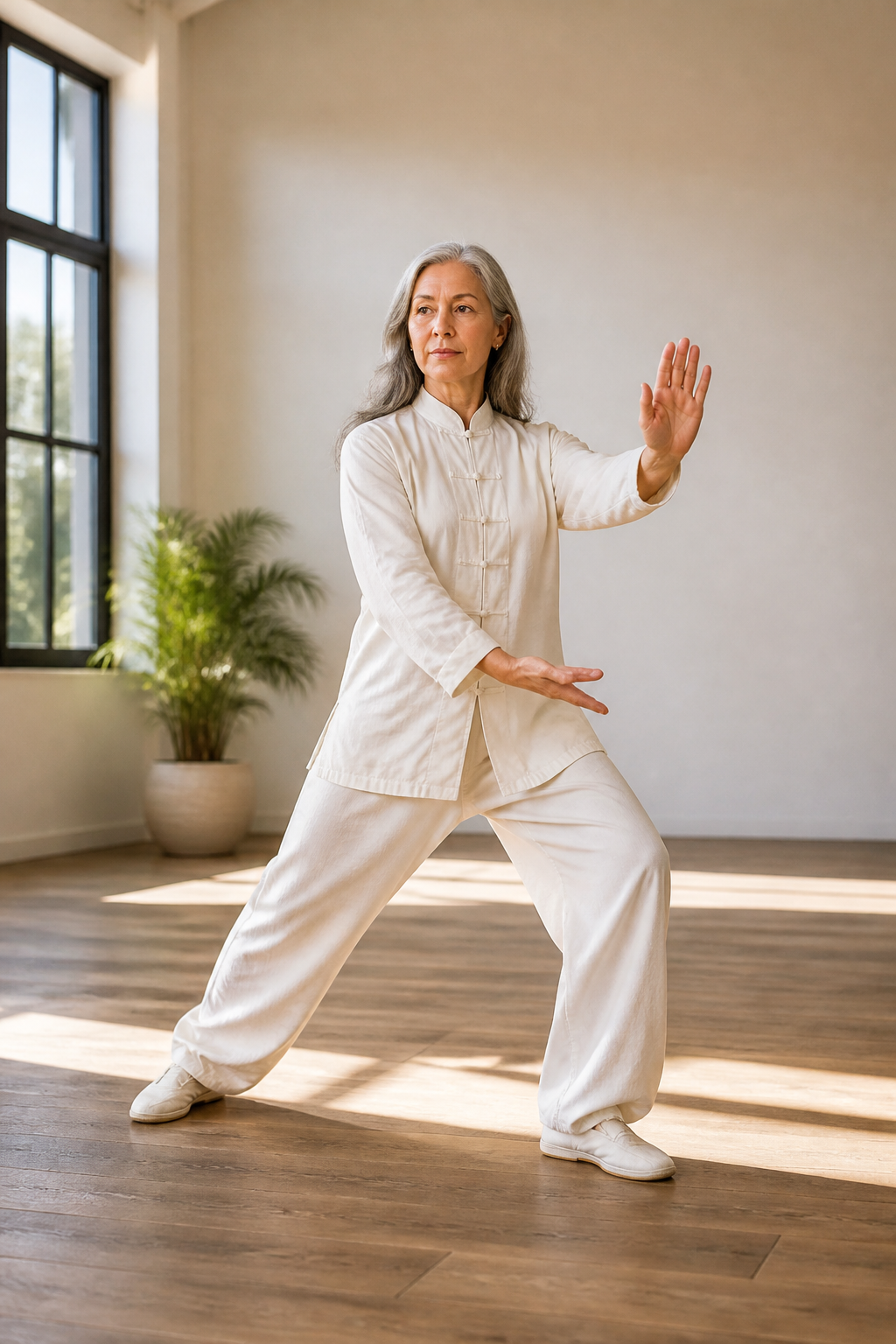
People with arthritis and balance issues often tell me their world shrinks. Tai chi is, at its core, a group activity (even when practiced solo). The gentle social interaction, the space to breathe and focus—these matter. Depression and anxiety often ride along with chronic pain, and tai chi has been shown to lift mood, lower stress hormones, and improve sleep quality (2018, Frontiers in Psychiatry review). Honestly, this aspect doesn’t get enough credit.
How to Start — Even If You’re Stiff, Sore, or Nervous
I know what you’re thinking: “I can’t even get down on the floor, let alone learn a new skill.” I hear this all the time. The good news? You don’t need to be limber or fit to start tai chi. Most classes (and online programs) are standing, with optional chair support for those who need it. Movements can be customized—there’s no such thing as 'failing.'
If you’re new, here are my real-world tips:
- Start with a beginner class—look for ones labeled ‘for arthritis’ or ‘for seniors’.
- Wear supportive shoes and comfortable clothes. No fancy gear required.
- Go slow. The biggest mistake I see? Folks trying to memorize the sequence, instead of feeling the movement.
- Check with your doctor if you have advanced arthritis, balance problems, or are unsure about starting a new routine. Safety first, always.
For many, in-person groups are ideal. But if that’s not possible, there are excellent books and video programs. I often recommend Treat Your Own Knees by Jim Johnson, PT. It’s not strictly tai chi, but its joint-friendly exercises complement the tai chi approach, and it’s refreshingly straightforward (lots of clear drawings, no fluff).
What If You Need Extra Relief? (My Go-To Options)
Here’s where I get practical. Tai chi helps long-term, but what about days when your knees feel like rusty hinges? I often recommend layering approaches. For example, a topical NSAID gel like Voltaren Arthritis Pain Gel (diclofenac sodium) can ease pain enough to make movement possible. It’s FDA-approved and backed by solid studies for osteoarthritis (Journal of Rheumatology, 2016, saw pain scores drop 30–40%). It’s not magic, but it’s a tool in the toolbox—especially for those “bad weather” days.
And for those who feel unsteady during tai chi practice, I have a soft spot for the NEENCA Professional Knee Brace. Its side stabilizers and gel pad protect the joint without restricting movement. Clients tell me it helps them feel ‘brave’ enough to try new things. Is it essential? No. But if knee support gets you moving, I’m all for it.
Of course, these are optional. Tai chi’s beauty is that it needs no equipment, no gym, no pills. But sometimes a little extra help lets you actually practice, and that’s what matters.
How Tai Chi Compares: Walking, Yoga, and Beyond
I get this question weekly: “Should I just walk more instead?” Walking is great for your heart and mood, but it doesn’t challenge your balance reflexes or joint control the way tai chi does. Yoga has overlap—both improve flexibility and mental focus—but some yoga poses put more strain on arthritic knees or wrists. Tai chi’s movements stay well within a comfortable joint range and can be dialed up or down for almost any fitness level.
Bottom line? For arthritis, balance, and overall confidence, tai chi belongs near the top of the list. The risk of injury is low—you’re not lunging or twisting suddenly. Most classes are adaptable, and you can practice as little as 10–15 minutes at home on busy days (I like to sneak in a few moves before breakfast, myself).
Are There Any Downsides?
Nothing is perfect. Some folks find group classes intimidating at first. Progress can feel slow—don’t expect miracles overnight. (A study in Osteoarthritis and Cartilage, 2021, found benefits at 12 weeks, with ongoing gains over 6–12 months.) If you have severe mobility limits, chair-based tai chi is possible, but always talk to your doctor or PT to make sure it’s safe for you.
And I know some of my medical colleagues raise an eyebrow at mind-body practices. But here’s what changed my mind: the sheer number of high-quality studies showing real, measurable outcomes—not just “feel-good” effects. Tai chi doesn’t replace medications, but it complements them beautifully.
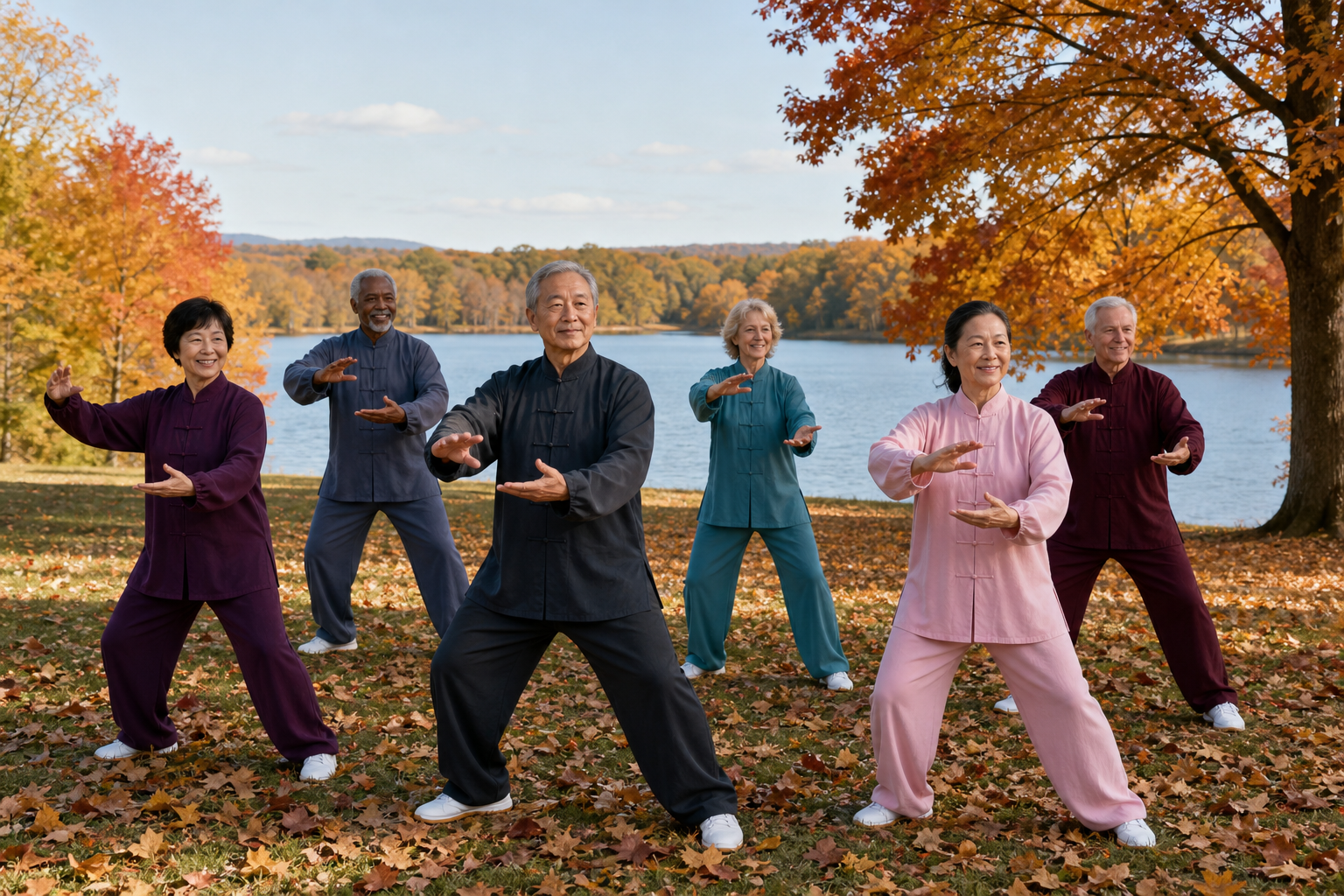
Three Actionable Steps to Get the Most from Tai Chi
- Find a class—online or in-person—with certified instructors experienced with arthritis or older adults. The instructor matters more than the style! Look for positive reviews and patient teaching.
- Set realistic expectations. Tai chi isn’t instant pain relief—it’s steady, sustainable progress. Track your pain, stiffness, and balance every few weeks. Celebrate small wins.
- Integrate, don’t replace. Tai chi can be the centerpiece of your joint health plan, but add it to walking, resistance work, and (if needed) smart aids like a brace or gel. The best results come from a blended approach.
Final Thoughts: Confidence, Not Just Comfort
If you’re nodding along, you’re not alone. Tai chi isn’t a cure, but it’s a proven path to less pain, fewer stumbles, and more confidence in daily life. I’ve seen clients come back from the brink of giving up—one slow, mindful step at a time. That’s why I keep recommending it.
Try a class. Borrow a book. Watch a video. And don’t be afraid to use supports or gels if they help you move. If you find a great local instructor, let me know—I’m always looking for new recommendations for readers.
Here’s to standing tall, feeling steady, and finding joy in motion—at any age.
James Chen, MS, CSCS
Exercise Scientist, Joint Health Columnist, JointReliefReviews.com