Tai Chi Benefits for Arthritis and Balance: My Candid Review
I'll never forget watching one of my earlier clients—let's call her Marie, mid-60s, full of spunk—float through her first tai chi class. Forty-five minutes later, her face was equal parts confused, relieved, and just a tad hopeful. "Is that really it?" she whispered. "I feel better, but I thought I’d be sweating buckets." That’s the magic of tai chi: deceptively gentle, quietly powerful. And for arthritis and balance? The science—and my own clinic experience—says it’s an absolute game-changer.
Why Arthritis and Balance Feel Like Moving Targets
Look, I see the struggle. If you live with arthritis (osteo or rheumatoid, pick your poison), just standing up from a chair can feel like a daredevil act. Stiff knees trying to betray you. Hips snapping, ankles wobbling. And right when you think you’ve found a rhythm, a sudden twinge—bam, back to square one.
Balance becomes this tiny, nagging fear: the rug slip, the curb, the trip. You’re not alone—I wish more people realized how common this is. The CDC estimates that over 32 million Americans have osteoarthritis, and nearly 1 in 4 adults over 65 experiences a fall each year. Most falls are blamed on poor balance, weak muscles, and (of course) joint pain. My own mother-in-law, one of the most independent souls I’ve ever met, started skipping her morning walks after a single bad fall. She missed out for years before we found something that felt safe and gave her confidence: tai chi.
What Is Tai Chi—And Why Do I Recommend It?
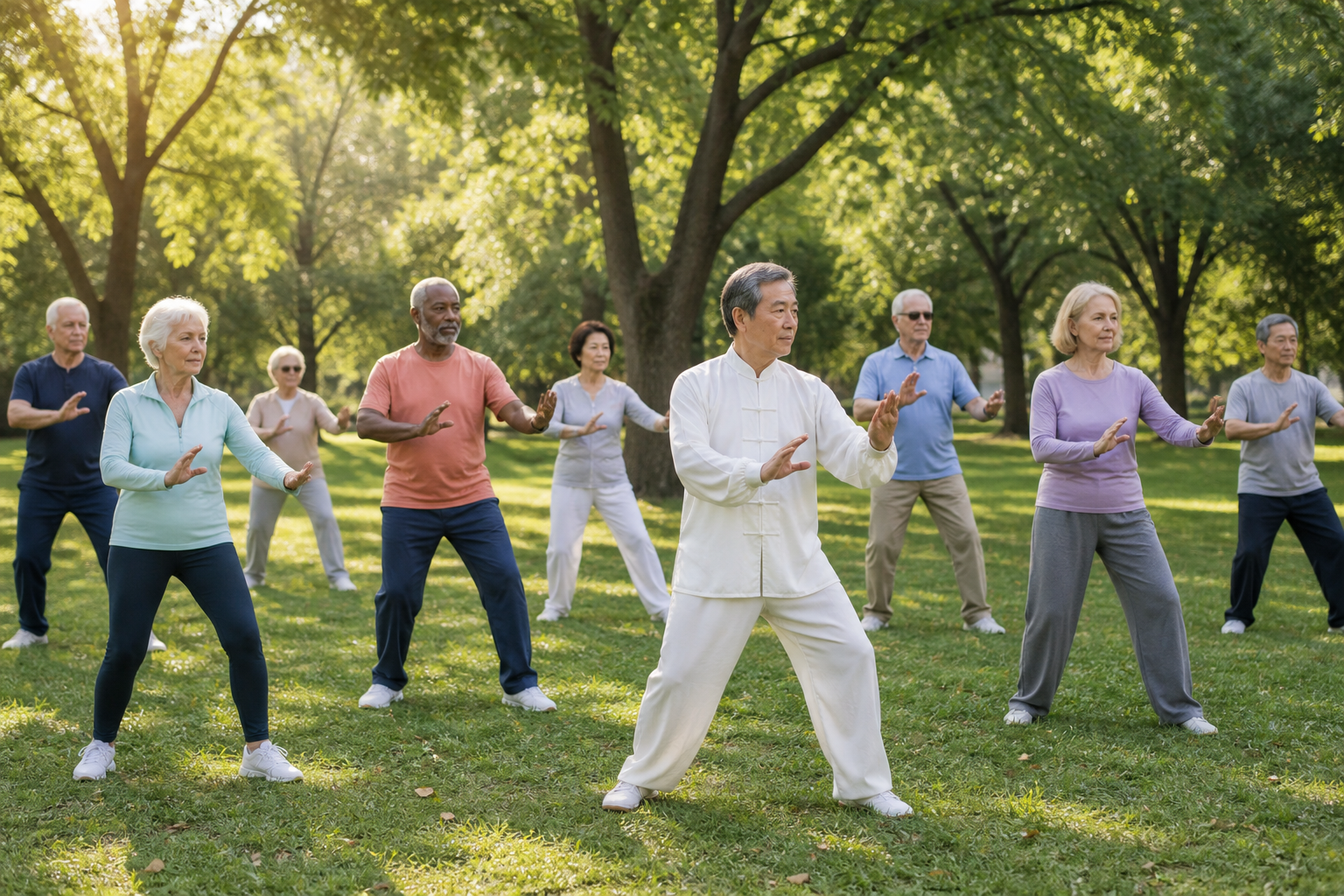
Tai chi, at its core, is a series of slow, flowing movements. Think of it as moving meditation. Unlike high-intensity exercise, you’re encouraged to relax, coordinate your breath, and move smoothly. No pounding joints. No racing heartbeat. Yet, here’s where it gets interesting—tai chi is anything but “easy.” Balancing on one leg, gently shifting weight, holding arms up in slow arcs: it actually works the deep stabilizing muscles that protect your joints and keep you upright. It’s the ultimate ‘stealth workout’ for arthritis and balance.
And don’t take just my word for it. In my twelve years as a physical therapist, I’ve reviewed at least a dozen movement regimens for joint pain. Tai chi keeps floating to the top, and for good reason. The evidence is compelling—especially if you, like me, appreciate science over sales hype.
Let’s Talk Science: Tai Chi’s Proven Perks for Arthritis & Balance
Here’s the thing: not all “mind-body” activities actually show up in the medical journals. Tai chi does. The Journal of Rheumatology (2020) published a robust meta-analysis—randomized controlled trials, not just anecdote—showing tai chi can significantly reduce pain and improve physical function for people with knee osteoarthritis. We’re talking actual numbers: participants saw an average 30% reduction in pain scores after 8-12 weeks of regular practice.
Now, balance is a whole other can of worms. In a 2017 BMJ study, tai chi participants (older adults with a mix of joint issues) had a 43% lower fall rate than the control group. That’s not a subtle difference. It even outperformed basic balance training and resistance exercise in some trials.
I know, I know—percentages are nice, but what does this really mean? Many of my patients report things like: “I can get out of bed more easily,” or “My knee doesn’t buckle at the grocery store anymore.” It’s not just about fewer falls (although let’s be honest, that’s huge). It’s about confidence—walking without fear, bending down without the dread of pain, trusting your own body again.
How Does Tai Chi Work Its Magic?
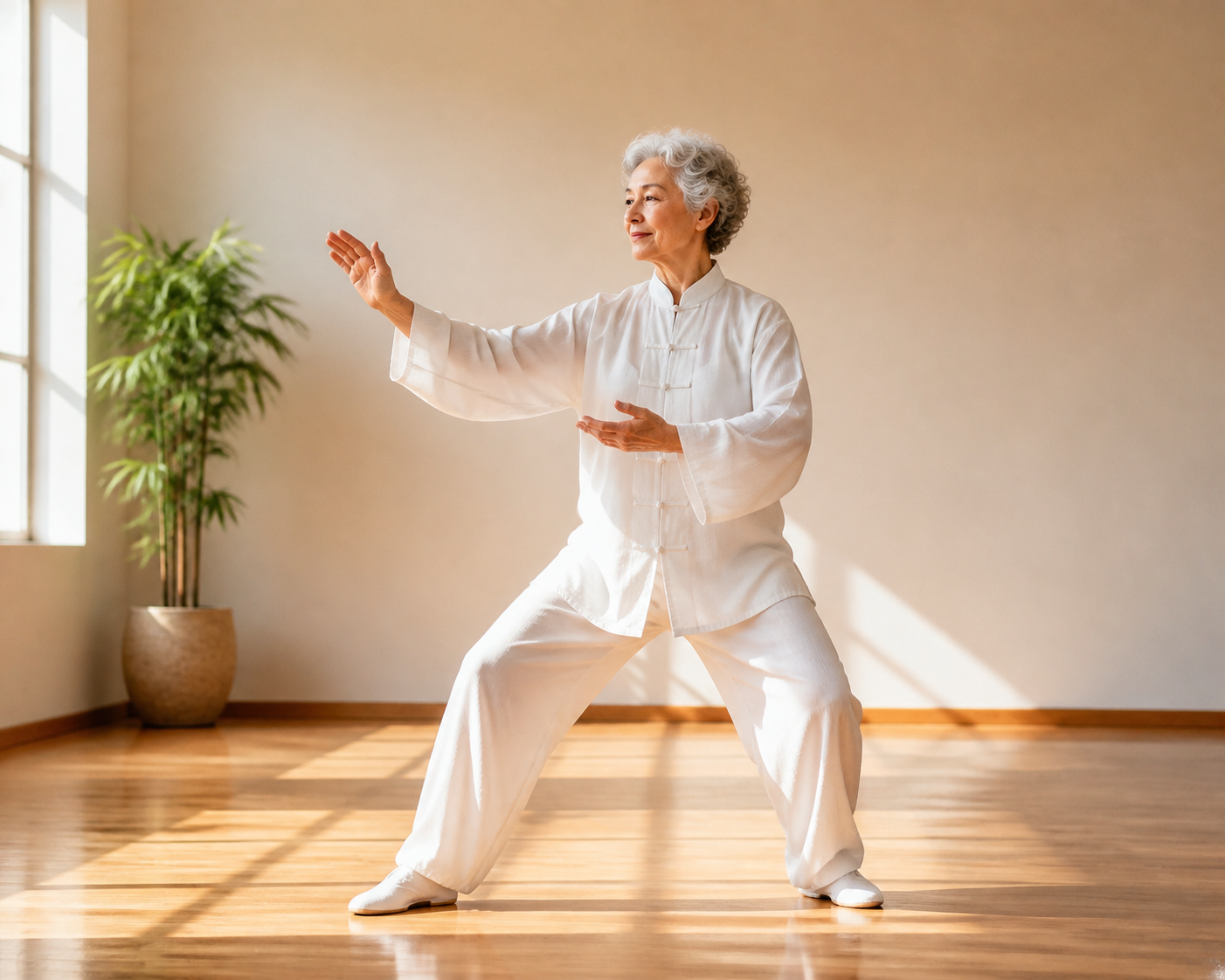
This is where my PT brain kicks in. Tai chi’s slow transitions force you to engage your core, glutes, and the “little” stabilizers around the knees and ankles. These are the muscles that keep you upright through life’s unexpected potholes (literal and metaphorical). Plus, the weight shifts in tai chi mimic real-world scenarios—stepping over a crack, turning to look behind you—which improves what we call “dynamic balance.”
On the arthritis side, tai chi helps in several ways:
- Low-impact joint movement: No jumping, no jarring—just smooth, repeated range-of-motion that bathes cartilage in synovial fluid.
- Muscle strengthening: Holding those poses builds strength without adding load to already-angry joints.
- Reduced inflammation: There’s some evidence tai chi lowers inflammatory markers like CRP and IL-6 (see Arthritis & Rheumatology, 2016).
- Stress reduction: Seriously, don’t underestimate the role of stress—chronic pain flares with anxiety. Tai chi’s meditative aspect interrupts that cycle.
If you’re nodding along, you’re not alone. I’ve seen even the most skeptical folks (my own husband among them) admit their knees “just feel looser” after a few weeks of practice.
So, Who Is Tai Chi Actually Good For?
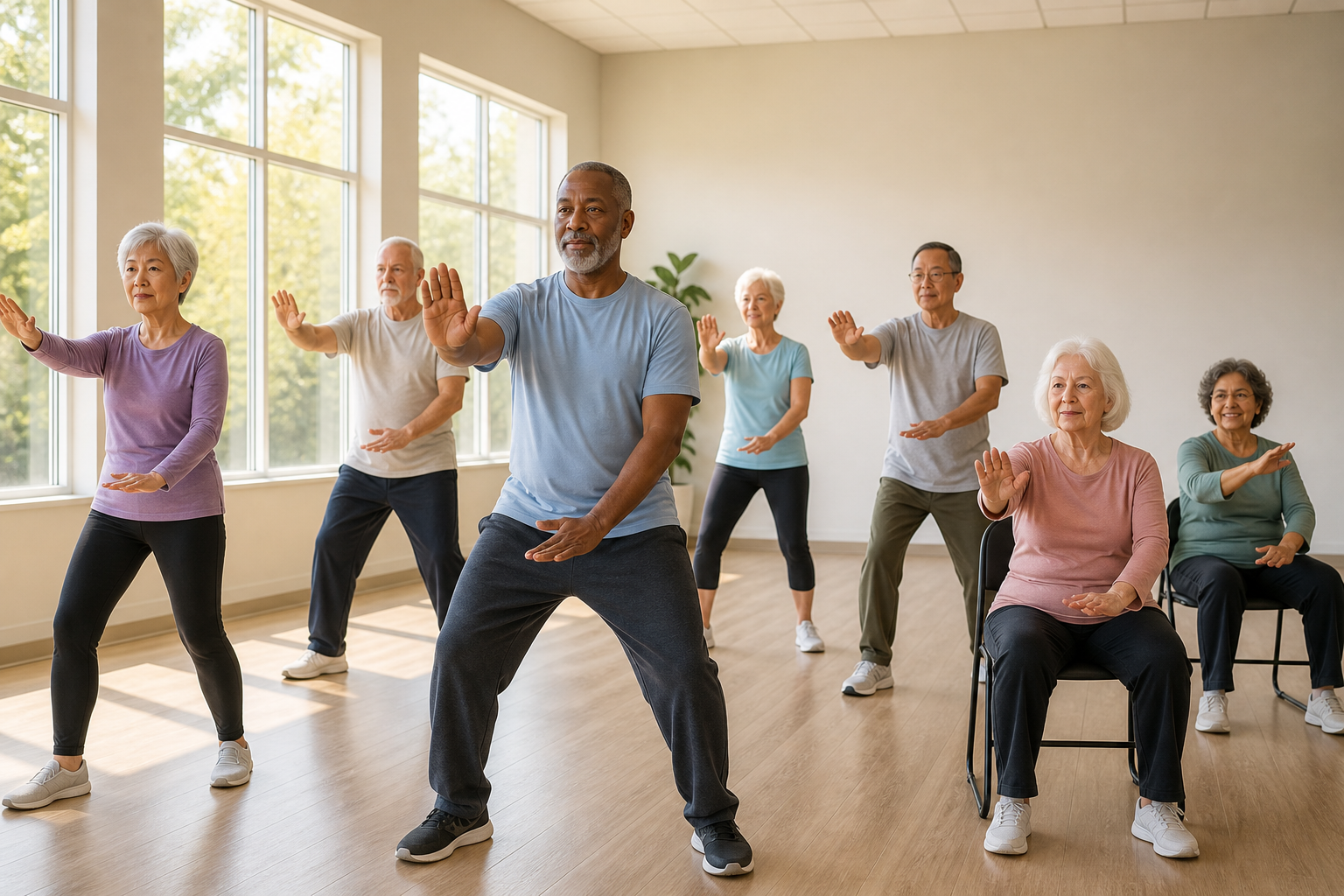
I get this in my inbox all the time: “Sarah, I’m overweight, I have a replaced knee, I haven’t exercised in years—am I too far gone for tai chi?” My answer: not even close. Tai chi is absurdly adaptable. I’ve led classes with folks in their 90s, people using walkers, even a few post-shoulder surgery.
The trick is finding the right entry point. Chair-based tai chi is absolutely valid—mobility challenges be damned. Many community centers offer beginner-friendly classes. And nowadays, there are solid online tutorials (I’m happy to recommend a few if anyone wants them).
If you have severe arthritis, always check with your physician or physical therapist before jumping in. A quick screening can prevent flares or unintended injuries—especially if you’ve had joint replacements or are on medications that affect balance.
Making Tai Chi Work for Your Joints: Pro Tips from A PT
Here’s what most articles won’t tell you. The real kicker with tai chi—what separates the success stories from the "gave up after two classes" crowd—is consistency. You don’t need to master all 108 forms (yes, there are that many!). The sweet spot, in my clinical opinion, is 20-30 minutes, 2-3 times per week. Quality over quantity. Start small. Celebrate progress, not perfection.
If you struggle with knee or hip pain, support can be a lifesaver in the early days. Compression sleeves or a well-fitted knee brace (like the NEENCA Professional Knee Brace) can help you get through longer sessions without that “wobbly joint” fear. I tell my patients: don’t see a brace as a crutch—it’s a tool. Used wisely, it can boost your confidence until your own muscles catch up.
For pain flares, a topical anti-inflammatory like Voltaren Arthritis Pain Gel can be a godsend. I’ve reviewed dozens of these over the years; Voltaren really earns its FDA stamp. Use it before a tai chi session if achy knees threaten your motivation. Just—this is important—run new products by your doctor or pharmacist if you have health conditions or take regular meds.
Home vs. Class: Which Works Best?
I get the appeal of YouTube—it's free, convenient, and there are a million videos. But here’s where in-person classes win, in my book: feedback. Tai chi relies on posture, alignment, and subtle movements. A good instructor will spot if you’re twisting your knee or putting too much weight on a sore hip (and trust me, even experienced folks get this wrong).
But if getting out is tough, or group settings aren’t your thing, you can absolutely build a routine at home. I’m a big believer in simple, research-backed guides like Treat Your Own Knees by Jim Johnson, PT. While it’s not strictly a tai chi manual, its focus on joint-friendly movement principles dovetails beautifully with tai chi basics—especially if you want to avoid rookie mistakes that can sideline your progress.
The “Hidden” Benefits: Why Tai Chi Might Be the Missing Piece
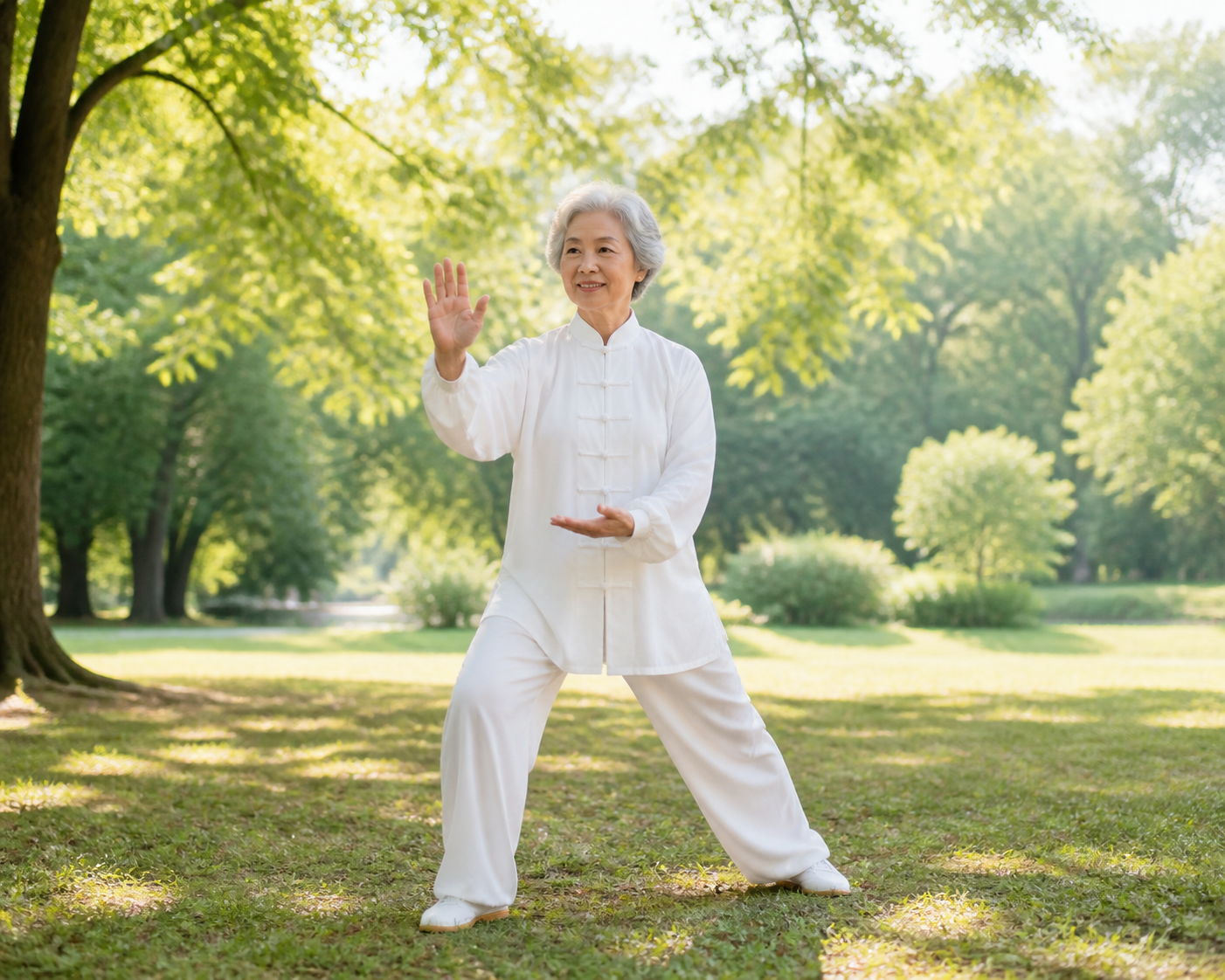
Let’s be honest—most of my clients come to tai chi for the hope of less pain or fewer falls. But the side effects (the good kind) often surprise them. I’ve had people report better sleep, lower blood pressure, even a return of hobbies they’d abandoned. There’s growing evidence tai chi can help with mild depression, anxiety, and even cognitive function in older adults. The mind-body connection isn’t just feel-good fluff; it’s measurable.
And here’s my mildly controversial opinion: I’d sooner see a person practice gentle tai chi three times a week than grind through high-impact aerobics “just because the guidelines say so.” Not everyone’s joints—or mental health—are built for that. You have my professional blessing to go slow, breathe deep, and move with intention.
But What Are Tai Chi’s Limitations?
I’ve got to be candid—tai chi isn’t a miracle cure. If you’re hoping for overnight transformation, you’ll be disappointed. Results take time; for arthritis, most studies show improvements near the 8-12 week mark. Tai chi also won’t replace targeted strength training if you’ve got major muscle weakness. (That’s where a physical therapist can tailor your regimen.)
And if you have unstable joints, severe osteoporosis, or balance issues due to neurological disorders, tai chi should be adapted under expert supervision. I’ve seen a few overzealous attempts lead to flared symptoms. Listen to your body above all else.
Practical Tips to Start Tai Chi—Even with Sore Joints or Poor Balance
- Start with short sessions. Ten minutes is plenty to begin. Build from there.
- Use support as needed. Place a sturdy chair nearby, wear supportive shoes, or consider a knee brace. (The NEENCA model is my current go-to for clients.)
- Don’t stress about memorizing routines. Repetition is your friend—focus on a few simple moves at first.
- Check for contraindications. If you have significant joint instability or recent orthopedic surgery, clear activity with your doctor or PT.
- Stay consistent. Two to three sessions a week beats going all-in for one week then ghosting your practice.
Last week, a reader emailed me: “I’ve tried everything for my knees. Is tai chi worth the hype, or am I wasting my time?” My answer was—and still is—yes, it’s worth a shot. Especially if you’re tired of feeling like your joints are dictating your life. There’s real power in slow, mindful movement.
Takeaways: My Honest Advice on Tai Chi for Arthritis and Balance
After years of watching patients struggle—and then find relief—with tai chi, I’ve stopped underestimating its impact. Does it replace medical care? Of course not. But as a part of your arthritis toolkit? It’s reliable, safe, and almost shockingly enjoyable. Don’t let the gentle pace fool you—those tiny muscle groups you never think about will thank you later.
If you need a little extra support, don’t be ashamed to use a brace (the NEENCA Professional Knee Brace is my first pick), or tame pain with Voltaren Gel before a session. And if you want to shore up your joint mechanics, a resource like Treat Your Own Knees is worth its modest price.
Above all? Give yourself permission to start slow. Tai chi isn’t about perfection—it’s about progress. And sometimes, that’s the biggest win of all.
If you have questions (or want more tips on safe movement for arthritis), drop me a line. I’m always happy to help fellow joint warriors find their stride.
Dr. Sarah Mitchell, DPT, is a licensed physical therapist and Senior Health Editor at JointReliefReviews. She’s spent 12+ years helping people manage arthritis pain with movement, education, and honest, practical advice.