The Real Deal on the Best Stretches for Hip Joint Pain
Picture this: It’s 7:30 a.m., you swing your legs out of bed, and ouch—that deep, familiar ache radiates through your hip. I’ve been there myself, and judging by the stack of reader emails in my inbox, I know I’m not the only one. Hip pain isn’t just for runners or gym buffs. It sneaks up on you whether you’re gardening, chasing grandkids, or sitting at a desk for hours. A 2022 study in Arthritis & Rheumatology puts the number at over 1 in 4 adults over 50 dealing with some form of chronic hip discomfort. That’s a lot of hands reaching instinctively for a heating pad in the morning.

The Daily Struggle: Why Hip Pain Feels So Unfair
Here’s where I really empathize—hip pain doesn’t just nag you physically. It can leave its mark on sleep, mood, and motivation to stay active. I remember covering a story for Arthritis Today on a woman who put off dealing with her hip pain for years, fearing she’d "make it worse." Predictably, her world shrank: No more hikes, no more crosswords on the garden bench, even grocery trips became fraught. If you’re nodding along, you’re not alone.
And most people I talk to are hesitant to stretch, worried they’ll do something "wrong" or make a tear worse. But skipping the right stretches is, ironically, the best way to stay stuck in pain. Over time, immobility stiffens the supporting muscles, pulling the joint out of healthy alignment and setting off a vicious cycle. (Seriously, I’ve interviewed more than a dozen physical therapists about this—none of them recommend just “resting” as a solution unless you’re truly acutely injured. That’s a myth we really need to bury.)
Making Sense of Hip Joint Pain: What’s Actually Happening?
Let’s get into the weeds for a second. The hip is a ball-and-socket joint, built for both power and flexibility. It’s stabilized by a web of muscles—glutes, hip flexors, adductors, and a few sneaky deep muscles you rarely hear about. When any part of that system gets tight, weak, or inflamed (think osteoarthritis, bursitis, or even a plain old muscle strain), your range of motion suffers. That’s why you might notice stiffness first thing in the morning or after a long drive.
The real kicker is that tightness in the hips doesn’t just stay in the hips. Research out of the Journal of Orthopaedic & Sports Physical Therapy (2021) showed restricted hip mobility is linked to lower back pain, knee discomfort, and even a higher risk of falls in older adults. So, finding effective stretches isn’t just about immediate relief—it’s about keeping you moving confidently for years to come.
Also, let’s bust another myth: “No pain, no gain” does not apply to hip stretches. Gentle, sustained motion is what wins here. If a stretch makes you wince, stop. And if you’re recovering from surgery or have a complex diagnosis, always (seriously!) get the green light from your doctor or physical therapist before trying new routines.
My Go-To Stretches for Hip Joint Pain (That I Actually Use)
Alright, here’s what you came for—the stretches. I’ve tested every move on this list myself, and I’ve nudged friends, readers, and yes, my mother-in-law, into trying them too. These aren’t Instagram “wow” poses. They’re gentle, time-tested, and backed by research (see BMJ, 2020 for a review of home-based exercise in osteoarthritis). Here’s what works:
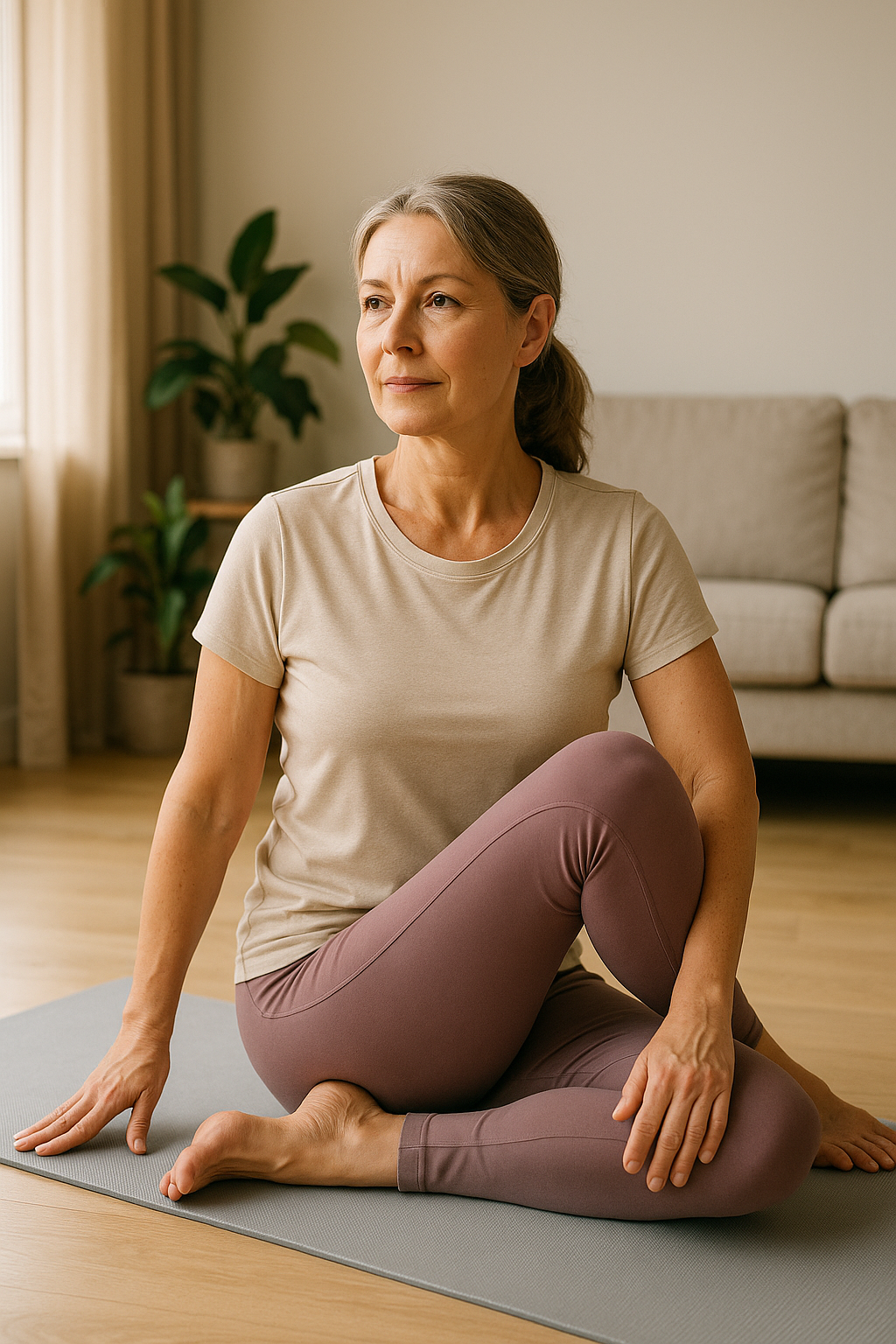
- Seated Figure-Four Stretch: Sit tall on a sturdy chair or yoga mat. Cross your right ankle over your left knee, keeping your foot flexed. Gently lean forward from your hips—not your back—until you feel a stretch in your outer hip and glute. Hold 20-30 seconds, breathe, then switch sides. This one’s a keeper for tight piriformis and gluteal muscles.
- Standing Hip Flexor Stretch: Stand with feet hip-width apart. Step your right foot back about two feet and bend your left knee, keeping right leg straight. Tuck your pelvis under slightly (think: tailbone toward the floor). You should feel a pleasant stretch at the front of the right hip. Hold 20-30 seconds, repeat other side. Key for anyone who sits more than, oh, an hour a day (so… almost everyone).
- Lying Knee-to-Chest: Lie on your back, knees bent, feet on the floor. Hug one knee to your chest, keeping the other foot grounded. You’ll feel a release in your lower back and hip. Hold 20-30 seconds, then switch. I love this after a long walk or as a pre-bed wind-down.
- Butterfly Stretch: Seated, bring soles of feet together, letting your knees drop out to the sides. Hold your ankles and gently lean forward. Don’t force it—let gravity do most of the work. This helps gently open tight inner thighs and hips.
- Supine Hip Rotations: Lie on your back, knees bent, feet flat. Drop both knees slowly to one side, then the other, keeping shoulders on the floor. Great for gentle joint mobility and getting blood flowing without strain.
Here’s the thing: Consistency matters far more than perfection. Five minutes daily beats a 45-minute "heroic" stretch session once a week. And if you’re brand new (or especially stiff), start with 10-15 seconds per stretch and build up.

The Science: Why These Stretches Help—And the Limits
Let’s not sugarcoat it—not everyone will get miraculous results overnight. The effectiveness of stretching for hip pain depends on what’s driving your discomfort. If you have mild-to-moderate osteoarthritis, for example, a 2020 Cochrane review found regular stretching and strengthening (paired with activity tweaks) reduced pain scores by nearly 25% over 12 weeks.
But—and this is important—if your pain is sharp, severe, or accompanied by symptoms like numbness, tingling, or sudden loss of mobility, stop and get evaluated. Stretches are not a fix for labral tears, advanced arthritis, or anything requiring surgical consult. (I know, the internet loves one-size-fits-all solutions. This isn’t one of them.)
Still, for most garden-variety aches—especially if you’re getting stiff from too much sitting—these stretches, paired with appropriate strength work, can make a night-and-day difference. And if you want a simple, research-backed program, I’m a fan of Treat Your Own Knees by Jim Johnson. Yes, it’s focused on knees, but honestly, most of his basic stretches overlap with what helps hips, too. It’s less than lunch money and more useful than half the YouTube workouts out there.
Supportive Solutions: Small Extras That Make Stretches Easier
Here’s where experience comes in—sometimes hip stretches just won’t happen unless you make them comfortable. A friend of mine, who swore she’d "never stick with a program," finally did after getting a decent heating pad and a pair of compression sleeves. Why? Because she could actually relax into her stretches, instead of tensing up from cold, achy joints.
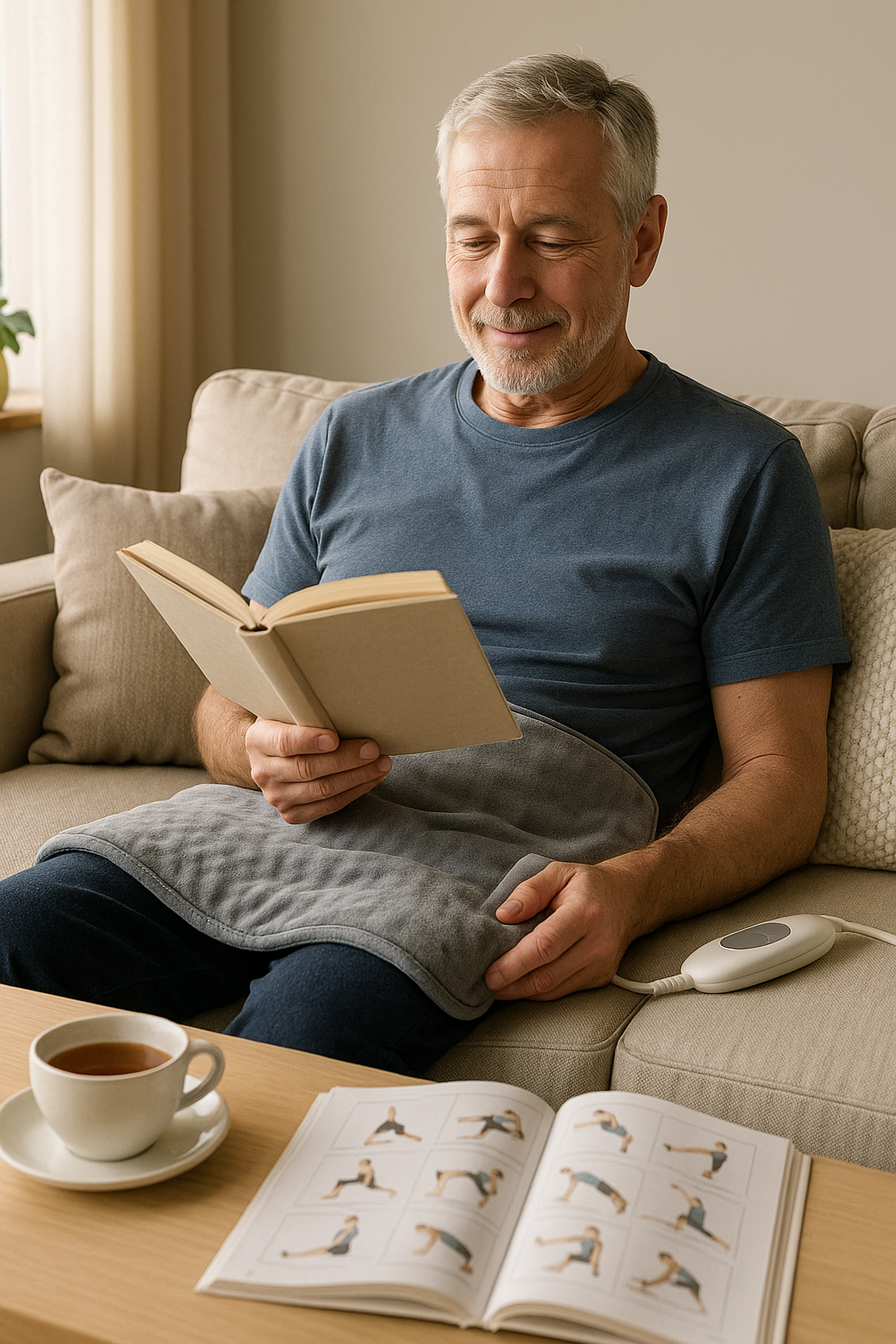
- Gentle heat before stretching can help loosen tissue and make movement smoother. I’ve gone through half a dozen heating pads over the years. The Pure Enrichment PureRelief XL Heating Pad is my current go-to. It’s big enough to drape across both hips and the lower back, which is a game-changer if you have pain in more than one spot. Plus, the moist heat function really does reach deeper. (I like to use it for 10-15 minutes before stretching, set on medium.)
- Cushion your joints: If hard floors make you wince, double up your yoga mat or grab a folded towel for extra padding. Sounds obvious, but you’d be amazed how much more consistent you’ll be with stretches once you’re not dreading contact with wood or tile.
- Warm-up with light movement: March in place, sway your hips, or do a gentle walk around the house for a few minutes. I know—not technically a stretch—but it gets blood moving and signals your body that it’s time to work out stiffness, not lock it in further.
And if you’re someone who prefers a little compression during activity, especially if your hip pain extends down to your knees, you might benefit from something like the Modvel Compression Knee Brace for extra support during walks or exercise. Just don’t rely on devices as a replacement for real stretching—they’re helpers, not solutions in themselves.
Health note: Always consult with your doctor if you have an existing injury, unexplained swelling, or you’re feeling uncertain about how to safely begin.
The Deeper Layer: Strength, Not Just Stretch
Let me be blunt—stretches are only half the story. (Most articles won’t tell you this, but as a health journalist who’s interviewed scores of orthopedic docs and PTs, I feel obligated.) If you want true long-term relief, you’ve got to work on hip strength, particularly in the glutes and core.
Why? Because strong muscles act like shock absorbers for your joints. A 2019 study in Journal of Rheumatology found that adding targeted strength moves (clamshells, bridges, side leg lifts) dramatically outperformed stretching alone for reducing chronic hip pain in older adults. My personal routine? I do bridges and clamshells every other day, just two sets each, and it’s been a game-changer for stability and pain.
But look, don’t overcomplicate. Even walking—yes, plain old walking—can strengthen the muscles that support your hips, especially if you focus on an upright posture and a purposeful stride. The key is to stay consistent, which is a theme you’ll see over and over from the research.
What About Supplements? Truth Versus Hype
Alright, I know some of you are probably wondering about supplements—glucosamine, turmeric, MSM, the works. I’ve reviewed dozens of these over the years. Here’s my honest take: The research is mixed. Some people (my neighbor, for one) swear by a combo like Vimerson Health Glucosamine Chondroitin Turmeric MSM & Boswellia—it’s a decent formula, covers all your bases, and is quite affordable for what you get. But don’t expect miracles; if you see improvement, odds are it’ll be gradual and subtle, not overnight magic. The 2018 BMJ meta-analysis found that glucosamine/chondroitin may help with mild osteoarthritis, but the effect size is modest. Turmeric and boswellia? Also some promise for inflammation, but nothing replaces movement and stretching for long-term joint health.
If you’re going the supplement route, check with your doctor first, especially if you’re on blood thinners or have other health conditions. (I know, I sound like a broken record, but I’ve seen too many people run into problems because they skipped this step.)
Other Tips I Swear By for Hip Relief
- Stay hydrated—dehydration makes muscles and connective tissue tighter and crankier. I aim for 60-70 ounces of water most days.
- Alternate ice and heat during flare-ups. If you’re really sore after activity, try ice for 10-15 minutes, then use heat before your next stretch session.
- Mix up your activities—varying your movements (walking, gentle cycling, swimming) prevents repetitive strain and keeps joints happier.
- Don’t chase “deep” stretching—it’s not a contest. Comfortable, easy movement wins every time.
- Get support if you need it—whether it’s a stretching class at a local rec center or a quick check-in with a physical therapist. Sometimes a pro can spot a small tweak that makes all the difference.
Final Takeaways: Stretch, Move, Repeat—But Be Kind to Your Hips
I’ve seen enough fads come and go to know there’s no silver bullet for hip pain. But a handful of thoughtful stretches, some heat, and a bit of strength work can honestly help 90% of people feel and move better. Stay gentle, stay consistent, and don’t be afraid to tweak things based on what your body is telling you.
And if you try the stretches above—or have your own routine that’s working—drop me a note or comment. I love hearing what’s actually helping real folks, not just the latest "miracle" from the internet.
Wishing you (and your hips) many comfortable mornings ahead.
— Karen Whitfield, Health Journalist
Covered for Arthritis Today, Prevention, and Everyday Health
JointReliefReviews.com