Tai Chi Benefits for Arthritis and Balance: What Actually Works?
It was three years ago, in our clinic’s airy group room, where I first watched a woman in her 70s—let’s call her Ruth—move with something I'd only describe as quiet confidence. She’d come to me limping, relying on her cane, and wary of taking more pain pills for her knee osteoarthritis. But after eight weeks of tai chi classes (and a heavy dose of skepticism), Ruth didn’t just ditch the cane. She started walking her dog again, and, to my surprise, said her balance felt “better than it had in decades.”
If you’re reading this, I’m guessing you’ve heard the buzz about tai chi for joint pain and stability. Maybe you’ve watched a class at the YMCA or caught a friend raving about how “it’s like meditation for your joints.” But does it really work for arthritis? And can slow, flowing movements really help keep you steady on your feet? I’ve spent 12+ years treating joint pain, and, frankly, I was a tai chi skeptic myself—until the research (and my own patients) convinced me otherwise.
Why Arthritis and Balance Go Hand-in-Hand (and Why They Both Matter)
Let’s talk about the daily grind of arthritis pain, especially in the knees and hips. Getting out of a chair can feel like a full-body negotiation. Stairs? They might as well be Mount Everest. And here’s the kicker: the worse your pain and stiffness, the less you want to move. But the less you move, the more your muscles weaken and your balance tanks. It’s an ugly cycle, and it sets people up for falls.
This is more common than you might think. According to the CDC, about one in four adults over 65 falls each year, and joint pain is a major contributor. Even mild arthritis can make you second-guess every step, especially if you’ve already had a close call in the bathroom or on the sidewalk. I’ve seen patients who “just want to avoid falling again” as their number-one goal—honestly, pain relief comes second for many.
That’s where tai chi gets interesting. Unlike most traditional exercises, it doesn’t just build muscle or burn calories. It actually retrains your body’s sense of position, improves core stability, and—this is big—restores your confidence in movement.
What Exactly Is Tai Chi (And Why Is Everyone Talking About It?)
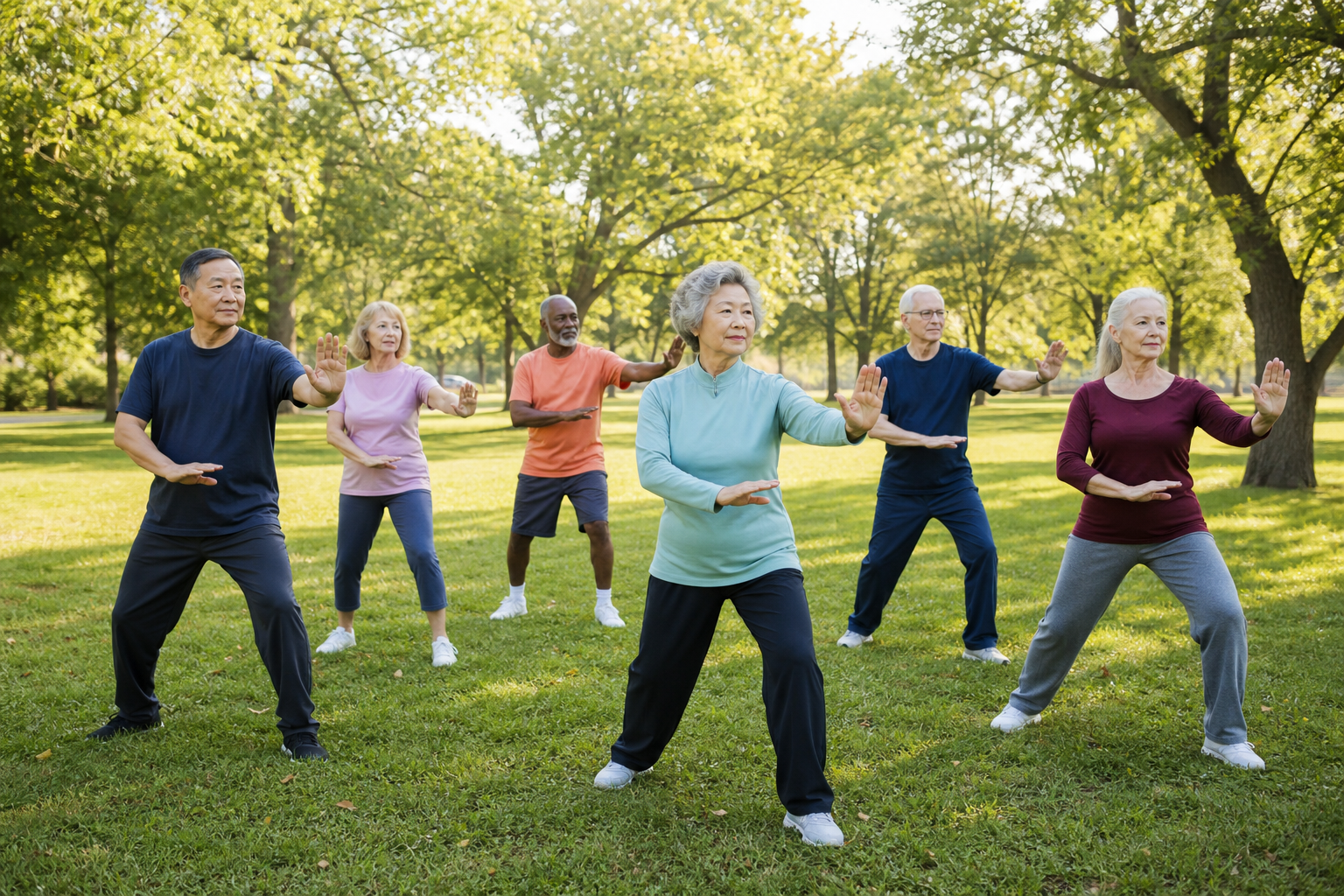
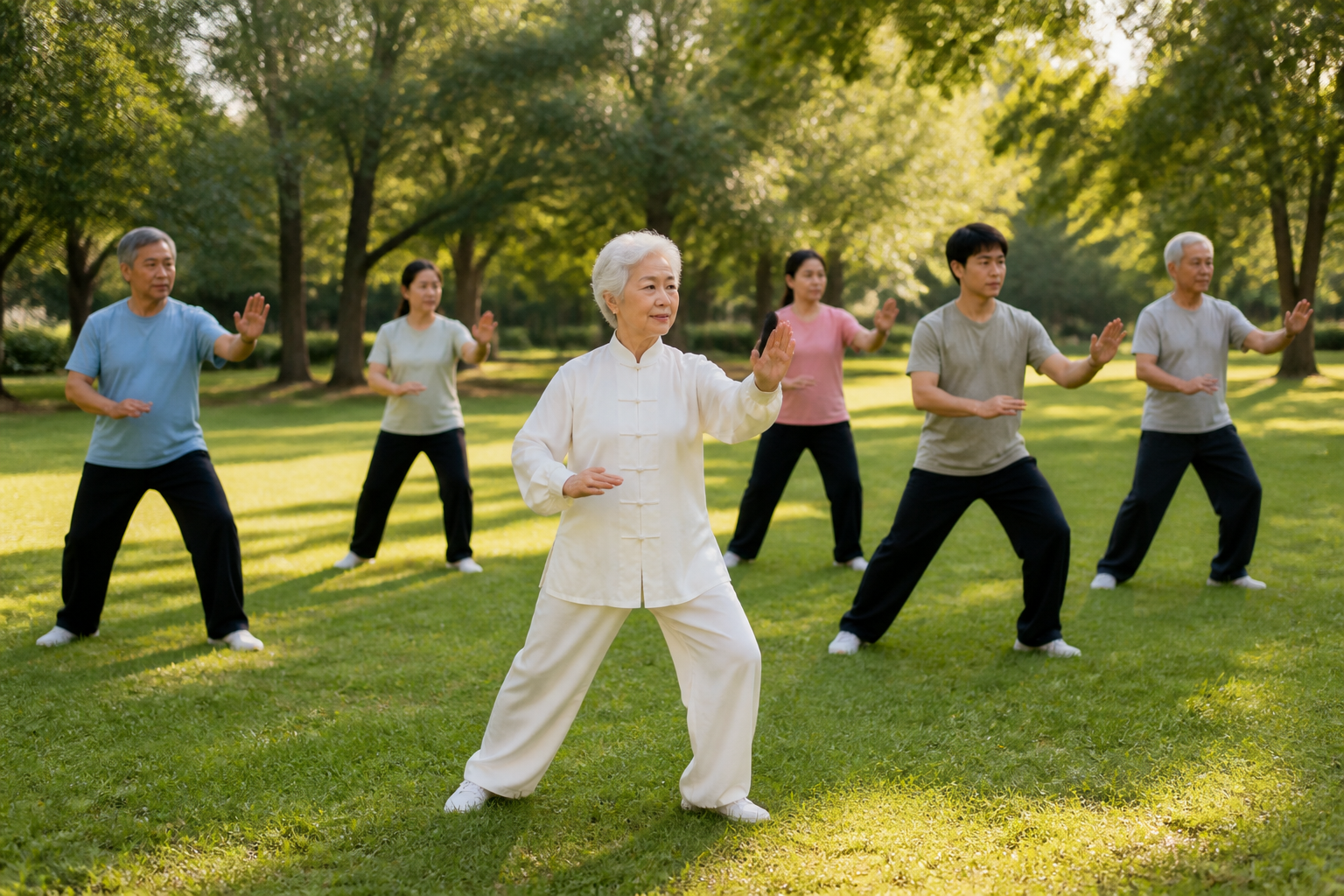
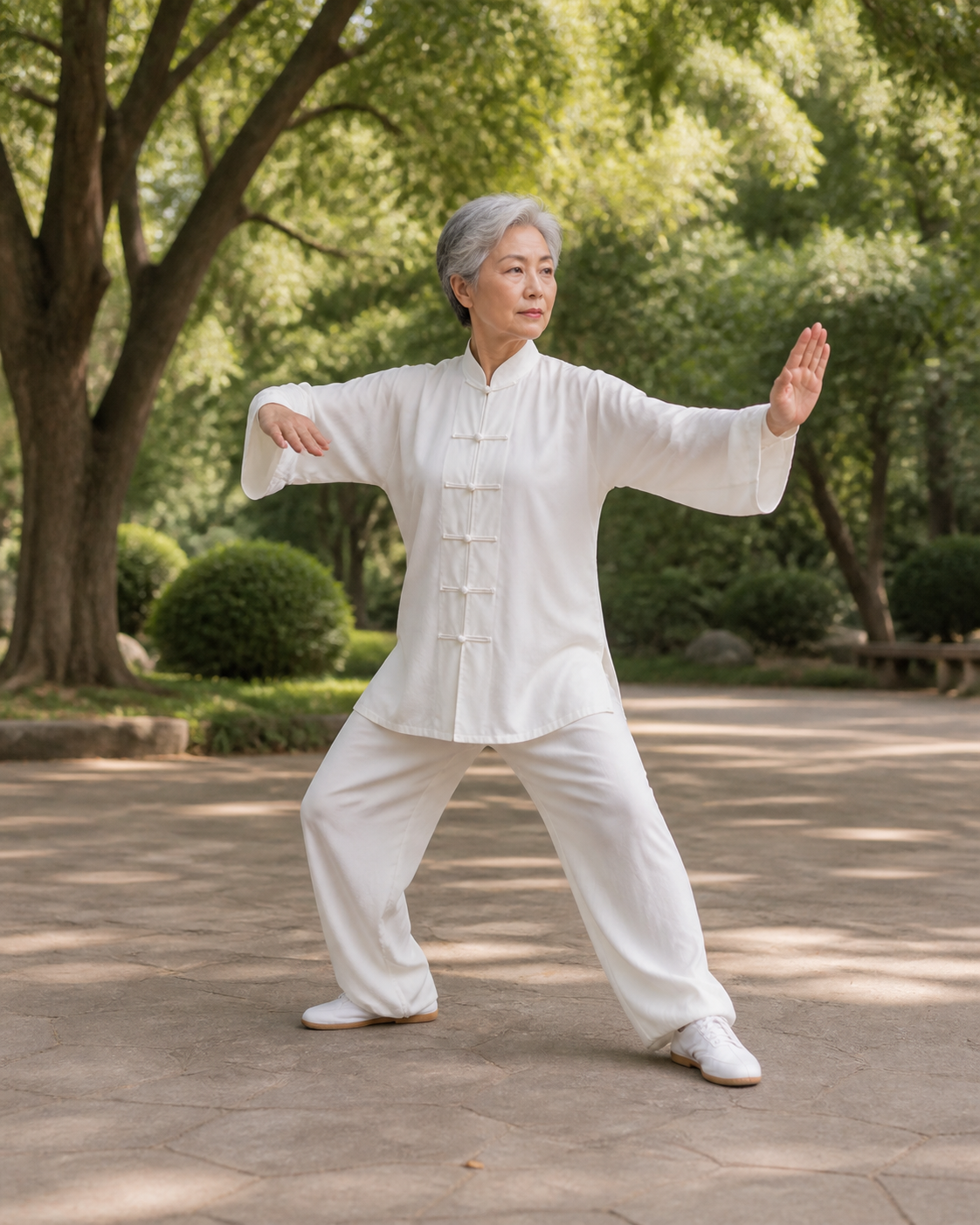
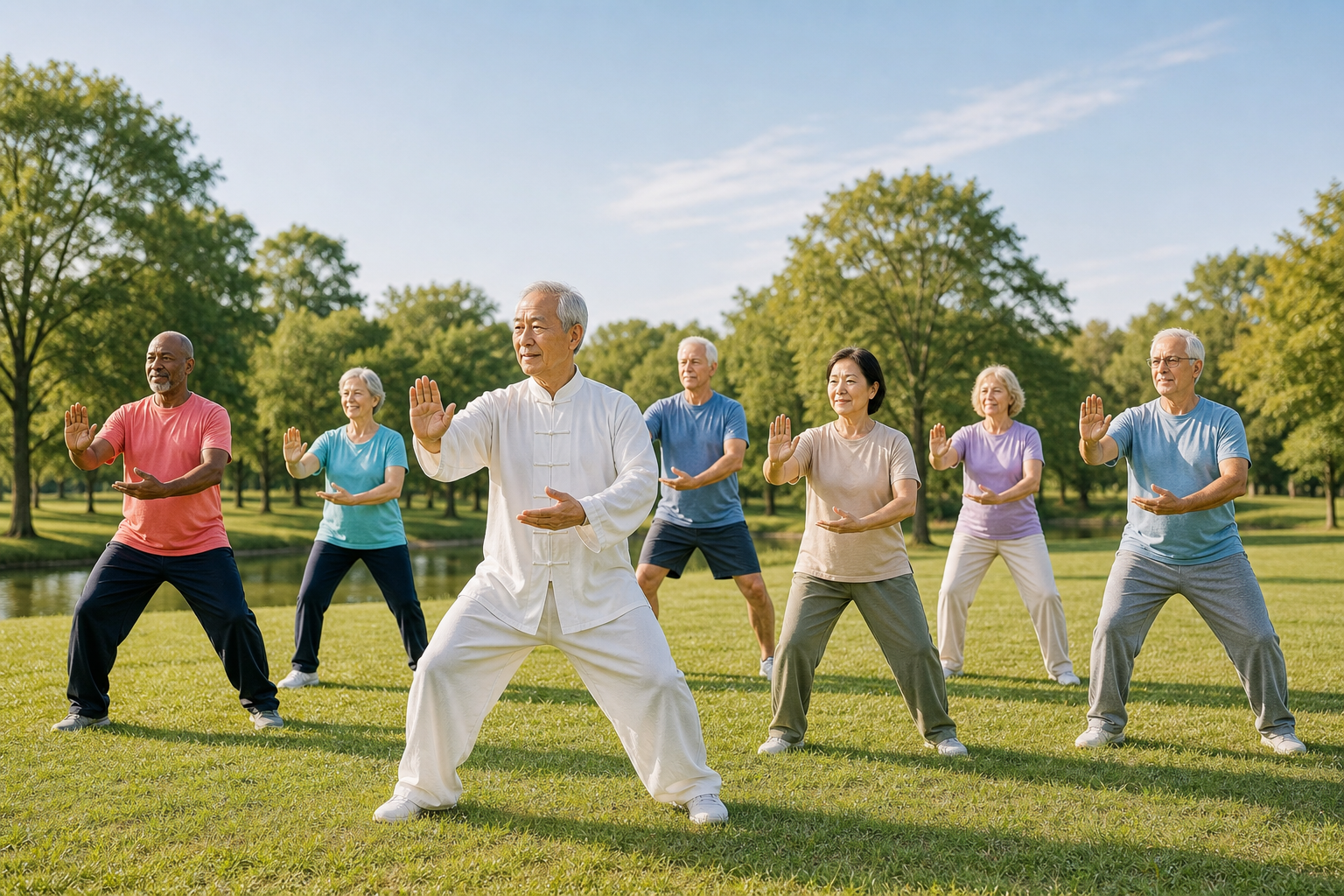
Tai chi originated as a martial art in China, but today it’s best known as a slow, graceful form of exercise, often practiced in parks or community centers around the world. If you’ve seen people moving their arms in wide, sweeping arcs or shifting their weight from foot to foot, that’s tai chi in a nutshell. The basic idea: continuous, mindful movement within your body’s limits, no jumping or twisting required.
But here’s the part that matters for arthritis and balance: tai chi strengthens your legs and core without impact, gently stretches tight joints, and forces your brain to coordinate upper and lower body movements. It’s deceptively simple and—unlike a lot of “miracle” exercise fads—it actually stands up to research scrutiny.
The Science: Tai Chi for Arthritis and Balance—What Studies Show
Let’s get specific. In 2016, the Annals of Internal Medicine published a major study following 204 adults with knee osteoarthritis. They were split into two groups: one did supervised tai chi classes, the other took standard physical therapy. After 12 weeks, both groups improved, but the tai chi group reported better pain relief and less depression (a bonus side effect I see all the time). The researchers even measured these benefits six months later, and—no surprise—they stuck around.
Another key paper from Arthritis & Rheumatology (2017) pooled data from 9 clinical trials on tai chi and balance in older adults with arthritis. People practicing tai chi fell 31% less over a 12-month period compared to controls. That’s not a small difference—it’s the kind of effect I’d expect from prescription balance training, not a gentle group class at the local rec center.
One more stat, just to hammer it home: a 2020 meta-analysis in the Journal of Rheumatology found tai chi improved functional balance (think: single-leg stance, Timed Up and Go test) by 25% versus minimal exercise in people with knee and hip osteoarthritis. If you’re thinking, “I could use 25% more steadiness getting out of bed,” you’re in good company.
How Does Tai Chi Work, Biomechanically?
Here’s where I put on my physical therapist hat (metaphorically). Tai chi works on several fronts:
- Muscle Activation: Slow, controlled movements recruit stabilizing muscles you usually ignore—think glutes, adductors, and deep core. No gym required.
- Proprioception: Tai chi challenges your sense of body position. Instead of moving quickly, you move slowly, which makes your nerves and brain recalibrate joint position (crucial for balance).
- Range of Motion: Gentle, repetitive bending and twisting loosens up stiff joints without aggressive stretching.
- Mind-Body Awareness: This one’s harder to measure, but I hear it every week: “I pay more attention to how I move.” That alone can help prevent trips and stumbles.
I’ll be honest—no single piece of equipment or supplement gives you all these benefits in one fell swoop. But when tai chi is paired with smart joint care (sometimes a brace, sometimes a topical gel, sometimes a simple home exercise routine), the results can be game-changing.
Real-World Benefits: What My Patients Report (And What Surprised Me)
I’ve now recommended tai chi to hundreds of patients with arthritis, balance problems, or both. Here’s the kind of feedback I hear most:
- "I don’t feel creaky in the mornings." (This is a big one—less stiffness means a smoother start to the day.)
- "My knees don’t ache after walks like before."
- "I stopped worrying about falling in the shower."
- "I sleep better—I think because I’m less tense."
- "I finally finished a class without sitting down halfway through!" (True story—so much about arthritis is about regaining confidence.)
Of course, not everyone gets miraculous results. Some people need more individualized strength training, or struggle with severe pain that flares despite tai chi. One of my readers—shout out to Carol in Oregon!—emailed last month saying, “Tai chi was too slow for me at first, but once I stuck with it a month, my balance tests at physical therapy improved for the first time in years.”
Why Tai Chi Can Be Safer Than Other Exercises (But Still Needs Caution)
One reason I encourage tai chi (sometimes over yoga or Pilates) is its safety profile. There are virtually zero reports of injury in the research, and the slow pace means there’s little risk of overdoing it. That said, if your arthritis is severe, or you have a history of falls, it’s best to start with a class designed for beginners or for arthritis specifically. The Tai Chi for Health Institute has a directory, or you can ask your local physical therapy clinic for recommendations.
And—as much as I love what tai chi can do—some people still need an extra layer of support. If you’re wobbly on your feet, for example, a medical-grade knee brace like the NEENCA Professional Knee Brace can give you peace of mind during those first few weeks. (I’ve seen patients use them during class, then transition off as their strength and balance improve. No shame in that game.)
Beyond Tai Chi: Building a Routine for Joint Health and Fall Prevention
Now, look, tai chi isn’t a magic bullet. The best results come when you combine it with other sensible strategies:
- Regular Strengthening: Exercises for quads, hamstrings, calves, and glutes will help support arthritic joints. If you don’t know where to start, I often recommend “Treat Your Own Knees” by Jim Johnson, PT. It’s simple, research-backed, and easy to follow at home—my copy is dog-eared from loaning it out so often.
- Topical Pain Relief: For those days when joint pain flares (especially knees and hands), a topical NSAID like Voltaren Arthritis Pain Gel can take the edge off, letting you actually enjoy your tai chi. (Clinically proven, non-greasy, and about as “low-impact” as pain relief gets for arthritis.)
- Balance Drills: Simple things like standing on one foot near a countertop, or walking heel-to-toe down a hallway. Tai chi will help, but targeted drills work wonders too.
- Footwear: This sounds silly, but supportive, non-slip shoes make a world of difference—especially if you do tai chi on hard floors.
I’d be remiss if I didn’t mention: talk to your doctor or physical therapist before starting any new exercise, especially if you’ve had recent joint replacements, uncontrolled high blood pressure, or dizzy spells. Safety first, always.
How to Start Tai Chi If You Have Arthritis or Poor Balance
Honestly, the biggest hurdle most people face is intimidation. “Won’t I look silly?” “What if I lose my balance?” Trust me—every single class I’ve attended is filled with beginners, and most instructors are thrilled to help accommodate sore knees or stiff hips. Start small: look for a “Tai Chi for Arthritis” or “Beginner” class in your community. If that’s not possible, there are excellent online follow-along videos (search “Dr. Paul Lam arthritis tai chi” on YouTube for a reputable starting point).
Pro tip: Practice near a sturdy chair or countertop for extra stability. Wear comfy clothes, and listen to your body—rest if something feels off. A little bit, done regularly, trumps an occasional marathon session every time.
How Does Tai Chi Compare to Other Joint-Friendly Activities?
Here’s where opinions (including mine) get spicy. Some physical therapists swear by yoga for flexibility; others love aquatic exercise for offloading sore joints. But tai chi hits a rare sweet spot: it’s low-impact, easy to modify, and proven to reduce falls and pain in randomized trials. I still recommend aquatic therapy for severe cases—especially if walking hurts even in soft shoes—but for most, tai chi is infinitely more accessible (and, let’s be honest, a whole lot less expensive than a pool membership).
One unpopular opinion: I don’t see the same research support for Pilates or dance-based classes in folks with moderate-to-severe arthritis. Yoga is great, but the floor-to-standing transitions can be tricky for those with balance issues. Tai chi, in comparison, lets you stay on your feet, move within your comfort zone, and build confidence as you go.
How Long Until You Notice Benefits?
Most clinical trials run 8-12 weeks, with participants practicing 2-3 times per week for 45-60 minutes. But I’ve had patients report “looser joints” and better balance after just two weeks of regular practice. The key is consistency. A reader recently wrote, “It took me a month to see real changes, but once I did, I was hooked.”
Don’t get discouraged if it feels awkward at first. Like any new skill, your brain and body need time to adapt. Stick with it, and you may be surprised by what your body can do.
Honest Limitations: Who Should Think Twice?
Here’s the thing: Tai chi isn’t a cure-all. If you have severe vision problems, advanced neuropathy, or a history of recent falls, you may need a tailored fall-prevention program before jumping into group exercise. Similarly, if your pain is severe enough to wake you up at night, start with a medical assessment first—sometimes you need a short-term medication adjustment or assistive device before you’re ready for group movement.
But for most people with mild-to-moderate arthritis and wobbly balance? Tai chi is about as safe and evidence-based as it gets.
Fresh Takeaways: What I Tell My Friends (and Patients)
If your joints ache, if you worry about falling, or if you just want to feel more capable in your body, tai chi deserves a real shot. It’s gentle, flexible, and—best of all—backed by solid science.
- Tai chi reduces arthritis pain and stiffness—sometimes as well as physical therapy.
- It cuts fall risk by nearly a third (yes, really).
- It’s easy to learn, safe for most, and can be done anywhere you have a few feet of space.
- Pair it with smart joint care: a medical-grade brace if you need it (NEENCA Professional Knee Brace), topical relief for tough days (Voltaren Arthritis Pain Gel), and a simple exercise guide like Treat Your Own Knees.
No hard sell, just my experience: The hardest part is starting. The benefits—better balance, less pain, more confidence—are waiting if you stick with it, even for a month.
Wishing you steadier steps and easier mornings. And if you try tai chi, I genuinely want to hear how it goes—email me anytime at JointReliefReviews.
Dr. Sarah Mitchell, DPT
Senior Health Editor, JointReliefReviews.com