Tai Chi Benefits for Arthritis and Balance: What Science (and Real People) Really Say
If you’d told me twenty years ago I’d one day be singing the praises of what looks—on the surface—like slow-motion dancing in the park, I would have laughed. But last spring, after watching a 74-year-old patient of mine flow through a series of tai chi moves and then beam, “I haven’t used my cane all week,” I decided to dig into the data behind tai chi for arthritis and balance. And let me tell you—there’s a reason doctors and researchers are taking it seriously.
The Daily Struggle: More Than Just Stiff Knees
This probably sounds familiar: You wake up, joints aching before your feet even hit the floor. You grip the banister extra tight on the stairs, worried your knee will give way. Maybe you shuffle, not stride, across the kitchen. And—if you’re honest—you’re always a bit anxious about falling, especially after what happened to your neighbor last year.
I hear versions of this every week. Arthritis isn’t just pain; it chips away at your confidence, independence, and trust in your own body. If you’re nodding along, you’re not alone. One CDC report found that 1 in 4 adults with arthritis experiences a fall each year. The root problem? Pain, stiffness, and (most overlooked) balance that quietly erodes as we move less and less.
So, where does tai chi come in? And why do so many people—across wildly different backgrounds—swear it’s a game-changer for both joint pain and balance?
What Exactly *Is* Tai Chi? (And Why Does It Look So Simple?)
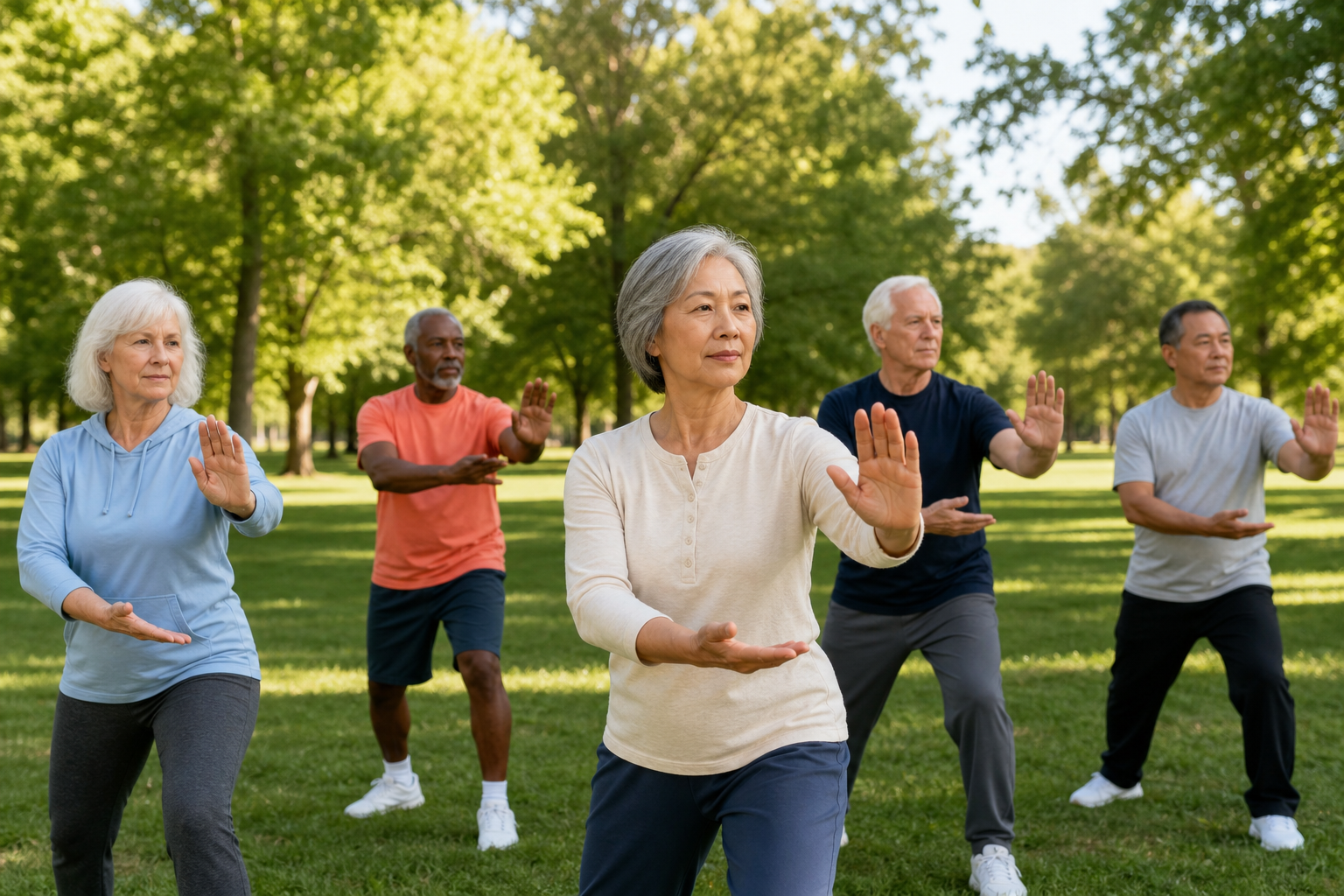
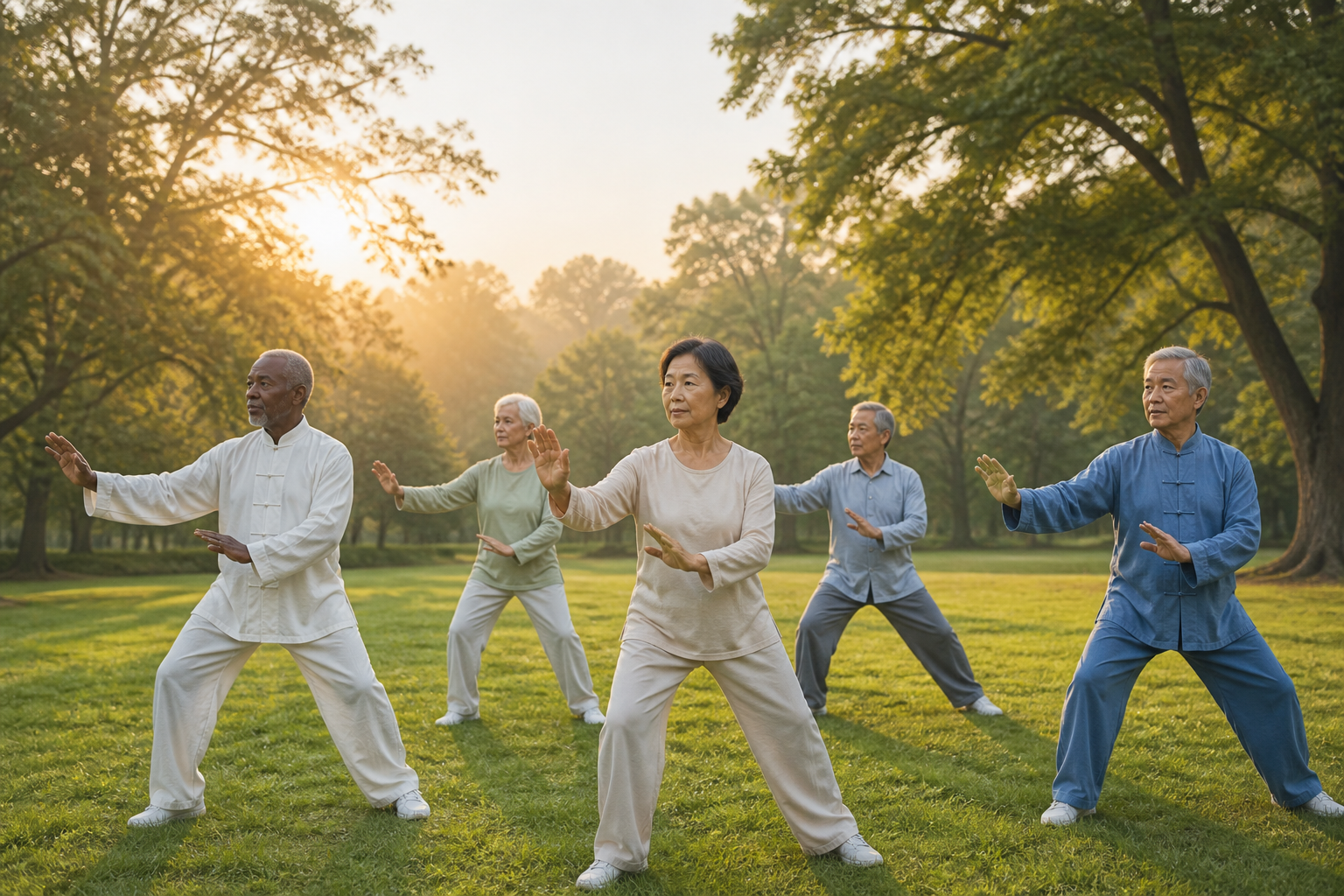
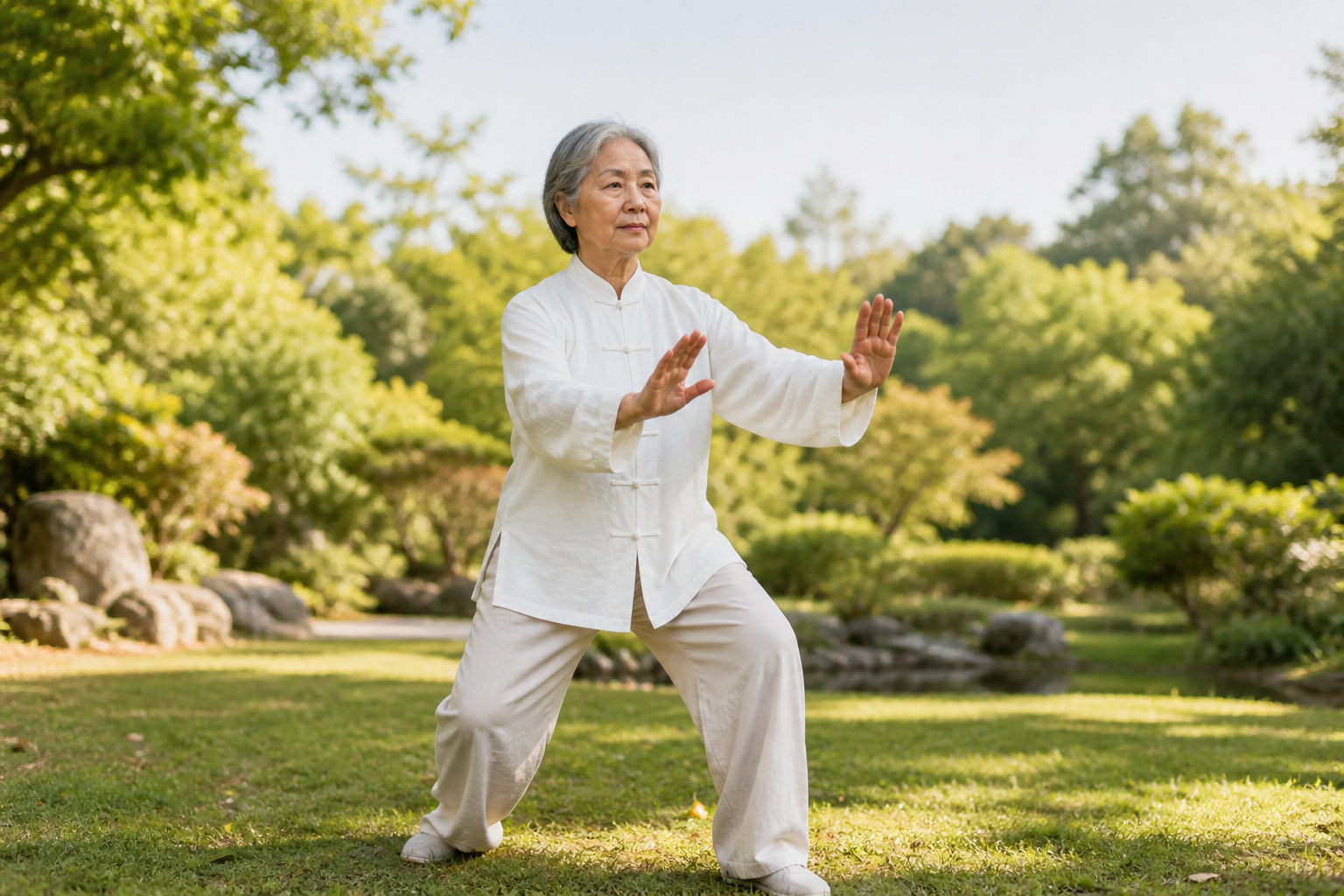
If you’ve ever seen a group in the park, you know tai chi isn’t about leaping or sweating buckets. It’s an ancient Chinese martial art, but most forms practiced in the U.S. today focus on slow, coordinated movements, gentle shifting of weight, and deep, diaphragmatic breathing. Classes vary, but most begin with some version of this sequence: bend knees slightly, step slowly, arms float, palms turn, breathe in, breathe out.
Deceptively easy? Maybe. But the magic, as I’ve learned, is in the details. Every tiny movement asks your muscles, joints, and nervous system to coordinate. And here’s where it gets interesting: Even these gentle gestures seem to trigger changes deep in the body—something dozens of studies have tried to measure.
What the Research Says: Tai Chi’s Track Record for Joints and Balance
Let’s get specific. The real kicker about tai chi is that it’s not just “nice exercise.” It’s one of the most rigorously studied forms of movement for arthritis and fall prevention. For instance, the Journal of Rheumatology published a 2016 review of 54 randomized controlled trials—over 3,800 people—and found tai chi “consistently improved pain and physical function in knee osteoarthritis.” Translation: people reported less pain, easier walking, and better daily function after 8 to 12 weeks of regular practice.
But pain is only half the story. Balance is a huge part of why tai chi works. In a landmark 2012 study in Arthritis Care & Research, older adults with severe knee OA who practiced tai chi twice per week improved their balance scores by 31%—significantly better than those in a standard stretching program. Falls dropped, too: participants had fewer stumbles than the stretching group over six months.
And we’re not just talking about one-off findings. A 2020 meta-analysis in BMJ Open pooled 15 studies and concluded tai chi reduced fall risk in older adults by 20-30%, especially in people with arthritis and mild-to-moderate balance problems. In plain English: The odds of a bad fall went down by up to a third. That’s huge.
Why? Researchers believe it’s a blend: improved leg strength, proprioception (your body’s ability to know where it is in space), and subtle core activation all combine. Plus, the meditative element may lower anxiety around movement—something a lot of us overlook until it keeps us glued to the couch.
The Science-y Bit (Without the Jargon)
I know research jargon can make your eyes glaze over. Here’s the gist: Tai chi’s constant, slow shifting of weight forces your stabilizer muscles—hips, thighs, ankles, and even core—to fire up, gently, over and over. That creates “micro-adjustments” you don’t get from walking or static stretching. In MRIs, researchers have even seen tiny increases in cartilage thickness and blood flow to stiff joints after months of tai chi practice.
Bonus: Tai chi’s focus on breath and rhythm seems to dampen the nervous system’s pain signals, according to a 2018 study in Pain Medicine. If you’ve ever finished a class and felt oddly calm, you’re not imagining it—your brain’s pain circuits genuinely shift.
One caveat: Tai chi isn’t a quick fix. Most studies show meaningful results after 8-12 weeks, with sessions 2-3 times per week. The good news? The benefits last—and a surprising number of people keep going because they actually enjoy it. (Unlike, say, the recumbent bike collecting dust in my garage.)
How Tai Chi Helps Arthritis: Pain, Stiffness, and Beyond
Now, I’m not claiming tai chi will magically cure arthritis. But I’ve seen, again and again, how regular practice can dial down the daily haze of pain, especially for knee and hip OA. Several mechanisms are at play:
- Low-Impact Load: Tai chi puts minimal pressure on joints—no pounding, no harsh twists.
- Synovial Fluid “Pumping”: Those gentle weight shifts help lubricate joints, making movement smoother (think of oiling a squeaky hinge).
- Strength and Flexibility: Repeating dynamic movements (bending, turning, reaching) builds flexibility and muscle support around achy joints. In fact, a 2019 Rheumatology International study found hip range of motion improved 18% after 12 weeks of tai chi.
- Neuromuscular Re-education: You’re teaching your brain and body to coordinate—reducing the risk of those “oops, I lost my balance” moments.
Honestly, I was skeptical before I tried it myself. But after a few weeks, I noticed my own creaky hips loosened up—especially first thing in the morning. And yes, I felt less anxious walking on uneven sidewalks.
But What About Severe Arthritis or Limited Mobility?
This is where tai chi really shines—it can be scaled down for almost anyone. I’ve seen chair-based adaptations bring benefits to people who can’t stand for long, or who use walkers. (There’s even a National Arthritis Foundation-endorsed program called “Tai Chi for Arthritis” with certified instructors.) Always check with your doctor or physical therapist before starting, especially if you have advanced joint disease or other health conditions.
And don’t let fear of “doing it wrong” stop you. The research shows even imperfect practice is helpful. No one’s judging your choreography!
Balance: The Overlooked Game-Changer for Aging Well
Quick stat: According to the CDC, falls are the leading cause of injury-related hospital visits for adults over 65. It’s not just bruises—hip fractures, hospitalizations, even loss of independence. Improving balance isn’t just about confidence, it’s a downright necessity as we age.
Tai chi’s unique challenge to balance—smooth, continuous weight shifts, often on one leg—forces the body to adapt in little ways over and over. Unlike yoga, which often holds positions, or walking, which is repetitive, tai chi shifts your center of gravity through multiple planes. That’s why researchers say it’s “dynamic balance” training—and it seems to transfer to real-life stability.
My own mother-in-law, a notorious skeptic, laughed her way through her first class, certain it was “too slow” to matter. Three months later, she told me, “I just bent down to tie my shoe without holding on to anything.” As small a victory as that may sound, it’s those moments that add up to real independence.
Starting Tai Chi at Home (No Bamboo Forest Required)
Here’s the thing: You don’t need a fancy studio or silk pajamas to benefit. Many people start with YouTube tutorials, local community center classes, or DVDs. For those with arthritis, I often recommend “Tai Chi for Arthritis” programs—these are designed by Dr. Paul Lam, a family physician with arthritis himself, and are surprisingly accessible. Just remember: the “best” program is the one you stick with. I’ve seen success with as little as 15 minutes per session, two or three times a week.
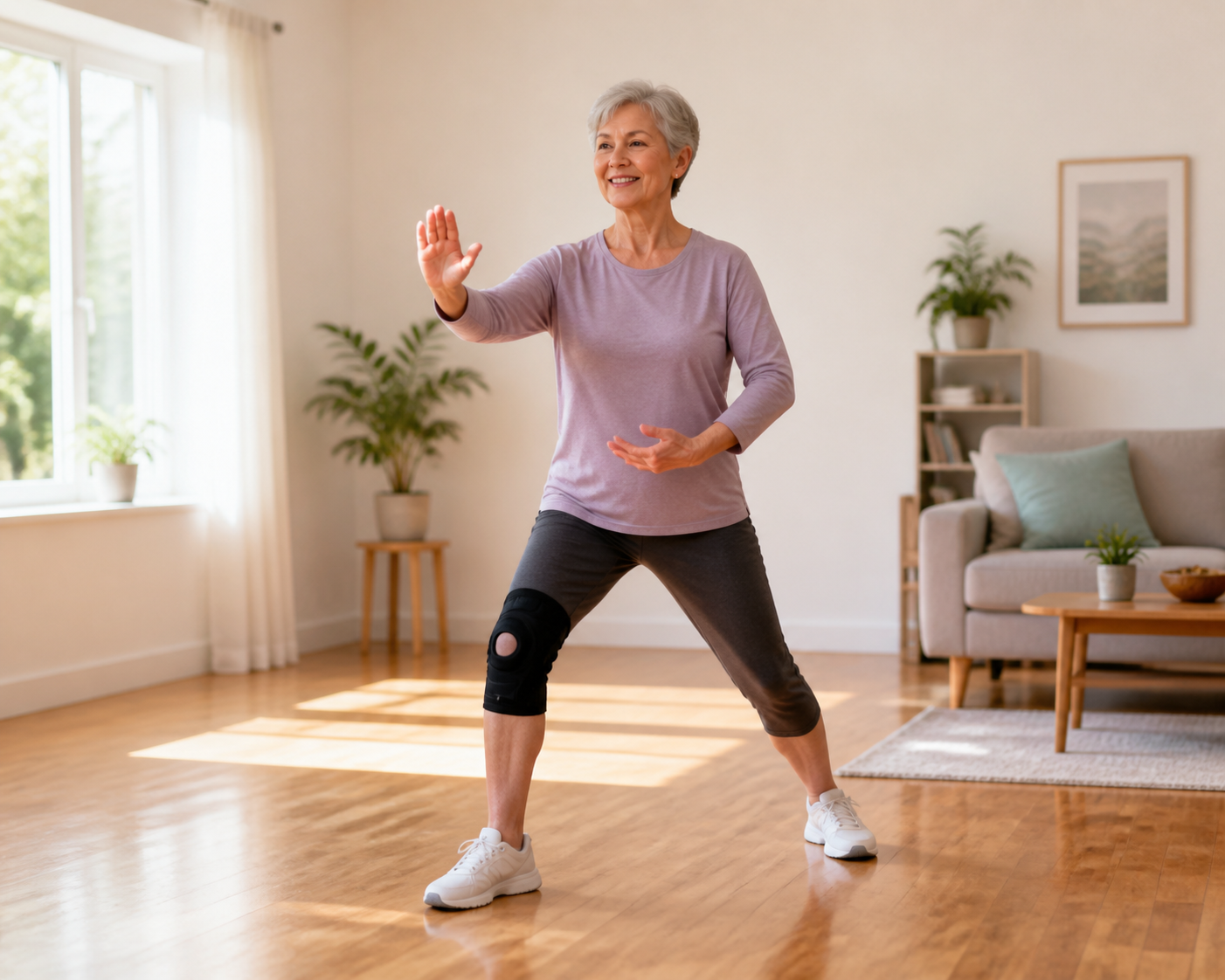
If you’re dealing with knee pain or want to add extra support, a medical-grade brace can help you feel steady as you learn new movements. The NEENCA Professional Knee Brace is one I’ve recommended to readers. It’s got side stabilizers, a gel pad for the kneecap, and adjustable straps—so you get support without feeling like you’re wrapped in duct tape. One of my readers with chronic meniscus issues said it made her first few classes “way less stressful.” (Always talk to your doctor before adding new supports, especially if you have circulation problems.)
Real-World Tips: Making Tai Chi Work for You
Not everyone has a tai chi master down the block. Here are a few hacks I’ve picked up as both a health journalist and chronic pain patient:
- Start Slow, Lower Expectations: The first few sessions may feel “too easy” or odd. Give it a couple weeks—muscle memory and body awareness need time.
- Use Props: A sturdy chair for balance, or even a countertop, lets you adapt moves safely. Over time, you’ll use it less.
- Track Your Progress: Jot down joint pain, stiffness, or falls weekly. It’s motivating to see numbers improve—even a little.
- Buddy Up: A friend, spouse, or online classmate makes it much more enjoyable (and keeps you accountable).
- Pair Tai Chi with Heat or Topical Relief: On achey days, a topical gel like Voltaren Arthritis Pain Gel can take the edge off knee pain, making those first few minutes of movement much easier. It has diclofenac sodium, the only FDA-approved topical NSAID for arthritis, and honestly, I keep a tube in my desk drawer for post-typing wrist aches.
How Tai Chi Stacks Up: Comparing to Other Movement Therapies
Look, I’ve covered everything from water aerobics to resistance bands in my career. Most studies show tai chi matches or outperforms walking, gentle yoga, and stretching programs for balance gains and joint pain reduction. But it’s less likely to cause joint flare-ups because there’s no pounding, no forced poses, and plenty of room for self-pacing.
That said, I still believe in mixing things up. On days when tai chi feels too much, a simple stretching book like Treat Your Own Knees by Jim Johnson can be a great sidekick. It’s research-backed, affordable, and full of drawings that make everything less intimidating. For many, blending tai chi with these kinds of exercises offers the best of both worlds: improved balance and targeted joint strength.
What Most Articles Don’t Tell You: The Emotional Effect
This is where I go a bit off-script. The biggest surprise for many longtime arthritis sufferers is how much tai chi restores a sense of agency. One reader—after four months—told me, "I finally feel like my body isn’t the enemy." That psychological win doesn’t get measured in clinical trials, but in my experience, it’s just as important as any reduction in the pain scale.
And yes, group classes can be a source of friendship and purpose—things that are just as protective against falls and depression as physical activity itself, according to a 2021 review in Frontiers in Psychology.
Takeaways: Small Steps, Real Gains
If you’re considering tai chi for arthritis and balance, you don’t need to overhaul your life. Start tiny. Try a guided video, a single movement repeated a few minutes a day, or a local class. Keep expectations realistic—progress is measured in weeks, not days.
Support sore joints if needed, hydrate, and—this is key—don’t stress about “doing it perfectly.” Even imperfect tai chi brings benefits, both physical and mental. The bottom line: Movement, in any form, is medicine. Tai chi just happens to be a particularly gentle, research-backed option that’s accessible for almost everyone.
And if you’re still on the fence, remember: I was too, until I saw the difference it made for those who stuck with it. You might just surprise yourself.
— Karen Whitfield
Karen Whitfield is a veteran health journalist who has covered arthritis research and joint health for publications including Everyday Health, Prevention, and Arthritis Today. She brings a patient-first perspective to every article.