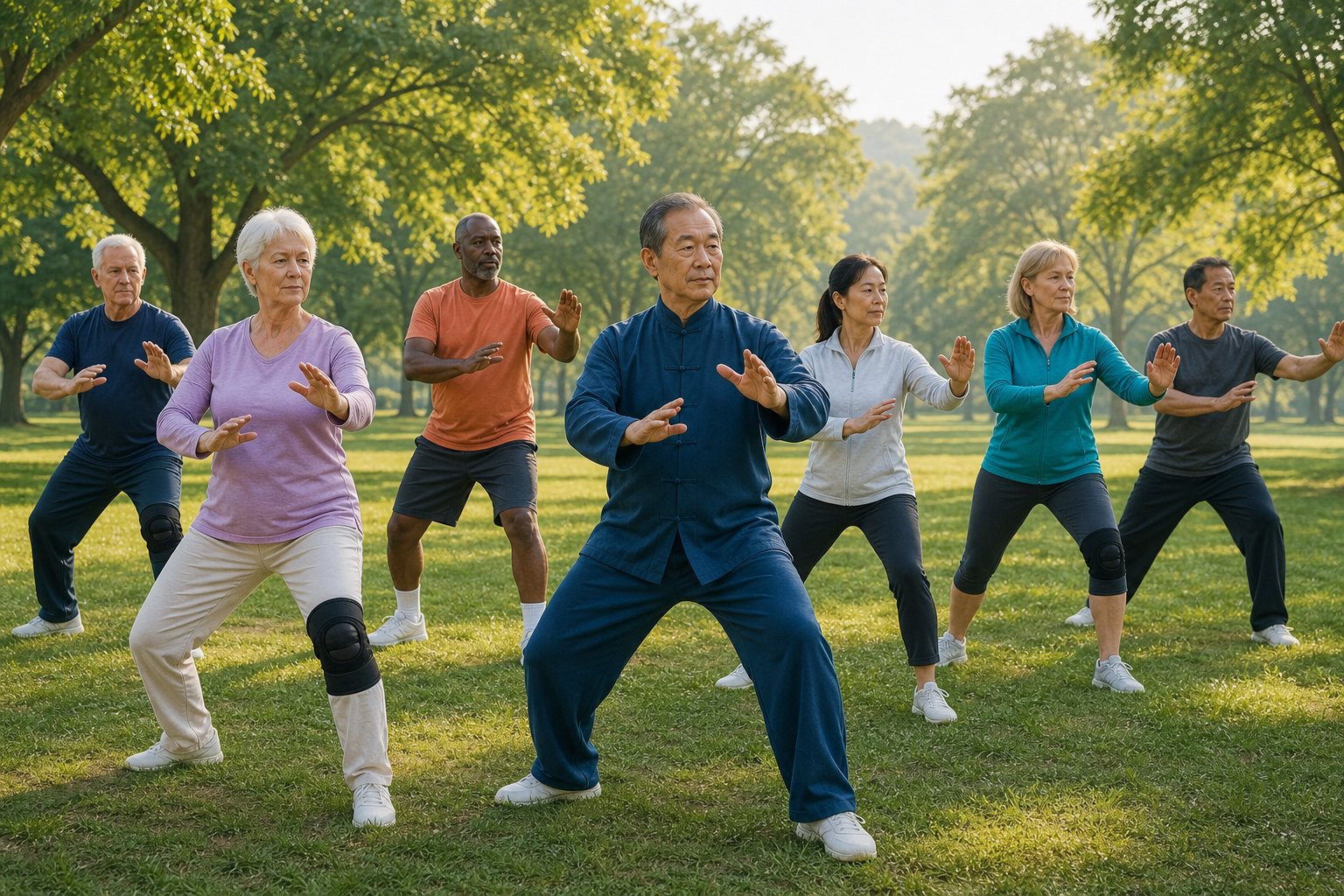
Tai Chi Benefits for Arthritis and Balance: What the Science—and My Patients—Say
I remember my first tai chi class. I was a young chiropractor, equal parts curious and skeptical, standing awkwardly among retirees who moved like water. Back then, if you'd told me these slow-motion movements could rival the best physical therapy for arthritis and fall prevention, I probably would've laughed. Now? I see the difference in my patients—and frankly, in myself.
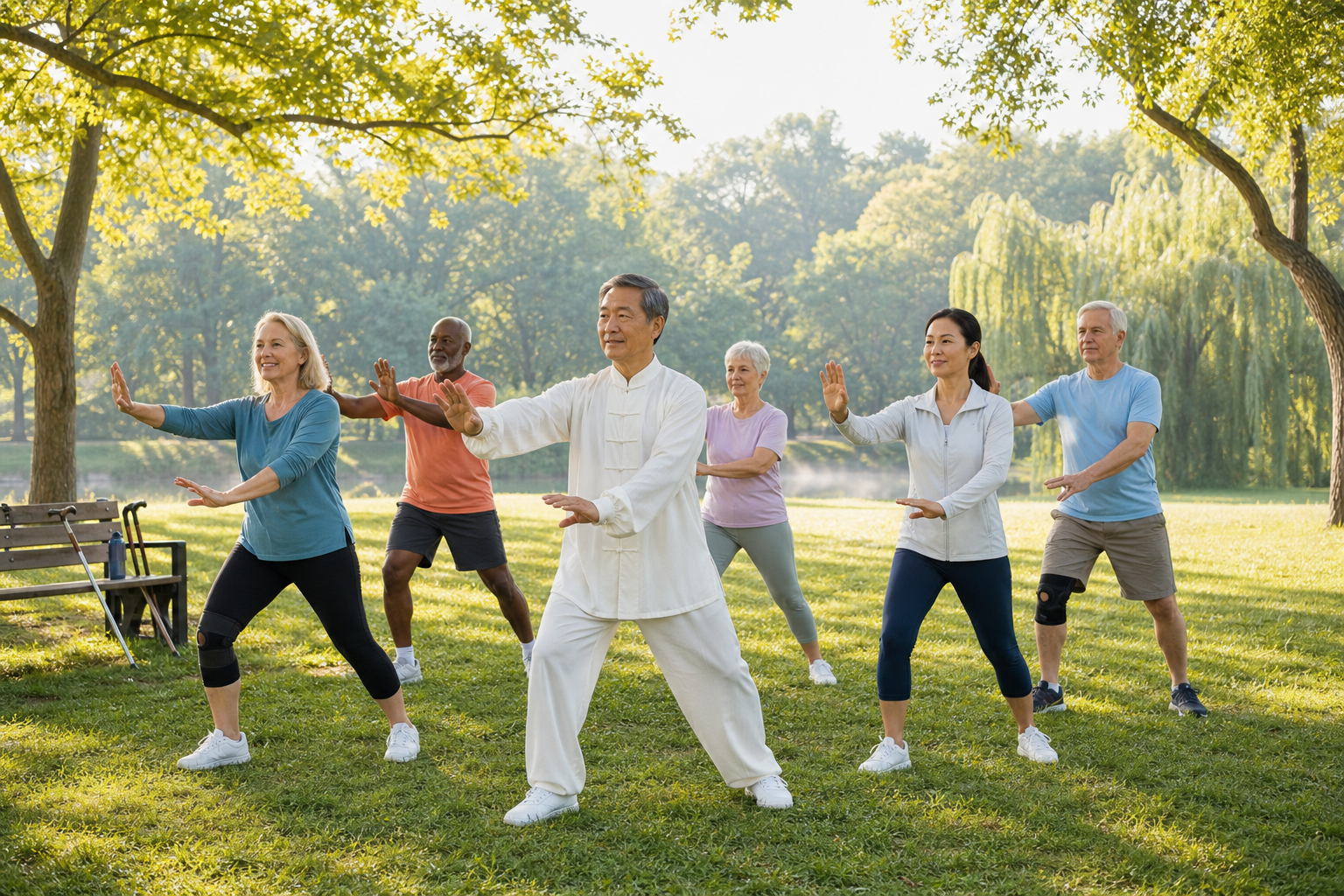
Why Arthritis and Balance Problems Go Hand-in-Hand
Let’s be honest—living with arthritis isn’t just about pain. It’s about frustration. That stubborn, grinding ache in your knee or hip? It doesn’t just hurt; it messes with your confidence. And when you start worrying about every step, balance issues creep in. The numbers back this up: According to the CDC, one in four adults with arthritis reports falling each year. Fear of falling then leads to moving less, and moving less makes pain and instability even worse. I see this spiral almost every week in my clinic.
Friends, the dilemma is real: how do you stay active without triggering a flare-up? And how, exactly, can something as gentle as tai chi break this cycle?
What Is Tai Chi, Really?
Look, I know what some of you are thinking—"Isn’t that just slow-motion dancing in the park?" That’s not entirely wrong, but there’s more beneath the surface. Tai chi is an ancient Chinese mind-body exercise, with roots in martial arts, meditation, and traditional medicine. The practice centers around flowing movements, weight shifts, coordinated breathing, and mindful attention. No pounding, no jumping, no complicated choreography. Just deliberate motion, often performed while standing, but sometimes adapted for chairs.
Here’s the thing: those slow shifts, the gentle rotations, the intentional pauses—they’re exactly what stiff, sore joints (and shaky balance systems) crave.
What the Research Actually Shows
This isn’t woo-woo wellness. Tai chi’s effects on arthritis and balance have real scientific backing. A landmark 2016 review in Arthritis Care & Research found that tai chi significantly reduced pain and improved physical function in people with osteoarthritis of the knee. Participants practiced 2-3 times a week, most doing Yang style forms. After 12 weeks? Less knee pain, better walking speed, and—this surprised even me—improvements in emotional well-being.
Balance? That’s where tai chi quietly outshines almost every other gentle exercise. The 2012 BMJ meta-analysis looked at over 1,000 older adults and found those practicing tai chi were 20%-50% less likely to fall than those in control groups. Some studies reported improvement in single-leg standing time (a classic quick test for balance) by up to 3 seconds—enough to make a real-world difference when you’re stepping off a curb or reaching for a high shelf.
What about rheumatoid arthritis? Results are more modest, but the 2019 Journal of Rheumatology review found moderate benefits for pain, fatigue, and flexibility—especially when tai chi was paired with other treatments.
It’s not magic. But it works. And often with fewer side effects than popping another NSAID or risking a fall during traditional exercise.
Why Does Tai Chi Work? The Nuts and Bolts
- Gentle Weight Shifting: Every tai chi form asks you to move your weight side-to-side, forward, and back. This constant adjustment wakes up dormant stabilizer muscles in the hips, knees, and ankles—exactly what arthritis and age tend to steal.
- Joint-Friendly Range of Motion: Full squats or lunges can feel impossible with arthritis. Tai chi uses shallow, controlled bends and rotations, lubricating the joints and easing stiffness—without the hard impact.
- Mind-Body Connection: Slow breathing, mental focus, and body awareness retrain your nervous system. You’ll notice you’re less likely to trip or twist awkwardly when your movements are mindful, not rushed.
- Balance and Proprioception: Proprioception is your body’s sense of position. Arthritis (and simple aging) dulls this. Tai chi hones it, almost like physical therapy—no prescription required.
- Mood and Stress: Here’s something most articles gloss over: pain makes people anxious, and anxiety tightens muscles. Tai chi’s meditative aspect really does lower cortisol, helping you break the pain-anxiety cycle.
And for folks who say, "I’m too unsteady or sore to stand that long,"—I’ve taught plenty of patients how to do modified, chair-based tai chi. The benefits don’t disappear just because you’re sitting.
Who Actually Benefits? The Real People Behind the Data
I'll never forget a reader (let’s call her Joan) who emailed me last year. She was 72, living with bone-on-bone knee osteoarthritis and a long-standing fear of walking outdoors. After six weeks of group tai chi—just twice a week—she wrote, "For the first time in years, my backyard doesn’t scare me." Was she pain-free? Not entirely. But she was moving with more confidence, and that’s half the battle.
I see similar stories in my clinic: men in their 60s, skeptical but desperate after physical therapy stalled; women in their 80s, tired of being told to "just rest"; even a few folks with early Parkinson’s, who find the slow shifting helps their freezing episodes. The common thread? Not one needed a fancy gym membership or special equipment.
How to Start Tai Chi for Arthritis and Balance (Without Feeling Lost)
First thing’s first: Talk to your doctor or physical therapist before starting any new exercise program, especially if you’ve got severe arthritis, joint replacements, or balance problems that might put you at risk. Safety first. But for most people, tai chi is lower-risk than almost anything else out there.
If you’re nervous? Try these steps:
- Find a Beginner-Friendly Class: Many YMCAs, senior centers, and even libraries offer "Tai Chi for Arthritis" classes. These are specifically designed for folks with mobility or joint concerns.
- Online Options: Believe it or not, virtual classes can work wonders. The Arthritis Foundation even offers video series led by certified instructors. Don’t ignore YouTube, but look for instructors with medical or rehabilitation credentials.
- Start Slow—Really Slow: Ten minutes is enough at first. Focus on 2-3 movements (e.g., "Parting the Wild Horse’s Mane" or "Wave Hands Like Clouds"). Consistency is more important than duration.
- Consider Support: Lightly holding a chair back or countertop is fine as you build confidence. Don’t let pride get in the way of progress.
And if your knees or hips are extra cranky, I do recommend using supportive aids during your practice—think soft braces, compression sleeves, or even topical relief for post-practice soreness. I’ll share a couple of my top picks below, but don’t overthink it. The movement is the main event.
Complementing Tai Chi: Tools and Tips for Even Greater Results
Now, here’s where I might surprise you: I don’t think tai chi should be your only tool if arthritis pain or instability is keeping you up at night. The best outcomes I’ve seen combine movement, smart self-management, and the right home aids.
Topical Relief for Sore Joints: Even gentle exercise like tai chi can make cranky knees or wrists flare a bit, especially when you’re first starting. I often recommend Voltaren Arthritis Pain Gel to my patients—it’s FDA-approved, uses diclofenac sodium (a real NSAID, not just menthol), and the data is genuinely solid. The BMJ 2018 review found it as effective as oral painkillers for many with mild-to-moderate osteoarthritis. It’s non-greasy, doesn’t stink, and doesn’t require a prescription. I even keep a tube in my own medicine cabinet now. But, as always, check with your doctor if you’re on blood thinners or have sensitive skin.
Knee Support During Practice: Some of you wrote in asking, "Is it okay to use a brace while doing tai chi?" Absolutely. Especially if you’re building up confidence or dealing with old injuries. The Modvel Compression Knee Brace is a budget-friendly favorite (over 75,000 reviews, anti-slip so it stays put) and comes as a pair. It doesn’t stop you from moving, and it gives just enough support for those first few weeks of new activity.
Research-Backed Exercise Guides: If you’re someone who likes a "coach in your pocket," I’ll point you to a simple, practical book: Treat Your Own Knees by Jim Johnson, PT. It’s loaded with clear drawings, day-by-day routines, and gentle exercises that actually mesh well with tai chi. (I wish I’d had it during my early practice years.)
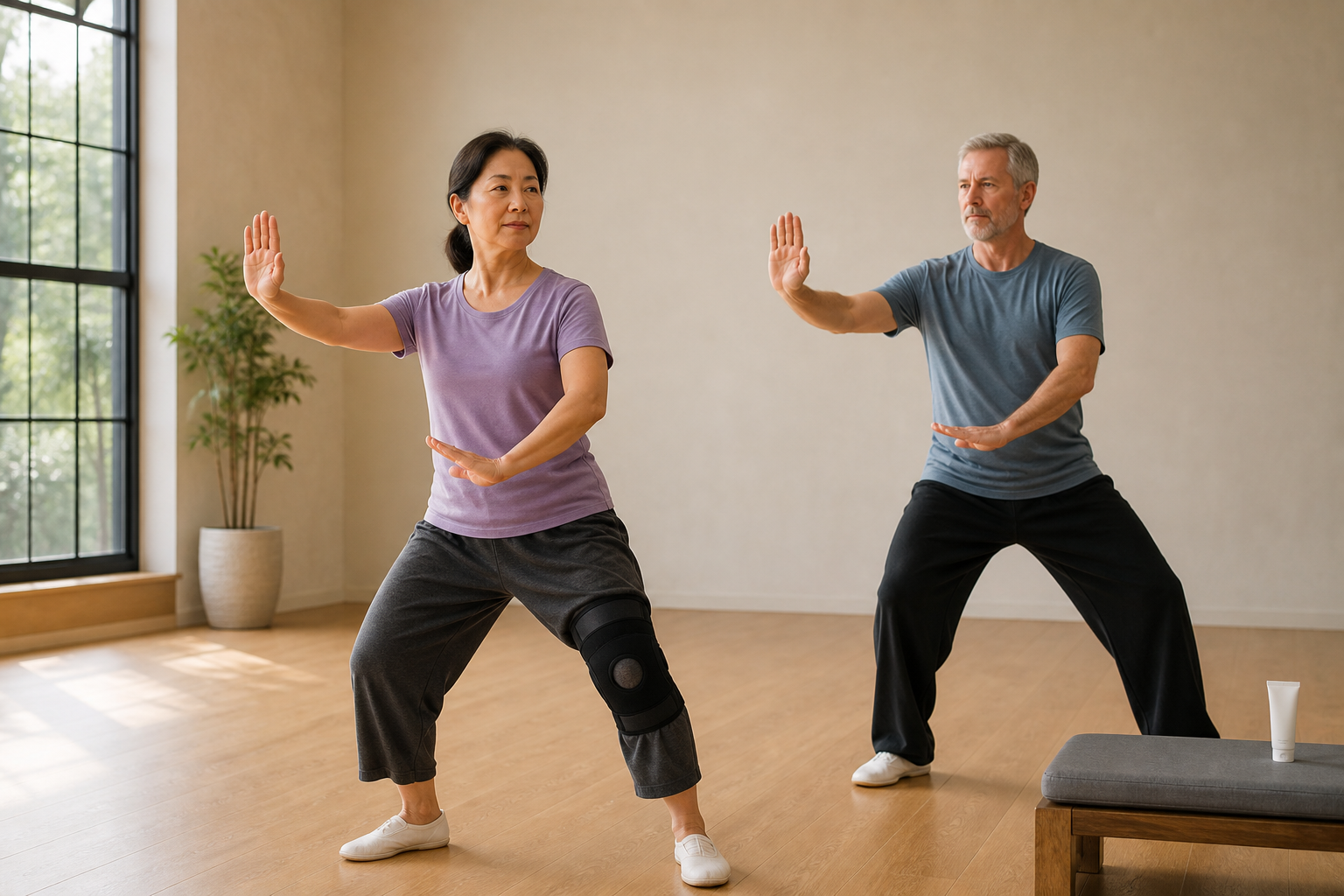
Common Questions (and a Few Myths)
“Am I too old or out of shape for tai chi?”
Short answer: no. I’ve seen folks begin at 85. The oldest tai chi practitioner in one published study was 92. The secret is listening to your body and not pushing through sharp pain. Tai chi is forgiving—and infinitely adaptable.
“Will tai chi actually help my balance if my arthritis is severe?”
The research suggests yes, though gains are gradual. In some studies, even participants who needed walkers to get around saw improvements in transfer and standing balance. The key? Consistency. Twice a week is a good target, but even once is better than zero.
“How long until I see results?”
Most studies report measurable improvement in pain or balance within 6-12 weeks (with 20-60 minutes of practice, 2-3 times weekly). Some people feel better after just a few sessions. The real kicker is that the mental benefits—less fear, more confidence—often arrive before the physical ones.
“What if I have a joint replacement?”
Always get the green light from your orthopedic surgeon or PT. But many tai chi movements can be modified for replaced knees or hips, often with better results than high-impact activities. Go slow. Never force range.
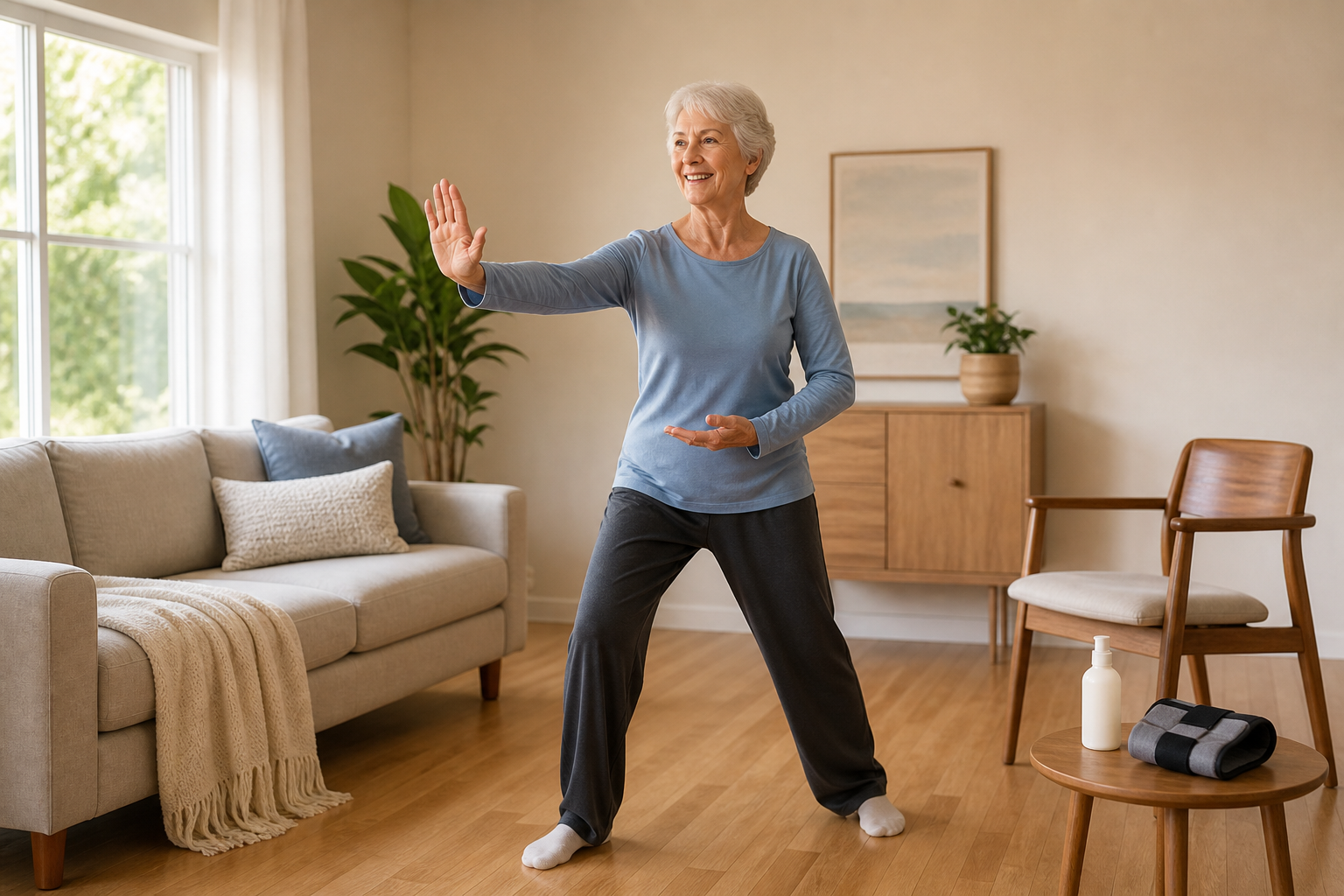
Beyond Tai Chi: Other Ways to Improve Mobility and Confidence
I know some folks view tai chi almost like a "magic pill" for arthritis. It’s not. But it’s close. The best real-world results I’ve witnessed come when tai chi gets paired with:
- Targeted physical therapy (especially early-stage joint damage)
- Regular, pain-free walking (even five-minute stints add up)
- Strength training (light weights or resistance bands, as tolerated)
- Soothing heat—think warm packs, not scalding
- Mindfulness or breathing exercises for stress reduction
And don’t underestimate the power of social connection. Group tai chi classes often become mini support circles. Laughter really is good medicine, especially when every step feels like a test.
Takeaways: My Honest Advice as a Clinician (and a Once-Skeptical Student)
If you’re nodding along, you’re not alone. Arthritis and poor balance are tough, but they’re not life sentences. Tai chi isn’t a cure, but I’ve seen it restore hope—and, sometimes, even a spring in someone’s step.
Here’s my short list:
- Start small. Ten minutes, a handful of movements, a few times a week. No Olympic routines needed.
- Use supportive tools (like a knee brace or topical relief) without guilt. They help you keep moving.
- Track your own progress. Write down how you feel now—and check again in a month. Most folks are surprised.
- Ignore the perfectionists. Wobbly is okay. It’s about moving, not posing for a statue.
If you’re ready to try tai chi, you don’t need perfection. Just the willingness to move, a dash of patience, and maybe a knee brace or tube of pain gel for backup. You’ve got this.
Yours in joint health,
Dr. Michael Torres, DC
Licensed Chiropractor & Certified Nutrition Counselor
Writer, JointReliefReviews.com