Tai Chi Benefits for Arthritis and Balance: My Honest Take
Almost every winter, my inbox fills up with questions from readers desperate to avoid another season of stiff knees, shaky balance, and that lurking fear of falling. And more than a few ask about tai chi. Does it really help with arthritis pain? Can slow little movements truly keep you on your feet? I get it—it sounds too gentle to be effective. But the science (and frankly, my own experience) paints a more surprising picture.
Let Me Tell You a Story
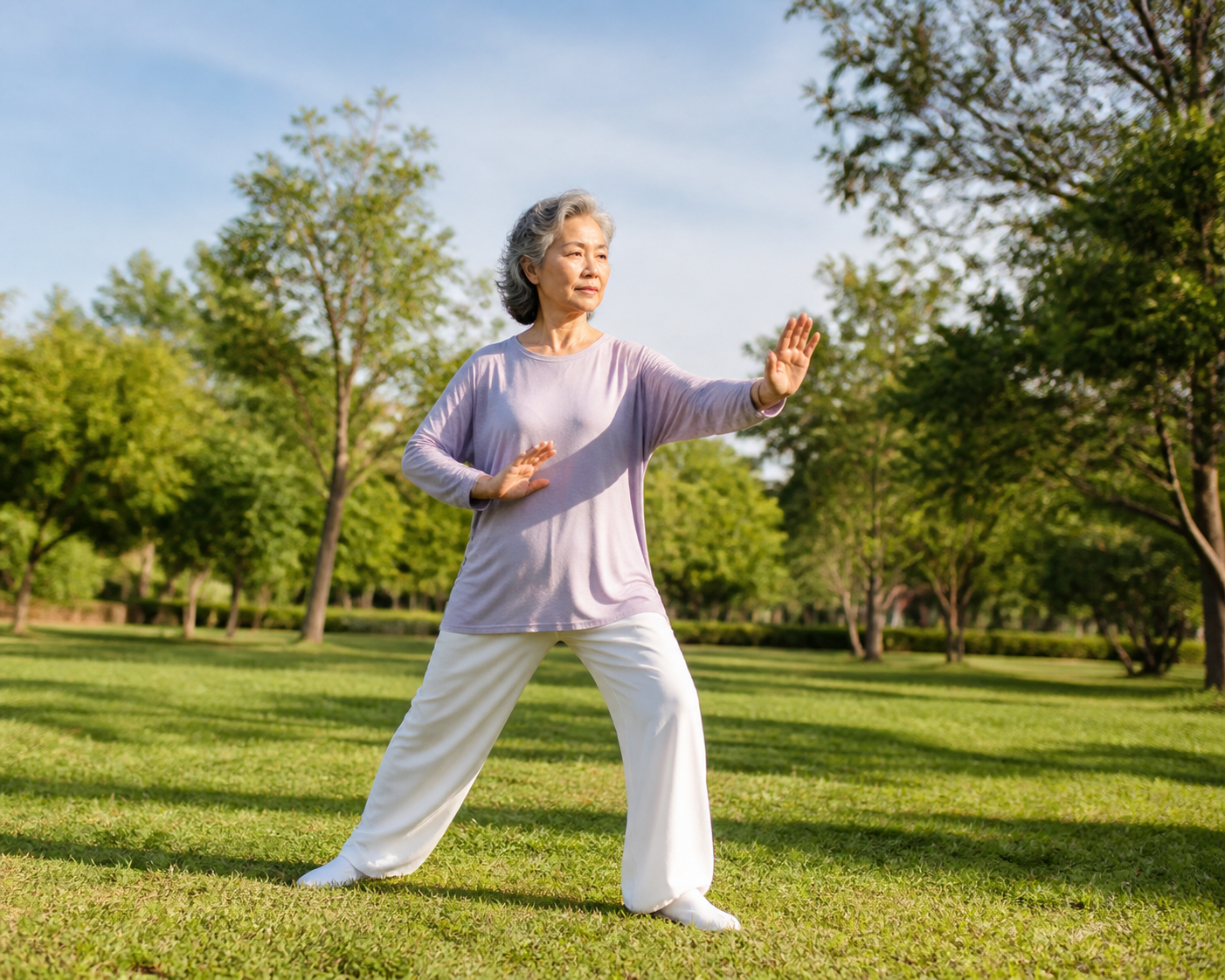
Years ago, a reader named Dennis emailed me. He was 68, with cranky knees and a right hip that barked every time he stood up. He’d tried swimming, physical therapy, even the old stationary bike. “Nothing sticks,” he wrote. “Is tai chi a gimmick?” I’ll be honest—at that time, I was a skeptic myself. But two months later, Dennis wrote back: “I’m moving easier. I can get out of a chair without grabbing the coffee table. My grandkids think I look like the Karate Kid.”
Why Arthritis and Balance Go Hand-in-Hand
Arthritis isn’t just about pain. It messes with everything: the fluid, coordinated movement you once took for granted, that quiet confidence in your own body. (If you’ve ever found yourself clutching the banister, you know the feeling.) Stiffness leads to awkward steps. Pain makes you hesitate. Every compensatory move—from shuffling to side-stepping—throws off your natural balance. And here’s where it gets dangerous: the Journal of Rheumatology reports that people with knee osteoarthritis are 2-3 times more likely to fall compared to their peers.
Why? Joint pain disrupts proprioception—the sense of where your body is in space. Then add muscle weakness, side effects from medications, and the ever-present fear of falling, which makes you move even less. It’s a nasty spiral.
How Tai Chi Breaks the Cycle (Yes, Even If You’ve Never Tried It)
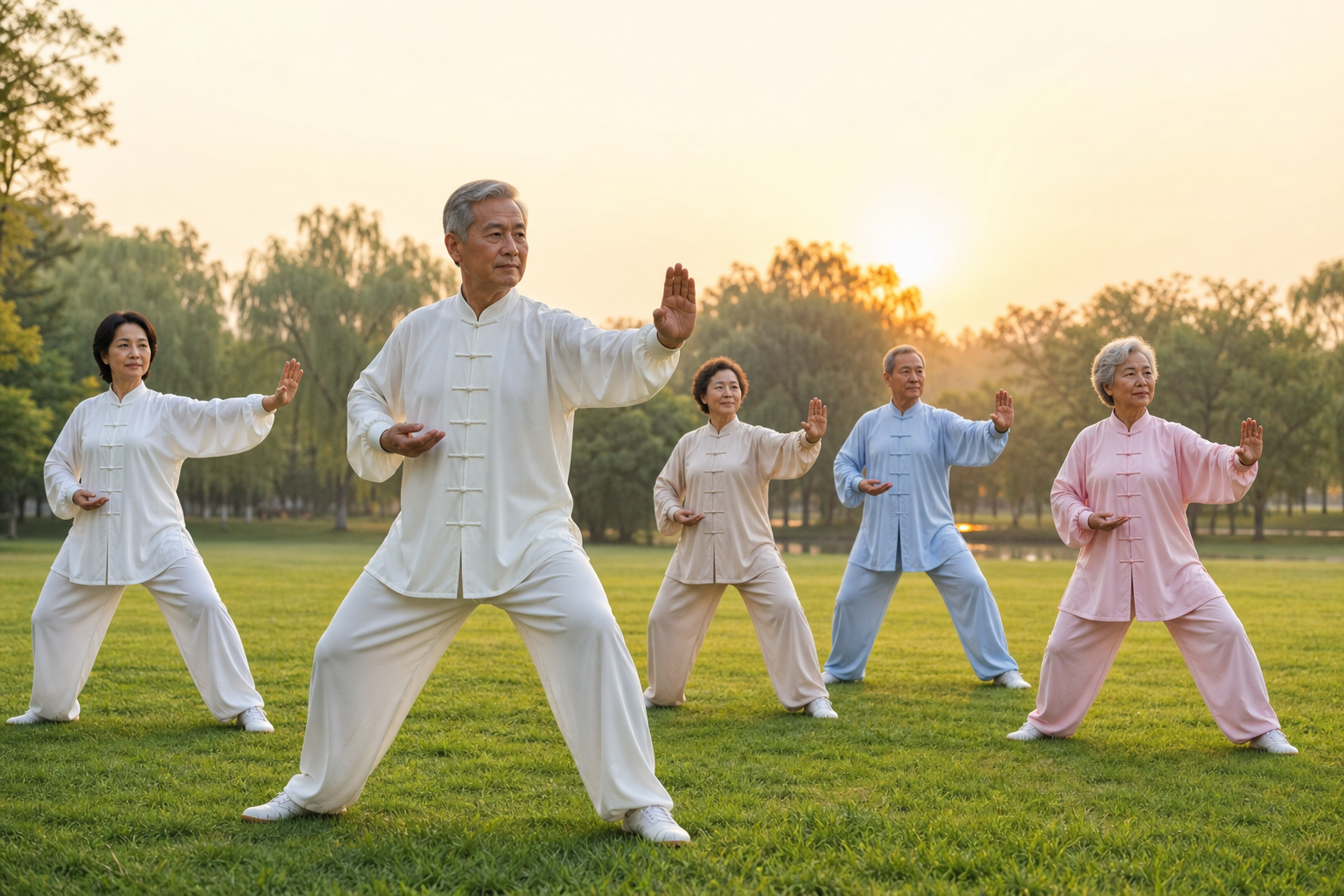
Tai chi—sometimes called “moving meditation”—originated as a martial art but has evolved into something entirely different for most Westerners. Imagine slow, controlled movements synced with deep, regular breathing. It looks simple, but under the surface, tai chi checks off every item on the arthritis and balance wish list.
- Gentle Range of Motion: Unlike high-impact exercise, tai chi moves your joints through a full (though slow) range—without the pounding. A 2016 BMJ meta-analysis found tai chi improved pain and function in knee osteoarthritis almost as much as physical therapy (seriously).
- Balance Retraining: Every weight shift, each subtle transfer from heel to toe, trains the brain and body to work together. The Arthritis & Rheumatology journal published a 2018 study showing fall risk dropped by 58% after 12 weeks of group tai chi in older adults with arthritis.
- Muscle Strengthening—Without Strain: Yes, you’re really working the quads, hamstrings, and glutes, just in a sustained, low-load way. It’s like stealth strength training for people who hate squats.
- Calm for the Mind (and the Joints): There’s something about synchronizing movement and breath that dials down stress. Less stress means less inflammatory signaling—so the pain loop gets interrupted.
But here’s the thing: It’s not just about what tai chi adds. It’s what it doesn’t do. There’s no pounding, no twisting, no “no pain, no gain” nonsense. And for those with arthritis, that’s gold.
The Research: Not Just Fluffy Wellness Talk
Look, my job is to be skeptical. So I keep a running spreadsheet of studies on arthritis, balance, and “alternative” exercise therapies. There’s a reason I’m warming up to tai chi (and I’m not the only one). Here are a few highlights:
- 2016 BMJ Meta-Analysis: Analyzed 54 trials, over 5,000 patients. Tai chi significantly reduced pain and improved function in knee osteoarthritis. Results were comparable to supervised physical therapy.
- 2019 Cochrane Review: 17 studies, over 1,400 people. Tai chi outperformed standard “wellness” classes for both pain and self-reported balance in people with osteoarthritis.
- Tufts University 2016: A 12-week tai chi group saw a 30% improvement in pain and an even bigger boost in balance confidence versus an education-only control group.
The real kicker? Even people who started thinking “this is too slow for me” noticed results. One caveat: you have to practice regularly—think 2-3 times a week. (That’s what the research used.)
So, What Actually Happens in a Tai Chi Class?
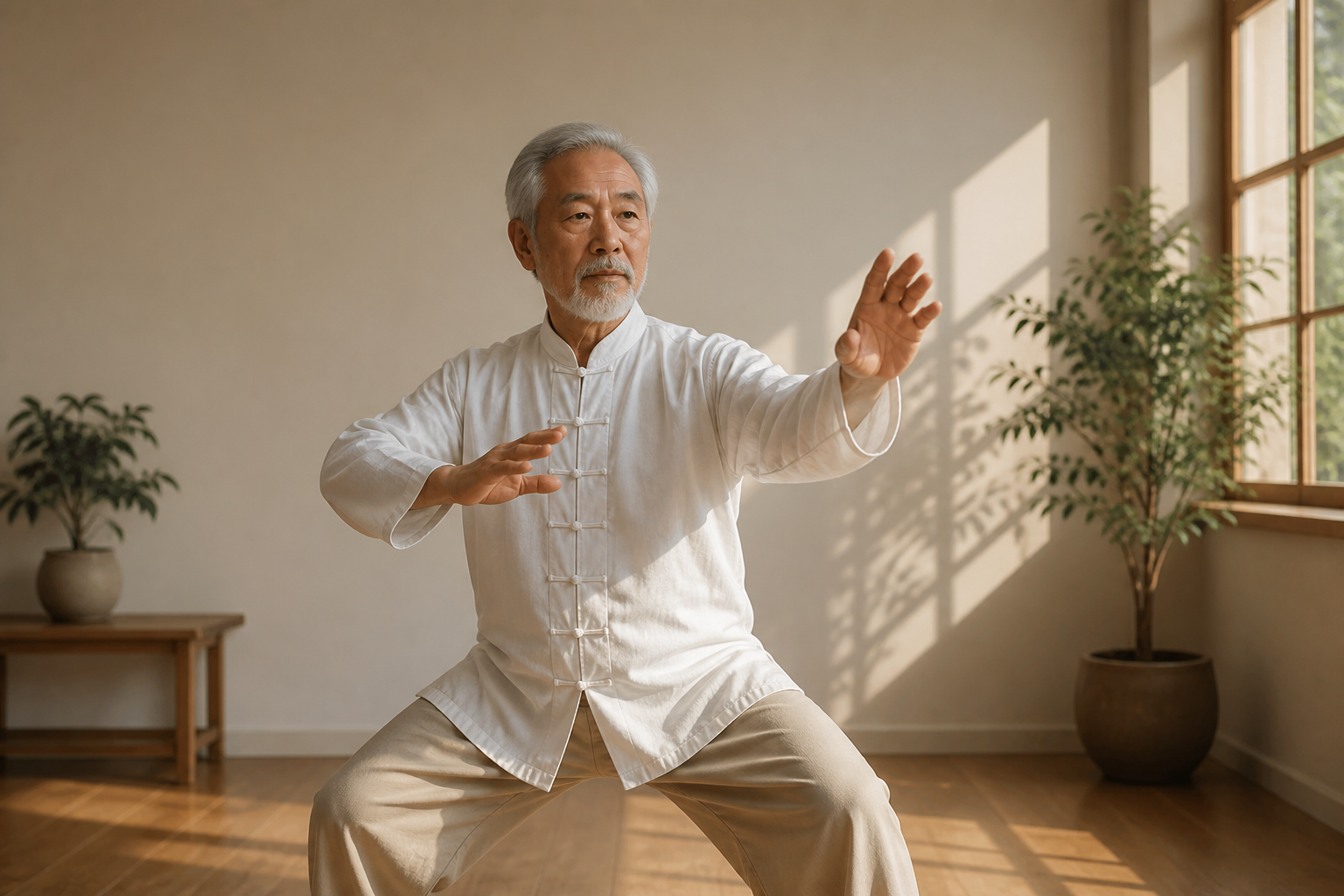
Let’s get real. The first time I joined a community tai chi class, I spent half the session feeling like an uncoordinated stork. But you don’t need to be coordinated—or flexible, or strong—to start. Most beginner classes (and the best online videos) spend lots of time on foundational moves: shifting weight, controlled stepping, gentle twisting from the hips. No one expects you to remember elaborate routines from day one. In fact, the best classes repeat the basics constantly.
And if you’re nervous about group classes or crowds? Start at home. A lot of my readers swear by video instructions. (I’ll share my favorite resource in a second—hang tight.)
What About Pain Flare-Ups or Bad Days?
I wish I could say tai chi is a miracle—no such thing. You’ll still have rough mornings, or days your joints “talk back.” On those days, I’m a big fan of layering tools: a gentle heat pack before you begin, or topical pain gel afterward. Voltaren Arthritis Pain Gel (the one with diclofenac sodium) is very popular among my sources—FDA-approved, non-greasy, and actually backed in studies. Just don’t overdo it: it’s for external use, and check with your doctor if you have any medication questions.
And on those days when heat makes all the difference, the Pure Enrichment PureRelief XL Heating Pad is a game-changer in my house—especially for warming up knees and hips before moving. Moist heat penetrates much deeper than dry, and the XL size covers more than just one joint. Again, always do a skin check, and talk to your doctor before starting any new routine, especially if you have neuropathy or circulation issues.
How to Start Tai Chi (Even If You’re Not a “Group Fitness” Person)
Here’s where most people get stuck: fear of looking silly, or just not knowing where to start. My advice?
- Find a Class for Beginners: Local community centers, YMCAs, and arthritis foundations often run gentle tai chi classes. Look for phrases like “arthritis-friendly” or “for balance.”
- Try At-Home Programs: There are some lovely video series out there. I like the ones from arthritis associations and experienced instructors who show modifications for knees and hips (not just the 25-year-old experts in spandex).
- Start Small: Ten minutes a day is better than none. Set a (gentle) reminder on your phone. I often tell patients to pair their tai chi routine with their morning coffee, so it becomes a habit, not a chore.
- Don't Skip the Warm-Up: Gentle shoulder rolls, ankle circles, and light stretching help prevent those "oops" moments.
If you need extra knee support, a sturdy brace can buy you precious confidence. The NEENCA Professional Knee Brace gets high marks from my readers with arthritis: supportive but not bulky, adjustable, with gel pads to cushion the kneecap. I’ve worn it myself on bad weather days.
Will Tai Chi Replace My Medications or PT?
I know some “wellness” articles try to convince you that tai chi is a miracle cure. Let’s be honest—that’s not how real medicine works. For moderate to severe arthritis, tai chi is a supplement, not a substitute. It won’t regrow cartilage or magically dissolve knee swelling. But in every study I’ve seen, it does improve pain, joint function, balance confidence, and (surprisingly) mood. The best outcomes usually combine movement, medication (if prescribed), and hands-on physical therapy for tough cases.
And if your doctor gives you the green light? Go for it! But always check first, especially if you have heart disease, severe osteoporosis, or recent joint replacements. Safety first.
Real People, Real Results
Want a few more stories? June from Minnesota wrote me after six weeks of tai chi: “I stopped dreading stairs. My knees still click, but it doesn’t hurt.” Another reader, Omar, uses tai chi with his dad, who’s 82 and just a little wobbly. “My father hasn’t fallen in months,” he said. “He moves slower but steadier—like he’s paying attention to every step.”
And yes, a few folks emailed after quitting tai chi, frustrated by the slow pace or lack of instant gratification. That’s human. But most stuck with it—just adjusting how often or how long they practiced. The gentle nature makes it easy to return even after a break.
Does Tai Chi Help All Types of Arthritis?
Most of the research focuses on osteoarthritis and, to a lesser extent, rheumatoid arthritis. The key is gentle movement: anything that keeps you moving without causing pain is helpful. For inflammatory arthritis (like RA), the benefits seem strongest during times when swelling is controlled—so flare-ups might require modifications.
What about fibromyalgia or other chronic pain syndromes? The evidence is less robust, but several pilot studies (see Arthritis Care & Research, 2021) suggest improvements in fatigue and overall function. Just start slow, and never push through serious pain. If anything feels wrong, pause and talk to your rheumatologist.
The Subtle Side Benefits: Sleep, Mood, and Social Connection
I know this isn’t why most people start tai chi, but I’d be remiss not to mention it: regular practice seems to help sleep and mood. A 2015 study in Sleep Medicine Reviews found older adults with arthritis who practiced tai chi slept better and reported less anxiety. I’ve seen it firsthand—my mother-in-law said her “joint aches dialed down a notch” after evening practice, and she was less grumpy at breakfast (her words, not mine!).
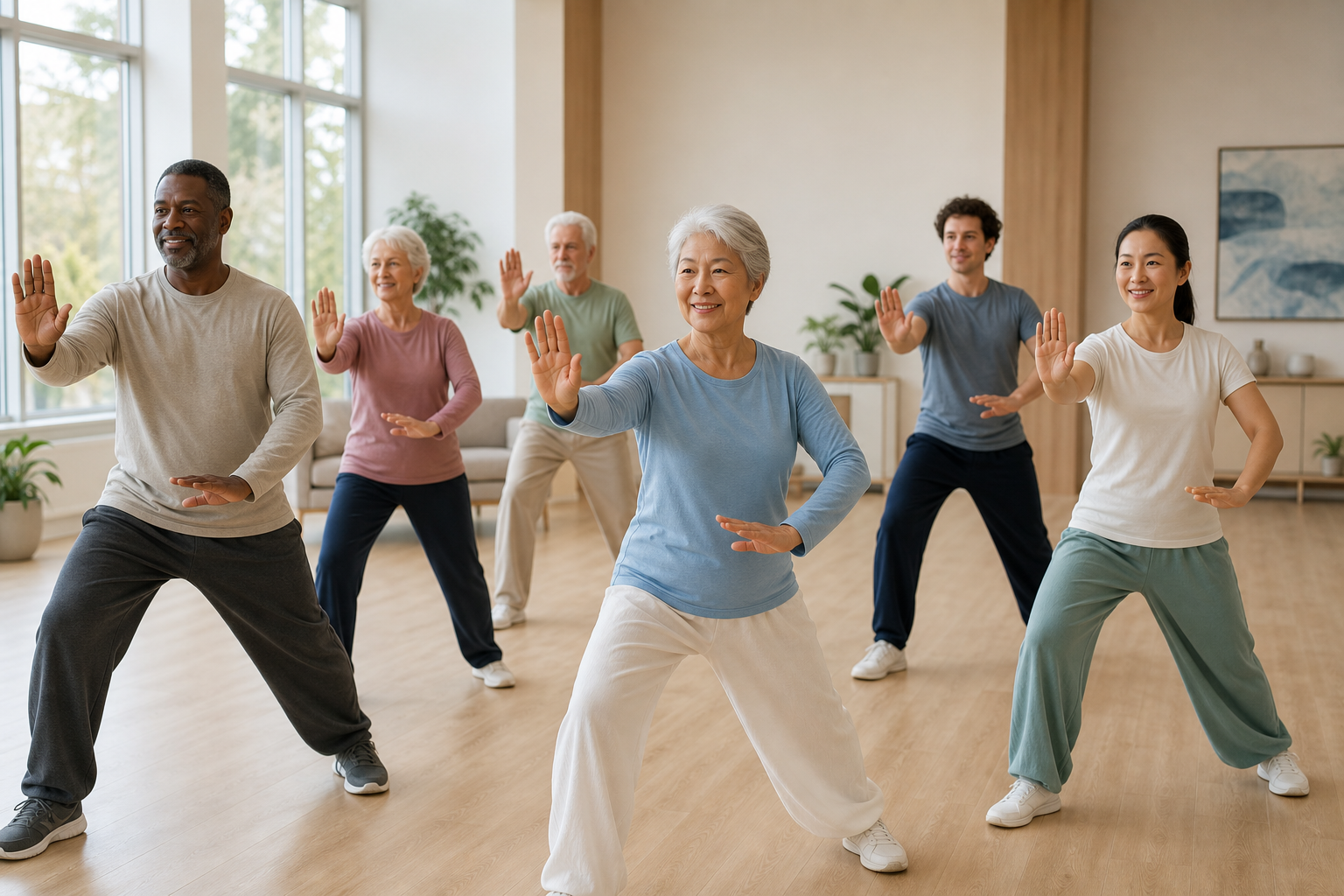
And for folks who feel isolated or frustrated by their limitations, a gentle group class—even online—offers a bit of community. You’re moving together, sharing stories, and celebrating tiny wins.
What No One Tells You: It’s Okay to Adapt
One thing that makes tai chi inclusive is its adaptability. Can’t stand for long? Do it seated. Bad wrists? Focus on the legs. Most instructors are happy to modify moves, and—if I can be blunt—the best tai chi teachers are the ones who ask about your limitations up front. If your teacher expects Olympic-level flexibility, walk out.
And, not gonna lie, there will be days you forget part of the sequence or wobble. That’s normal. The magic of tai chi isn’t perfection—it’s the steady, patient practice.
My Takeaways (and a Few Unpopular Opinions)
Is tai chi a cure-all? No. But is it a low-risk, accessible way to improve arthritis pain and balance—especially for those of us who dread “traditional” exercise? Absolutely. Pick a style or instructor you like, don’t skip the warm-up, and set small, realistic goals.
If you’re nodding along, you’re not alone. Most doctors (rheumatologists, too!) have come around on tai chi. The evidence is there. The community is growing. And honestly, your joints have nothing to lose by trying.
Let’s Get You Moving
Promise me this: if you give tai chi a try, let me know how it goes. I love sharing reader stories, and your experience might nudge someone else off the fence. For a little extra comfort on the rough days, lean on supportive tools—like a good knee brace or heating pad. None of it replaces the basics—a little movement, a little patience, and maybe a deep breath or two.
Here’s to steadier steps and less pain. See you out there—maybe even at a tai chi class.
— Karen Whitfield, Health Journalist & Joint Health Columnist
JointReliefReviews.com