
Tai Chi Benefits for Arthritis and Balance: The Game-Changer Most Doctors Overlook
If you’ve ever shuffled across the kitchen, wincing with every step thanks to stiff knees or swollen fingers, you’re not alone. A reader, Margaret from Ohio, recently emailed me: “Dr. Mitchell, is it true tai chi can help my arthritis? I can barely get out of a chair!” To be honest, I’ve heard versions of that question dozens of times over my 12 years as a physical therapist. And every time, I have to smile—because the answer is yes, and then some.
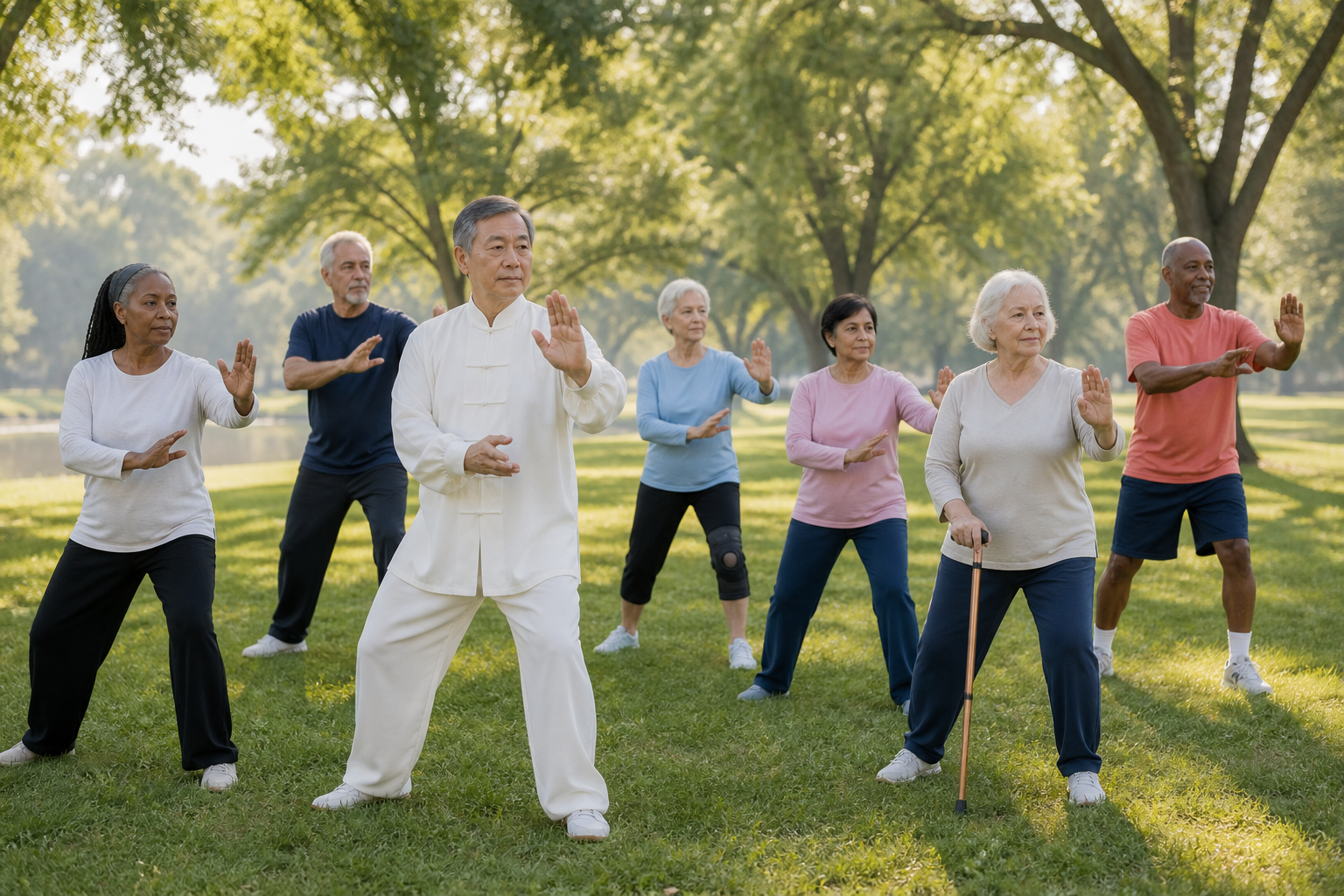
Look, I Get It—Arthritis Doesn’t Just Hurt. It Chips Away at Your Confidence.
Here’s the thing: Living with arthritis means more than creaky joints. It’s missed walks, skipped garden chores, or feeling nervous every time you stand up. And then there’s the fear of falling. You’re not imagining it—people with arthritis have nearly double the fall risk compared to folks without joint pain (see the Journal of Rheumatology, 2018). I’ve watched patients go from independent to anxious almost overnight after a nasty spill.
Balance is one of those things you don’t think about until it fails you. Suddenly, a grocery store trip feels like an obstacle course. Stairs? Forget it. Every little wobble chips away at your confidence. And the less you move, the stiffer your joints get—classic vicious cycle.
Tai Chi for Arthritis: Why All the Hype?
If you picture tai chi as slow-motion dancing in the park, you’re only half right. It is gentle and flowing. But it’s also a highly structured form of exercise, rooted in centuries-old Chinese martial arts. And, surprisingly, it’s one of the best studied interventions for arthritis and balance. I’ll be honest—I was skeptical at first, too. I thought, “Can standing around waving your arms really compete with physical therapy or medication?”
But the research is hard to ignore. The Arthritis Foundation and even the CDC name tai chi as a top recommendation for adults with arthritis. In fact, tai chi is one of the very few exercises consistently shown to improve both joint pain and overall balance, without aggravating symptoms.
What Does the Science Say?
Let me get specific. A 2016 Arthritis & Rheumatology trial with over 200 participants found that people with knee osteoarthritis who practiced tai chi twice a week had significantly less pain and better function than those in a traditional physical therapy program.
But here’s where it gets interesting: Tai chi didn’t just help with pain. Balance scores improved by up to 30% on average, according to a 2017 review in BMJ Open. That’s huge—especially if falls are your secret fear. And the benefits held up even after people stopped the formal classes.
One of my favorite findings is from a 2012 New England Journal of Medicine study: Older adults with arthritis who practiced tai chi showed improved proprioception (that’s your sense of where your body is in space), increased lower body strength, and even less anxiety about falling. The researchers tracked participants for 24 weeks—long enough to measure real-life changes, not just a quick boost.
How Tai Chi Actually Helps Your Joints (and Your Brain)
I’ll break it down for you. Tai chi combines slow, mindful movements with deep breathing and focused attention. It’s a rare exercise that’s both physically challenging and calming. The key mechanisms at work:
- Gentle, full-range movement: Tai chi moves every major joint through safe, dynamic ranges. That’s joint lubrication in action. Imagine oiling squeaky hinges—same idea, but for your knees and hips.
- Muscle activation (without impact): You’re using your quads, glutes, and core muscles in every shift of weight—all without pounding or twisting. It’s like stealth strength training.
- Improved balance & proprioception: Each sequence forces your brain to map exactly where your feet and arms are. This fine-tunes your internal “GPS,” reducing stumbles and missteps.
- Mindfulness effect: Deep breathing and intentional focus trigger the parasympathetic nervous system, lowering stress hormones that can worsen pain perception.
And, not gonna lie, I’ve seen folks get hooked. They find tai chi less intimidating than going to the gym or a dance class. Plus, no equipment required—just comfy clothes and a willingness to try something new.
Mythbusting: Can Tai Chi Replace Physical Therapy or Meds?
Short answer? It depends. I know some of my colleagues will bristle at this, but tai chi isn’t magic—it’s not going to reverse severe cartilage loss or replace your doctor’s advice. But for many of my patients, it’s the missing middle step. Here’s what I mean:
- Already doing PT? Tai chi can be a gentle way to maintain gains and add variety once you’re past the acute stage.
- Scared of starting exercise? Tai chi offers a “soft entry”—lower risk of flare-ups, less fear, more immediate feedback.
- On medication? Tai chi can work alongside your treatment plan. In fact, a 2019 Rheumatology International review found that participants who practiced tai chi needed fewer pain meds long-term.
Talk to your doctor before changing or adding any new exercise, especially if you have severe joint damage, balance disorders, or other medical concerns. Safety first—always.
How to Get Started with Tai Chi—Even If Your Knees Are Killing You
One of my favorite things about tai chi? Almost anyone can do it. Standing, seated, younger, older—it’s adaptable. You don’t have to memorize a 108-move sequence on day one. Most arthritis-specific tai chi programs use short, easy-to-follow routines (think 5-12 moves).
Here’s what I usually recommend for beginners (and what I tell my own mother-in-law):
- Find a local class or online video designed for arthritis or balance. The Arthritis Foundation Tai Chi program is a gold standard—many YMCAs and senior centers offer versions of it. Or, yes, there are excellent YouTube instructors (just check credentials).
- Start with 10 minutes, 3 times per week. You don’t need to commit hours. Just the act of becoming aware of your body, shifting your weight, and breathing deeply is a win. Some of my most “immobile” patients surprised themselves after a few weeks.
- Wear supportive footwear and clear your practice area. No rugs, cords, or coffee tables. Safety first.
- Listen to your body. Some knee pain or stiffness is normal at first. But sharp pain? Stop and check with your PT or doctor.
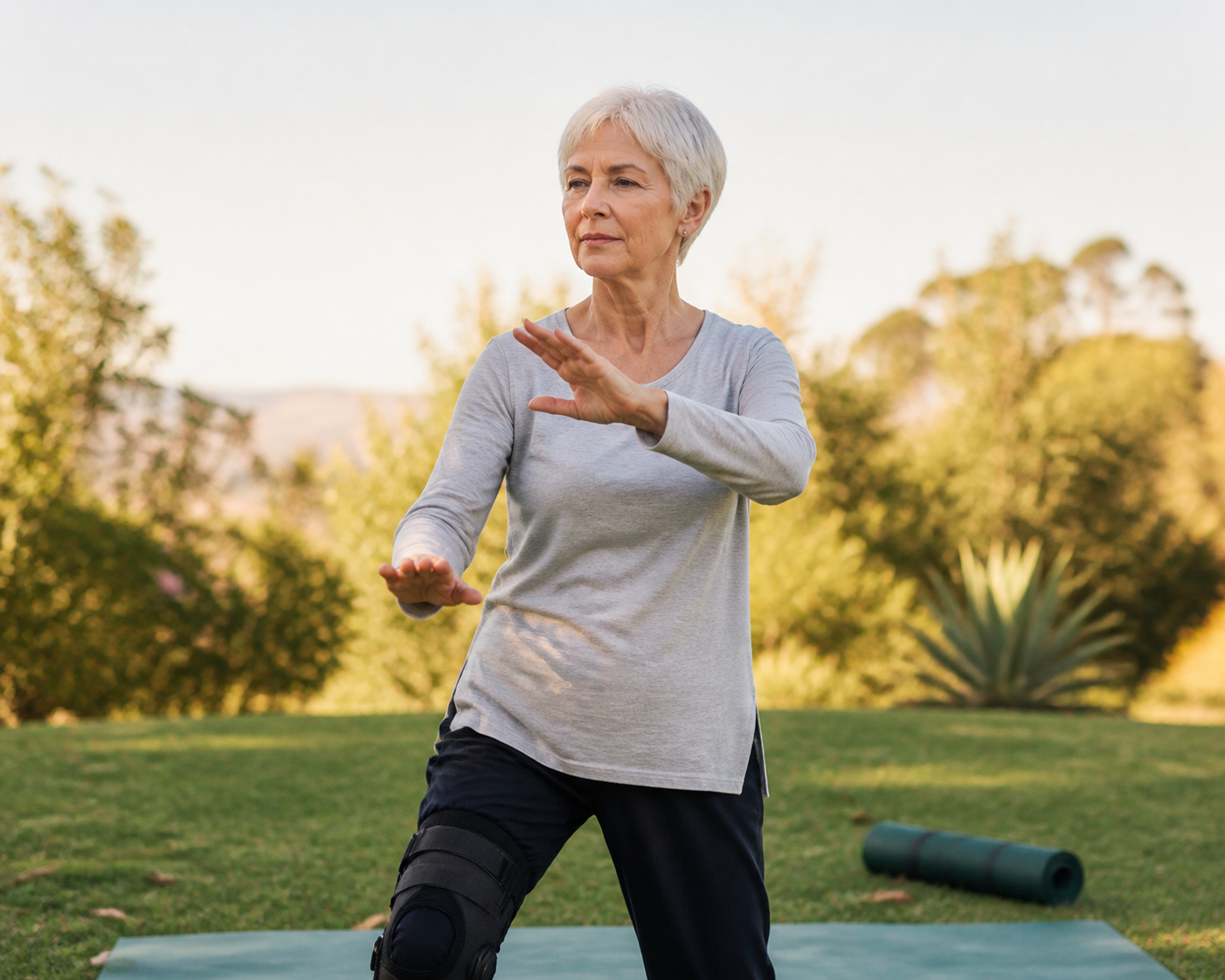
“But I Have Severe Arthritis. Can I Really Do Tai Chi?”
I hear this worry a lot—especially from folks who rely on canes or braces. The answer is yes, with a little adaptation. For example, I often recommend the NEENCA Professional Knee Brace for clients who need extra knee support during standing exercise. It’s not required, but the side stabilizers and gel pad can make a huge difference in comfort and confidence, especially when shifting weight from side to side.
And don’t forget: Sitting tai chi is absolutely a thing. Many moves can be performed from a sturdy chair, focusing on arm movement, posture, and breathing. The benefits—improved joint movement, circulation, and mental calm—are still there.
Beyond Tai Chi: Complementary Tools for Arthritis and Stability
Tai chi is powerful, but it’s not the only piece of the puzzle. In my clinic, I see the best results when clients blend mindful movement with other supports. A few favorites:
- Topical pain relief: Some patients tell me they can start or finish their tai chi practice more comfortably with a topical NSAID like Voltaren Arthritis Pain Gel. It’s clinically proven (diclofenac sodium, 1%) to reduce arthritis pain and stiffness, especially in knees, wrists, and hands—without the stomach upset that oral meds can trigger.
- Guided exercise routines: If you like things by the book, Jim Johnson’s Treat Your Own Knees is a patient favorite in my office. The illustrations are clear, and the exercises blend beautifully with tai chi for those who need more structure (or want to track their progress on paper).
- Compression knee sleeves or supportive shoes: These can add an extra layer of comfort and stability, especially in the early weeks.
And I’ll say it again—none of these are magic bullets. But the right blend of support, movement, and confidence-boosters is what turns “I can’t” into “Maybe I can.”
What If I Can’t Stick With It? (The Motivation Trap)
I see it all the time: People who start strong and then fizzle out. It’s not your fault—changing habits is tough. Here’s what works best for my arthritis and balance patients:
- Find an accountability buddy. Even virtual classes can foster camaraderie.
- Set micro-goals: “I’ll do 5 minutes before lunch” is more doable than “I’ll become a tai chi master by July.”
- Keep a symptoms diary. Track your pain and steadiness before and after practice—seeing progress is motivating.
- Reward yourself (yes, even with that TV show or favorite snack) after each session.
And if you fall off the wagon? No guilt. I have patients who take a month off and jump back in with no shame. Consistency is great, but persistence is what counts.

Let’s Talk Limits: Who Should Skip Tai Chi?
I won’t sugarcoat it—not everyone is a candidate for tai chi, at least not right away. If you have severe vertigo, uncontrolled heart failure, or high fall risk and live alone, get cleared by your doctor before starting. Some moves could be unsafe if your balance is extremely limited. And anyone recovering from recent joint surgery? Wait until your PT or surgeon gives you the green light.
For most adults with mild-to-moderate arthritis or balance concerns, though, tai chi is one of the lowest-risk, highest-reward activities you can try. And insurance won’t balk at the price.
What’s the Real-World Payoff?
This is where the numbers get personal. National surveys (CDC, 2021) show that people over 65 who participate in tai chi are 23% less likely to report falls than non-participants. Pain scores drop by an average of 25-35% in regular practitioners, according to Arthritis Care & Research (2018). But the real kicker? Folks report feeling more capable—walking, standing, and living life on their own terms again.
And if you’re nodding along, you’re not alone. I’ve had patients—from 40-somethings with rheumatoid arthritis to 90-year-olds in assisted living—tell me that tai chi gave them back not just mobility, but hope.
Key Takeaways: Why Tai Chi Belongs in Your Arthritis Toolkit
- Research-proven relief: Tai chi isn’t just “nice”—it’s legit. Scores of studies show real improvement in arthritis pain and balance.
- Gentle, adaptable, and doable: There’s no age or experience requirement. You can start small and tailor moves to your ability.
- Whole-body, whole-person benefits: Better strength, steadiness, mental calm, and confidence—all at once.
- Can be combined with other supports: Consider tools like the NEENCA Knee Brace for stability, Voltaren Gel for pain, or Treat Your Own Knees for extra guidance.
So the next time you wake up stiff or anxious about taking that first step, consider giving tai chi a real shot. You might just surprise yourself. And if you try it and love it, shoot me an email—I read every one.
To steadier steps and easier mornings,
Dr. Sarah Mitchell, DPT
Senior Health Editor, JointReliefReviews
Dr. Sarah Mitchell is a licensed physical therapist with over 12 years of clinical experience treating osteoarthritis and chronic joint conditions. She serves as Senior Health Editor at JointReliefReviews.