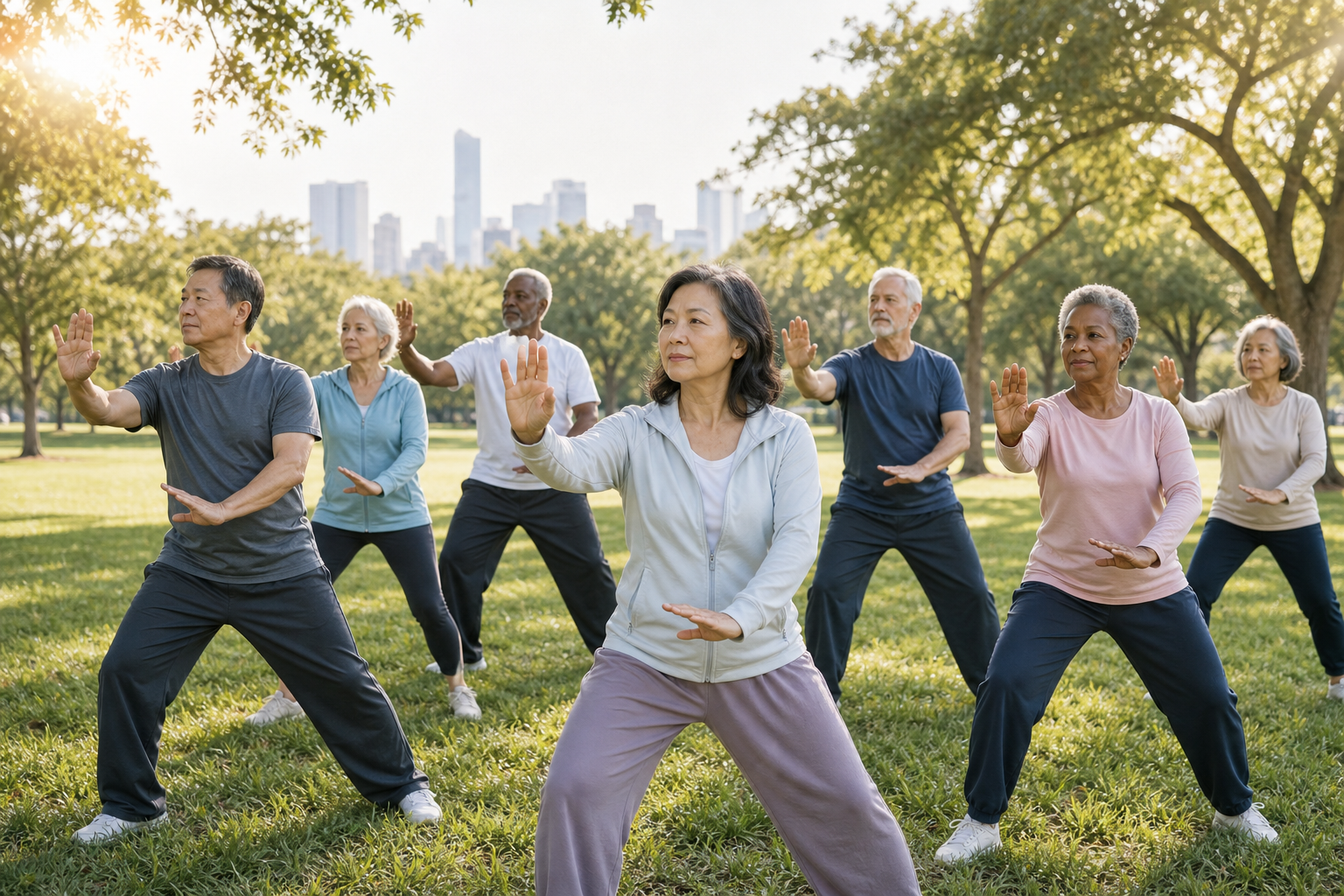
Tai Chi’s Quiet Power: How Gentle Movement Changed My Patients’ Arthritis (and Mine)
Years ago, I had a stubborn knee—arthritis, plain and simple, right in the joint where it hurts most when you’re trying to chase after grandkids or even just get up after kneeling. Physical therapy helped some, sure. But the real kicker? It was a gentle tai chi class in the back of a local community center—slow arcs, deep breaths, a kind teacher named Mrs. Kwan. I’ll be straight with you: I was skeptical. How could standing around waving my arms in slow motion help more than all those gadgets and pills?
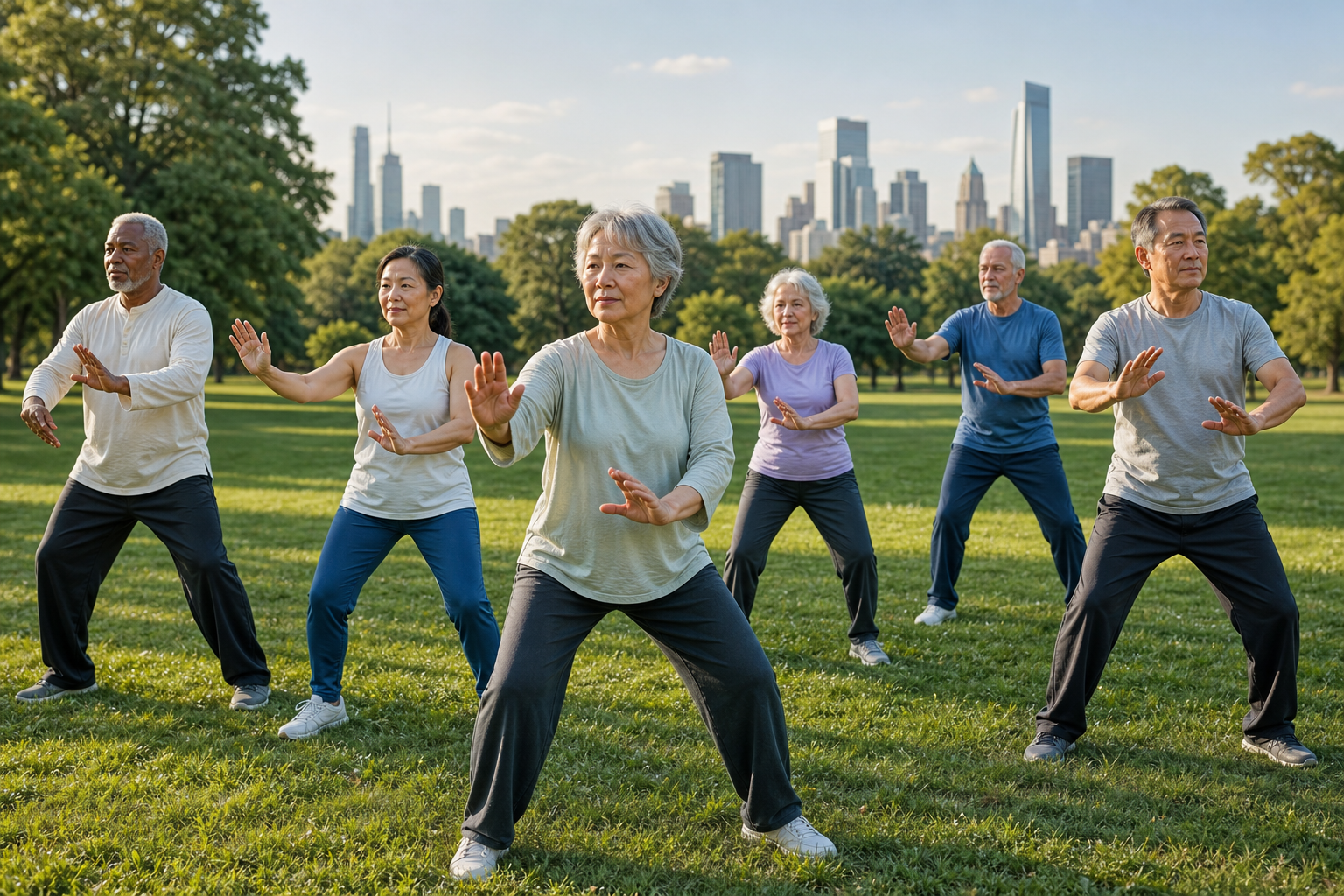
But after three months, my pain scores dropped a notch. My balance? A total game-changer. I saw the same thing with my patients—especially the ones who stuck with it. I started recommending tai chi more often, and not just for joint aches. The research backs this up—if you’re nodding along, you’re not alone. Nearly 1 in 4 adults in the U.S. over 65 struggles with some kind of arthritis, and falls are the leading cause of injury in older adults (CDC, 2022).
Arthritis and Balance: The Vicious Cycle
If you live with arthritis, you already know the story. Stiff mornings. The knees that don’t quite listen on stairs. The growing fear of losing your balance—sometimes it’s not even pain that keeps you from moving, it’s that feeling you could topple at any moment. And yes, that fear is real: studies show that adults with arthritis are twice as likely to fall compared to those without joint pain (Arthritis Care & Research, 2018).
I hear about these struggles every single week. One reader, a retired schoolteacher, emailed me after a nasty sidewalk tumble. "Doc, am I just doomed to shuffle around?" she wrote. Hardly. But the solution isn’t just more medication or another fancy brace. You need movement that builds strength and confidence without triggering more pain.
So, What Does Tai Chi Actually Do?
Here’s the thing: Tai chi isn’t just “light exercise.” It’s a structured, flowing movement system with ancient roots in Chinese martial arts. But these days, its reputation for health far outshines its fighting legacy.
Modern research finally caught up to what practitioners have claimed for centuries. Several large reviews—like the BMJ's 2019 meta-analysis—found that tai chi reduces pain and improves function in people with osteoarthritis, especially in the knees. One trial from Harvard, published 2016 in Annals of Internal Medicine, followed 204 adults with knee OA for 12 weeks. The tai chi group reported a 50% reduction in pain scores compared to stretching alone. And those gains stuck around at 24 weeks.
But here’s where it gets interesting: Tai chi doesn’t just mask symptoms. It actively trains balance, flexibility, and body awareness—what researchers call "proprioception." That means your muscles and brain get better at reacting to sudden stumbles or uneven ground. No surprise, then, that the Journal of the American Geriatrics Society (2012) found regular tai chi cut fall risk by nearly 43% over 6 months in older adults.
The Science in Plain English
- Pain Relief: Tai chi’s slow, weight-shifting motions lubricate the joints, increase circulation, and cue the body’s natural anti-inflammatory response. It’s not just "in your head." One MRI study (Arthritis & Rheumatology, 2015) showed real brain changes in pain-processing regions after tai chi training.
- Better Balance: Each tai chi move subtly shifts your center of gravity, strengthening stabilizing muscles—especially in the hips and knees. That’s why physical therapists (myself included) often recommend tai chi basics for anyone post-knee surgery or with fall concerns.
- Mind-Body Boost: The meditative aspect—a focus on breath, posture, and present-moment awareness—can lower stress hormones, leading to better sleep and even improved immune function (Psychoneuroendocrinology, 2016).
Not gonna lie: Some of this sounds a little mystical at first. But most articles gloss over the real, measurable effects—these aren’t empty promises, but results you can feel.
How Tai Chi Fits Into a Real Arthritis Toolkit
I see tai chi as one tool—an ancient wrench in your modern toolbox. It won’t replace everything, but it does play well with other strategies. Here’s what works best, in my experience:
- Start Slow, Progress Gradually: Most beginners can handle short sessions—10 minutes, a few times a week. With arthritis, always honor your limits. There’s no "win" for pushing through sharp pain. Trust me—I’ve tried.
- Add Simple Home Exercise: Combining tai chi with research-backed strengthening (like what’s in Treat Your Own Knees) speeds up mobility gains. That little book’s routines are shockingly effective for knee and hip stability—and easy to pair with tai chi.
- Support Sore Joints: If you’re dealing with acute flare-ups, an anti-inflammatory gel like Voltaren (diclofenac sodium; FDA-approved for arthritis pain) can make those first sessions much more comfortable. (Of course: Always check with your doctor before starting a new topical or exercise plan.)
- Footwear Matters: Good balance starts at the ground. Shoes with a wide, stable base—not too cushy, not too hard. I’ve seen more improvement from swapping out old sneakers than from many orthotics.
- Group Motivation: Tai chi is best learned with others. Community classes (often low-cost at senior centers or YMCAs) boost social support—a key for sticking with any routine. Virtual classes work too, but in-person makes correction and encouragement easier.
Look, you’re not aiming to become a kung fu master. You’re aiming to move through daily life—stairs, sidewalks, Sunday strolls—with less pain and more confidence. Every bit of consistency counts. If you’re like most of my patients, you’ll start noticing changes after about four to six weeks. Not overnight. Not magic. But real.
What About the Drawbacks?
I know this is unpopular, but let’s not oversell it: Tai chi won’t regenerate worn-out cartilage or reverse decades of joint damage. If your arthritis is severe, with bone-on-bone grinding, tai chi may help with pain and coordination—but it’s not a replacement for legit medical care, targeted injections, or (sometimes) surgery. I tell my own family: Anything touted as a "miracle cure" for arthritis is probably oversold.
Also, not every teacher is equal. I’ve seen classes where the instructor moves at a breakneck pace, or ignores modifications for bad knees—frankly, that’s an injury waiting to happen. Ask ahead about experience with arthritis or balance issues. And if your knees are especially unstable, consider wearing a supportive knee brace (like the NEENCA Professional Knee Brace; the side stabilizers are a lifesaver in early stages of tai chi practice).
How Tai Chi Compares: Yoga, Walking, and More
Patients often ask me: "Is tai chi really any different than yoga, walking, or other gentle exercise?" Here’s what I’ve seen (and what the research says):
- Versus Yoga: Both build balance and flexibility, but yoga often involves deeper knee bends, weight-bearing on wrists, or positions that aggravate common arthritis spots. Tai chi’s movement is more upright, with less joint compression.
- Versus Walking: Walking’s great for general health and aerobic fitness, but it doesn’t challenge your balance or joint control in as many planes. Tai chi’s constant shifting, pivoting, and slow weight transfer directly trains those stabilizing muscles that prevent falls.
- Versus Strength Training: Strength work matters, no doubt—but tai chi uniquely combines muscle activation, coordination, and mindfulness, making it ideal for those who struggle with traditional rehab exercises.
Honestly, a mix is best. Tai chi + short targeted strengthening is my go-to prescription for most older adults with knee or hip pain. And you can always adjust—doing smaller ranges, fewer repetitions, or even seated tai chi if needed.
How to Start (and Stick With) Tai Chi for Arthritis and Balance
I get it—the hardest part is beginning. Here’s what I recommend to patients and friends alike:
- Find a Class: Local community centers, YMCAs, and arthritis foundations often run beginner-friendly tai chi. Look for teachers certified by organizations like Tai Chi for Health Institute—these instructors know how to modify moves for sore joints.
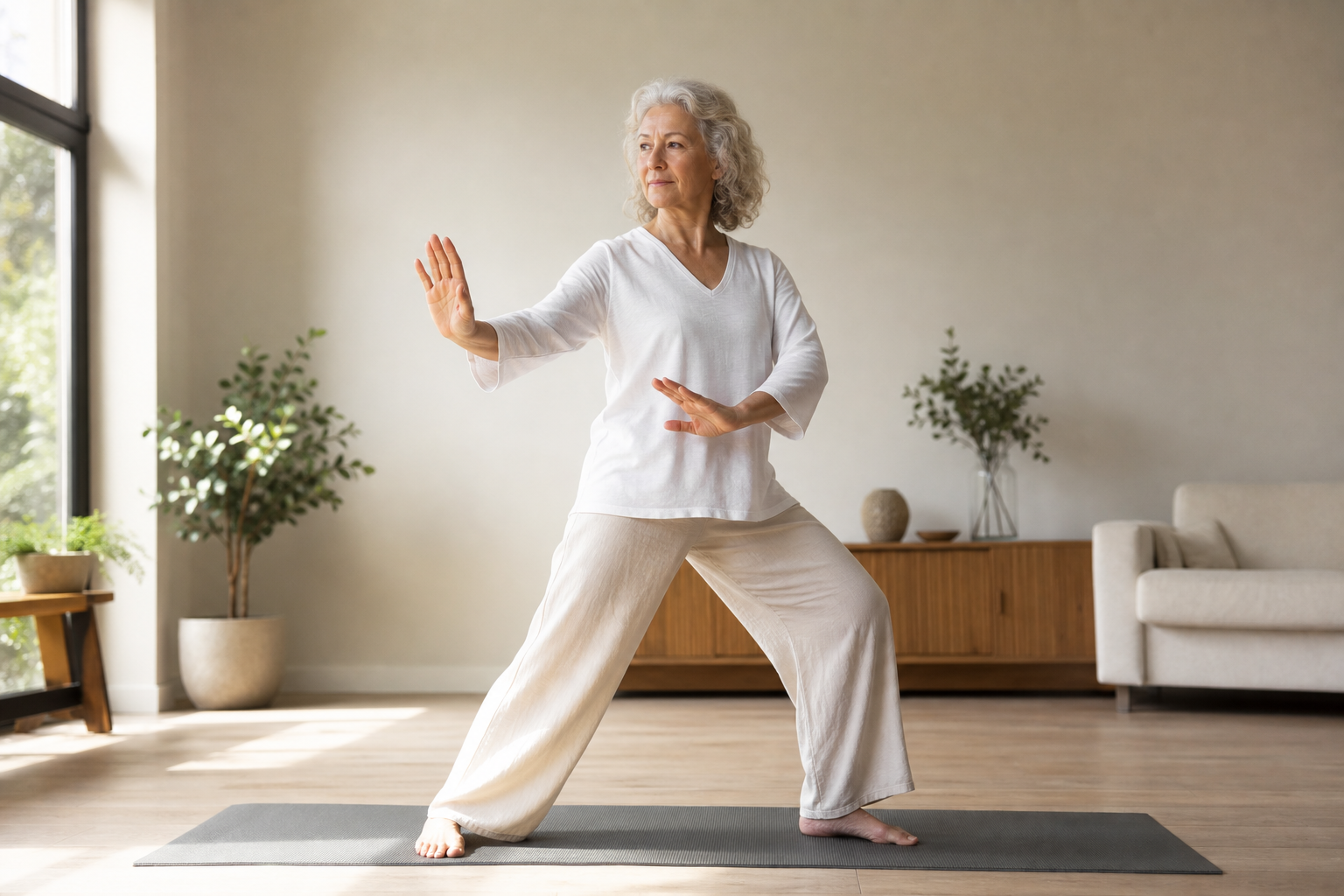
- Dress the Part: Loose, comfortable clothing. Supportive shoes, or barefoot if your balance allows. Bring water—and a dose of patience.
- Set Realistic Expectations: You won’t nail the choreography on day one. In fact, most folks look a little silly at first (myself included). Focus on how you feel—less pain, more steady—not on perfection.
- Track Your Progress: Keep a simple log: pain ratings, balance confidence, even the number of times you can rise from a chair without hands. Small wins keep motivation alive.
- Combine With Support Tools: If you struggle with pain during or after tai chi, consider rotating in topical pain relief (Voltaren Gel) or a brace ( NEENCA Knee Brace). Used wisely, these aids can help you move more, not less.
Tai Chi—Not a Magic Bullet, but a Real Step Forward
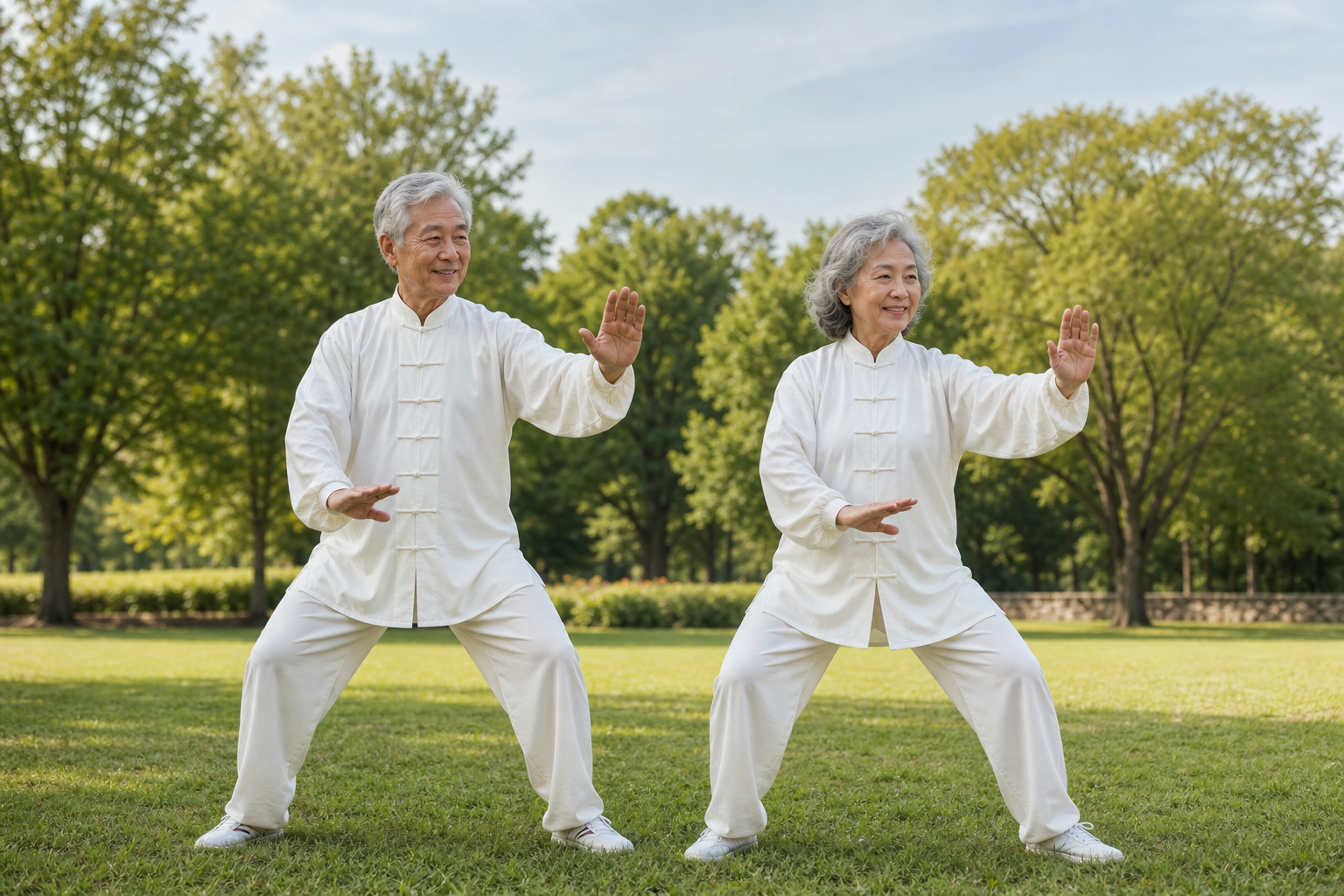
If you’ve read this far, you probably see where I’m coming from. Tai chi isn’t some mystical cure-all. But for arthritis and balance, it’s one of the most practical, accessible, and empowering moves you can make. It meets you where you are—whether you’re stiff and anxious, or just hoping to stay upright on icy sidewalks.
Here’s what stands out after a decade of recommending it:
- It’s safe for nearly everyone, with proper guidance and a little humility.
- It trains both your muscles and your brain, improving both movement and confidence.
- It plays well with other arthritis tools—home exercise, bracing, and even the occasional pain gel.
And maybe most importantly—the folks who stick with it don’t just move better. They seem happier, steadier, less afraid of what their bodies will do next. If that isn’t worth 20 minutes a few times a week, I don’t know what is.
Questions about getting started? Or stories about your own tai chi journey? I always love to read them. Remember: Every step, no matter how slow, gets you closer to moving through life with less pain and more ease.
Dr. Michael Torres, DC
Chiropractor & Certified Nutrition Counselor
Contributor, JointReliefReviews.com