Tai Chi for Arthritis and Balance: Why I Recommend It (and What You Won’t Read Elsewhere)
My first encounter with tai chi as a tool for arthritis was nearly accidental. Years ago, I watched my mother-in-law—who struggled with creaky knees and a wonky sense of balance—float through a tai chi class at her local YMCA. She was the youngest in the room by about 20 years, but the instructor (a retired nurse, no less) made her feel right at home. Six months later, she’d halved her pain medication and stopped clutching the furniture every time she stood up. I was floored. (And a little jealous, honestly.)
The Daily Struggle: Arthritis Isn’t Just ‘A Little Stiffness’
If you’re reading this, I don’t need to explain the grind of living with joint pain. Maybe your knees hurt every time you stand. Maybe your balance feels off, like the floor might tip when you turn too quickly. In my years covering arthritis for Arthritis Today and Prevention, I’ve heard hundreds of stories—from the teacher who had to stop gardening to the granddad who gave up stairs. The pain is real, but it’s the fear of falling (or losing your independence) that really gets under people’s skin.
And the kicker? Many traditional exercise programs—think step class or even brisk walking—just aren’t doable when pain and instability are part of your every day. That’s where tai chi slips in, almost quietly, and changes everything.
So, What Is Tai Chi (and Why Does It Work)?
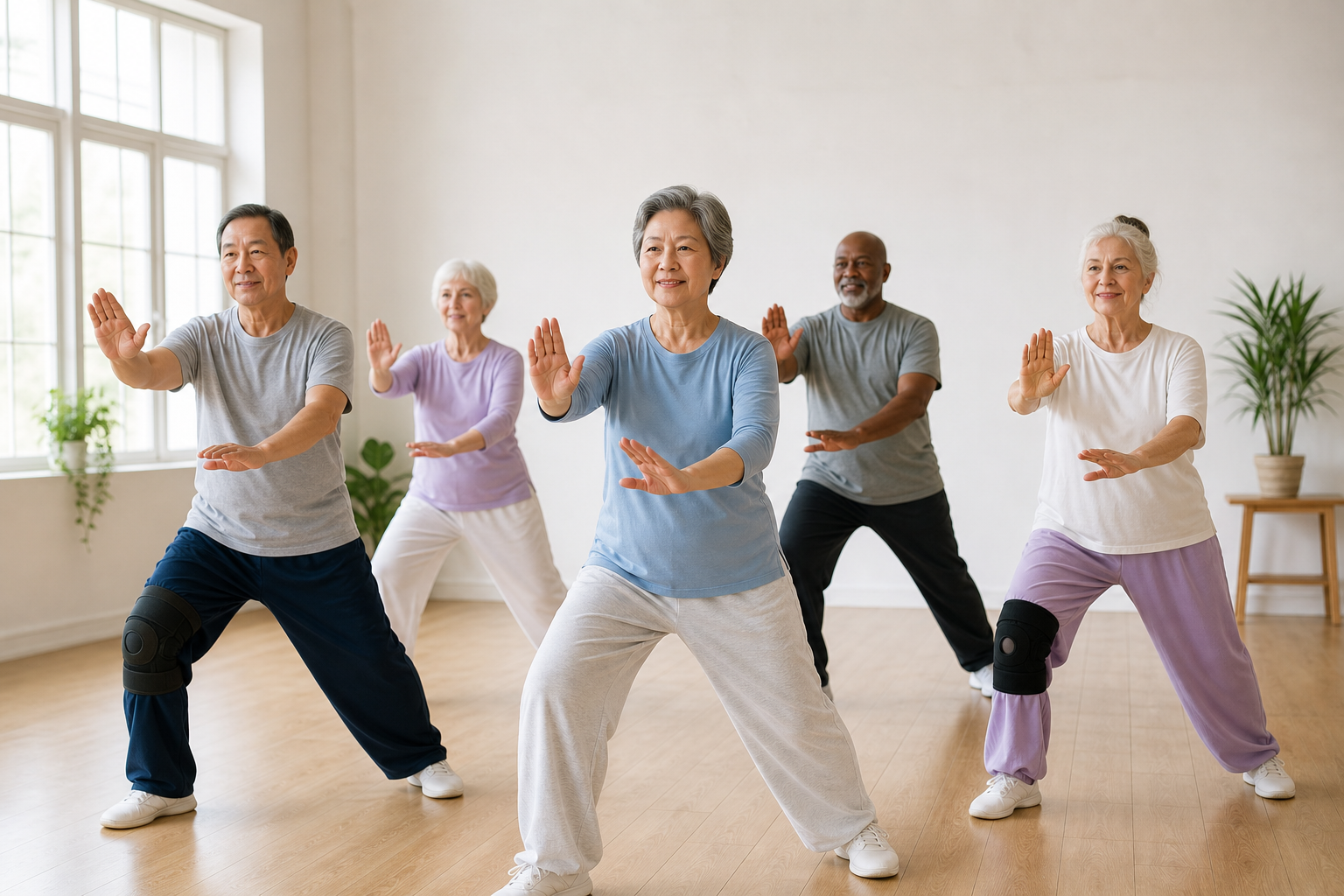
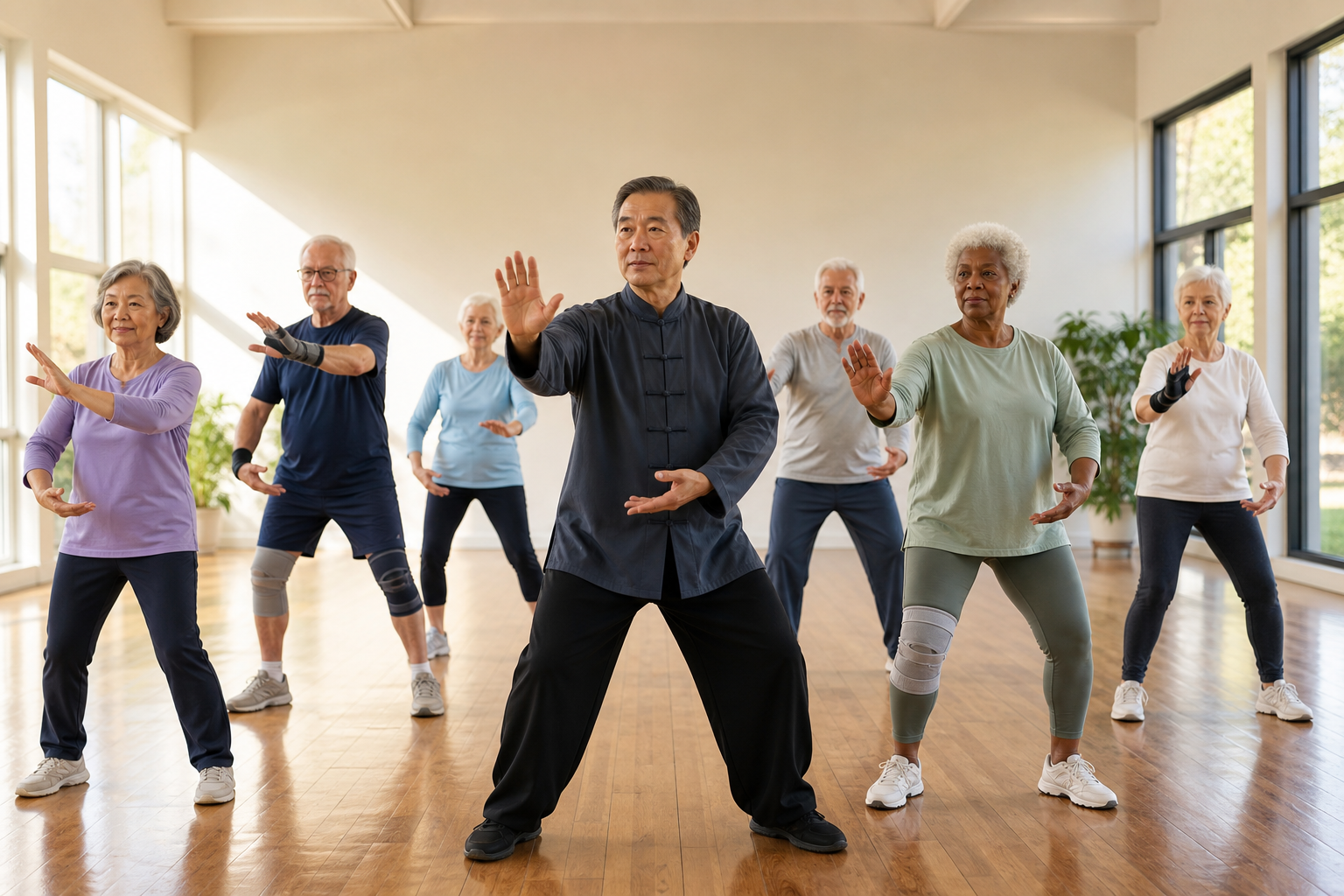
Tai chi—sometimes called “meditation in motion”—originated as a Chinese martial art but today looks nothing like a karate movie. It’s a series of slow, flowing movements, performed standing up, often in groups. You’ve probably spotted a class in the park or a gym: arms move in gentle arcs, knees bend just a little, no sweat or grunting involved.
But here’s the thing: beneath that gentle surface, there are powerful mechanics at work. A 2017 Journal of Rheumatology meta-analysis (I’ve pored over the data myself) found tai chi reduced pain and improved physical function in people with all types of arthritis—even rheumatoid, which is notoriously tough. Participants typically practiced 2-3 times a week, 45-60 minutes per session, over 12 weeks. The results weren’t just statistically significant—they were life-changing.
So why does it help? Three main reasons, according to researchers:
- Balance retraining: Tai chi constantly shifts your weight from side to side, training your ‘proprioception’ (that’s your brain-body connection that lets you know where you are in space). Less wobbling, fewer falls.
- Joint-friendly movement: No impact, no sudden twists. Every move can be modified for sore wrists, hips, or knees. I’ve seen folks do tai chi from a chair and still reap the benefits!
- Mental calm: Chronic pain messes with your mood and sleep. Multiple studies—BMJ, 2015; Arthritis Care & Research, 2016—show reduced anxiety and better sleep after regular tai chi. Not every exercise can claim that.
What Does the Research Really Say?
I could geek out for hours here, but let me give you the highlights. In 2019, a landmark randomized trial published in Arthritis & Rheumatology enrolled 204 older adults with symptomatic knee osteoarthritis. Those assigned to tai chi (60 minutes, twice weekly for 12 weeks) had as much pain relief as those who did standard physical therapy—without any of the side effects or insurance paperwork. Even better, the tai chi group had greater improvements in depression and well-being scores.
Meanwhile, a 2022 BMJ Open review flagged tai chi as one of the few exercise approaches that both reduces pain and improves balance—especially in people over 65. That’s a rarity. Most balance programs work the ankles and hips but don’t touch joint pain. Tai chi does both.
And the practical upside: you don’t need fancy equipment. (Unless you count a loose pair of sweatpants and a YouTube connection as “equipment.”)
How Tai Chi Improves Balance (The Science, Simply Explained)
Most of us take balance for granted. That is, until you step off a curb and realize your brain’s a split-second behind your feet. For people with arthritis, it’s worse: joint pain changes how you walk and stand, making you overcompensate and, ironically, more likely to fall.
Tai chi attacks this in three surprising ways:
- Slowing down = rewiring your brain: Moving in slow motion forces your nervous system to pay attention. You’re not just shuffling—you’re teaching your brain to plan every step, every shift of weight.
- Tiny muscles get a workout: Each move targets the stabilizers around your joints. Not the big thigh or arm muscles—the little guys that actually keep you upright.
- Confidence grows, and that matters: Several trials show people who practice tai chi are less afraid of falling, so they move more. It becomes a virtuous cycle. (I saw this in my own father, who went from “Don’t let go of me!” to walking the dog by himself in under a year.)
Practical Tips: How to Get Started with Tai Chi for Arthritis and Balance
Look, I’m not here to sell you on becoming a tai chi master. The magic is in the basics. Here’s how I recommend folks with arthritis (and shaky balance) dip a toe in:
- Check your local rec center or Y: Many offer “Tai Chi for Arthritis” or “Balance Tai Chi” classes. Don’t worry about being the youngest (or slowest); these classes skew supportive, not competitive.
- Start with 10 minutes a day: YouTube has solid free routines by certified instructors—Dr. Paul Lam’s “Tai Chi for Arthritis” series is gold. Ten minutes is enough to notice a difference within a few weeks.
- Modify if you need to: Can’t stand for long? Do tai chi seated. Sore wrists? Keep your hands relaxed and low. The point is progress, not perfection.
- Be gentle with yourself: If your knees bark after practice, back off the depth. There’s no ‘Olympic Tai Chi’—just move in a way that feels right. And, as always, talk with your doctor before starting any new movement program.
Products That Can Help You Move More Comfortably
True story: The first week my mother-in-law tried tai chi, she iced her knees for an hour every night. The second week, she wised up and started using a topical—Voltaren Arthritis Pain Gel. She swears by it, and the science backs her up: Voltaren contains diclofenac sodium, a non-steroidal anti-inflammatory that’s FDA-approved for arthritis pain. It isn’t a miracle, but it does take the edge off enough so you can move. (And moving, as you now know, is the secret sauce.)
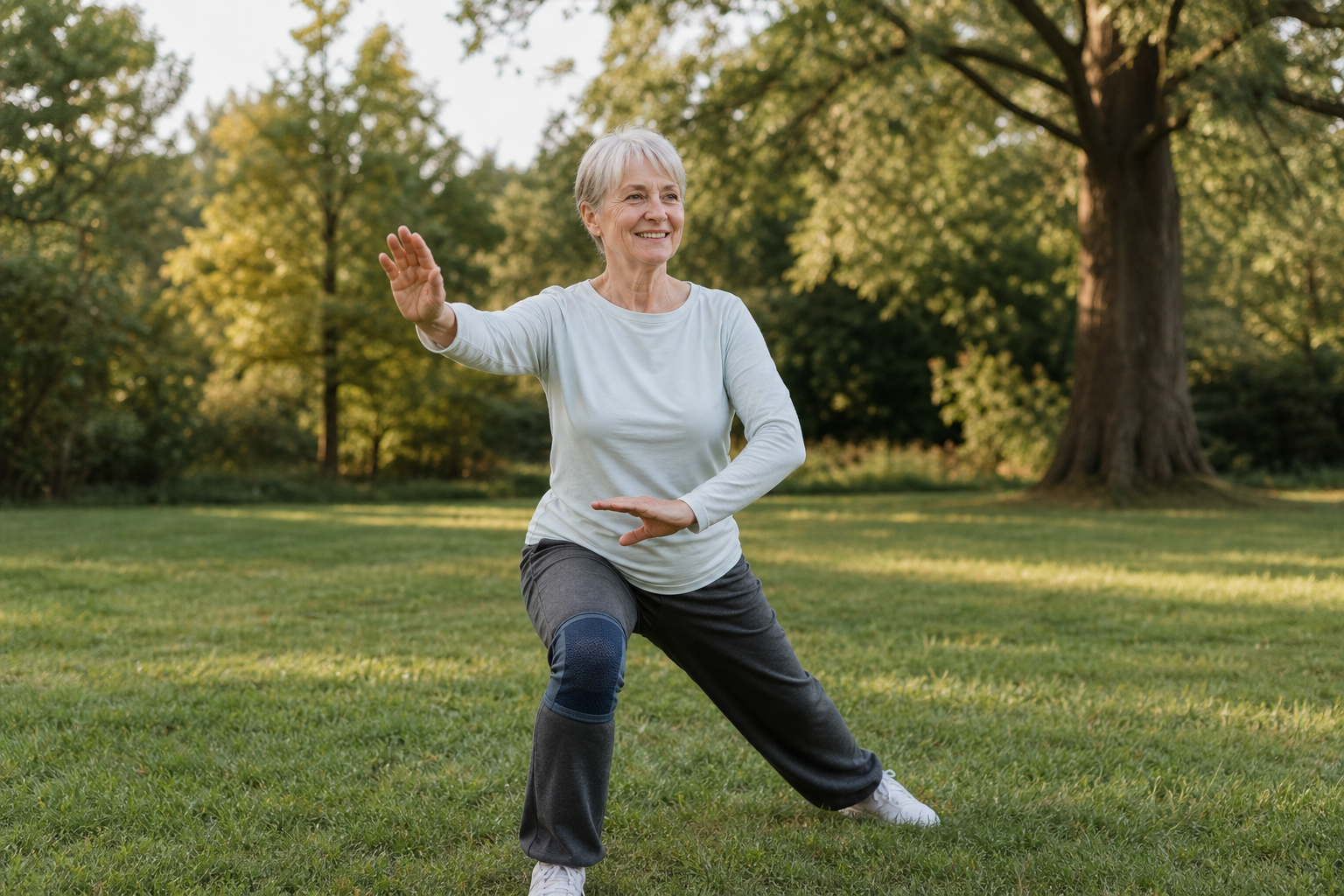
If your knees are especially unstable or wobbly, a light brace can help you feel safer as you try new movements. I’ve recommended the NEENCA Professional Knee Brace to dozens of readers. It’s surprisingly comfy, with side stabilizers and a gel pad that spreads out the pressure. You don’t have to wear it forever—just enough to build confidence while you learn the moves.
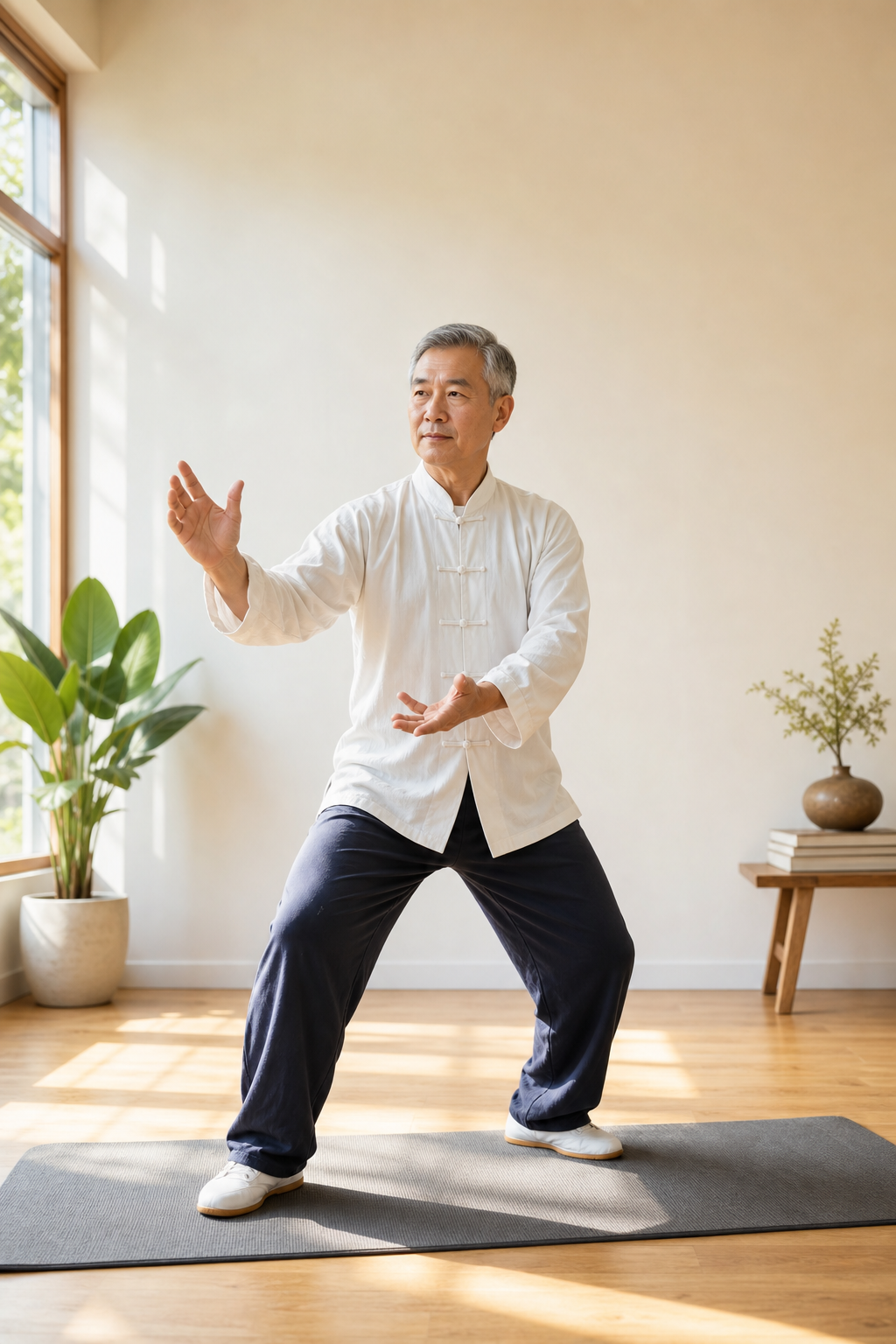
But—here’s my unpopular opinion—don’t go overboard with gadgets. Tai chi should feel freeing, not like you’re suiting up for battle. Most people need nothing more than a mat and an open mind.
Tai Chi vs. Other Exercises for Arthritis (What the Data Shows)
This comes up at nearly every talk I give: “Why not just do yoga? Or a regular strength class?” The honest answer? Both have their place. But tai chi wins for joint-friendly balance work.
A 2020 head-to-head study in Geriatrics & Gerontology International compared tai chi, yoga, and a basic resistance program for older adults with knee arthritis. The tai chi group not only saw greater improvements in balance (measured by timed up-and-go tests), but also reported less pain and more confidence when standing from a chair. Yoga had some benefits for flexibility, but several participants dropped out due to discomfort in weight-bearing poses.
Another bonus: tai chi is generally safer for people with osteoporosis or advanced joint damage. The slow motion, constant feedback from your body, and the focus on posture reduce your risk of injury—unlike some strength circuits, which can be a little too ambitious (and, let’s be honest, pushy).
Can Tai Chi Really Replace Physical Therapy?
I know physical therapists who would throw a shoe at me for even suggesting this, but here’s where it gets interesting: several randomized trials (see that Arthritis & Rheumatology 2019 study above) have shown tai chi is as effective as standard PT for knee arthritis pain and function. Of course, if you need hands-on help or can’t walk unassisted, PT is still the gold standard. But for ongoing management? Tai chi is a potent, low-cost, low-risk option you can do for life.
If you want more structure at home, I do like Treat Your Own Knees by Jim Johnson—it’s not tai chi-specific, but it contains simple exercise plans (with illustrations) that complement tai chi perfectly. Plus, it’s affordable and easy to follow, even if you hate exercise books.
Real Talk: Limitations, Missteps, and What to Watch For
It’s not all sunshine and rainbows. Tai chi isn’t a cure, and progress can be slow. Some days, you might feel clumsy or frustrated—especially if stiffness is flaring. Classes vary widely in quality; not every instructor knows how to adapt for arthritis. (Ask about their experience before signing up. Don’t be shy.)
And a word on pain: Tai chi shouldn’t make your joints worse. If you notice swelling, severe pain, or your balance actually gets shakier, check in with your healthcare provider. Individual results really do vary, and sometimes medical intervention is needed alongside tai chi—not instead of it.
5 Surprising Tai Chi Benefits for Arthritis and Balance
- Boosts leg strength—even when movements feel easy, electromyography shows consistent muscle activation (J Rheumatol, 2017).
- Enhances proprioception—that all-important sense of “where your feet are.” Key for fall prevention.
- Reduces fear of movement—leading to more activity and less pain over time (Arthritis Care & Research, 2016).
- Improves sleep—not just from the exercise, but the meditative aspect. Several studies found deeper sleep after 3-4 weeks of tai chi.
- Builds community—group classes foster support, which boosts motivation. I still get cards from readers who found lifelong friends in tai chi groups.
How to Get the Most Out of Tai Chi for Arthritis and Balance
If you’re nodding along, you’re not alone. The hardest part is starting—but here’s my best advice, gathered from two decades of reporting and more than a few wobbly classes myself:
- Find an instructor who gets arthritis. Or, at the very least, is happy to play “modify on the fly.”
- Start slow. Ten minutes daily trumps an hour once a week. Your brain learns by repetition, not marathons.
- Use supports if you need them (braces, mats, even a sturdy chair for balance). No shame here—progress is the goal.
- Celebrate the small wins. The first time you stand a little taller or walk a little steadier, that’s gold. Write it down.
Takeaways: Tai Chi’s Place in Your Arthritis and Balance Toolbox
Tai chi isn’t a miracle, but for many, it’s the missing puzzle piece: gentle, affordable, surprisingly effective. The science is clear—pain drops, balance improves, and confidence grows. You don’t need fancy gear or a packed gym schedule. Just a willingness to try, and maybe a little patience with your stiffest days.
Will it work for everyone? No. Will it replace your rheumatologist or your favorite topical? Also no. But combined with sensible self-care (like using Voltaren or a comfortable knee brace when you need it), it just might be your new favorite movement.
If you’re curious, give it a shot. And if you do, let me know—I love hearing real stories, even the messy ones. Until next time, here’s to moving with less pain (and a little more grace).
Karen Whitfield is a veteran health journalist who has covered arthritis research and joint health for publications including Everyday Health, Prevention, and Arthritis Today. She brings a patient-first perspective to every article.