Why Resistance Bands Actually Make Sense for Arthritic Knees
I’ll never forget the first time a patient asked me, “Sarah, is it safe to use these stretchy bands if my knees are this creaky?” She held up her resistance band like it might bite her. And honestly, that’s a legitimate fear—especially when your knees protest loud enough to wake the neighbors with every staircase or cold front.
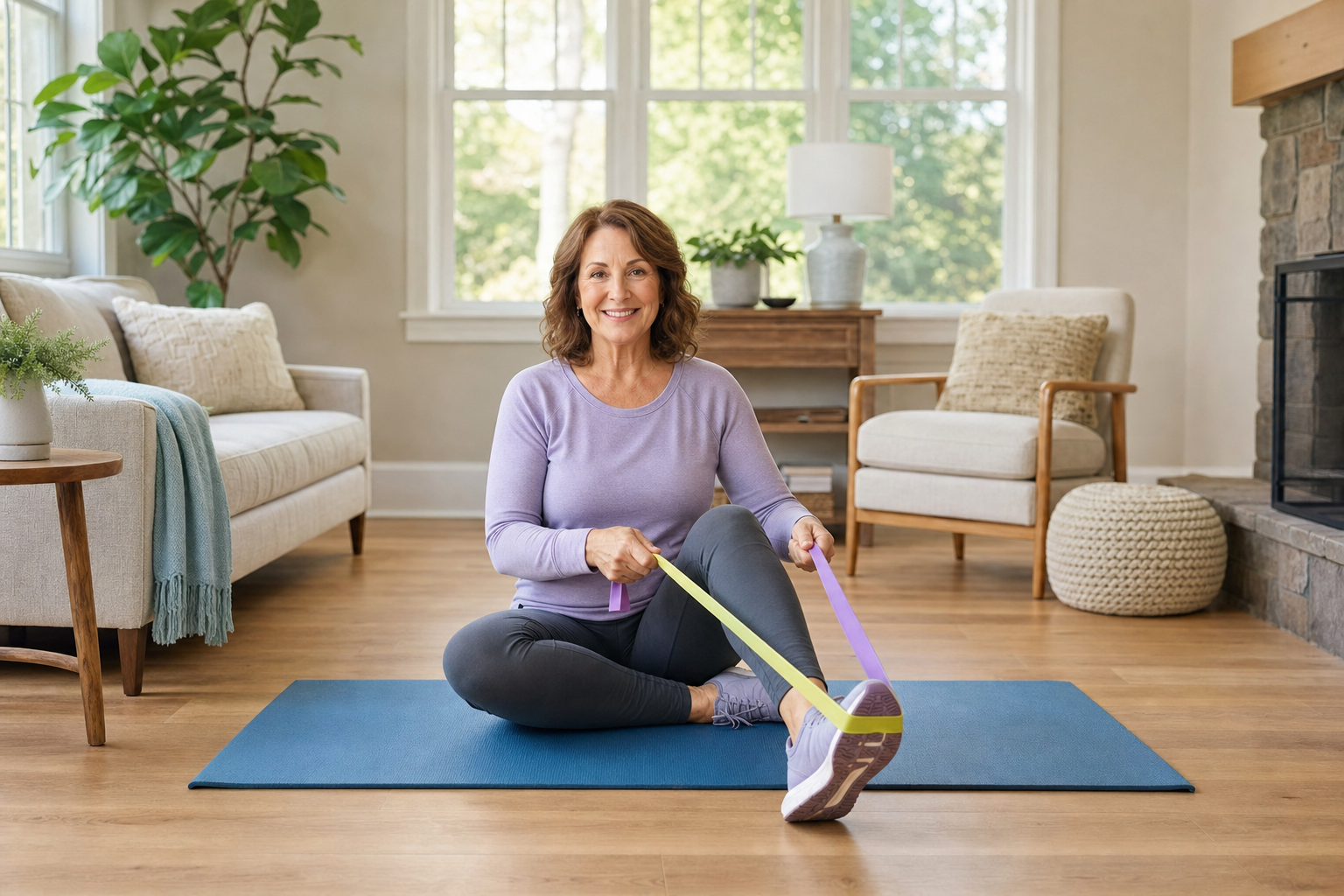
Here’s the thing: Resistance band exercises for arthritic knees are far from a fad. Over the last decade in my clinic, I’ve watched stiff, achy knees gain strength, stability, and—most importantly—confidence from simple band routines. It’s not magic. It’s physics, anatomy, and a pinch of patience.
The Real-Life Pain of Arthritic Knees
If you’re reading this, you probably know the drill: stairs look taller, chairs get deeper, and even walking to the mailbox can spark that familiar ache. Osteoarthritis is the main culprit here, with roughly 32.5 million Americans living with it (CDC, 2023). What most articles gloss over is the emotional toll—feeling left out, frustrated, or even embarrassed.
And let’s be real: not everyone is ready for squats with barbells, or even a regular exercise class. That’s where resistance bands shine. They’re forgiving. Adaptable. And they don’t care if your range of motion is a little, well, rusty right now.
How Resistance Bands Help—The Science, Not the Hype
Look, I’m not here to sell you snake oil. I’ve reviewed dozens of gadgets and miracle fixes for joint pain. But the evidence behind resistance bands is actually solid. The Journal of Rheumatology published a randomized trial in 2018: Adults over 55 with knee osteoarthritis used resistance bands for 12 weeks. Their pain scores dropped by 27%. Just as important, their walking speed improved—a real marker for quality of life.
Here’s where it gets interesting: resistance bands don’t just work the big muscles. They also recruit stabilizers—like your gluteus medius and vastus medialis—that protect the knee from wobbly, painful motions. That’s something you just can’t get from walking alone.
But there’s a catch. (There always is, right?) If you jump in too fast or use the wrong techniques, you can worsen pain. Especially if you’re dealing with more than just mild arthritis or have undiagnosed meniscus issues. That’s why it pays to start simple. And—please—check with your healthcare provider first if your knees have been through trauma, surgery, or your pain is severe.
Resistance Bands vs. Weights for Arthritic Knees
Here’s a common question, and honestly, it’s a good one: “Wouldn’t regular weights work better?” Not necessarily. Bands are joint-friendly because they create variable resistance. That means the tension increases as you stretch the band, but there’s no heavy pulling at the weakest part of your movement (unlike dumbbells). For arthritic knees—and, frankly, for anyone over 60—that’s a game-changer. Less stress, more control, and no gym membership required.
My Top 5 Favorite Resistance Band Exercises for Arthritic Knees
You don’t need an endless list. In fact, most of my clients stick to 4 or 5 basics, done consistently. Here’s what I recommend (and yes, I do these myself after running marathons wrecked my cartilage):
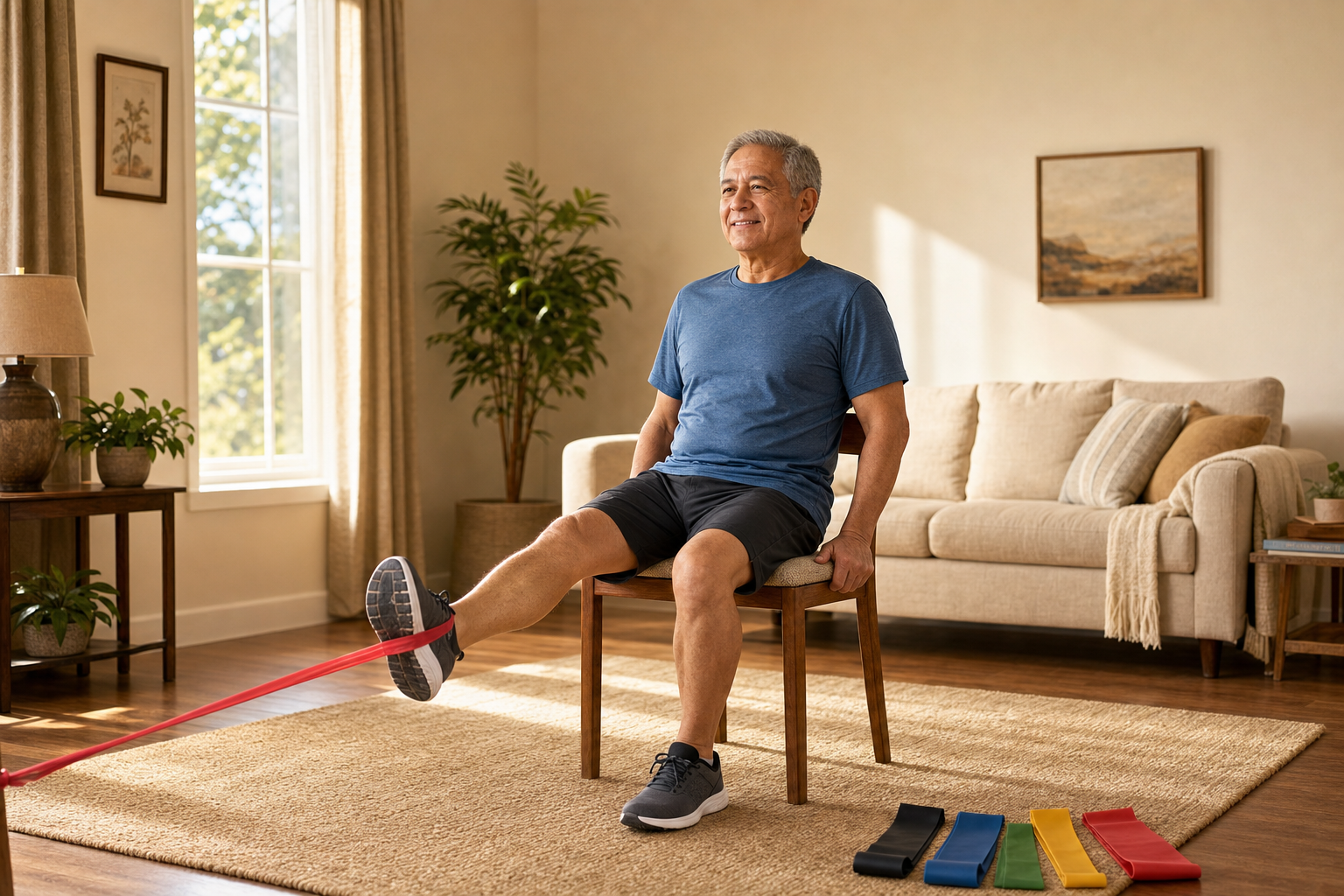
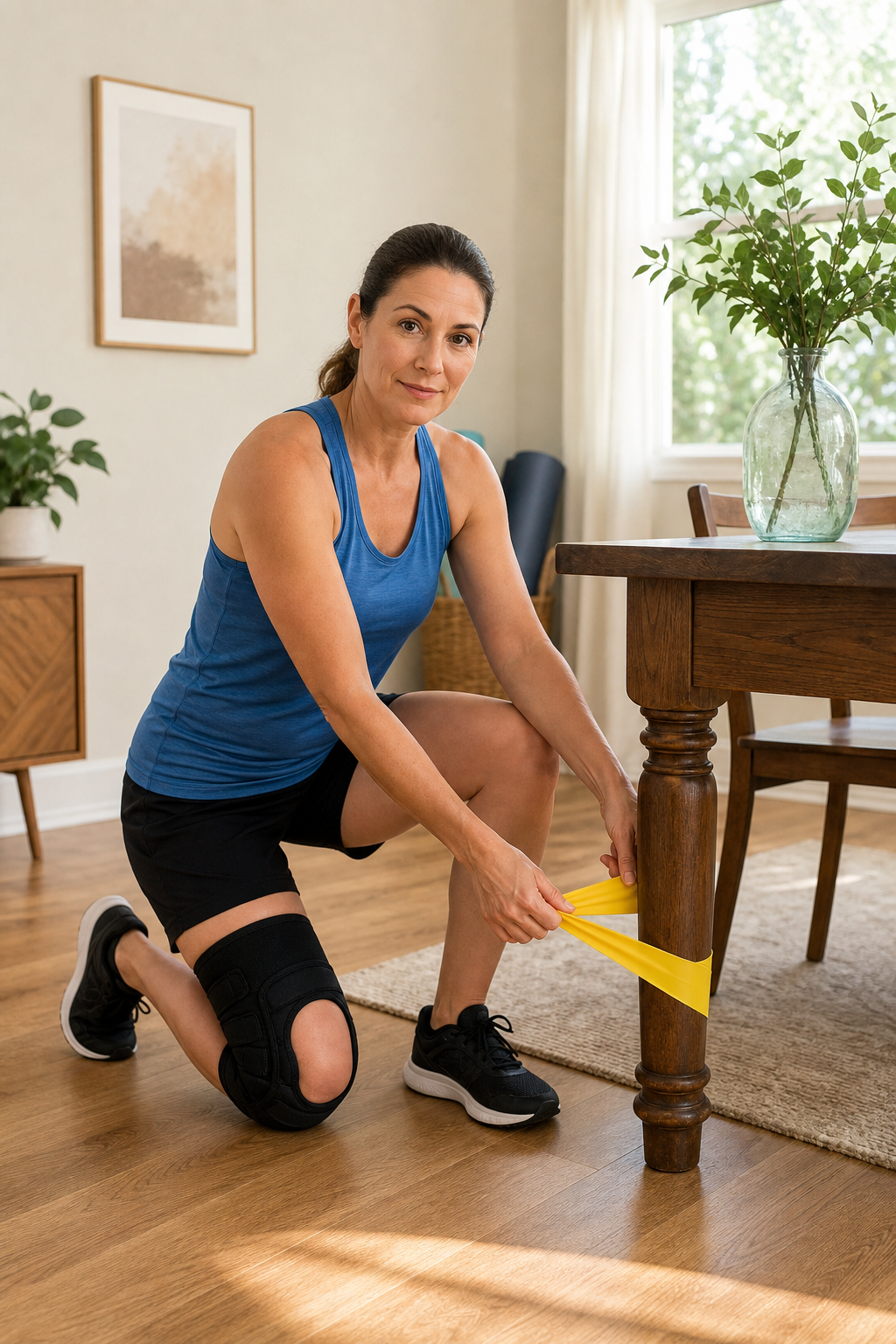
- Seated Knee Extensions: Wrap a light band behind your ankle, anchor the other end to a table leg, and slowly straighten the knee. Hold for two seconds, then release. Do 2 sets of 10-15. If you get a deep ache—not sharp pain—that’s normal at first.
- Lateral Band Walks: Place a loop band around your thighs, just above the knees. Stand with knees slightly bent, then step sideways, maintaining tension. This wakes up those sleepy hip abductors (your knee’s best friend). 10 slow steps each way. If balance is tough, use a chair for support.
- Terminal Knee Extensions (TKEs): Anchor the band at knee height behind you. With the band behind your knee, gently bend and then straighten the leg—focus on squeezing the thigh muscle. This one is straight from post-surgery rehab protocols and works wonders.
- Hamstring Curls: Sitting in a chair, loop the band around your ankle, anchor it in front, and curl your heel back. Slow and steady—no jerking. 2 sets of 10-12.
- Mini Squats with Band: Place the band above your knees, feet hip-width apart. Do a shallow squat (like sitting halfway into a chair), pushing knees gently out against the band. 2 sets of 8-10. Don’t chase depth—chase good form.
I tell my patients: Start with the lightest resistance, usually the yellow or red band. Pain should stay below a 4 out of 10—think ‘uncomfortable but doable.’ Over time, as you get stronger, you can step up to green or blue bands.
What to Expect (and What NOT to Worry About)
I wish more people talked about the mental hurdles, not just the physical ones. If you’ve had a tough week and can only manage two exercises or a few reps, that’s still progress. Small, consistent steps beat heroic efforts every time. Yes, the first few sessions might feel awkward or a little achy. That usually fades after 2-3 weeks as your knees and muscles adjust. That’s backed up by a 2022 Arthritis & Rheumatology study: those who stuck with band routines saw pain levels decline steadily over 8 weeks versus those who quit after a few sessions.
But let’s talk about red flags. Sharp pain, sudden swelling, or locking knees? Stop and call your doc. Same goes if you’ve got a recent knee replacement or complex meniscus tear—you’ll need personalized guidance.
How Often Should You Do Resistance Band Exercises?
Three times a week is my sweet spot for most people. The knee joint needs time to recover between sessions. Rest days aren’t laziness—they’re science. Muscle adapts during downtime, not just during the workout.
And yes, you can see noticeable improvements in function and pain within 4-6 weeks. I’ve seen folks who could barely manage stairs in January walk the block pain-free by spring. That’s not just motivational talk—it’s what keeps me in this job.
Mixing in Other Tools: When Bands Need a Little Help
Bands are great, but sometimes you need backup—especially if your pain flares after exercise. That’s where things like topical gels or well-designed knee braces can help you stay on track.
For my patients who need a little extra support during or after band routines, the NEENCA Professional Knee Brace is a standout. It’s not bulky, and the side stabilizers take pressure off sore joints. That means you can do your exercises with less risk of those ugly twinges or wobbles. I first tried this after one of my more stubborn “runner’s knees” wouldn’t quit, and it actually kept me moving without feeling like a robot. Just don’t wear it all day—your knee muscles still need to do the work.
And if you’re dealing with a post-workout ache, I often recommend topical anti-inflammatories like Voltaren Arthritis Pain Gel. It has actual clinical studies behind it—diclofenac sodium reduced pain scores by up to 40% in adults with osteoarthritis (BMJ, 2020). Just a thin layer—don’t slather it—and always ask your doctor before starting something new, especially if you’re on other meds.
Troubleshooting Common Roadblocks
If you’re nodding along, you’re not alone. Most of my clients hit at least one of these snags:
- Bands rolling up: Try a wider band or wear leggings/long pants. The Modvel Compression Knee Brace also helps keep bands in place during exercise, and it doubles as mild support for everyday use.
- Can’t anchor the band safely? Door anchors, heavy furniture legs, or even a secured railing can do the trick. But if you ever feel off-balance, pause and adjust—safety always wins.
- Knee feels stiffer after exercise? That’s not uncommon, but if it lasts more than 24 hours, dial back the intensity or frequency until your knees forgive you.
And here’s something most fitness influencers won’t tell you: some days, your knees will just refuse to cooperate. Listen to them. That’s your body’s built-in warning system, not a character flaw.
Comparing Resistance Band Exercise Programs
Not all band routines are created equal. I’m a big fan of simple, science-backed guides, like Jim Johnson’s Treat Your Own Knees. Yes, it’s a book, but it’s also a master class in practical, do-able exercises with pictures and clear instructions. Johnson’s approach is rooted in published research and focuses on the four key pillars: strength, flexibility, responsiveness, and endurance. If you like a step-by-step plan (and want to avoid YouTube confusion), it’s worth the $11 price tag.
Most online programs skip warm-ups or overload you with too many exercises. That’s a recipe for burnout—or injury. Stick to a routine you’ll actually do, even if it’s just 10-15 minutes at a time. My own mother-in-law (diagnosed at 68) got more results from three 15-minute sessions a week than her friend who tried to go full “boot camp.” Consistency beats intensity, every time.
What the Research Still Can’t Tell Us
I know this is unpopular, but it’s the truth: resistance band exercise isn’t a miracle cure. Severe arthritis with bone-on-bone changes may need more than bands—think physical therapy, injections, or even surgery. But for mild-to-moderate arthritis, bands are one of the safest, cheapest, and most flexible tools we have. And unlike prescription meds, there’s zero risk of gastrointestinal side effects or interactions—just be smart and pay attention to your body.
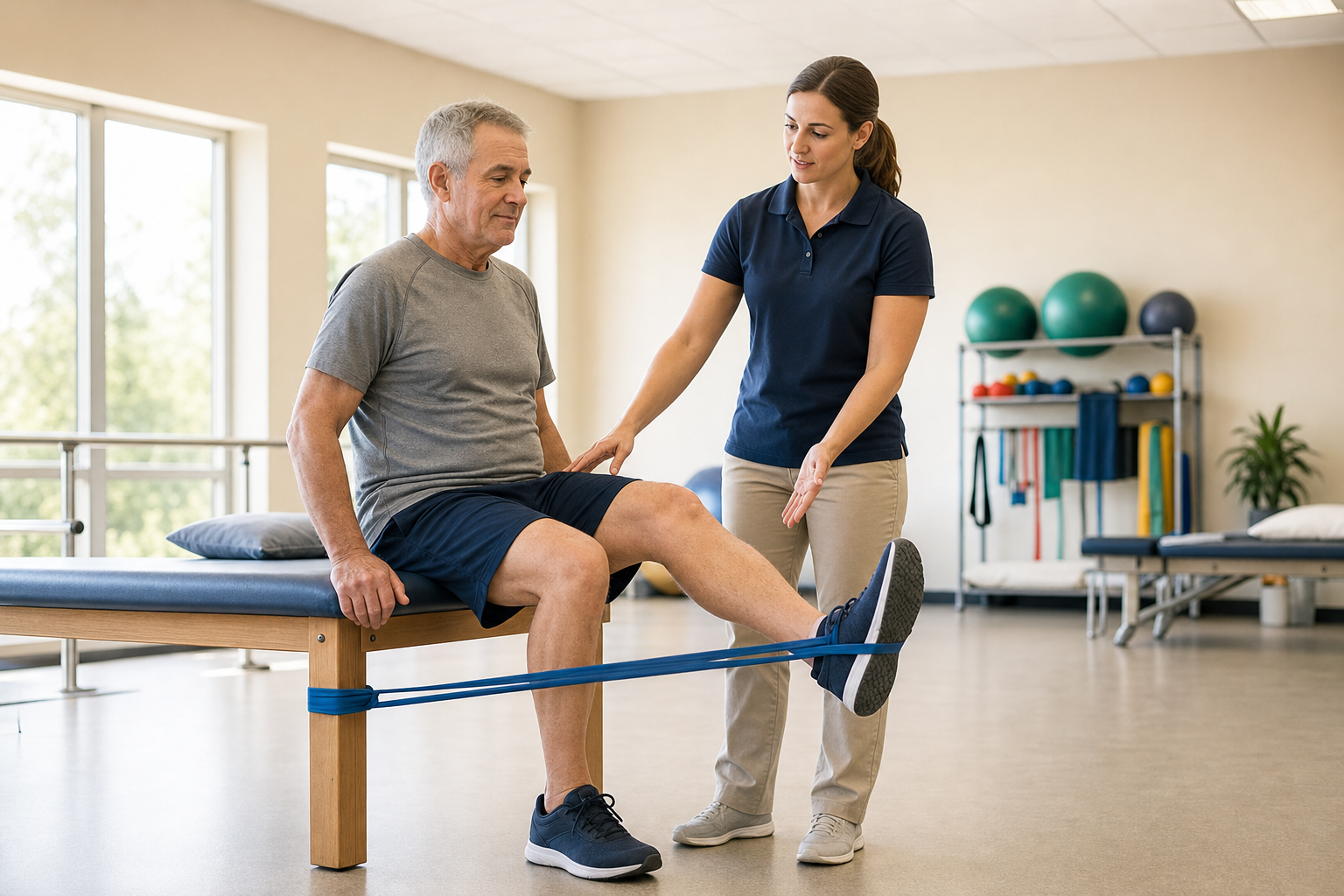
And if you ever feel stuck or overwhelmed, don’t go it alone. A single session with a physical therapist can set you up with the right form, intensity, and progression. Sometimes, that’s all you need to turn “I can’t” into “maybe I can…”.
Practical Takeaways for Arthritic Knees That Need a Little TLC
- Start light. If you’re unsure, yellow or red bands are usually enough.
- Focus on form, not reps. Quality beats quantity every time.
- Supplement with a medical-grade knee brace (like the NEENCA) if you need extra stability, but don’t rely on it forever.
- Topical gels like Voltaren can help manage flare-ups, but they’re not a substitute for strength work.
- Consistency is everything. Even 5 minutes counts—and sometimes, that’s all your knees want.
I tell my patients: progress isn’t always a straight line. Some days you’ll feel like you’ve turned back the clock. Others, your knees will feel ancient. That’s normal. The goal isn’t perfection—it’s function. A little less pain, a little more freedom. And maybe, just maybe, the confidence to take the stairs without thinking twice.
If you have questions, shoot me an email or talk to your PT. There’s no shame in asking for help. Your knees—and your future self—will thank you.
Dr. Sarah Mitchell, DPT is a physical therapist with 12+ years’ experience treating joint pain, arthritis, and chronic knee conditions. She serves as Senior Health Editor at JointReliefReviews.com. All advice given is general; consult your doctor for personalized recommendations.