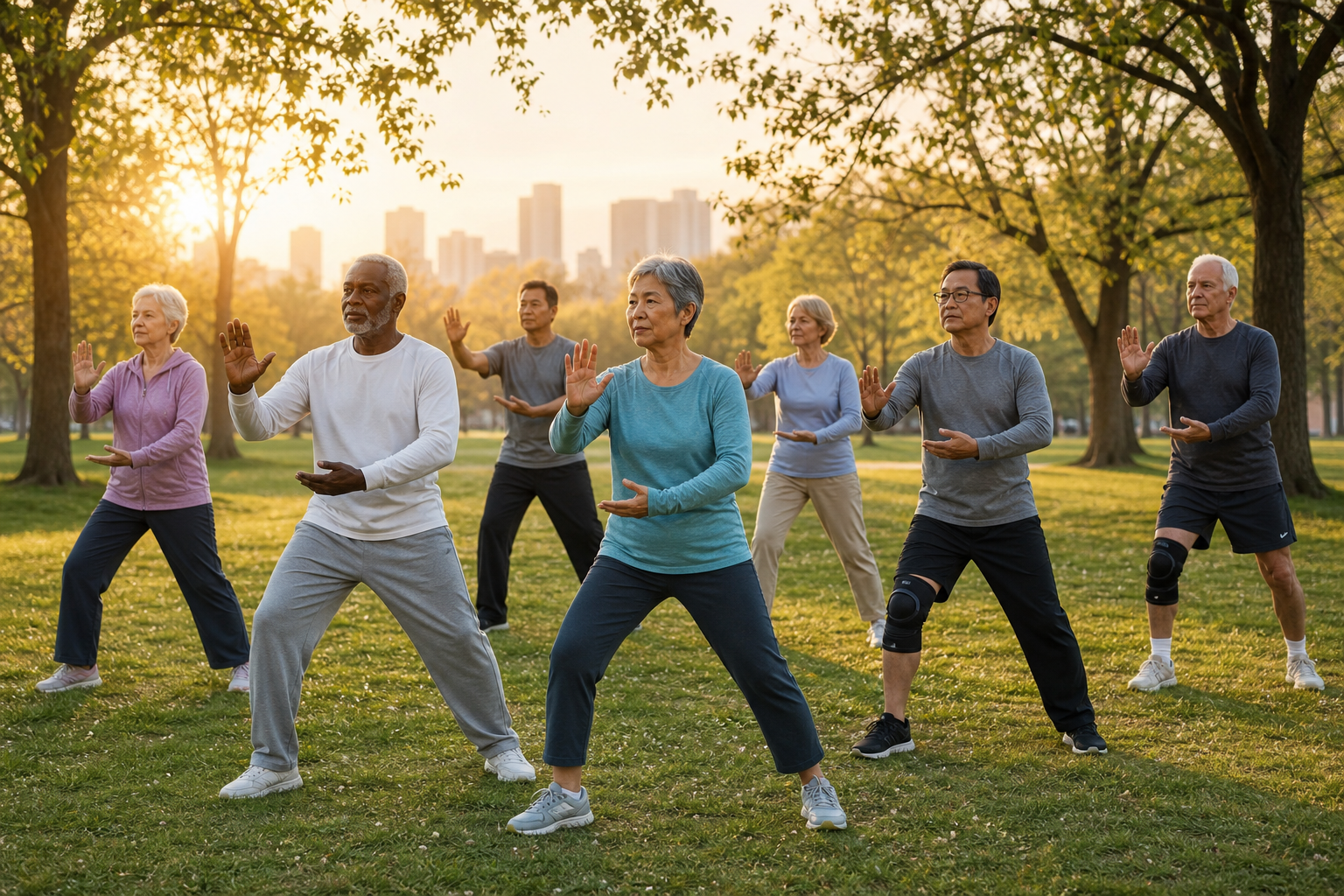
Tai Chi and Arthritis: Why I Recommend It, Even for the Skeptics
Let me tell you about my first real experience with tai chi and arthritis. I was caring for a retired firefighter named Harold—tough as nails, but his knees were shot from decades on the job. Pain, swelling, and a deep fear of falling kept him mostly parked in his recliner. Nothing had helped for long. One day his daughter dragged him to a community tai chi class for seniors. Three months later, he strolled into my clinic grinning, moving smoother than I’d ever seen, and he said, “Linda, this stuff is magic.”
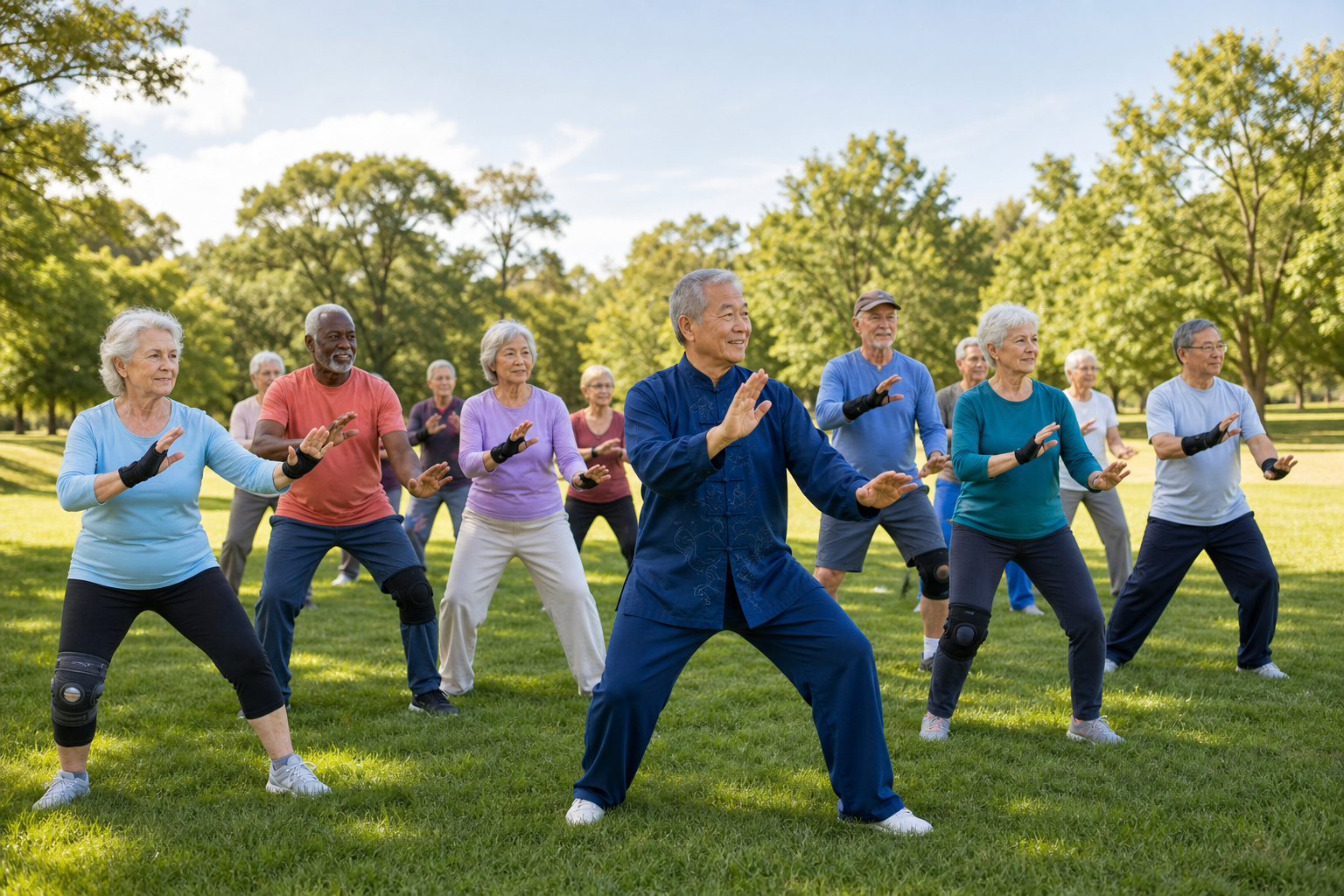
The Daily Struggle: More Than Just Achy Joints
If you’re reading this, I probably don’t need to describe the mental fog that comes with pain, or the hesitation that turns each staircase into a summit. I see it every week: patients clutching railings, stiff from guarding sore knees or hips, worried they’ll take a spill and never quite recover. The numbers back this up—according to Arthritis & Rheumatology (2019), adults with osteoarthritis are 2-3 times more likely to fall than their peers. It’s more than discomfort—it's your independence on the line.
And pain meds? Sure, they take the edge off, but long-term NSAID use isn’t doing your gut or heart any favors. Physical therapy is lovely if you have the right insurance. But what about something you can do, at your own pace, that doesn’t require a prescription, a co-pay, or a gym membership?
What Exactly Is Tai Chi? (And Why Does It Help?)
I’ll admit: the first time I saw tai chi, it looked like slow-motion shadow boxing for retirees. But spend five minutes reading up—or better, trying it—and you’ll see it’s deceptively challenging and remarkably gentle. Tai chi is an ancient Chinese practice blending slow, flowing movements, coordinated breathing, and meditative focus. Unlike high-impact exercise, it’s low-joint-load and highly adaptable.
Here’s the thing: tai chi isn’t just “easy stretching.” Chronically stiff joints? It gets you moving without jarring impact. Nerves shot from years of pain? Tai chi calms the sympathetic nervous system, which, in regular-speak, means less pain sensitivity over time. And balance? Research shows tai chi trains your brain and muscles to talk to each other again, reducing those “wobbly” moments that put you at risk for falls.
The Research: Tai Chi’s Track Record for Arthritis and Balance
If you’re nodding along, you’re not alone. The Journal of Rheumatology (2016) reviewed 54 randomized controlled trials—yes, 54!—and found tai chi significantly improved pain, stiffness, and physical function in knee osteoarthritis. And in a 2022 BMJ meta-analysis, tai chi was associated with a 31% reduction in annual fall risk among older adults. That’s not a fluke; that’s better than many pharmaceutical interventions.
Even more compelling, studies consistently show tai chi helps in ways that matter most: walking speed, leg strength, confidence in movement, and that all-important “fear of falling” score. One University of Sydney trial (2015) had older adults with moderate knee OA do tai chi twice a week for 12 weeks. They reported 35% less pain and a meaningful jump in balance tests, with no side effects.
How Does Tai Chi Work for Arthritis?
Okay, let’s break it down. Tai chi helps arthritis on three fronts:
- Gentle, weight-bearing movement: Keeps cartilage nourished and joints moving without overload.
- Mind-body focus: The meditative aspect reduces cortisol, which is linked to inflammation.
- Proprioceptive training: That’s a fancy way of saying—you re-learn where your body is in space, which is huge for balance.
Plus, it’s adaptable. Severe stiffness? You can do most moves seated. Sore ankles? Adjust the stance. You’re not competing with anyone but yourself.
Common Questions (Because You’re Probably Wondering...)
Is Tai Chi Actually Safe If You Have Bad Joints?
Short answer: Yes, with a few caveats. Tai chi has one of the best safety records of any movement therapy. The American College of Rheumatology and Arthritis Foundation both recommend it in their official guidelines. But—as I tell every patient—consult your doctor first, especially if you have severe osteoporosis, recent joint surgery, or unstable cardiac issues. And if your balance is truly shaky, start with a chair nearby. No shame in that.
Will It Really Help My Balance?
This is where tai chi shines. It’s essentially a balance class disguised as gentle exercise. In my clinic, I’ve watched folks who needed a walker slowly start moving across the room with only a cane, simply because tai chi trains those “stability muscles” that regular walking neglects. The slow weight shifts, single-leg stances, and controlled turns are exactly what physical therapists use for balance retraining—just with more style.
How Long Until I Notice a Difference?
I know, we all want results yesterday. Most research finds measurable improvements within 8-12 weeks if you practice 2-3 times per week. Some people (like Harold) notice a difference in a month, especially with stiffness and confidence. And yes, you can go at your own pace—no need to memorize a 108-step routine. Even 20-30 minutes, two or three times a week, adds up fast.
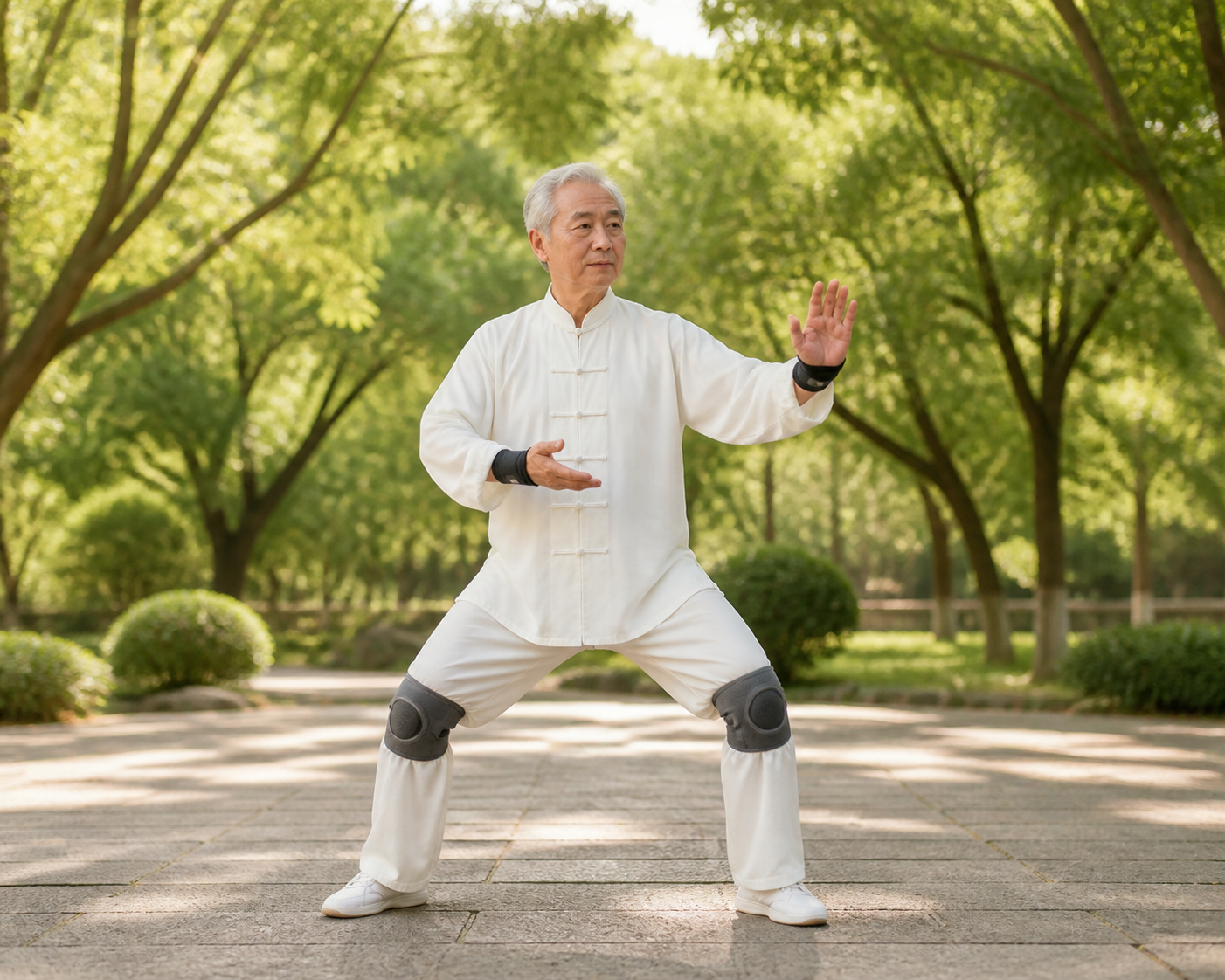
The Real-World Benefits: What Patients Tell Me
I get emails from readers every month about tai chi. Here are a few honest takeaways from people who stuck with it:
- “My mornings are less stiff. I used to hobble to the bathroom, now it’s just a slow walk.”
- “I’m less afraid to go grocery shopping alone.”
- “Not gonna lie—I still have pain, but I bounce back faster and fall less.”
- “It’s the only exercise I look forward to because it doesn’t hurt after.”
And here’s where it gets interesting: nearly every person notices better mood and sleep, not just joint comfort. That’s not placebo—there’s a neural connection between movement, mood, and pain processing. It’s part of why tai chi is now being studied for fibromyalgia and persistent fatigue, too.
How to Start Tai Chi for Arthritis and Balance: My Practical Tips
Look, you don’t need silk pajamas or a studio membership. Here’s my best advice from years of guiding newbies:
- Try a class in person if you can. Senior centers, YMCAs, and many PT clinics offer arthritis-friendly tai chi. The instructor matters—ask about their experience with arthritis or mobility issues. (Tip: The best ones adapt moves for chairs or walkers without blinking.)
- At-home options count. If you’re more comfortable at home or rural, streaming programs and DVDs can be a godsend. Look for “Tai Chi for Arthritis” or “Tai Chi for Balance” programs—these are based on research-backed routines.
- Focus on consistency, not perfection. Thirty minutes, twice a week, beats two-hour marathons you never repeat. Pick a time when you usually have fewer aches—many enjoy mid-morning or late afternoon.
- Safety first: Clear your space, use a stable chair for support, and if you have severe balance problems, consider a medical-grade knee brace for extra confidence. The NEENCA Professional Knee Brace has sturdy side stabilizers and is surprisingly comfortable for these routines.
- Keep expectations realistic. Will tai chi cure rheumatoid arthritis? No. But can it reduce stiffness, improve stride, and help you trust your legs again? I’ve seen it happen, over and over.
Pairing Tai Chi with Other Tools: My Honest Suggestions
Here’s something most articles won’t say: Tai chi is powerful, but it’s not a fix-all. On grumpy joint days, I see patients combine tai chi with topical pain relief (like Voltaren Arthritis Pain Gel, which uses FDA-approved diclofenac sodium and is a staple in my own medicine cabinet), gentle stretching, and—if balance is shaky—occasional bracing.
I’m a big fan of giving people something concrete to follow at home. If you’re more of a book person, Treat Your Own Knees by Jim Johnson packs in research-backed movements you can blend with tai chi sessions for extra strength and confidence. Nothing fancy, just real, achievable steps.
Quick health note: Always clear new exercise routines or topical products with your doctor—especially if you have complex medical issues or are on blood thinners. And never push through sharp pain.
Let’s Talk Controversy: Is Tai Chi Just Placebo?
I hear this a lot—usually from folks who haven’t tried it. The evidence actually points the other way. Tai chi’s benefits for arthritis and balance are documented in dozens of peer-reviewed studies, with large sample sizes and clear effect sizes. Can the meditative aspect amplify results? Absolutely. But that doesn’t make it “just placebo”—it’s smart, multi-system rehab in disguise.
I know this is unpopular with some hardline exercise physiologists, but I’ve seen tai chi do more for chronic joint pain than aggressive resistance training ever did for my older patients. And for those who hate yoga or the gym, tai chi is—dare I say it—almost fun.
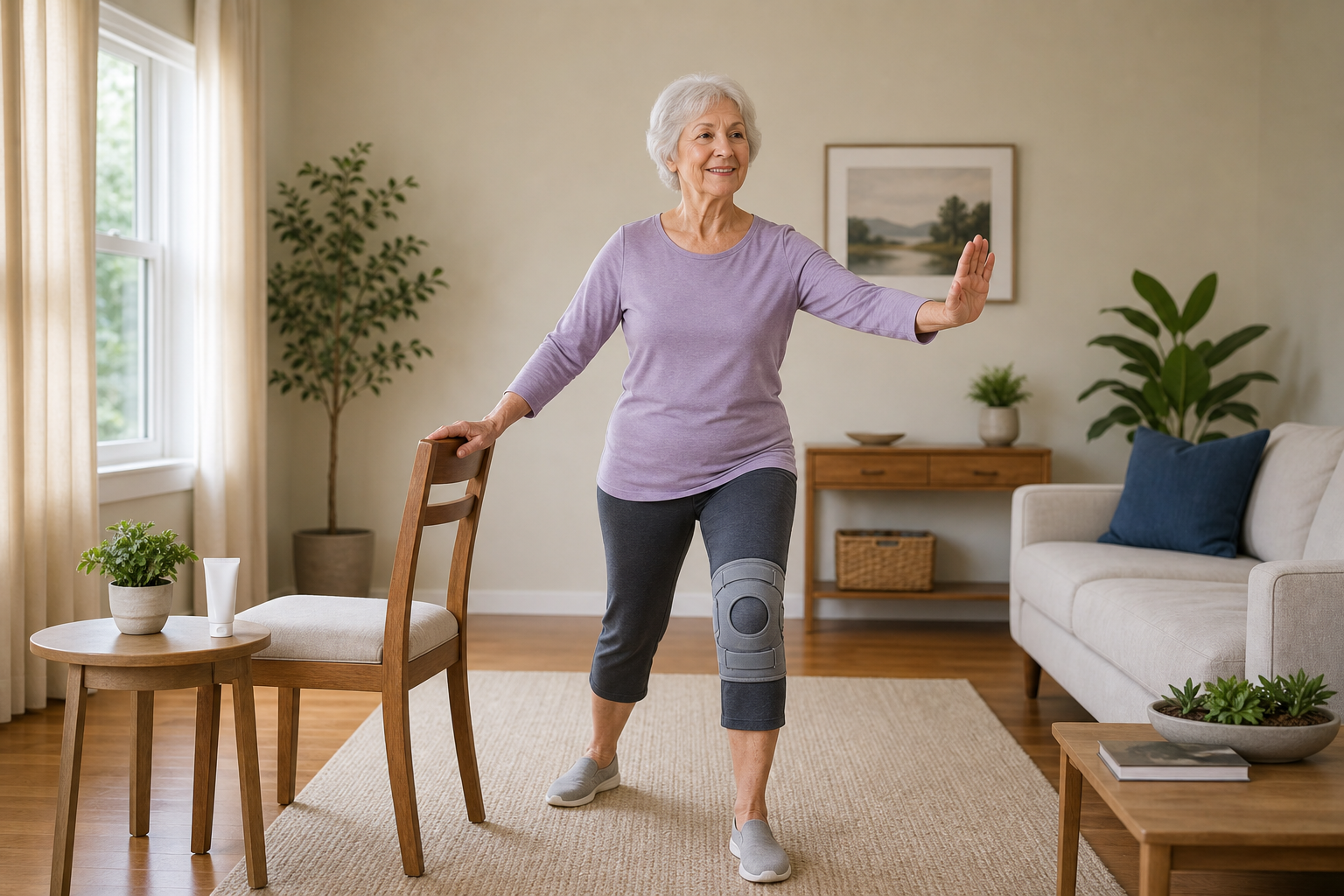
What to Expect: The First Few Weeks
I tell patients: Expect some awkwardness at first. Your muscles may feel “unused,” and the slowness can be surprisingly tiring. But that’s good! It means you’re waking up proprioception and getting circulation into those creaky joints. Soreness is okay; sharp pain is not.
Take it slow. Celebrate the small wins—less pain getting up from a chair, feeling steadier in the shower, or just enjoying movement again. Most people notice better mood and sleep within a month, and improved balance or less joint stiffness by three months. Patience pays off.
Fresh Takeaways: My Final Thoughts as an RN
If you only remember one thing from this article, let it be this: Chronic pain and poor balance are not “just part of aging.” Tai chi won’t reverse arthritis, but it can restore real quality of life—mobility, confidence, and even optimism. And unlike a lot of “miracle cures” you’ll find online, its track record is the real deal. If you’re thinking of trying it, start simple, stay consistent, and be kind to yourself.
If you want a practical kickstart, consider pairing your practice with trustworthy supports like NEENCA Professional Knee Brace, soothing topical gels like Voltaren for stubborn aches, or use the simple plans in Treat Your Own Knees to add extra confidence. But the best investment is giving yourself permission to move—gently, joyfully, and without fear.
If this article sparks questions or you want tips for starting locally, send me a note. I love hearing your stories (and yes, my in-laws are now hooked on tai chi!). To better balance, less pain, and a future where you’re not afraid of the next step—literally.
Linda Hargrove, RN — 20 years in orthopedic care, now writing and rooting for your joints at JointReliefReviews.com